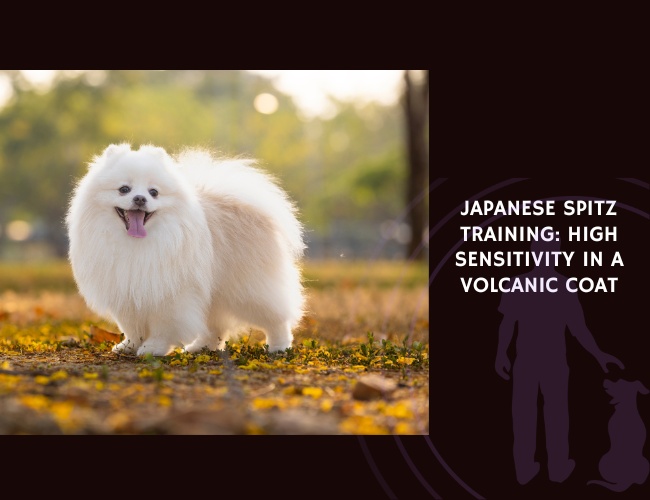
Introduction: The White Cloud with a Voice
Picture a living snowflake bouncing through your home—perpetually smiling, fluffy beyond measure, and seemingly bursting with confidence. The Japanese Spitz captivates hearts instantly with their pristine white coat and fox-like charm. But beneath that volcanic coat of brightness lies a paradox that surprises many first-time owners.
Your Japanese Spitz might strut like royalty one moment, then startle at a distant sound the next. They bark with absolute conviction, yet tremble when your routine shifts unexpectedly. This isn’t inconsistency—it’s the breed’s unique wiring, a blend of social warmth and sensory hyperawareness that requires understanding rather than correction.
Did you know that what looks like confidence can sometimes be fragile bravado? Or that their constant vocalizations might signal stress rather than protectiveness? Let us guide you through the cognitive and emotional landscape of these remarkable dogs, exploring training approaches that honor their sensitivity while building genuine resilience. 🧡
Next, we’ll explore how their breed origins shaped the behaviors you see every single day.
Character & Behavior: Understanding Your Spitz’s Inner World
The Companion-Guardian Paradox
The Japanese Spitz was developed in early 20th-century Japan primarily as a companion dog for urban families. Yet their genetic blueprint carries the alert instincts of their Nordic Spitz ancestors—breeds designed for both companionship and perimeter awareness. This dual heritage created a dog who wants to be in your lap while simultaneously monitoring every sound outside your window.
Unlike working breeds with specific jobs, your Japanese Spitz was refined for household adaptability. They needed to thrive in smaller living spaces while maintaining protective awareness. The result? A dog whose primary occupation is monitoring your wellbeing and announcing anything that seems “off.”
Their job description, literally written into their DNA, reads: stay close, stay aware, stay vocal. Understanding this helps you see their barking not as misbehavior, but as a dog doing exactly what they were bred to do. 🐾
Nordic Spitz DNA: What It Means for You
Sharing ancestry with Samoyeds and Pomeranians, the Japanese Spitz inherited more than just their striking appearance. Those upright ears? They capture sound frequencies you can’t hear. That alert posture? It enables split-second responses to environmental changes. Even that gorgeous double coat amplifies their tactile sensitivity to touch and temperature shifts.
Nordic Spitz breeds evolved in harsh environments requiring constant vigilance. Your Japanese Spitz processes information through threat-detection filters calibrated over centuries—even when the biggest “threat” is your neighbor closing a car door. This evolutionary legacy means their nervous system runs a continuous background scan of the environment.
You might notice your furry friend reacting to sounds you didn’t even register. That’s not anxiety—that’s their sensory equipment doing what it was designed to do. The key is teaching them which sounds require action and which don’t. 🧠
Soft Temperament, Hard Alerts
Modern breeding has softened overt fear responses and enhanced sociability. But here’s what many owners miss: emotional approachability was increased while sensory hypervigilance remained unchanged. Your Japanese Spitz likely greets familiar visitors with enthusiasm, yet maintains an internal alert system that never fully disengages.
This creates what behavioral specialists call “fragile bravado.” The dog appears confident because selective breeding removed obvious fearfulness, but the underlying nervous system remains tuned for rapid response. Think of it as having a smoke detector with maximum sensitivity—it works perfectly, but also alerts to steam from your shower, not just actual fires.
Common behavioral patterns you might observe:
- Confident exploration followed by sudden startle responses
- Friendly greetings that shift to barking if the person moves unexpectedly
- Calm behavior at home, but heightened reactivity during walks
- Apparent boldness that crumbles when routines change
- Vocalization that seems disproportionate to the trigger
Understanding that confidence and fragility coexist in your Japanese Spitz transforms how you approach training. Through the NeuroBond approach, trust becomes the foundation of learning, allowing you to build on their strengths while supporting their sensitivities. 🧡
Next, we’ll explore how your Japanese Spitz communicates and why their voice tells such detailed stories.
Vocalization & Communication: Decoding Your Spitz’s Voice
The Three Types of Barking
Not all barking sounds the same to your Japanese Spitz, even if it all sounds like “too much noise” to you. Learning to distinguish between different vocal patterns helps you respond appropriately rather than just trying to silence your dog.
Alert Barking: This is your dog’s primary job. They’re informing you about environmental changes—the mail carrier, a squirrel, voices in the hallway. From their perspective, they’re performing essential security service. These barks are typically sharp, repetitive, and directed at specific stimuli. You might notice your dog looking between you and the trigger, essentially asking, “Did you hear that? Should we be concerned?”
Boundary Stress Vocalization: When personal space feels compromised or boundaries seem unclear, barking increases. This happens when visitors enter too quickly, when your dog lacks a designated safe space, or when household routines become unpredictable. These vocalizations sound more continuous and higher-pitched, often accompanied by pacing or circling.
Emotional Contagion Barking: As highly social and attuned animals, Japanese Spitz absorb and mirror human emotional states. Your tension becomes their tension. Your rushed morning routine registers as environmental instability requiring vocal processing. This barking often seems random to you because you’re not aware of the emotional trigger you’re broadcasting. 🐾
Why “Quiet” Commands Often Fail
You’ve probably tried telling your Japanese Spitz to be quiet. Maybe it worked once or twice, but mostly they just bark through your commands. Here’s why: they don’t understand that they’ve completed their alert duty.
Without structured guidance, your dog lacks clarity about when they’ve successfully done their job. So they continue barking, seeking confirmation that you’ve received the message. It’s like sending an email and never receiving a reply—you’d probably follow up repeatedly too.
What works better than “quiet”:
- Acknowledge the alert: “Thank you, I heard it”
- Give them a specific behavior: “Come” or “Go to your mat”
- Use calm body language showing no threat exists
- Establish a clear endpoint ritual
- Reward the silence that follows acknowledgment, not just commanding quiet
This structure honors their instinct to alert while preventing the spiral into anxiety-driven barking. Your Japanese Spitz needs to know their alert was received and processed. 🧠
Trigger Stacking: The Overflowing Bucket
Here’s something you might not have considered: your Japanese Spitz’s explosive barking at the mail carrier probably isn’t about the mail carrier at all. It’s about trigger stacking—the accumulation of small stressors throughout the day.
Imagine a bucket filling with water. A car door closing adds a cup. A dog barking down the street adds another. Footsteps in the hallway, the doorbell, a dropped pan in the kitchen—each adds more water. Eventually, the bucket overflows, resulting in a vocal outburst that seems disproportionate to the final trigger.
Your dog might handle any single trigger calmly. But four triggers in twenty minutes overwhelms their processing capacity. You might notice that the same stimulus gets different reactions depending on what happened earlier. Morning mail delivery? Fine. Afternoon mail delivery after a loud garbage truck, construction noise, and a visitor? Total meltdown.
Signs of trigger stacking:
- Increasing restlessness throughout the day
- Shorter recovery times between alerts
- Overreaction to normally manageable stimuli
- Difficulty settling even after the trigger is gone
- Displacement behaviors like pacing, panting, or lip licking
Managing trigger stacking requires reducing overall stimulation and providing decompression time between stressful events. The Invisible Leash reminds us that awareness, not tension, guides the path toward emotional balance. 🧡
Next, we’ll explore how emotional sensitivity shapes your relationship with your Japanese Spitz.
Training & Education: Precision Over Pressure
Why High-Energy Methods Backfire
You might see training videos showing dogs doing rapid-fire obedience drills with lots of excitement and energy. For most Japanese Spitz, this approach creates more problems than it solves. Their sensitive nervous systems don’t process high-energy stimulation the same way more robust breeds do.
High-energy training methods often lead to over-arousal, where your dog becomes so excited they can’t think clearly. You’ll see this as increased barking, inability to focus, and behaviors that seem to worsen rather than improve. The very intensity meant to motivate them actually overwhelms their processing capacity.
Think of it this way: you wouldn’t teach someone with heightened anxiety by shouting enthusiastically at them in a chaotic environment. The same principle applies to your Japanese Spitz. Calm, clear, consistent guidance always outperforms excitement and pressure. 🐾
Optimal Training Strategies for Sensitive Souls
Micro-Rewards: Small, frequent treats delivered for desired behaviors work far better than larger rewards given sporadically. This keeps your dog engaged without creating the anticipatory arousal that large treats generate. You might notice they stay calmer and more focused when they’re not waiting for that huge jackpot reward.
Shorter Sessions: Five to ten minutes of focused training beats thirty minutes of distracted drilling every single time. Your Japanese Spitz’s concentration capacity is shorter than you might expect, especially in stimulating environments. Better to end while they’re still engaged and successful than push until they’re mentally exhausted.
Calm Pacing: Slow, deliberate movements and a peaceful tone help sensitive dogs process information without feeling rushed. When you hurry through training, your dog picks up on that urgency and interprets it as stress. Your calm becomes their calm—it’s that simple.
Choice-Based Training: Offering choices within a structured framework reduces anxiety dramatically. Instead of forcing your dog into a sit-stay, try presenting two options: “Would you like to sit on your mat or by my feet?” This empowers them and creates cooperation rather than compliance.
Training principles that honor sensitivity:
- Start in low-distraction environments
- Build duration gradually, never rushing progress
- Celebrate small wins enthusiastically but quietly
- Allow processing time between exercises
- End sessions on success, not exhaustion
- Read stress signals and adjust accordingly
Through these methods, trust becomes the foundation of learning, transforming your training sessions from stressful obligations into moments of connection. 🧡
Reading Stress Signals Before Escalation
Your Japanese Spitz communicates discomfort long before they start barking or showing obvious stress. Learning to read these micro-signals allows you to intervene early, preventing escalation and building their confidence that you’ll protect them from overwhelming situations.
Early warning signs of stress:
- Increased blink rate or squinting
- Ears pulled back or held stiffly
- Lip licking or yawning (when not tired)
- Stiff body posture or frozen stillness
- Turning head away from stimulus
- Panting when temperature doesn’t warrant it
- Sweaty paw prints on smooth floors
Did you know that what looks like “polite behavior” might actually be “cute shutdown”? Some Japanese Spitz become silent and still when over-pressured, appearing compliant but actually experiencing avoidance or learned helplessness. They’re not being good—they’re checking out emotionally.
The difference between engaged cooperation and shutdown? Watch their eyes. An engaged dog maintains soft eye contact and shows interest. A shut-down dog goes glassy-eyed, mechanically going through motions without genuine participation. 🧠

Environmental Setup for Success
Training doesn’t happen in a vacuum—your physical environment either supports or sabotages your efforts. For sensitive Japanese Spitz, environmental management often matters more than the specific commands you’re teaching.
Home environment considerations:
- Designated quiet zones where your dog can decompress
- Visual barriers blocking stimulating windows
- White noise or calming music to dampen triggering sounds
- Predictable furniture arrangement (changes create stress)
- Clear spatial boundaries using gates or markers
- Consistent entry/exit rituals for all family members
You might notice your Japanese Spitz trains beautifully in your bedroom but falls apart in the living room. This isn’t stubbornness—it’s environmental sensitivity. The living room has more windows, more foot traffic, more unpredictability. Start where they’re comfortable, then gradually add challenges.
Creating predictable spatial structures transforms reactivity into calm participation. When your dog knows exactly where they’re expected to be during doorbell rings or mealtimes, they don’t have to stress about figuring it out in the moment. 🐾
Next, we’ll explore how your emotional state influences your Japanese Spitz’s behavior more than you might imagine.
Emotional Connection: The Mirror Effect
Your Stress Becomes Their Stress
Here’s something that might change how you approach your Japanese Spitz: they can literally smell your emotional state. Research demonstrates that dogs detect human cortisol levels through olfaction. When you experience stress, your body releases cortisol in sweat, breath, and other secretions. Your dog smells this before you’ve even fully processed your own emotions.
This creates a feedback loop worth understanding. Your stress triggers their alertness, which increases your frustration, which amplifies their stress, and the cycle continues. You might notice your dog is “worse behaved” on days when you’re running late or feeling anxious. That’s not coincidence—they’re responding to chemical signals you’re broadcasting.
Breaking this cycle starts with your own emotional regulation. When you approach training or daily routines from a calm, grounded place, your Japanese Spitz literally smells the difference and responds with greater ease. 🧡
Emotional Contagion in Action
Emotional contagion goes beyond simple stress detection. Your Japanese Spitz actively mirrors your emotional state in real-time. If you tense when visitors arrive, expecting reactivity, your muscular tension and breathing patterns signal danger, priming your dog’s alert system.
Studies on canine-human attachment show that dogs with secure attachments display reduced stress markers even in challenging situations. But those same dogs show elevated stress when their owners are anxious. Your emotional regulation literally becomes their emotional regulation—this isn’t anthropomorphism, it’s neurobiology.
How your emotions manifest in your dog:
- Your anxiety → increased vigilance and barking
- Your frustration → avoidance or submission
- Your excitement → over-arousal and loss of impulse control
- Your calm confidence → relaxed exploration and trust
- Your rushed energy → hyper-alertness and difficulty settling
You might be thinking, “But I can’t control my emotions perfectly!” That’s okay—nobody can. The goal isn’t becoming emotionless, but rather developing awareness of how your states affect your furry friend. Sometimes just acknowledging “I’m stressed, so they’re probably picking up on that” helps you adjust your approach. 🐾
Household Dynamics That Matter
Beyond your individual emotional state, overall household dynamics profoundly impact your Japanese Spitz’s stability. Some environmental factors create chronic low-level stress that accumulates over time.
Loud children: Unpredictable noises, sudden movements, and high-pitched voices can overwhelm a sensitive nervous system. Children naturally create sensory chaos—running, squealing, dropping objects, and rapidly changing activities. For your Japanese Spitz, this environment demands constant vigilance without opportunities for recovery. This doesn’t mean children and Japanese Spitz can’t coexist, but it does mean you need to create structures protecting both.
Chaotic schedules: Dogs evolved to anticipate patterns. Feeding times, walk schedules, and sleep routines create predictability that reduces baseline anxiety. Chaotic schedules force your dog into perpetual uncertainty. They can never fully relax because they’re continuously monitoring for the next unpredictable event. Even small schedule consistencies—like always feeding breakfast before your first coffee—create anchoring points that reduce stress.
High sound environments: Living in apartments with thin walls, near busy streets, or in open-plan homes where sounds travel freely creates acoustic overload. Each sound potentially signals something requiring alertness. Without acoustic boundaries, your Japanese Spitz struggles to determine which sounds matter and which can be ignored. 🧠
Building Secure Attachment
Secure attachment forms the foundation of your relationship with your Japanese Spitz. This doesn’t mean constant physical proximity or never leaving them alone—it means consistent, predictable emotional availability when you’re together.
Characteristics of secure attachment:
- Your dog seeks you for comfort when stressed
- They explore confidently when you’re present
- Separation causes manageable concern, not panic
- Reunion greetings are joyful but not frantic
- They check in with you naturally during activities
- Recovery from stress happens more quickly in your presence
Building secure attachment requires consistent responses to your dog’s emotional needs. When they’re scared, you provide calm reassurance. When they’re excited, you offer grounding presence. When they’re uncertain, you demonstrate confidence. This consistency creates internal working models where your dog trusts that you’ll respond appropriately to their emotional states.
Moments of Soul Recall reveal how memory and emotion intertwine in behavior. Your Japanese Spitz remembers not just what happened, but how they felt during past experiences and how you responded. Each interaction either strengthens or weakens their trust that you’re a reliable emotional anchor. 🧡
Next, we’ll explore the physical activities and mental stimulation your Japanese Spitz needs to thrive.
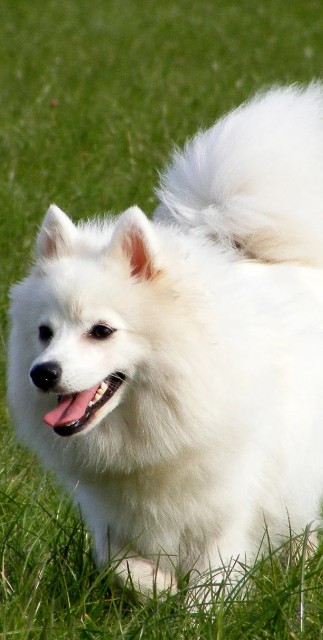
Bright. Sensitive. Volatile.
Fragile Inner Confidence
Your Japanese Spitz reads micro-shifts in your rhythm and reacts instantly with devotion or alarm. Their alertness is wiring, not misbehavior.
Inherited Vigilant Roots
Nordic Spitz ancestry keeps their senses calibrated for rapid detection, even in calm environments. Training teaches them which signals matter and which don’t.

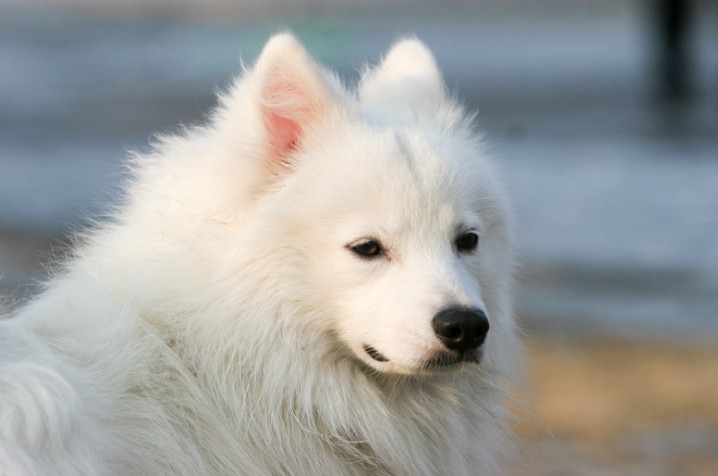
Softness Behind Brightness
Their cheerful exterior hides a nervous system that activates quickly under pressure. With steady guidance, their sensitivity becomes resilience instead of fragility.
Performance & Activities: Engaging Body and Mind
The Sniffing Paradox
You might think your Japanese Spitz needs lots of high-energy exercise—running, fetching, intensive play. While physical activity matters, mental enrichment through low-arousal activities like sniffing provides more benefit for this sensitive breed. Here’s why: sniffing activates calming neurochemicals while simultaneously providing intense mental stimulation.
When your dog sniffs, they’re processing enormous amounts of information—territorial markers, other animals, environmental changes, weather patterns, and countless other data points invisible to humans. This cognitive work tires them more effectively than running, while simultaneously reducing stress and promoting emotional regulation.
Slow, sniff-focused walks outperform high-arousal play for Japanese Spitz by a significant margin. You might notice that after a fast-paced play session, your dog seems more “wired” and reactive. But after a leisurely sniff walk, they settle more easily and seem genuinely relaxed. 🐾
🐕 Japanese Spitz Training Journey
From Reactive Barking to Calm Confidence: A Step-by-Step Sensitivity-Based Approach
Phase 1: Recognition
Understanding the Sensitive System
Breed-Specific Wiring
Japanese Spitz inherit Nordic Spitz alertness combined with companion-dog sensitivity. Their nervous system processes environmental stimuli through threat-detection filters calibrated over centuries. This creates dogs who are simultaneously social and hypervigilant—a paradox requiring specific understanding.
What You’ll Observe
• Confident exploration followed by sudden startle responses
• Friendly greetings that shift to barking with unexpected movements
• Calm home behavior but heightened reactivity during walks
• Vocalization that seems disproportionate to triggers
First Training Step
Begin observing without intervention. Track when your Spitz barks, what precedes it, and their recovery time. This baseline data reveals individual trigger patterns and sensitivity thresholds. Document for one week before implementing changes.
Phase 2: Stabilization
Building Your Emotional Foundation
The Mirror Effect
Your Japanese Spitz detects your cortisol levels through olfaction before you’ve processed your own stress. This creates feedback loops where your anxiety triggers their alertness, increasing your frustration, amplifying their stress. Breaking this cycle starts with your emotional regulation.
Handler State Assessment
• Notice your breathing patterns during dog interactions
• Identify muscular tension in shoulders, jaw, hands
• Recognize rushed energy in your movements
• Observe how your dog’s behavior changes with your emotional state
Daily Practice
Three times daily, practice 2-minute calm breathing sessions before interacting with your Spitz. Box breathing (4 counts in, 4 hold, 4 out, 4 hold) creates measurable cortisol reduction. Your dog will respond to your biochemical shift within minutes.
Phase 3: Environmental Design
Creating Supportive Spaces
Trigger Stacking Prevention
Each sensory input without resolution adds to the stress bucket. Visual barriers (window film, strategic curtains), acoustic dampening (white noise, sound-absorbing materials), and spatial boundaries transform reactive environments into manageable spaces. Your Spitz can’t regulate what they’re constantly exposed to.
High-Impact Changes
• Block ground-floor windows facing sidewalks or parking areas
• Establish decompression zones in interior rooms
• Use white noise machines near trigger-prone areas
• Create visual boundaries with furniture placement
Implementation Protocol
Address the single highest-impact trigger zone first. For most Japanese Spitz, this is window access to street activity. Complete one environmental modification, observe for 5-7 days, document behavioral changes, then proceed to next zone. Sequential implementation prevents overwhelming both you and your dog.
Phase 4: Alert Rituals
Structured Vocal Communication
The Alert Sequence
Your Spitz lacks clarity about when they’ve completed their alert duty. Teaching a structured sequence provides beginning, middle, and end: Bark to alert → Come to handler → Receive acknowledgment → Incident concludes. This honors their instinct while preventing anxiety-driven spiraling.
Training the Protocol
• Wait for natural alert bark (1-2 barks)
• Acknowledge: “Thank you, I heard it” (calm tone)
• Cue recall: “Come” or “Here”
• Reward arrival with calm praise and treat
• Practice 20-30 repetitions over 2 weeks until automatic
Advanced Application
Once established, the ritual becomes self-reinforcing. Your Spitz alerts, then automatically seeks you for acknowledgment. This transforms reactivity into purposeful communication. Through the Invisible Leash principle, awareness replaces tension as the guiding force in your interactions.
Phase 5: Sensitivity Training
Precision Over Pressure
Why Gentle Matters
High-energy training methods create over-arousal in sensitive nervous systems. Your Spitz becomes so excited they can’t process information clearly. Micro-rewards, shorter sessions (5-10 minutes), and calm pacing allow cognitive processing without overwhelming their emotional capacity.
Stress Signal Recognition
• Increased blink rate or squinting
• Lip licking or yawning when not tired
• Stiff body posture or frozen stillness
• Turning head away from stimulus
• Watch for “cute shutdown” – mechanical compliance without engagement
Optimal Training Structure
Start in low-distraction environments. Build one behavior to fluency before adding complexity. Use choice-based training offering two acceptable options rather than forcing compliance. End every session on success, not exhaustion. This builds genuine confidence rather than surface-level obedience.
⚠️ Methods to Avoid
Never use punishment, corrections, or dominance-based methods. These catastrophically amplify anxiety in Japanese Spitz, creating suppressed behaviors that eventually explode. Force destroys the trust foundation required for genuine training success.
Phase 6: Recovery Systems
Building Nervous System Resilience
Decompression Science
Sensitive dogs require structured recovery time between stimulating events. Without decompression, stress accumulates faster than it dissipates, leading to chronic hyper-vigilance. Fifteen minutes of quiet sniffing or calm mat time after walks provides measurable nervous system reset.
Daily Decompression Schedule
• After morning walk: 20 minutes quiet mat time
• Post-visitor departure: 15 minutes in decompression zone
• Between training sessions: 10 minutes free sniffing
• Evening routine: 30 minutes calm settling before sleep
Creating Sanctuary Spaces
Designate specific areas where your Spitz can decompress without demands. Covered crates, quiet interior rooms, or elevated beds in low-traffic zones work well. Teach “go to your space” as a voluntary behavior your dog chooses when overwhelmed, building emotional agency.
Phase 7: Predictability
Structured Daily Flow
Why Routine Matters
Dogs evolved to anticipate patterns. Consistent routines reduce the cognitive load of constant environmental monitoring, allowing genuine relaxation. Japanese Spitz with structured schedules show measurably lower cortisol levels than those living in unpredictable environments.
Essential Routine Elements
• Consistent wake-up and bedtime (within 30-minute windows)
• Regular feeding times at same locations
• Predictable walk schedules with similar routes
• Established visitor protocols and entry rituals
• Scheduled quiet times and activity periods
Building Routine Gradually
Start with one anchoring routine (e.g., always feeding breakfast before your first coffee). Once established for two weeks, add another routine element. Building gradually prevents overwhelming changes while creating cumulative stability. Your Spitz will begin anticipating events with confidence rather than anxiety.
Phase 8: Sustainable Growth
Maintaining Progress Long-Term
Progress Isn’t Linear
Expect setbacks during household changes, seasonal shifts, or hormonal cycles. These aren’t training failures but normal nervous system responses. Your maintenance focus shifts from intensive intervention to consistent reinforcement of established patterns while allowing natural variation.
Success Indicators
• Alert barking followed by automatic check-in
• Faster recovery from triggering events
• Voluntary use of decompression spaces
• Reduced baseline arousal level
• Confidence in novel but manageable situations
Monthly Maintenance Protocol
Review and refresh one trained behavior weekly. Conduct monthly environmental audits checking for new trigger sources. Maintain routine consistency while allowing natural life flexibility. This balance between structure and adaptability creates genuine resilience rather than rigid fragility.
🔍 Japanese Spitz vs. Similar Breeds: Training Approach Comparison
Japanese Spitz
Sensitivity Level: Very High
Vocal Tendency: High (Alert-based)
Training Style: Gentle precision, micro-rewards
Recovery Time: 15-30 min post-stimulation
Best For: Patient, emotionally aware owners
Samoyed
Sensitivity Level: Moderate-High
Vocal Tendency: Moderate (Social)
Training Style: Playful engagement, social rewards
Recovery Time: 10-20 min
Best For: Active families, cooler climates
Pomeranian
Sensitivity Level: High
Vocal Tendency: Very High (Territorial)
Training Style: Short sessions, high engagement
Recovery Time: 20-40 min
Best For: Experienced small-breed owners
American Eskimo Dog
Sensitivity Level: Moderate
Vocal Tendency: Moderate-High (Alert)
Training Style: Structured with playfulness
Recovery Time: 10-15 min
Best For: Active households with structure
Keeshond
Sensitivity Level: Moderate
Vocal Tendency: Low-Moderate (Selective)
Training Style: Gentle consistency, relationship-based
Recovery Time: 5-15 min
Best For: Families wanting calmer Spitz temperament
Volpino Italiano
Sensitivity Level: Very High
Vocal Tendency: High (Watchdog)
Training Style: Ultra-gentle, patience required
Recovery Time: 20-35 min
Best For: Experienced owners, quiet environments
⚡ Quick Reference: Japanese Spitz Training Formulas
Training Session Length: 5-10 minutes × 3-4 sessions daily > 30-minute marathon
Decompression Ratio: 1 minute decompression per 2 minutes of stimulation
Trigger Threshold: 3-4 triggers within 30 minutes = overflow risk
Alert Protocol: 1-2 barks + acknowledgment + recall = complete sequence
Environmental Management: 70% prevention + 30% training = sustainable success
Handler Calm: Your cortisol ↓ = Their reactivity ↓ (within 3-5 minutes)
🧡 The Zoeta Dogsoul Approach to Sensitive Souls
Training a Japanese Spitz isn’t about controlling behavior—it’s about understanding the sensitive nervous system beneath that volcanic coat. Through the NeuroBond framework, we recognize that trust forms the foundation of all genuine learning. Your emotional regulation becomes their emotional regulation, creating feedback loops that either amplify or reduce reactivity.
The Invisible Leash teaches us that awareness, not tension, guides the path forward. When you approach your Spitz with calm, grounded presence rather than anxious control, they respond with cooperation rather than resistance. Your energy sets the tone for every interaction.
Moments of Soul Recall remind us how deeply memory and emotion intertwine in behavior. Every interaction either builds or erodes trust. Every response either strengthens or weakens their confidence that you’re a reliable emotional anchor. This isn’t just training—it’s relationship architecture built on understanding, patience, and profound respect for their sensitive nature.
© Zoeta Dogsoul – Where neuroscience meets soul in dog training
Appropriate Physical Activities
While sniffing provides crucial mental stimulation, your Japanese Spitz does need appropriate physical exercise. The key word is “appropriate”—matching intensity to their sensitivity level rather than generic breed energy requirements.
Activities that suit Japanese Spitz temperament:
- Gentle leash walks with plenty of sniff breaks
- Hide-and-seek games with low-value treats
- Puzzle toys that require problem-solving
- Calm, structured play with familiar dogs
- Short agility sessions focusing on precision, not speed
- Swimming (if they enjoy water) for low-impact exercise
- Controlled fetch with clear start/stop boundaries
Activities to approach cautiously:
- Dog parks with unpredictable playmates
- High-speed fetch creating over-arousal
- Competitive group activities
- Extended running or biking (their stamina doesn’t match their enthusiasm)
- Rough play that might overwhelm them
- Loud, chaotic training environments
You might notice your Japanese Spitz loves fetch initially but becomes increasingly frantic with each throw. That’s over-arousal building. Smart play means recognizing when excitement tips into stress and ending the game before they lose control. 🧠
Mental Enrichment Strategies
Your Japanese Spitz’s brain needs exercise as much as their body—perhaps more so. Mental enrichment reduces stress, promotes emotional regulation, and satisfies their inherent need to problem-solve and explore.
Daily mental enrichment options:
- Scatter feeding in the yard or on sniff mats
- Rotating puzzle toys to maintain novelty
- “Find it” games with hidden treats or toys
- Box shredding (supervised) for safe destruction
- Frozen Kong stuffing for extended engagement
- Training new tricks focusing on precision
- Nose work or scent detection games
Did you know that fifteen minutes of intense sniffing or problem-solving can tire your dog as much as an hour-long walk? Mental work activates different neural pathways that promote genuine relaxation rather than mere physical exhaustion.
The goal isn’t wearing your dog out—it’s providing appropriate outlets for their cognitive needs while promoting emotional balance. A tired dog might still be anxious, but a mentally satisfied dog experiences genuine contentment. 🧡
Structured Decompression Time
Between activities, your Japanese Spitz needs structured decompression—time to process experiences without new stimulation. Many behavioral problems stem not from insufficient activity, but from insufficient recovery time between activities.
Signs your dog needs decompression:
- Increased reactivity to normal triggers
- Difficulty settling after activities
- Restless pacing or inability to relax
- Higher baseline arousal level
- Shortened recovery time between alerts
- More frequent displacement behaviors
Creating decompression protocols means building quiet time into your daily routine. After walks, visitors, or any stimulating activity, provide a calm space where your dog can decompress without demands or interruptions. This might be a crate with calming music, a quiet room, or simply allowing them to rest on their mat without interaction.
You might notice that your dog seems to need increasing amounts of exercise to stay calm. This often indicates insufficient decompression rather than insufficient activity. More isn’t always better—sometimes less is exactly what they need. 🐾
Next, we’ll explore nutritional considerations that support your Japanese Spitz’s sensitive system.
Nutritional Recommendations: Fueling Sensitive Systems
The Gut-Brain Connection
Your Japanese Spitz’s diet influences their behavior more than you might realize. The gut-brain axis—the bidirectional communication between digestive system and brain—means that what goes into your dog’s stomach affects their emotional regulation, stress responses, and behavioral stability.
Research increasingly demonstrates that gut health impacts anxiety levels, reactivity, and overall emotional wellbeing. An inflamed or imbalanced digestive system sends stress signals to the brain, potentially amplifying your Japanese Spitz’s inherent sensitivity. Supporting digestive health becomes a behavioral intervention, not just nutritional management.
You might notice that certain foods make your dog more reactive or restless. This isn’t imagination—it’s real neurobiological impact. Identifying and eliminating inflammatory ingredients can significantly improve behavioral stability. 🧠
Core Nutritional Principles
High-quality protein sources: Your Japanese Spitz needs easily digestible, high-quality proteins. Novel proteins (like duck, venison, or fish) often work well for sensitive systems. Look for whole meat sources listed first in ingredients, avoiding vague terms like “meat meal” or “animal by-products.”
Appropriate fat levels: Moderate fat content (around 12-16% for most Japanese Spitz) provides energy without overwhelming their digestive system. Too much fat can cause digestive upset; too little affects coat quality and cognitive function. You’ll know you’ve hit the right balance when your dog maintains stable energy without weight fluctuations.
Limited ingredient formulas: For sensitive Japanese Spitz, simpler is often better. Limited ingredient diets reduce the likelihood of allergic reactions and make it easier to identify problematic ingredients if issues arise. You might need to experiment to find what works, but starting simple provides a cleaner baseline.
Digestive support ingredients:
- Prebiotics (like chicory root, inulin) feeding beneficial gut bacteria
- Probiotics supporting microbiome balance
- Digestive enzymes aiding nutrient breakdown
- Omega-3 fatty acids reducing inflammation
- Antioxidants supporting overall cellular health
The goal is creating internal conditions that support emotional regulation and behavioral stability. Think of nutrition as building the biochemical foundation for training success. 🧡
Common Food Sensitivities
Japanese Spitz can develop sensitivities to common ingredients, manifesting as both physical symptoms and behavioral changes. Recognizing these connections helps you optimize their diet for stability.
Common trigger ingredients:
- Chicken (despite being common, causes reactions in many dogs)
- Beef and dairy products
- Wheat, corn, and soy
- Artificial preservatives and colors
- Generic “natural flavors”
Signs of food sensitivity:
- Increased scratching or paw licking
- Ear infections or excessive head shaking
- Digestive upset (loose stools, gas, bloating)
- Increased reactivity or anxiety
- Restless energy that doesn’t resolve with exercise
- Dull coat or excessive shedding
You might not connect digestive issues with barking problems, but they’re often linked. An uncomfortable dog is a reactive dog. Addressing nutritional imbalances can reduce baseline arousal, making training more effective. 🐾
Feeding Strategies for Stability
How you feed matters almost as much as what you feed. Feeding strategies can either support or undermine your Japanese Spitz’s emotional stability.
Meal timing: Consistent feeding times create anchoring points in your dog’s day. Most Japanese Spitz do well with two meals daily, spaced relatively evenly. Avoid feeding too close to bedtime, as digestion can interfere with settling for sleep.
Feeding location: A quiet, protected feeding space reduces stress during meals. Some Japanese Spitz become resource-guardy or anxious if fed in high-traffic areas. You might notice they eat more calmly when their bowl is in a corner away from household activity.
Slow feeding methods: Scatter feeding, puzzle feeders, or slow-feed bowls prevent gulping and provide mental enrichment. The act of working for food engages problem-solving circuits and promotes calmer eating patterns. This is especially helpful for dogs who become over-aroused at feeding time.
Treat strategy: Using treats during training requires thoughtful selection. High-value treats create excitement; too much excitement creates over-arousal. Finding that sweet spot—treats interesting enough to motivate but not so exciting they cause reactivity—makes training more effective. 🧠
Next, we’ll explore health concerns specific to Japanese Spitz and how they might affect behavior.
Health Concerns: Understanding Physical Influences on Behavior
Breed-Specific Health Considerations
While generally healthy, Japanese Spitz have certain health predispositions that can influence behavior. Understanding these connections helps you distinguish between training issues and medical concerns requiring veterinary attention.
Patellar luxation: This knee condition, common in small breeds, causes intermittent lameness or unusual gait. You might notice your dog suddenly lifting a rear leg during walks or seeming more reactive when touched in certain areas. Pain increases irritability and can make your dog less tolerant of handling or environmental stressors.
Eye conditions: Progressive retinal atrophy and other eye issues occasionally affect Japanese Spitz. Vision changes can increase startle responses and environmental anxiety. If your dog suddenly becomes more reactive to movement or shows reluctance in dim lighting, eye health should be evaluated.
Skin sensitivities: Their dense white coat can hide skin issues that cause discomfort. Allergies, hot spots, or dermatitis create chronic low-level irritation that manifests as increased reactivity, restlessness, or irritability. Regular coat inspection helps catch issues early. 🐾
The Pain-Behavior Connection
Pain changes behavior in ways that might seem like training regression or stubbornness. A Japanese Spitz experiencing physical discomfort becomes more reactive, less tolerant of handling, and quicker to vocalize frustration.
Behavioral changes that might indicate pain:
- Increased irritability or snapping when touched
- Reluctance to perform previously comfortable behaviors
- Changes in sleeping position or difficulty settling
- Decreased appetite or interest in activities
- Increased vocalization without obvious triggers
- Unusual posture or gait changes
- Over-grooming specific body areas
You might notice your dog suddenly “refusing” to sit on command. Before assuming disobedience, consider whether sitting might cause discomfort. Arthritis, muscle strain, or digestive issues can all make certain positions uncomfortable. Always rule out pain before addressing behaviors through training. 🧠
Dental Health and Reactivity
Dental disease affects far more than your dog’s breath—it creates chronic low-level pain and systemic inflammation that increases stress reactivity. Studies demonstrate that dental pain elevates cortisol levels and reduces stress tolerance across species.
Your Japanese Spitz might seem more reactive, vocal, or irritable without obvious reason. Checking dental health should be part of behavioral troubleshooting. Regular dental care isn’t just about teeth—it’s about reducing overall body burden that affects emotional regulation.
Signs of dental discomfort:
- Reluctance to chew hard foods or toys
- Pawing at mouth or excessive drooling
- Preferring one side when chewing
- Bad breath beyond normal “dog smell”
- Bleeding or inflamed gums
- Increased reactivity when approached near face
Addressing dental health often produces surprising behavioral improvements. Reducing pain removes a significant stressor, allowing your dog’s natural temperament to emerge without pain-driven irritability. 🧡
Hormonal Influences on Behavior
Intact Japanese Spitz experience hormonal fluctuations affecting behavior, particularly females in heat cycles and males responding to nearby females in heat. These influences can temporarily override even excellent training.
Hormonal behavioral changes:
- Increased reactivity and vocalization
- Reduced focus and training responsiveness
- Heightened territorial behaviors
- Increased anxiety or restlessness
- Changes in social tolerance
- Escape attempts or roaming behaviors
Understanding these cycles helps you adjust expectations appropriately. You might notice your typically well-behaved Japanese Spitz becomes suddenly difficult during certain times. This isn’t training failure—it’s biology. Managing the environment more carefully during these periods prevents rehearsal of unwanted behaviors.
Spaying or neutering at appropriate ages can stabilize hormone-driven behaviors. However, timing matters for skeletal and developmental health. Discussing optimal timing with your veterinarian creates a plan balancing behavioral and physical health considerations. 🐾
Next, we’ll explore how to create living environments that support your Japanese Spitz’s sensitive nature.
Lifestyle & Environment: Creating Sanctuary Spaces
The Ideal Japanese Spitz Home
Your living situation profoundly impacts your Japanese Spitz’s wellbeing. While these adaptable dogs can thrive in various environments, certain factors consistently promote stability and reduce stress-driven behaviors.
Space requirements: Japanese Spitz don’t need huge homes, but they do need clearly defined spaces. A small apartment with good spatial organization works better than a large chaotic house. What matters is structure—designated sleeping areas, feeding zones, and safe spaces they can retreat to when overwhelmed.
Acoustic environment: Sound management becomes crucial for this alert breed. Homes with good soundproofing, or at least acoustic dampening strategies, significantly reduce trigger stacking. You might notice your dog is calmer in interior rooms than those facing busy streets. Strategic use of white noise machines, heavy curtains, and sound-absorbing materials creates acoustic boundaries.
Visual stimulation: Windows can be your enemy or ally depending on management. Ground-floor apartments facing sidewalks create constant visual triggers. Using window film, strategic curtains, or furniture placement to block triggering sightlines transforms reactive spaces into calm zones. 🧠
Urban vs. Suburban Considerations
Urban environments: City living presents significant challenges for Japanese Spitz. Constant noise, visual stimulation, and unpredictable encounters require careful management. However, urban Japanese Spitz can thrive with structured routines, good environmental management, and owners who understand the additional stress load.
You might need to walk during quieter hours, use back streets instead of main thoroughfares, and create robust decompression protocols. Urban Japanese Spitz benefit enormously from regular trips to quieter areas—parks, suburbs, or nature settings where their nervous systems can experience lower baseline arousal.
Suburban environments: Suburbs often provide better acoustic and visual boundaries, but present different challenges. Increased yard access might mean more fence-line reactivity. More space can mean less structure. You might notice that without clear boundaries, your Japanese Spitz becomes a perimeter-patroller, constantly monitoring the neighborhood.
The key in suburban settings is creating structure within the space. Not allowing constant yard access, establishing specific outdoor times, and managing fence-line behaviors prevents developing chronic hyper-vigilance. 🐾
Multi-Pet Household Dynamics
Adding other pets to your Japanese Spitz’s environment requires thoughtful consideration. Their social nature can make them excellent companions for other animals, but their sensitivity means poor matches create significant stress.
Compatible companions:
- Calm, stable dogs with good social skills
- Cats raised with dogs or naturally dog-tolerant
- Other Japanese Spitz or similar Nordic breeds
- Any animal whose energy level matches theirs
Challenging combinations:
- High-energy, pushy dogs who overwhelm them
- Very large dogs whose play style is too rough
- Prey animals they might alarm or pursue
- Other highly reactive or anxious animals
You might notice your Japanese Spitz’s behavior changes significantly based on their companion animals. A calm dog friend can model emotional regulation; a chaotic one can create constant stress. If adding pets to your household, prioritize matches that support rather than challenge your Japanese Spitz’s sensitive nature. 🧡
Creating Decompression Zones
Every Japanese Spitz needs sanctuary spaces—areas where they can decompress without stimulation or demands. These zones become crucial for emotional regulation and stress recovery.
Effective decompression zones include:
- Crates with covers creating cave-like enclosures
- Quiet rooms with minimal through-traffic
- Beds in interior spaces away from windows
- Elevated perches allowing visual control without close contact
- Consistent “safe space” indicators (specific blanket or mat)
Your Japanese Spitz should voluntarily choose these spaces when overwhelmed. If they never use their decompression zone, it’s probably not peaceful enough or hasn’t been properly conditioned as a positive space. You might need to experiment with locations and setups to find what works.
Teaching “go to your space” as a behavior gives your dog agency in managing their stress. Instead of forcing them into crates during overwhelming situations, you’re providing a tool they can choose to use. This builds emotional resilience and trust that they have control over their environment. 🐾
Daily Routine Structure
Predictable routines dramatically reduce anxiety in Japanese Spitz. When your dog can anticipate what happens next, they expend less cognitive energy on constant environmental monitoring.
Essential routine elements:
- Consistent wake-up and bedtime
- Regular feeding times (within 30-minute windows)
- Predictable walk schedules
- Established quiet times
- Consistent approach to visitors or deliveries
- Regular grooming sessions on specific days
You might notice that schedule disruptions—vacations, guests, construction projects—significantly impact your dog’s behavior. This isn’t demanding or inflexible; it’s how their nervous systems are wired. During unavoidable disruptions, additional structure elsewhere compensates for lost predictability.
The Invisible Leash reminds us that awareness, not tension, guides the path. Creating environmental structures that support awareness while reducing tension allows your Japanese Spitz to navigate life with confidence rather than constant vigilance. 🧠
Next, we’ll explore how your Japanese Spitz’s needs change as they age.
Senior Care: Supporting Your Aging Spitz
Recognizing Senior Status
Japanese Spitz typically enter senior years around 8-10 years old, though individual variation exists. You might notice gradual changes that signal aging rather than sudden shifts. Understanding these changes helps you adjust care appropriately.
Early senior indicators:
- Slightly reduced activity level or stamina
- Longer recovery times after exertion
- More pronounced preferences for routine
- Increased sensitivity to temperature changes
- Subtle gait changes or stiffness after rest
- Earlier bedtimes or more frequent naps
These changes emerge gradually, and you might not notice them until they’re significant. Paying attention to baseline behaviors helps you detect aging-related shifts early enough to provide appropriate support. 🐾
Behavioral Changes in Senior Dogs
Aging affects more than physical capabilities—cognitive and emotional changes occur as well. Your senior Japanese Spitz might seem more anxious, confused, or rigid in their preferences. These aren’t personality changes but neurological shifts requiring compassionate adjustment.
Common senior behavioral patterns:
- Increased vocalization, especially at night
- More pronounced anxiety about changes
- Reduced tolerance for new experiences
- Stronger attachment to primary person
- Confusion about previously mastered routines
- Increased reactivity to stimulation
You might notice your previously adaptable Japanese Spitz becomes much more rigid about routines. This cognitive inflexibility reflects declining neuroplasticity—the brain’s ability to adapt to change. Supporting them through this means maintaining even more consistent routines and avoiding unnecessary disruptions.
Cognitive dysfunction syndrome (canine dementia) affects many senior dogs. Early signs include disorientation, altered sleep-wake cycles, changed interactions with family, and house-soiling. If you notice these patterns, veterinary consultation helps determine appropriate management strategies. 🧠
Physical Health Management
Senior Japanese Spitz require modified physical care addressing age-related changes. Preventing pain and discomfort becomes paramount, as physical discomfort amplifies anxiety and reactivity.
Key health monitoring:
- Regular veterinary check-ups (every 6 months minimum)
- Dental care maintaining oral health
- Vision and hearing assessments
- Joint health and mobility monitoring
- Weight management preventing obesity stress on joints
- Appropriate exercise balancing movement needs with limitations
You might notice your senior dog becomes more reactive or irritable. Before attributing this to aging grumpiness, evaluate for pain. Arthritis, dental disease, and other age-related conditions create chronic discomfort that affects behavior. Managing pain often resolves apparent behavioral changes.
Gentle, low-impact exercise remains important throughout senior years. Shorter, more frequent walks work better than long outings. Swimming, if they enjoy it, provides excellent low-impact movement. The goal is maintaining mobility without causing pain or exhaustion. 🧡
Nutritional Adjustments for Aging
Senior nutritional needs differ from adult requirements. Metabolic changes, reduced activity, and age-related health concerns all influence optimal diet composition.
Senior nutrition considerations:
- Reduced calorie density preventing weight gain
- Higher quality protein supporting muscle maintenance
- Joint-supporting supplements (glucosamine, chondroitin, omega-3s)
- Increased fiber supporting digestive regularity
- Antioxidants supporting cognitive function
- Highly digestible ingredients reducing digestive stress
You might notice your senior Japanese Spitz gains weight on their previous diet. Metabolic rate decreases with age, requiring caloric adjustment. However, protein needs often increase to prevent muscle wasting. Working with your veterinarian creates nutritional plans balancing these competing needs.
Some senior dogs benefit from multiple small meals rather than two larger ones. Digestive efficiency decreases with age; smaller portions process more easily and maintain steadier blood sugar levels. 🐾
Environmental Modifications for Comfort
Your home environment might need adjustments supporting your senior Japanese Spitz’s changing physical capabilities and sensory processing.
Helpful modifications:
- Ramps or steps accessing furniture or vehicles
- Non-slip surfaces on floors preventing falls
- Raised food and water bowls reducing neck strain
- Additional padding in sleeping areas supporting joints
- Night lights helping with dimmed vision
- Closer access to outdoor potty areas
- Warmer sleeping spaces addressing reduced temperature regulation
You might notice your senior dog hesitating at stairs or struggling with previously easy jumps. These aren’t refusals—they’re physical limitations. Providing alternatives maintains their dignity and independence while preventing injury.
Temperature sensitivity increases significantly in senior dogs. Your Japanese Spitz might seek out warm spots more frequently or seem uncomfortable in cold weather. Providing heating pads (designed for pets), warm bedding, and protective clothing for cold weather walks addresses their changing needs. 🧠
Maintaining Mental Stimulation
Cognitive engagement remains crucial throughout your Japanese Spitz’s life. Mental stimulation may be even more important for seniors, helping maintain cognitive function and providing quality of life as physical capabilities decline.
Age-appropriate mental enrichment:
- Simpler puzzle toys accommodating reduced dexterity
- Familiar scent work games
- Gentle training refreshers of known behaviors
- Social interaction with familiar dogs
- Novel but low-stress environmental enrichment
- Massage and touch work building connection
You might notice your senior dog tires more quickly during mental activities. Shorter sessions with longer rest periods work better than pushing for previous duration. The goal is engagement without exhaustion, stimulation without stress.
Some senior dogs develop new fears or anxieties about previously comfortable situations. This reflects cognitive changes rather than training regression. Responding with patience and support rather than correction honors their changing needs. Moments of Soul Recall reveal how memory and emotion intertwine—your compassionate responses during their senior years build trust that you’ll care for them even as capabilities fade. 🧡
End-of-Life Considerations
Eventually, you’ll face difficult decisions about your Japanese Spitz’s quality of life. Having frameworks for these assessments helps you make choices in their best interest rather than from your own difficulty letting go.
Quality of life considerations:
- Pain management effectiveness
- Interest in food and favorite activities
- Ability to move comfortably
- Good days vs. bad days ratio
- Maintenance of dignity (control over elimination)
- Interaction enjoyment with family
- Sufficient mental awareness to experience life
You’ll know your Japanese Spitz better than anyone—trust your observations about their quality of life. Veterinarians can provide medical information, but you understand their emotional experience. Making decisions from love rather than fear honors the relationship you’ve built together.
Your Japanese Spitz gave you years of devoted companionship, emotional attunement, and unconditional acceptance. Ensuring their final experiences are peaceful, comfortable, and filled with your loving presence is the last gift you can offer them. 🐾
Conclusion: Is the Japanese Spitz Right for You?
The Reality Check
The Japanese Spitz captivates with their stunning appearance and endearing personality. But beneath that volcanic coat lies a complex, sensitive soul requiring specific understanding and commitment. Are you prepared for the reality of living with this paradoxical breed?
You’ll thrive together if you:
- Value emotional depth over simple obedience
- Can provide consistent, predictable routines
- Understand that barking is communication, not misbehavior
- Have patience for gradual confidence-building
- Can remain calm during your dog’s stress responses
- Appreciate a dog who mirrors your emotional states
- Want a deeply bonded companion over an independent dog
- Can commit to ongoing behavioral management
This might not be your breed if you:
- Need a naturally quiet dog
- Want bomb-proof confidence in all situations
- Prefer dogs requiring minimal emotional management
- Live in chaotic, unpredictable environments
- Lack time for structured training and routines
- Become frustrated by sensitivity
- Want a dog for primarily outdoor activities
- Expect quick fixes for behavioral concerns
The Japanese Spitz rewards understanding owners with profound devotion, emotional attunement, and delightful companionship. They offer depth of connection that more independent breeds can’t match. But they demand emotional intelligence, patience, and willingness to see the world through their sensitive perspective. 🧠
The Training Philosophy That Works
Traditional dominance-based training catastrophically fails with Japanese Spitz. Punishment amplifies their anxiety, suppression creates behavioral fallout, and force destroys the trust these dogs desperately need. What works is precision over pressure, connection over control, and understanding over enforcement.
Through the NeuroBond approach, trust becomes the foundation of learning. The Invisible Leash teaches us that awareness, not tension, guides the path. Moments of Soul Recall remind us how deeply memory and emotion shape behavior. That balance between science and soul—that’s the essence of Zoeta Dogsoul, and it’s exactly what your Japanese Spitz needs to thrive.
You’re not training a dog to obey commands. You’re building a relationship with a sentient being whose nervous system processes the world differently than yours. When you honor their sensitivity while building resilience, you create a partnership based on mutual trust and understanding. 🧡
Moving Forward Together
If you’ve chosen to share your life with a Japanese Spitz—or you’re considering it—you’re embarking on a journey requiring more emotional intelligence than typical dog ownership. Your reward will be a companion who knows your moods before you do, who offers comfort during difficult times, and who bonds with you at a depth that surprises even experienced dog people.
Remember that the volcanic coat hides a sensitive soul. The confident appearance can mask fragility. The constant vocalization tells stories of internal experience. When you learn to read these signals, honor these needs, and build trust through understanding, your Japanese Spitz transforms from a challenging barker into a resilient, confident companion.
The journey won’t always be easy. You’ll have moments of frustration when their sensitivity seems excessive or their barking tests your patience. But you’ll also experience profound connection, emotional attunement, and the particular joy of being truly seen by another being. 🐾
Your Japanese Spitz offers you an invitation: to slow down, to notice subtle emotional currents, to value connection over control, and to build relationship through understanding rather than enforcement. If you accept this invitation with open heart and patient mind, you’ll discover that the sensitive dog in the volcanic coat becomes one of life’s most rewarding companions. 🧡