
From Open-Range Guardianship to Structured Family Life
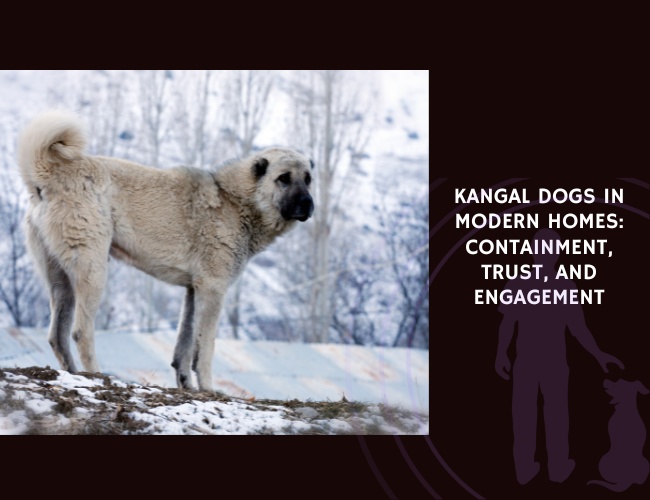
There is a quiet majesty in watching a Kangal Dog survey the horizon. For centuries, these powerful guardians roamed the rugged plateaus of Turkey, protecting flocks from wolves, bears, and human threats with an independence that required no instruction. They were bred not to obey commands, but to think, assess, and act—often miles away from any human presence. Now, picture that same dog standing at a suburban window, watching a delivery truck pull away. The instincts remain. The context has changed entirely.
If you are considering bringing a Kangal into your modern home—or if you already share your life with one—understanding this fundamental tension between ancestral purpose and contemporary reality is not just helpful. It is essential. This guide will walk you through the unique challenges and profound rewards of living with a Kangal in today’s world, offering practical strategies rooted in behavioral science and emotional intelligence.
Understanding the Kangal’s Ancestral Blueprint
A Guardian Born, Not Made
The Kangal Dog carries within its genetic code thousands of years of selective breeding for one primary purpose: autonomous livestock protection. Unlike herding breeds that work in close partnership with shepherds, Kangals were designed to operate independently across vast territories, sometimes spending days without direct human contact while making life-or-death decisions about potential threats.
This is not a dog bred to look to you for instructions. This is a dog bred to evaluate situations, weigh options, and act decisively—all without checking in for approval. When you understand this fundamental aspect of Kangal cognition, many behaviors that seem problematic in a modern context suddenly make perfect sense. That deep bark at 3 AM? Your Kangal detected something worth investigating. The suspicious stare at your neighbor? Threat assessment in progress.
Core traits that define the Kangal’s guardian nature include:
- Independent decision-making without waiting for human direction
- Low-arousal vigilance sustained over long periods
- Strong territorial awareness and boundary consciousness
- Deep attachment to their “charge” rather than general friendliness
- Wariness toward unfamiliar people and animals as a default setting
- Confidence in confronting perceived threats when necessary
The SEEKING and CARE Systems
From an affective neuroscience perspective, Kangals primarily operate through two powerful emotional systems. The SEEKING system drives their constant exploration, patrolling, and investigation of their environment. You might notice your Kangal methodically checking windows, doors, and fence lines throughout the day—this is not obsessive behavior but rather a deeply ingrained neurological pattern seeking information about potential changes or threats.
The CARE system fuels their protective instincts toward whatever they consider their “charge.” Historically, this was livestock. In your home, this becomes your family, your property, and your established routines. When a Kangal positions itself between your child and an approaching stranger, it is expressing the same protective drive that once stood between vulnerable lambs and hungry predators.
Problems arise when modern environments activate the FEAR and RAGE systems inappropriately. A Kangal that cannot fulfill its natural drives, that experiences constant low-grade stress from environmental triggers, or that lacks clear leadership may find these systems triggered far too often—leading to behaviors that concern owners and alarm neighbors.
Signs that your Kangal’s stress systems are being activated too frequently:
- Inability to settle even in familiar, safe environments
- Reactive barking that escalates rather than resolving
- Pacing, whining, or restlessness without clear cause
- Hypervigilance at windows, doors, or fence lines
- Difficulty disengaging from triggers once aroused
- Digestive issues, excessive shedding, or other physical stress indicators
- Sleep disturbances or reluctance to rest deeply
Socialization: Building Confidence Without Erasing Instinct
The Guardian Breed Paradox
Socializing a Kangal puppy presents a unique challenge that differs fundamentally from socializing a Labrador or Golden Retriever. With most pet breeds, the goal is simple: expose the puppy to as many people, places, animals, and experiences as possible to create a dog that greets the world with enthusiasm and trust. Apply this same approach to a Kangal, and you may inadvertently create a dog that is either dangerously undersocialized or—perhaps worse—one whose guardian instincts have been so suppressed that it cannot fulfill its natural role.
The goal with Kangal socialization is not to produce a dog that loves everyone. It is to produce a dog that can accurately assess situations, distinguish genuine threats from normal environmental stimuli, and respond proportionately to what it encounters. You want a Kangal that remains calm and confident around everyday triggers while retaining the discernment and protective capacity that defines the breed.
Successful Kangal socialization produces a dog that:
- Observes new people calmly without rushing to greet or confront
- Distinguishes between routine environmental activity and genuine anomalies
- Recovers quickly from startle responses to unexpected stimuli
- Accepts guidance from trusted humans in ambiguous situations
- Maintains appropriate wariness without tipping into fear-based reactivity
- Navigates varied environments with confidence rather than anxiety
Critical Windows and What They Mean
The primary socialization window for dogs extends roughly from three to fourteen weeks of age, though some influence continues until about six months. During this period, your Kangal puppy’s brain is maximally receptive to forming associations—both positive and negative—with the stimuli it encounters. What happens during these weeks shapes your dog’s baseline response to the world for years to come.
Key developmental phases for Kangal puppies:
- 3-5 weeks: Initial sensory development and littermate interaction
- 5-8 weeks: Primary fear imprint period—negative experiences leave lasting marks
- 8-11 weeks: Peak socialization receptivity—ideal window for controlled exposures
- 11-14 weeks: Continued openness with increasing caution toward novelty
- 4-6 months: Secondary socialization period—refinement of earlier learning
- 6-18 months: Adolescent development—guardian instincts begin intensifying
For Kangals, this window requires thoughtful navigation rather than maximum exposure. You are not trying to teach your puppy that every person is a friend to be greeted enthusiastically. You are teaching your puppy that most people are neutral—neither threats requiring response nor sources of excitement requiring attention. This neutral baseline allows your adult Kangal to remain calm in public while still engaging its assessment capabilities when genuinely unusual situations arise.
Undersocialization during this period produces a fearful dog whose threat threshold is set far too low. This Kangal perceives danger everywhere, reacts to normal stimuli with defensive aggression, and lives in a state of chronic stress that damages both wellbeing and safety. Oversocialization—or socialization aimed at the wrong goals—can produce a dog that has learned to suppress all guardian responses, creating confusion about its role and potentially dangerous unpredictability when suppressed instincts eventually surface.
Practical Socialization Strategies
Observation over interaction should guide your approach. Rather than having your Kangal puppy meet every person you encounter, practice watching people from a comfortable distance. Sit with your puppy at a park bench and let it observe joggers, families, cyclists, and dog walkers passing by. Reward calm observation with quiet praise or small treats. The message you are sending is: “These are normal parts of our world. We watch, we assess, and we remain relaxed.”
Controlled introductions matter more than volume of exposures. When your puppy does meet new people, those interactions should be calm and brief rather than excited and prolonged. Ask visitors to ignore your puppy initially, allowing the dog to approach on its own terms. Discourage the enthusiastic petting and high-pitched praise that teaches puppies to seek attention from every human they encounter. A brief, neutral acknowledgment followed by disengagement models the appropriate adult response you want to cultivate.
Environmental confidence building involves exposing your puppy to varied surfaces, sounds, spaces, and situations—not to create a dog that ignores its environment, but to create one that can navigate diverse environments without fear-based reactivity. Walk on different surfaces: grass, gravel, metal grates, wooden decks. Encounter novel sounds: traffic, construction, thunder recordings played at gradually increasing volumes. Experience varied spaces: open fields, enclosed rooms, crowded markets, quiet trails. The goal is a dog that remains mentally flexible and confident regardless of context.
Environmental exposures to prioritize during puppyhood:
- Surfaces: concrete, grass, gravel, sand, metal grates, wet surfaces, stairs
- Sounds: traffic, sirens, thunder, fireworks (recorded at low volume), household appliances
- Spaces: open fields, enclosed rooms, vehicles, elevators, narrow passages
- Visual stimuli: umbrellas opening, people in hats or uniforms, bicycles, strollers
- Social environments: outdoor cafes, pet-friendly stores, quiet parks
- Weather conditions: light rain, wind, temperature variations
Other animals require particularly careful management. Your Kangal’s response to other dogs and animals will depend significantly on early experiences. Positive, controlled interactions with calm, well-socialized dogs can help your puppy learn appropriate canine communication. However, negative experiences—being overwhelmed by rude dogs, frightened by aggressive encounters, or forced into chaotic multi-dog play—can create lasting reactivity issues. Quality of interactions matters far more than quantity.
Adolescence and Beyond
Socialization does not end when the primary window closes. Kangals continue developing mentally until around two to three years of age, and their guardian instincts often intensify during adolescence. A puppy that seemed perfectly social at six months may begin displaying wariness toward strangers at eighteen months—this is not a training failure but a normal developmental shift as adult guardian cognition comes online.
Normal adolescent changes to expect in your Kangal:
- Increased wariness toward unfamiliar people approaching the home
- Heightened alertness to environmental changes and anomalies
- More definite opinions about other dogs, particularly same-sex adults
- Testing of established boundaries and leadership structures
- Stronger territorial responses at property boundaries
- Deeper attachment to family members with increased protectiveness
During this period, continued exposure to varied situations helps maintain the neural flexibility established during puppyhood. However, the focus shifts from forming initial associations to maintaining and refining appropriate responses. If your adolescent Kangal begins showing increased wariness, resist the urge to force interactions. Instead, return to observation-based approaches: watch triggers from a distance, reward calm assessment, and allow your dog to develop confidence at its own pace.
What you establish during these formative months becomes the foundation for everything that follows. A Kangal that learns early to observe calmly, assess accurately, and respond proportionately carries these patterns into adulthood. The investment you make in thoughtful socialization pays dividends for the lifetime of your partnership. 🧠
Containment: Creating Safety Without Pressure
How Kangals Perceive Boundaries
Your fence, your walls, your apartment door—these are not simply physical barriers to a Kangal. They are pressure points requiring constant regulation. Where you see a boundary that keeps your dog safely contained, your Kangal sees a perimeter that must be monitored, assessed, and defended. This distinction matters enormously for how you approach containment.
Tight containment in small yards or through constant leash use often increases stress rather than managing it. You may observe repetitive pacing along fence lines, explosive reactions at gates when visitors approach, or window barking that seems impossible to extinguish. These behaviors frequently indicate that your Kangal feels overwhelmed by the density of perceived threats pressing against boundaries it cannot adequately patrol.
Warning signs that containment is creating pressure rather than security:
- Repetitive pacing along fence lines or walls
- Wearing visible paths in grass or carpet from patrol routes
- Explosive reactions when anyone approaches gates or doors
- Inability to rest when in view of boundaries
- Escalating window barking that intensifies over time
- Escape attempts or boundary testing
- Redirected frustration toward family members or other pets
Strategic Containment Design
Solid versus transparent fencing presents one of the first decisions you will face. While see-through fencing allows your Kangal to monitor external activity, it also creates constant visual stimulation that can elevate arousal levels throughout the day. Solid fencing reduces visual triggers significantly, though some Kangals may find the inability to see potential threats more stressful. Many experienced Kangal owners find success with solid lower sections and narrow viewing slots at strategic heights—allowing controlled observation without full visual access to every passing dog, child, or delivery vehicle.
Double-gate systems serve multiple purposes beyond preventing escape. They create an airlock-style buffer zone that reduces the intensity of boundary encounters. When a visitor arrives, you can receive them in the outer zone while your Kangal remains in the inner zone, dramatically lowering the arousal associated with direct gate interactions.
Visual barriers within the yard can help manage territorial stress by breaking large spaces into smaller, more manageable zones. Strategic placement of hedges, privacy screens, or garden structures allows you to create areas where your Kangal can relax without feeling responsible for monitoring every square foot of the perimeter simultaneously.
Structured yard time rather than unlimited access often produces calmer dogs. Consider scheduled observation periods where your Kangal can patrol and investigate, followed by indoor rest periods where boundary monitoring responsibilities are clearly removed. This rhythm of engagement and rest mirrors the natural patterns of working Kangals who alternate between vigilance and conservation of energy.
Containment design checklist for Kangal homes:
- Fencing at least six feet tall, preferably solid or with limited visibility
- Double-gate or airlock entry system at primary access points
- Visual barriers breaking large yards into manageable zones
- Designated relaxation areas away from high-trigger boundaries
- Indoor spaces where boundary monitoring is not possible
- Strategic landscaping blocking views of high-traffic areas
- Secure latches and locks that prevent accidental escapes
Trust Architecture: Your Role as Partner
Moving Beyond the Warden Model
The quality of your relationship with your Kangal fundamentally shapes how it experiences containment. A dog that trusts its human partner views boundaries as shared territory protected by a team. A dog that views its human as a warden to be tested and circumvented will constantly probe for weaknesses, attempt escapes, and resist guidance.
Building this trust requires understanding what Kangals respect. They do not respond well to authoritarian approaches characterized by harsh corrections, inconsistent rules, or emotional volatility. A Kangal facing this type of leadership often becomes either overtly defiant or subtly uncooperative—appearing to comply while consistently making its own decisions when it believes you are not watching.
Leadership approaches that damage trust with Kangals:
- Physical corrections or harsh punishment for guardian behaviors
- Inconsistent rules that change based on mood or convenience
- Emotional volatility—yelling, frustration, anxiety during interactions
- Forcing confrontation with triggers rather than guiding through them
- Ignoring the dog’s communication and warning signals
- Demanding submission rather than earning cooperation
- Unpredictable responses to the same behaviors
Structural Leadership That Works
What Kangals do respect is structural leadership—calm, predictable, and fair. This means establishing clear patterns that your dog can rely upon. Meals at consistent times. Walks that follow predictable routes. Responses to situations that remain stable regardless of your mood or stress level. When your Kangal can predict your behavior, it can relax into its role within that structure rather than constantly testing to determine where the actual boundaries lie.
Elements of structural leadership that Kangals respect:
- Consistent daily routines for meals, walks, and rest periods
- Calm, measured responses to environmental triggers
- Clear spatial boundaries communicated through body language
- Predictable consequences for behaviors—both wanted and unwanted
- Following through on guidance without escalation or retreat
- Maintaining composure during stressful situations
- Fair treatment that acknowledges the dog’s needs and nature
Emotional neutrality becomes particularly important during stressful situations. When a stranger approaches your property, when an unexpected noise occurs, when another dog passes by the fence—these moments reveal whether your leadership can be trusted. A handler who panics, shouts, or becomes physically tense signals to the Kangal that the situation is indeed dangerous and requires the dog’s intervention. A handler who remains calm, makes clear decisions, and guides the dog into an appropriate response demonstrates that human leadership can be relied upon when it matters most.
The Invisible Leash principle applies powerfully here. Your calm movement through space, your clear spatial communication, and your predictable routines create an energetic connection that guides your Kangal more effectively than physical restraint ever could. When you approach your front door with quiet confidence to receive a delivery, your Kangal learns that door management is your responsibility. When you move through your yard with purposeful calm, your dog learns to follow that energy rather than racing ahead to investigate independently.
Key Invisible Leash practices for Kangal management:
- Move through space with deliberate, calm intention
- Use body positioning to communicate spatial boundaries
- Establish predictable movement patterns your dog can anticipate
- Lead through energy rather than physical manipulation
- Claim spaces through presence before your dog does
- Maintain consistent pace and direction during transitions
- Allow your calm to create calm in your dog
- Trust the energetic connection during trigger encounters
Engagement: Purpose Over Entertainment
Why Traditional Pet Activities Fall Flat
Here is an uncomfortable truth for many Kangal owners: your dog probably finds fetch boring, considers trick training pointless, and views dog parks as overstimulating nightmares rather than fun outings. These activities were designed for breeds with different cognitive architectures—retrievers who find joy in repetitive fetching, eager-to-please breeds who thrive on learning new tricks, or social butterflies who genuinely enjoy chaotic multi-dog play.
Kangals are working dogs whose psychological satisfaction comes from purposeful activity aligned with their guardian nature. A game of fetch offers no meaningful decision-making. Trick training provides no opportunity for the autonomous assessment and response that defines their cognitive style. Dog parks present overwhelming social pressure from dogs whose behavior cannot be predicted or controlled—exactly the kind of chaotic environment that activates a Kangal’s protective instincts in uncomfortable ways.
Activities most Kangals find unfulfilling or stressful:
- Repetitive fetch games without variation or purpose
- Trick training focused on performance for treats
- Dog parks with unpredictable canine social dynamics
- Forced socialization with unfamiliar dogs or people
- High-intensity exercise without mental engagement
- Activities that require suppressing natural watchfulness
- Games that encourage prey-drive arousal (excessive tug, chase games)
This does not mean your Kangal requires no activity or stimulation. It means you need to think differently about what engagement actually serves.
Activities that align with guardian cognition and satisfy Kangal needs:
- Slow perimeter walks with ample time for scent investigation
- Structured observation sessions at windows or porches
- Scent-based search games in yard or home
- Calm exposure walks through varied environments
- Joint property inspections with human leadership
- Nose work or tracking activities
- Supervised off-leash time in secure, low-trigger environments
- Quiet companionship during human activities
Guardian-Aligned Engagement Strategies
Structured observation sessions provide exactly what sounds simple—opportunities for your Kangal to do what it was bred to do. Find a comfortable spot with a good vantage point, settle in with your dog, and simply watch the world together. This might be your front porch during moderate neighborhood activity, a park bench with a view of passing foot traffic, or even a car parked at a safe distance from a busy area. The key is allowing your Kangal to observe, process, and practice calm assessment without feeling responsible for responding to every stimulus.
Perimeter walks transform ordinary leash time into meaningful patrol activity. Rather than walking for the sake of physical exercise, approach walks as joint inspections of your territory’s boundaries. Move slowly and deliberately. Allow your Kangal to investigate scents thoroughly. Pause at corners and transition points. This mirrors the natural patrol patterns of working Kangals and satisfies deep cognitive needs that pure exercise cannot touch.
Scent-based activities leverage your Kangal’s powerful nose without requiring the retrieval drive it lacks. Hide treats or favorite items around your yard and allow your dog to track them down. Create scent trails using valued items dragged across the ground. These activities engage the SEEKING system in ways that feel meaningful and purposeful rather than trivial.
Guided trigger exposure helps your Kangal practice appropriate responses to the stimuli that populate modern environments. This means controlled exposure to passing dogs, approaching strangers, or delivery vehicles—with you providing clear leadership about how to respond. The goal is not to eliminate your dog’s awareness of these triggers but to shape its response into something sustainable for daily life.
The Self-Created Job Problem
When Kangals lack meaningful engagement aligned with their guardian instincts, they do not simply become inactive. They create their own jobs. And the jobs they create are rarely ones you would have chosen for them.
Window guarding can become an obsession, with your Kangal stationed at the glass for hours, barking at every movement, unable to disengage even when exhausted. Fence patrolling may escalate into repetitive pacing that wears paths in your lawn and frays your dog’s mental state. Family micromanagement emerges when your Kangal decides that supervising the movements and interactions of household members constitutes its primary duty—following children room to room, positioning itself between family members and visitors, or attempting to control who goes where and when.
Signs your Kangal has created problematic self-assigned jobs:
- Stationing at windows for extended periods with inability to disengage
- Compulsive fence patrolling that continues regardless of activity level
- Following specific family members constantly throughout the house
- Attempting to control where family members sit or stand
- Blocking access to certain rooms or areas of the home
- Interrupting interactions between family members and others
- Escalating distress when prevented from performing self-assigned duties
These self-created jobs are symptoms of unmet needs, not character flaws. When you see them emerging, the solution is not suppression but redirection—providing appropriate guardian activities that satisfy the underlying drives before they manifest in problematic ways.
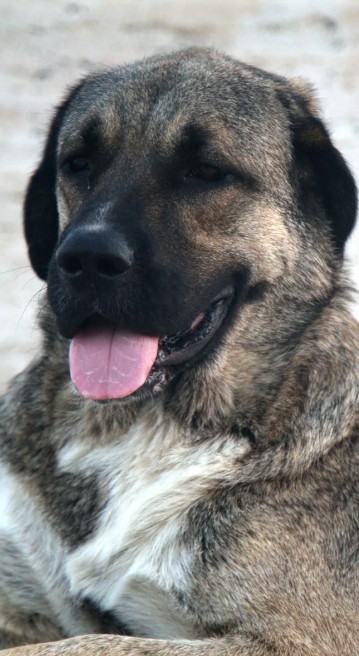
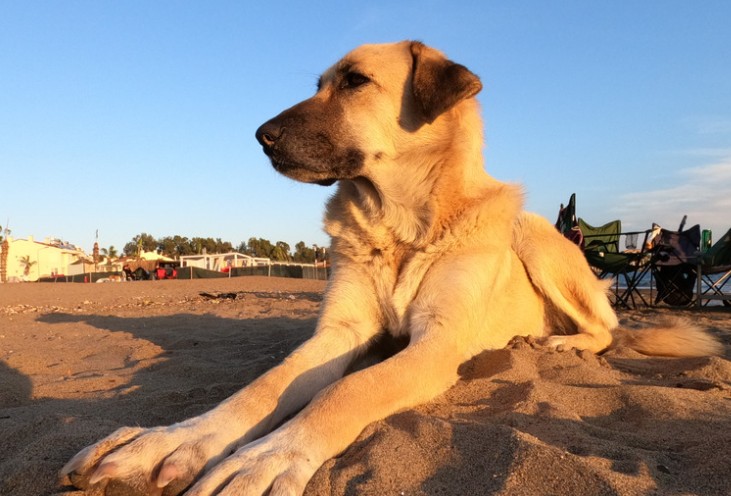
Vast. Watchful. Misplaced.
Ancient purpose meets modern walls.
Your Kangal wasn’t bred for living rooms and garden fences—they’re carrying open-range cognition into a world of mail trucks, neighbours, and doorbells.
Independence drives their choices.
What looks like stubbornness is autonomous threat-assessment, shaped by centuries of working miles from human guidance—evaluating, deciding, acting.

Containment requires partnership.
When you replace control with structured trust, clear boundaries, and meaningful engagement, the Kangal’s instinctive vigilance softens into calm, reliable guardianship.
Exercise and Physical Needs: Movement With Purpose
Rethinking Exercise for Guardian Breeds
When most people think about exercising a large, powerful dog like the Kangal, they imagine hours of running, fetching, and high-intensity activity designed to “tire the dog out.” This approach fundamentally misunderstands both Kangal physiology and psychology. Working Kangals in their traditional role do not sprint across mountains all day—they patrol steadily, rest strategically, and conserve energy for the moments when explosive action is actually required.
Your goal is not to exhaust your Kangal through constant activity. It is to provide appropriate physical outlets that support health without creating overstimulation, satisfy movement needs without triggering reactive arousal, and align with your dog’s natural activity patterns rather than fighting against them.
Understanding Kangal Energy Patterns
Kangals are often described as “low energy” compared to herding breeds or sporting dogs, but this characterization can be misleading. More accurately, they are energy-conserving dogs with significant capacity for sustained activity when motivated. A Kangal will happily patrol territory for hours at a moderate pace, covering substantial distance without showing fatigue. That same dog may show complete disinterest in a thirty-minute game of fetch.
The distinction lies in purpose. Movement that serves guardian functions—patrolling, investigating, observing from various vantage points—feels meaningful and sustaining. Movement for its own sake, or movement designed for breeds with different cognitive drives, often fails to engage Kangals and may even frustrate them.
You may notice your Kangal naturally alternates between periods of activity and extended rest. This rhythm reflects the energy conservation strategy that served their ancestors well: stay alert and mobile enough to detect threats, but avoid wasting energy on unnecessary exertion. Respecting this natural pattern produces calmer, more balanced dogs than attempting to impose high-intensity exercise regimens.
Daily Physical Requirements
An adult Kangal in good health typically thrives with forty-five to ninety minutes of physical activity daily, distributed across multiple sessions rather than concentrated in one exhausting outing. This might look like a twenty-minute morning walk, a midday yard patrol session, and an evening neighborhood stroll. The emphasis should be on moderate, sustained movement rather than intense cardiovascular exercise.
Sample daily exercise distribution for adult Kangals:
- Morning: 15-20 minute leashed walk focusing on scent investigation
- Mid-morning: 10-15 minute supervised yard time for patrol and observation
- Afternoon: 20-30 minute structured walk or environmental exploration
- Evening: 15-20 minute calm neighborhood stroll
- Throughout day: Brief indoor movement and position changes
Walking pace matters more than you might expect. Kangals naturally move at a deliberate, ground-covering pace that allows for environmental scanning and scent investigation. Forcing a fast walking speed may satisfy your fitness goals but denies your dog the sensory engagement that makes walks psychologically valuable. Allow time for your Kangal to pause, sniff, observe, and process—these moments of apparent stillness are actually periods of intense mental activity.
Terrain variety supports both physical and mental health. Different surfaces engage different muscle groups and challenge proprioception in ways that flat sidewalks cannot. Trails with natural obstacles, hills that require climbing, and varied footing keep your Kangal’s body adaptable and engaged. This variety also provides richer sensory experiences that satisfy the SEEKING system more effectively than repetitive routes.
Terrain and environment options to include in your rotation:
- Natural trails with varied footing and elevation changes
- Grassy fields for off-leash exploration in secure areas
- Beach or lakeside walks where permitted
- Quiet residential streets with different scent profiles
- Parks during low-traffic hours
- Rural roads or paths with natural wildlife scents
- Wooded areas with varied vegetation and terrain
Swimming offers excellent low-impact exercise for Kangals with access to safe water sources. The buoyancy reduces joint stress while providing significant cardiovascular and muscular benefit. Not all Kangals take naturally to water, so introduction should be gradual and positive. Never force a reluctant dog into swimming situations.
Avoiding Overstimulation Through Exercise
Here is where many well-intentioned Kangal owners make critical mistakes. In attempting to provide “enough” exercise, they inadvertently create overstimulated, reactive dogs whose arousal levels never return to baseline. Understanding how to exercise without overstimulating requires attention to both activity type and context.
High-arousal activities like playing with other dogs, chasing games, or visits to busy dog parks often do more harm than good for Kangals. These activities spike adrenaline and cortisol levels, engaging the dog’s reactive systems in ways that can take hours to recover from. A Kangal that seems “tired” after a dog park visit may actually be exhausted from stress rather than healthy physical exertion. The behaviors that follow—hypervigilance, reactivity, inability to settle—reveal the true cost of this type of activity.
Signs that exercise is causing overstimulation rather than healthy fatigue:
- Inability to settle within 30 minutes of returning home
- Increased reactivity to normal household sounds or movements
- Panting that continues long after physical exertion has stopped
- Hypervigilance or scanning behavior after rest
- Difficulty sleeping or restless sleep following activity
- Heightened startle responses to minor stimuli
- Increased boundary-guarding behavior later in the day
Environmental triggers during exercise can transform a beneficial walk into a stress-inducing ordeal. If your walking route takes you past multiple barking dogs behind fences, through crowds of unpredictable strangers, or along busy roads with constant traffic, you may be stacking triggers rather than providing exercise. Consider route selection carefully: quieter neighborhoods, nature trails, or early morning outings before peak activity periods often produce better outcomes.
Route selection criteria for lower-stress walks:
- Minimal fence-line encounters with reactive dogs
- Low pedestrian traffic, especially during initial route establishment
- Moderate vehicle traffic without constant stop-and-start
- Varied terrain that encourages natural movement patterns
- Opportunities for off-path sniffing and investigation
- Predictable environment your Kangal can learn to anticipate
- Access to shade and water during warm weather
Recovery time is as important as activity time. After physical exercise, your Kangal needs opportunity to process the experience and return to baseline arousal. Immediately following a walk with another stimulating activity—guests arriving, children coming home from school, or access to high-traffic windows—prevents this recovery. Build in transition periods of calm, low-stimulation time after exercise sessions.
Seasonal and Life Stage Adjustments
Physical needs shift across your Kangal’s lifespan and with changing seasons. Puppies require less sustained exercise than adults—their growing bodies are vulnerable to joint damage from excessive activity, and their immature nervous systems are easily overwhelmed. Multiple short sessions of gentle play and exploration serve young Kangals better than extended walks or vigorous exercise.
Exercise guidelines by life stage:
- Puppies (under 6 months): 5 minutes of gentle activity per month of age, multiple times daily
- Adolescents (6-18 months): Gradually increasing duration, focus on calm activities
- Young adults (18 months – 3 years): Full activity capacity, emphasis on purposeful engagement
- Mature adults (3-7 years): Consistent moderate activity with attention to recovery
- Seniors (7+ years): Reduced duration and intensity, maintained frequency, comfort prioritized
Adolescent Kangals often show increased energy and may benefit from longer activity periods, though the cautions about overstimulation apply even more strongly during this reactive developmental stage. Channel increased energy into purposeful activities like extended patrol walks or scent work rather than high-arousal play.
Senior Kangals may show decreased stamina and mobility, but they still need regular movement to maintain muscle mass, joint flexibility, and mental engagement. Shorter, slower walks more frequently often work better than maintaining the same duration at reduced intensity. Watch for signs of discomfort—reluctance to walk, stiffness after rest, or lagging behind on previously easy routes—and adjust accordingly.
Hot weather demands particular attention for this heavily-coated breed. Kangals developed in a climate with cool nights and moderate summer temperatures. They struggle with heat and humidity, and overheating can occur more quickly than many owners expect. Exercise during cooler parts of the day, ensure access to water and shade, and be prepared to significantly reduce activity during heat waves. A Kangal panting heavily, seeking shade, or refusing to continue a walk is communicating important information about its physical limits.
Heat safety protocols for Kangals:
- Exercise only during early morning or after sunset in summer months
- Provide constant access to fresh water before, during, and after activity
- Watch for early overheating signs: heavy panting, slowed pace, seeking shade
- Avoid hot pavement that can burn paw pads—test with your hand
- Consider cooling vests or access to water for swimming in extreme heat
- Reduce activity duration by 50% or more when temperatures exceed 80°F (27°C)
- Never leave your Kangal in a vehicle, even briefly, during warm weather
Navigating Neighborhood Pressures
The Urban Mismatch Challenge
Modern suburban and urban environments present Kangals with an almost constant stream of micro-triggers. The neighbor’s door opening. Children playing three houses down. Cars passing. Dogs barking behind fences. Delivery vehicles stopping and starting. Each of these registers on your Kangal’s threat-assessment radar, and the cumulative effect can be overwhelming.
Common micro-triggers in modern environments:
- Neighbors entering or exiting homes and vehicles
- Delivery trucks and mail carriers approaching properties
- Dogs barking behind fences along your route or nearby
- Children playing, running, or making sudden noises
- Joggers, cyclists, or skateboarders passing by
- Unusual sounds: construction, sirens, alarms, thunder
- Wildlife: squirrels, rabbits, birds in the yard
- Vehicles with loud engines or music
- People walking past the property boundary
This phenomenon of trigger stacking explains why your Kangal might seem fine for hours, then suddenly explode at something relatively minor. It was not that specific trigger alone—it was the twentieth trigger of the day, arriving after your dog’s stress threshold had already been exceeded by the previous nineteen. Understanding this helps you recognize that many apparently random reactions are actually predictable responses to accumulated environmental pressure.
Strategies for managing trigger stacking:
- Track your dog’s trigger exposure throughout the day
- Provide decompression time after high-trigger periods
- Limit access to high-stimulation positions during peak hours
- Schedule outdoor time during lower-activity neighborhood periods
- Create trigger-free zones where your dog can fully relax
- Recognize early signs of threshold approaching
- End activities before your dog reaches overwhelm
- Build recovery periods into daily routines
Managing Perception and Reality
Kangals in modern neighborhoods often face a secondary challenge: being pathologized for expressing normal guardian behavior. A deep bark at an approaching stranger is not aggression—it is alert behavior that working Kangals have displayed for millennia. Posturing at the fence when an unfamiliar dog passes is not dangerous—it is territorial communication that would be entirely appropriate in a pastoral setting.
The problem is that neighbors, local authorities, and even some veterinarians or trainers may interpret these normal behaviors through a lens calibrated for pet dogs rather than livestock guardians. This can lead to noise complaints, legal concerns about “dangerous dogs,” and well-meaning but misguided advice about how to “fix” behaviors that are not actually broken—just contextually inappropriate.
Your task becomes managing both your dog’s actual behavior and the perception of that behavior by others. This might mean strategic scheduling of outdoor time to avoid peak activity periods in your neighborhood. It might mean proactive conversations with neighbors about what your dog is and how it communicates. It might mean investing in soundproofing or visual barriers that reduce the frequency of alert behaviors that disturb others.
Strategies for managing neighborhood relations with a Kangal:
- Introduce yourself and your dog to immediate neighbors proactively
- Explain that deep barking is alert behavior, not aggression
- Schedule outdoor time during lower-activity neighborhood periods
- Invest in solid fencing or visual barriers to reduce triggers
- Address noise concerns promptly and demonstrate active management
- Ensure your dog is never loose or unsupervised in unfenced areas
- Carry liability insurance appropriate for large guardian breeds
- Document your training efforts and management protocols
The Feedback Loop of Owner Anxiety
External pressures create internal tensions, and Kangals are remarkably sensitive to their owners’ emotional states. When you become anxious about noise complaints, your Kangal detects that anxiety and may interpret it as confirmation that there truly is something to worry about. When you tense up before passing another dog on a walk, your Kangal reads your body language and prepares for confrontation. When you become frustrated with repeated boundary behaviors, your emotional state can actually escalate the very behaviors you are trying to reduce.
Breaking this feedback loop requires you to address your own stress responses alongside your dog’s behavior. This might mean developing personal protocols for managing your emotional state during triggers, seeking support from others who understand the challenges of living with guardian breeds, or making practical changes to your environment that reduce the frequency of stressful encounters for both you and your dog.
Signs that your anxiety may be affecting your Kangal:
- Dog becomes more reactive when you are present than when alone
- Increased alerting behavior when you seem stressed
- Dog watches your face for cues during trigger encounters
- Escalation patterns that mirror your emotional responses
- Difficulty settling when you are anxious or upset
- Improved behavior with calmer family members
- Heightened reactivity during periods of household stress
Strategies for managing your own stress responses:
- Practice deep breathing before and during trigger encounters
- Develop a personal mantra or grounding phrase for stressful moments
- Visualize successful outcomes before predictable trigger situations
- Connect with other guardian breed owners for support and perspective
- Work with a trainer experienced in livestock guardian dogs
- Make environmental modifications that reduce trigger frequency
- Celebrate small successes rather than focusing on setbacks
- Consider whether professional support would benefit your wellbeing
Fear, Guarding, or Responsibility Overload?
Reading Your Kangal’s Motivations
When your Kangal barks at a stranger, three very different processes might be occurring, and identifying which one is active determines what response will actually help.
Fear-based reactivity shows distinct behavioral signatures. You may notice retreat attempts before or after the barking, appeasement signals like lip licking or yawning interspersed with aggressive displays, or a quality of desperation to the vocalizations. The dog is not trying to confront the trigger—it is trying to make the trigger go away because it feels genuinely threatened. This type of reactivity often stems from inadequate socialization, traumatic experiences, or chronic stress that has compromised your dog’s ability to feel safe.
Body language indicators of fear-based reactivity:
- Ears pinned back or flattened against the head
- Weight shifted backward, ready to retreat
- Tail tucked or held low even while barking
- Lip licking, yawning, or whale eye between barks
- Quick glances toward escape routes
- Backing up while vocalizing
- Trembling or shaking during or after the encounter
- Slow recovery and continued vigilance after trigger passes
Responsibility-driven over-guarding looks quite different. The dog’s posture is confident rather than conflicted. The barking is controlled and purposeful rather than frantic. The dog is not trying to escape the situation—it is managing the situation according to its understanding of its duties. This behavior often indicates a Kangal that has assumed more responsibility than it should carry, typically because human leadership has been unclear or absent.
Body language indicators of responsibility-driven over-guarding:
- Forward body posture, weight over front legs
- Ears alert and forward-facing
- Tail held high or level, possibly with slow, stiff wag
- Direct, confident stare toward the trigger
- Controlled, rhythmic barking rather than frantic vocalization
- Positioning between trigger and what is being protected
- Calm demeanor between barking sequences
- Quick return to baseline once trigger is addressed or passes
Appropriate guardian behavior may look similar to over-guarding but differs in its proportionality and responsiveness to human direction. A well-balanced Kangal alerts to genuine anomalies, acknowledges human leadership when you indicate that you have assessed the situation, and returns to calm observation rather than sustained arousal. This is the behavioral pattern you want to cultivate.
Characteristics of appropriate, balanced guardian behavior:
- Alerts to genuine anomalies rather than routine activity
- Barking is measured and stops when acknowledged
- Responds to human guidance and cues to settle
- Returns to baseline arousal relatively quickly
- Maintains appropriate distance from triggers
- Shows confidence without aggression
- Defers to human leadership at boundaries
- Remains accessible and responsive during alerts
Zone Assignment and Role Clarity
One powerful strategy for managing Kangal guarding involves clearly delineating zones of responsibility. Some areas are your dog’s to watch—perhaps the backyard or a specific room with a window view. Other areas are yours to manage—the front door, the gate, the driveway where deliveries arrive. This is not about physical barriers preventing your dog from accessing certain spaces, though those may help. It is about creating clear understanding through consistent behavior about who handles what.
Sample zone assignment for a typical home:
- Dog’s observation zones: Backyard, designated window, specific indoor resting area
- Human-managed zones: Front door, driveway, gate, mailbox area
- Shared zones: Living spaces where dog observes but human leads responses
- Neutral zones: Bedrooms or areas where no guarding is expected
- Transition zones: Hallways and passages where calm movement is practiced
When someone approaches the front door, your response should communicate clearly: “I have this.” Move toward the door with purpose. Use calm verbal acknowledgment. Position yourself between your dog and the door if needed. Over time, a Kangal that trusts your leadership will learn to observe and alert without feeling solely responsible for the outcome. This shared responsibility model, where humans take the lead in decision-making at critical boundaries, leads to more balanced and less stressed dogs.
Family Dynamics and Household Structure
The Impact of Inconsistency
Kangals thrive on clear structure, and nothing undermines structure faster than inconsistent rules between family members. When one person allows the dog on the couch and another forbids it, when one person responds to barking with engagement and another with punishment, when one person enforces boundaries and another lets them slide—the Kangal experiences not just confusion but a breakdown of the social order it depends upon for security.
Household rules that require absolute consistency:
- Where the dog is allowed to rest and sleep
- How greetings at the door are handled
- Response protocol when the dog barks or alerts
- Rules about furniture access
- Feeding routines and food-sharing policies
- Leash and outdoor access procedures
- Guest interaction expectations
- Commands and cues used for guidance
This inconsistency often leads to a Kangal that respects some family members and ignores or tests others. It may also trigger the dog’s instinct to establish its own rules, which rarely align with human preferences. In households where leadership appears fragmented, Kangals may attempt to micromanage family members—particularly those they perceive as lower in the hierarchy or inadequately protected by competent leadership.
Children, Guests, and Other Animals
When Kangals perceive human leadership as chaotic or absent, they often “step up” to fill the vacuum—especially concerning vulnerable family members. A Kangal that shadows children constantly, positions itself between kids and playmates, or attempts to interrupt active play may be expressing concern that no one else is adequately supervising. This behavior, while rooted in protective instincts, can become problematic or even dangerous if the dog begins making decisions about who children can interact with and how.
Rules for children living with Kangals:
- Never approach the dog while it is eating or has a valued item
- Avoid running, screaming, or sudden movements near the dog
- Do not disturb the dog while it is resting or sleeping
- Never attempt to climb on, ride, or restrain the dog
- Always have adult supervision during interactions
- Learn to recognize when the dog wants space
- Understand that the dog’s guarding is not a game
- Know to remain calm and still if the dog seems agitated
Guest management presents similar challenges. Without clear human protocols for receiving visitors, a Kangal may take it upon itself to screen, intimidate, or restrict access to people entering the home. This can manifest as blocking doorways, refusing to allow guests to move freely, or persistent surveillance that makes visitors deeply uncomfortable.
The solution in both cases involves establishing stable, united human behavior. Create shared boundaries that everyone in the household enforces consistently. Develop calm hosting rituals that communicate clearly to your dog that guests are welcome and that human leadership is managing the situation. Implement guest protocols—perhaps having visitors ignore the dog initially, allowing the Kangal to observe from a distance, and only permitting approach once calm observation has been established.
Guest arrival protocol for Kangal households:
- Inform guests in advance about your dog and the protocol
- Secure your Kangal in a designated observation area before guests arrive
- Greet guests yourself, demonstrating calm acceptance
- Allow your Kangal to observe from a distance without interaction
- Ask guests to avoid eye contact, reaching, or addressing the dog
- Wait for calm, relaxed body language before any closer proximity
- If allowing approach, keep initial interactions brief and neutral
- Maintain supervision throughout the visit, watching for stress signals
Risk Management Through Understanding
Reading Early Warning Signals
Effective risk management with Kangals begins with recognizing the subtle signals that precede escalation. By the time a Kangal growls, lunges, or bites, multiple earlier warnings have typically been ignored or missed. Learning to read these signals allows intervention before situations become dangerous.
Warning signal progression from earliest to most urgent:
- Stillness or freezing while focused on a trigger
- Subtle weight shift forward or positioning between you and trigger
- Ears rotating forward, locked attention
- Micro-body blocks or space-claiming movements
- Hard, unblinking stare replacing normal watchfulness
- Lip stiffening or subtle lip lift
- Low, rumbling vocalization or quiet growl
- Slow, deliberate approach toward the trigger
- Raised hackles along shoulders or spine
- Full growl, bark, or lunge
Freezing often represents the first significant warning. When your Kangal suddenly becomes very still, particularly while focused on a specific trigger, decision-making is occurring. The dog is assessing whether action is required and what form that action should take. This is your intervention window—a moment when calm leadership can redirect the outcome.
Micro-body blocks involve your Kangal subtly positioning itself between you and a perceived threat without obvious aggressive display. The dog might step slightly in front of you, lean its body weight forward, or simply occupy space in a way that restricts access to what it is protecting. These blocks communicate serious intent while still allowing for de-escalation.
Silent staring is often more concerning than barking. A Kangal that vocalizes is still communicating and often still working through threat assessment. A Kangal that stares silently and intently has often completed that assessment and moved into preparation for action. The quality of this stare—hard-eyed, unblinking, intensely focused—differs notably from normal watchfulness.
Slow, deliberate approach toward a trigger indicates a dog that has decided to engage rather than merely observe. The movement quality matters: controlled, purposeful advancement signals confident assessment that action is warranted. This is typically the final warning before physical intervention becomes imminent.
Structure Over Suppression
A common mistake with guardian breeds involves attempting to suppress all guarding displays. The logic seems reasonable: if the dog does not bark, growl, or posture, it cannot bite. In practice, this approach dramatically increases risk by removing the early warning signals that allow humans to intervene before escalation occurs.
A Kangal trained that all warning signals will be punished learns to skip those signals. The result is a dog that goes from calm to bite without the intermediate steps that would have allowed prevention. This is far more dangerous than a dog that barks predictably at triggers, allowing its owner to assess the situation and respond appropriately.
Why suppressing warning signals increases risk:
- Removes early indicators that allow human intervention
- Creates unpredictable escalation patterns
- Forces the dog to communicate through action rather than signals
- Increases internal stress from inability to express discomfort
- May result in sudden, severe responses without warning
- Damages trust between dog and handler
- Makes the dog harder for others to read and predict
The safer approach involves structured, channeled guarding. Allow your Kangal to alert—this is valuable information that something has registered on its radar. Then guide the dog into calm observation, communicating through your own response that you are aware of the trigger and that you have assessed it as non-threatening. Over time, this creates a reliable pattern: alert, human acknowledgment, return to calm. The dog fulfills its natural drive to warn while accepting human leadership about what happens next.
Benefits of the structured channeled guarding approach:
- Preserves natural warning signals that keep everyone safer
- Validates the dog’s guardian role and communication
- Creates predictable, reliable behavioral patterns
- Builds trust through acknowledgment and partnership
- Reduces overall arousal by providing clear resolution
- Teaches proportional responses to varied trigger levels
- Maintains the human’s role as decision-maker
- Prevents the unpredictability of suppressed warning signals
Practical Day-to-Day Management: Protocols That Work
Translating Philosophy Into Morning Routines
Understanding Kangal psychology is essential, but knowledge alone does not manage a dog. You need concrete protocols that translate understanding into consistent daily practice. The morning sets the tone for everything that follows, and establishing a predictable sequence helps your Kangal begin each day in a balanced state.
The first thirty minutes after waking matter disproportionately. Resist the urge to immediately let your Kangal outside for unsupervised yard time. Instead, begin with a brief, calm greeting—quiet voice, gentle touch, no excited energy that signals the start of a high-arousal day. Take your dog outside on leash for a brief elimination walk, even if you have a fenced yard. This establishes from the first moment that you are guiding the day’s activities together rather than simply releasing your dog into independent patrol mode.
Morning routine checklist:
- Calm, quiet greeting without excitement or high energy
- Brief leashed elimination walk before free yard access
- Structured breakfast at consistent time and location
- Moment of calm required before food bowl is placed
- 10-15 minute shared observation session after breakfast
- Gradual transition to any independent time
- Clear signals about the day’s structure and expectations
Breakfast as structure reinforces your leadership role. Feed at a consistent time, in a consistent location, using a consistent ritual. You might ask your Kangal to sit calmly before placing the bowl, or simply require a moment of settled attention before food becomes available. This is not about dominance—it is about predictability. Your Kangal learns that resources flow through an orderly process, reducing anxiety about whether needs will be met.
The first observation session can follow breakfast. Spend ten to fifteen minutes in a location that allows environmental monitoring—a front window, a porch with a view, or a spot in the yard where neighborhood activity is visible. Sit with your Kangal rather than leaving it alone. This shared observation communicates that morning surveillance is a team activity, not a solitary burden your dog must carry.
Delivery and Visitor Protocols
Few situations trigger Kangal guardian instincts more reliably than someone approaching your home’s boundaries. Without clear protocols, these moments become repeated stress events that elevate baseline arousal over time. With established sequences, they become predictable transitions that your dog can navigate calmly.
When you hear or see an approaching delivery vehicle, move toward your management position before your Kangal escalates. If you have established the front door as your zone, position yourself between your dog and the door. Use a calm verbal cue—something like “I’ve got this” or simply “thank you”—that acknowledges your dog’s alert while claiming responsibility for the response.
Delivery handling sequence:
- Notice the approaching vehicle before or as your dog alerts
- Move calmly toward your established management position
- Use your acknowledgment phrase: “I’ve got this” or “thank you”
- Guide your Kangal to observation position with distance from door
- Maintain relaxed body language as delivery occurs
- Avoid looking at or engaging with the delivery person through windows
- Wait for vehicle departure and a 30-60 second settling period
- Release your dog from observation position with calm energy
Guide your Kangal to an observation position away from the direct line of approach. This might be a bed in a nearby room, a spot behind a baby gate, or simply a designated location several feet back from the door. The goal is not to hide your dog from the trigger but to create distance that allows calm observation rather than reactive engagement.
Maintain your calm presence as the delivery occurs. Your body language, breathing, and energy communicate volumes to your Kangal about whether this situation requires concern. Slow, deliberate movements and relaxed posture signal that you have assessed the situation and found it non-threatening. Tension, hurried movements, or anxious energy confirm your dog’s suspicion that something worrying is happening.
After the delivery vehicle departs, allow a moment of transition before releasing your dog from the observation position. This prevents the pattern of arousal immediately followed by return to normal activity—a sequence that can reinforce reactive responses. A brief period of calm, perhaps thirty seconds to a minute, helps your Kangal’s nervous system settle before moving on.
Guests require extended protocols because they represent sustained boundary intrusion rather than brief approach and departure. Establish a clear sequence: guests arrive and enter an outer zone, you greet them and manage initial interaction, your Kangal observes from a designated position, and only after calm observation is established do you allow closer proximity if appropriate.
Inform guests in advance about your protocols. Ask them to ignore your Kangal initially—no direct eye contact, no reaching toward the dog, no attempts at friendly greeting. This removes the social pressure that can escalate guardian responses. Once your Kangal has observed calmly and you are confident the situation is stable, you can make decisions about closer interaction.
The Structured Calm-Down Protocol
When arousal does spike—whether from a delivery, a passing dog, an unexpected noise, or any other trigger—having a reliable sequence for returning to calm prevents escalation and teaches your Kangal that arousal is temporary and manageable.
Step one: acknowledge the alert. A calm verbal acknowledgment—”I see it” or “thank you”—validates your dog’s communication without encouraging continued escalation. This is not praise for barking; it is simple acknowledgment that information has been received.
Step two: claim the response. Move toward the trigger or position yourself between your Kangal and the source of arousal. Your calm, purposeful movement communicates that you are taking responsibility for assessing and managing the situation.
Step three: redirect to an anchor position. Guide your Kangal to a designated spot—a bed, a mat, a specific location—where calm behavior is expected. This anchor position should be used consistently, so your dog builds association between that location and settled behavior.
Step four: require stillness before release. Once in the anchor position, wait for your Kangal’s arousal to visibly decrease before allowing movement. Watch for softening body language: relaxed ears, slower breathing, released muscle tension. Releasing your dog while still aroused reinforces the arousal rather than the calm.
Signs that arousal is decreasing and release is appropriate:
- Ears moving from rigid alert to relaxed position
- Breathing slowing from panting to normal respiration
- Muscles softening, particularly in shoulders and hindquarters
- Eye contact with you rather than fixed on trigger location
- Voluntary position changes like lying down or sitting
- Soft sighs or settling sounds
- Yawning or gentle stretching
- Interest in other stimuli like treats or calm interaction
Step five: gradual return to normal activity. After calm is achieved, allow your Kangal to return to regular activity gradually rather than immediately accessing the triggering location. If the trigger was at a window, redirect attention to another area before eventually allowing window access again.
This protocol works through consistent repetition. The first several times, your Kangal may resist or require significant time to settle. With practice, the sequence becomes familiar and calming in itself—your dog learns that this pattern reliably leads from arousal back to comfortable baseline states.
Evening Wind-Down Routines
Just as mornings set the day’s tone, evenings prepare your Kangal for restful sleep. The hours before bedtime should progressively decrease stimulation and activity, signaling that the day’s guardian duties are concluding.
Reduce access to high-stimulation positions as evening progresses. If your Kangal spends the day with window access or yard patrol privileges, begin limiting these as dinner approaches. The message is clear: active monitoring time is ending.
A final, calm walk serves multiple purposes. It provides opportunity for elimination, a last survey of territory boundaries, and physical movement that supports sleep readiness. Keep this walk low-key—no new routes, no challenging environments, no social interactions that might elevate arousal.
Evening feeding at a consistent time anchors the transition toward rest. Following dinner, most dogs naturally enter a period of decreased activity as digestion begins. Use this window to encourage settling in a comfortable location near you.
Calm presence without demands characterizes the final hour before bedtime. Sit with your Kangal, perhaps offering gentle massage or simply sharing quiet space. Avoid introducing new stimulation—no exciting play, no training demands, no activities that engage the SEEKING system. The goal is gradual deceleration toward sleep.
Evening wind-down checklist:
- Reduce window and yard access 2-3 hours before bedtime
- Complete final calm walk for elimination and territory check
- Provide dinner at consistent time
- Allow 30-60 minutes of calm digestion time
- Offer gentle massage or quiet companionship
- Dim lights and reduce household activity levels
- Avoid screens, loud music, or stimulating conversation near the dog
- Guide to sleeping location with calm, predictable routine
This structure may feel rigid initially, but it creates the predictability that Kangal nervous systems require for genuine rest. A dog that knows exactly how each day ends can release vigilance and truly relax. A dog that never knows what might happen remains partially alert even during sleep. 🐾
Creating a Balanced Life Together
Daily Engagement Blocks
Transforming containment from restriction to shared purpose requires intentional daily structure. Consider implementing engagement blocks—scheduled periods of guardian-aligned activity that provide your Kangal with meaningful work while strengthening your partnership.
Benefits of structured engagement blocks:
- Provides predictable rhythm that reduces anxiety
- Fulfills guardian needs within controlled parameters
- Strengthens the human-dog partnership through shared activity
- Prevents self-created problematic jobs from developing
- Creates clear distinction between work time and rest time
- Allows you to manage trigger exposure thoughtfully
- Builds your Kangal’s trust in your leadership
- Supports better nighttime rest through daytime fulfillment
Morning observation sessions might involve fifteen to twenty minutes on your porch or at a strategic window, watching the neighborhood come alive together. Your calm presence communicates that you are sharing the watch, allowing your dog to engage its SEEKING system while knowing that responsibility is shared.
Midday perimeter walks satisfy patrol instincts while providing physical activity and environmental enrichment. Move slowly enough to allow thorough scent investigation. Include your full property boundary if possible, reinforcing the territory that belongs to your team.
Evening decompression helps your Kangal transition from vigilance to rest. Calm indoor time, perhaps with gentle massage or simply quiet presence together, signals that the day’s guardian duties are complete. This rhythm of engagement and rest supports psychological balance far better than constant access to patrol without defined periods of true relaxation.
Joint Observation as Connection
Some of the deepest bonding between humans and Kangals occurs not during active training or play but during shared observation. Finding a comfortable spot together and simply watching the world creates a profound sense of partnership. Your Kangal learns that you see what it sees, that you are paying attention to the same environmental factors, that you are genuinely participating in the vigilance rather than leaving it all to the dog.
What joint observation communicates to your Kangal:
- You are aware of the same environmental factors they are monitoring
- Vigilance is a shared responsibility, not a solitary burden
- You can be trusted to notice important changes
- Calm observation is the appropriate response to routine activity
- Your partnership extends beyond commands and compliance
- The territory belongs to both of you as a team
This might feel unproductive to humans accustomed to measurable training outcomes or physical exercise metrics. But for a Kangal, this shared awareness represents exactly the kind of partnership that makes containment acceptable. You are not simply limiting its world—you are inhabiting that world together, sharing responsibility for its monitoring and protection.
Ideal settings for joint observation sessions:
- Front porch with neighborhood street view
- Window seat overlooking the yard or street
- Parked car at a safe distance from a moderately busy area
- Park bench with passing foot traffic
- Backyard position with view of neighboring properties
- Balcony or elevated deck with broader sightlines
Through this approach, what the NeuroBond framework describes as emotional clarity develops naturally. Your dog understands your responses, trusts your assessments, and feels genuinely partnered rather than merely managed. This internal sense of safety and shared responsibility is the foundation upon which all other training and management strategies rest.
Core principles of the NeuroBond approach with Kangals:
- Emotional clarity through consistent, calm responses
- Shared responsibility rather than solo burden
- Trust built through predictable, fair leadership
- Respect for the dog’s cognitive autonomy within structure
- Low-verbal communication emphasizing energy and presence
- Containment as partnership rather than imprisonment
- Recognition of guardian nature as asset, not problem
Senior Kangal Considerations
Changing Needs Over Time
As your Kangal ages, the balance between guardian instincts and physical capability shifts. The desire to patrol may remain strong while the joints that support patrolling become arthritic. The protective drive persists while the sensory systems that inform it begin to decline. Managing this transition requires sensitivity to your dog’s changing experience of its role.
Older Kangals often benefit from maintaining their observation positions even as active patrolling decreases. A comfortable bed near a favorite window allows continued environmental monitoring without the physical demands of full territorial patrols. Shorter, slower walks still satisfy the need for territory assessment without overtaxing aging bodies.
Changes in hearing or vision can increase anxiety as your Kangal becomes less able to gather the environmental information its guardian cognition depends upon. You may notice increased startle responses, hesitation in previously familiar situations, or heightened attachment behaviors as your dog relies more heavily on your presence to feel secure. Responding to these changes with patience and additional reassurance supports your Kangal through this natural transition.
Signs of age-related changes requiring accommodation:
- Startling at sounds or approaches not previously noticed
- Hesitation on stairs or in dim lighting
- Reluctance to go outside alone, especially at night
- Increased following behavior or separation anxiety
- Confusion in familiar environments
- Changes in sleep patterns or sleep location preferences
- Slower response to verbal cues or name
- Stiffness after rest or reluctance to lie on hard surfaces
Maintaining Purpose and Dignity
Perhaps most importantly, aging Kangals need to retain a sense of purpose even as their capabilities decline. The drive to protect does not disappear simply because physical prowess has diminished. Finding ways for your senior dog to contribute meaningfully—even if that contribution is primarily symbolic—honors the working spirit that has defined your partnership.
Ways to maintain purpose for aging Kangals:
- Continue acknowledgment rituals when visitors arrive
- Maintain observation posts with comfortable, supportive bedding
- Include them in property “inspections” at their pace
- Allow alert barking and acknowledge their communication
- Keep consistent routines that give structure to their day
- Provide gentle grooming sessions that maintain the bond
- Honor their need for proximity during family gatherings
- Celebrate calm observation as valuable contribution
This might mean continuing acknowledgment rituals when visitors arrive, allowing your aged Kangal to observe and “approve” guests even if actual guardian intervention is no longer possible. It might mean maintaining observation posts and perimeter walks at whatever pace your dog can sustain. It might simply mean treating your Kangal as the valued guardian it has always been, regardless of whether that guardianship now carries practical weight. 🧡
Conclusion: Is a Kangal Right for Your Modern Home?
Living successfully with a Kangal in a contemporary setting is neither impossible nor effortless. It requires understanding that you are not simply containing a pet but partnering with a cognitive system designed for autonomous protection across vast territories. The Kangal you bring into your home carries ancestral programming that expects space, purpose, and the opportunity to make meaningful decisions.
When you provide appropriate containment that respects rather than frustrates guardian instincts, when you build trust through structural leadership rather than authoritarian control, when you offer engagement that aligns with working cognition rather than typical pet activities—your Kangal can thrive. The dog that might otherwise pace anxiously at boundaries or obsess over window watching can instead become a calm, confident partner who understands its role within the structure you have created together.
This partnership demands more of you than many breeds require. You must become fluent in guardian body language and early warning signals. You must manage both your dog’s behavior and your neighbors’ perceptions. You must provide daily engagement that feels purposeful to a mind built for independent decision-making. You must remain calm and structurally reliable when situations become stressful.
Questions to ask yourself before bringing a Kangal into your home:
- Do I have secure, appropriate fencing of at least six feet?
- Can I provide 45-90 minutes of purposeful daily activity?
- Am I prepared to manage neighborhood perceptions and potential complaints?
- Do all household members agree on consistent rules and protocols?
- Can I remain calm and neutral during stressful trigger encounters?
- Do I have experience with independent, guardian-type breeds?
- Am I financially prepared for a large breed’s food, veterinary, and insurance costs?
- Can I commit to this dog for its full 12-15 year lifespan?
- Is my living situation stable enough for a dog that struggles with change?
- Do I understand that this dog will never be a social butterfly at dog parks?
For those willing to meet these demands, the reward is a relationship unlike any other in the canine world. The Kangal that trusts you, that accepts your leadership while retaining its noble independence, that watches the world alongside you as a genuine partner in vigilance—this is a dog that offers connection rooted in mutual respect rather than mere obedience.
What a successful Kangal partnership offers:
- Deep, trust-based bond built on mutual respect
- A calm, confident guardian presence in your home
- Partnership with a cognitively sophisticated companion
- The satisfaction of honoring an ancient working relationship
- A dog that genuinely shares your awareness of the world
- Protection rooted in assessment rather than reactivity
- Connection that transcends typical pet-owner dynamics
- The privilege of living with true canine nobility
That balance between honoring an ancient guardian’s nature and adapting to modern realities, between providing structure and allowing autonomy, between safety and purpose—that is the essence of Zoeta Dogsoul. 🐾










