
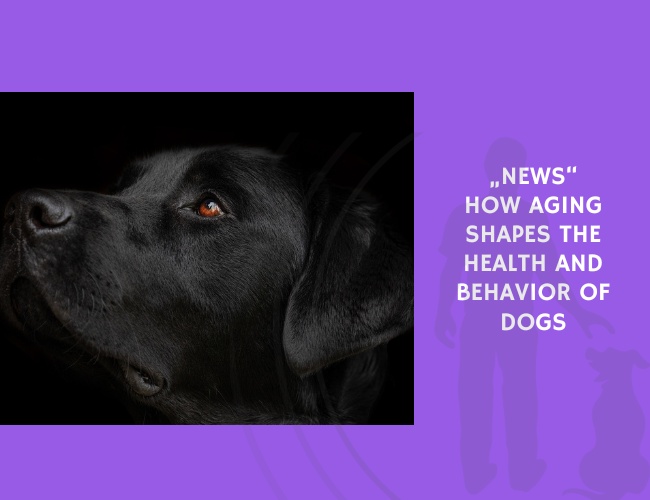
Published in the Journal of the American Veterinary Medical Association, this feature by Brennen McKenzie, Frances L. Chen, and M. LaCroix-Fralish explores the phenotype of aging in dogs—the observable physical and behavioral changes that emerge as dogs grow older. The authors emphasize that aging is not an inexplicable natural decline but a set of biological processes conserved across species, many of which can be systematically studied and understood.
Aging is identified as the leading cause of disease, disability, and death in adult dogs. While individual dogs age differently, there are recognizable patterns in how their bodies and behaviors change over time. These include shifts in mobility, sensory function, metabolism, cognitive performance, and emotional reactivity. Understanding these patterns provides a foundation for improving clinical care, welfare practices, and living environments for senior dogs.
The article highlights the behavioral manifestations of aging, including reduced activity levels, altered sleep–wake cycles, increased anxiety or irritability, attention deficits, and cognitive dysfunction. Such changes can influence a dog’s daily functioning and quality of life and may be mistaken for disobedience or personality change rather than recognized as clinical signs of aging.
Physical changes—such as joint degeneration, muscle loss, chronic pain, reduced sensory acuity, and immune system decline—can further complicate caregiving. These conditions often interact with behavioral symptoms, creating a feedback loop that impacts a dog’s well-being and the owner’s ability to manage daily care.
The authors also examine the effects of canine aging on human caregivers. As dogs require more medical attention, environmental adjustments, and emotional support, caregiver burden may increase. However, when equipped with knowledge about aging patterns and strategies for supportive care, owners can improve not only the dog’s quality of life but also their own caregiving experience.
Major gaps in knowledge remain, particularly in standardizing assessments and identifying early biomarkers of aging. Ongoing research aims to better characterize the canine aging phenotype, which may eventually inform the development of clinical tools, preventive interventions, and targeted treatments to mitigate the negative effects of aging in dogs—and potentially across species.
By synthesizing current understanding of age-related changes in dogs, this feature sets the stage for future research and offers practical context for veterinarians, caregivers, and scientists committed to improving the lives of senior companion animals.
Source: McKenzie, B., Chen, F. L., & LaCroix-Fralish, M. (2022). The phenotype of aging in the dog: how aging impacts the health and well-being of dogs and their caregivers. Journal of the American Veterinary Medical Association. Published April 15, 2022.










