
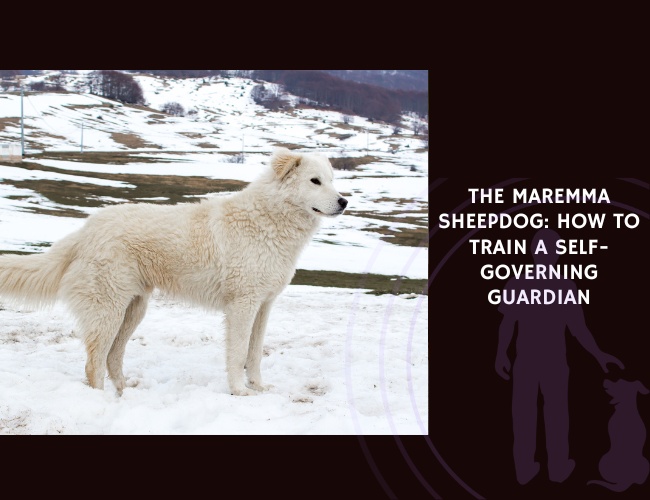
Introduction: The Ancient Art of Independent Protection
There is something profoundly humbling about watching a Maremma Sheepdog at work. In the quiet hours before dawn, when most of the world sleeps, this magnificent white guardian patrols the boundaries of its territory with a calm, purposeful awareness that speaks to centuries of careful breeding and ancient wisdom. Unlike dogs bred to await human commands, the Maremma carries within its genetic code a remarkable gift: the ability to think, assess, and act independently in the service of those it protects.
For centuries, these noble dogs lived alongside shepherds in the rugged Abruzzo mountains of central Italy, often spending weeks at a time with flocks far from human supervision. Their survival and the survival of the sheep they guarded depended on something far more sophisticated than simple obedience. It depended on autonomous cognition, the capacity to make complex decisions about threats, territory, and safety without waiting for a command that might never come.
Did you know that this history of independent guardianship fundamentally shapes everything about how we should approach training a Maremma today? If you are considering welcoming one of these remarkable dogs into your life, or if you already share your world with a Maremma and find yourself puzzled by its independent nature, this guide is for you.
In this comprehensive guide, you will discover:
- Why the Maremma’s autonomous cognition requires a fundamentally different training approach
- How territorial intelligence shapes their understanding of boundaries and responsibility
- What truly motivates a guardian breed versus obedience-oriented dogs
- Practical daily routines that support your Maremma’s natural rhythms
- How to raise a Maremma puppy with the right balance of socialization and guardian instinct development
- Solutions for common behavioral challenges framed through cooperative partnership
- Health considerations specific to this magnificent breed
- Honest guidance on whether suburban or urban environments can work
Together, we will explore the unique cognitive architecture of the Maremma Sheepdog and discover why cooperative partnership, not traditional obedience, holds the key to unlocking their full potential as devoted guardians.
Understanding the Guardian Mind: Ancestral Role and Autonomous Cognition
The Making of a Self-Governing Protector
The Maremma Sheepdog was not simply trained to guard livestock. It was selectively bred over countless generations to live continuously with its charges, often in remote mountain pastures where human intervention was impossible. Picture a guardian dog alone with a flock on a moonlit hillside, facing a decision that could mean life or death: a predator approaches, and there is no shepherd to give commands. In this moment, everything depends on the dog’s ability to observe, assess, and respond with calm precision.
Dogs that were overly dependent on human direction simply could not survive in this role. They would hesitate, waiting for guidance that was not coming, and the flock would suffer. Through this relentless selection pressure, the Maremma developed something extraordinary: a mind designed for independent decision-making, environmental problem-solving, and autonomous threat assessment. Their intelligence is not the quick-to-please responsiveness of a Border Collie or the eager compliance of a Golden Retriever. It is something altogether different, a quiet, purposeful intelligence geared toward reading landscapes, understanding threats, and protecting what matters.
This is why traditional obedience training so often fails with Maremmas. Methods that rely on constant human prompting, repetitive commands, or strict compliance drills conflict fundamentally with everything these dogs were bred to be. When we understand this ancestral role, we can begin to approach training not as an exercise in control, but as an opportunity for partnership. 🧡
What Sets Guardians Apart: Cognitive Distinctions
If you have experience with herding breeds or obedience-oriented dogs, you might find the Maremma’s approach to life genuinely puzzling at first. The differences run deeper than temperament; they reflect fundamentally different cognitive architectures shaped by vastly different purposes.
Decision-making priorities distinguish guardians from other working dogs most clearly. When a perceived threat appears, the Maremma prioritizes environmental cues and its internal assessment of flock safety over any human command. A herding dog, by contrast, is bred to respond instantly and precisely to its handler’s direction. The obedience-oriented retriever wants nothing more than to please its person. Each of these cognitive styles serves its purpose beautifully, but recognizing which style your dog embodies is essential for effective partnership.
Motivational drivers also differ profoundly. The Maremma is intrinsically motivated by the stability and safety of its territory and charges. The work itself, the watching, patrolling, and protecting, is its own reward. This stands in stark contrast to dogs motivated primarily by social praise, food rewards, or the satisfaction of human approval.
Problem-solving approaches reflect these differences too. Maremmas excel at independent problem-solving in complex, unsupervised scenarios. How to deter a coyote without human input? How to manage the edges of an expanding grazing area? These are the puzzles their minds are built to solve. Herding dogs solve problems related to livestock movement under human guidance, while obedience breeds solve problems presented by their handlers within structured training contexts.
Finally, arousal levels during work reveal the guardian’s unique nature. Maremmas typically operate at remarkably low arousal, maintaining calm vigilance that can be sustained for hours or even days. This quiet watchfulness allows for the kind of independent, extended work their ancestors performed. Herding and obedience breeds often exhibit higher arousal during work, channeling excitement into focused action and handler responsiveness.
Quick Comparison: Guardian vs. Herding vs. Obedience Breeds
- Primary motivation: Guardians protect territory and flock; herding dogs move livestock under direction; obedience breeds seek handler approval
- Response to commands: Guardians evaluate and may override; herding dogs respond instantly; obedience breeds comply eagerly
- Problem-solving focus: Guardians address environmental threats independently; herding dogs execute complex movement patterns; obedience breeds master structured tasks
- Arousal during work: Guardians maintain low, sustained vigilance; herding and obedience breeds operate at higher arousal
- Handler dependency: Guardians function independently; herding dogs partner closely; obedience breeds require consistent direction
Territory and Boundaries: Understanding the Guardian’s Map
How Maremmas See Their World
One of the most fascinating aspects of Maremma cognition is their sophisticated understanding of territory. Unlike dogs that might simply patrol a fenced perimeter, the Maremma conceptualizes territory as a dynamic, fluid space defined primarily by the presence and movement of its charges.
Imagine a shepherd’s flock grazing across an open hillside. The Maremma’s territory is not the hillside itself but rather an invisible sphere of protection surrounding the flock. As the flock moves, the territory moves with it. The guardian’s patrol routes adapt continuously to potential entry points for predators, areas of vulnerability, and the ever-shifting positions of the animals it protects. In rural spaces, this might involve patrolling a much wider perimeter than the immediate pasture, extending to natural boundaries or areas from which threats might approach.
This understanding of territory as a living, adaptable concept rather than a rigid boundary has profound implications for training. When we attempt to confine a Maremma to a smaller area than it deems necessary for protection, or when we try to override its assessment of where threats might emerge, we create profound confusion and stress. The dog’s internal boundary logic is rooted in survival and purpose; contradicting it without clear, consistent justification undermines the very foundations of trust and partnership.
When Human and Guardian Maps Conflict
Training conflicts inevitably arise when well-meaning humans attempt to override a Maremma’s internal boundary logic. Perhaps you want to call your Maremma away from the fence line, but they have detected something you cannot perceive. Maybe you need them to accept a smaller territory than their instincts suggest is adequate. These moments can feel frustrating, but they actually offer valuable insight into your guardian’s mind.
When a Maremma’s judgment is consistently undermined, several concerning patterns may emerge. You might see increased anxiety manifesting as restlessness or excessive vigilance. Alarm barking may increase as the dog struggles to reconcile its instincts with imposed constraints. Some Maremmas will attempt to circumvent human-imposed boundaries, not out of defiance, but because their drive to protect feels compromised. In extreme cases, a Maremma whose judgment is repeatedly overridden may experience a breakdown in its protective instincts, becoming either hypervigilant or paradoxically disengaged.
Warning Signs That Boundary Conflicts Are Causing Stress:
- Increased pacing or restlessness, especially along fence lines or boundaries
- Escalating alarm barking at previously tolerated stimuli
- Attempts to dig under, climb over, or circumvent fencing
- Withdrawal or disengagement from normal guardian activities
- Changes in appetite or sleep patterns
- Hypervigilance that prevents restful observation
- Decreased responsiveness to handler communication
The solution lies not in dominance or force but in building a shared understanding. Through the NeuroBond approach, trust becomes the foundation of learning, allowing handler and guardian to develop a partnership where boundaries are negotiated rather than imposed. When your Maremma understands that you are a reliable partner in guardianship, it becomes willing to defer to your judgment in moments of uncertainty. 🧠
The Flock Responsibility: Managing Visitors and Strangers
A Maremma’s profound sense of responsibility for its charges heavily influences how it interacts with strangers, workers, and guests. These dogs perceive their flock, whether sheep, chickens, or human family members, as their property to protect. This is not aggression or hostility; it is the fulfillment of ancient purpose.
Visitors entering a Maremma’s territory will typically be met with watchful assessment rather than immediate friendliness. The guardian maintains a careful distance, using body language and perhaps alarm barking to communicate its protective presence. Cooperation with unfamiliar individuals tends to be conditional on several factors.
Factors That Influence Visitor Acceptance:
- Whether the primary handler signals calm acceptance of the visitor
- The visitor’s body language, movement speed, and energy level
- Whether the visitor approaches the flock or charges directly
- The visitor’s respect for the guardian’s space and warnings
- Previous positive or negative experiences with similar visitors
- Time of day and the guardian’s current arousal state
- Whether introductions follow established household protocols
The flock’s acceptance matters enormously. If the primary human handler welcomes a stranger with calm confidence, the Maremma is far more likely to tolerate their presence. The guardian takes cues from its human partner about who belongs and who does not.
Intent assessment runs continuously. The Maremma is constantly evaluating newcomers’ body language, movement patterns, and energy. Calm, non-threatening behavior is more likely to earn acceptance than sudden movements, loud voices, or direct approaches to the flock.
The handler’s role in managing these interactions cannot be overstated. Your calm, consistent demeanor toward guests signals safety. If you communicate clearly that a person is accepted, your Maremma will generally defer to your judgment while maintaining its watchful presence. But attempts by strangers to directly interact with the dog or its charges without your clear approval may trigger strong protective responses. This is your guardian doing exactly what it was bred to do.
The Emotional Architecture of a Guardian: Fearlessness Meets Discernment
Calm Confidence: The Maremma’s Protective Strategy
There is a common misconception that effective guardian dogs must be bold and aggressive. In reality, the Maremma exemplifies a far more sophisticated protective strategy built on calm confidence rather than overt boldness. Their approach is one of deterrence through presence and warning, with direct confrontation reserved as a last resort.
Watch a Maremma encounter a potential threat, and you will see this calm confidence in action. First comes observation: ears pricked, eyes focused, body still but alert. Then assessment: what is this stimulus? Does it pose genuine danger? Finally, graduated response: perhaps a warning bark, perhaps a deliberate approach to investigate, perhaps simply continued observation if the threat fails to materialize.
The Maremma’s Graduated Threat Response:
- Detection — Ears orient toward stimulus, nostrils flare, body stills
- Observation — Focused visual assessment from a strategic position
- Evaluation — Internal processing of threat level based on experience
- Positioning — Movement to intercept or create buffer zone if warranted
- Warning — Alarm bark, raised hackles, or deliberate approach
- Escalation — Only if threat persists and approaches charges
- Return to baseline — Calm resumption of vigilance once threat passes
This calm, discerning vigilance is precisely what you want in a guardian. Dogs that react impulsively or with high-arousal aggression are actually less effective protectors. They waste energy on false alarms, escalate situations unnecessarily, and burn out under the sustained demands of continuous guardianship.
Training expectations should therefore focus on reinforcing this natural calm confidence rather than attempting to make your Maremma bolder or more overtly aggressive. Attempts to amplify reactivity will only disrupt their natural balance and lead to inappropriate or overreactive behaviors. Instead, aim to refine their already excellent ability to assess threats accurately and respond proportionately. 🐾
Balancing Courage with Caution
The Maremma balances natural guardianship with selective caution through a sophisticated process of assessment and discrimination. Understanding this balance helps us appreciate why these dogs behave as they do and how to support their innate capabilities.
Courage manifests in the Maremma’s willingness to stand its ground against genuine threats and to patrol its territory diligently, often alone and in darkness. These dogs have confronted wolves, bears, and wild dogs throughout their history. Their courage is quiet but unshakeable.
Alarm barking serves as a primary deterrent, signaling the guardian’s presence and warning potential threats to stay away. This vocalization is a communication tool, not necessarily a prelude to attack. A Maremma that barks at approaching strangers is doing its job, establishing boundaries through sound before any physical confrontation becomes necessary.
Selective caution toward unfamiliar people or animals represents the discriminating intelligence that makes Maremmas effective guardians. They observe from a distance, assessing body language, scent, and sound. Their default orientation toward strangers is reservedness, not hostility but certainly not friendliness either. This caution allows them to discriminate between genuine threats and harmless intruders.
A Maremma will typically escalate its response only if a perceived threat persists or directly approaches the flock. This dual architecture of courage and caution allows them to be formidable guardians while avoiding unnecessary conflict and energy expenditure.
The Response to Pressure: Disengagement Over Resistance
Here is something that surprises many people new to guardian breeds: when pressured by humans through confrontational or dominance-based methods, Maremmas are far more likely to disengage than to overtly resist. They are independent thinkers who do not respond to force or intimidation with submission. Instead, they may become withdrawn, shut down, or simply ignore commands entirely.
This disengagement is not stubbornness or defiance in the way we might understand those concepts with other breeds. It is a form of passive resistance, a way for the guardian to protect its autonomy and avoid conflict that feels illogical or unfair. The Maremma seems to ask: why should I comply with demands that make no sense to me?
Signs Your Maremma Is Disengaging:
- Turning away or averting gaze during interactions
- Slow, deliberate movement away from the handler
- Failure to respond to previously learned cues
- Yawning, lip-licking, or other calming signals during training
- Lying down and refusing to participate
- Seeking distance or leaving the immediate area
- Blank expression or apparent lack of interest
This response pattern highlights why low-interference, trust-based training is essential. Pressure tactics will lead to a breakdown in communication and cooperation rather than compliance. The Invisible Leash reminds us that awareness, not tension, guides the path. With Maremmas, this principle becomes especially critical.
Motivation and Reward: What Actually Drives a Guardian
Why Traditional Training Falls Short
If you have attempted to train a Maremma using methods that worked beautifully with your Golden Retriever or German Shepherd, you have likely experienced frustration. Traditional reward-based obedience training often fails with Maremmas because their primary motivators are fundamentally different from breeds selected for biddability and human-pleasing behavior.
The Maremma’s intrinsic motivation is rooted in purpose: the safety and stability of its flock and territory. External rewards like treats or toys can certainly get their attention, but they do not touch the deeper drives that shape guardian behavior. A Maremma might perform a sit for a high-value treat, but the underlying motivation to cooperate with your training agenda remains weak if that training feels disconnected from meaningful purpose.
Why Traditional Training Methods Fall Short With Maremmas:
- Treat-based motivation conflicts with intrinsic purpose-driven behavior
- Repetitive drills feel disconnected from real guardian work
- Constant cueing undermines autonomous decision-making
- Decontextualized commands lack meaning for environmental problem-solvers
- High-repetition training creates boredom and disengagement
- Handler-focused methods conflict with territory-focused cognition
- Short training sessions fail to align with sustained vigilance patterns
Contextual relevance matters enormously to these environmental problem-solvers. Repeated, decontextualized cues and shaping drills, such as practicing “sit” in an empty room, hold little meaning for a dog whose intelligence is focused on reading landscapes and assessing threats. The training feels arbitrary, disconnected from the real work of guardianship.
Autonomy conflict compounds the problem. Constant cues and drills can feel like micromanagement to a dog bred for independent decision-making. The Maremma may comply grudgingly or simply tune out entirely, preserving its mental autonomy even if it cannot physically escape the training session.
This does not mean Maremmas cannot learn or that training is pointless. It means we need to rethink what training looks like and what rewards we offer. 💡
The True Rewards: Purpose, Stability, and Clear Responsibility
What actually motivates a Maremma? Environmental stability, the safety of its flock, and a clear sense of purpose. These are the rewards that matter, far more than any treat or toy could.
A calm, predictable environment where the flock is secure and the guardian understands its role provides deep satisfaction. When a Maremma successfully fulfills its duties and the environment remains stable, this intrinsic reward reinforces desired behaviors far more effectively than food rewards ever could. The work is its own reward.
This understanding transforms how we approach training. Instead of asking how to motivate your Maremma with external rewards, ask how to create conditions where the guardian’s natural drives are supported and fulfilled.
What Actually Rewards a Maremma:
- A stable, predictable environment with consistent routines
- Clear territorial boundaries that make sense
- Meaningful work that engages guardian instincts
- Calm acknowledgment of successful threat discrimination
- Access to patrol and monitor its territory
- Rest periods after vigilance cycles
- Environmental stability following their protective actions
- Partnership with a reliable, calm human leader
Clear jobs provide essential purpose. Giving your Maremma a defined role, whether guarding chickens, patrolling a specific area, or watching over family members, provides the sense of purpose it craves. The job does not need to be traditional livestock guarding; modern Maremmas can find purpose in many contexts if the work feels meaningful.
Consistent routines create the environmental stability Maremmas value so highly. Predictable daily patterns of feeding, patrol times, and rest periods reduce anxiety and communicate that all is well in the guardian’s world.
Predictable zones of responsibility help the Maremma understand its boundaries and duties. When the guardian knows exactly what territory it is responsible for and what areas are outside its jurisdiction, it can relax into confident watchfulness rather than anxious hypervigilance.

Training Pitfalls: Over-Interference and Under-Guidance
The Micromanagement Trap
Excessive micromanagement profoundly undermines trust and autonomy in a Maremma. Constant cues, tight leash work, and repetitive obedience drills are perceived as intrusive and contradictory to the guardian’s inherent purpose. Such approaches communicate a lack of trust in the dog’s judgment and an attempt to control its every move.
The consequences of micromanagement can be severe. Learned helplessness may emerge as the dog stops making decisions entirely, becoming passive or anxious because its independent thinking has been suppressed. Disengagement follows when the Maremma simply tunes out a handler who seems intent on controlling every moment. Trust erosion weakens the essential bond between guardian and human partner. And chronic stress develops when a dog built for autonomous decision-making cannot express its nature.
Recognizing Micromanagement Damage:
- Guardian hesitates before making any independent decision
- Constant looking to handler for permission, even in familiar situations
- Loss of natural patrol initiative
- Increased anxiety in the handler’s absence
- Reduced confidence in threat assessment
- Suppressed alarm barking followed by inappropriate outbursts
- General passivity replacing purposeful vigilance
If you find yourself constantly directing your Maremma, constantly telling it what to do and when to do it, consider stepping back. This dog does not need moment-to-moment guidance. It needs a clear understanding of its responsibilities and the freedom to fulfill them.
The Under-Guidance Problem
Yet the opposite extreme is equally problematic. While Maremmas are autonomous by nature, they are not born with perfect judgment for navigating a human-dominated world. Leaving them to mature without any structure or guidance can create serious difficulties.
Territorial overreach becomes likely when clear human-defined boundaries are absent. A Maremma without guidance might expand its perceived territory inappropriately, creating conflicts with neighbors, passersby, or other animals. The dog is not being aggressive; it is simply applying its protective instincts to an overly broad area.
Inappropriate threat assessment develops when the Maremma lacks early socialization and guidance about what constitutes a real threat versus a benign stimulus. Without this education, the guardian may overreact to harmless people and animals or fail to discriminate effectively between genuine dangers and everyday occurrences.
Poor social skills can emerge in Maremmas that receive insufficient exposure to people and animals outside their immediate flock. These dogs may struggle with appropriate responses in social contexts, not because they are inherently aggressive but because they never learned the nuances of friendly interaction.
Signs of Under-Guidance in a Maremma:
- Expanding territorial claims beyond property boundaries
- Inability to distinguish routine visitors from genuine threats
- Excessive reactivity to common neighborhood stimuli
- Difficulty accepting any strangers, even with handler approval
- Roaming or escaping to patrol larger areas
- Aggression toward benign animals or people
- Generalized anxiety in novel situations
The key is guidance without control. Provide a framework within which your Maremma’s autonomy can be safely and appropriately expressed.
The Critical Importance of Early Socialization
Early socialization gaps create guardians who struggle to discriminate threats effectively. If a Maremma puppy is not exposed to a variety of sights, sounds, people, and benign animals during its critical socialization period, typically between three and sixteen weeks of age, it may develop an exaggerated fear or suspicion of anything unfamiliar.
This can manifest as overreaction to non-threatening stimuli. A poorly socialized Maremma might bark, lunge, or display aggression toward children, bicycles, unfamiliar cars, or delivery workers because these were never categorized as normal parts of the environment during that crucial developmental window.
Alternatively, or sometimes simultaneously, failure to discriminate may emerge. When everything unfamiliar triggers alarm, the guardian loses the ability to differentiate between genuine threats and harmless intruders. Everything feels equally alarming, which paradoxically can lead either to constant reactivity or to a kind of learned helplessness where the dog fails to act appropriately when real danger emerges.
Proper socialization, combined with calm, consistent guidance from the handler, teaches the Maremma to be discerning and confident rather than fearful and reactive. Invest heavily in this early foundation, and you will reap the benefits throughout your guardian’s life.
Decision-Making and Partnership: Working With Your Guardian’s Mind
When Guardians Override Human Cues
Understanding when and why a Maremma will override human cues is essential for building effective partnership. Your guardian will follow its environmental logic over your commands primarily in specific circumstances.
Situations Where Your Maremma May Override Your Cues:
- Direct predator sighting or scent detection
- Perceived threat approaching the flock or charges
- Unfamiliar person entering territory without proper introduction
- Unusual sounds or movements at territory boundaries
- Nighttime disturbances during peak vigilance hours
- Any situation where flock safety seems immediately at risk
- When human commands contradict obvious environmental danger
Direct threat perception triggers independent action most reliably. If you call your Maremma away from the fence line but the dog sees or senses a predator approaching, it will prioritize the perceived threat over your recall command. The guardian’s protective instincts, honed over centuries, supersede any trained response to human cues.
Contradictory commands that conflict with deeply ingrained protective instincts will be resisted or ignored. If you try to force a Maremma to be friendly with someone it perceives as suspicious or threatening, the dog will likely disengage or resist your direction entirely.
How should you interpret these moments? Not as disobedience or defiance, but as your Maremma fulfilling its primary purpose and acting on autonomous judgment. The guardian’s internal threat assessment system is active, prioritizing the safety of its charges exactly as it was bred to do.
Your role in these moments is to understand and, if the dog’s assessment is incorrect, to calmly and clearly communicate that the perceived threat is benign. Punishing the dog for its protective instinct would be counterproductive and damaging to your partnership.
Leadership Through Trust, Not Dominance
How do you establish leadership with a dog that was bred to think for itself? Not through dominance, pressure, or obedience conditioning. Instead, leadership with a Maremma emerges through calm guidance, resource management, and demonstrated competence in ensuring the flock’s safety and environmental stability.
Building Leadership Through Trust:
- Control access to resources without withholding or manipulation
- Establish and maintain consistent daily routines
- Make decisions that consistently lead to positive outcomes
- Remain calm and composed during stressful situations
- Respect the guardian’s need for space and autonomy
- Communicate clearly through body language and energy
- Support rather than undermine the dog’s guardian role
- Intervene only when genuinely necessary
Resource control positions you as the provider and ultimate guarantor of what matters. You control access to food, shelter, and the flock itself. This is not about withholding or manipulation; it is about occupying the role of a reliable partner who ensures that needs are met.
Predictability and consistency create the stable environment that Maremmas value so highly. When you establish clear routines and predictable expectations, you demonstrate leadership through reliability rather than force.
Competent decision-making shows your guardian that you are a worthy partner. When your decisions consistently lead to positive outcomes for the flock and territory, the Maremma learns that your judgment can be trusted. This builds willingness to defer to you in moments of uncertainty.
Low-arousal communication through calm body language and tone of voice aligns with the Maremma’s preference for composed leadership. Avoid confrontational stances or emotional volatility. Your calm presence communicates that the environment is stable and that you are in control without needing to assert dominance.
This approach communicates something essential: “I am a reliable leader who ensures the safety and stability of our shared world, allowing you to perform your role effectively.”
The Partnership Model: You Govern the People, They Govern the Territory
The most effective relational structure with a Maremma establishes complementary roles within a cooperative partnership. Think of it this way: you govern the people, and your guardian governs the territory.
Your Role as Human Partner:
- Ultimate decision-maker for the entire household
- Manager of human interactions and visitor protocols
- Setter of boundaries and territorial limits
- Provider of resources, shelter, and veterinary care
- Communicator of who is accepted and who is not
- Intervener when guardian judgment needs correction
Your Maremma’s Role as Territory Manager:
- Day-to-day protector of physical space and charges
- Patroller of boundaries and monitor of vulnerabilities
- Assessor and responder to environmental threats
- Alarm system for unusual or potentially dangerous stimuli
- Deterrent presence against predators and intruders
- Guardian of routine and environmental stability
You serve as the ultimate decision-maker for the entire flock, including the dog, any livestock, and human family members. You dictate overall strategy, manage human interactions, and set the boundaries within which your guardian operates. You decide who is welcome and who is not, what areas are off-limits, and how the household functions.
Your Maremma serves as the territory manager, entrusted with day-to-day protection of the physical space and the living beings within it. The guardian watches, patrols, assesses threats, and responds to intrusions. This is its job, and it takes this responsibility seriously.
Mutual respect underlies this partnership. You respect the dog’s judgment within its domain, and the dog respects your authority in managing the broader social and environmental context. Neither party controls the other; instead, each contributes essential skills to the shared project of keeping everyone safe.
Clear boundaries define where each partner’s responsibilities begin and end. You set rules about appropriate behavior, such as not chasing the mail carrier or accepting friendly neighbors, and you provide the training and socialization necessary for your guardian to understand these expectations.
Support rather than control characterizes your role. You provide resources, maintain a safe environment, and intervene only when the dog’s judgment is misdirected or when human safety requires it. This creates a symbiotic relationship where both parties contribute to overall security and well-being. That balance between science and soul — that’s the essence of Zoeta Dogsoul. 🧡
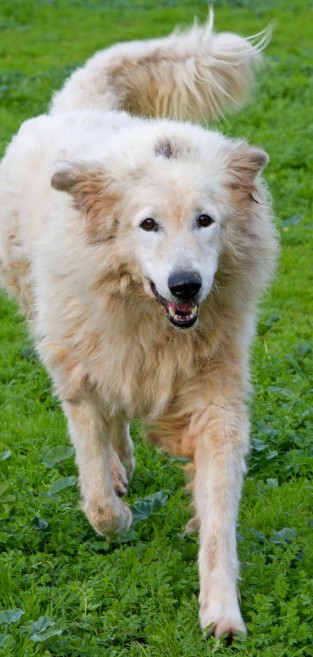
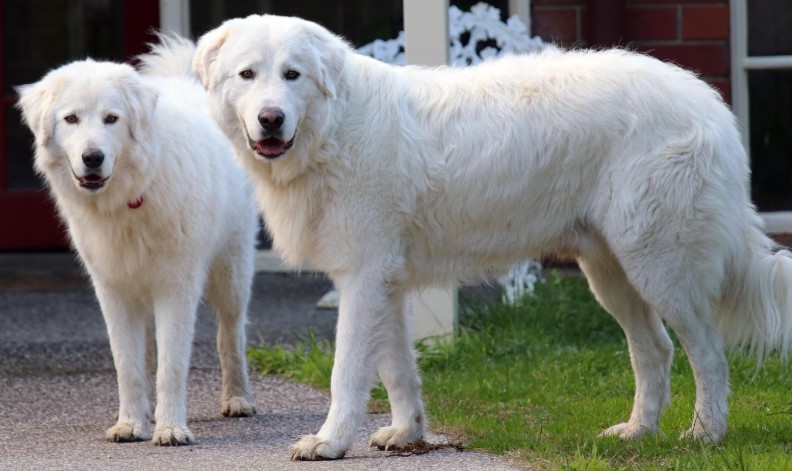
Silent. Steady. Sovereign.
Independence is the blueprint.
Your Maremma isn’t ignoring you—they’re running centuries-old guardian programming built for autonomous decisions when no human is present.
Assessment comes before obedience.
What looks like slowness to respond is actually territorial evaluation, a self-governing mind scanning for context before complying.

Partnership replaces pressure.
When you shift from command-based expectations to cooperative leadership, their behavior transforms from resistance into calm, reliable guardianship.
Arousal Regulation and Conflict Prevention
Preserving the Guardian’s Natural Calm
Maremmas maintain low-arousal vigilance through their inherent temperament, which favors observation and assessment over immediate, high-energy reaction. They are naturally calm, patient, and methodical. Their vigilance is a state of quiet awareness, not hyperalertness or anxious scanning.
Training should preserve rather than disrupt this natural emotional state. Several approaches support calm guardianship.
Strategies for Preserving Low-Arousal Vigilance:
- Avoid punishment and harsh corrections that increase stress
- Maintain consistent daily routines and predictable patterns
- Reward calm responses rather than exciting the dog
- Introduce new stimuli gradually and positively
- Ensure adequate rest periods between vigilance cycles
- Model calm behavior in your own responses to stimuli
- Provide clear spatial boundaries that reduce uncertainty
- Respect the guardian’s need for uninterrupted observation time
Avoiding punishment is essential. Harsh corrections or punishment increase stress and arousal, undermining the calm nature that makes Maremmas effective guardians. When you punish a guardian for barking at perceived threats, you may suppress the behavior temporarily but you increase internal anxiety and the likelihood of reactive responses later.
Promoting predictability through consistent routines reduces anxiety and the need for hypervigilance. When your guardian knows what to expect, it can relax into calm watchfulness rather than staying on edge.
Reinforcing calmness rather than excitement teaches the dog that composed behavior is valued. Reward calm, appropriate responses to stimuli rather than getting your Maremma excited or overstimulated.
Gradual exposure to new stimuli allows the guardian to process and categorize without becoming overwhelmed. Introduce changes slowly and positively, giving your Maremma time to assess and adapt.
Respecting rest is crucial for maintaining emotional balance. Guardian dogs need ample opportunity for undisturbed sleep and recovery. Sustainable vigilance requires periods of genuine relaxation.
🐕🦺 Training the Self-Governing Guardian 🏔️
The Complete 7-Phase Journey to Partnership with Your Maremma Sheepdog
Phase 1: Understanding the Guardian Mind
Recognizing Autonomous Cognition💡 The Science Behind Independence
Maremmas were bred for centuries to make life-or-death decisions without human input. Their cognitive architecture prioritizes environmental assessment over handler commands. This isn’t defiance—it’s genetic programming for autonomous protection.
🎯 What to Expect
• Your Maremma will evaluate commands before complying
• Low arousal, sustained vigilance is their natural state
• Traditional obedience methods will likely fail
• The work itself—watching, patrolling, protecting—is their reward
Phase 2: Territory & Boundary Intelligence
Working With Their Internal Map💡 Dynamic Territory Concept
Maremmas don’t see territory as fixed fences—they perceive it as an invisible protective sphere surrounding their charges. As the flock moves, the territory moves. Understanding this fluid concept is essential for effective boundary training.
⚠️ Warning Signs of Boundary Stress
• Increased pacing along fence lines
• Escalating alarm barking at tolerated stimuli
• Attempts to dig under or climb over fencing
• Withdrawal from normal guardian activities
✅ Training Approach
Negotiate boundaries rather than impose them. Use calm spatial messaging and consistent routines. Your relaxed presence at boundary edges teaches that the fence line represents the legitimate limit of responsibility.
Phase 3: Building Leadership Through Trust
Partnership, Not Dominance💡 The Partnership Model
Think of it this way: You govern the people; your Maremma governs the territory. You’re the ultimate decision-maker for the household. Your guardian manages day-to-day protection of the physical space and charges.
✅ How to Establish Leadership
• Control resources without manipulation
• Maintain consistent daily routines
• Make decisions that lead to positive outcomes
• Model calm behavior in stressful situations
• Respect the guardian’s need for autonomy
🎯 Non-Verbal Communication
Non-verbal leadership outperforms verbal commands with Maremmas. Calm posture, direction of gaze, deliberate movement, and spatial positioning communicate leadership more effectively than words.
Phase 4: Puppy Foundation (8 weeks – 6 months)
Balanced Socialization for Guardians💡 The Socialization Paradox
Maremma socialization isn’t about creating a friendly dog—it’s about creating a discerning dog. The goal is accurate threat assessment, not universal friendliness. Balance exposure with preserving natural caution.
✅ Critical Exposures
• People: All ages, appearances, uniforms
• Animals: Livestock, neighbor dogs at safe distances
• Sounds: Vehicles, machinery, thunder
• Environments: Various surfaces, lighting conditions
• Key: Let puppy observe without forcing interaction
⚠️ Avoid These Mistakes
• Flooding with forced socialization (creates fear or inappropriate friendliness)
• Insufficient exposure (everything becomes threatening)
• Eliminating human contact for livestock guardians
Phase 5: Adolescence & Young Adulthood (6 – 24 months)
Guiding Emerging Instincts🎯 Developmental Timeline
• 6-9 months: Alarm barking begins, basic patrol patterns emerge
• 9-12 months: Increased territoriality, boundary testing
• 12-18 months: Threat discrimination matures
• 18-24 months: Developing calm confidence
✅ Training During This Phase
Patient guidance without suppression is essential. When instincts outpace judgment, redirect calmly rather than punish. Continue structured routines while increasingly trusting your Maremma’s developing capabilities.
💡 The Invisible Leash Principle
Guide through awareness, not tension. Your calm presence at boundaries, your relaxed energy during introductions, and your consistent spatial messaging all communicate expectations without micromanagement.
Phase 6: Mature Partnership (2+ years)
Cooperative Guardianship in Action💡 Full Maturity Characteristics
By 2-3 years, your Maremma should demonstrate accurate threat assessment, proportionate responses, and calm vigilance sustained indefinitely. Your role shifts from active training to supportive partnership.
✅ Daily Rhythm for Mature Guardians
• Morning: Calm feeding, transition to observation post
• Midday: Rest periods in strategic positions
• Evening: Heightened vigilance, boundary checking
• Night: Active vigilance cycles alternating with rest
🎯 When to Intervene
Intervene only when genuinely necessary—when your guardian’s judgment is misdirected or when human safety requires it. Trust the partnership you’ve built.
Phase 7: Troubleshooting Common Challenges
Solutions Through Partnership🔊 Excessive Barking
Acknowledge the alert (they’re doing their job), then communicate through relaxed energy that the stimulus isn’t concerning. Never punish the bark—this suppresses vital guardian communication.
🚶 Roaming Tendencies
Secure six-foot fencing is essential, but containment alone isn’t the solution. Provide structured patrol circuits, strategic observation posts, and meaningful work within boundaries.
⚠️ What Never Works
• Punishment (increases reactivity and destroys trust)
• Micromanagement (causes learned helplessness)
• Dominance-based methods (triggers disengagement)
• Suppressing natural guardian behaviors
🐕 Guardian Breed Comparison 🐕
🇮🇹 Maremma Sheepdog
Origin: Italian Alps
Style: Calm, observant deterrence
Arousal: Low, sustained vigilance
Best for: Livestock, property, families
🇫🇷 Great Pyrenees
Origin: French/Spanish Pyrenees
Style: Imposing presence, gentle nature
Arousal: Low to moderate
Best for: Large properties, livestock
🇭🇺 Kuvasz
Origin: Hungary
Style: More active, decisive action
Arousal: Moderate
Best for: Experienced guardian owners
🇹🇷 Anatolian Shepherd
Origin: Turkey
Style: Independent, territorial
Arousal: Variable, threat-responsive
Best for: Large acreage, predator pressure
🐕 Herding Breeds (Comparison)
Motivation: Handler direction
Style: High responsiveness
Arousal: High during work
Key difference: Partner closely with handler
🎾 Obedience Breeds (Comparison)
Motivation: Handler approval
Style: Eager compliance
Arousal: Moderate to high
Key difference: Require consistent direction
⚡ Quick Reference: The Guardian Training Formula
Partnership = Trust + Respect + Clear Roles
• You govern: People, visitors, household decisions
• They govern: Territory, patrol, threat assessment
• Communication: Non-verbal > verbal; calm energy > commands
• Motivation: Purpose + stability + meaningful work (not treats)
• Timeline: Full maturity at 2-3 years—patience is essential
• Golden rule: Guide the instinct, don’t suppress it
🧡 The Zoeta Dogsoul Philosophy for Guardian Breeds
Training a Maremma isn’t about control—it’s about building a NeuroBond where trust becomes the foundation of learning. Through the Invisible Leash principles of calm direction, emotional clarity, and spatial consistency, you guide without constraining. And in those moments when your guardian responds to your presence with intuitive understanding, you’ll witness Soul Recall—the deep relational bonding that transcends commands.
The Maremma teaches us that true partnership honors autonomy while providing guidance. When we respect their ancient wisdom and work with their nature rather than against it, we discover something profound: a guardian that protects not because it must, but because it chooses to—and that is the essence of Zoeta Dogsoul.
© Zoeta Dogsoul – Where neuroscience meets soul in dog training
The Role of Calm Human Behavior
Your own behavior profoundly influences your guardian’s arousal levels and accuracy in threat assessment. Calm, predictable human behavior reduces false alarms and boundary misinterpretation.
Modeling calmness teaches appropriate responses to your Maremma. When you remain calm and composed in novel or potentially stressful situations, you demonstrate that the environment is stable and that not every new stimulus warrants alarm. Your guardian takes cues from your emotional state.
Predictable routines in your own behavior help the Maremma understand what is normal. How you introduce guests, how you move through daily tasks, how you respond to unexpected events, all of these patterns become part of your guardian’s understanding of what constitutes ordinary life versus genuine anomaly.
Clear communication through calm, consistent non-verbal cues and a steady tone of voice helps your Maremma interpret human intentions and environmental signals accurately. Erratic or emotionally volatile behavior creates confusion and increases anxiety.
Reinforcing correct discrimination helps refine your guardian’s judgment over time. When your Maremma correctly ignores a non-threat, calm acknowledgment reinforces that choice. When it barks at something harmless, calm redirection without anger helps it learn more accurate discrimination. Moments of Soul Recall reveal how memory and emotion intertwine in behavior, and your consistent responses become part of your guardian’s learning.
Why Punishment Backfires With Independent Guardians
Punishment significantly increases reactivity and distrust in independent guardians like Maremmas. Because they are autonomous thinkers not primarily driven by a desire to please, punishment is often perceived as unfair, confusing, or threatening rather than corrective.
Increased reactivity often follows punishment. While the punished behavior may temporarily disappear, internal stress and anxiety rise. This leads to a higher likelihood of reactive responses when pressure is removed or when the dog feels cornered.
Distrust develops when punishment is consistent. The Maremma learns to fear the handler or avoid interaction rather than learning the desired behavior. The essential bond of partnership erodes.
Suppressed instincts can result from punishing natural guarding behaviors. When you punish your Maremma for barking at perceived threats, you confuse the dog about its fundamental purpose. This can suppress vital protective instincts and actually make the guardian less effective.
Positive reinforcement and clear guidance are far more effective in shaping desired behaviors without compromising temperament or trust. When we work with the guardian’s nature rather than against it, we build partnership that serves both human and dog.
The NeuroBond Framework: A Philosophy for Guardian Training
Invisible Leash Principles for Autonomous Dogs
The NeuroBond approach offers a philosophy perfectly suited to the Maremma’s self-governing nature. Central to this framework are the Invisible Leash principles of calm direction, emotional clarity, and spatial consistency.
Core Invisible Leash Principles for Maremmas:
- Calm direction replaces forceful commands
- Emotional clarity provides a stable anchor for the sensitive guardian
- Spatial consistency supports territorial cognition
- Guidance feels like partnership, not control
- Non-verbal communication takes precedence over verbal cues
- The guardian’s autonomy is respected and supported
- Trust develops through reliable, predictable handler behavior
- Cooperation emerges from shared purpose, not compliance
Calm direction aligns with the Maremma’s preference for low-arousal environments and composed leadership. Instead of forceful commands, subtle, calm guidance allows the dog to make its own choice to follow. This approach reinforces autonomy while maintaining partnership. The guardian does not feel controlled; it feels supported.
Emotional clarity from the handler provides a stable anchor for the sensitive Maremma. These dogs are highly attuned to human emotional states. When you project calm confidence and consistent emotional tone, you reduce anxiety and improve communication. Your guardian can trust your signals because they are reliable.
Spatial consistency supports the Maremma’s territorial cognition directly. By consistently defining spatial boundaries and expectations, you provide the clear structure that your guardian needs to perform its job effectively without overstepping. “This is your patrol area. This is a human-only zone.” These consistent spatial messages make sense to the territorial guardian mind.
These principles allow the Maremma to feel secure in its role and to trust your leadership, fostering cooperation without undermining independence.
Non-Verbal Leadership in Action
Non-verbal leadership often outperforms verbal commands with Maremmas because it aligns more closely with their natural communication style and autonomous nature.
Effective Non-Verbal Communication With Your Maremma:
- Calm, confident posture that signals stable leadership
- Direction of gaze to indicate points of interest or concern
- Deliberate movement that models appropriate response levels
- Spatial positioning that reinforces boundaries and expectations
- Relaxed breathing and energy that reduces environmental tension
- Consistent body language that the guardian can learn to read
- Proximity adjustments that communicate approval or redirection
- Stillness that demonstrates calm confidence in stable situations
Natural communication for dogs, especially those bred for independent work, relies heavily on body language, spatial cues, and energy. Non-verbal signals such as posture, direction of gaze, movement, and proximity are often clearer and more universally understood than arbitrary verbal sounds.
Respect for autonomy emerges when cues feel like guidance rather than orders. Non-verbal communication can be perceived as suggestions, allowing the Maremma to choose to comply and thus preserving its sense of independence. Verbal commands, especially if repeated or delivered with pressure, can feel like micromanagement.
Emotional resonance transmits more effectively through non-verbal channels. Your calm, confident body language conveys leadership more powerfully than words alone, which can easily be misinterpreted or ignored if your underlying emotional state is inconsistent. A handler who communicates effectively through presence and clear body language builds a stronger, more respectful partnership with a Maremma.
Cooperative Guardianship as the Training Goal
Ultimately, cooperative guardianship rather than traditional obedience should be the training goal for Maremma Sheepdogs. This reframes the human-dog relationship from master-servant to partners working toward a shared objective: the safety and well-being of the flock and territory.
Shared purpose means both human and dog have meaningful roles in guardianship. You provide overall direction, manage human interactions, and maintain the broader environment. Your guardian executes day-to-day protection, watching and responding to the territory you share.
Respect for roles acknowledges what each partner contributes. You respect your Maremma’s innate ability to guard and its often superior judgment about territorial matters. Your guardian respects your leadership in managing the social world and the broader context of your lives together.
Guidance over control focuses training on channeling natural instincts, refining discrimination skills, and establishing clear boundaries rather than forcing compliance through rote obedience. You guide your guardian’s development without attempting to dominate it.
Trust and collaboration emerge from this approach. Your Maremma willingly participates in the guardianship effort because it understands its purpose and trusts your partnership. The result is a more reliable, confident, and less stressed guardian than any dominance-based or obedience-focused training could produce. 🐾
Daily Life With a Maremma: Practical Routines and Management
What a Typical Day Looks Like
Understanding the rhythm of daily life with a Maremma helps prospective owners visualize the reality of sharing their world with a self-governing guardian. These dogs do not simply exist alongside your routine; they have their own schedule driven by ancient instincts, and successful partnership means harmonizing human needs with guardian rhythms.
Morning routines for most Maremmas begin early, often before sunrise. After a night of intermittent patrol and vigilance, your guardian will appreciate a calm morning feeding followed by a period of rest. Unlike high-energy breeds that wake up ready to play, the Maremma transitions from nighttime alertness to daytime recovery. Respect this need for morning calm. A quiet breakfast, perhaps a brief connection with you, and then an opportunity to settle into a comfortable observation post sets the tone for the day.
Midday patterns typically involve alternating rest and observation. Your Maremma will find elevated or strategically positioned spots from which to monitor the territory while conserving energy. This is not laziness; it is efficient guardianship. During warmer months, expect your guardian to seek shade and minimize activity during peak heat. You might notice periodic patrol circuits, especially if something in the environment shifts, but the middle of the day is generally a low-activity period.
Evening activation begins as temperatures cool and shadows lengthen. Your Maremma’s alertness increases as dusk approaches, the time when predators historically became more active. This is when you will see more deliberate patrolling, more attentive monitoring of boundaries, and increased vocalization if anything seems amiss. Evening feeding should occur before this heightened activity period, allowing your guardian to settle into its nocturnal duties with a satisfied belly.
Nighttime vigilance is the Maremma’s true domain. These dogs were bred to protect flocks through the darkness, and their nocturnal awareness remains strong even in domestic settings. Expect some barking during the night, particularly at sounds or movements that warrant announcement. This is your guardian doing its job. Providing appropriate shelter that allows your Maremma to rest while maintaining awareness of its territory supports this natural pattern.
Sample Daily Rhythm for a Maremma Guardian:
- Pre-dawn: Final night patrol, transition toward rest
- Early morning: Calm feeding, settling into observation post
- Mid-morning: Light patrol, rest in strategic position
- Midday: Extended rest period, minimal activity during heat
- Afternoon: Periodic observation, some patrol activity as temperatures cool
- Early evening: Feeding before dusk, increasing alertness
- Dusk: Heightened vigilance, boundary checking, increased patrol
- Night: Active vigilance cycles alternating with rest periods
Structuring Feeding, Patrol, and Rest
The rhythm of feeding, patrol, and rest creates the predictable framework within which your Maremma thrives. Inconsistency in these fundamentals can create anxiety and behavioral problems, while well-established routines promote calm confidence.
Feeding schedules should be consistent and calm. Most adult Maremmas do well with twice-daily feeding, morning and late afternoon or early evening. Avoid feeding immediately before or after intense activity. The calm ritual of mealtime reinforces your role as provider and establishes a predictable anchor in your guardian’s day. Some owners of working Maremmas find that slightly larger evening meals support the energy demands of nighttime patrol.
Patrol opportunities should be structured rather than random. If your Maremma guards a specific area, ensure regular access to that territory. A guardian that cannot perform its perceived duties becomes frustrated and anxious. Even in non-working contexts, providing defined patrol routes, perhaps a morning and evening circuit of your property, satisfies this deep need. The Invisible Leash principles apply here: guide the patrol routine through calm spatial consistency rather than constant direction.
Rest periods deserve as much attention as active duties. Maremmas are not dogs that require constant stimulation or entertainment. They need and value substantial rest periods, particularly during the warmest parts of the day and after periods of heightened vigilance. Provide comfortable, strategically positioned resting spots that allow your guardian to observe while relaxing. Disturbing a resting Maremma for unnecessary interaction can be counterproductive; respect their need for recovery.
The weekly rhythm matters too. While daily routines provide stability, Maremmas also benefit from predictable weekly patterns. Perhaps weekends involve different family activities or visitor patterns. Helping your guardian anticipate these variations, through consistent cues and calm energy, prevents the stress that comes from unpredictable disruptions to the expected order. 🧡
Feeding and Rest Best Practices:
- Feed twice daily at consistent times, morning and late afternoon
- Allow 30-60 minutes of rest before and after meals
- Provide elevated or strategic observation spots for rest periods
- Ensure access to shade and cool surfaces during hot weather
- Avoid disturbing rest unless genuinely necessary
- Offer slightly larger evening meals for working guardians
- Use slow-feeder bowls if your Maremma eats too rapidly
- Always provide fresh water access, especially during patrol periods
Raising a Maremma Puppy: Building the Guardian Foundation
The Critical Socialization Window
The first sixteen weeks of a Maremma puppy’s life establish patterns that will shape its entire career as a guardian. Unlike breeds where socialization primarily means creating a friendly, outgoing dog, socializing a Maremma requires a more nuanced approach that balances necessary exposure with the development of appropriate discernment.
The core objective of Maremma puppy socialization is not to create a dog that loves everyone and everything. It is to create a dog that can accurately assess stimuli, distinguish threats from non-threats, and respond proportionately. This means exposing your puppy to a wide variety of people, animals, sounds, and environments while allowing it to observe and process rather than forcing interaction.
Essential exposures during the critical window include diverse human types (different ages, appearances, movement patterns, and energy levels), various animals (both those the dog will eventually protect and those it will encounter as neutral presences), environmental sounds (vehicles, machinery, weather), and different surfaces and spaces. The key is calm, positive exposure rather than overwhelming immersion. Let your puppy watch the mail carrier from a safe distance. Allow it to observe children playing without requiring direct engagement. Present novelty in digestible doses.
Critical Socialization Exposures for Maremma Puppies:
- People: Adults, children, elderly, people with mobility aids, uniforms, different ethnicities
- Animals: Livestock they will guard, neighbor dogs at safe distances, cats, wildlife from afar
- Sounds: Vehicles, machinery, thunder, fireworks recordings, household appliances
- Environments: Various surfaces, indoor spaces, outdoor terrain, different lighting conditions
- Situations: Veterinary handling, grooming, travel, being alone, meeting controlled visitors
- Objects: Umbrellas, bicycles, strollers, farm equipment, common household items
Balancing wariness and acceptance is the art of Maremma socialization. You want your puppy to learn that most stimuli are not threatening, while preserving the natural caution that will make it an effective guardian. Puppies that are flooded with forced socialization may become inappropriately friendly or, conversely, fearful and reactive. Puppies that receive insufficient exposure may perceive everything unfamiliar as threatening. Find the middle path through patient, repeated, low-pressure exposure.
Bonding With Livestock Versus Human Family
If your Maremma will work as a traditional livestock guardian, the question of bonding becomes particularly complex. The puppy must form strong attachments to its charges while also maintaining a working relationship with human handlers. These dual bonds require careful management during the developmental period.
Early livestock exposure traditionally begins when the puppy is quite young, often between eight and twelve weeks. The puppy lives with the livestock it will eventually protect, forming the deep identification that underlies guardian motivation. However, this does not mean human contact should be eliminated. A Maremma that has no bond with humans becomes difficult to manage, veterinary care becomes challenging, and the cooperative partnership essential for modern guardianship cannot develop.
Balanced bonding protocols involve regular, calm human interaction even for puppies being raised with livestock. Brief daily handling, feeding by humans, and quiet presence during routine activities maintain the human connection without undermining livestock bonding. The goal is a dog that identifies primarily with its charges but trusts and cooperates with its human partners.
For family-focused Maremmas not working with livestock, bonding naturally centers on human family members. The family becomes the flock. In this context, the puppy should still learn that not all humans are family. Visitors are different from residents. Workers come and go. This discrimination develops through consistent handling of introductions and clear energy from the human family members about who belongs and who is a temporary presence.
The Development of Guardian Instincts
Guardian instincts do not emerge fully formed. They develop gradually over the first two years of a Maremma’s life, with distinct phases that require different handling approaches.
Guardian Instinct Development Timeline:
- 8-16 weeks: Minimal guardian behavior; focus on socialization and trust-building
- 4-6 months: First signs of alertness to environmental changes
- 6-9 months: Beginning of alarm barking and basic patrol patterns
- 9-12 months: Increased territoriality, testing of boundaries
- 12-18 months: Maturing threat discrimination, more defined patrol routes
- 18-24 months: Developing calm confidence, improved judgment
- 2-3 years: Full maturity with reliable, discerning guardianship
- 3+ years: Refinement and deepening of guardian capabilities
Early puppyhood (8-16 weeks) is primarily about exposure and basic trust-building. Guardian behaviors are minimal during this phase. The puppy is learning about its world, forming attachments, and developing the neural foundations for later discrimination. Focus on calm, positive experiences and consistent routines.
Adolescence (4-12 months) brings the first real emergence of guardian behaviors. You may notice increased alertness to environmental changes, the beginnings of alarm barking, and more defined patrol patterns. This phase can be challenging as the puppy tests boundaries and its instincts sometimes outpace its judgment. Patient guidance without suppression is essential. Correct inappropriate responses calmly and redirect rather than punish.
Young adulthood (12-24 months) sees guardian instincts maturing toward their adult form. Territorial awareness becomes more sophisticated, threat discrimination improves, and the dog begins to show the calm confidence characteristic of mature guardians. However, judgment is still developing. Young adults may still overreact to novel stimuli or misjudge appropriate response levels. Continue providing guidance while increasingly trusting your Maremma’s developing capabilities.
Full maturity (2-3 years and beyond) brings the reliable, discerning guardianship that makes the Maremma such a valued protector. By this age, your guardian should demonstrate accurate threat assessment, proportionate responses, and the calm vigilance that can be sustained indefinitely. Your role shifts from active training to supportive partnership, intervening only when genuinely necessary. 🐾
Common Behavioral Challenges: Troubleshooting Through Partnership
Excessive Barking: When Communication Becomes Problematic
Alarm barking is natural and necessary for Maremmas. It is their primary deterrent tool, warning potential threats and alerting human partners to environmental changes. However, barking can become excessive when the guardian perceives threats too broadly, when environmental stressors elevate baseline anxiety, or when the dog lacks clear understanding of what truly warrants announcement.
Common Causes of Excessive Barking:
- Over-broad threat perception treating all stimuli as concerning
- Environmental stressors elevating baseline anxiety
- Changes in routine creating uncertainty
- Insufficient patrol access causing frustration
- Lack of clear territorial boundaries
- Inadequate rest undermining emotional regulation
- Reinforcement of barking through attention
- Poor socialization leading to reactive responses
Understanding the cause is essential before addressing excessive barking. Is your Maremma barking at genuine environmental changes, or has everything become a trigger? Are there new stressors in the environment that have elevated anxiety? Has a change in routine created uncertainty about what is normal? The solution depends entirely on the underlying cause.
For over-broad threat perception, the solution lies in patient discrimination training. When your Maremma barks at something that does not warrant alarm, calmly acknowledge the alert (the dog is doing its job by notifying you), then clearly communicate through your relaxed energy and perhaps a quiet verbal cue that this particular stimulus is not concerning. Over time, the guardian learns to calibrate its responses to your feedback. Never punish the bark itself; this suppresses vital communication and creates confusion about the guardian role.
For anxiety-driven barking, address the underlying stress. Has something changed in the environment or routine? Are there unmet needs for patrol, territory access, or clear responsibility? Sometimes excessive barking signals that the guardian feels unable to fulfill its purpose, perhaps due to confinement, unclear boundaries, or unpredictable schedules. Restoring predictability and purpose often reduces anxiety-driven vocalization.
For attention-seeking barking (less common in Maremmas but possible), ensure that you are not inadvertently reinforcing the behavior. If barking brings human attention and interaction, the pattern can become self-sustaining. Respond to appropriate alerts, but do not reward barking that serves no guardian purpose.
Roaming Tendencies: The Expanding Territory Problem
Maremmas that roam beyond appropriate boundaries are typically expressing their territorial cognition in ways that conflict with human-defined limits. The guardian does not perceive itself as misbehaving; it is simply patrolling what it considers its legitimate territory. The challenge is helping your Maremma accept more limited boundaries without creating the stress and frustration that come from suppressing protective instincts.
Physical containment must be robust. Standard fencing often fails with Maremmas because their motivation to patrol is strong and persistent. Six-foot fencing, often with modifications to prevent climbing or digging, is typically necessary. However, containment alone is not the solution. A dog that constantly tests boundaries or paces along fence lines is a dog whose territorial needs are not being met.
Redefining territory through consistent spatial messaging helps the guardian accept human-imposed limits. Through calm, repetitive reinforcement of boundaries, the Maremma can learn to perceive the fenced area as its legitimate territory. The Invisible Leash approach applies here: your calm presence at boundary edges, your relaxed energy when neighbors or passersby appear on the other side, and your consistent communication that the fence line represents the limit of responsibility all contribute to redefinition.
Providing adequate patrol opportunities within acceptable boundaries reduces the pressure to expand. If your property is small, consider structured patrol routines that maximize the territory your Maremma can legitimately monitor. A regular circuit, morning and evening, reinforces both boundaries and purpose.
Strategies to Prevent Roaming:
- Install secure six-foot fencing with climb and dig prevention
- Conduct structured morning and evening patrol circuits
- Reinforce boundary acceptance through calm spatial messaging
- Ensure the guardian has meaningful work within its territory
- Address underlying anxiety that may drive escape attempts
- Provide strategic observation posts with views beyond the fence
- Maintain consistent routines that satisfy patrol instincts
- Avoid leaving the guardian unsupervised during high-drive periods
Resource Guarding of Territory
Some Maremmas develop problematic resource guarding behaviors around their territory or charges. This can manifest as excessive aggression toward anyone approaching the property, refusal to allow even family members into certain spaces, or dangerous responses to routine intrusions like mail delivery.
The roots of territorial resource guarding often lie in anxiety rather than confidence. A guardian that feels uncertain about its ability to protect, or unclear about its handler’s support, may escalate defensive behaviors beyond what is appropriate. Paradoxically, the solution often involves not reducing the dog’s territorial sense but increasing its confidence and trust in partnership.
Establishing clear human authority over territory access is essential. You must be able to enter any space, introduce approved visitors, and manage the territory without triggering defensive responses. This authority develops through consistent spatial messaging, calm leadership, and a history of reliable decision-making that the guardian comes to trust. If your Maremma guards certain areas even from you, rebuild trust through patient, low-pressure exposure, never forcing confrontation but consistently demonstrating that your presence is normal and beneficial.
Managing specific triggers like mail carriers or delivery workers requires proactive structuring. If possible, create protocols where your Maremma is secured before predictable arrivals. Gradually introduce these regular visitors through calm, controlled exposure. Some guardians will never fully accept routine intruders, and management may need to remain the permanent solution.
Stranger Aggression: When Protective Instincts Exceed Appropriateness
A Maremma that responds to strangers with aggression rather than appropriate wariness represents a serious concern that requires immediate, thoughtful intervention. True aggression, not alarm barking or maintaining distance, but genuine threat displays or attempts to harm, indicates either inadequate socialization, accumulated negative experiences, or a temperament problem that may require professional evaluation.
Assess the behavior accurately before determining your response. Is your Maremma displaying normal guardian wariness that feels excessive to you but remains within appropriate bounds? Or are you seeing genuine aggression: hard stares, raised hackles, growling with intent, lunging, or attempts to bite? The distinction matters enormously for your intervention approach.
Normal Guardian Wariness vs. Problematic Aggression:
Normal wariness includes:
- Maintaining watchful distance from strangers
- Alert posture without tension
- Warning barks that cease when threat retreats
- Willingness to defer to handler signals
- Ability to remain calm if stranger respects boundaries
Problematic aggression includes:
- Hard, fixed stare with tense body
- Raised hackles combined with forward lean
- Deep growling with clear intent
- Lunging or snapping attempts
- Inability to disengage despite handler intervention
- Escalation even when threat retreats
For excessive wariness without true aggression, patient desensitization and counterconditioning can help. Controlled exposure to strangers at distances where your guardian remains calm, paired with positive outcomes (not treats necessarily, but environmental stability and handler calm), gradually shifts the emotional response. This process takes months, not days, and requires consistency.
For genuine aggression, professional consultation is essential. Work with a behaviorist experienced with guardian breeds who understands that suppressing protective instincts is not the goal. The objective is appropriate expression of those instincts. Depending on the root cause, intervention may involve rebuilding trust, addressing underlying anxiety, or managing the environment to prevent dangerous encounters while rehabilitation proceeds.
Moments of Soul Recall reveal how memory and emotion intertwine in behavior. Past negative experiences with strangers can create lasting patterns that require patient, consistent positive experiences to reshape. 🧠
Seasonal and Environmental Considerations
The Maremma’s Magnificent Coat
The Maremma’s abundant white double coat served its ancestors well in the mountains of central Italy, providing insulation against cold, protection from sun, and even some defense against predator bites. Understanding and maintaining this coat is essential for your guardian’s comfort and health across all seasons.
The double coat structure consists of a dense, soft undercoat that provides insulation and a longer, harsher outer coat that repels water and debris. This combination regulates temperature in both cold and warm conditions, though it requires more active management in heat. Never shave a Maremma’s coat in summer; the double coat actually helps prevent overheating and protects against sunburn. Shaving disrupts the natural insulation system and can cause lasting coat damage.
Shedding patterns follow seasonal rhythms. Maremmas typically blow their undercoat heavily twice a year, in spring and fall, with moderate shedding between these major events. During heavy shedding periods, daily brushing becomes necessary to remove loose undercoat and prevent matting. A quality undercoat rake and slicker brush are essential tools. Regular brushing also distributes natural oils, maintains skin health, and provides opportunity for hands-on health checks.
Bathing requirements are minimal for most Maremmas. The coat’s natural oils help repel dirt, and over-bathing can strip these oils, leading to skin problems and a less effective coat. Most guardians need bathing only a few times per year, unless they encounter something particularly foul. When bathing is necessary, use gentle, dog-appropriate shampoo and ensure thorough drying to prevent skin issues.
Maremma Coat Care Essentials:
- Quality undercoat rake for removing loose undercoat
- Slicker brush for outer coat maintenance
- Daily brushing during heavy shedding seasons (spring and fall)
- Weekly brushing during moderate shedding periods
- Bathing only 2-4 times per year unless necessary
- Gentle, dog-appropriate shampoo when bathing
- Thorough drying after any bathing
- Regular checks for mats, especially behind ears and in leg feathering
- Never shave the coat, even in summer heat
Managing Heat and Cold
The Maremma’s mountain heritage provides excellent cold tolerance but creates challenges in warmer climates. Understanding how to support your guardian through temperature extremes keeps them comfortable and effective across seasons.
In hot weather, your Maremma requires access to shade, fresh water, and ideally, cooler ground surfaces. Many guardians will dig shallow depressions to reach cooler soil, a natural cooling behavior that should be accommodated rather than prevented. Limit activity during the hottest parts of the day, allowing your guardian to rest in shaded observation posts. Evening and nighttime become the primary active periods in summer, which aligns naturally with the Maremma’s nocturnal tendencies.
Watch for overheating signs including excessive panting, drooling, reluctance to move, or seeking unusual cool spots. Maremmas can be stoic about discomfort, so early recognition of heat stress is important. Provide cooling options like shallow water pools for wading, damp towels in resting areas, or fans in sheltered spaces. Never leave a Maremma confined in areas without adequate ventilation and cooling.
Hot Weather Management Checklist:
- Constant access to fresh, cool water
- Multiple shaded areas throughout the territory
- Shallow wading pool or cool water access
- Damp towels or cooling mats in resting areas
- Fans or ventilation in sheltered spaces
- Limited activity during peak heat hours (10am-4pm)
- Evening and nighttime as primary active periods
- Permission to dig cooling depressions in appropriate areas
- Monitoring for signs of heat stress
- Never confining in areas without ventilation
In cold weather, Maremmas typically thrive. Their double coat provides remarkable insulation, and many guardians prefer being outdoors even in quite cold temperatures. Ensure access to dry, draft-free shelter where your guardian can retreat if desired, but do not be surprised if your Maremma chooses to sleep in the snow. Paw care becomes important in icy conditions; check for ice balls between toes and consider paw protection if your guardian works on treated surfaces where chemical deicers are used.
Nighttime Activity Patterns
The Maremma’s nocturnal vigilance is one of its most distinctive and sometimes challenging characteristics. These dogs are naturally more active and alert during darkness, the time when their ancestors faced the greatest predator pressure.
Expect nighttime vocalization as a normal part of life with a Maremma. Your guardian will bark at sounds and movements during the night, announcing its presence and deterring potential threats. For most guardians, this is a few bark sequences per night, but environmental factors like nearby wildlife, unfamiliar sounds, or seasonal changes can increase nocturnal activity.
Managing nighttime barking in residential settings requires balancing your guardian’s nature with neighborly considerations. Strategic placement of sleeping areas can help; positioning your Maremma where it can observe without direct exposure to every minor nighttime stimulus reduces unnecessary alerts. Some owners find that radio or white noise in the guardian’s sleeping area masks minor sounds that would otherwise trigger barking. Never punish nighttime barking harshly; this creates anxiety and can worsen the behavior.
Supporting nocturnal duties means ensuring your guardian has what it needs during the night. Access to water, appropriate shelter, and the ability to patrol at least a portion of territory helps the Maremma fulfill its instinctive role. A guardian confined entirely away from territory at night may develop anxiety or displaced behaviors during the day. 🐾
Health and Longevity: Caring for Your Guardian’s Physical Well-Being
Breed-Specific Health Concerns
Like all large breeds, Maremmas face certain health predispositions that responsible owners should understand and monitor. Awareness of these concerns enables early detection and intervention, supporting your guardian’s long-term health and working capability.
Key Health Concerns in Maremma Sheepdogs:
- Hip dysplasia: Developmental joint condition; screen breeding stock, maintain healthy weight
- Bloat (GDV): Life-threatening emergency; feed multiple small meals, avoid exercise around feeding
- Entropion/Ectropion: Eyelid conditions causing irritation; watch for tearing or squinting
- Osteosarcoma: Bone cancer risk common in giant breeds
- Anesthesia sensitivity: Common in large breeds; inform veterinarian
- Joint stress: Related to size and activity level; support with appropriate nutrition
- Ear infections: Check regularly, especially in humid conditions
- Obesity: Can exacerbate joint issues; maintain appropriate body condition
Hip dysplasia affects many large breeds, and Maremmas are no exception. This developmental condition of the hip joint can range from mild to severely debilitating. Responsible breeders screen breeding stock, and prospective owners should request hip evaluations for parent dogs. Maintaining appropriate body condition, avoiding excessive exercise during growth phases, and supporting joint health throughout life all help manage this risk. Watch for signs of hip discomfort including difficulty rising, reluctance to jump or climb, and changes in gait.
Bloat (gastric dilatation-volvulus) is a life-threatening emergency that affects deep-chested breeds including Maremmas. In this condition, the stomach fills with gas and may twist, cutting off blood supply. Symptoms include unproductive retching, distended abdomen, restlessness, and rapid decline. Bloat requires immediate veterinary intervention; this is a true emergency.
Bloat Warning Signs (Seek Emergency Care Immediately):
- Unproductive retching or attempts to vomit
- Distended, hard, or drum-like abdomen
- Restlessness, pacing, or inability to get comfortable
- Excessive drooling
- Rapid breathing or panting
- Weak pulse or pale gums
- Collapse or inability to stand
Bloat Prevention Strategies:
- Feed 2-3 smaller meals rather than one large meal
- Avoid exercise 30-60 minutes before and after eating
- Use slow-feeder bowls for fast eaters
- Ensure calm feeding environment
- Avoid elevated food bowls (research suggests this may increase risk)
- Know the location of your nearest emergency veterinary clinic
Eye conditions including entropion (inward-rolling eyelids) and ectropion (outward-rolling eyelids) occur in the breed with some frequency. These conditions can cause chronic irritation, corneal damage, and discomfort if uncorrected. Regular eye examinations and prompt attention to signs of eye discomfort, such as excessive tearing, squinting, or pawing at eyes, help catch these issues early.
Other considerations include sensitivity to anesthesia common in large breeds, the potential for osteosarcoma (bone cancer) that affects many giant breeds, and the general challenges of supporting a large body through the aging process. Regular veterinary care with a provider experienced in large and giant breeds supports early detection and appropriate management.
Supporting the Working Guardian’s Body
A Maremma that works as an active guardian places different demands on its body than a companion dog. Understanding these demands helps you support your guardian’s physical capabilities throughout its working life.
Supporting the Working Guardian’s Body:
- High-quality nutrition appropriate for large, active breeds
- Maintenance of healthy body weight to reduce joint stress
- Joint-supporting supplements as the guardian matures
- Regular paw checks for injuries, foreign objects, and pad condition
- Gradual conditioning for patrol demands
- Adequate rest periods between high-activity cycles
- Regular veterinary check-ups with focus on musculoskeletal health
- Appropriate warm-up before intense activity in cold weather
Joint health deserves particular attention for guardians that patrol rugged terrain or cover significant distances nightly. Support joint function through appropriate nutrition, maintenance of healthy body weight, and possibly joint-supporting supplements as your guardian matures. Watch for changes in movement patterns that might indicate developing joint issues.
Foot care becomes important for active guardians, especially those working on varied terrain. Check paws regularly for injuries, foreign objects, and pad condition. Cracked or worn pads may need protection or recovery time. In rocky or thorny environments, some guardians benefit from conditioning their pads through gradual exposure rather than sudden intensive work.
Conditioning for the job means building and maintaining the physical capability your guardian needs. A Maremma that will patrol extensively needs the cardiovascular fitness and muscular conditioning to do so comfortably. Avoid sudden increases in activity demands; build fitness gradually. Conversely, a guardian whose territory is small does not need the same conditioning but still benefits from regular movement opportunities to prevent obesity and maintain muscle tone.
The Senior Guardian
Maremmas typically live 11-13 years, with their senior years bringing changes that require adjusted management and care. The aging guardian remains devoted to its purpose but needs support to continue contributing meaningfully.
Signs of Aging in Your Maremma:
- Decreased activity and shorter patrol circuits
- Longer and more frequent rest periods
- Stiffness upon rising, especially after rest
- Reduced tolerance for temperature extremes
- Declining hearing or vision
- Graying around muzzle and face
- Slower response to stimuli
- Weight changes (gain or loss)
- Reduced interest in previously engaging activities
Recognizing senior changes begins around age 7-8 for most Maremmas, though individuals vary. You may notice decreased activity, longer rest periods, stiffness upon rising, and reduced tolerance for temperature extremes. Hearing and vision may decline. The guardian’s vigilance often remains strong even as physical capabilities diminish.
Adjusting expectations means accepting that your senior Maremma cannot cover territory as it once did. Provide easier access to favored observation posts, perhaps with ramps or lower platforms. Reduce the physical demands while maintaining the psychological role. A senior guardian that can no longer patrol extensively still contributes through its presence, its alarm barking, and its years of territorial knowledge.
Comfort measures for senior guardians include orthopedic bedding, climate control during temperature extremes, adjusted feeding for changing metabolism, and increased veterinary monitoring. Some seniors benefit from joint supplements or pain management medication to maintain quality of life. The goal is supporting your guardian’s continued engagement with its purpose while acknowledging physical limitations.
Senior Guardian Comfort Checklist:
- Orthopedic bedding in favorite resting spots
- Ramps or steps to access elevated observation posts
- Climate control during extreme temperatures
- Adjusted nutrition for changing metabolism
- Joint supplements or pain management as needed
- More frequent veterinary monitoring
- Reduced physical demands while maintaining psychological role
- Continued access to meaningful guardian activities
- Patience with slower response times
- Extra attention to coat and skin care
The final gift you give your aging guardian is attention to quality of life. These dogs are stoic and may not obviously display discomfort. Watch for subtle changes: decreased interest in formerly important activities, changes in eating or drinking patterns, withdrawal from family interactions. When quality of life diminishes beyond what management can address, making the difficult decision to end suffering is your final act of partnership with your guardian. 🧡
Urban and Suburban Considerations: Maremmas Beyond the Farm
Can Maremmas Adapt to Smaller Properties?
This question comes up frequently, and it deserves an honest answer. Maremmas were developed for work in open, rural landscapes. Their territorial instincts, patrol needs, and vocalization patterns all reflect this heritage. Can they adapt to smaller properties in suburban or even urban settings? Sometimes, but with significant considerations and limitations.
Minimum Requirements for Suburban Maremma Ownership:
- At least a quarter acre of secure outdoor space (half acre or more preferred)
- Six-foot fencing with climb and dig prevention
- Buffer zones from immediate neighbors when possible
- Quiet neighborhood with limited pedestrian traffic
- Owner availability for consistent management
- Tolerance from neighbors for some barking
- No HOA restrictions prohibiting guardian breed behaviors
- Backup plan if suburban placement does not work
The minimum space question has no single answer because it depends on the individual dog, the environment, and the owner’s management capabilities. As a general guide, Maremmas struggle in homes without any yard access and typically need at least a quarter acre of secure outdoor space to express basic territorial behaviors. More space is generally better. A Maremma on a half-acre suburban lot is more likely to adapt successfully than one confined to a small urban yard.
Environmental density matters as much as property size. A suburban home surrounded by other homes means constant exposure to neighbors, pedestrians, delivery drivers, and all the normal activity of residential life. Each of these stimuli can trigger guardian responses. A Maremma in a dense neighborhood will bark more, experience more territorial stress, and face more management challenges than one on a property with buffer zones from neighbors.
Owner commitment becomes especially critical in non-traditional settings. Managing a Maremma in suburban environments requires consistent attention to socialization, boundary training, noise management, and neighbor relations. This is not a breed that adapts passively to challenging environments. Active, knowledgeable management makes the difference between success and failure.
The Vocalization Challenge in Residential Areas
Let’s be direct: Maremma barking in residential neighborhoods generates complaints. These dogs bark to announce threats, deter intruders, and communicate with their territory. What serves perfectly on a remote farm becomes a significant problem when neighbors are close.
Managing expectations starts before you bring a Maremma into a suburban environment. If you value quiet and fear neighbor complaints, this is not your breed in this setting. If you are prepared for consistent training, strategic management, and probably some difficult conversations with neighbors, you may be able to make it work.
Practical strategies for managing suburban Maremma vocalization include nighttime housing arrangements that reduce exposure to triggers, strategic placement of outdoor access away from boundary lines with neighbors, white noise or barriers that dampen sound transmission, and diligent training to develop an off-switch for alarm barking when you are present to assess the situation.
Vocalization Management Strategies for Suburban Settings:
- Nighttime housing that limits exposure to minor triggers
- Strategic outdoor access away from neighbor boundaries
- White noise or barriers to dampen sound transmission
- Training an “enough” or acknowledgment cue for appropriate barking
- Visual barriers to reduce fence-line reactivity
- Scheduled quiet times when guardian is inside
- Proactive management before predictable triggers (deliveries, school times)
- Exercise and enrichment to reduce frustration-based barking
Building neighbor relationships proactively helps manage inevitable friction. Introducing yourself and your guardian, explaining the breed’s nature, and demonstrating that you take management seriously can create goodwill that survives occasional barking episodes. Some owners find that inviting neighbors to meet their Maremma, with appropriate safety measures, helps neighbors see the dog as an individual rather than just a noise source.
When Suburban Living Works and When It Doesn’t
Success with a Maremma in suburban settings depends on specific factors that prospective owners should evaluate honestly.
Factors That Support Suburban Success:
- Larger lot size (half acre or more) with buffer zones
- Low-traffic location without constant pedestrian movement
- Flexible owner schedule allowing consistent management
- Previous experience with independent or guardian breeds
- Supportive or tolerant neighbor community
- No restrictive HOA policies
- Calm household with predictable routines
- Commitment to ongoing training and management
Factors That Predict Failure:
- Small property with close neighbors
- High-traffic location with constant stimulation
- Owner absences leaving the dog unmanaged
- First-time dog owner without guardian breed experience
- HOA restrictions or neighbor intolerance for barking
- Chaotic household with unpredictable schedules
- Unrealistic expectations about barking reduction
- Unwillingness to invest in proper fencing and management
The honest assessment is that suburban Maremma ownership requires significantly more management than rural ownership, provides less fulfillment for the dog’s natural instincts, and carries higher risk of failure for dog and owner alike. This does not mean it cannot work, but prospective owners should enter with clear-eyed understanding of the challenges.
Alternative considerations for those drawn to Maremmas but living in suburban or urban environments include fostering relationships with working Maremmas on farms, supporting breed rescue or welfare organizations, or honestly evaluating whether a different breed might better match current living circumstances. The kindest choice for both potential owner and dog is sometimes acknowledging that the match is not right, at least not now.
That balance between science and soul, between understanding what a breed needs and honestly assessing what you can provide — that’s the essence of Zoeta Dogsoul. 🐾
Conclusion: Is the Maremma Sheepdog Right for You?
The Maremma Sheepdog’s centuries of independent livestock guarding have profoundly shaped its cognitive and behavioral architecture. These are not dogs that can be trained like retrievers or shepherded like collies. They require a fundamentally different approach, one that honors their autonomy while providing the guidance they need to thrive in a human world.
Ask Yourself These Questions Before Choosing a Maremma:
- Can I provide adequate space for territorial expression?
- Am I comfortable with a dog that thinks independently rather than waiting for commands?
- Do I have the patience for a training approach based on partnership rather than obedience?
- Can I accept nighttime barking as part of my guardian’s nature?
- Am I prepared for a multi-year commitment to socialization and guidance?
- Do my neighbors and living situation support a guardian breed?
- Can I provide meaningful work or purpose for this dog?
- Am I willing to learn a different way of relating to dogs?
If you are someone who values compliance and immediate obedience, who wants a dog that hangs on your every command and lives to please you, the Maremma is not your match. These guardians will frustrate and confuse you, and you will frustrate and confuse them in return.
But if you can appreciate a different kind of partnership, one built on mutual respect, complementary roles, and shared purpose, the Maremma offers something extraordinary. A well-matched guardian becomes not just a protector but a true partner, bringing its ancient wisdom and quiet strength to your shared life.
Effective partnership with a Maremma means embracing cooperative guardianship. It means establishing leadership through calm, consistent guidance rather than dominance or pressure. It means respecting their innate boundary intelligence, fostering their calm confidence, and providing the clear, predictable routines that allow them to flourish.
For those willing to learn this different way of relating to dogs, the rewards are profound. In the watchful eyes of your Maremma, in the confident way it patrols its territory, in the calm certainty with which it accepts its role, you will find a companion unlike any other. These are dogs that carry the wisdom of centuries, and they have much to teach us about trust, purpose, and the quiet strength of independent minds working in partnership.
Key Takeaways for Maremma Guardianship:
- Embrace cooperative guardianship rather than traditional obedience
- Establish leadership through calm guidance, not dominance
- Respect the guardian’s autonomous decision-making
- Provide clear territorial boundaries and meaningful purpose
- Maintain consistent routines that support natural rhythms
- Invest heavily in early socialization with appropriate balance
- Address behavioral challenges through partnership, not punishment
- Support physical health throughout all life stages
- Be honest about whether your environment can meet this breed’s needs
Next, you might explore how to socialize a Maremma puppy for modern life, or discover specific strategies for introducing your guardian to visitors and workers. Whatever path your journey takes, remember that patience, understanding, and respect for your guardian’s nature will always be your most valuable tools. 🧡










