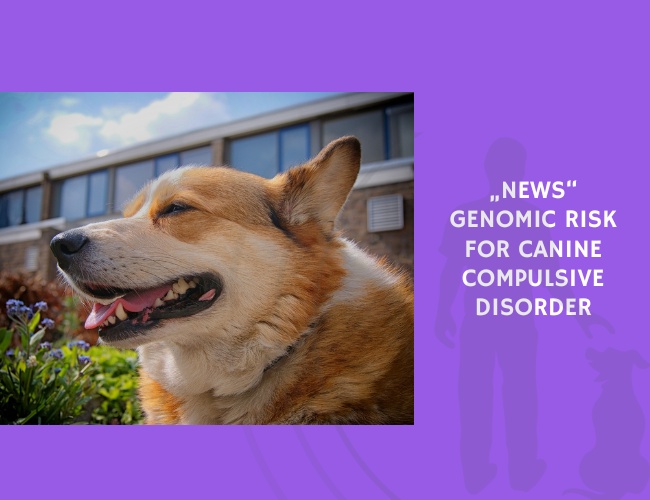
Published in 2016, the study by Nicholas H. Dodman and colleagues provides a compelling investigation into the genetic underpinnings of severe Canine Compulsive Disorder (CCD), a behavioral condition that closely mirrors human OCD in its symptom profile, neurobiology, and treatment response. By leveraging the unique genetic architecture of purebred dog populations, the authors aimed to identify inherited risk factors that contribute to extreme manifestations of CCD.
The researchers emphasize that dogs offer an exceptional comparative model for neuropsychiatric research due to their enriched breed-specific genetic structures, well-documented behavioral histories, and naturally occurring psychiatric conditions. Owners, who observe their dogs daily across numerous contexts, provide deep phenotypic insights that enhance the reliability of behavioral classifications used in genetic analyses.
Dodman and his team conducted genomic investigations targeting variants associated with disease severity rather than simple presence or absence of CCD. This approach enabled the identification of genetic pathways that exacerbate compulsive behaviors, highlighting potential mechanistic drivers that parallel severe forms of human OCD.
A major rationale behind the research is that recognizing genetic contributors to symptom severity may lead to more refined diagnostic categories and a broader spectrum of therapeutic strategies for affected dogs and, by extension, humans. The authors propose that understanding these pathways offers a route to developing interventions tailored to individuals who experience the most debilitating forms of compulsive disorders.
Overall, the study positions CCD not merely as an analog to human OCD but as a biologically robust and clinically valuable model. Through targeted genomic approaches, Dodman et al. underscore the potential for translational insights that could improve treatment options and ultimately provide relief for both canine and human patients suffering from severe compulsive conditions.
Source: Dodman, N. H., Ginns, E., Shuster, L., Lindblad-Toh, K., Shin, J., Nyberg, K., & Neff, M. (2016). Genomic Risk for Severe Canine Compulsive Disorder: A Dog Model of Human OCD. Biology & Psychology, 2016.