
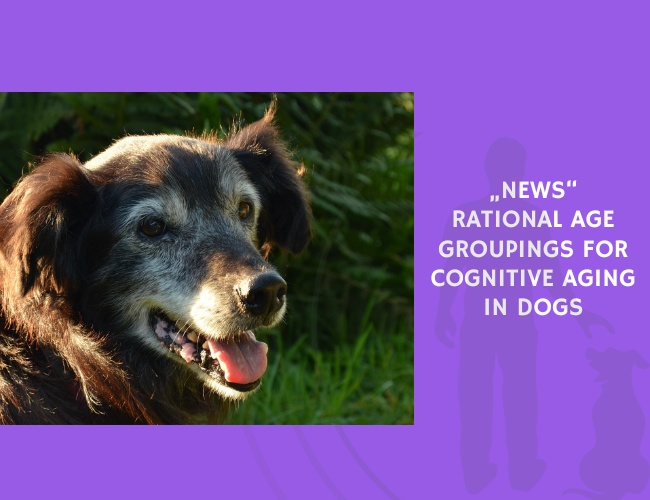
Published in Frontiers in Veterinary Science, this perspective review by Naomi D. Harvey addresses a longstanding issue in canine behavioral and cognitive research: the absence of consistent, evidence-based age groupings. Researchers commonly categorize dogs into age brackets for operational purposes, yet heterogeneous definitions make it difficult to compare findings across studies, hindering the identification of typical versus pathological aging patterns.
Harvey synthesized data on behavioral development, cognitive trajectories, and neurological aging to propose rational age categories that apply to the majority of breeds. These groupings align with expected developmental curves—such as linear or quadratic changes in learning, memory, and behavioral expression—providing a coherent framework for assessing dogs across their lifespan.
The author emphasizes that these categories are intended to reflect normative cognitive aging rather than breed-specific medical susceptibility. For example, although short-lived breeds like the Great Dane often die while still classified as “Mature Adults” under the proposed system, there is no evidence that such breeds experience accelerated cognitive or behavioral aging. Instead, their shorter lifespans highlight significant welfare concerns tied to morbidity, not cognitive decline.
Adoption of these age categories is recommended for studies of behavior, cognition, welfare, and pathological decline. Standardization would improve cross-study comparability and support earlier identification of atypical aging trajectories. These classifications can also inform owner education programs, helping guardians anticipate normal behavioral changes as their dogs grow older.
Source: Harvey, N. D. (2021). How Old Is My Dog? Identification of Rational Age Groupings in Pet Dogs Based Upon Normative Age-Linked Processes. Frontiers in Veterinary Science. Published April 27, 2021.










