
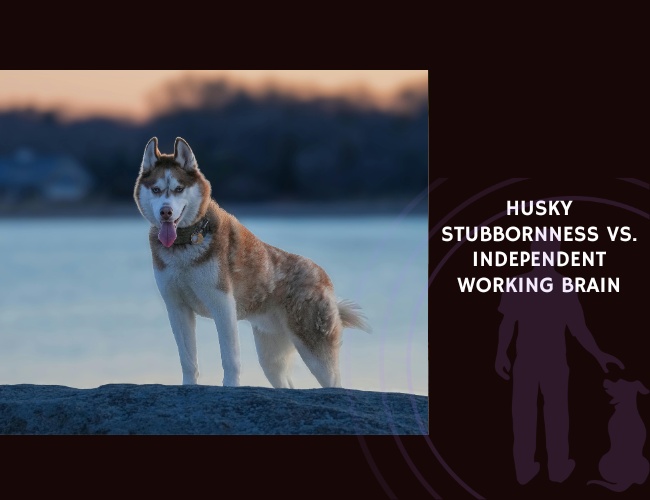
When your Husky ignores your perfectly clear command to come back, choosing instead to follow a fascinating scent trail across the park, you might feel frustrated. Is your dog being stubborn? Disobedient? Or is something far more interesting happening beneath that beautiful fur coat? Let us guide you through a revolutionary understanding of Husky cognition—one that reframes what you might see as defiance into what it truly is: an independent working brain doing exactly what it was designed to do.
The Siberian Husky stands apart from many companion breeds, not because of a character flaw, but because of a profoundly different cognitive architecture. While your neighbour’s Golden Retriever eagerly awaits each command, your Husky is processing environmental data, making autonomous decisions, and engaging their evolutionary programming—a programming that prioritised survival intelligence over simple compliance. Understanding this difference transforms frustration into appreciation, and struggle into partnership.
The Ancestral Blueprint: How Sledding Shaped the Husky Mind
To understand your Husky’s behaviour today, we need to journey back thousands of years to the harsh, unforgiving landscapes of Siberia. Here, in conditions that tested the limits of survival, the Siberian Husky’s cognitive architecture was forged not in the comfort of human homes, but in the crucible of life-and-death decision-making.
The Working Intelligence Evolution
Unlike breeds developed for close-quarters obedience or guarding, sled dogs evolved to cover vast distances through treacherous terrain. Every member of a sled team—from the lead dog to the wheel dogs at the back—needed exceptional independent judgment. When a musher’s voice disappeared into howling winds, when visibility dropped to nothing in a blizzard, when thin ice threatened beneath their paws, these dogs couldn’t wait for permission to think. They had to assess, decide, and act.
Critical skills sled dogs needed to survive:
- Assess ice thickness and safety without waiting for human cues
- Navigate in zero-visibility conditions using terrain memory and sensory input
- Maintain team synchrony and pace over 12+ hour work periods
- Make split-second decisions about route changes when dangers appeared
- Self-regulate energy expenditure for multi-day journeys
- Read and respond to environmental weather pattern changes
- Coordinate with pack members through non-verbal communication
This evolutionary pressure created what researchers describe through Cognitive Independence Theory: a dog that privileges internal decision-making pathways over external instruction. Your Husky’s ancestors weren’t being trained to sit and stay in living rooms. They were being selected for their ability to keep themselves, their team, and their musher alive.
The Environmental Assessment System
When you watch your Husky pause before responding to your recall cue, their brain is likely running through a complex environmental assessment protocol. Is the terrain stable? What does that wind pattern mean? Where is the pack positioned? What sensory information needs immediate attention? This self-assessment isn’t disobedience—it’s sophisticated environmental intelligence that once meant the difference between a successful run and disaster.
Environmental factors Huskies continuously assess:
- Terrain stability and surface texture beneath their paws
- Wind direction and intensity carrying scent information
- Temperature fluctuations and weather pattern changes
- Position and movement of pack members (dogs or humans)
- Distance to safe zones or potential hazards
- Ambient noise levels and unusual sound patterns
- Visual movement in peripheral awareness zones
- Ground moisture levels affecting traction and temperature
Working-Dog Ethology highlights that sled dogs evolved to perform complex tasks in synchrony with team movement, prioritising environmental logic over obedience. In their world, a command that contradicts environmental reality isn’t just wrong—it’s potentially dangerous. That programming doesn’t simply disappear because your Husky now lives in suburbia. The same brain that would have assessed ice safety now assesses the backyard, the park, the hiking trail—constantly gathering data and making autonomous decisions.
Initiative-First, Obedience-Second Programming
Perhaps the most significant aspect of Husky cognition is their “initiative-first, obedience-second” mindset. In a life-or-death situation on the trail, taking initiative to avoid danger or find a better path was paramount—even if it meant momentarily deviating from a direct command. A lead dog that spotted thin ice ahead didn’t sit and wait for permission to change course. That split-second independent decision saved lives.
This makes traditional, obedience-centric training structures potentially mismatched to their innate instincts. When training methods assume that compliance is the highest value, they fundamentally misunderstand what a Husky’s brain is actually designed to do. Through the NeuroBond approach, we recognise that trust becomes the foundation of learning, not blind obedience.
Reframing “Stubborn”: The Cognitive Filter at Work
When you call your Husky and they glance at you but don’t immediately respond, frustration might label this as stubbornness. Let’s examine what’s actually happening inside that remarkable brain.
The Command Evaluation Process
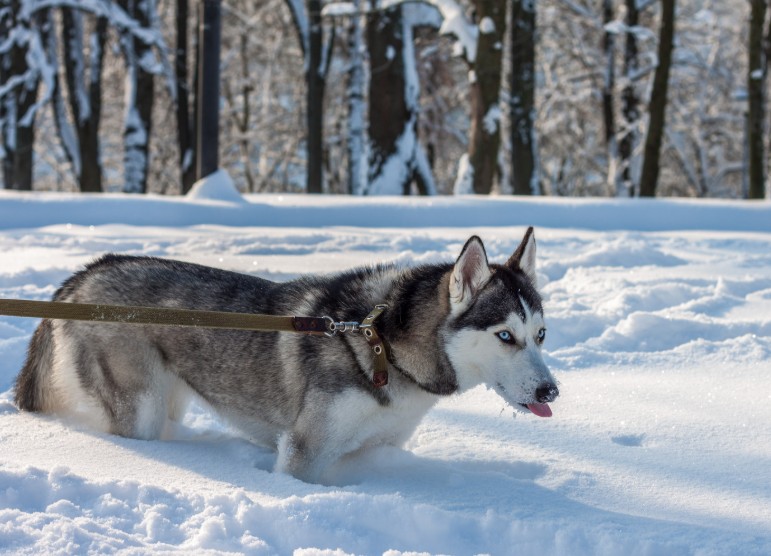
Your Husky’s apparent stubbornness is frequently a cognitive filter where commands aren’t simply ignored but actively evaluated. Their brain assesses whether the instruction aligns with current environmental understanding, internal motivation, and perceived utility. If a command seems illogical within their environmental model—for instance, “sit” in deep snow when every instinct says movement is the priority, or “come” when a compelling scent trail suggests important information lies ahead—it may be deprioritised.
Signs your Husky is evaluating rather than ignoring:
- Quick glance toward you acknowledging they heard the command
- Brief pause in current activity before continuing or complying
- Ear rotation toward your voice while body continues previous action
- Slow, deliberate response rather than immediate compliance
- Checking environmental factors before moving toward you
- Performing a modified version of the requested behaviour
- Compliance after completing their current assessment task
This isn’t defiance in the emotional sense that humans often project. It’s sophisticated decision-making that weighs multiple variables simultaneously. Your Husky is asking: Does this command make sense given what I’m perceiving? Is there conflicting environmental information? What’s the logical next action based on all available data?
The Cost-Benefit Analysis Engine
Huskies engage in an implicit yet remarkably sophisticated cost-benefit analysis before deciding to comply with commands. They weigh factors such as energy expenditure, distance from their pack (or handler), direction of travel, compelling sensory input, and environmental pull before committing to obedience.
Variables in the Husky cost-benefit calculation:
- Energy required to comply vs. energy of continuing current activity
- Distance that must be covered to reach you or follow the command
- Strength and novelty of competing environmental stimuli
- Value of current activity (scent investigation, social interaction, movement)
- Temperature and weather conditions affecting comfort and drive
- Perceived urgency in your tone and body language
- Pattern recognition of what typically follows this command
- Current hunger, thirst, or fatigue levels
- Proximity to other dogs or interesting environmental features
If the perceived cost of obeying—interrupting a strong drive, moving away from a perceived resource, expending energy in a direction that feels illogical—outweighs the benefit (a treat, praise, or even your approval), compliance may be delayed or refused. This calculation happens rapidly, often in seconds, but it’s a genuine cognitive process, not simple disobedience.
Consider this scenario: You call your Husky from across a field. From your perspective, the command is simple. From theirs, they’re calculating: the distance to you, the energy required to sprint back, the interesting scent they’re investigating, the direction of the wind, the position of other dogs, and whether your tone suggests actual urgency or routine instruction. If most variables suggest staying put is more logical, they may simply look at you and continue their investigation.
Adaptive Survival Response
Perhaps most importantly, what we label as stubbornness is often an adaptive survival response rather than mere resistance. In their ancestral role, blindly following a command that led to danger would have been catastrophic. The ability to question, filter, and independently assess commands based on environmental logic was a crucial survival trait.
Your Husky carries this programming. When they refuse to walk on a surface that feels unstable to their paws, when they resist being pulled in a direction that their senses tell them is unwise, when they ignore a command that contradicts their environmental assessment—they’re doing exactly what thousands of years of evolution designed them to do. They’re thinking. 🧠
Drive, Arousal, and the Challenge of “Obedience Mode”
Understanding your Husky’s drive system is crucial to understanding why traditional obedience training often fails to produce the results you might expect.
The SEEKING System and Movement Reward
According to Affective Neuroscience research by Jaak Panksepp, Huskies possess a highly activated SEEKING system—a fundamental neural circuit that drives exploration, movement, and environmental engagement. This system doesn’t just motivate your Husky to move; it makes movement itself intrinsically rewarding at a neurochemical level.
When your Husky is in motion, their brain is flooded with the deep satisfaction of fulfilling their primary evolutionary purpose. This is why running, pulling, and exploration feel so profoundly good to them—not just in the way that a treat tastes good, but in a way that fulfils fundamental neural drives. Strong movement and seeking drives can suppress responsiveness to stationary cues like sit, stay, or heel, particularly when the SEEKING system is highly activated.
The Arousal-Obedience Disconnect
High arousal states triggered by running, strong prey drive, scent activation, or excitement from weather changes (fresh snow is particularly intoxicating to Huskies) can significantly impair their ability to switch into what we might call “obedience mode.” In these states, attention is heavily directed towards environmental stimuli and internal drives, making it genuinely difficult—not just unwilling, but neurologically difficult—to process and respond to human commands.
Common triggers that spike Husky arousal:
- First snowfall or significant snow accumulation
- Sight or sound of small animals triggering prey drive
- Presence of other high-energy dogs engaging in play or running
- Cool temperatures after a hot period awakening cold-weather drives
- Strong winds carrying multiple scent streams
- Open spaces like fields or beaches that suggest running opportunities
- Dawn or dusk periods when wildlife activity increases
- Car rides to familiar high-activity locations
- Sound of jingling tags suggesting other dogs approaching
- Sudden weather changes like approaching storms
Picture your Husky catching sight of a squirrel while on a walk. Their arousal level spikes instantly. Heart rate increases, pupils dilate, every sense focuses on the target. In this state, asking them to calmly sit and make eye contact isn’t just challenging—it’s asking them to override powerful neural activation that’s designed to focus all resources on the target. You’re essentially asking their brain to do two contradictory things simultaneously.
The Under-Stimulation Paradox
Interestingly, stubborn behaviour can be amplified when Huskies are under-stimulated or over-restrained. A lack of appropriate outlets for their high energy and seeking drives leads to frustration, which manifests as non-compliance or heightened tendency to follow their own impulses when given the opportunity.
Signs your Husky is under-stimulated:
- Restless pacing even in familiar, comfortable environments
- Excessive whining, howling, or “talking” without clear trigger
- Destructive behaviours targeting items they normally ignore
- Hyper-reactivity to minor environmental changes or sounds
- Inability to settle or relax during typical rest periods
- Increased mouthing or nipping behaviour during interactions
- Obsessive behaviours like repetitive digging or fence-line running
- Heightened resistance to even simple, previously mastered commands
- Dramatic energy explosions when given any freedom
- Reduced appetite or interest in normally enjoyed activities
A Husky who hasn’t had adequate physical and mental stimulation isn’t being stubborn when they refuse to settle—they’re experiencing the canine equivalent of cabin fever. Their SEEKING system is demanding engagement, and every environmental stimulus becomes amplified in its appeal. Conversely, excessive restraint triggers a desire for autonomy, leading to resistance and what might appear as spite but is actually biological drive seeking expression.
The answer isn’t more obedience training in these moments—it’s more opportunity to fulfil natural drives through activities that align with their working heritage.
Environmental Intelligence: When the World Speaks Louder Than Words
If you’ve ever felt like your Husky is listening more to the wind than to you, you’re not wrong. Huskies demonstrate profound environmental intelligence that often prioritises cues from their surroundings over human verbal instructions.
The Predictive Processing Brain
Huskies operate through sophisticated predictive models of terrain, motion, and pack flow. The Predictive Processing Framework proposes that their brains constantly generate and update predictions about the environment, and commands that contradict these strong predictions are naturally deprioritised.
When your Husky is navigating space, their brain is running continuous predictions: what’s around that corner, where that scent trail leads, whether that surface ahead is stable, what that subtle change in temperature means. They’re not just reacting to the environment—they’re predicting it, adjusting their models based on new information, and making decisions based on these predictions.
A verbal command enters this complex processing stream as just one piece of information among many. If it aligns with their predictive model, compliance is likely. If it contradicts what their environmental assessment tells them is logical, it faces significant cognitive resistance.
Sensory Dominance and Attention Hierarchy
Strong olfactory, visual, and tactile inputs can override cognitive attention to commands. Research on sensory dominance indicates that different sensory modalities capture attention at different stages of cognitive processing. For a Husky, immediate salient sensory information from the environment often captures attention at an earlier, more fundamental level, making it harder for a verbal command to penetrate their awareness.
Sensory information that commonly overrides verbal commands:
- Olfactory: Fresh urine marking from unfamiliar dogs, prey animal trails, food scents, female dog in heat markers
- Visual: Movement of small animals, other dogs running, birds taking flight, rapidly moving objects
- Tactile: Snow texture perfect for digging, mud ideal for rolling, water sources, grass height variation
- Auditory: High-pitched squeaking sounds, other dogs barking or howling, rustling in bushes
- Temperature: Cool breeze after heat, snow contact, cold water availability
- Proprioceptive: Pulling resistance feedback, running rhythm, muscle engagement during movement
- Vestibular: Changes in terrain elevation, balance challenges on unstable surfaces
Consider the hierarchy of information your Husky might be processing:
- Wind direction carrying scent information (olfactory)
- Movement in peripheral vision (visual)
- Snow texture under paws (tactile)
- Temperature changes on skin (thermoreceptive)
- Your verbal command (auditory)
By the time your voice registers, their brain may already be deeply engaged with processing multiple environmental streams that their evolutionary history tells them are more critical for survival and success.
Context Over Command
The Invisible Leash reminds us that awareness, not tension, guides the path. Huskies excel at reading context—the overall environmental situation, your body language, the energy of the space, the presence of other animals, weather conditions. They’re constantly integrating this contextual information into their decision-making.
Contextual variables that influence Husky responsiveness:
- Your movement state: standing still, walking, running, or changing direction
- Your body tension: relaxed shoulders and breathing vs. rigid posture
- Environmental familiarity: home yard, familiar park, vs. completely novel location
- Social context: alone with you, with familiar dogs, with unfamiliar dogs, near strangers
- Arousal level: calm and focused vs. excited or overstimulated
- Time of day: morning energy, midday calm, evening excitement
- Recent activity level: just started adventure vs. already exercised
- Weather conditions: hot and uncomfortable vs. cool and energizing
- Handler consistency: predictable responses vs. unpredictable reactions
- Previous consequence pattern: what typically follows this command in this context
This means that your verbal commands are being filtered through layers of contextual awareness. “Come” means something very different to a Husky when:
- You’re standing still versus moving
- Your body language is relaxed versus tense
- The environment is familiar versus novel
- Other dogs are present versus absent
- They’re calm versus aroused
Understanding this contextual processing helps explain why your Husky might respond perfectly in your backyard but seem to forget every command at the dog park. The context has changed dramatically, and their brain is processing entirely different environmental information. 🧡

The Motivational Economy: Why Treats Don’t Always Work
Many Husky owners discover with frustration that the reward systems that work beautifully with other breeds seem to fall flat with their independent working dog. Understanding the Husky motivational economy explains why.
The Value Hierarchy
Huskies frequently value exploration, movement, novelty, and weather-driven stimulation higher than conventional rewards like treats or praise. Their SEEKING system is so powerfully active that the intrinsic reward of environmental engagement and physical activity often surpasses any external motivator you can offer.
What Huskies find most intrinsically rewarding:
- Covering distance through varied terrain at a sustained pace
- Investigating novel scents and tracking their progression
- Running with other dogs in coordinated movement
- Pulling against resistance (weight, harness, handler)
- Experiencing cold weather, snow, wind, and temperature challenges
- Making autonomous decisions about route or direction
- Digging in appropriate textures (snow, soft earth, sand)
- Exploring unfamiliar environments with rich sensory input
- Social play involving chase, wrestling, and pack dynamics
- Problem-solving challenges that allow independent thinking
- Weather changes that activate their cold-adapted physiology
This creates what researchers call “reward mismatch.” A small food treat or verbal “good dog” might register in your Husky’s awareness, but it simply isn’t sufficiently motivating to override a powerful instinct to run, chase, or explore—especially in a stimulating environment. While Cognitive Evaluation Theory explores how external rewards can sometimes undermine intrinsic motivation in human behaviour, we see similar patterns in Huskies where their intrinsic drives consistently outweigh extrinsic training rewards.
Think of it this way: You’re offering your Husky a dollar for doing a task, but the alternative activity feels like winning the lottery to their brain. The reward isn’t just mismatched—it’s incommensurate with what they’re giving up.
The Repetition Problem
Training repetition, particularly for tasks that lack intrinsic appeal or perceived purpose, can lead to motivational collapse or disengagement in Huskies. Their intelligent, independent nature means they quickly learn patterns, and if a repetitive task doesn’t offer novel stimulation or fulfil a strong drive, they simply tune out.
Signs of motivational collapse in Husky training:
- Perfect performance in first 2-3 repetitions, then declining response
- Looking away or scanning environment during training sessions
- Slow, reluctant compliance with increasingly delayed responses
- Creative “misunderstandings” of well-known commands
- Lying down or sitting during active training sessions
- Leaving the training area if given any opportunity
- Yawning, sniffing ground, or other displacement behaviours
- Accepting treats without performing the requested behaviour
- Suddenly “forgetting” previously mastered behaviours
- Complete shutdown with no engagement or eye contact
You might notice your Husky perform perfectly during the first few training repetitions, then gradually become less responsive. This isn’t short attention span—it’s their brain recognising the pattern, finding no intrinsic value in continuing, and deciding to allocate attention elsewhere. They understand what you want. They’ve proven they can do it. Now they’re wondering: why would we continue doing this meaningless task?
This is fundamentally different from breeds bred for repetitive work like retrieving or herding specific flocks in specific ways. Huskies were bred for long-distance travel with variation and problem-solving, not for performing the same specific task repeatedly in exchange for external rewards.
Aligning Rewards with Natural Drives
Effective motivation for Huskies often requires aligning rewards with their natural drives. Instead of treats for recall, the reward becomes the opportunity to continue exploring. Instead of praise for walking calmly, the reward is the walk itself continuing. Instead of food for attention, the reward is engaging in a mutually interesting activity.
This shift requires rethinking what training success looks like. It’s less about compliance for compliance’s sake and more about cooperative engagement where the Husky’s drives are channeled rather than suppressed, guided rather than controlled.
Social Structure: How Huskies Read Leadership
Perhaps no area causes more confusion in Husky-human relationships than the concept of leadership. Huskies interpret leadership in ways that are distinctly different from how humans typically convey authority through obedience commands.
Leadership Through Presence and Movement
Huskies tend to interpret leadership through consistent movement rhythm, clear directional guidance, and calm, confident authority rather than through hierarchical obedience cues. In a sled team, the lead dog guided through pace, direction, and unwavering focus—not by demanding sits or stays from the team.
When you walk with your Husky, they’re assessing whether you’re providing confident directional leadership. Are you moving with purpose and consistency? Do you project calm certainty about where you’re going? Are you aware of your environment? These non-verbal leadership signals register far more powerfully than verbal commands about what position they should walk in.
The Miscommunication Gap
Miscommunication occurs when humans rely heavily on obedience commands while Huskies expect spatial or contextual guidance. A Husky might perceive frantic verbal commands as a sign of instability or lack of clear direction rather than as instructions to be followed.
Imagine the sled team scenario: A musher who constantly shouts contradictory commands would create chaos and confusion. The team needs clear, calm directional guidance and the confidence that the musher knows where they’re going. Your Husky is reading you through this same lens. Excessive commands, particularly when delivered with frustration or anxiety, don’t convey leadership to them—they convey uncertainty.
Acting as Lead Presence
Huskies often perform best when the human acts as a stable “lead presence”—a consistent, predictable, and calm guide who sets pace and direction rather than an obedience-focused instructor who constantly issues commands. This role aligns more closely with their ancestral experience of a reliable lead dog or musher.
Characteristics of effective lead presence:
- Moving with confidence and clear directional purpose
- Maintaining emotional neutrality even when the Husky tests boundaries
- Providing clear spatial and directional information through body positioning
- Being predictable in responses, routines, and energy patterns
- Demonstrating awareness of environmental changes and potential hazards
- Offering calm redirection rather than forceful or emotional correction
- Setting consistent pace that the Husky can synchronise with
- Making decisions without hesitation or second-guessing
- Staying oriented toward goals without distraction
- Projecting calm authority through posture and breathing
- Acknowledging the Husky’s environmental concerns with appropriate assessment
Being a lead presence means establishing yourself as worthy of being followed because you demonstrate competent leadership in ways your Husky’s brain is designed to recognise and respect.
This approach doesn’t mean permissiveness or lack of boundaries. It means establishing yourself as worthy of being followed because you demonstrate competent leadership in ways your Husky’s brain is designed to recognise and respect.
Moments of Soul Recall reveal how memory and emotion intertwine in behaviour. When your Husky has experienced you as a calm, competent leader who respects their needs while providing clear guidance, they carry that emotional memory forward. The relationship becomes the foundation for cooperation, not compliance forced through repeated commands. ## NeuroBond-Aligned Communication: Working With the Husky Brain
Understanding Husky cognition is valuable, but application is where transformation happens. How do you actually communicate with a dog whose brain operates so differently from traditional companion breeds?
The Invisible Leash in Practice
Applying Invisible Leash principles produces higher Husky engagement than constant verbal commands. This approach leverages their natural inclination to follow a stable, confident leader who communicates through action and energy rather than solely through words.
Practical Invisible Leash techniques:
- Stop all forward movement calmly when pulling occurs, without verbal correction
- Use body blocks and spatial positioning to guide direction changes
- Change walking pace rhythmically to encourage synchronisation
- Rotate your body rather than pulling the leash to redirect attention
- Pause at decision points to allow environmental assessment before guiding
- Maintain consistent breathing patterns that project calm energy
- Use hand signals visible in peripheral vision rather than demanding eye contact
- Position yourself strategically to make desired directions more appealing
- Create predictable walking patterns that your Husky can anticipate
- Reward attention with continued movement toward interesting destinations
In practice, this means:
Calm Presence Over Verbal Correction: When your Husky pulls toward something interesting, your calm energy and body position communicate boundaries more effectively than repeated “heel” commands. You might simply stop moving, remain relaxed, and wait for them to reorient to you. The pause in forward movement becomes the communication.
Clear Directional Guidance: Rather than commanding your Husky where to be, guide them where to go. Use body position, movement patterns, and spatial awareness to influence their choices. When you consistently move with purpose and awareness, your Husky begins to follow your lead naturally because you’re demonstrating environmental competence.
Predictable Pacing: Huskies thrive with rhythmic, predictable pacing in activities. Erratic energy, inconsistent rules, and unpredictable routines create resistance. When your behaviour follows patterns they can predict, their brain can relax its hyper-vigilance and defer more readily to your guidance.
Instinct. Logic. Autonomy.
Independence isn’t resistance. Your Husky pauses not to defy you, but to process terrain, scent, and movement through a mind shaped by survival, not submission.
Environment outranks instruction. Sled-dog cognition privileges internal assessment over external cues—commands are weighed against context, not followed blindly.
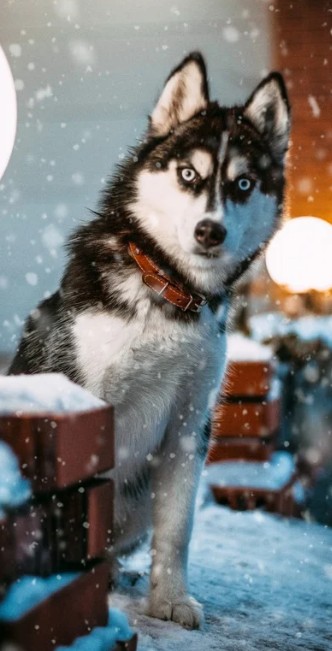
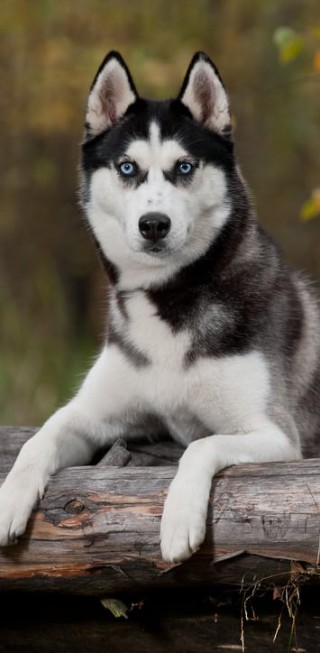
Partnership replaces obedience. When your guidance aligns with their autonomous intelligence, a Husky responds—not out of compliance, but compatibility.
Emotional Neutrality and Low-Verbal Leadership
Emotional neutrality and low-verbal leadership help Huskies regulate their drive and responsiveness. A calm, consistent demeanour from the handler reduces arousal and anxiety, allowing the Husky to process information more effectively and respond to subtle cues.
Practices for emotional neutrality with Huskies:
- Maintain even-toned voice volume regardless of compliance level
- Control your breathing consciously during frustrating moments
- Avoid repeating commands with increasing intensity or emotion
- Keep facial expressions and body tension neutral during corrections
- Process your own frustration internally rather than projecting it
- Use silence strategically rather than filling space with constant talking
- Respond to unwanted behaviours with calm interruption rather than anger
- Celebrate successes quietly without creating excessive excitement
- Maintain consistent energy whether your Husky complies or not
- View training challenges as information rather than personal defiance
This is counterintuitive for many people. When our dog doesn’t respond to a command, the natural human reaction is to repeat it louder, add emotional emphasis, or express frustration. For Huskies, this approach typically backfires. Excessive verbalisation or emotional outbursts heighten their arousal, making them less receptive to instruction and more likely to rely on their own assessment of the situation.
Consider two scenarios:
Scenario One: You call your Husky. They don’t respond. You call again, louder. Still no response. You call a third time with frustration in your voice. Your emotional state is now elevated, your voice is loud, and you’re projecting instability. Your Husky reads this as lack of calm leadership and becomes less likely to respond.
Scenario Two: You call your Husky. They don’t respond. You note this without emotional reaction, assess whether they genuinely heard you and what might be competing for their attention. You move purposefully toward them, use a hand signal or body position to communicate, and calmly redirect their attention. Your emotional neutrality and competent action demonstrate leadership they can trust.
🧠 Understanding the Husky Independent Working Brain 🐺
From Stubbornness to Sophisticated Cognition: A Journey Through Husky Intelligence
Phase 1: The Ancestral Blueprint
Where the Independent Brain Was Born
🧬 Evolutionary Programming
Thousands of years in Siberian wilderness created dogs who needed to make life-or-death decisions independently. When a musher’s voice disappeared in blizzards, sled dogs assessed ice safety, terrain changes, and weather patterns without waiting for permission to think.
🎯 Critical Survival Skills
The independent working brain developed these essential capabilities:
- Assess ice thickness without human cues
- Navigate zero-visibility conditions using terrain memory
- Make split-second route changes when dangers appeared
- Self-regulate energy for multi-day journeys
💡 Initiative-First Programming
Huskies were bred for initiative-first, obedience-second thinking. Taking action to avoid danger was paramount—even if it meant deviating from a direct command. This makes traditional obedience training potentially mismatched to their innate instincts.
Phase 2: The Cognitive Filter
Reframing “Stubbornness” as Intelligence
🧠 Command Evaluation Process
When your Husky doesn’t immediately respond, they’re not ignoring you—they’re actively evaluating. Their brain assesses whether the command aligns with environmental understanding, internal motivation, and perceived utility. If “sit” in deep snow contradicts every instinct that says movement is priority, it gets deprioritised.
⚖️ Cost-Benefit Analysis
Huskies rapidly calculate multiple variables:
- Energy required vs. value of current activity
- Distance to handler and environmental pull
- Strength of competing sensory stimuli
- Perceived urgency in your tone and body language
- Pattern recognition of what follows this command
✅ Signs of Evaluation (Not Defiance)
Watch for: Quick glance toward you • Brief pause before continuing • Ear rotation toward your voice • Slow deliberate response • Checking environmental factors before compliance. These indicate cognitive processing, not disobedience.
Phase 3: Drive & Arousal Systems
The SEEKING System in Action
🔬 Neurochemical Reward
Huskies possess highly activated SEEKING systems (Panksepp’s Affective Neuroscience). Movement itself is intrinsically rewarding at a neurochemical level—not just in the way treats taste good, but in a way that fulfills fundamental neural drives. This makes stationary commands neurologically difficult during high arousal.
🌡️ High Arousal Triggers
Arousal spikes dramatically with:
- First snowfall or significant snow accumulation
- Sight/sound of prey animals
- Other high-energy dogs running
- Cool temperatures after heat
- Open spaces suggesting running opportunities
⚠️ Under-Stimulation Warning
Stubborn behavior amplifies when Huskies lack appropriate outlets. Under-stimulation creates frustration manifesting as non-compliance, destructive behavior, and heightened resistance. A Husky refusing to settle isn’t being stubborn—they’re experiencing canine cabin fever.
Phase 4: Environmental Intelligence
When the World Speaks Louder Than Words
🎯 Predictive Processing
Huskies operate through sophisticated predictive models of terrain, motion, and pack flow. Their brains constantly generate and update environmental predictions. Commands contradicting these strong predictions face significant cognitive resistance—not defiance, but logical filtering based on sensory data.
👃 Sensory Dominance Hierarchy
Information processing priority:
- Wind direction carrying scent (olfactory)
- Movement in peripheral vision (visual)
- Snow/terrain texture (tactile)
- Temperature changes (thermoreceptive)
- Your verbal command (auditory – lowest priority)
🔄 Context Over Command
Through the Invisible Leash approach, we understand that Huskies read entire contexts—your body language, movement state, environmental familiarity, social presence, arousal level. “Come” means something entirely different when you’re moving vs. still, relaxed vs. tense, in familiar vs. novel environments.
Phase 5: Motivational Economy
Why Treats Don’t Always Work
💰 Value Hierarchy
Huskies value exploration, movement, novelty, and weather-driven stimulation higher than conventional rewards. A small treat registers in their awareness, but it isn’t sufficiently motivating to override powerful instincts to run, chase, or explore. You’re offering a dollar when the alternative feels like winning the lottery to their brain.
🔁 Motivational Collapse
Training repetition without intrinsic appeal leads to disengagement. Their intelligent nature means they quickly recognize patterns. If repetitive tasks don’t offer novel stimulation or fulfill strong drives, they tune out. They understand what you want, they’ve proven they can do it—now they’re wondering why continue this meaningless task?
✨ Align Rewards With Drives
Effective motivation requires alignment: Reward recall with continued exploration • Reward calm walking with walk continuation • Reward attention with engaging activities • Channel drives rather than suppress them.
Phase 6: Leadership Interpretation
How Huskies Read Authority
🧭 Lead Presence Philosophy
Huskies interpret leadership through consistent movement rhythm, clear directional guidance, and calm authority—not hierarchical obedience cues. In sled teams, lead dogs guided through pace, direction, and focus. Your Husky assesses: Are you moving with purpose? Do you project calm certainty? Are you environmentally aware?
❌ Miscommunication Gap
When humans rely heavily on obedience commands while Huskies expect spatial guidance, miscommunication occurs. Frantic verbal commands signal instability or lack of clear direction—not instruction to be followed. A musher shouting contradictory commands would create chaos, not cooperation.
🌟 Characteristics of Lead Presence
Confident directional purpose • Emotional neutrality during testing • Clear spatial positioning • Predictable routines • Environmental awareness • Calm redirection over forceful correction • Consistent pace for synchronization • Decisions without hesitation.
Phase 7: NeuroBond Communication
Working With the Husky Brain
🔗 Invisible Leash Principles
Stop movement calmly when pulling occurs • Use body blocks and spatial positioning • Change pace rhythmically for synchronization • Rotate your body rather than pulling leash • Pause at decision points for assessment • Maintain consistent breathing projecting calm energy • Position strategically to make desired directions appealing.
😌 Emotional Neutrality
Low-verbal leadership helps Huskies regulate drive and responsiveness. Calm, consistent demeanor reduces arousal, allowing effective information processing. Excessive verbalization or emotional outbursts heighten arousal, making them less receptive and more reliant on their own environmental assessment.
💪 Collaborate, Don’t Suppress
Through NeuroBond, we collaborate with independent working cognition rather than suppress it. Provide structured freedom • Engage purpose-driven activities • Allow processing time • Build consistency patterns • Channel drives appropriately • Respect sensory priorities • Use natural consequences.
Phase 8: Daily Life Application
Living Successfully With Independence
🏠 Essential Environment Elements
6-foot minimum secure fencing with dig guards • Double-door entry systems • Window access for observation • Rotating toy selection • Climate control for cool preference • Covered outdoor weather access • Adequate indoor movement space • Enrichment stations throughout.
⏰ Lifestyle Requirements
Honest assessment needed:
- 2-3 hours daily for meaningful exercise and stimulation
- Financial investment in specialized equipment
- Backup exercise plans for schedule disruptions
- Consistent routines regardless of personal convenience
🌱 The Mutual Compromise
You compromise: Adjust obedience expectations • Accept baseline independence • Invest substantial time • Learn cognitive processing. They compromise: Live domestically rather than run sled teams • Accept human leadership when earned • Integrate autonomous decisions with household requirements. Soul Recall reminds us these mutual moments build trust foundations.
🔄 Cognitive Style Comparisons: Understanding Breed Differences
🦮 Retriever Breeds
Handler Focus: Constant attention to human communication
Compliance: Quick response without assessment
Motivation: Pleasing handler is intrinsically rewarding
Pattern: Repetition tolerance, proximity preference
🐺 Siberian Huskies
Environmental Focus: Terrain, conditions, pack dynamics
Compliance: After independent evaluation
Motivation: Movement and problem-solving rewarding
Pattern: Novelty preference, distance tolerance
🐑 Herding Breeds
Hybrid Focus: Handler + independent problem-solving
Drive: Controlling movement of others
Work Style: Sustained task attention
Pattern: Seek human direction within independent work
🏔️ Guardian Breeds
Independence: Protective vigilance
Movement: Lower drives, higher territorial focus
Decision-Making: Threat assessment centered
Pattern: Calm measured energy, explosive capability
👶 Young Huskies (6-18 months)
Cognition: Independent brain developing, drives activating
Training: Window for pattern-building before full drive activation
Challenge: High energy, lower assessment maturity
Focus: Establish leadership style early
👴 Senior Huskies (8+ years)
Cognition: Maintained environmental processing, lower arousal
Training: Most receptive period for cooperation
Needs: Continued purpose scaled to capability
Focus: Deepening bond through earned trust
⚡ Quick Reference: Understanding Husky Responses
Not Stubborn = Evaluating: Command logic + Environmental data + Drive state + Cost-benefit analysis = Response decision
High Arousal State: Environmental stimulation + Weather activation + Prey drive + Social excitement = Obedience mode impaired
Effective Leadership: Calm presence + Consistent movement + Spatial guidance + Emotional neutrality = Voluntary cooperation
Motivational Success: Align rewards with natural drives + Channel rather than suppress + Purpose-driven activities = Sustainable partnership
🧡 The Zoeta Dogsoul Integration
Understanding the Husky independent working brain transforms frustration into partnership. Through NeuroBond, we recognize that trust becomes the foundation of learning—not compliance forced through repeated commands. The Invisible Leash reminds us that awareness, not tension, guides the path. When you provide calm leadership, clear direction, and environmental engagement that their brain is designed to follow, cooperation emerges naturally. Moments of Soul Recall reveal how every positive interaction, every moment of mutual understanding, builds an emotional foundation that makes cooperation increasingly natural. Your Husky isn’t learning to obey—they’re learning that partnership with you leads to a more fulfilling life. This is the essence of Zoeta Dogsoul: respecting the science of how these remarkable brains work while honoring the emotional connection that makes the human-dog relationship profound. Their independence isn’t something to be conquered, but something to be channeled. When you meet them halfway—understanding their cognition, providing for their needs, adjusting your leadership style—you discover a partnership with a brilliant, independent working dog who chooses to walk alongside you because you’ve proven yourself worthy of being followed.
© Zoeta Dogsoul – Where neuroscience meets soul in dog training
Collaborating With Working Cognition
Collaborating with the Husky’s independent working cognition, rather than attempting to suppress it, creates sustainable cooperation. This involves understanding their drives, respecting their need for environmental engagement, and structuring interactions in ways that align with their natural problem-solving abilities.
Strategies for collaborating with Husky cognition:
- Provide structured freedom: safe areas for autonomous exploration with periodic check-ins
- Engage in purpose-driven activities: pulling sports, long-distance hiking, nose work
- Allow processing time: give 2-3 seconds for environmental assessment before expecting response
- Build through consistency: predictable patterns earn trust and voluntary deference
- Channel drives rather than suppress: redirect pulling energy into appropriate outlets
- Respect sensory priorities: acknowledge when environmental cues genuinely warrant attention
- Create meaningful tasks: activities that align with sledding heritage feel purposeful
- Use natural consequences: stopping movement when pulling rather than correcting verbally
- Build on success patterns: reinforce decisions that align with your guidance
- Maintain partnership mindset: cooperation rather than dominance-based obedience
Instead of demanding blind obedience, this approach seeks to guide and channel their inherent intelligence and motivation toward shared goals. This might look like:
Structured Freedom: Providing opportunities for autonomous decision-making within safe boundaries. Off-leash time in secure areas where they can explore while periodically checking in with you. Activities where they problem-solve and make choices while you guide the general framework.
Purpose-Driven Activities: Engaging in activities that connect to their working heritage—pulling activities (urban mushing, bikejoring, sledding), long-distance movement (hiking, canicross), environmental problem-solving (nose work, varied terrain navigation). When activities align with their drives, cooperation emerges naturally.
Respecting the Assessment Process: Allowing time for your Husky to process environmental information before expecting immediate compliance. This doesn’t mean waiting indefinitely, but recognising that their brain needs a moment to integrate their environmental assessment with your request. A two-second delay isn’t stubbornness—it’s processing time.
Building Through Consistency: Huskies are remarkably attuned to patterns. When your behaviour, energy, and responses are consistent, they learn to trust your leadership and defer to your guidance more readily. Inconsistency creates the need for them to constantly reassess whether your leadership is reliable.
That balance between science and soul—that’s the essence of Zoeta Dogsoul. It’s understanding the neuroscience of why your Husky behaves as they do while honouring the emotional connection that makes the relationship meaningful.

Training Applications: Rethinking Traditional Methods
Armed with understanding of Husky cognition, let’s examine how this knowledge transforms practical training approaches.
Redefining Training Success
First, success needs redefinition. For many breeds, training success means immediate, enthusiastic compliance regardless of environmental conditions. For Huskies, success often looks like cooperative engagement where the dog’s autonomous assessment is acknowledged within a framework of guided behaviour.
Your Husky might not come instantly when called, but if they check in with you regularly during off-leash time, orient to you when you change direction, and eventually recall when their environmental assessment is complete—that’s successful communication adapted to their cognitive style.
The Recall Challenge
Recall is perhaps the biggest training challenge with Huskies because it directly contradicts their strongest drives. Traditional recall training offers a reward (treat, praise) in exchange for abandoning interesting exploration. For most Huskies, this is an impossible trade.
More effective approaches:
Make yourself more interesting than the environment: This doesn’t mean being louder or more exciting in a way that increases arousal. It means becoming a source of valuable information and engaging opportunity. If checking in with you regularly leads to interesting new directions, novel experiences, or continued adventure, you become worth orienting to.
Build check-in patterns rather than demanding recall: Instead of requiring your Husky to fully return and sit at your feet, reinforce any orienting behaviour toward you. A glance in your direction, a slight turn toward you, a pause in their movement to assess your location—these are the building blocks of recall adapted to Husky cognition.
Check-in behaviours to reinforce:
- Quick glance toward you during exploration
- Ear rotation toward your location
- Brief pause in activity to locate you visually
- Slowing pace when distance between you increases
- Changing direction slightly toward your position
- Full body turn to face you even without approaching
- Taking a few steps in your direction before continuing exploration
- Stopping activity when you stop moving
- Periodic returns to your vicinity without being called
- Responding to your direction changes by adjusting their path
Use movement, not treats: For many Huskies, the most powerful reward isn’t food but continued movement in interesting directions. When they check in with you, reward this by immediately moving together toward something engaging. You become the gateway to continuing the adventure rather than the end of it.
Respect their process: When you call your Husky and they look at you but continue what they’re doing briefly before responding, that’s not defiance. They’re completing their assessment, processing your request against their environmental information, and choosing to respond. Appreciate this rather than interpreting it as disobedience.
Leash Walking Reframed
Loose leash walking with a Husky requires abandoning the idea of the dog walking calmly at your side like a Golden Retriever. Their brains aren’t wired for this, and forcing it creates constant conflict.
Instead:
Define “successful walk” differently: Success might mean your Husky explores with interest while remaining generally oriented to your direction and pace, with periodic check-ins. The walk is collaborative exploration, not a precision heeling exercise.
Communicate through body position and pace: Rather than constant verbal corrections, use your body position and movement pace to influence their position. When you consistently change direction before the leash tightens, your Husky learns to monitor your movement rather than wait for corrections.
Provide pulling outlets: Recognise that pulling is natural for Huskies. Provide appropriate contexts for this behaviour (harness pulling activities) so walks can be for calmer exploration. When pulling has an appropriate outlet, resistance to leash walking often decreases.
Accept higher baseline arousal: Huskies on walks will generally have higher baseline arousal than many breeds. This is normal and doesn’t need “fixing.” Your expectation adjusts to their nature rather than trying to fundamentally alter their working brain.
Stationary Behaviours
Sit, stay, and down are the foundation of most obedience training but represent fundamentally anti-Husky behaviours. Their brains resist stationary positions, especially when environmental stimulation is high.
Practical approaches:
Teach these behaviours in low-arousal environments first: Don’t expect sit-stay at the dog park when your Husky hasn’t mastered it in your quiet living room. Build the behaviour when their SEEKING system is calm.
Keep duration very short initially: Huskies can learn stationary behaviours but maintaining them requires fighting against strong neural drives. Short duration with immediate release to movement is more sustainable.
Make the behaviour meaningful: If sitting always precedes something your Husky values (door opening for walk, release to explore, start of pulling activity), it becomes a purposeful behaviour rather than arbitrary compliance.
Use sparingly in high-arousal contexts: Understand that asking for stationary behaviours when your Husky is highly aroused is asking them to override powerful neural activation. Choose your battles wisely.
Environmental Training
The most successful training with Huskies often happens through structured environmental experiences rather than formal obedience sessions.
Varied terrain navigation: Take your Husky through diverse environments—urban settings, trails, varied surfaces, different weather conditions. This engages their environmental intelligence and builds their trust in your leadership as you guide them through novel situations.
Problem-solving opportunities: Create scenarios where your Husky needs to figure something out—finding hidden items, navigating obstacles, making choices between paths. This fulfils their intelligent, independent nature.
Weather-based activities: Huskies come alive in cold weather and snow. Use these conditions for the most engaged training and bonding. Their arousal and focus are naturally heightened, and their ancestral programming fully activates.
Pack activities: When possible, provide opportunities for your Husky to engage with other dogs during activities. Their pack-oriented heritage means they often perform better and are more motivated when working alongside others.
Health and Wellbeing Through the Cognitive Lens
Understanding Husky cognition isn’t just about training—it’s about overall wellbeing. Their unique brain structure has implications for their physical and mental health.
The Exercise-Cognition Connection
Huskies aren’t just high-energy dogs; they’re dogs whose brains require physical movement for optimal function. Their SEEKING system needs regular activation through substantial physical activity. When this need isn’t met, you see not just physical restlessness but cognitive deterioration—difficulty focusing, increased reactivity, poor decision-making.
Appropriate exercise activities for Husky cognition:
- Urban mushing with scooters or bikes allowing sustained pulling
- Bikejoring or canicross for cardiovascular distance work
- Sledding or cart-pulling in appropriate weather conditions
- Long-distance hiking (5+ miles) through varied terrain
- Trail running at moderate sustained pace
- Swimming providing full-body resistance without joint impact
- Dog park play with high-energy, play-compatible dogs
- Agility training emphasising movement flow over precision
- Fetch or flirt pole for high-intensity interval work
- Multiple shorter sessions throughout the day (2-3 sessions of 30-45 minutes)
- Snow play and exploration during winter months
- Weighted pack hiking for added work satisfaction
Adequate exercise for a Husky isn’t a 20-minute neighbourhood walk. It’s sustained cardiovascular activity that engages their pulling heritage and allows their brain to experience the neurochemical satisfaction of fulfilling their primary evolutionary purpose.
When a Husky receives adequate physical outlet, many “behavioural problems” simply disappear because the underlying cognitive-physical need is being met.
Mental Stimulation Requirements
Beyond physical exercise, Husky brains require substantial mental stimulation. Their intelligence and problem-solving orientation mean they need cognitive challenges, not just physical exhaustion.
Effective mental stimulation for Huskies:
- Novel environmental exposure: different parks, trails, urban settings weekly
- Scent work and nose games: hide-and-seek with treats or toys
- Tracking activities following scent trails over distance
- Puzzle toys that require problem-solving for food rewards
- Hide-and-seek games with family members or other dogs
- Obstacle course navigation requiring route planning
- New trick training emphasising complex behaviours
- Social play dates with unfamiliar but compatible dogs
- Exploration of different surface types and terrain challenges
- Weather-based activities: snow play, water exploration, wind games
- Object discrimination games: finding specific items among many
- Variable route walks where they help “choose” the path
Effective mental stimulation includes:
Novel environmental exposure: Regular new experiences—different parks, trails, urban environments. Novelty activates the SEEKING system and provides the varied input their brains crave.
Scent work and tracking: Engaging their powerful olfactory capabilities through structured nose work or tracking activities. This provides deep mental satisfaction and taps into their environmental assessment abilities.
Problem-solving games: Puzzles, hide-and-seek with objects or people, creating obstacle courses. Activities that require them to think and make decisions.
Social complexity: Interaction with various dogs and appropriate people. Huskies are pack-oriented and benefit from navigating social dynamics, reading other dogs’ behaviour, and engaging in play that requires social intelligence.
Stress Signs in the Independent Brain
Because Huskies are so stoic and independent, stress signs can be subtle and easily missed. Understanding their cognitive style helps identify when they’re struggling:
Stress indicators in Huskies:
- Increased resistance and “stubbornness” beyond normal independent assessment
- Hypervigilance: excessive environmental scanning even in familiar settings
- Inability to settle or relax despite adequate exercise
- Heightened startle responses to normal environmental sounds
- Destructive behaviour that seems targeted rather than playful
- Excessive vocalisation: increased howling, talking, or whining
- Pacing repetitively along fence lines or through rooms
- Social withdrawal from play or interaction with familiar dogs
- Changes in eating patterns: decreased appetite or food guarding
- Increased mouthing or nipping during normal interactions
- Obsessive behaviours: repetitive digging, spinning, or shadow chasing
- Avoidance of eye contact even in relaxed situations
- Lip licking, yawning, or whale eye in non-threatening contexts
- Excessive shedding beyond seasonal patterns
Increased “stubbornness”: Resistance that’s beyond their normal independent assessment might indicate stress or overwhelm. When a typically cooperative Husky becomes extremely resistant, assess environmental stressors.
Hypervigilance: While Huskies are naturally alert to environmental cues, excessive scanning, inability to settle even in familiar environments, and heightened startle responses indicate stress.
Destructive behaviour: Particularly destruction that seems targeted and intense rather than playful exploration. This often indicates insufficient outlets for physical and mental drives.
Excessive vocalisation: While Huskies are naturally vocal, increased howling, “talking,” or whining that’s out of character can indicate distress.
Social withdrawal: For pack-oriented dogs, withdrawal from social interaction or play is a significant warning sign.
Addressing stress in Huskies requires returning to basics: Are their physical needs being met? Is there adequate mental stimulation? Is the environment providing clear leadership and predictable structure? Are they getting appropriate social interaction?
The Senior Husky’s Changing Cognition
As Huskies age, their cognitive processing changes, but their fundamental brain structure remains. Senior Huskies still possess that independent working brain, but with some modifications:
Adaptations for senior Husky cognition:
- Shorter pulling sessions with maintained intensity satisfaction
- Gentle trail hikes with more frequent rest breaks
- Swimming for joint-friendly cardiovascular work
- Nose work emphasising mental engagement over physical demand
- Familiar route walks allowing confident environmental assessment
- Temperature-controlled environments preventing overheating or overcooling
- Social interaction with calmer, senior-appropriate playmates
- Puzzle toys with easier physical manipulation requirements
- Elevated sleeping areas providing observation opportunities
- Continued routine consistency with increased rest periods
- Purpose-driven activities scaled to physical capability
- Maintained decision-making opportunities within safe parameters
Maintained environmental awareness: Even elderly Huskies maintain strong environmental processing. They might move slower, but they’re still assessing and making autonomous decisions.
Reduced arousal threshold: Older Huskies often have lower baseline arousal, making them more receptive to training and guidance than they were in their prime. This can be the period where cooperation deepens significantly.
Need for continued purpose: Senior Huskies still need activities that engage their working cognition, just adapted to their physical capabilities. Shorter pulling activities, gentle hikes, continued nose work—maintaining purpose is crucial for cognitive health.
Increased comfort-seeking: While maintaining independence, older Huskies often become more openly affectionate and comfort-seeking. This doesn’t contradict their independent nature; it reflects a deepening bond built over years of mutual understanding.
Supporting cognitive health in senior Huskies involves maintaining their sense of purpose and autonomy while adapting activities to changing physical capabilities. They still need to feel like working dogs—just working dogs who’ve earned a slightly easier pace. 😊
Living With the Independent Working Brain: Practical Daily Life
Understanding Husky cognition transforms not just training sessions but daily life together. Let’s explore how this knowledge shapes practical cohabitation.
Home Environment and Space Management
Huskies require environmental management that acknowledges their cognitive style. Unlike breeds content to follow household rules through training alone, Huskies need environments structured to work with their brain, not against it.
Essential home environment elements for Huskies:
- Secure 6-foot minimum fencing with dig guards and climb-prevention
- Double-door entry systems preventing escape during door opening
- Window access for environmental observation and monitoring
- Rotating toy selection providing novelty every few days
- Varied surface options: soft beds, cool tile, elevated platforms
- Covered outdoor access for weather experience without escape risk
- Durable chew items that satisfy destructive urges appropriately
- Secure confinement areas for unsupervised periods (crates or dog-proofed rooms)
- Climate control allowing comfort in their preferred cool temperatures
- Adequate space for indoor movement during extreme weather
- Enrichment stations: puzzle feeders, snuffle mats, activity toys
- Visual barriers reducing reactivity to external stimuli if needed
Secure boundaries are non-negotiable: Their environmental assessment and drive for exploration mean that weak boundaries will be tested and breached. Secure fencing, reliable containment, and backup systems (double-door entries) acknowledge their cognitive drive to explore beyond immediate confines.
Environmental enrichment: The home environment needs to engage their brains. This might include windows positioned for observation, rotating toys and puzzles, varied surfaces and elevations, and access to weather (covered outdoor spaces where they can experience temperature and air movement).
Predictable routines within flexible structure: Huskies thrive when daily patterns are predictable (feeding times, walk schedules, activity periods), but they need flexibility within these patterns. The route you walk can vary; the time you walk should be consistent.
Appropriate confinement when unsupervised: Understanding their problem-solving abilities means knowing they’ll find ways around inadequate containment. When home alone, Huskies need secure areas that prevent destructive problem-solving born of boredom.
Social Life and Pack Dynamics
For pack-oriented dogs with independent cognition, social life requires thoughtful management.
Dog park considerations: Huskies often excel at dog parks because the combination of social interaction and space for movement engages both their pack instincts and SEEKING system. However, their play style—often high-energy and mouthy—can be misinterpreted by owners of less robust breeds. Choose social settings where their play style is understood and matched.
Strategies for successful dog park experiences:
- Visit during times when high-energy, play-compatible dogs attend
- Choose parks with adequate space for running and distance-covering
- Monitor for dogs uncomfortable with Husky play intensity
- Allow your Husky to self-select playmates rather than forcing interactions
- Intervene calmly if play escalates beyond appropriate levels
- Provide breaks from intense play to prevent over-arousal
- Practice check-ins during play to maintain connection
- Leave before your Husky becomes overtired or overstimulated
- Avoid parks during crowded times if your Husky becomes overwhelmed
- Build relationships with owners of compatible play partners
- Watch for signs your Husky needs space from persistent dogs
Pack position awareness: In multi-dog households, Huskies establish their own pack hierarchy separate from human rules. Understanding and working with this rather than trying to enforce human-imposed hierarchy creates more harmony.
Human social integration: Huskies aren’t typically “one-person dogs.” Their pack orientation means they can integrate well into families if everyone understands their cognitive style and doesn’t demand constant obedient attention.
Guest management: Their independent assessment extends to new people. Huskies decide for themselves whether guests are interesting, trustworthy, or worth engaging with. This isn’t unfriendliness; it’s cognitive independence applied to social situations.
Activity Planning and Lifestyle Requirements
Daily life with a Husky requires acknowledging that their cognitive needs drive substantial lifestyle requirements.
Realistic lifestyle requirements for Husky ownership:
- 2-3 hours daily minimum for meaningful exercise and mental stimulation
- Early morning or late evening schedules during hot weather months
- Financial investment in specialized equipment: pulling harnesses, long-lines, activity gear
- Secure vehicle transportation for adventure destinations
- Backup exercise plans for illness, injury, or schedule disruptions
- Professional dog walking or daycare during busy work periods
- Vacation planning that accommodates high-energy dog needs
- Home maintenance budget for fence repairs and escape-proofing
- Flexibility for weather-based activity adjustment
- Social network of Husky-experienced friends for support and advice
- Emergency funds for veterinary care of active, adventurous dogs
- Commitment to consistent daily routines regardless of personal convenience
Time commitment: Huskies require significant daily time investment—not just for exercise but for engaging their cognitive needs. Prospective owners should honestly assess whether they have 2-3 hours daily for meaningful activity.
Weather enthusiasm: Cold weather activates their ancestral programming most fully. If you live in warm climates, you’ll need strategies for providing adequate activity during hot periods (early morning/late evening exercise, access to swimming, indoor cooling activities).
Travel and adventure compatibility: Huskies often make excellent adventure companions—hiking, camping, road trips—because these activities engage their environmental assessment abilities and satisfy their movement drives. They’re less suited to sedentary lifestyles or travel that involves long periods of confinement.
Financial considerations: Beyond standard dog ownership costs, Huskies may require investment in specialised activity equipment (pulling harnesses, bikejoring gear), secure fencing, and potentially dog daycare or dog walkers to ensure adequate activity when owners’ schedules don’t allow for it.
The Reality of Compromise
Living successfully with a Husky’s independent working brain requires accepting compromise on both sides:
You compromise by adjusting expectations of obedience, accepting higher baseline independence, investing substantial time in activities, and learning to read and work with their cognitive processing rather than demanding immediate compliance.
They compromise by living in a domestic environment rather than running sled teams, accepting human leadership when you prove yourself worthy of it, and gradually learning to integrate their autonomous decision-making with household requirements.
This mutual compromise, built on understanding and respect, creates the foundation for a deeply rewarding relationship—one where you appreciate their remarkable cognition rather than constantly fighting against it. 🧡
Comparing Cognitive Styles: Husky Brain vs. Traditional Companion Breeds
To fully appreciate the Husky’s unique intelligence, it helps to contrast their cognitive style with breeds developed for different purposes.
The Retriever Comparison
Golden and Labrador Retrievers were bred for cooperative work requiring immediate response to handler cues during hunting. Their cognitive architecture emphasises:
Retriever cognitive traits:
- Handler focus: Constant attention to human communication and cues
- Immediate compliance: Quick response to commands without extensive independent assessment
- Work reward: The act of retrieving and pleasing the handler is intrinsically motivating
- Repetition tolerance: Bred for repeatedly performing the same task without motivational collapse
- Proximity preference: Naturally inclined to remain close to handler
- Verbal responsiveness: Highly attuned to voice commands and tone
- Cooperative problem-solving: Seeking handler guidance when uncertain
Husky cognitive traits:
- Environmental focus: Constant attention to terrain, conditions, and pack dynamics
- Assessed compliance: Response to commands after independent evaluation
- Movement reward: The act of covering distance and problem-solving is intrinsically motivating
- Novelty preference: Bred for varied long-distance work, not repetitive specific tasks
- Distance tolerance: Comfortable operating far from handler
- Contextual responsiveness: Attuned to environmental cues more than verbal commands
- Independent problem-solving: Making autonomous decisions when uncertain
In contrast, Huskies were bred for:
- Environmental focus: Constant attention to terrain, conditions, and pack dynamics
- Assessed compliance: Response to commands after independent evaluation
- Movement reward: The act of covering distance and problem-solving is intrinsically motivating
- Novelty preference: Bred for varied long-distance work, not repetitive specific tasks
This isn’t a matter of one style being “better”—it’s about fundamentally different cognitive architectures serving different purposes.
The Herding Breed Comparison
Border Collies and Australian Shepherds represent another interesting contrast. While these breeds also possess high intelligence and working drive, their cognitive focus differs significantly:
Herding breed traits:
- Intense handler focus combined with independent problem-solving
- High responsiveness to subtle handler cues at distance
- Work satisfaction derived from controlling movement of others
- Bred for sustained attention on a specific task (sheep, cattle)
- Strong eye contact and visual orientation toward handler
- Moderate physical endurance with high mental intensity
- Task completion drives behavior and satisfaction
- Anxious without structured work or clear purpose
Husky traits:
- Environmental focus with independent decision-making
- Responsiveness based on assessment of command logic
- Work satisfaction derived from their own sustained movement
- Bred for endurance travel with autonomous assessment
- Minimal eye contact, environmental scanning preferred
- Extreme physical endurance with moderate task-focus intensity
- Movement itself drives behavior and satisfaction
- Content with environmental exploration as purpose
Herding breeds:
- Intense handler focus combined with independent problem-solving
- High responsiveness to subtle handler cues at distance
- Work satisfaction derived from controlling movement of others
- Bred for sustained attention on a specific task
Huskies:
- Environmental focus with independent decision-making
- Responsiveness based on assessment of command logic
- Work satisfaction derived from their own sustained movement
- Bred for endurance travel with autonomous assessment
Herding breeds and Huskies both think independently, but herding breeds seek human direction within their independent work, while Huskies perform their independent work with or without human direction.
The Guardian Breed Comparison
Breeds like Great Pyrenees or Anatolian Shepherds offer another useful comparison. These breeds were also developed for independent decision-making, working alone or in small groups to protect livestock without constant human supervision.
Guardian breed characteristics:
- Independence serving protective vigilance and territory defense
- Lower movement drives, higher territorial focus and attachment
- Decision-making centered on threat assessment and protection
- Calm, measured energy with explosive reactive capability when needed
- Strong territorial instincts with patrol behaviors
- Suspicious of novelty and slow to accept changes
- Deep bonding with “their” space and charges
- Night-active alertness patterns for predator monitoring
Husky characteristics:
- Independence serving movement and exploration drives
- Extremely high movement drives, low territorial focus
- Decision-making centered on environmental navigation and travel
- High baseline energy with sustained endurance focus
- Minimal territorial instincts with high wanderlust
- Excitement about novelty and eager acceptance of change
- Broader social bonds without intense territory attachment
- Diurnal activity patterns aligned with team travel schedules
The key difference:
Guardian breeds:
- Independence serving protective vigilance
- Lower movement drives, higher territorial focus
- Decision-making centered on threat assessment
- Calm, measured energy with explosive reactive capability
Huskies:
- Independence serving movement and exploration
- Extremely high movement drives, low territorial focus
- Decision-making centered on environmental navigation
- High baseline energy with sustained endurance focus
Guardian breeds and Huskies both possess independent working brains, but the content of that independent work differs dramatically, shaping different behavioural presentations.
The Husky Owner’s Journey: From Frustration to Partnership
Many Husky owners go through a predictable journey that mirrors stages of understanding:
Stage One: Traditional Expectations
You bring home your Husky puppy or adopt your adult Husky with training expectations based on other breeds or general dog training advice. You expect that with consistent training, your dog will learn to reliably obey commands. Initial training seems promising—your Husky can sit, can sometimes recall, seems to understand what you want.
Common initial expectations that lead to frustration:
- Husky will respond like a Labrador or Golden Retriever with enough training
- Food treats will be highly motivating for all behaviors
- Consistent repetition will create reliable obedience
- Walking calmly on leash is achievable through standard methods
- Recall will improve steadily with practice and rewards
- The dog will naturally want to please and seek approval
- Adult behavior will be calmer than puppy behavior
- Professional training will “fix” stubbornness issues
- Off-leash reliability is possible with enough work
- Your Husky will eventually “mature out of” independence
Stage Two: The Reality Check
As your Husky matures and their drives fully activate, the discrepancy between expectation and reality becomes apparent. Commands that worked perfectly in your living room fail completely at the park. Your Husky seems to selectively hear you. What worked yesterday doesn’t work today. Frustration builds. You might wonder if your dog is particularly stubborn, poorly bred, or if you’re failing as an owner.
Common frustrations during the reality check phase:
- Perfect indoor obedience that vanishes outdoors completely
- Selective hearing that seems intentional and defiant
- Commands that work one day but not the next without clear reason
- Inability to compete with any environmental distraction
- Pulling on leash despite months of training efforts
- Running away when off-leash despite excellent recall practice
- Complete disinterest in treats when anything interesting is present
- Comparing your Husky unfavorably to other people’s obedient dogs
- Feeling judged by other dog owners in public settings
- Questioning whether you’re capable of training this breed
- Wondering if you made a mistake choosing a Husky
- Feeling exhausted by the constant management required
Stage Three: Seeking Solutions
You seek more training advice, try different methods, perhaps work with trainers. Some approaches help somewhat; others backfire completely. Punishment-based methods often damage the relationship without improving behaviour. Purely positive methods work better but still don’t create the reliable obedience you see other people achieve with their dogs. You might feel discouraged.
Stage Four: The Paradigm Shift
At some point—perhaps through reading, observation, or working with someone who understands sled dog cognition—you experience a paradigm shift. You begin to understand that your Husky isn’t broken, disobedient, or poorly trained. They’re simply a different kind of dog with a different kind of brain. The problem wasn’t the dog; it was the expectation framework.
Key realizations during the paradigm shift:
- Your Husky’s “stubbornness” is actually sophisticated cognitive processing
- They’re not ignoring you—they’re evaluating environmental information
- Movement and exploration are needs, not just wants or preferences
- Their independent brain was intentionally bred for thousands of years
- Obedience-focused training conflicts with their evolutionary design
- Your expectations were based on the wrong breed template
- Their “defiance” is often logical from their perspective
- They need purpose and challenge, not just compliance practice
- Your leadership style needs to change, not just your training techniques
- Cooperation is possible without traditional obedience
- Your Husky’s intelligence is different, not inferior
- Respecting their cognition creates better results than forcing compliance
Stage Five: Working With, Not Against
You begin to adjust your approach, working with your Husky’s cognitive style rather than fighting against it. You provide more appropriate outlets for their drives. You shift from demanding obedience to building cooperation. You learn to read their environmental assessment and work within it. You discover that when you provide the right activities and leadership style, your Husky is remarkably cooperative within their cognitive framework.
Practical adjustments that transform the relationship:
- Investing in pulling equipment and distance activities
- Choosing hiking trails over neighborhood walks for exercise
- Using body language and positioning instead of repeated commands
- Allowing processing time before expecting compliance
- Celebrating check-ins rather than demanding perfect recalls
- Providing structured freedom in secure off-leash areas
- Accepting higher baseline independence as normal
- Reducing verbal communication and increasing calm presence
- Channeling their drives into appropriate outlets
- Building routines that align with their natural rhythms
- Seeking out compatible play partners who match their style
- Viewing their decision-making as intelligence rather than defiance
- Appreciating their environmental awareness as a feature
- Adapting expectations to their breed-specific cognition
Stage Six: Deep Appreciation
Eventually, many Husky owners reach a stage of deep appreciation for their dog’s unique intelligence. What once seemed like stubbornness becomes fascinating cognitive processing. Their independence transforms from frustration to admiration. You wouldn’t trade their independent working brain for a more obedient dog because you’ve come to value the unique relationship that their cognitive style creates—a partnership between equals rather than an owner-pet hierarchy.
What makes the Husky relationship uniquely rewarding:
- Partnership with a thinking, decision-making equal
- Appreciation of their sophisticated environmental intelligence
- Pride in their autonomous problem-solving abilities
- Respect for their honest, authentic communication style
- Adventure companionship with a dog built for exploration
- Deep trust earned rather than obedience commanded
- Understanding the nuances of their cognitive processing
- Shared experiences that engage both human and dog fully
- Constant learning about animal cognition and behavior
- Challenge that keeps the relationship dynamic and engaging
- Connection built on mutual respect rather than dominance
- Admiration for their resilience and working heritage
- Joy in watching them fulfill their natural drives
- Unique bond that differs from traditional dog ownership
This journey isn’t always linear, and frustration can resurface during challenging periods. But understanding the destination helps navigate the path. Through the NeuroBond approach, trust becomes the foundation of learning, and the relationship deepens into something far more meaningful than simple obedience.
Final Reflections: Celebrating the Independent Working Brain
The Siberian Husky’s perceived “stubbornness” is not a deficit but a sophisticated cognitive architecture shaped by thousands of years of evolution. Their independent working brain, far from being a training obstacle, represents a profound intelligence adapted for survival and success in some of Earth’s most challenging environments.
Understanding the complete Husky profile:
- Cognitively independent thinkers shaped by sledding heritage
- Context-driven decision makers who evaluate before complying
- High SEEKING system activation prioritizing movement and exploration
- Environmental intelligence exceeding verbal command responsiveness
- Unique motivational structure valuing intrinsic over extrinsic rewards
- Leadership interpreters responding to presence and consistency
- Sophisticated cost-benefit analyzers weighing multiple variables
- Sensory-dominant processors prioritizing immediate environmental data
- Pack-oriented social beings with autonomous working style
- Weather-responsive with cold-climate performance optimization
- Endurance athletes built for sustained cardiovascular activity
- Problem-solving specialists with initiative-first programming
When your Husky pauses before responding to your call, they’re not disrespecting you—they’re engaging their environmental assessment protocols, weighing variables, and making informed decisions. When they seem to ignore your command in favour of investigating a scent trail, they’re not being defiant—they’re prioritising information that their evolutionary programming tells them might be critical.
Understanding this cognitive reality transforms relationship dynamics. Instead of viewing every moment of non-compliance as a battle to be won, you begin to see opportunities for cooperative communication. Instead of demanding your Husky suppress their independent working brain, you learn to guide and channel it toward mutually beneficial outcomes.
The Invisible Leash reminds us that awareness, not tension, guides the path. When you provide the calm leadership, clear direction, and environmental engagement that a Husky’s brain is designed to follow, cooperation emerges naturally. When you respect their need to assess, process, and make autonomous decisions while providing worthy leadership, they choose to follow you—not because they must, but because they trust your competence.
Moments of Soul Recall reveal how memory and emotion intertwine in behaviour. Every positive interaction, every moment of mutual understanding, every activity that satisfies their drives while strengthening your bond—these build an emotional foundation that makes cooperation increasingly natural. Your Husky isn’t learning to obey; they’re learning that partnership with you leads to a more fulfilling life than purely independent operation.
This is the essence of Zoeta Dogsoul: respecting the science of how these remarkable brains work while honouring the emotional connection that makes the human-dog relationship so profound. It’s understanding that your Husky’s independence isn’t something to be conquered but something to be channeled. It’s recognising that their cognitive filter, their environmental intelligence, their autonomous decision-making—these are features, not bugs.
Living successfully with a Siberian Husky requires accepting that you share your life with a working dog whose brain was designed for making critical decisions in life-or-death situations. That programming doesn’t disappear in domestic life. It simply needs understanding, respect, and appropriate outlets. When you provide these, you discover that Huskies aren’t stubborn at all—they’re remarkably intelligent, deeply loyal, and profoundly cooperative with humans who earn their trust through demonstrated competence.
Questions for prospective or current Husky owners:
- Can you genuinely commit 2-3 hours daily to meaningful exercise and mental stimulation?
- Are you prepared to adjust your expectations of obedience and compliance?
- Do you have secure containment that can withstand determined escape attempts?
- Can you provide appropriate outlets for pulling and distance-covering drives?
- Are you comfortable with a dog who makes independent decisions?
- Do you live in or can you access environments suitable for high-energy activities?
- Can you maintain calm, consistent leadership without emotional reactivity?
- Are you willing to learn an entirely different approach to dog training?
- Do you appreciate intelligence that questions rather than blindly obeys?
- Can you financially support specialized equipment and potential escape-related costs?
- Are you patient enough to build cooperation over months and years?
- Do you want a partner rather than a subordinate in your dog?
The journey of understanding the Husky brain is ultimately a journey of expanding your own perspective on what constitutes intelligence, what defines cooperation, and what makes a relationship between species truly meaningful. Your Husky will teach you patience, humility, and the value of earning respect rather than demanding obedience. They’ll show you that intelligence comes in many forms, that autonomy and partnership aren’t mutually exclusive, and that sometimes the most rewarding relationships are those that challenge us to grow.
If you’re willing to meet them halfway—to understand their unique cognition, to provide for their substantial needs, to adjust your expectations and leadership style—you’ll discover that life with a Husky offers something truly special: a partnership with a brilliant, independent working dog who chooses to walk alongside you, not because they must, but because you’ve proven yourself worthy of being followed. 🧡That’s the real magic of the independent working brain. That’s the essence of Zoeta Dogsoul.










