
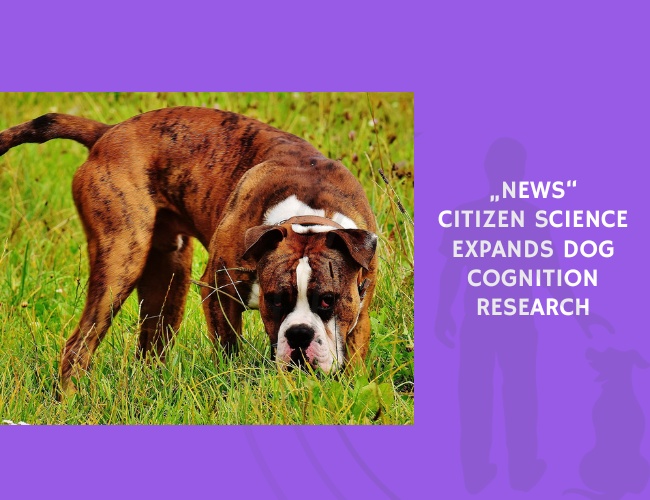
Published in PLOS ONE, the study by L. Stewart, E. MacLean, Brian A. Hare, and colleagues evaluated the first large-scale dataset gathered through the Dognition.com citizen science platform. This approach enables dog owners worldwide to participate in structured cognitive testing using accessible materials and online instructions.
More than 500 participants completed a temperament questionnaire and performed ten cognitive tests with their dogs, recording results via computers, tablets, or smartphones. The researchers assessed whether these public-generated data were internally consistent and whether they replicated established findings from laboratory-based canine cognition research.
The results showed that citizen scientists successfully reproduced several well-known cognitive phenomena, demonstrating that meaningful behavioral data can be collected outside controlled lab environments. Importantly, there was little evidence of intentional data manipulation, even though half of the participants accessed the platform for free and half paid for participation.
To explore the utility of such large datasets, the authors conducted factor analysis across the cognitive tasks. The data were best explained by multiple independent cognitive domains, supporting the hypothesis that dogs—like other nonhuman species—possess distinct cognitive abilities that vary independently across individuals.
This work highlights the potential for citizen science to complement traditional research methodologies. By leveraging the widespread population of companion dogs and motivated owners, researchers can investigate questions that may be impractical or impossible to address in laboratory settings alone. Citizen-driven data collection represents a powerful, scalable tool for advancing the study of dog psychology.
Source: Stewart, L., MacLean, E., Hare, B. A., et al. (2015). Citizen Science as a New Tool in Dog Cognition Research. PLOS ONE. Published September 16, 2015.










