
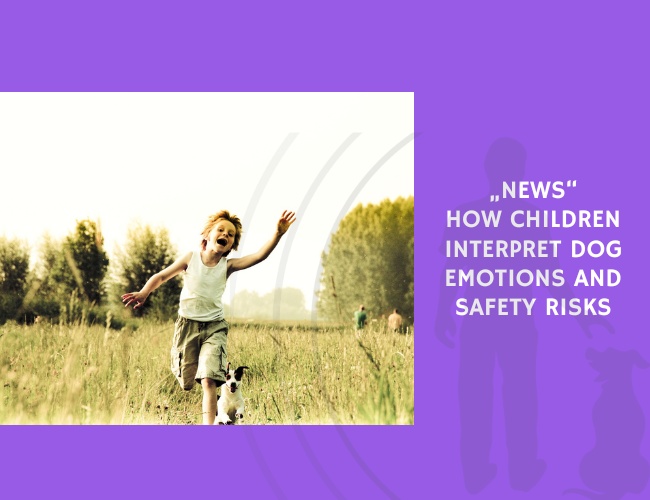
In this chapter, Mary Renck Jalongo examines the persistent global concern of dog bites and dog-related injuries among children. The work explores how dog bites are defined and reported, and how typical child behaviors—such as approaching unfamiliar animals or misreading their signals—may inadvertently provoke canine defensive responses.
The study incorporates insights from 50 interviews with children aged 4 to 14. Participants were shown photographs of aggressive, playful, and fearful dogs and asked to identify each dog’s emotional state. Later, they indicated whether they would choose to interact with the dog shown. Consistent with earlier research, children were highly accurate in identifying aggressive or playful dogs. However, fearful dogs were frequently misinterpreted, with many children labeling them as safe or friendly.
Even more concerning was how children responded when asked if they would interact with the animal. Their choices were often misaligned with established dog safety guidelines. A majority expressed willingness to engage with fearful dogs—situations that present heightened risk for bites due to the dog’s emotional vulnerability and potential defensiveness.
The chapter also highlights a recurring safety threat: children’s tendency to approach and attempt to “rescue” lost or unfamiliar dogs. This well-intentioned behavior can lead to dangerous encounters, especially when the dog is distressed or fearful.
Jalongo concludes by emphasizing the need for family- and community-based interventions that teach children to read canine emotional cues accurately. She provides practical resources for educators, health professionals, and families aimed at improving dog bite prevention strategies and evaluating the effectiveness of educational initiatives.
Source: Jalongo, M. (2018). Keeping Children Safe: Children’s Ability to Interpret Canine Behavioral Cues and Dog Safety Interventions. In Dog Bites and Dog-Related Injuries to Children. 2018.










