
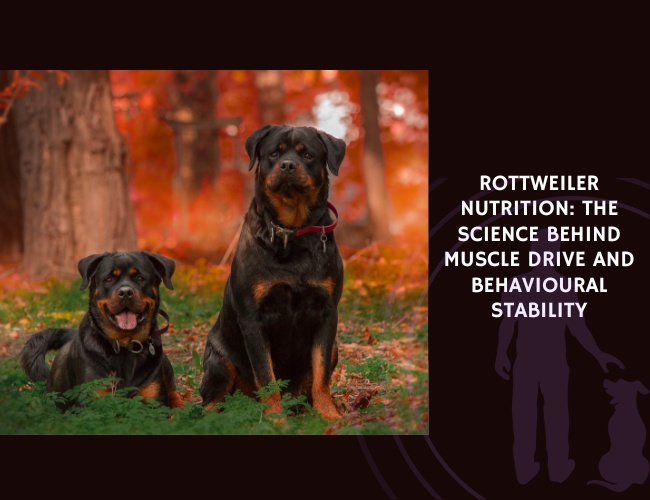
When you look at your Rottweiler, what do you see? Perhaps it’s that impressive, powerful frame that commands respect. Maybe it’s those soulful eyes that seem to understand every word you say. But have you ever considered how what fills their food bowl might be shaping not just their muscular build, but their very capacity for emotional stability and behavioral balance?
Your Rottweiler’s nutrition goes far beyond basic calories and protein percentages. It’s about creating the foundation for what makes these dogs truly magnificent—strength paired with gentleness, alertness balanced with calmness, and protective instinct grounded in emotional stability. Through the NeuroBond approach, we understand that every meal becomes an opportunity to support your dog’s emotional resilience, mental clarity, and that steady, trustworthy temperament that makes Rottweilers such beloved guardians.
Did you know that the amino acids in your dog’s dinner directly influence their impulse control? Or that the ratio of omega fats in their diet might be affecting how they respond to stress? Let us guide you through the fascinating science of how nutrition shapes behavior in this powerful breed, from the neurochemical level to the gut-brain connection that influences every aspect of their daily life. 🧠
The Rottweiler’s Unique Metabolic Blueprint
Your Rottweiler isn’t just a big dog—they’re a power breed with specific metabolic demands that set them apart from lighter, more agility-focused companions. Understanding these unique requirements is your first step toward supporting both their physical magnificence and behavioral wellness.
The Power Breed Paradox
Rottweilers were built for strength. Generations of demanding work—driving cattle through rough terrain, pulling heavy carts, guarding property—shaped their muscular density and power-based morphology. This impressive build means your furry friend likely has higher protein turnover rates than smaller breeds. Their bodies are constantly breaking down and rebuilding muscle tissue, demanding a steady supply of high-quality amino acids just to maintain their magnificent physique.
But here’s where it gets interesting: those same metabolic demands that build power can also influence behavior. High-protein, high-calorie diets provide the raw materials for muscle, but without the right balancing nutrients, they might also contribute to heightened arousal states that make your dog seem restless or harder to settle.
What Makes Large Breeds Different:
- Growth challenges: Your Rottweiler puppy faces a delicate balancing act—building substantial bone and muscle mass while avoiding the skeletal problems rapid growth can trigger
- Joint stress management: Every powerful movement places significant demands on hips, elbows, and spine, requiring nutritional support for cartilage integrity and inflammation control
- Energy metabolism complexity: Their bodies need sustained, balanced energy rather than erratic spikes that can create behavioral roller coasters
- Recovery demands: Power-based work and play create intense muscle use that requires adequate protein for repair alongside nutrients supporting energy metabolism
The Invisible Connection Between Joint Health and Behavior
Here’s something you might not realize: joint discomfort doesn’t always show up as limping. Often, it manifests as subtle behavioral shifts long before you notice physical symptoms. Your Rottweiler might seem more protective when resting, less patient during training, or reluctant to engage in previously enjoyed activities.
You might think your dog is being stubborn or suddenly reactive, when in reality, they’re simply uncomfortable. This is why nutritional support for joint health becomes inseparable from behavioral wellness in power breeds. When we reduce inflammation through targeted nutrition, we’re not just protecting cartilage—we’re preserving your dog’s emotional tolerance and behavioral stability. 🐾
Amino Acids and the Brain: Your Dog’s Neurochemical Foundation
Now let’s explore something truly fascinating—how the protein in your Rottweiler’s bowl becomes the building blocks for their emotional life. This isn’t abstract science; it’s the daily mechanism through which nutrition directly shapes mood, impulse control, and behavioral responses.
The Blood-Brain Barrier Competition
Your dog’s brain is protected by a selective barrier that carefully controls which molecules can enter. Here’s where things get interesting: certain amino acids compete for the same transport systems across this barrier, and this competition has profound implications for your dog’s behavior.
Tryptophan—the precursor to serotonin (your dog’s primary mood-regulating neurotransmitter)—must compete with branched-chain amino acids (BCAAs) like leucine, isoleucine, and valine for entry into the brain. When your Rottweiler’s meal is disproportionately high in BCAAs, those molecules flood the transport system, effectively crowding out tryptophan.
Less tryptophan reaching the brain means less serotonin synthesis. And reduced serotonin? That can show up as:
- Decreased impulse control and patience
- Increased reactivity to environmental triggers
- Difficulty settling or relaxing after excitement
- Reduced stress tolerance and frustration threshold
- Heightened protective responses that seem “over the top”
This doesn’t mean protein is the enemy—it means the amino acid profile of that protein matters tremendously for behavioral stability.
How Different Amino Acids Shape Your Dog’s Responses:
Tryptophan → Serotonin:
- Supports impulse control and patience
- Helps your dog wait calmly at doorways and resist reactive responses
- Enables emotional stability and stress resilience
- Critical for the “think before reacting” capacity guardian breeds need
Tyrosine & Phenylalanine → Dopamine & Norepinephrine:
- Govern motivation, attention, and alertness
- Support focused training and engaged learning
- Balance is key: too little creates disengagement, too much can trigger obsessive behaviors
- Influences your dog’s ability to disengage from intense stimuli
Taurine:
- Often overlooked but crucial for cardiovascular and neurological function
- May influence stress response and nervous system regulation
- Large breeds may have higher requirements than smaller dogs
- Supports overall resilience under pressure
The Protein Quality Revelation
You might be feeding your Rottweiler adequate protein by percentage, but is it the right protein? A diet featuring diverse, high-quality sources—fish, eggs, poultry, varied meats—tends to provide better amino acid balance than diets relying heavily on a single source, especially if heavily processed.
This is where thoughtful nutrition becomes behavioral intervention. Supporting optimal tryptophan transport through meal composition isn’t just feeding—it’s actively shaping your dog’s capacity for emotional regulation. 🧡
Fat Metabolism: The Hidden Key to Emotional Stability
While everyone focuses on protein for power breeds, the fats in your Rottweiler’s diet might be equally important for behavioral wellness. The right fats don’t just provide energy—they actively shape inflammation levels, cognitive function, and emotional regulation.
Omega-3 Fatty Acids: Nature’s Behavior Modifier
EPA and DHA, the long-chain omega-3 fatty acids found primarily in fish oil, do something remarkable in your dog’s body—they reduce inflammation at the cellular level. For Rottweilers, with their substantial joint stress and powerful build, this anti-inflammatory effect becomes a behavior game-changer.
Think about it: chronic, low-grade inflammation creates a persistent physiological stress state. Your dog feels uncomfortable, even if they can’t pinpoint or communicate that discomfort. This background tension often manifests as:
- Shortened patience and reduced tolerance
- Increased protective or defensive responses
- Reluctance to engage in play or training
- Reactive responses to normal environmental stimuli
- That “edgy” quality that seems like temperament but might be physical discomfort
Why DHA Matters for Guardian Breeds:
- Brain structure support: DHA is a major component of brain cell membranes, crucial for neurotransmitter signaling
- Cognitive clarity: Supports the mental sharpness needed for accurate threat assessment
- Decision-making quality: Helps your Rottweiler distinguish genuine threats from neutral stimuli
- Proportional responses: Enables reactive thinking rather than purely reactive behavior
- Training receptivity: Improves focus and learning capacity during complex scenarios
The Omega Balance Your Rottweiler Needs:
Most commercial diets provide abundant omega-6 fatty acids but fall short on omega-3s. While omega-6 isn’t inherently problematic, an excessive ratio (often 20:1 or higher in commercial foods) promotes inflammatory pathways. The ideal ratio sits somewhere between 5:1 and 10:1 (omega-6 to omega-3).
This imbalance doesn’t just affect joints. It influences:
- Skin and coat health (chronic itching erodes stress tolerance)
- Systemic inflammation levels (affecting overall comfort)
- Stress response intensity
- Behavioral irritability and reactivity patterns
By incorporating quality fish oil supplementation and mindful ingredient selection, you’re providing anti-inflammatory support that may significantly improve your dog’s behavioral tolerance and emotional stability. This is nutrition as medicine for behavior.
Fat-Supported Energy: The Calm Alternative
Here’s something worth considering: ketogenic or fat-supported diets provide stable energy from ketones rather than the glucose spikes from carbohydrate-heavy meals. This metabolic shift may offer:
- Improved behavioral calmness through stable energy availability
- Better joint health support through reduced inflammation
- Enhanced metabolic stability without the highs and lows
- Sustained focus capacity during training and daily activities
This approach requires careful implementation, but for some Rottweilers—especially those struggling with arousal regulation or inflammatory conditions—it can be transformative. 🐾
When Physical Discomfort Becomes “Behavioral Problems”
Let’s talk about something that breaks my heart: Rottweilers labeled as aggressive, stubborn, or reactive when they’re actually just hurting. Systemic inflammation—whether from joint stress, skin conditions, or gut imbalance—profoundly impacts behavior, yet it often goes unrecognized until it’s severe.
The Pain-Behavior Connection You Need to Understand:
Your Rottweiler can’t tell you in words when something hurts. Instead, they communicate through behavior changes that often get misinterpreted as temperament issues. Discomfort or subclinical pain frequently manifests as:
- Increased protectiveness, especially when resting or in confined spaces
- “Stubbornness” that’s actually reluctance to move in ways that hurt
- Reactive responses to being touched or approached unexpectedly
- Shortened patience during training sessions
- Defensive behaviors that seem to come from nowhere
Before labeling these as behavioral problems, consider: could inflammation be the underlying cause?
Common Inflammation Triggers in Rottweilers:
- Joint stress: The sheer weight of their powerful build creates constant pressure on hips, elbows, and spine
- Skin conditions: Allergies, hot spots, or chronic itching create persistent discomfort
- Gut imbalance: Digestive sensitivities can trigger systemic inflammation that affects mood and tolerance
- Dietary imbalance: Excessive omega-6 to omega-3 ratios promote inflammatory pathways
- Overexertion: Intense activity without adequate recovery nutrients
The Anti-Inflammatory Diet Strategy:
You can address these edgy, defensive, or irritable behavior patterns through strategic nutrition:
Key Anti-Inflammatory Nutrients:
- High-quality omega-3 fatty acids (EPA/DHA from fish oil)
- Antioxidant-rich foods (berries, leafy greens, turmeric)
- Quality protein sources that don’t trigger sensitivities
- Digestive enzymes and gut-supporting ingredients
- Joint-supporting compounds (glucosamine, chondroitin, MSM)
When you reduce underlying physical discomfort through targeted nutrition, you’re not just improving health—you’re removing a major barrier to behavioral stability and emotional balance. Sometimes the most effective behavioral intervention happens in the food bowl. 🧠
The Gut-Brain Axis: Your Rottweiler’s Second Brain
Here’s something that might surprise you: your Rottweiler’s gut and brain are in constant communication, and the health of one directly influences the other. The gut microbiome—that complex community of bacteria living in your dog’s digestive system—produces metabolites that influence cortisol regulation, neurotransmitter balance, and overall emotional resilience.
When Digestive Issues Masquerade as Behavioral Problems
Large breeds like Rottweilers can be prone to digestive sensitivities that affect far more than just their stomach. Microbiome disturbances can mimic behavioral issues that look like:
- Nervousness or anxiety without clear triggers
- Increased resource guarding or protective behaviors
- Attention loss and difficulty focusing during training
- Mood swings or unpredictable responses
- Reduced stress tolerance and quicker reactivity
You might be working on training when the real issue is happening in your dog’s gut. The gut-brain axis means that digestive imbalance can directly destabilize decision-making and emotional regulation.
How the Microbiome Influences Behavior:
- Neurotransmitter production: Gut bacteria produce significant amounts of serotonin, dopamine, and GABA
- Inflammation modulation: A healthy microbiome reduces systemic inflammation that affects mood
- Stress response regulation: Gut health influences cortisol levels and stress resilience
- Nutrient absorption: Proper digestion ensures your dog actually gets the amino acids and fats we’ve been discussing
Supporting Your Rottweiler’s Gut-Brain Connection:
Probiotics:
- Live beneficial bacteria that colonize the gut
- Support immune function and reduce inflammation
- May improve emotional balance and stress tolerance
- Look for species-specific canine probiotic formulations
Prebiotics:
- Fiber sources that feed beneficial gut bacteria
- Include items like chicory root, pumpkin, and certain vegetables
- Support diverse microbiome populations
- Help stabilize digestive function
Fermented Foods:
- Natural sources of probiotics and digestive enzymes
- Can include plain kefir, sauerkraut juice (small amounts), or fermented vegetables
- Provide living enzymes that support digestion
- Offer variety in beneficial bacterial strains
When you support your Rottweiler’s gut health, you’re simultaneously supporting their emotional stability, decision-making clarity, and behavioral resilience. That balance between physical and emotional wellness—that’s where true health lives. 🧡
Training Performance: Nutrition Meets Behavioral Work
Let’s talk about how nutrition directly impacts your Rottweiler’s training responses and working capacity. For guardian breeds that need controlled power and mental clarity—not just raw physical drive—the relationship between diet and performance becomes critical.
The Energy-Dense Diet Dilemma
High-calorie, protein-heavy diets can certainly fuel physical performance, but they may create challenges for the kind of work Rottweilers excel at: protective restraint, controlled responses, and calm assessment. You need your dog to have power available, but you also need them to have the impulse control not to deploy it unless truly necessary.
Over-feeding energy without supporting regulatory nutrients can create:
- Physical drive that outpaces mental regulation
- Difficulty settling after excitement or activity
- Reduced response to calming cues
- Impulsive reactions rather than thoughtful assessment
- That “amped up” quality that makes training feel like wrestling with energy rather than partnering with intelligence
The Over-Supplementation Trap
High BCAA loads from performance supplements or stimulant-based treats might increase physical drive, but at what cost? As we discussed earlier, excessive BCAAs can crowd out tryptophan transport, potentially reducing serotonin synthesis and compromising the impulse control guardian breeds absolutely require.
You might get more physical intensity, but you may also get:
- Reduced cooperation and increased independence
- Difficulty disengaging from stimuli or tasks
- Obsessive behaviors or fixation patterns
- Decreased responsiveness to redirection
- That frustrated quality when they can’t satisfy their drive
Feeding Protocols That Support Working Intelligence:
Pre-Training Meal Timing:
- Feed main meals 2-3 hours before intense training to allow digestion
- Avoid training on a completely empty stomach (low blood sugar impairs focus)
- Consider a small, easily digestible snack 30-45 minutes before work if needed
Composition for Cognitive Performance:
- High-quality, digestible proteins that provide balanced amino acids
- Complex carbohydrates for sustained energy release without spikes
- Generous omega-3 fatty acids supporting cognitive clarity
- B-vitamins and magnesium for nervous system function
- Adequate hydration before, during, and after work
Consistency for Behavioral Stability:
- Regular feeding schedules help regulate metabolism and reduce anxiety
- Predictable meal times create physiological and emotional stability
- Structured routines support your dog’s sense of safety and order
Post-Training Recovery:
- Quality protein for muscle repair within 30-60 minutes after intense work
- Anti-inflammatory support to manage the stress of training
- Adequate rest between feeding and next activity period
When your feeding protocols align with behavioral regulation principles, training becomes a partnership rather than a battle. Your Rottweiler has the physical capacity they need paired with the mental clarity to use it wisely. 🐾

The NeuroBond Nutrition Strategy: Power With Presence
Now let’s bring everything together into a practical framework that honors what makes your Rottweiler magnificent while supporting their behavioral wellness. This is nutrition designed for strength without tension, alertness without hyper-vigilance, and drive without reactivity.
The Three Pillars of Balanced Nutrition:
Pillar One: Protein for Structure AND Stability
- Choose diverse, high-quality sources (fish, eggs, poultry, varied meats)
- Ensure balanced amino acid profiles that support both muscle and mood
- Avoid over-reliance on single protein sources or heavily processed options
- Monitor the BCAA to tryptophan ratio in your dog’s overall diet
- Quality matters more than quantity for behavioral outcomes
Pillar Two: Fats for Physical Comfort AND Cognitive Clarity
- Prioritize omega-3 fatty acids (EPA/DHA) through quality fish oil
- Balance omega-6 intake by choosing ingredients mindfully
- Support joint health and reduce systemic inflammation
- Enhance brain function and neurotransmitter signaling
- Consider fat-supported energy for arousal regulation if needed
Pillar Three: Gut Health for Emotional Resilience
- Include prebiotic fiber sources to feed beneficial bacteria
- Consider species-appropriate probiotic supplementation
- Support digestive enzyme function for optimal nutrient absorption
- Address food sensitivities that might trigger inflammation
- Recognize that gut health directly influences behavioral stability
Structured Feeding: Creating Physiological and Emotional Rhythm
Through the Invisible Leash concept, we understand that guidance comes through awareness and consistency, not force. Your feeding structure creates this same principle at the physiological level:
Timing Creates Security:
- Consistent meal times regulate your dog’s internal clock
- Predictable feeding reduces anxiety and supports metabolic stability
- Your reliability as a provider reinforces trust and relational safety
- Rhythmic routine supports both physical health and emotional balance
Pre-Training Nutrition Supports Performance:
- Small, easily digestible meals prevent discomfort during work
- Proper timing ensures energy availability without digestive burden
- Thoughtful composition provides sustained focus capacity
- Strategic nutrient delivery supports the behaviors you’re reinforcing
Anti-Inflammatory Support Maintains Clarity:
- Consistent omega-3 supplementation provides cumulative benefits
- Daily antioxidant intake manages exercise-induced inflammation
- Joint-supporting nutrients prevent discomfort-driven behavior changes
- Gut health maintenance preserves emotional regulation capacity
Emotionally Grounded Feeding Rituals: Trust Through Consistency
The moments of Soul Recall reveal how emotional memory and routine intertwine with behavior. Your feeding rituals create positive associations that reinforce trust, safety, and your role as a calm, reliable provider:
Calm Meal Presentation:
- Present meals in a relaxed, predictable manner without excitement or urgency
- Teach patience by requiring a calm sit or down before releasing to eat
- Avoid creating frenzy or anxiety around food
- Reinforce that resources come from you reliably, not through demand or tension
Non-Competitive Eating Spaces:
- Ensure each dog (in multi-dog households) has a designated, safe feeding area
- Prevent resource guarding by creating clear boundaries
- Allow your Rottweiler to eat without feeling the need to defend their bowl
- Build confidence that their food is secure and protected by you
Space Clarity and Routine:
- Clearly defined feeding areas help your dog understand expectations
- Consistent routines reduce stress and promote emotional security
- Boundaries around feeding time create a sense of order
- This clarity transfers to other areas of life and training
These rituals aren’t just about nutrition—they’re about building the foundation of trust and safety that allows your Rottweiler’s best temperament to emerge. That balance between meeting physical needs and honoring emotional ones—that’s the essence of Zoeta Dogsoul. 🧠
Practical Implementation: Building Your Rottweiler’s Optimal Diet
Let’s move from theory to practice. How do you actually implement these principles in your daily routine? Here’s a framework you can adapt to your Rottweiler’s individual needs.
Assessing Your Current Approach:
Before making changes, take stock of where you are:
- What protein sources currently dominate your dog’s diet?
- How’s the omega-6 to omega-3 balance in their food?
- Are you seeing any behavioral patterns that might indicate nutritional imbalance?
- Does your dog have any inflammatory conditions or joint sensitivities?
- How consistent are feeding times and rituals?
- What’s your dog’s energy pattern throughout the day?
Building the Foundation:
Choose Quality Base Nutrition:
- Select foods with named, whole protein sources as primary ingredients
- Look for omega-3 supplementation or add quality fish oil
- Ensure adequate but not excessive caloric density for your dog’s activity level
- Consider foods with added joint support if needed
- Avoid excessive omega-6 from vegetable oils and grain-heavy formulations
Strategic Supplementation:
- Fish oil: Start with 1000mg combined EPA/DHA per 30lbs body weight, adjust based on response
- Probiotics: Choose veterinary-grade, species-specific formulations
- Joint support: Glucosamine, chondroitin, and MSM if your dog shows any discomfort
- Digestive enzymes: Can improve nutrient absorption, especially in dogs with sensitive systems
Feeding Schedule for Behavioral Stability:
- Adult Rottweilers: Typically 2 meals daily, 8-12 hours apart
- Morning meal: 2-3 hours before any intense training or activity
- Evening meal: Early enough to digest before bedtime
- Consistency: Same times daily to support metabolic and emotional regulation
Monitoring and Adjusting:
Watch for these positive signs that your nutrition strategy is working:
- Improved coat quality and reduced skin issues
- Better focus and engagement during training
- Increased patience and frustration tolerance
- More consistent energy levels throughout the day
- Reduced reactive responses to normal stimuli
- Better recovery after exercise or training
- Improved digestive regularity
If you’re not seeing improvements within 4-6 weeks, consider adjusting:
- Protein source variety or quality
- Omega-3 supplementation levels
- Feeding times relative to activity
- Probiotic strains or dosage
- Overall caloric density
Individual Variation Matters:
Your Rottweiler is unique. What works perfectly for one dog might need adjustment for another. Factors influencing individual needs include:
- Activity level and working demands
- Age and life stage
- Current health status
- Individual metabolic efficiency
- Specific sensitivities or allergies
- Behavioral challenges being addressed
Stay observant, keep notes on what you’re seeing behaviorally, and don’t hesitate to work with a veterinary nutritionist if you’re dealing with complex issues. 🐾
Practical Meal Planning: From Theory to Your Dog’s Bowl
Now let’s get specific. You understand the science, but what does this actually look like in your daily routine? Here are practical meal plans and combinations that translate nutritional principles into real meals for your Rottweiler.
Sample Daily Meal Plan: Puppy (4-12 months)
Your growing Rottweiler puppy needs controlled, steady nutrition that supports development without accelerating growth dangerously. Here’s what a day might look like for a 6-month-old, 60-pound puppy:
Morning Meal (7:00 AM):
- 2 cups high-quality puppy food (large breed formula)
- 1 tablespoon plain Greek yogurt (probiotics)
- 1/4 teaspoon fish oil (500mg EPA/DHA combined)
- Small amount of blueberries or pumpkin puree
Midday Meal (12:00 PM):
- 1.5 cups puppy food
- 1 scrambled egg (protein variety + tryptophan)
- Pinch of ground flaxseed
Evening Meal (5:30 PM):
- 2 cups puppy food
- Small piece of cooked salmon or sardine (omega-3s + quality protein)
- 1 tablespoon bone broth
- 1/4 teaspoon fish oil
Total Daily Intake: Approximately 1,200-1,400 calories, split across three meals to maintain stable blood sugar and energy levels.
Why This Works:
- Three meals prevent energy crashes and support consistent behavior
- Protein variety (food + egg + fish) ensures balanced amino acids
- Omega-3s support brain development during critical learning period
- Probiotics establish healthy gut-brain axis early
- Controlled portions prevent rapid growth that stresses joints
Sample Daily Meal Plan: Active Adult (2-6 years)
Your adult Rottweiler in their prime working years needs sustained energy, muscle support, and anti-inflammatory nutrition. Here’s a plan for an 95-pound adult with moderate to high activity:
Morning Meal (6:30 AM):
- 2.5 cups premium adult dog food (high-quality protein source)
- 1 tablespoon kefir or yogurt
- 1 teaspoon fish oil (1000mg EPA/DHA)
- Handful of green beans or carrots (fiber + antioxidants)
Pre-Training Snack (if training at 3:00 PM):
- Small piece of cooked chicken breast
- Sweet potato chunk (complex carbs for sustained energy) Timing: 45 minutes before training
Evening Meal (6:00 PM):
- 3 cups adult dog food
- Rotated protein topper: turkey, fish, or beef (2-3 oz)
- 1 teaspoon fish oil
- Bone broth mixed in
- Leafy greens like spinach or kale (small amount, chopped)
Total Daily Intake: Approximately 1,800-2,100 calories for active adults
Why This Works:
- Two main meals with strategic pre-training snack supports work demands
- High omega-3 intake manages inflammation from activity
- Protein variety across the day optimizes amino acid availability
- Antioxidant-rich vegetables support recovery
- Pre-training timing provides energy without digestive discomfort
Sample Daily Meal Plan: Senior (7+ years)
Your senior Rottweiler needs nutrient-dense food that’s easy to digest, with enhanced joint support and anti-inflammatory focus. Here’s a plan for a less active 90-pound senior:
Morning Meal (7:30 AM):
- 2 cups senior formula dog food (easily digestible)
- 1.5 teaspoons fish oil (1500mg EPA/DHA – increased for joint support)
- 1 tablespoon plain pumpkin (digestive support)
- Glucosamine/chondroitin supplement (per weight guidelines)
Afternoon Snack (2:00 PM):
- Small amount of cottage cheese or Greek yogurt
- Blueberries (antioxidants for cognitive support)
Evening Meal (5:30 PM):
- 2 cups senior formula food
- Cooked white fish or chicken (2 oz, easily digestible protein)
- 1.5 teaspoons fish oil
- Bone broth (hydration + joint support)
- Turmeric paste (1/4 teaspoon with black pepper for absorption)
Total Daily Intake: Approximately 1,400-1,600 calories for reduced activity levels
Why This Works:
- Slightly more frequent, smaller meals aid digestion
- Doubled omega-3s address increased inflammation and cognitive support
- Easily digestible proteins reduce metabolic burden
- Enhanced joint supplements prevent pain-related behavioral changes
- Reduced calories prevent weight gain that stresses aging joints
- Antioxidants support brain health and decision-making clarity
Food Combinations That Optimize Amino Acid Balance:
Getting the right amino acid ratios doesn’t require complicated calculations—just thoughtful combinations:
Tryptophan-Boosting Combinations (for emotional stability):
- Turkey + sweet potato + small amount of banana
- Salmon + pumpkin + oats
- Cottage cheese + berries + small amount of honey
- Eggs + spinach + quinoa
Balanced Drive-Supporting Combinations (motivation without reactivity):
- Chicken + brown rice + green beans + fish oil
- Beef + sweet potato + carrots + bone broth
- Fish + white rice + peas + kefir
- Lamb + oats + broccoli + sardines
Anti-Inflammatory, Calming Combinations:
- Fatty fish (salmon, mackerel) + leafy greens + blueberries + turmeric
- Turkey + pumpkin + bone broth + fish oil + ginger
- Eggs + sardines + kale + flaxseed
- Venison + yams + cherries + coconut oil
Portion Size Guidelines Based on Activity Level:
These are starting points—adjust based on your individual dog’s metabolism and body condition:
Low Activity (primarily indoor, short walks):
- 60-80 lbs: 3-4 cups daily
- 80-100 lbs: 4-5 cups daily
- 100-120 lbs: 5-6 cups daily
Moderate Activity (daily walks, occasional play, basic training):
- 60-80 lbs: 4-5 cups daily
- 80-100 lbs: 5-6 cups daily
- 100-120 lbs: 6-7 cups daily
High Activity (working, protection training, regular intense exercise):
- 60-80 lbs: 5-6.5 cups daily
- 80-100 lbs: 6-7.5 cups daily
- 100-120 lbs: 7-9 cups daily
Body Condition Assessment: You should be able to feel your Rottweiler’s ribs with light pressure but not see them prominently. From above, there should be a visible waist taper. Adjust portions by 10-15% if your dog is gaining or losing unwanted weight.
Meal Prep Tips for Busy Owners:
You don’t need hours of daily cooking to provide optimal nutrition. Here are time-saving strategies:
Sunday Batch Prep:
- Cook 3-5 pounds of protein variety (chicken, turkey, fish) in slow cooker
- Portion into daily containers and freeze
- Prepare bone broth in large batch (freeze in ice cube trays)
- Wash and chop vegetables for the week
Rotate Don’t Complicate: Week 1: Chicken protein topper Week 2: Fish protein topper Week 3: Turkey protein topper Week 4: Beef protein topper This prevents boredom and ensures amino acid variety without daily decisions.
Pre-Measure Supplements: Use a weekly pill organizer for daily supplements (fish oil capsules, probiotics, joint support). Takes 5 minutes weekly, saves daily time and ensures consistency.
Strategic Convenience Foods:
- Canned sardines (omega-3s, ready to use)
- Plain Greek yogurt (probiotics, no prep)
- Frozen blueberries (antioxidants, portion easily)
- Pre-made bone broth (freeze in portions)
- Sweet potatoes (bake several, refrigerate for week)
The 80/20 Rule: Aim for 80% consistency with optimal nutrition. The occasional 20% flexibility (travel, busy days, special occasions) won’t derail your dog’s overall wellness. Perfectionism creates stress—consistency creates results. 🧡
Zoomies. Explained.
Those wild puppy sprints have a purpose.
Zoomies—technically called FRAPs—aren’t random chaos. They help puppies release energy, build coordination, and regulate emotions.
It’s play, but it’s primal.
From brain development to stress relief, these bursts are rooted in biology. Even your living room becomes a training ground for growth.


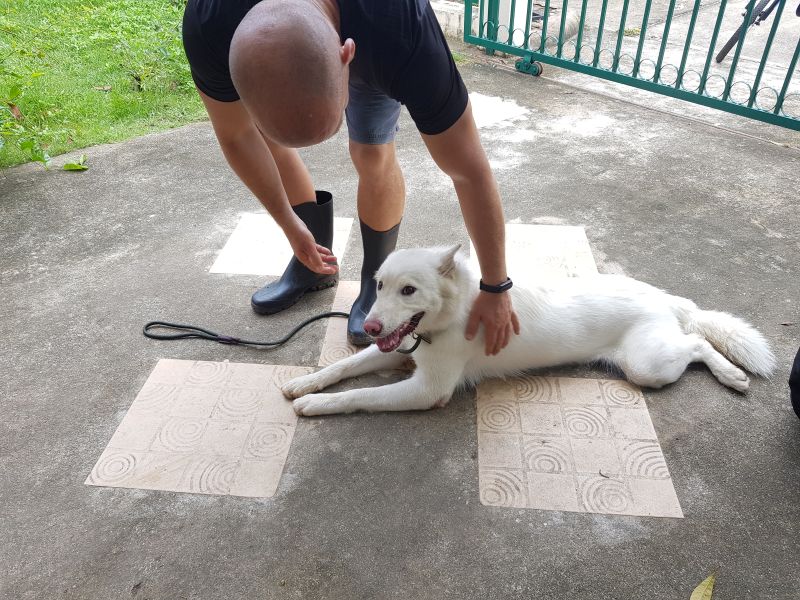
This guide breaks it down.
Learn what zoomies mean, when they’re normal, and how to support your pup—safely, calmly, and with expert-backed strategies.
Troubleshooting: When Things Don’t Go as Planned
Even with the best nutritional foundation, you might encounter challenges. Let’s address common issues Rottweiler owners face and how nutrition can help solve them.
Common Nutrition Mistakes Rottweiler Owners Make:
Mistake #1: “More Protein Is Always Better”
You might think your powerful Rottweiler needs maximum protein, but excessive protein—especially from BCAA-heavy sources—can actually increase arousal and reactivity. Focus on protein quality and amino acid balance rather than just percentage.
The Fix: Aim for 24-28% protein for adults (not 35-40%+) from diverse sources. Monitor behavior as much as body condition.
Mistake #2: Ignoring the Omega Ratio
Most owners supplement protein but forget about fat quality. Your dog might be getting adequate fat calories but inflammatory omega-6 dominance that’s affecting their behavior and joint health.
The Fix: Add quality fish oil even if your food “contains omega-3s.” The ratio matters more than presence alone.
Mistake #3: Free Feeding
Leaving food available all day seems convenient, but it disrupts the metabolic rhythm that supports behavioral stability and prevents bloat risk in this deep-chested breed.
The Fix: Implement structured meal times. Your dog will adjust within days and behavior often improves dramatically.
Mistake #4: Inconsistent Feeding Times
Feeding whenever it’s convenient creates metabolic uncertainty that can manifest as anxiety, food guarding, or digestive issues.
The Fix: Set specific feeding times and stick to them within 30 minutes daily. Consistency creates physiological and emotional security.
Mistake #5: Neglecting the Gut-Brain Connection
Focusing solely on macronutrients while ignoring digestive health means missing a major behavioral influence.
The Fix: Add probiotics and prebiotic fiber. Many “behavioral” issues improve when gut health is addressed.
Mistake #6: Training Treats That Undermine Main Diet
You’re carefully balancing their meals, then giving high-sugar, high-BCAA, or stimulant-containing treats during training that spike arousal and compromise impulse control.
The Fix: Use single-ingredient treats that align with your nutritional goals: freeze-dried fish, plain chicken, cheese in moderation, vegetables.
Mistake #7: Rapid Diet Changes
Switching foods abruptly creates digestive upset that affects mood, focus, and stress tolerance—then gets blamed on the new food rather than the transition method.
The Fix: Transition over 7-10 days, gradually increasing new food while decreasing old. Watch for behavioral changes during transitions.
“My Dog Is…” Scenarios with Nutritional Solutions:
“My Dog Is Food Aggressive with Other Dogs”
Nutritional Contributing Factors:
- Inconsistent feeding times creating resource anxiety
- Competition-based feeding setup
- History of unpredictable food availability
Solutions:
- Establish absolutely consistent feeding schedule (reduces anxiety about “when”)
- Create separate, secure feeding spaces for each dog
- Feed in calm, low-traffic areas
- Practice calm meal presentation ritual
- Ensure adequate nutrients so they’re not actually hungry between meals
- Consider whether they’re getting enough tryptophan for impulse control
“My Dog Won’t Settle After Meals”
Nutritional Contributing Factors:
- High simple carbohydrate content causing glucose spikes
- Meal too close to activity time
- Inadequate satiety from meal composition
- Low omega-3s contributing to systemic inflammation/discomfort
Solutions:
- Switch to higher protein, moderate complex carb formula
- Feed 2-3 hours before intense activity
- Add healthy fats and fiber for satiety
- Increase fish oil supplementation
- Try smaller, more frequent meals
- Evaluate if pain/discomfort is preventing settling (joints, digestion)
“My Dog Is Reactive on Walks”
Nutritional Contributing Factors:
- Poor amino acid balance reducing impulse control
- Systemic inflammation creating background irritability
- Energy spikes from inappropriate pre-walk feeding
- Gut issues affecting stress response
Solutions:
- Evaluate protein sources for better tryptophan availability
- Dramatically increase omega-3 supplementation
- Don’t feed immediately before walks
- Add probiotic supplementation
- Ensure adequate B-vitamins and magnesium
- Consider anti-inflammatory diet overhaul
“My Dog Guards Their Food Bowl from Me”
Nutritional Contributing Factors:
- Inconsistent portions creating scarcity anxiety
- Meal presentation that creates tension
- Insufficient nutrients leading to constant hunger
- Past resource insecurity
Solutions:
- Establish absolutely consistent portions and timing
- Practice calm, predictable meal presentation
- Hand-feed portions initially to rebuild trust
- Ensure adequate calories for their activity level
- Add higher-satiety ingredients (healthy fats, fiber)
- Never reach for bowl while eating—create trust that food is secure
“My Dog Has Loose Stools or Digestive Issues”
Nutritional Contributing Factors:
- Food sensitivities or allergies
- Inadequate digestive enzymes
- Poor quality ingredients
- Too rapid diet transitions
- Gut microbiome imbalance
Solutions:
- Elimination diet to identify sensitivities
- Add digestive enzyme supplementation
- Increase probiotic quality and quantity
- Add plain pumpkin or sweet potato (fiber)
- Consider limited ingredient diet
- Slow down eating with puzzle feeders (if eating too fast)
- Evaluate if stress/anxiety is contributing
“My Dog Is Hyperactive Indoors”
Nutritional Contributing Factors:
- High simple carbohydrate content
- Excessive protein from BCAA-heavy sources
- Inadequate calming nutrients
- Feeding times creating energy spikes during indoor time
Solutions:
- Reduce simple carbs, increase complex carbs and healthy fats
- Balance protein sources for better amino acid profile
- Increase omega-3s and magnesium
- Time meals so energy peak aligns with exercise time
- Add tryptophan-rich foods (turkey, eggs) to evening meal
- Consider whether they’re actually under-exercised and nutrition can’t fix that
“My Senior Dog Seems Confused or Cognitively Declining”
Nutritional Contributing Factors:
- Inadequate DHA for brain health
- Oxidative stress from insufficient antioxidants
- Dehydration affecting cognitive function
- Poor protein quality reducing neurotransmitter synthesis
Solutions:
- Dramatically increase DHA supplementation
- Add MCT oil (medium-chain triglycerides for brain fuel)
- Include blueberries, leafy greens (antioxidants)
- Ensure adequate hydration (bone broth, wet food)
- High-quality, easily digestible proteins
- B-vitamin complex supplementation
- Consider senior-specific formulas with cognitive support
Quick-Fix vs. Long-Term Solutions:
| Behavioral Issue | Quick Fix (Days-Weeks) | Long-Term Solution (Months) |
|---|---|---|
| Post-meal hyperactivity | Reduce simple carbs immediately; adjust feeding time | Transition to balanced formula; establish pre-activity feeding rhythm |
| Reactivity on walks | Add fish oil double-dose; avoid pre-walk feeding | Complete anti-inflammatory diet overhaul; balanced amino acids |
| Food aggression | Separate feeding spaces now | Consistent schedule; calm rituals; trust-building through hand feeding |
| Loose stools | Add plain pumpkin; probiotic | Identify sensitivities; optimize gut health long-term |
| Can’t settle/focus | Remove stimulating treats; time meals better | Balanced amino acids; optimal omega ratio; gut health |
| Joint stiffness affecting mood | Increase fish oil immediately | Joint supplement protocol; weight management; anti-inflammatory diet |
Red Flags: When to Adjust Your Approach:
Watch for these signs that your current nutritional strategy needs modification:
Physical Red Flags:
- Unexplained weight loss or gain (more than 5% body weight)
- Chronic digestive issues lasting beyond 2 weeks
- Dull coat, excessive shedding, or skin problems
- Increased stiffness or limping
- Reduced energy or unusual lethargy
- Excessive thirst or urination
Behavioral Red Flags:
- Behavioral improvements plateau or reverse
- Increased food guarding or anxiety around meals
- New reactive behaviors emerging
- Regression in training responses
- Unusual aggression or mood changes
- Difficulty concentrating despite previous improvement
Timing Red Flags:
- No improvement after 6-8 weeks of dietary changes
- Immediate negative reaction to new foods/supplements
- Behavioral issues worsen despite nutritional optimization
- Digestive upset that doesn’t resolve with adjustments
When These Appear:
- Rule out medical issues with veterinary exam
- Reassess portion sizes and feeding times
- Evaluate supplement quality and dosages
- Consider elimination diet for sensitivities
- Work with veterinary nutritionist for personalized plan
- Don’t assume “it’s just behavior”—pain and discomfort often hide behind behavioral symptoms
Remember: nutrition is powerful, but it’s not magic. Some issues require professional behavioral work, veterinary intervention, or training alongside nutritional support. The goal is giving your Rottweiler every physiological advantage to express their best self. 🐾
Breed-Specific Health Conditions: Nutritional Prevention and Support
Rottweilers face particular health challenges that nutrition can significantly influence. Let’s explore how targeted dietary strategies support the conditions this breed is predisposed to developing.
Hip and Elbow Dysplasia: Building and Protecting Joints
Hip and elbow dysplasia—malformed joints that cause pain and arthritis—affect many Rottweilers. While genetics play a major role, nutrition profoundly influences whether genetic predisposition becomes clinical reality.
Puppy Prevention Strategy:
The critical window is during growth. Your goal is controlled development, not rapid growth.
Key Nutritional Principles:
- Calcium and phosphorus balance: Too much accelerates growth; too little impairs development. Large breed puppy foods should have 1-1.2% calcium (not more)
- Controlled calories: Prevent rapid weight gain that stresses developing joints
- Omega-3s from the start: Anti-inflammatory support during formation
- Avoid over-supplementation: More calcium doesn’t help and often hurts
- Maintain ideal body condition: Lean puppies develop better joint structure
What This Looks Like: Feed measured portions of large-breed puppy formula (designed for controlled growth), avoid free-feeding, don’t add calcium supplements unless veterinarian-directed, and keep your puppy lean throughout growth.
Adult Management Strategy:
Once dysplasia is present, nutrition focuses on managing inflammation, supporting cartilage, and maintaining comfortable mobility.
Therapeutic Nutritional Approach:
- High-dose omega-3s: 2000-3000mg EPA/DHA daily for 100-lb dog (anti-inflammatory)
- Glucosamine and chondroitin: 1500mg and 1200mg respectively for 100-lb dog (cartilage support)
- MSM (methylsulfonylmethane): 1500mg for 100-lb dog (sulfur for joint tissue)
- Green-lipped mussel: Natural source of glycosaminoglycans and omega-3s
- Turmeric with black pepper: Natural anti-inflammatory (consult dosing)
- Weight management: Every pound over ideal weight multiplies joint stress
Foods That Help:
- Fatty fish (salmon, sardines, mackerel)
- Bone broth (collagen and glycine for connective tissue)
- Blueberries and tart cherries (antioxidants)
- Leafy greens (vitamin K for bone health)
- Eggs (sulfur-containing amino acids)
Bloat (Gastric Dilatation-Volvulus): Life-Threatening Emergency Prevention
Bloat is a medical emergency where the stomach fills with gas and potentially twists, cutting off blood flow. Rottweilers’ deep chests make them susceptible. Nutrition and feeding practices dramatically influence risk.
Critical Prevention Strategies:
Feeding Practice Modifications:
- Multiple smaller meals: Feed 2-3 times daily, never one large meal
- Slow eating: Use puzzle feeders or slow-feed bowls to prevent gulping
- Elevated or floor bowls: Evidence is mixed; consult your vet, but many recommend floor-level
- Rest after eating: No vigorous exercise for 1-2 hours before or after meals
- Calm feeding environment: Reduce stress and competition around meals
- No water gorging after eating: Allow access but monitor excessive drinking
Dietary Composition Factors:
- Avoid foods with fat in first four ingredients (delays gastric emptying)
- Smaller kibble sizes may reduce air swallowing
- Avoid fermentable ingredients that produce excess gas
- Some evidence suggests citric acid as preservative may increase risk
- Moistening food may help some dogs, make others worse (individual variation)
Behavioral Connection: Anxious, stressed dogs may eat too fast or swallow air. Your calm feeding rituals, consistent timing, and stress reduction through nutrition support bloat prevention indirectly.
Know Emergency Signs:
- Distended, hard abdomen
- Unproductive retching
- Excessive drooling
- Restlessness and discomfort
- Pale gums This is immediate emergency veterinary care—minutes matter.
Cancer: Nutritional Support and Prevention
Rottweilers have higher cancer rates than many breeds, particularly osteosarcoma (bone cancer), lymphoma, and hemangiosarcoma. While nutrition can’t prevent all cancers, strategic dietary choices may reduce risk and support dogs with cancer.
Anti-Cancer Nutritional Principles:
Reduce Cancer-Feeding Factors:
- Lower simple carbohydrates: Cancer cells preferentially use glucose for fuel
- Moderate complex carbs: Provide necessary energy without excessive glucose
- Increase healthy fats: Provides energy without feeding cancer metabolism
- High-quality protein: Maintains muscle mass and immune function
Increase Protective Factors:
- Omega-3 fatty acids: Anti-inflammatory and may slow cancer progression
- Antioxidants: Protect cells from oxidative damage
- Cruciferous vegetables: Contain cancer-fighting compounds (small amounts, cooked)
- Mushrooms: Some varieties (maitake, turkey tail) show immune-supporting properties
- Turmeric: Curcumin has anti-cancer properties in research
Foods to Emphasize:
- Fatty fish (omega-3s and quality protein)
- Eggs (complete protein and nutrients)
- Organ meats (nutrient-dense)
- Blueberries, blackberries (antioxidants)
- Broccoli, cauliflower (cancer-fighting compounds, cooked)
- Sweet potatoes (complex carbs and beta-carotene)
- Bone broth (immune support and easily digestible)
For Dogs with Cancer:
Work closely with a veterinary oncologist and nutritionist, but general principles include:
- Higher protein to combat muscle wasting (cachexia)
- Lower carbohydrates (especially simple sugars)
- Increased omega-3 fatty acids (2-3x normal maintenance)
- Highly digestible ingredients (treatment often affects appetite)
- Smaller, more frequent meals if appetite is poor
- Palatable, nutrient-dense foods to maintain weight
Supplements with Research Support:
- Fish oil (high-dose EPA/DHA)
- Mushroom extracts (immunomodulation)
- Curcumin (anti-inflammatory, potential anti-cancer)
- Probiotics (support gut health during treatment)
Heart Health: Supporting Cardiovascular Function
While not as common as in some breeds, Rottweilers can develop heart conditions including dilated cardiomyopathy (DCM) and aortic stenosis.
Nutritional Support for Heart Health:
Critical Nutrients:
- Taurine: Essential amino acid for heart muscle function; ensure adequate levels despite dogs’ ability to synthesize
- L-carnitine: Supports heart muscle energy metabolism
- Omega-3 fatty acids: Anti-inflammatory support for cardiovascular system
- Coenzyme Q10: Antioxidant supporting heart muscle function
- Magnesium: Important for heart rhythm and muscle function
- B-vitamins: Support energy metabolism in heart tissue
Dietary Considerations:
- Adequate high-quality protein sources (taurine precursors)
- Avoid grain-free diets linked to DCM (legume-heavy formulas)
- Ensure diverse protein sources (not relying solely on exotic proteins)
- Maintain healthy weight (obesity stresses cardiovascular system)
- Moderate sodium (especially if heart disease present)
Recent DCM Concerns:
Some grain-free, legume-heavy diets have been associated with DCM. While research continues:
- Choose foods with traditional protein sources (chicken, beef, fish, lamb)
- Ensure adequate taurine in diet or supplement if needed
- If feeding grain-free, consider taurine supplementation
- Regular veterinary cardiac screening for early detection
- Diversify protein sources rather than feeding single-source diets long-term
Osteosarcoma: Bone Cancer Prevention Through Nutrition
Osteosarcoma is tragically common in Rottweilers, typically affecting the limbs. While largely genetic, some nutritional factors may influence risk.
Potential Prevention Strategies:
Early Spay/Neuter Timing: While not purely nutritional, delayed spay/neuter (allowing growth plates to close naturally) may reduce risk. This interacts with nutritional management during extended growth period.
Growth Rate Management: Rapid growth in large breeds may increase osteosarcoma risk. The same slow, controlled growth that protects joints may offer cancer protection.
Nutritional Approach:
- Controlled calories during growth (large breed puppy formula)
- Appropriate calcium (not excessive)
- Maintain lean body condition through life
- Anti-inflammatory omega-3s throughout life
- Antioxidant-rich diet
- Avoid environmental toxins (some lawn chemicals, etc.)
Bone-Supporting Nutrients:
- Vitamin D (appropriate levels, not excessive)
- Vitamin K (bone metabolism)
- Magnesium and zinc (bone health)
- Quality protein (bone matrix support)
General Cancer-Protective Diet: The same anti-cancer dietary principles discussed earlier—moderate carbohydrates, high-quality proteins, generous omega-3s, abundant antioxidants—may offer some protection against osteosarcoma.
Integrated Approach to Breed Health:
These conditions don’t exist in isolation. Your Rottweiler might be managing joint issues while you’re working to prevent bloat and support cancer resistance. The beautiful thing about sound nutritional principles is that they support multiple health goals simultaneously:
- Anti-inflammatory omega-3s help joints AND potentially cancer resistance
- Controlled growth protects joints AND may reduce bone cancer risk
- Calm feeding practices prevent bloat AND support emotional stability
- High-quality, diverse proteins support muscle AND heart health
- Maintaining lean body condition helps joints AND reduces cancer risk
You’re not creating separate diets for separate conditions—you’re building one comprehensive nutritional foundation that gives your Rottweiler the best chance at a long, healthy, comfortable life. That’s the power of thoughtful, breed-specific nutrition. 🧡
🧠 The 8 Phases of Nutritional Behavior Transformation 🐾
From Muscle Drive to Emotional Stability: Your Rottweiler’s Journey to Balance
Phase 1: Current State Assessment
Week 1: Understanding Where You Are
🧬 Metabolic Baseline
Evaluate your Rottweiler’s current energy patterns, body condition, and behavioral rhythms. Notice when they’re most reactive, when they settle easily, and how food affects their mood. Track meal times, portions, and any digestive issues. This baseline reveals what’s working and what needs adjustment.
⚡ Behavioral Indicators
Watch for: post-meal hyperactivity, reactivity patterns during walks, settling difficulty after excitement, food guarding behaviors, digestive irregularity, and joint stiffness affecting mood. These signals tell you which nutritional pathways need immediate attention.
📝 Action Steps
• Start a behavior-nutrition journal
• Document current feeding schedule and portions
• Note behavioral patterns relative to meals
• Assess body condition score
• List all current supplements and treats
Phase 2: Foundation Building
Weeks 2-3: Establishing Rhythm & Quality
⏰ Temporal Structure
Establish consistent feeding times (within 30 minutes daily). This creates metabolic predictability that reduces anxiety and supports hormonal balance. Your Rottweiler’s body learns when to expect nutrients, stabilizing energy and emotional regulation throughout the day.
🥩 Protein Quality Upgrade
Transition to diverse, high-quality protein sources over 7-10 days. Rotate between fish, poultry, and varied meats to optimize amino acid balance. Avoid single-source, heavily processed proteins that skew toward BCAAs at the expense of tryptophan.
🎯 Quick Wins
• Add quality fish oil (1000mg EPA/DHA per 30 lbs)
• Implement 2 meals daily at fixed times
• Create calm, designated feeding spaces
• Remove free-feeding if present
• Start behavior journal to track changes
Phase 3: Anti-Inflammatory Protocol
Weeks 4-6: Reducing Physical Discomfort
🐟 Omega-3 Optimization
Increase omega-3 supplementation to therapeutic levels (2000-3000mg EPA/DHA for 100-lb dog). This dosage significantly reduces systemic inflammation affecting joints, skin, and gut—addressing hidden sources of behavioral irritability and reactivity.
📊 Expected Changes
Within 3-4 weeks, you may notice: improved coat quality, reduced skin itching, better post-exercise recovery, increased patience during training, fewer reactive outbursts, improved willingness to move and play. These signal inflammation reduction is working.
🌿 Additional Support
• Begin joint supplement protocol (glucosamine/chondroitin)
• Add turmeric with black pepper to meals
• Include antioxidant-rich foods (blueberries, leafy greens)
• Ensure adequate hydration with bone broth
• Monitor improvement in mobility and mood
Phase 4: Gut-Brain Axis Restoration
Weeks 6-8: Microbiome-Mood Connection
🔬 Probiotic Integration
Introduce species-specific probiotics containing multiple bacterial strains (minimum 1-5 billion CFUs). These beneficial bacteria influence serotonin production, reduce gut inflammation, and modulate the stress response—directly impacting emotional stability and decision-making.
🧘 Behavioral Shifts
Watch for: improved focus during training, reduced anxious behaviors, better stress recovery, decreased resource guarding, more consistent stool quality, reduced food sensitivities. Gut health improvements often manifest as “mystery” behavioral improvements.
🥗 Prebiotic Foods
• Add plain pumpkin or sweet potato (fiber)
• Include small amounts of fermented foods
• Provide bone broth regularly
• Rotate prebiotic vegetables
• Monitor digestive response and adjust
Phase 5: Neurochemical Fine-Tuning
Weeks 8-10: Optimizing Impulse Control
🧠 Tryptophan Enhancement
Strategic addition of tryptophan-rich foods (turkey, eggs, cottage cheese) especially in evening meals. This supports serotonin synthesis overnight, improving next-day impulse control, stress tolerance, and emotional regulation—the foundation for guardian breed reliability.
🎯 Training Integration
This phase transforms training. You’ll notice: better response to calming cues, increased patience with distractions, improved threshold management, reduced reactive outbursts, stronger impulse control exercises. The neurochemistry now supports what training reinforces.
🔄 Protein Rotation
• Week 1: Fish-based protein topper
• Week 2: Turkey or chicken emphasis
• Week 3: Egg additions
• Week 4: Varied meat rotation
• Monitor behavioral response to each rotation
Phase 6: Feeding Ritual Mastery
Weeks 10-12: Building Trust Through Consistency
🤝 The Invisible Leash
Through the Invisible Leash concept, your feeding ritual becomes emotional guidance. Calm meal presentation teaches patience without force. Consistent timing creates security without control. Your reliability as a provider reinforces trust, reducing food anxiety and guarding behaviors naturally.
💫 Emotional Patterns
Soul Recall moments emerge: your Rottweiler waits calmly because they remember countless consistent meals. They trust because the pattern never wavers. Food becomes connection rather than competition, ritual rather than urgency. This emotional memory shapes behavior beyond the bowl.
🎭 Ritual Elements
• Calm approach to feeding area
• Required settling behavior before presentation
• Peaceful meal consumption without interruption
• Gratitude acknowledgment after eating
• Consistent cleanup routine maintaining order
Phase 7: Working Performance Enhancement
Weeks 12-14: Power With Precision
🎯 Pre-Training Nutrition
Implement strategic meal timing: main meals 2-3 hours before intensive work, small easily-digestible snack 45 minutes prior if needed. This provides energy without digestive burden, supporting focus and physical performance while maintaining the calm, controlled power Rottweilers need for protection work.
🏋️ Drive Without Reactivity
Your Rottweiler now demonstrates: sustained focus during complex tasks, appropriate arousal that matches work demands, quick recovery between exercises, cooperation alongside drive, the ability to “turn on” and “turn off” cleanly. This is nutrition supporting training, not replacing it.
🔋 Recovery Protocol
• Quality protein within 30-60 minutes post-work
• Enhanced hydration with electrolytes
• Anti-inflammatory support after intense sessions
• Adequate rest before next meal
• Monitor energy patterns and adjust timing
Phase 8: Sustainable Excellence
Week 14+: The Long Game
🌱 NeuroBond Integration
Through the NeuroBond approach, nutrition has become more than feeding—it’s relationship building. Every meal reinforces trust, every supplement supports their best self, every ritual deepens connection. The physiological foundation now supports the emotional bond that makes Rottweilers extraordinary companions.
📊 Ongoing Monitoring
Continue tracking: coat quality, energy consistency, digestive regularity, joint comfort, behavioral stability, training progress, stress recovery, and overall demeanor. Adjust nutrition as life stages change, activity levels shift, or health needs evolve. This is lifetime commitment, not quick fix.
🔄 Adaptive Excellence
• Seasonal adjustments for activity changes
• Life stage transitions (puppy→adult→senior)
• Stress period modifications
• Health condition adaptations
• Regular veterinary nutritional consultations
⚠️ Never Compromise On
Quality of protein sources, consistency of feeding times, omega-3 supplementation levels, joint support protocol, gut health maintenance, or the emotional ritual around meals. These are non-negotiables for optimal Rottweiler wellness.
🔄 Nutritional Approaches Compared
🐕 Puppy (4-12 months)
Focus: Controlled growth, joint protection
Protein: 24-26% from varied sources
Calories: Moderate, prevent rapid growth
Key Nutrients: Balanced calcium/phosphorus, DHA for brain development
Meals: 3x daily for blood sugar stability
💪 Active Adult (2-6 years)
Focus: Performance, anti-inflammatory support
Protein: 26-28% high-quality, diverse
Calories: 1800-2100 for working dogs
Key Nutrients: High omega-3s, glucosamine, antioxidants
Meals: 2x daily with strategic pre-training timing
🧓 Senior (7+ years)
Focus: Joint comfort, cognitive support
Protein: 24-26% easily digestible
Calories: 1400-1600 for reduced activity
Key Nutrients: Enhanced omega-3s, glucosamine, MCT oil, antioxidants
Meals: 2-3x smaller, frequent meals
⚡ High-Drive Dog
Challenge: Managing arousal, impulse control
Strategy: Tryptophan-rich evening meals
Avoid: High-BCAA single-source proteins
Emphasize: Complex carbs, calming fats, B-vitamins, magnesium
Goal: Power with emotional regulation
😰 Anxious/Reactive Dog
Challenge: Stress tolerance, threshold management
Strategy: Gut-brain axis optimization
Priority: Probiotics, omega-3s, amino acid balance
Emphasize: Consistent timing, anti-inflammatory foods
Goal: Physiological calm supporting behavioral work
🦴 Joint Issues/Dysplasia
Challenge: Pain-related behavioral changes
Strategy: Aggressive anti-inflammatory protocol
Priority: 2-3x omega-3s, joint supplements, weight management
Emphasize: Turmeric, antioxidants, easily digestible proteins
Goal: Comfort enabling stable temperament
⚡ Quick Reference Formulas
Omega-3 Dosing: 1000mg EPA/DHA per 30 lbs body weight (maintenance) | 2x for therapeutic use
Glucosamine: 20mg per pound daily | Chondroitin: 15mg per pound daily
Meal Timing: 2-3 hours before training | 30-60 minutes after for recovery protein
Portion Adjustment: Feel ribs easily but don’t see them | Visible waist from above
Transition Timeline: 7-10 days for food changes | 4-6 weeks to see behavioral shifts | 3+ months for full optimization
🧡 The Zoeta Dogsoul Philosophy: Nutrition as Connection
Your Rottweiler’s transformation through these eight phases isn’t just about better nutrition—it’s about building the NeuroBond that allows their magnificent nature to emerge. When we support their neurochemistry through thoughtful feeding, we’re creating the foundation for emotional stability. When we establish consistent rituals, we’re practicing the Invisible Leash of awareness and trust, not force. And when those moments of Soul Recall arise—when your dog waits calmly because they remember a thousand peaceful meals—you’re witnessing the integration of structure and soul. This journey transforms feeding from task to relationship, from calories to connection, from nutrition to the very foundation of who your Rottweiler becomes. That balance between power and presence, strength and gentleness, protection and peace—that’s what emerges when we honor the complete dog, body and spirit together.
© Zoeta Dogsoul – Where neuroscience meets soul in dog training
Supplement Deep-Dive: Quality, Dosing, and Smart Choices
Supplements can transform your Rottweiler’s health, but the market is overwhelming and quality varies dramatically. Let’s cut through the confusion with practical guidance on what works, how much to use, and how to identify quality products.
Fish Oil: The Foundation Supplement
If you only add one supplement, make it high-quality fish oil. The behavioral and physical benefits for Rottweilers are profound.
What to Look For:
Quality Markers:
- Wild-caught fish source (salmon, sardines, anchovies, mackerel)
- Molecularly distilled or purified (removes heavy metals and toxins)
- Third-party tested (look for IFOS or similar certification)
- Opaque bottle (light degrades omega-3s)
- Refrigerated after opening
- No fishy smell when fresh (rancid fish oil smells strongly fishy)
Label Reading: Don’t just look at total fish oil mg—check EPA and DHA specifically. You want 1000mg combined EPA/DHA per 30 lbs of body weight for maintenance, more for therapeutic use.
Example: Label says “1000mg fish oil per capsule” but only contains 300mg EPA/DHA combined. You need to give multiple capsules to reach therapeutic dose.
Dosing Guidelines:
Maintenance (joint health, coat, baseline anti-inflammatory):
- 50-70 lbs: 1000-1500mg EPA/DHA combined daily
- 70-90 lbs: 1500-2000mg EPA/DHA combined daily
- 90-110 lbs: 2000-2500mg EPA/DHA combined daily
- 110+ lbs: 2500-3000mg EPA/DHA combined daily
Therapeutic (managing dysplasia, skin issues, behavioral support):
- Double maintenance doses
- Some conditions benefit from even higher doses under veterinary guidance
Timing: With meals (improves absorption and reduces fishy burps)
Cost-Effective Options:
- Canned sardines in water (2-3 small fish = ~1000mg omega-3s)
- Bulk fish oil (less expensive than individual capsules)
- Human-grade brands often higher quality than some pet-specific brands
Joint Support Supplements
For a breed prone to hip and elbow dysplasia, joint supplements are preventive medicine.
Glucosamine and Chondroitin:
What to Look For:
- Glucosamine hydrochloride or sulfate (both effective)
- Chondroitin sulfate from marine sources (better absorption)
- Combined formulas (work synergistically)
- Pharmaceutical grade when possible
Dosing:
- Glucosamine: 20mg per pound of body weight daily (100-lb dog = 2000mg)
- Chondroitin: 15mg per pound of body weight daily (100-lb dog = 1500mg)
- Loading phase: Double dose for first 4-6 weeks, then maintain
When to Start:
- Preventive: Start at age 2-3 for predisposed breeds
- Therapeutic: As soon as joint issues detected
MSM (Methylsulfonylmethane):
Benefits: Sulfur compound supporting connective tissue, anti-inflammatory properties
Dosing: 10-15mg per pound daily (100-lb dog = 1000-1500mg)
What to Look For: Pure MSM powder or capsules, pharmaceutical grade
Green-Lipped Mussel:
Benefits: Natural source of glycosaminoglycans, omega-3s, and minerals
Dosing: Follow product guidelines, typically 15mg per pound of body weight
What to Look For: Whole mussel powder (not extract), cold-processed to preserve nutrients
Timing: All joint supplements can be given together, with or without food
Cost-Effective Approach: Buy separate glucosamine and chondroitin in bulk rather than expensive “joint formulas” with added fillers. Add MSM separately if needed.
Probiotic Supplements
For gut-brain axis support and immune function, quality probiotics make a significant difference.
What to Look For:
Strain Specificity:
- Multiple bacterial strains (diversity matters)
- Species-specific formulas (dog probiotics, not human)
- Minimum 1-5 billion CFUs per serving
- Look for: Lactobacillus acidophilus, L. casei, Bifidobacterium animalis, Enterococcus faecium
Quality Markers:
- Shelf-stable or refrigerated (check requirements)
- Expiration date clearly marked
- Third-party testing verification
- Enteric-coated or protected delivery system (survives stomach acid)
Dosing:
- Start with manufacturer’s recommendation
- Can often increase 2-3x for therapeutic use
- Daily administration for best results
Timing:
- With food generally (though some recommend empty stomach)
- Separate from antibiotics by several hours if dog is on medication
Cost-Effective Options:
- Plain Greek yogurt or kefir (live cultures, less expensive)
- Rotate between supplement and fermented foods
- Buy probiotics in bulk powder form
Digestive Enzyme Supplements
For dogs with sensitive digestion or nutrient absorption issues.
What to Look For:
- Broad-spectrum enzymes (protease, amylase, lipase, cellulase)
- Derived from plant, fungal, or animal sources
- Designed for carnivore digestion
Dosing: Follow product guidelines based on meal size
Timing: Given immediately before or with meals
When Helpful:
- Chronic digestive upset
- Senior dogs with reduced enzyme production
- Dogs with pancreatic insufficiency
- Improved nutrient absorption
Turmeric/Curcumin
Benefits: Powerful anti-inflammatory, potential anti-cancer properties, antioxidant
What to Look For:
- Organic turmeric powder OR curcumin extract
- Combined with black pepper (piperine increases absorption 2000%)
- May include healthy fat for absorption
Dosing:
- Turmeric powder: 1/4 teaspoon per 10 lbs daily
- Curcumin extract: Follow product guidelines (much more concentrated)
- Golden paste recipe: Mix turmeric + coconut oil + black pepper
Timing: With meals containing fat
Note: May interact with some medications; consult vet if dog is on blood thinners
Multivitamin/Mineral Supplements
When Needed:
- Homemade diets (ensure nutritional completeness)
- Senior dogs (enhanced nutrient needs)
- Dogs with specific deficiencies
What to Look For:
- Breed-appropriate formulation (large breed specific)
- No excessive calcium (if already in balanced diet)
- Quality brands with NASC certification
- Appropriate vitamin E, B-complex, zinc
Generally NOT Needed If: Feeding high-quality commercial diet already balanced
Calcium Supplements
Critical Warning: DO NOT supplement calcium in growing large-breed puppies unless veterinarian-directed. Excess calcium increases dysplasia risk.
When Appropriate:
- Homemade diets carefully balanced by veterinary nutritionist
- Specific medical conditions requiring supplementation
Taurine and L-Carnitine
For Heart Health:
Taurine Dosing: 500-1000mg daily for large dogs (preventive/therapeutic)
L-Carnitine Dosing: 50-100mg per kg body weight
When to Consider:
- Grain-free diet concerns
- Breeds predisposed to DCM
- Diagnosed heart conditions (under veterinary guidance)
What to Look For:
- Pure taurine powder or capsules
- L-carnitine L-tartrate form
- Pharmaceutical grade
Supplement Timing Chart:
| Supplement | Best Time | With Food? | Notes |
|---|---|---|---|
| Fish Oil | Morning/Evening meals | Yes | Improves absorption, reduces burps |
| Joint Support | Any time, consistent | Optional | Can split daily dose |
| Probiotics | Morning meal | Yes (usually) | Check product guidelines |
| Digestive Enzymes | Immediately before eating | With meal | Must be with food |
| Turmeric | With meals | Yes (needs fat) | Include black pepper |
| Multivitamin | Morning meal | Yes | Better absorption with food |
Cost-Effective Supplement Strategy:
Priority Ranking (if budget-limited):
- Fish oil (biggest impact for cost)
- Joint support (preventive value for breed)
- Probiotics (can use yogurt/kefir instead)
- Others as needed (based on individual dog’s issues)
Money-Saving Tips:
- Buy human-grade bulk supplements (often cheaper, same quality)
- Amazon Subscribe & Save (15% discount)
- Costco/Sam’s Club for fish oil
- Use whole foods when possible (sardines, yogurt, bone broth)
- Focus on food quality first, supplements second
Red Flags: Poor Quality Supplements:
Avoid products with:
- No specific ingredient amounts listed
- Proprietary blends (hiding actual dosages)
- Fillers as primary ingredients
- No third-party testing
- Unrealistic claims (“cures all ailments”)
- Expired or no expiration date
- Extremely cheap prices (often indicates low quality)
How to Introduce New Supplements:
- Add one at a time (identify what helps or causes issues)
- Start at half-dose for sensitive dogs
- Watch for digestive upset or allergic reactions
- Give 4-6 weeks to see effects (unless acute reaction)
- Keep notes on behavioral and physical changes
- Consult vet before adding if dog is on medications
When Supplements Aren’t Enough:
If you’re supplementing appropriately but still seeing:
- Persistent joint pain or mobility issues
- Ongoing digestive problems
- Continued behavioral concerns
- No improvement in targeted conditions
It’s time to consult your veterinarian. Supplements support health but can’t replace medical treatment for serious conditions. They work best as part of integrated care—quality food, appropriate supplementation, veterinary oversight, and behavioral work when needed.
The goal isn’t to give your Rottweiler a dozen supplements daily. It’s to identify the few that genuinely benefit your individual dog and provide them consistently at appropriate doses. Quality over quantity, consistency over perfection. 🐾
Special Considerations: Life Stages and Changing Needs
Your Rottweiler’s nutritional needs aren’t static—they shift throughout their life. Understanding these changing demands helps you adapt your approach to support their health and behavior at every stage.
Puppyhood: The Foundation Years
Your Rottweiler puppy isn’t just a small adult—they’re building the body and behavioral patterns that will serve them throughout life. Nutrition during this critical window shapes everything from joint health to emotional regulation capacity.
Growth Phase Priorities:
- Controlled, steady growth rather than maximum speed
- Appropriate calcium and phosphorus ratios for skeletal development
- Quality protein without excessive calories that accelerate growth
- Omega-3 support for brain development and learning capacity
- Frequent, smaller meals to maintain stable blood sugar and energy
Behavioral Implications:
- Rapid growth phases may increase joint discomfort affecting patience
- Energy fluctuations can impact training receptivity
- Adolescent hormonal changes interact with nutritional status
- Building positive food associations during this period shapes lifelong patterns
Adulthood: Maintaining the Balance
Adult Rottweilers (roughly 2-7 years) are in their prime working and guardian years. Nutrition needs to support sustained performance, behavioral stability, and long-term health.
Adult Maintenance Focus:
- Adequate protein for muscle maintenance without excess
- Generous anti-inflammatory support for joint preservation
- Consistent energy levels supporting work and daily activities
- Gut health maintenance for emotional and physical resilience
- Structured feeding supporting behavioral regulation
Senior Years: Supporting Grace and Comfort
As your Rottweiler ages (typically 7+ years), their metabolic needs shift. Reduced activity may mean lower caloric requirements, but increased inflammation and joint stress create higher demands for specific nutrients.
Senior Nutritional Priorities:
- Enhanced anti-inflammatory support (increased omega-3s)
- Joint-supporting nutrients become even more critical
- Easily digestible proteins to reduce metabolic burden
- Antioxidants supporting cognitive function
- Adjusted caloric density preventing weight gain
- More frequent, smaller meals if digestion becomes less efficient
Behavioral Connection in Seniors:
- Pain management through nutrition preserves quality temperament
- Cognitive support maintains decision-making clarity
- Digestive comfort affects mood and tolerance
- Weight management reduces joint stress and associated irritability
Your aging Rottweiler deserves nutrition that honors their years of companionship by maximizing comfort and maintaining that noble temperament into their golden years. 🧡
Reading Your Rottweiler: Behavioral Signals of Nutritional Imbalance
Your dog can’t tell you in words when their diet isn’t serving them, but they communicate constantly through behavior. Learning to read these signals helps you identify nutritional issues before they become serious problems.
Signs Your Diet Might Need Adjustment:
Physical Indicators:
- Dull, dry coat or excessive shedding
- Chronic skin issues, hot spots, or itching
- Inconsistent stool quality or digestive upset
- Low energy or unusual lethargy
- Excessive weight gain or loss
- Joint stiffness or reluctance to move
Behavioral Red Flags:
- Increased irritability or shortened patience
- Difficulty settling after excitement
- Heightened reactivity to normal stimuli
- Reduced focus during training
- Resource guarding that seems to intensify
- Anxious behaviors without clear triggers
- Obsessive or compulsive patterns
Cognitive Changes:
- Difficulty learning new skills
- Regression in previously mastered behaviors
- Slower response to familiar cues
- Confusion or disorientation (especially in seniors)
- Reduced problem-solving ability
When to Seek Professional Guidance:
While nutrition can address many behavioral issues, some situations require veterinary or specialist input:
- Sudden, dramatic behavioral changes
- Aggression that seems to come from nowhere
- Severe digestive issues or food refusal
- Suspected food allergies or sensitivities
- Chronic inflammatory conditions
- Complex behavioral challenges not responding to dietary changes
- Any signs of serious illness
Working with a veterinary nutritionist can help you develop a tailored approach that addresses your specific dog’s needs while considering any health conditions or medications. 🐾
Beyond the Bowl: Nutrition as Part of Holistic Wellness
Optimal nutrition is powerful, but it’s just one piece of your Rottweiler’s complete wellness picture. Let’s look at how diet integrates with other aspects of their care to create true behavioral and physical health.
The Wellness Triangle:
Nutrition + Exercise + Mental Stimulation = Balanced Rottweiler
Your dog’s dietary needs directly interact with their activity level. High-performance work demands different nutritional support than moderate daily exercise. Similarly, mental enrichment creates metabolic demands distinct from purely physical activity.
How They Work Together:
- Quality nutrition provides the building blocks for muscle, brain function, and emotional regulation
- Appropriate exercise maintains physical health, provides necessary outlets for drive, and supports metabolic efficiency
- Mental stimulation challenges problem-solving capacity, provides fulfillment, and prevents boredom-driven behaviors
- Rest and recovery allow the body to utilize nutrients for repair and regeneration
Stress Management Through Multiple Pathways:
Behavioral stability emerges from addressing stress through various routes:
Nutritional stress reduction:
- Anti-inflammatory nutrients reducing physical discomfort
- Balanced amino acids supporting neurotransmitter function
- Gut health maintenance stabilizing the stress response
- Consistent feeding rhythms creating physiological security
Environmental stress management:
- Clear structure and routine reducing uncertainty
- Appropriate boundaries creating sense of safety
- Positive reinforcement building confidence
- Calm leadership providing emotional guidance
Physical stress outlets:
- Sufficient exercise preventing pent-up tension
- Appropriate work or activities fulfilling breed purpose
- Play and social interaction meeting connection needs
- Rest periods allowing recovery and integration
When these elements align, you create the conditions for your Rottweiler to express their finest qualities—that powerful presence paired with emotional stability, protective awareness without reactivity, and strength tempered by gentleness. 🧠
Your Path Forward: Creating Sustainable Change
You’ve absorbed a lot of information about the intricate connections between nutrition and behavior in Rottweilers. Now the question becomes: how do you implement this knowledge in a way that’s sustainable for both you and your dog?
Start Where You Are:
You don’t need to overhaul everything overnight. Sustainable change happens through thoughtful, incremental adjustments that you can maintain long-term.
Immediate Steps You Can Take:
- Add quality fish oil if you’re not already supplementing omega-3s
- Establish consistent feeding times if meals currently happen irregularly
- Evaluate your current protein sources and consider adding variety
- Create calm feeding rituals that reduce food-related excitement or anxiety
- Start keeping a behavior journal noting patterns relative to feeding and diet
Short-Term Goals (1-3 Months):
- Optimize your base diet choice for better amino acid balance and omega ratios
- Implement structured pre-training nutrition if you’re doing regular training work
- Address any obvious inflammatory conditions through dietary support
- Establish emotionally grounded feeding rituals and space clarity
- Begin probiotic supplementation if gut health seems questionable
Long-Term Vision (3+ Months):
- Fine-tune nutritional approach based on behavioral observations
- Adjust for life stage changes and shifting demands
- Build relationships with veterinary professionals who support nutritional approaches
- Develop deep understanding of your individual dog’s needs and responses
- Integrate nutrition seamlessly with training, exercise, and overall wellness
Trust the Process:
Nutritional changes don’t typically create overnight behavioral transformations. You’re working at the cellular and neurochemical level, which means changes accumulate gradually. Trust that small, consistent improvements compound into significant shifts over time.
Watch for subtle changes: a bit more patience here, slightly better focus there, reduced reactivity in familiar situations. These small signals indicate you’re moving in the right direction. 🐾
Conclusion: Nourishing the Whole Dog
Your Rottweiler is so much more than impressive muscles and protective instinct. They’re a complex being whose physical health, emotional stability, and behavioral responses are intimately connected to the nutrition you provide daily. Every meal becomes an opportunity—not just to fuel their body, but to support their capacity for the qualities that make this breed so special.
We’ve explored how amino acids compete for brain entry and influence impulse control, how omega fats shape inflammation and cognitive clarity, how gut health directly affects mood and decision-making, and how strategic feeding creates both physiological stability and emotional security. This knowledge empowers you to see beyond behavioral symptoms to the nutritional foundations that might be supporting or undermining your dog’s best self.
The Essential Truths:
- Your Rottweiler’s powerful build creates specific metabolic demands that influence behavior as much as physique
- Amino acid balance directly affects neurotransmitter synthesis and emotional regulation
- Anti-inflammatory nutrition addresses a major driver of irritability and reactivity
- Gut health and brain health are inseparable through the gut-brain axis
- Structured, emotionally grounded feeding rituals build trust and behavioral stability
Through the NeuroBond approach, nutrition extends beyond basic calories and macronutrients to actively support emotional neutrality, decision-making clarity, and relational safety. The Invisible Leash reminds us that true guidance—whether through training or nutrition—comes through awareness and consistency, not force or restriction.
Your Rottweiler deserves nutrition that honors their complete nature:
Strength without tension. Alertness without anxiety. Protection without reactivity. Power paired with gentleness. Physical magnificence supported by emotional stability.
This is what optimal nutrition creates—not just a healthier dog, but a more balanced, emotionally resilient, behaviorally stable companion whose finest qualities can shine through. That integration of science and soul, structure and sensitivity, power and presence—that’s the essence of Zoeta Dogsoul.
Your journey toward optimized nutrition for your Rottweiler isn’t about perfection. It’s about thoughtful attention, consistent implementation, and the willingness to see your dog as a complete being whose behavioral wellness and physical health are inseparably connected. Every meal you prepare with this awareness becomes an act of care that nourishes not just their body, but their very capacity for the magnificent temperament that makes Rottweilers such beloved guardians and companions.
Start where you are. Make changes you can sustain. Watch your dog with new awareness. Trust the process. Your Rottweiler will show you, through improved behavior and enhanced well-being, that nutrition truly is the foundation for everything else. 🧡🐾










