
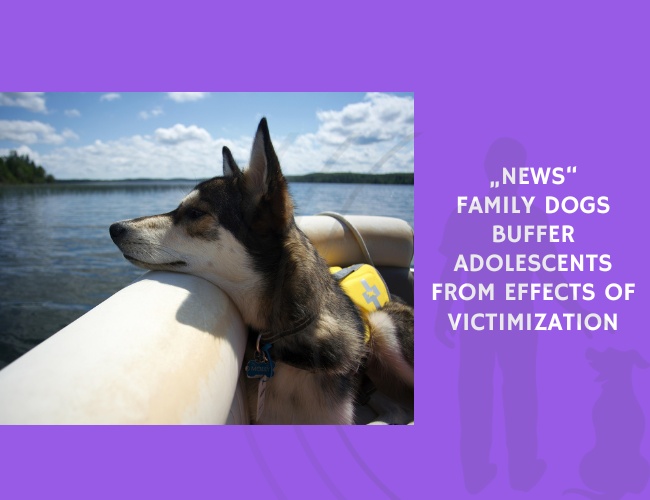
Published in Anthrozoös, this study by K. Hull, Maria E. Guarneri-White, and L. Jensen-Campbell addresses a gap in human–animal interaction research: how pets affect adolescents specifically. While dogs are commonly believed to benefit youth well-being, empirical evidence, especially concerning psychosocial stressors, remains limited.
The research examined 246 adolescents (106 boys and 140 girls) and their parents, who completed assessments of peer victimization and mental health complaints. Adolescents also reported the number and type of pets in the home. Of the participants, 131 lived with a dog, and 105 identified a dog as their favorite pet. Those who lived with a dog completed an additional measure of perceived support from their favorite animal.
The study found that living with a family dog moderated the impact of social victimization on mental health. Among adolescents exposed to peer victimization, those living with a dog showed weaker associations with internalizing mental health problems. In other words, the presence of a family dog appeared to act as a protective factor.
Additionally, adolescents who felt higher levels of perceived dog support experienced even further buffering. Stronger perceived support weakened the link between victimization and multiple mental health variables, including total problems, anxiety/depression, thought problems, attention problems, and aggressive behavior.
These findings suggest that emotional support can be derived not only from humans but also from family pets. Dogs may bolster resilience by providing companionship, nonjudgmental presence, and comfort during stressful or isolating experiences. The authors note that this support may be particularly meaningful during adolescence, a period marked by heightened sensitivity to peer relationships.
Source: Hull, K., Guarneri-White, M. E., & Jensen-Campbell, L. (2022). Canine Comfort: The Protective Effects of Dog Ownership and Support for Victimized Adolescents. Anthrozoös. Published March 9, 2022. Authors affiliated with research programs in psychology, youth development, and human–animal interaction.










