
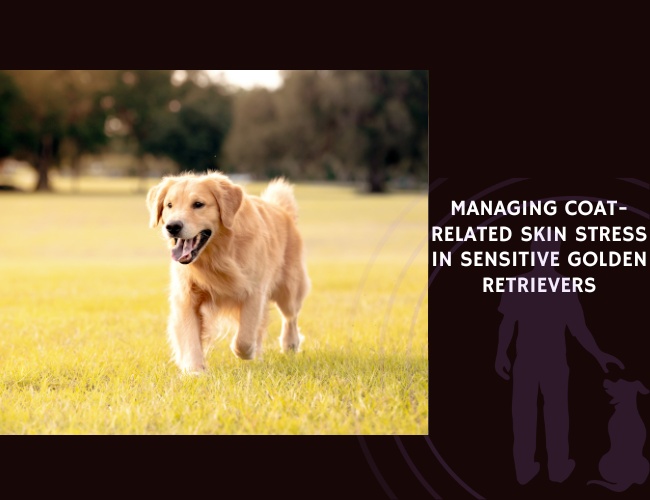
When you notice your Golden Retriever constantly licking their paws or scratching at invisible itches, you might wonder if something deeper is happening beneath that beautiful golden coat. You’re not alone in this concern, and your instinct to look closer is exactly right. The relationship between a Golden Retriever’s magnificent coat and their skin health is far more intricate than many realize, weaving together genetics, environment, and emotion in ways that can profoundly affect your companion’s daily comfort and happiness.
Let us guide you through understanding this complex landscape. Your Golden’s dermatological well-being isn’t just about treating symptoms when they appear—it’s about recognizing the unique vulnerabilities built into this beloved breed and responding with informed compassion. What appears as simple scratching may tell a story of genetic predisposition, trapped allergens, or even emotional distress seeking physical release.
The Golden Retriever’s Dermatological Identity
Your Golden Retriever’s coat is a testament to centuries of purposeful breeding. Those soft golden waves weren’t just selected for beauty—they were engineered for function, designed to protect a working retriever plunging into cold Scottish waters to retrieve waterfowl. But this evolutionary triumph carries hidden challenges that modern companion dogs and their families must navigate together.
How Selective Breeding Shaped Skin Vulnerability
The double coat you brush and admire consists of two distinct layers working in harmony. The outer coat features longer guard hairs with a slight wave, water-resistant and designed to repel moisture. Beneath lies the dense undercoat—soft, thick, and remarkably insulating. Together, they create a microclimate against your dog’s skin that can either protect or harm, depending on conditions.
This dense double coat traps heat and moisture close to the skin, especially in humid climates or after your Golden enjoys a swim. While this was advantageous for dogs working in cold water, for today’s family companions, it can create a warm, damp environment where bacteria and yeast thrive. You might notice this particularly after rainy walks or summer swims when that undercoat stays damp for hours, even when the outer coat appears dry.
The feathering—those elegant long hairs on the legs, tail, chest, and belly—adds another layer of complexity. Beautiful as it is, this feathering acts like a natural collection system for environmental debris. Grass seeds work their way in, burrs cling stubbornly, pollen settles deep, and mud dries into irritating clumps. Each of these becomes a potential source of skin irritation or an allergen reservoir sitting directly against sensitive skin.
The Genetic Story Written in Their Skin
Did you know that Golden Retrievers rank among the breeds most predisposed to atopic dermatitis? This isn’t coincidence—it’s genetics. Their immune systems have inherited a tendency to overreact to common environmental substances that other dogs tolerate without issue. Common environmental triggers that may cause reactions in sensitive Golden Retrievers include:
- Pollen from trees, grasses, and weeds floating through spring and summer air
- Dust mites living in household fabrics, bedding, and carpeting
- Mold spores in damp corners, basements, or humid environments
- Certain cleaning products and household chemicals
- Grass and plant contact during outdoor activities
This genetic vulnerability extends beyond atopic dermatitis. Many Golden Retrievers experience food sensitivities, contact allergies, and what veterinary dermatologists call microbiome vulnerability. The skin’s surface hosts a complex ecosystem of beneficial bacteria and fungi that, in healthy dogs, provides protection against harmful organisms. In Golden Retrievers with compromised skin barrier function—a common feature of their genetic makeup—this delicate balance tips easily toward dysbiosis.
When dysbiosis occurs, pathogenic bacteria like Staphylococcus pseudintermedius or yeast like Malassezia pachydermatis multiply beyond healthy levels. Signs that your Golden’s skin microbiome may be out of balance include:
- Greasy or oily feeling to the coat, particularly along the back
- Musty or yeasty odor emanating from the skin
- Recurrent skin infections despite treatment
- Chronic ear problems with dark, waxy discharge
- Persistent itching without obvious external cause
- Thickened, darkened skin in affected areas
Your Golden’s skin barrier, already weakened by genetic factors, allows allergens and microbes to penetrate more easily, creating a frustrating cycle: inflammation weakens the barrier, the weakened barrier allows more irritants through, and more inflammation follows. 🧠
The Coat as Both Shield and Trap
Understanding how your Golden’s coat structure influences skin health helps explain why some dogs develop chronic issues despite excellent general care. That waterproof underlayer that once protected working retrievers now presents a double-edged sword. While it still repels water from above, it also hinders air circulation to the skin below.
After your Golden gets wet—whether from swimming, bathing, or rolling in wet grass—moisture can remain trapped for surprisingly long periods. This damp environment softens the skin’s protective layers, making it more susceptible to irritation and creating ideal conditions for microbial overgrowth. You might recognize this as the development of “hot spots”—those angry, moist patches of inflamed skin that can appear seemingly overnight.
The coat’s fine hairs also function as highly efficient allergen collectors. As your Golden moves through their environment, pollen grains attach to individual hairs, dust mites accumulate in the undercoat, and mold spores nestle deep where regular petting won’t dislodge them. These allergens maintain constant contact with the skin, continuously triggering reactions in sensitive individuals. Even after coming indoors, your Golden carries this allergen load against their skin until the next thorough grooming session.
This constant exposure to moisture, allergens, and physical irritants establishes what dermatologists call a “cycle of inflammation.” Irritation leads to scratching, scratching damages the skin barrier, the damaged barrier allows more allergen penetration, and inflammation intensifies. Through the NeuroBond approach, we recognize that this physical discomfort doesn’t exist in isolation—it intertwines with emotional state, creating compound suffering that goes beyond simple itching.
When Physical Meets Emotional: Understanding Different Types of Itching
One of the most challenging aspects of managing skin-focused behaviours in Golden Retrievers is distinguishing between physical dermatological problems and emotionally-driven behaviours. Both can look remarkably similar to the untrained eye, yet they require fundamentally different approaches to resolve. Misreading these signals can lead to months of ineffective treatment and continued distress for your companion.
Reading the Signs: Dermatological vs. Stress-Induced Scratching
True dermatological irritation leaves evidence on the skin itself. When you part your Golden’s fur to examine their skin, you might see:
- Redness (erythema) spreading across the surface in affected areas
- Small raised bumps (papules) scattered across inflamed skin
- Pustules indicating bacterial infection
- Areas where hair has thinned or disappeared entirely (alopecia)
- Thickened, rough skin texture (lichenification) from chronic inflammation
- Darkened pigmentation in long-affected areas
- Scabs or crusting from healing lesions
- Visible scratches or wounds from intense scratching
These visible lesions tell a clear story of inflammatory processes at work beneath the coat.
Certain skin conditions favor specific body locations. Atopic dermatitis often targets the paws—you’ll notice reddened skin between the toes and on the paw pads. The ears, armpits, and groin also become hotspots for allergic inflammation. Flea allergy dermatitis, by contrast, typically concentrates around the tail base and hindquarters. These location patterns help veterinarians narrow diagnostic possibilities.
Physical skin conditions also show consistency in their presentation. The itching persists regardless of your dog’s emotional state or daily activities. It might worsen seasonally when specific pollens bloom, or after exposure to particular triggers, but it doesn’t correlate with stressful events like your departure for work or the arrival of visitors.
Stress-induced licking, chewing, and scratching present quite differently. Often, the skin appears relatively normal initially, with lesions developing only as secondary consequences of the repetitive behaviour. Key indicators of stress-induced rather than dermatological causes include:
- Skin appears normal initially, with damage developing from the behavior itself
- Behavior intensifies during specific stressful situations (departures, storms, changes in routine)
- Highly repetitive, rhythmic pattern to the licking or chewing
- Focus on a single specific area (one paw, a particular spot on the flank)
- Behavior continues even when interrupted, resuming immediately
- Trance-like quality to the repetitive behavior
- Occurs during understimulation periods (quiet evenings, alone time)
- Concurrent stress signals like yawning, pacing, or lip-licking
A dog engaging in psychogenic pruritus might lick a single paw obsessively until it’s wet and inflamed, or chew at their flank until a hot spot develops, but these injuries result from the behaviour rather than causing it.
Context provides crucial clues to emotional origins. Does the scratching intensify when you prepare to leave the house? Does your Golden begin licking their paws during thunderstorms or when construction noise filters through the windows? Does the behaviour emerge during quiet evening hours when understimulation and boredom peak? These contextual triggers point toward emotional rather than physical causes.
The repetitive, almost compulsive nature of stress-induced grooming sets it apart from dermatological itching. A dog responding to physical discomfort will scratch or lick to gain relief, then stop when the immediate irritation subsides. A dog engaged in displacement behaviour or self-soothing continues the behaviour beyond any functional purpose, creating a rhythmic, trance-like pattern that can be remarkably difficult to interrupt. 🧡

How Emotions Manifest as Physical Behaviours
You might wonder how emotional states translate into these skin-focused actions. The answer lies in displacement behaviour theory—a well-documented psychological phenomenon where dogs redirect internal conflict or arousal into seemingly unrelated physical activities. When your Golden experiences anxiety, boredom, tension, or conflicting motivations, their nervous system seeks release through repetitive behaviours.
Grooming behaviours become particularly attractive displacement activities because they’re naturally calming and self-soothing. The repetitive nature provides predictability in unpredictable situations. The physical sensation offers a concrete focus when emotional experience feels overwhelming. In this way, what begins as stress management can evolve into a compulsive pattern, reinforced each time it temporarily reduces discomfort.
The limbic system—your dog’s emotional processing center—influences these behaviours at a neurological level. When the amygdala registers threat or distress, it activates stress responses throughout the body. In some dogs, particularly those with genetic predispositions toward anxiety or obsessive-compulsive tendencies, these stress responses manifest as increased grooming behaviours. The act of licking releases endorphins, providing temporary relief that reinforces the behaviour pattern.
Golden Retrievers, bred for generations to work closely with humans and respond sensitively to environmental cues, can be particularly susceptible to stress-induced behaviours. Their attentiveness—a trait that makes them wonderful companions—also means they register and react to subtle changes in household dynamics, routine disruptions, or owner emotional states. This sensitivity becomes a double-edged sword when environmental or emotional stressors accumulate.
The Compound Effect: When Both Factors Coexist
Here’s where management becomes particularly nuanced: physical dermatological issues and emotional stress frequently coexist and reinforce each other. A Golden Retriever with atopic dermatitis experiences genuine physical discomfort. This chronic discomfort creates stress, which lowers their stress threshold for other triggers. Simultaneously, stress itself can worsen inflammatory skin conditions through immune system modulation and increased histamine release.
You might observe your Golden managing mild seasonal allergies reasonably well until a stressful life event occurs—perhaps a household move, the addition of a new pet, or changes in family dynamics. Suddenly, their manageable itching escalates into obsessive paw licking or flank chewing. The physical foundation existed, but emotional stress amplified the behavioural response beyond what the dermatological condition alone would produce.
This intersection demands integrated care approaches that address both physical and emotional dimensions simultaneously. Treating only the skin while ignoring anxiety leaves half the problem unresolved. Conversely, assuming all skin-focused behaviour stems from stress while missing an underlying infection or allergy condemns your Golden to continued physical suffering. That balance between science and soul—that’s the essence of Zoeta Dogsoul.
The Tactile Landscape: Understanding Your Golden’s Sensory Experience
Your Golden Retriever experiences the world through sensory channels that differ significantly from human perception. Touch, in particular, plays a profound role in how they process their environment and interactions. Understanding these tactile sensitivities helps explain why certain grooming practices that seem innocuous to us might trigger stress responses in our dogs.
How Skin Sensitivity Shapes Daily Experience
The skin isn’t merely a passive covering—it’s a sophisticated sensory organ densely populated with nerve endings that detect pressure, temperature, pain, and pleasure. In areas where fur grows less densely or where skin sits close to bone—like the paws, ears, belly, and tail base—sensitivity increases significantly. These are precisely the areas that grooming routines frequently target and where many Golden Retrievers develop skin issues.
Individual variation in skin sensitivity exists among Golden Retrievers just as it does among humans. Some tolerate vigorous brushing and enthusiastic towel-drying without concern, while others tense or withdraw from the same touch intensity. Age, existing skin inflammation, previous negative experiences, and individual neurological makeup all influence tactile sensitivity thresholds.
When skin is already inflamed from allergies, infection, or environmental irritation, sensitivity amplifies dramatically. Touch that would normally feel neutral or pleasant becomes uncomfortable or even painful. This heightened sensitivity explains why dogs with active skin conditions often resist grooming attempts or react defensively to touch in affected areas—they’re not being difficult; they’re protecting themselves from genuine discomfort.
When Routine Care Becomes a Stressor
Many common grooming practices, while necessary for coat maintenance, can inadvertently stress sensitive Golden Retrievers. Common grooming stressors that may trigger anxiety or discomfort include:
- High-velocity dryers producing intense noise and air pressure that some dogs find frightening
- Tight restraint or firm grip during brushing or nail trimming
- Brushing matted or tangled fur that pulls painfully on hair shafts
- Cold water baths during winter months causing physiological discomfort
- Overly hot water year-round creating stress and potentially worsening inflammation
- Prolonged grooming sessions without breaks, causing cumulative stress
- Using tools with too much pressure against sensitive skin
- Working too quickly without allowing your Golden to adjust
- Grooming in slippery locations where secure footing is compromised
High-velocity dryers, commonly used in professional grooming settings to speed the drying process, produce intense noise and air pressure that some dogs find genuinely frightening. The sensation of high-pressure air blasting through their coat to the skin, combined with the loud motor sound, can trigger stress responses that persist well beyond the grooming session.
Tight grip during brushing or nail trimming communicates restraint rather than care. When your Golden feels physically controlled rather than gently guided, their nervous system activates defensive responses. Heart rate increases, muscles tense, and stress hormones release—all physiological changes that accumulate over repeated experiences to build grooming anxiety.
Brushing matted or tangled fur causes direct pain. As brush bristles or comb teeth catch in mats, they pull on hair shafts still rooted in the skin. This pulling creates sharp, localized pain that your Golden naturally wants to avoid. If grooming consistently involves this discomfort, they begin anticipating pain at the mere sight of grooming tools, creating pre-emptive anxiety that makes the process even more challenging.
Cold water baths during winter months or overly hot water year-round both create physiological stress. Golden Retrievers, with their thick coats, take considerable time to fully wet and rinse. Prolonged exposure to uncomfortable water temperature accumulates stress throughout the bathing process, potentially creating negative associations with the entire experience.
Building Positive Tactile Associations
The Invisible Leash reminds us that awareness, not force, guides the path forward. When approaching grooming and handling, your own emotional state and physical tension transmit directly through your hands to your Golden’s sensitive skin. Dogs read intention and emotion through touch perhaps even more clearly than through voice or visual cues.
Creating positive associations begins with respecting your Golden’s communication about their comfort level. When they lean into brushing in one area but tense when you move to another, they’re telling you about their current tolerance. Listening to these signals and adjusting your approach accordingly builds trust rather than eroding it through insistence.
Short, positive sessions outperform long, stressful ones. Rather than attempting to complete a full grooming routine in one sitting if your Golden shows stress signs, break the process into smaller segments across several days. Brush one section thoroughly, end on a positive note, and resume later. This approach prevents cumulative stress and maintains grooming as a pleasant, bonding experience rather than an ordeal to endure.

Recognizing Early Warning Signs: Your Golden’s Behavioral Language
Golden Retrievers communicate their discomfort through a rich vocabulary of behavioural signals, many of which appear well before severe skin problems develop. Early warning signs that deserve your attention include:
- Increased paw licking, particularly after walks or during quiet times
- Frequent scratching beyond casual grooming (more than once or twice per five minutes)
- Rubbing face or body against furniture, carpets, or your legs
- Head shaking or ear scratching indicating ear discomfort
- Scooting or attention to the rear end
- Excessive chewing on legs, flanks, or tail base
- Dampness on paws or other areas from recent licking
- Brown staining on light-colored fur from chronic licking
- Changed sleeping positions or difficulty settling comfortably
Learning to read this language allows you to intervene early, often preventing minor irritations from escalating into chronic issues that affect both physical health and emotional well-being.
The Progression from Discomfort to Distress
Paw licking often emerges as one of the earliest indicators of skin discomfort. You might notice your Golden licking their paws after walks, between toes receiving particular attention. While occasional paw licking is normal grooming behaviour, persistent or ritualistic paw licking signals something more significant. The dampness from repeated licking can itself create problems, softening the skin between toes and creating an environment where yeast infections develop, which then causes more itching in a self-perpetuating cycle.
Redness, particularly in characteristic locations, provides visible confirmation of inflammatory processes. Parting the fur on your Golden’s paws, you might see pink or red skin between the toes or on the paw pads themselves. The armpits, groin, and ear flaps also commonly show reddening when allergic reactions begin. This inflammation indicates that immune responses have activated, whether in response to allergens, irritants, or infection.
Rubbing behaviours—pressing their face against furniture, carpets, or your legs—indicate facial or ear discomfort. Golden Retrievers with ear infections or allergies affecting the face often seek relief through pressure and friction. You might observe them rubbing immediately after being outdoors, suggesting environmental allergen exposure, or throughout the day if the irritation is persistent.
Excessive scratching beyond what’s needed for normal grooming deserves attention, particularly when it targets specific body regions repeatedly. Count how many times your Golden scratches in a five-minute period during quiet rest time. Frequent scratching—more than once or twice in this timeframe—or intense scratching sessions where they use hind legs vigorously and repeatedly suggest significant discomfort rather than casual grooming.
When Discomfort Affects Behavior and Mood
Restlessness and inability to settle often accompany chronic skin discomfort. Your normally calm Golden might have difficulty finding a comfortable resting position, repeatedly standing, circling, lying down, then standing again. Signs that skin discomfort has begun affecting overall quality of life include:
- Restless behavior patterns with frequent position changes
- Reduced enthusiasm for previously enjoyed activities like walks or play
- Social withdrawal and seeking quiet corners rather than joining family
- Sleep disruption with frequent waking to lick or scratch
- Irritability or unusual grumpiness, particularly when touched
- Decreased appetite in severe cases
- Reluctance to be petted in previously enjoyed areas
- Avoidance of activities that might exacerbate discomfort
- Changes in normal routines or habits
This restless pattern frequently intensifies during evening hours when environmental distractions decrease and internal sensations become more prominent in their awareness.
Changes in activity level can signal that skin discomfort has begun affecting overall quality of life. A Golden Retriever who previously bounded to the door for walks might show reduced enthusiasm. Dogs experiencing chronic itching or pain may reduce their activity to avoid movements that exacerbate discomfort or draw attention to problem areas.
Social withdrawal sometimes emerges in Golden Retrievers dealing with prolonged skin issues. These naturally social dogs might begin spending more time alone, seeking quiet corners rather than joining family activities. This withdrawal can reflect both physical discomfort—the desire to rest undisturbed—and emotional distress from chronic irritation they don’t understand and can’t resolve.
Sleep disruption provides another important indicator. You might notice your Golden waking during the night to lick or scratch, or changing sleeping positions frequently due to discomfort. Poor sleep quality compounds stress, lowers immune function, and reduces their capacity to cope with the skin issues driving the sleep disruption in the first place.
Subtle Signals of Emotional Distress
Tucked tail position, even when no obvious threat is present, can indicate that your Golden feels physically uncomfortable or emotionally distressed. The tail serves as an emotional barometer—when chronically lowered or tucked, it suggests your dog’s overall sense of well-being has diminished.
Lip licking, yawning, and other displacement signals might increase in frequency. These calming signals indicate that your Golden is processing stress or discomfort. When you observe them during grooming attempts or after scratching episodes, they confirm that your dog associates these experiences with negative emotional states.
Avoidance of touch in previously enjoyed areas signals that these regions have become sensitive or painful. A Golden who once loved belly rubs but now stiffens or moves away when you reach toward their abdomen may have developed skin discomfort in that area. Similarly, head-shy behaviour in a dog who previously enjoyed ear scratches might indicate ear pain or inflammation.
The most concerning progression occurs when your Golden begins showing signs of emotional shutdown—a state where they’ve essentially stopped communicating distress outwardly. These dogs appear abnormally quiet and compliant, but not from contentment. Rather, they’ve learned that their distress signals don’t lead to relief, so they conserve energy by suppressing outward expression. This learned helplessness represents the far end of the suffering spectrum and requires immediate, comprehensive intervention.
Moments of Soul Recall reveal how memory and emotion intertwine in behaviour. A single negative grooming experience—a painful mat removal, a startling dryer, or rough handling during examination—can create lasting associations that persist long after the physical healing completes. Your Golden remembers not just the specific incident but the emotional imprint it created, and this memory surfaces each time they encounter similar contexts.

The Communication Gap: Bridging Understanding Between Species
Perhaps no aspect of managing coat-related skin stress proves more challenging than the communication barriers between humans and dogs. These barriers frequently delay appropriate intervention, lead to ineffective treatment approaches, and add layers of stress to already uncomfortable situations. Understanding where miscommunication typically occurs helps us build better bridges to our Golden companions.
Common Misinterpretations and Their Consequences
When owners observe scratching, licking, or chewing, many initially interpret these behaviours as bad habits requiring correction rather than distress signals requiring investigation. Common misinterpretations that delay appropriate care include:
- Viewing persistent scratching as attention-seeking rather than discomfort communication
- Dismissing chronic licking as a “bad habit” instead of investigating causes
- Attributing skin issues to “just being a Golden Retriever” rather than seeking treatment
- Assuming seasonal itching is normal and doesn’t warrant intervention
- Interpreting behavioral changes as aging when skin discomfort is the actual cause
- Believing mild symptoms will resolve on their own without management
- Focusing on stopping the behavior rather than addressing underlying causes
- Waiting for severe symptoms before seeking veterinary care
- Not recognizing the connection between stress and skin problems
The instinctive response might be to interrupt the behaviour verbally—”No!” or “Stop that!”—without addressing the underlying cause driving it. This approach not only fails to resolve the problem but can increase stress as the dog experiences both the original discomfort and frustration over blocked attempts to self-soothe.
Some guardians attribute skin-focused behaviours primarily to boredom or attention-seeking, particularly with Golden Retrievers whose social nature makes them prone to seeking interaction. While boredom can certainly contribute to these behaviours, dismissing persistent licking or scratching as mere attention-seeking risks missing genuine medical issues. A dog desperately trying to communicate discomfort might indeed seek their owner’s attention—not for entertainment, but for help.
The delayed recognition of low-grade chronic conditions represents another common pitfall. Dramatic, acute problems—a bleeding hot spot, severe swelling, or obvious pain—prompt immediate veterinary visits. But subtle, ongoing issues like mild seasonal itching, occasional paw licking, or slight redness can persist for weeks or months before owners recognize a pattern. During this delay, conditions often worsen, secondary infections develop, and emotional distress accumulates.
Misattributing dermatological problems to age or breed normalcy leads to resignation rather than action. Statements like “Golden Retrievers just have skin problems” or “She’s always been itchy” suggest acceptance of discomfort as inevitable rather than investigating manageable causes. While breed predispositions exist, they don’t mean suffering should be tolerated as normal.
How Dogs Try to Tell Us What’s Wrong
Your Golden communicates their discomfort through body language that precedes and accompanies skin-focused behaviours. Body language signals that indicate discomfort or distress include:
- Ear position changes—pinned back, held differently than normal, or frequent ear adjustments
- Facial tension visible in tightened muscles around eyes and muzzle
- Postural changes to avoid pressure on sore areas
- Holding a leg at an unusual angle or showing stiffness when rising
- Tail position changes—tucked, lowered, or held differently than baseline
- Increased lip licking unrelated to food
- Yawning when not tired, indicating stress or discomfort
- Whale eye (showing whites of eyes) when touched in certain areas
- Flinching or tensing when specific body parts are approached
- Vocalizations like soft whining during scratching episodes
Ear position changes—pinned back or held differently than normal—can indicate overall discomfort or specific ear problems. Facial tension, visible in tightened muscles around the eyes and muzzle, appears when dogs experience pain or distress.
Postural changes tell important stories. A dog standing differently to avoid pressure on sore paws, holding a leg at an unusual angle, or showing stiffness when rising might be compensating for skin pain in specific areas. These postural adaptations often appear before owners notice the skin problems driving them.
Vocalization patterns can shift in dogs experiencing chronic discomfort. Some Golden Retrievers become unusually quiet, while others might whine softly during scratching episodes or when touched in sensitive areas. Increased vocalization during grooming specifically suggests that tactile sensitivity has heightened, possibly due to inflammation.
Environmental interaction changes provide context clues. Notice whether your Golden’s scratching increases after outdoor exposure, suggesting environmental allergens. Does flank licking intensify during specific seasons? Do hot spots develop with seasonal patterns? These connections, visible to attentive owners, help veterinarians identify allergen triggers and appropriate treatment timing.
Building Clearer Communication Channels
Developing fluency in your Golden’s specific communication style requires dedicated observation. Spend time simply watching your dog during relaxed moments, learning their baseline behaviours and body language. This baseline knowledge makes deviations—the subtle changes indicating emerging problems—more readily apparent.
Keeping a symptom journal bridges the communication gap between you and veterinary professionals. Record when scratching occurs, which body parts receive attention, environmental conditions, recent activities, and any changes in routine. Patterns invisible in moment-to-moment observation often emerge clearly when documented over days or weeks. This information dramatically improves diagnostic accuracy and treatment efficacy.
Photographic documentation proves invaluable, particularly for skin conditions that wax and wane. Redness that seems dramatic one day but has faded by the veterinary appointment may be dismissed as minor. Photos capturing the condition at its worst provide concrete evidence of problem severity and progression over time.
Through the NeuroBond approach, trust becomes the foundation of learning. When your Golden understands that communicating discomfort leads to relief rather than punishment or forced endurance, they share information more readily. This requires consistent, compassionate responses: investigating rather than dismissing their signals, providing comfort rather than frustration, and partnering with veterinary professionals to find solutions rather than accepting suffering as inevitable. 😊
Holistic Management: Integrating Multiple Support Strategies
Effective management of coat-related skin stress in sensitive Golden Retrievers rarely succeeds through single-intervention approaches. Instead, the most successful outcomes emerge from integrated strategies that address nutrition, environment, topical care, and medical intervention simultaneously. This holistic framework recognizes that multiple factors contribute to skin health, and multiple supports working synergistically produce better results than any single approach in isolation.
Nutritional Support for Skin Barrier Function
The skin barrier—that crucial outer defense against allergens, microbes, and environmental irritants—depends heavily on nutritional building blocks. Omega-3 fatty acids, particularly EPA and DHA from marine sources, provide anti-inflammatory effects that can significantly reduce allergic skin responses. Benefits of omega-3 supplementation for skin health include:
- Reducing inflammatory mediator production throughout the body
- Supporting cell membrane integrity in skin cells
- Decreasing allergic skin response intensity
- Improving skin barrier function and moisture retention
- Reducing itching and scratching frequency in allergic dogs
- Supporting overall immune system regulation
- Promoting healthier coat texture and shine
These fatty acids incorporate into cell membranes throughout the body, modulating immune responses and decreasing inflammatory mediator production.
Quality matters profoundly with omega-3 supplementation. Fish oil supplements vary dramatically in purity, concentration, and freshness. Rancid or low-quality fish oils not only provide minimal benefit but can actually increase oxidative stress. Look for products molecularly distilled to remove contaminants, tested for heavy metals, and packaged in opaque, airtight containers to prevent oxidation.
The omega-6 to omega-3 ratio in your Golden’s overall diet influences inflammatory tendencies. Modern commercial diets often contain excessive omega-6 fatty acids from plant oils, which can promote inflammation when omega-3 intake is insufficient. Balancing this ratio through careful diet selection or supplementation helps shift the body toward anti-inflammatory states that support skin healing.
Protein quality directly affects skin and coat health, as these tissues require constant renewal and repair. Novel protein sources—proteins your Golden hasn’t previously consumed—sometimes help in suspected food allergy cases by eliminating previous sensitizers. Duck, venison, or fish-based diets might benefit dogs who’ve developed sensitivities to common proteins like chicken or beef.
Zinc, vitamin E, and B-complex vitamins all play specific roles in maintaining skin barrier integrity. Deficiencies in these micronutrients can manifest as poor coat quality, slow wound healing, and increased susceptibility to skin infections. While quality commercial diets generally provide adequate amounts, dogs with malabsorption issues or increased needs due to chronic inflammation might benefit from supplementation under veterinary guidance.
Hypoallergenic or limited-ingredient diets serve two purposes in managing skin stress. First, they reduce the total allergen load by minimizing the number of proteins and ingredients your Golden encounters. Second, they facilitate food elimination trials when food allergies are suspected, allowing clearer assessment of which ingredients might trigger reactions.
Calm. Clear. Connected.
Understanding Emotional Skin Signals
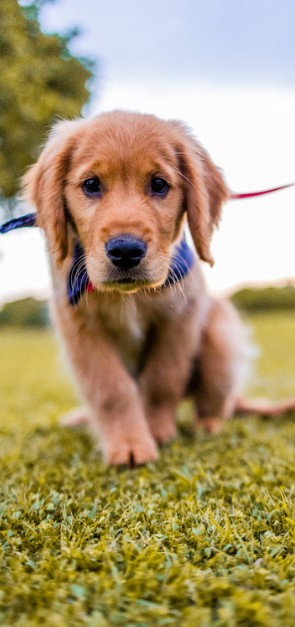
Skin stress in Golden Retrievers is not just dermatological—it’s emotional. Their dense double coat traps allergens, moisture, and tension beneath the surface, creating both physical irritation and behavioral discomfort.
Barrier Vulnerability Begins Within
Beneath their beautiful coat lies a genetically sensitive skin barrier—porous, reactive, and easily disrupted. When allergens or microbes breach this barrier, inflammation follows, weakening both skin integrity and emotional regulation.
Relief Starts With Understanding
Healing begins not with suppression—but with interpretation. When licking, pawing, or coat sensitivity appears, it’s a signal, not misbehavior. Comfort comes through calm handling, environmental awareness, and restoring balance inside and out—skin, mind, and trust working together.
Environmental Modifications to Reduce Allergen Exposure
Your home environment holds countless allergen sources that can continuously trigger reactions in sensitive Golden Retrievers. Effective environmental modifications include:
- Washing bedding weekly in hot water (130°F+) to kill dust mites
- Using HEPA air purifiers in rooms where your Golden spends most time
- Vacuuming frequently with HEPA-filtered vacuums to reduce airborne allergens
- Maintaining indoor humidity between 30-50% to discourage mold and mite growth
- Removing carpeting in favor of hard flooring where possible
- Washing or replacing air filters monthly in HVAC systems
- Keeping windows closed during high pollen seasons
- Wiping paws after outdoor exposure to prevent allergen tracking
- Using dust mite-proof covers on furniture your Golden uses
- Avoiding scented cleaning products, air fresheners, and candles
- Limiting your Golden’s access to basements or damp areas prone to mold
Dust mites thrive in bedding, upholstered furniture, and carpeting, feeding on shed skin cells and creating allergen-rich droppings. Washing your Golden’s bedding weekly in hot water dramatically reduces mite populations and allergen accumulation.
Air purifiers with HEPA filtration remove airborne allergens including pollen, mold spores, and dust particles. Placing purifiers in rooms where your Golden spends most time—particularly sleeping areas—reduces their continuous allergen exposure. This environmental modification works constantly, requiring no effort from your dog and providing relief even during sleep.
Humidity management affects both allergen levels and coat drying time. Excessive humidity promotes mold growth and slows coat drying after baths or wet weather, while very low humidity can dry and irritate skin. Maintaining indoor humidity between 30-50% creates the optimal balance for skin comfort and allergen control.
Paw cleaning after outdoor exposure prevents allergens from being distributed throughout your home and continuously reexposing your Golden. A simple protocol—wiping paws with damp cloths or using a paw cleaning cup with gentle cleanser—removes pollen, grass fragments, and other outdoor allergens before they’re carried to sleeping areas or licked off during grooming.
Seasonal strategies acknowledge that allergen exposure changes throughout the year. During high pollen seasons, limit outdoor exposure during peak pollen times (typically early morning and evening), keep windows closed, and increase bathing frequency to remove accumulated allergens from the coat. During winter months when indoor time increases, focus more intensively on indoor allergen control.
🐕 Managing Coat-Related Skin Stress in Golden Retrievers 🌟
A comprehensive 8-phase journey from understanding genetic vulnerabilities to mastering preventive care for your sensitive Golden’s comfort
Phase 1: Understanding the Foundation
Recognizing Genetic & Structural Vulnerabilities
The Double-Edged Coat
Your Golden’s beautiful double coat—designed for retrieving in cold Scottish waters—creates a unique challenge in modern life. The dense undercoat traps moisture for hours after swimming or rain, while the feathering collects environmental allergens like pollen, dust, and debris. This moisture retention creates the perfect breeding ground for bacteria and yeast overgrowth.
Genetic Predisposition Reality
Golden Retrievers rank among the breeds most prone to atopic dermatitis—not by chance, but by genetics. Their immune systems overreact to common substances other dogs tolerate. Understanding this genetic reality helps you respond with informed compassion rather than frustration when skin issues emerge.
⚠️ The Inflammation Cycle
Inflammation weakens the skin barrier → weakened barrier allows more allergen penetration → more inflammation follows. This self-perpetuating cycle requires early intervention to break. Waiting for severe symptoms means breaking through layers of compounded problems rather than addressing root causes.
Phase 2: Reading the Signs
Distinguishing Dermatological from Stress-Induced Behaviors
True Dermatological Signs
Look for visible evidence: redness, bumps, pustules, hair loss, thickened skin, or scabs. These lesions tell a clear inflammatory story. Physical conditions also show specific location patterns—atopic dermatitis favors paws, ears, and groin, while flea allergies target the tail base.
Stress-Induced Patterns
Context is key: Does scratching intensify when you prepare to leave? During thunderstorms? In quiet evening hours? Stress-induced behaviors show repetitive, almost trance-like patterns focused on single areas. Through the NeuroBond approach, we recognize that emotional distress seeks physical release.
The Observation Protocol
• Part the fur to examine actual skin condition
• Note whether behavior correlates with environmental triggers or emotional states
• Track whether standard dermatological treatments provide relief
• Watch for other stress signals like yawning, pacing, or avoidance
Phase 3: Building Your Toolkit
Quality Tools for Effective, Gentle Care
The Core Four Tools
Slicker brush: Your primary tool for surface grooming and mat prevention
Undercoat rake: Reaches deep to remove shed undercoat where matting occurs
Metal comb: Finishing tool and quality-check instrument
Pin brush: Gentle option for daily touch-ups and sensitive areas
Quality Matters for Sensitive Skin
Cheap tools with stiff, inflexible pins scratch and irritate skin rather than gliding through coat. Professional-grade tools feature rounded tips, flexible backings that contour to body shape, and smooth metal that won’t snag. When calculated per use over your Golden’s lifetime, quality tools prove surprisingly economical.
The Sequential Method
Order matters for effectiveness: Start with slicker brush to remove surface tangles → transition to undercoat rake for dense areas → finish with metal comb to verify completeness. The comb should glide from skin to tip without catching—if it snags, return to previous steps.
Phase 4: The Complete Session
From Preparation Through Completion
Preparation Sets the Tone
Choose a well-lit location with secure footing. Gather all tools before beginning. Check your Golden’s emotional state—postpone if they’re already anxious. Set realistic time expectations: 15-20 minutes for well-maintained coats, 45-60 minutes for neglected ones. Your calm energy transfers directly through your hands.
The Grooming Sequence
• Begin with calm interaction to help your Golden settle
• Start slicker brushing on less sensitive areas (shoulders, sides)
• Work systematically—complete each section before moving
• Transition to undercoat rake for dense areas (ruff, pants, chest)
• Finish with metal comb throughout entire coat
• End on positive note with treats and praise
Sensitive Area Techniques
Paws, ears, and belly demand extra gentleness. Use the metal comb between toes rather than larger tools. Lift ear flaps carefully when working underneath. The Invisible Leash reminds us: awareness, not force, guides the path. Watch for tension, lip-licking, or withdrawal—these signals mean you need to adjust approach or take a break.
Phase 5: Mastering the Bath
Thorough Cleaning Without Compromising Skin Health
The Saturation Challenge
Fully wetting a Golden’s undercoat takes 5-7 minutes of continuous water application—far longer than most owners realize. Test water temperature on your wrist: lukewarm, never hot. Part the coat to check—skin should be visibly wet, not just the outer coat. Rush this step, and you’re only surface-cleaning while leaving the problem areas untouched.
Medicated Shampoo Contact Time
For antifungal or antibacterial shampoos to work, they need 10 minutes of skin contact. Dilute shampoo before applying, work it to skin level, then wait the full time. Set a timer—this waiting period feels longer than it is, but it’s essential for therapeutic effect.
⚠️ Drying: The Critical Step
Towel drying alone doesn’t reach the undercoat. Your Golden may feel dry while moisture remains trapped against skin for hours—creating perfect conditions for hot spots. Forced-air drying (low heat, constant movement) provides complete drying that prevents moisture-related skin issues. This step is non-negotiable for sensitive Goldens.
Phase 6: Creating Healing Environments
Reducing Allergen Load & Supporting Barrier Function
Environmental Modifications
• Wash bedding weekly in hot water (130°F+) to eliminate dust mites
• Use HEPA air purifiers in main living areas
• Maintain 30-50% indoor humidity
• Wipe paws after outdoor exposure
• Keep windows closed during high pollen seasons
Nutritional Foundation
Omega-3 fatty acids (EPA/DHA) from quality fish oil reduce inflammatory responses throughout the body. Look for molecularly distilled products tested for heavy metals. Zinc, vitamin E, and B-complex vitamins support skin barrier integrity. Quality protein provides building blocks for constant skin renewal.
Enrichment for Stress Reduction
Mental and physical engagement directly reduce stress-induced skin behaviors. Puzzle toys, scent work, training sessions, and swimming channel your Golden’s intelligence into constructive outlets. A mentally satisfied Golden is far less likely to redirect anxiety into compulsive licking or chewing.
Phase 7: Targeted Inspection
Understanding Your Golden’s Most Vulnerable Areas
High-Risk Zones
Paws: Ground zero for environmental contact—check between toes for redness, yeast odor, brown staining
Ears: Dark, warm environment under flaps promotes infection
Armpits & Groin: Friction zones with limited air circulation
Belly: Thin skin with high ground contact exposure
Rotating Inspection Schedule
Rather than overwhelming each grooming session, rotate through vulnerable zones. Thoroughly inspect 2-3 areas per session. This ensures every high-risk area receives detailed attention regularly without making any single session excessive. Keep brief notes about changes you observe over time.
What Healthy Looks Like
Healthy skin appears pale pink, feels smooth, has no odor, and your Golden shows no sensitivity to gentle touch. Any deviation—redness, bumps, odor, dampness, or flinching—deserves closer attention and potential veterinary consultation.
Phase 8: Knowing When to Escalate
Emergency Recognition & Professional Partnership
🚑 Immediate Veterinary Care Needed
• Sudden facial/throat swelling within hours
• Profuse bleeding not stopping with pressure
• Fever above 103°F with lethargy
• Difficulty breathing or blue-tinged gums
• Signs of systemic infection spreading
• Sudden inability to walk or bear weight
Next-Day Appointment Appropriate
Rapidly developing hot spots, persistent intense itching preventing sleep, foul odor with discharge, or multiple pustules appearing over days warrant prompt but not emergency care. The key is ensuring your Golden receives timely treatment without unnecessary stress or expense.
Building Professional Partnership
Veterinary dermatologists bring specialized expertise for complex cases. Skin cytology, allergy testing, and immunotherapy offer targeted solutions beyond general practice. Your detailed observations—documented patterns, photos, symptom journals—provide invaluable diagnostic information that improves treatment accuracy.
📊 Understanding Different Presentations
Mild Seasonal Allergies
Pattern: Symptoms appear during specific seasons (spring/fall)
Response: Increased bathing frequency, environmental controls
Prognosis: Manageable with consistent home care
Chronic Atopic Dermatitis
Pattern: Year-round symptoms with seasonal flares
Response: Requires veterinary partnership, possible immunotherapy
Prognosis: Controllable with integrated medical management
Stress-Induced Behaviors
Pattern: Correlates with anxiety triggers, routine changes
Response: Enrichment, behavioral modification, possible anxiety support
Prognosis: Improves with environmental and emotional management
Young Golden (1-3 years)
Vulnerability: Allergies often emerge during this window
Focus: Early identification, establishing grooming routines
Advantage: Best time for positive grooming habituation
Senior Golden (8+ years)
Changes: Skin becomes drier, barrier function declines
Focus: Gentler handling, moisturizing support
Consideration: May develop new sensitivities with age
Tropical Climate Challenges
Issue: Year-round humidity, constant allergen exposure
Focus: Aggressive drying protocols, increased bathing frequency
Key: Air circulation becomes critically important
⚡ Quick Reference Guide
Grooming Frequency: Daily brushing during shedding seasons, 3x weekly minimum otherwise
Bathing Schedule: Weekly with medicated shampoo for active conditions, every 4-8 weeks for healthy skin
Tool Sequence: Slicker brush → Undercoat rake → Metal comb (always in this order)
Water Temperature: Lukewarm (neutral to slightly warm on wrist test)
Medicated Contact Time: Minimum 10 minutes for therapeutic effect
Drying Rule: If undercoat feels damp, it’s not dry enough—continue until completely dry to skin level
🧡 The Zoeta Dogsoul Approach to Skin Wellness
Managing coat-related skin stress isn’t merely a technical challenge—it’s a journey of deepening connection between you and your Golden. Through the NeuroBond framework, we recognize that your Golden’s physical comfort and emotional security are inseparable. Each gentle grooming session, each moment of attentive observation, strengthens the trust foundation upon which all healing rests.
The Invisible Leash teaches us that true guidance comes from awareness rather than force. When you read your Golden’s subtle signals—a tensed muscle, a turned head, a soft exhale—and respond with adjustment rather than insistence, you communicate respect that transcends words. This awareness transforms grooming from a task to be endured into a bonding ritual both of you can embrace.
Soul Recall reminds us that your Golden remembers not just the physical sensations of care, but the emotional quality of your presence. Every positive grooming experience becomes a memory deposit, building anticipation rather than anxiety for the next session. When physical comfort intertwines with emotional safety, true wellness emerges—that perfect balance where science meets soul in the art of caring for those we love.
© Zoeta Dogsoul – Where neuroscience meets soul in dog training
Topical Treatments and Bathing Protocols
Medicated shampoos provide targeted support for specific skin conditions. Common therapeutic shampoo types include:
- Antifungal shampoos containing ketoconazole or miconazole for Malassezia overgrowth
- Antibacterial shampoos with chlorhexidine to reduce bacterial populations
- Anti-inflammatory shampoos with colloidal oatmeal or hydrocortisone for irritated skin
- Antiseborrheic shampoos containing salicylic acid for greasy or scaly conditions
- Hypoallergenic shampoos with minimal ingredients for sensitive skin
- Moisturizing shampoos with ceramides or fatty acids for dry, flaky skin
- Antiparasitic shampoos for flea or mite infestations (under veterinary guidance)
Contact time matters significantly with medicated shampoos. Many active ingredients require 10 minutes of contact with the skin to achieve therapeutic effect. This means lathering your Golden thoroughly, ensuring the shampoo reaches the skin through their dense coat, and then waiting before rinsing. Many owners skip this crucial waiting period, substantially reducing treatment effectiveness.
Bathing frequency requires careful calibration. Too frequent bathing strips natural skin oils, potentially worsening barrier function and irritation. Insufficient bathing allows allergen accumulation and microbial overgrowth. For Golden Retrievers with active skin conditions, weekly bathing often provides the right balance, though individual adjustment based on response is essential.
Water temperature affects both comfort and therapeutic outcome. Lukewarm water cleans effectively without shocking the system or over-stimulating inflamed skin. Hot water, while sometimes preferred by dogs initially, can worsen inflammation and increase itching once the bath ends.
Thorough drying prevents moisture-related complications. While air drying seems natural, it leaves your Golden’s undercoat damp for hours—exactly the environment that promotes hot spots and microbial overgrowth. Towel drying removes surface moisture, but doesn’t adequately dry the dense undercoat. Low-heat forced air drying, when your Golden tolerates it, provides the most complete and skin-healthy drying, though it requires gradual acclimation for anxious dogs.
Leave-on conditioners and sprays formulated for sensitive skin can extend the benefits of bathing between wash sessions. Products containing ceramides help repair barrier function, while those with colloidal oatmeal provide ongoing anti-inflammatory and moisturizing effects.
Veterinary Partnership and Medical Interventions
No amount of home management replaces professional veterinary assessment, particularly when skin issues persist despite your best efforts. Veterinary dermatologists bring specialized expertise in diagnosing and managing complex skin conditions that general practitioners might find challenging.
Skin cytology—microscopically examining cells collected from the skin surface—provides rapid, inexpensive information about bacterial and yeast populations. This simple test, performed in-clinic, reveals whether infections are present and contributing to symptoms, guiding treatment decisions immediately.
Allergy testing through blood tests (serum IgE testing) or intradermal testing identifies specific environmental allergens triggering your Golden’s reactions. This information allows targeted allergen avoidance when possible and informs immunotherapy formulation when avoidance isn’t feasible.
Immunotherapy—allergy shots or sublingual drops containing tiny amounts of identified allergens—gradually desensitizes your Golden’s immune system over months to years. While not immediately effective and requiring commitment to a long protocol, immunotherapy offers the possibility of fundamentally changing how your dog’s immune system responds to their triggers rather than merely managing symptoms.
Medications serve crucial roles in managing acute flares and chronic conditions. Antihistamines provide mild relief for some allergic dogs, though they work inconsistently in canines compared to humans. Corticosteroids powerfully suppress inflammation during severe flares but require careful monitoring for side effects with long-term use. Cyclosporine and oclacitinib target specific immune pathways involved in allergic inflammation with fewer side effects than traditional steroids for many dogs.
Antibiotics and antifungals become necessary when secondary infections develop. These medications should always be used based on confirmed infections—through cytology or culture—rather than presumptively, to avoid contributing to antibiotic resistance and unnecessary medication exposure.

Long-Term Well-Being: Sustainable Comfort Through Proactive Care
Managing coat-related skin stress in Golden Retrievers isn’t a problem you solve once and forget—it’s an ongoing partnership requiring sustained attention, adaptation, and responsiveness. The most successful outcomes emerge when caregivers shift from reactive crisis management to proactive maintenance approaches that prevent problems before they develop and catch emerging issues while they’re still minor.
The Foundation: Individualized Grooming Schedules
Your Golden Retriever’s grooming needs are as individual as their personality. While general breed guidelines suggest brushing several times weekly, your specific dog might need daily attention during heavy shedding seasons or less frequent grooming if their coat texture and lifestyle create less matting tendency. Building a schedule based on your dog’s actual coat behaviour—how quickly mats form, how much they shed, how often they get dirty—creates sustainable routines that maintain coat health without excessive effort.
Regular brushing prevents the mat formation that causes both direct discomfort and secondary skin problems. Mats pull constantly on the skin, creating tension and pain. They trap moisture against the skin, preventing air circulation and creating ideal environments for bacterial and fungal growth. They collect and concentrate allergens, holding them against the skin. By removing loose undercoat before it can tangle into mats, you eliminate these cascading problems before they begin.
The brushing process itself provides invaluable assessment opportunities. Your hands moving through the coat feel subtle changes—small bumps, areas of heat indicating inflammation, dampness suggesting infection, or sensitivity where your Golden flinches at touch. These early detections allow intervention before problems become visible externally or cause significant distress.
Grooming also distributes natural skin oils throughout the coat. These oils, produced by sebaceous glands, protect both skin and hair. Brushing carries them from the skin along the hair shafts, enhancing coat health and water resistance while preventing the greasy buildup near the skin that can contribute to folliculitis.
When grooming becomes a regular, predictable, positive experience rather than an occasional ordeal, your Golden’s stress response to handling decreases. They learn to accept and even enjoy the attention, the pleasant sensation of thorough brushing, and the bonding time with you. This positive association makes health examinations, veterinary visits, and medical treatments dramatically easier throughout their lifetime.
Enrichment: Addressing the Emotional Component
Mental and physical enrichment isn’t supplementary to skin health management—it’s central to it. Boredom and understimulation contribute directly to stress-induced skin-focused behaviours. Effective enrichment activities for Golden Retrievers include:
- Puzzle toys and food-dispensing toys that provide mental stimulation during meals
- Scent work and nose games tapping into natural olfactory abilities
- Obedience training sessions providing mental exercise and bonding
- Trick training building confidence and offering cognitive challenge
- Swimming providing low-impact, instinctively appealing exercise
- Fetch and retrieval games engaging their bred-in retrieving drive
- Hide-and-seek games combining physical and mental engagement
- Interactive play with other dogs for social enrichment
- Long-lasting chew items satisfying natural chewing needs
- Rotation of toys maintaining novelty and interest
- Sniffari walks allowing extended sniffing time during outings
A Golden Retriever’s intelligent, working-bred mind requires engagement. Without appropriate outlets, that need for mental activity can redirect into compulsive or destructive patterns, including obsessive licking and chewing.
Puzzle toys and food-dispensing toys transform feeding time into engaging mental exercise. Rather than consuming a meal in minutes from a bowl, your Golden must manipulate the toy, problem-solve, and work for each portion. This activity channels their natural foraging instincts, provides satisfying cognitive challenge, and keeps their mind occupied productively rather than fixating on skin sensations.
Training—whether basic obedience refinement, trick training, or more advanced activities like scent work—strengthens the human-dog bond while building confidence and providing purpose. The mental engagement of learning new skills tires dogs as effectively as physical exercise. A mentally satisfied Golden is less likely to develop anxiety-driven or boredom-driven behaviours that manifest as skin problems.
Physical exercise remains essential for this athletic breed. Swimming offers ideal exercise for Golden Retrievers—low-impact, instinctively appealing, and highly beneficial for joint health. However, remember the skin care implications: ensure thorough drying after swims to prevent the moisture-trapped complications discussed earlier. Land-based activities like fetch, hiking, and running provide excellent alternatives.
Interactive play with you offers social connection that reduces anxiety and loneliness while burning energy. These shared activities—whether tug games, fetch sessions, or training exercises—strengthen your bond and provide reassurance that combats separation anxiety and general stress.
Appropriate chew items satisfy the natural canine need to chew while redirecting oral fixations away from inappropriate targets like paws or flanks. Long-lasting dental chews, durable rubber toys, and safe natural chews provide acceptable outlets for this behaviour, reducing the likelihood of stress-chewing on their own bodies.
Continuous Monitoring and Adaptive Care
Skin conditions in Golden Retrievers rarely remain static. Continuous monitoring and adaptation are crucial for sustained comfort because:
- Seasonal allergen fluctuations change exposure levels throughout the year
- Age-related immune changes alter how your Golden responds to triggers
- Shifting environmental exposures from moves or lifestyle changes affect skin
- Evolving sensitivities may develop to previously tolerated substances
- Treatment effectiveness may diminish over time, requiring adjustments
- Secondary infections can develop during poorly controlled flare-ups
- Stress level changes in your Golden’s life affect skin condition
- Dietary changes may improve or worsen skin health
- Weather variations influence coat drying time and bacterial growth
Continuous monitoring creates the feedback loop necessary for adaptive, responsive care.
Develop a habit of regular skin checks during grooming or quiet time together. Part the fur systematically, examining skin in common problem areas—paws, ears, armpits, groin, belly. Look for redness, new bumps, changes in skin texture or color, or areas where your Golden shows sensitivity to touch. Early detection means early intervention, often preventing minor irritations from progressing to significant problems.
Track patterns in scratching, licking, or other skin-focused behaviours. Does the behaviour intensify during specific seasons? After particular activities? During certain weather conditions? Following diet changes? These patterns reveal triggers and contributing factors that might not be obvious in moment-to-moment observation.
Monitor treatment effectiveness objectively. When you implement a new supplement, medication, or environmental change, track whether symptoms actually improve. It’s easy to assume treatments are working because we want them to work, but honest assessment of whether scratching frequency has decreased, skin redness has faded, or your Golden seems more comfortable provides the real measure of success.
Seasonal care adaptation recognizes that your Golden’s needs change throughout the year. Spring pollen season might require increased bathing frequency and more aggressive environmental allergen control. Summer humidity might necessitate extra attention to drying after water exposure. Winter indoor heating might require humidifier use to prevent dry skin. Fall might bring ragweed allergies requiring renewed medical management.
Life changes—moving to a new home, changes in household composition, dietary modifications, or aging—all potentially affect skin health and require care routine adjustments. The flexibility to modify your approach as circumstances change ensures that care remains optimally matched to current needs rather than rigidly adhering to routines that no longer serve well.
This ongoing vigilance might seem demanding, but it becomes natural practice rather than burdensome task. Just as you naturally notice when your Golden seems less energetic than usual or when their appetite changes, you’ll develop an intuitive sense for their skin health status. This attunement, combined with structured monitoring practices, creates the foundation for lifelong comfort.

Essential Grooming Tools: Your Foundation for Success
The difference between effective grooming that prevents skin issues and ineffective grooming that merely redistributes loose hair often comes down to having the right tools and knowing how to use them properly. Quality grooming tools don’t just make the job easier—they protect your Golden’s sensitive skin from irritation while thoroughly maintaining coat health.
The Core Toolkit: What Each Tool Does and Why It Matters
Your Golden Retriever’s grooming toolkit should contain four essential implements, each serving a distinct purpose in maintaining coat and skin health. Understanding what each tool accomplishes helps you use them in the correct sequence for maximum benefit.
The slicker brush serves as your primary tool for surface-level grooming and mat prevention. This brush features fine, short wire pins set closely together on a slightly angled, flexible backing. The pins bend slightly at the tips, allowing them to penetrate through the outer coat to reach tangles without scratching skin. Slicker brushes excel at removing loose topcoat hair, working through beginning tangles before they develop into painful mats, and distributing natural oils throughout the coat. When you run your slicker brush through your Golden’s coat, you’re essentially performing preventive maintenance—catching small problems before they require more aggressive intervention.
The undercoat rake penetrates deeper than a slicker brush, reaching into the dense undercoat where the most serious matting occurs and where shed hair accumulates. This tool features widely-spaced metal teeth, long enough to extend through the full depth of your Golden’s double coat to the skin level. The spacing between teeth allows the tool to pull through dense fur without catching excessively, while the length ensures you’re actually reaching the problem areas. Undercoat rakes remove dead undercoat that would otherwise mat against the skin, extract debris trapped deep in the coat, and create pathways for air circulation to reach the skin. This tool becomes particularly crucial during seasonal shedding periods when your Golden’s undercoat releases in significant quantities.
The metal comb serves as both a finishing tool and a diagnostic instrument. Available with both wide and medium tooth spacing, metal combs perform final detangling, verify that brushing has been thorough, and allow precise work in sensitive areas like around ears and between toes. The comb test—running a metal comb from skin to hair tip throughout your Golden’s coat—tells you whether your brushing session has been truly effective. If the comb moves smoothly through all areas, you’ve achieved thorough grooming. If it catches on tangles or mats, you know which areas need additional attention.
The pin brush, while optional for some Golden owners, provides a gentler touch for regular maintenance between thorough grooming sessions. Pin brushes feature rounded metal pins set more widely apart than slicker brush pins, often with small balls on the tips. These brushes work well for quick daily touch-ups, gentle grooming around the face and ears, and introducing puppies to the grooming experience. They’re less effective at removing undercoat or working through serious tangles, but their gentle action makes them ideal for dogs still building positive associations with grooming.
Quality Matters: The Hidden Cost of Cheap Tools
You might be tempted to purchase inexpensive grooming tools, particularly when you see the price difference between budget and premium options. However, cheap grooming tools can directly contribute to the skin stress this article aims to help you prevent. Understanding why quality matters helps justify the investment.
Budget slicker brushes often feature stiff, inflexible pins that can’t adapt to your Golden’s body contours. These rigid pins scratch and irritate skin rather than gliding through coat. The pins may have sharp tips rather than properly rounded ends, creating micro-abrasions each time you brush. The backing may lack the flexibility that allows the brush to follow your dog’s body shape, causing uneven pressure that makes some strokes too harsh and others ineffective.
Cheap undercoat rakes frequently have teeth that are either too short to reach the undercoat effectively or too widely spaced to capture loose hair efficiently. The metal may be rough or have burrs that catch and pull hair painfully. The handle construction often fails quickly, leaving you with a tool that becomes uncomfortable to use and therefore gets used less frequently than needed.
Low-quality metal combs can have rough teeth with microscopic imperfections that snag hair and split ends. The teeth spacing may be inconsistent, making the comb less effective at its intended purpose. Most critically, cheap combs often have sharp edges where teeth meet the spine, which can scratch your Golden’s skin during use.
Investing in quality grooming tools means purchasing implements designed with canine skin sensitivity in mind. Professional-grade tools feature:
- Properly rounded pin tips that won’t scratch or irritate skin
- Flexible backings that contour to your Golden’s body shape
- Smooth, polished metal that glides through coat without snagging
- Ergonomic handles allowing proper pressure control during use
- Durable construction maintaining effectiveness over years of use
- Appropriate pin or tooth spacing for double-coat breeds
- Rust-resistant materials that remain hygienic
- Comfortable grip reducing hand fatigue during longer sessions
- Design based on canine anatomy rather than human convenience
When you consider that quality grooming tools can last your Golden’s entire lifetime, the investment becomes quite reasonable when calculated on a cost-per-use basis.
The Sequential Grooming Routine: Order Matters
Using your grooming tools in the correct sequence maximizes effectiveness while minimizing skin stress. Each step prepares the coat for the next, creating a cumulative effect that achieves thorough grooming without excessive handling.
Begin every grooming session with the slicker brush, working systematically through your Golden’s entire coat. Start at the neck and work backward toward the tail, then down each leg. Use short, gentle strokes in the direction of hair growth, allowing the flexible pins to work through surface tangles. You’ll feel resistance when the brush encounters tangles—slow down in these areas and work through them gradually rather than pulling forcefully. This initial pass removes loose topcoat hair and identifies areas where deeper matting exists.
After completing your slicker brush pass, switch to the undercoat rake for areas where the coat feels particularly dense or where you encountered resistance with the slicker brush. The undercoat rake requires a slightly different technique. Use longer, flowing strokes rather than short ones, applying gentle but steady pressure to allow the teeth to penetrate to skin level. Work in the direction of hair growth, and watch the rake carefully—you should see substantial amounts of fluffy undercoat coming out with each stroke when your Golden is shedding. Pay particular attention to the ruff area around the neck, behind the ears, the “pants” on the rear legs, and along the belly where undercoat tends to mat most readily.
Complete your grooming session with the metal comb, which serves as both finishing tool and quality check. Run the comb through your Golden’s entire coat, starting from the skin and pulling through to the hair tips. The comb should move smoothly without catching. Any areas where the comb encounters resistance indicate remaining tangles that need additional attention with the slicker brush or undercoat rake. The comb also excels at working around sensitive areas where larger tools might be too aggressive—gently combing around the ears, between toes, and along the belly provides thorough grooming without causing discomfort. 🧠
Step-by-Step Grooming Protocol: From Start to Finish
Understanding the tools represents only half the equation—knowing how to use them effectively in a complete grooming session transforms theoretical knowledge into practical skill. This protocol provides a repeatable process that maintains coat health while building positive associations with grooming.
Preparation: Setting Up for Success
Before touching a single grooming tool, create the conditions for a successful session. Preparation steps include:
- Choose a location with good lighting to see skin clearly when parting coat
- Ensure the surface provides secure, non-slip footing
- Gather all tools before beginning (brushes, combs, treats, towel)
- Check your Golden’s current emotional state and energy level
- Allow time for bathroom breaks and basic needs
- Remove distractions like other pets or loud noises
- Set realistic time expectations based on coat condition
- Have high-value treats readily accessible for positive reinforcement
- Ensure you’re calm and unhurried—your stress transfers to your dog
- Plan for breaks if needed during longer sessions
Assess your Golden’s current state. Are they already anxious or overstimulated? If so, consider postponing grooming until they’re calmer, or plan a shorter session. Did they just eat a large meal? Allow digestion time before grooming to prevent discomfort. Are they overdue for a bathroom break? Attend to basic needs first.
Set realistic time expectations based on your Golden’s coat condition. A well-maintained coat that’s been brushed within the past few days might need only 15-20 minutes. A coat that hasn’t been thoroughly groomed in a week or more might require 45-60 minutes. If you’re working through significant matting, you may need multiple shorter sessions across several days rather than one marathon grooming that exhausts both of you.
The Complete Grooming Sequence
Start your session with a few minutes of calm interaction. Pet your Golden gently, speak in soothing tones, and help them settle into a relaxed state. This transition time signals that grooming is beginning and allows their nervous system to downshift from activity to receptive stillness.
Begin with the slicker brush on less sensitive areas. The shoulders and sides of the body typically tolerate grooming most easily, making them ideal starting points. Use short strokes moving in the direction of hair growth, applying only enough pressure for the pins to engage the coat without pressing into skin. Work systematically—complete one section thoroughly before moving to the next rather than jumping randomly around the body.
As you brush, part the coat periodically to inspect the skin beneath. Look for any redness, bumps, or areas where your Golden flinches at your touch. These observations inform which areas need gentler handling and alert you to potential problems requiring veterinary attention.
After completing your slicker brush pass (typically 10-15 minutes for a well-maintained coat), transition to the undercoat rake. Focus this tool on the areas where undercoat density is highest:
- The neck ruff and shoulder area
- Behind and around the ears
- The chest and front of the body
- Along the back from shoulders to tail base
- The rear end and “pants” area
- The rear legs where feathering is thickest
- The tail, particularly the underside
- Under the belly where coat tends to mat
The undercoat rake works more slowly than the slicker brush—you’re pulling out dense, shed undercoat, which takes time. Expect to spend 15-25 minutes on this step during heavy shedding seasons, less during other times of year.
Finish with the metal comb, working through the entire coat to verify completeness. The comb should glide smoothly from skin to tip throughout the coat. Areas where it catches indicate the need to return with the slicker brush for additional work. Pay special attention to known trouble spots:
- Behind the ears where ear flaps create friction against the neck
- Under the front legs where the leg meets the body (armpits)
- In the groin area where leg movement creates friction
- Along the belly where coat contacts ground when lying down
- Behind the rear legs in the “pants” area
- Around the collar area if they wear one regularly
- Along the tail where feathering tends to tangle
- Between the toes where debris accumulates
These are the locations most prone to mat formation and require extra vigilance.
Sensitive Area Techniques: Extra Care Where It Matters Most
The paws demand particular attention and gentleness. Many Golden Retrievers show sensitivity about paw handling, making gradual desensitization important. Hold the paw gently but securely, supporting from underneath rather than gripping from above. Use the metal comb between the toes, working very carefully as skin here is thin and easily irritated. Remove any debris, seeds, or plant material caught between toe pads. Trim excess hair between pads if it’s long enough to collect debris or create slipping hazards, but do this with blunt-tipped scissors designed for pet grooming.
The ears require careful handling to avoid painful pulling. Golden Retrievers’ ear flaps create a protected space where coat behind the ears often mats severely. Gently lift the ear flap and work the slicker brush through the coat underneath, using very short strokes. Never pull forcefully on mats behind ears—if you encounter significant matting, work through it gradually across multiple sessions or consider professional grooming assistance for severe cases.
The belly presents challenges because many dogs show sensitivity about this vulnerable area. Some Golden Retrievers willingly roll over for belly grooming, while others need gradual conditioning. Work slowly, using the metal comb rather than larger tools on this sensitive skin. Watch for any signs of discomfort and proceed at your Golden’s pace.
The Completion Test: How to Know You’re Done
The metal comb test provides objective verification of grooming completeness. Starting at the neck, part the coat to the skin and insert the metal comb at skin level. Pull the comb through to the hair tips. It should move smoothly without catching on tangles or mats. Repeat this test at multiple points across the body: neck, shoulders, sides, back, chest, belly, all four legs, and tail.
If the comb moves freely throughout the coat, your grooming session has achieved its goal. If it catches in certain areas, return to those spots with the appropriate tool—slicker brush for topcoat tangles, undercoat rake for dense undercoat areas—and work through them before concluding the session.
Common Mistakes That Increase Skin Stress
Using tools with too much pressure ranks among the most common errors. The goal is to engage the coat, not press into skin. Common grooming mistakes that compromise skin health include:
- Applying too much pressure causing skin reddening or discomfort
- Brushing too quickly, preventing tools from working effectively
- Skipping the undercoat rake and only surface brushing
- Ignoring your Golden’s stress signals during grooming
- Grooming in one marathon session instead of taking breaks
- Forcing through severe mats instead of working gradually
- Using the wrong tool for the specific coat area or problem
- Brushing against the direction of hair growth
- Neglecting to check skin condition while grooming
- Continuing when your Golden shows clear distress signals
- Failing to reward and praise throughout the process
- Grooming only when mats develop instead of preventively
If you see skin reddening, you’re applying too much pressure. Let the tool design do the work rather than forcing it.
Brushing too quickly prevents tools from working effectively and can pull painfully on hair. Slow, methodical strokes achieve more thorough results with less discomfort than rapid brushing.
Skipping the undercoat rake might save time initially but allows undercoat matting that becomes painful and creates the perfect environment for skin problems. The undercoat rake may seem redundant after slicker brushing, but it serves a distinct purpose that other tools can’t replicate.
Forgetting to check your Golden’s emotional state during grooming leads to sessions that become increasingly stressful. Watch for lip licking, yawning, attempts to move away, or tension in facial muscles. These signals indicate your Golden needs a break, a change in technique, or session conclusion.
Building Positive Associations: Making Grooming a Bonding Time
End each grooming session on a positive note regardless of whether you completed the full process. Strategies to create positive grooming experiences include:
- Starting and ending sessions with something your Golden loves
- Offering high-value treats throughout the grooming process
- Using puzzle toys or long-lasting chews during grooming
- Keeping sessions shorter rather than pushing to completion
- Pairing grooming with calm, soothing music
- Maintaining relaxed, unhurried energy throughout
- Praising calm behavior verbally and with treats
- Stopping before your Golden shows significant stress
- Creating a consistent, predictable grooming routine
- Grooming in a location your Golden finds comfortable
- Taking breaks when needed rather than persisting
- Ending on a successful note, even if the session was brief
If your Golden showed stress before you finished, stop at a good point and resume later rather than pushing through to completion while stress escalates.
Offer high-value treats during and after grooming, pairing the experience with rewards. Some owners successfully use puzzle toys or long-lasting chews during grooming sessions, providing mental engagement that reduces focus on the grooming sensation.
Maintain calm energy throughout the process. Your Golden reads your emotional state through your hands and voice. If you feel frustrated about difficult mats or stressed about time constraints, they sense this and become more anxious. Taking a moment to breathe and reset your own emotional state often helps your Golden relax as well.
The Invisible Leash reminds us that awareness, not tension, guides the path. When grooming becomes a rhythmic, meditative practice rather than a task to rush through, both you and your Golden can experience it as bonding time rather than an ordeal to endure. 🧡
Bathing Best Practices: Thorough Cleaning Without Stripping Protection
Bathing plays a crucial role in managing coat-related skin stress, but improper bathing techniques can worsen problems rather than helping them. The dense double coat that makes Golden Retrievers such effective water retrievers also makes them challenging to bathe thoroughly, and their genetic skin sensitivities demand careful attention to every aspect of the bathing process.
Water Temperature: Finding the Comfortable Zone
The ideal water temperature for bathing your Golden Retriever falls in a narrower range than many owners realize. Too hot, and you risk increasing inflammation in already irritated skin. Too cold, and you create an unpleasant experience that builds negative associations with bathing.
Aim for lukewarm water that feels neutral to slightly warm when you test it against the inside of your wrist. The water should feel comfortable, not hot—similar to what you’d use for bathing a human infant. This temperature effectively removes dirt and oils without shocking your Golden’s system or overstimulating inflamed skin. During summer months, slightly cooler water provides refreshing relief, while in winter, lean toward the warmer end of lukewarm to prevent chilling.
Remember that your Golden will be standing in water or on a wet surface throughout the bath. Water that feels comfortable initially can become uncomfortably cool as they stand in it for 15-20 minutes. Monitor your Golden’s body language for signs of shivering or discomfort, and adjust temperature as needed.
The Step-by-Step Bathing Process for Double Coats
Bathing a Golden Retriever properly takes longer than bathing many other breeds specifically because their dense coat resists water penetration. Essential steps for effective bathing include:
- Pre-bath brushing to remove loose hair, mats, and tangles completely
- Gathering all supplies before starting (shampoo, towels, treats, timer)
- Testing water temperature against your wrist before applying to your dog
- Thoroughly saturating the coat for 5-7 minutes until skin is visibly wet
- Diluting shampoo with water before applying to coat
- Working shampoo to skin level by parting coat with your fingers
- Timing medicated shampoo contact for full 10 minutes when needed
- Rinsing completely until water runs clear, then rinsing 2-3 minutes more
- Squeezing excess water from coat before towel drying
- Using multiple towels to remove as much moisture as possible
- Forced-air drying to completely dry the undercoat
Rushing this process results in surface-only cleaning that leaves skin and undercoat inadequately cleansed.
Begin by thoroughly brushing your Golden before the bath. This critical step removes loose hair, works through tangles, and allows water to penetrate more easily. Bathing an unbrushed, matted coat essentially “sets” the mats, making them tighter and more difficult to remove afterward.
Start the bath by completely saturating the coat. This is where most owners don’t invest enough time—it can take 5-7 minutes of continuous water application to fully wet a Golden Retriever’s undercoat. Use a handheld shower sprayer or cup to pour water repeatedly over your Golden’s body, working the water down to skin level with your free hand. Part the coat and look at the skin—it should be visibly wet. If the skin appears dry while the outer coat is wet, continue applying water.
Pay particular attention to dense areas that resist water penetration:
- The neck ruff and shoulder region
- The chest and brisket area
- Along the back and over the hips
- The rear legs with thick feathering
- The tail, especially the underside
- Behind and under the ears
- The belly where coat is thick
These areas have the thickest undercoat and require extra time to saturate fully.
Once thoroughly wet, apply shampoo diluted with water rather than pouring concentrated shampoo directly onto the coat. Dilution helps distribute the shampoo more evenly and prevents concentrated product from sitting against skin. Work the shampoo through the coat with your fingers, again parting the coat to ensure shampoo reaches the skin level where it’s needed most.
For medicated shampoos treating specific skin conditions, contact time determines effectiveness. Most antifungal and antibacterial shampoos require 10 minutes of contact with the skin to achieve therapeutic effect. This means lathering thoroughly, then waiting the full 10 minutes before rinsing. During this waiting period, continue gently massaging the lathered coat to maintain contact between medicated shampoo and skin. This waiting period often feels longer than it is—consider setting a timer to ensure adequate contact time.
Rinsing requires even more thoroughness than wetting. Shampoo residue left in the coat can cause irritation, itching, and dryness. Rinse until the water running off your Golden runs completely clear with no trace of suds, then rinse for an additional 2-3 minutes beyond that point. Focus particular attention on areas where shampoo tends to hide:
- Under the front legs in the armpit area
- In the groin and between the rear legs
- Deep in the neck ruff and collar area
- Along the belly and chest
- Behind and inside the ears
- Between the toes on all four paws
- Around the base of the tail
- In any areas with particularly dense coat
Thorough rinsing prevents the irritation and itching that residual shampoo can cause.
Conditioning: When and How to Use It
Leave-in conditioners formulated for sensitive skin can benefit Golden Retrievers prone to dryness or those with compromised skin barrier function. Look for products containing beneficial ingredients such as:
- Ceramides that help repair and strengthen skin barrier function
- Colloidal oatmeal providing anti-inflammatory and soothing properties
- Essential fatty acids (omega-3 and omega-6) supporting skin health
- Aloe vera offering natural moisturizing and healing benefits
- Vitamin E providing antioxidant protection for skin cells
- Glycerin helping retain moisture in skin and coat
- Panthenol (Pro-Vitamin B5) improving coat texture and moisture retention
- Hyaluronic acid for deep hydration without greasiness
Apply conditioner after thoroughly rinsing out shampoo, working it through the coat with emphasis on the feathering and areas prone to tangles. Leave-in conditioners don’t require rinsing—the name tells you to leave them in the coat where they continue providing benefit after the bath ends.
Drying: The Most Critical Step for Preventing Hot Spots
How you dry your Golden after bathing often determines whether skin problems develop in the following days. Inadequate drying leaves moisture trapped in the undercoat against the skin, creating the perfect environment for bacterial and yeast overgrowth.
Begin by gently squeezing excess water from the coat, working from neck to tail and down each leg. Don’t rub vigorously at this stage—squeezing is more effective and creates less tangles.
Use highly absorbent towels to remove as much water as possible. You’ll likely need multiple towels for a full-sized Golden Retriever. Press the towels against the coat, allowing them to absorb water, rather than rubbing which tangles wet hair. Continue towel drying until the outer coat no longer drips water.
Here’s the crucial part: towel drying alone doesn’t adequately dry the undercoat. Your Golden may feel mostly dry to the touch while their undercoat remains damp for hours or even overnight if left to air dry. This damp undercoat against the skin creates hot spot risk.
Forced-air drying provides the most complete and skin-healthy drying method. Proper forced-air drying technique includes:
- Using a dog-specific dryer or human hair dryer on low/cool setting
- Holding the dryer several inches from the coat to avoid heat concentration
- Keeping the dryer moving constantly, never focusing on one spot
- Working systematically from one area to the next
- Using your free hand to part the coat so air reaches skin level
- Directing airflow in the direction of hair growth
- Paying extra attention to dense areas like the ruff and pants
- Checking skin temperature regularly to prevent overheating
- Starting with cool air for heat-sensitive dogs
- Continuing until the undercoat feels completely dry to the touch
For dogs not acclimated to forced-air drying, the process requires gradual introduction. Start with very short sessions using the cool setting and high-value treats. Gradually increase duration and intensity over multiple bathing sessions until your Golden tolerates complete drying. The investment in this acclimation pays significant dividends in preventing moisture-related skin issues.
If your Golden simply won’t tolerate forced-air drying despite patient conditioning efforts, at minimum use multiple towels to remove as much water as possible, and restrict them to a warm, dry area with good air circulation until completely dry. Don’t allow them outdoors or to lie on bedding while still damp.
Bathing Frequency: Individual Calibration
The ideal bathing frequency for your Golden Retriever depends on multiple factors that make one-size-fits-all recommendations unreliable. Factors to consider when determining bathing frequency include:
- Activity level and how often your Golden gets dirty
- Current skin condition and whether active dermatological issues exist
- Seasonal factors like pollen levels or weather conditions
- Environmental allergen exposure in your specific location
- Swimming frequency if your Golden swims regularly
- Individual skin oil production varying between dogs
- Shampoo type being used (medicated vs. regular vs. hypoallergenic)
- Indoor vs. outdoor lifestyle affecting dirt and allergen accumulation
- Veterinary recommendations for your specific dog’s needs
- Your Golden’s coat texture and how quickly it becomes dirty or oily
Activity level, skin condition status, seasonal factors, and environmental allergen exposure all influence how often bathing benefits versus harms.
Golden Retrievers with active atopic dermatitis often benefit from weekly bathing using medicated or hypoallergenic shampoos. This frequency removes accumulated allergens from the coat before they cause sustained reactions and helps control secondary bacterial or yeast overgrowth. However, this frequency requires shampoos formulated to avoid stripping natural oils—consult your veterinarian for appropriate product recommendations.
Golden Retrievers with healthy skin and no active dermatological issues typically do well with bathing every 4-8 weeks. More frequent bathing offers no additional benefit and may strip beneficial oils, while less frequent bathing allows dirt and allergen accumulation.
Seasonal adjustments prove important for many dogs. During high pollen seasons, more frequent bathing removes accumulated allergens that would otherwise remain in contact with skin. During winter months when indoor time increases and allergen exposure decreases, less frequent bathing may suffice.
Activity-based bathing makes sense regardless of schedule—if your Golden had a muddy adventure, developed a noticeable odor, or rolled in something questionable, an unscheduled bath addresses immediate needs. Between scheduled baths, spot cleaning with pet-safe wipes or damp cloths can address minor dirt without full bathing.
Through continuous monitoring and adaptation, you’ll discover the bathing frequency that keeps your Golden’s coat clean and skin healthy without causing dryness or irritation. Watch how their coat and skin respond to your current routine and adjust accordingly. 😊
Understanding Your Golden’s Vulnerable Zones: A Body Map Approach
Not all areas of your Golden Retriever’s body carry equal risk for developing skin problems. Understanding which zones demand extra attention during grooming and regular inspection allows you to catch problems early and prevent escalation through targeted care.
The Paws: Ground Zero for Environmental Contact
Your Golden’s paws contact the environment most directly, making them prime locations for allergic reactions, irritation, and infection. Between the toes, skin stays relatively dark and moist even when the rest of the paw appears dry. This creates an ideal environment for yeast overgrowth, particularly Malassezia, which thrives in warm, moist, dark conditions.
When inspecting paws, gently spread the toes to examine the skin between them. Key indicators to observe include:
Healthy paw signs:
- Pale pink skin between toes
- Smooth skin texture
- No odor or mild natural scent
- Skin feels dry to the touch
- No visible swelling or thickening
- Normal, comfortable toe spreading
Problem indicators:
- Redness ranging from pink to angry red (inflammation)
- Brown staining on fur from chronic licking
- Musty or yeasty odor when smelling the paws
- Dampness between toes not from recent water exposure
- Swelling or puffiness between or around toes
- Visible pustules, bumps, or lesions
- Your Golden resisting paw handling or examination
- Excessive licking or chewing at paws
Brown staining on the fur between toes suggests chronic licking—saliva contains compounds that stain light-colored fur brown over time. A musty or yeasty odor when you smell the paws confirms yeast overgrowth.
Paw pads themselves can develop cracks, cuts, or hyperkeratosis (excessive hard, dry skin buildup). Check pad surfaces for injuries after walks in rough terrain. During winter, salt and de-icing chemicals can cause significant irritation—rinse paws after winter walks to remove these irritants.
The paws are particularly vulnerable because they accumulate environmental allergens during every walk, they remain damp longer than other body parts after water exposure, and they receive almost continuous trauma from walking and running on various surfaces. Dogs with paw discomfort often show increased licking behavior, which itself creates additional problems through bacterial introduction and moisture addition.
The Ears: Dark, Warm, and Problematic
Golden Retrievers’ floppy ear flaps create a covered environment that traps warmth and moisture while limiting air circulation. This makes ears particularly prone to yeast and bacterial infections. The skin inside the ear canal can’t be seen without an otoscope, but you can inspect the visible portions of the ear.
Lift the ear flap and observe the skin underneath and the inner surface of the flap itself. Healthy ear skin appears pale pink with no odor. Warning signs include redness or inflammation ranging from pink to angry red, dark brown or black discharge accumulation, foul odor—often described as yeasty or cheesy, excessive wax production, and visible swelling of ear tissues.
Behind the ears, where the ear flap meets the neck, represents another vulnerable zone. This area develops mats easily because ear movement creates friction against neck fur. Mats in this location pull on thin, sensitive skin, causing discomfort. The covered, dark environment under the ear flap also makes this area prone to moisture accumulation.
Ear problems cause obvious discomfort—you’ll notice your Golden shaking their head frequently, scratching at ears, holding their head tilted to one side, or rubbing ears against furniture or the ground. These behaviors warrant veterinary examination rather than home treatment alone, as ear infections can rapidly worsen and potentially damage hearing if left untreated.
The Armpits and Groin: Friction Zones
Areas where legs meet the body—the armpits (axillae) and groin—experience constant friction from normal movement. This friction, combined with limited air circulation and natural moisture from these body folds, creates vulnerability for skin problems.
To inspect these areas, have your Golden stand and gently extend one front leg forward to expose the armpit. The skin here should appear pale pink without redness, bumps, or odor. Similarly, gently position a rear leg to view the groin area. These locations are common sites for contact dermatitis from environmental allergens and for initial development of atopic dermatitis lesions.
The armpits and groin remain among the warmest, most humid areas of your Golden’s body. Sweat glands in these areas produce moisture, normal movement generates heat, and the leg position limits air flow. When you add the dense coat creating a covered environment, you have ideal conditions for bacterial and yeast proliferation.
Regular inspection of these areas during grooming sessions allows early detection of redness or irritation before it progresses to infection. Keeping the coat in these areas free from mats improves air circulation and reduces problem risk.
The Belly: Thin Skin, High Exposure
The belly skin is thinner and more sensitive than skin on the back and sides, yet it often contacts the ground when your Golden lies down, sits, or crawls under furniture. This exposes belly skin to direct contact with whatever allergens, irritants, or chemicals exist on those surfaces.
Belly skin problems may indicate contact allergies—reactions to something your Golden’s belly physically touched. Common culprits include:
- Lawn treatments, fertilizers, or pesticides
- Cleaning products used on floors
- Certain types of grass or plants
- Fabric treatments on bedding or carpet
- Salt or de-icing chemicals in winter
- Concrete or asphalt sealants
- Detergents or fabric softeners on bedding
When inspecting the belly, look for generalized redness versus localized spots, small bumps or pustules indicating infection, areas where hair has thinned, and any signs of scratching damage like abrasions or scabs.
The belly is also a common location for self-trauma from licking and chewing, particularly in dogs with anxiety or stress-related behaviors. You might notice patches of dampness from recent licking or areas of hair loss from chronic attention.
The Tail Base and Rear End: The Forgotten Zone
The area where the tail meets the body and the skin around the anus often get insufficient attention during grooming but can develop significant problems. Flea allergy dermatitis, if present, typically manifests most severely around the tail base and hindquarters.
Long hair around the anus can collect fecal matter, creating both hygiene issues and potential skin irritation. Many Golden owners have this area professionally trimmed during grooming appointments, but you can also maintain it at home using blunt-tipped grooming scissors designed for pets.
The tail itself, with its long feathering, can develop mats on the underside where the hair is longest. These mats collect debris and can cause discomfort, particularly when they pull on skin during tail wagging.
Inspect the tail base by parting the fur and looking at the skin where the tail attaches to the body. Check the underside of the tail for mats or debris. The area immediately around the anus should be clean and free from irritation—redness here might indicate anal gland issues requiring veterinary attention.
Creating an Inspection Routine
Rather than trying to inspect all vulnerable zones during every grooming session, which can make the process lengthy and overwhelming for both you and your Golden, develop a rotating inspection schedule. During each grooming session, thoroughly inspect 2-3 zones in addition to overall coat care. This ensures every vulnerable area receives detailed attention regularly without making any single grooming session excessive.
Keep brief notes about what you observe—either mental notes or, for dogs with chronic issues, written records. Noticing that your Golden’s paw redness is improving, staying stable, or worsening helps you assess whether current management approaches are effective or need adjustment. These observations become invaluable information when consulting with your veterinarian about chronic skin issues. 🧠
Emergency Signs: When to Seek Immediate Veterinary Care
Understanding the difference between skin issues you can monitor at home and those requiring prompt veterinary attention keeps your Golden safe while preventing unnecessary emergency visits for situations that can wait for regular appointments. This discernment develops over time, but clear guidelines help you navigate uncertain situations.
Red Flag Symptoms Requiring Same-Day Veterinary Attention
Sudden, severe swelling anywhere on your Golden’s body demands immediate evaluation. Emergency symptoms that require same-day or immediate veterinary attention include:
- Sudden facial, muzzle, or throat swelling appearing within hours
- Profuse bleeding that doesn’t stop with 5 minutes of direct pressure
- Fever above 103°F (normal is 101-102.5°F)
- Profound lethargy where your Golden barely responds to stimuli
- Refusal to eat or drink for more than 12 hours
- Vomiting or diarrhea accompanying skin problems
- Visible red streaking extending from a wound or infected area
- Difficulty breathing or labored respiration
- Blue-tinged gums or tongue indicating oxygen deprivation
- Sudden inability to walk or bear weight on a limb
- Signs of severe pain like crying, aggression, or inability to get comfortable
- Multiple areas of sudden, severe skin breakdown
- Evidence of toxic exposure (chemical burns, caustic substances)
Swelling that appears within hours, particularly affecting the face, muzzle, or throat, may indicate a severe allergic reaction (anaphylaxis) or insect sting. Facial swelling can compromise breathing if it affects the throat or airways. Even if breathing seems unaffected, rapid-onset swelling should be evaluated the same day it appears.
Profuse bleeding from any skin wound or hot spot that doesn’t stop with direct pressure for 5 minutes requires immediate care. While small amounts of blood from a scratched hot spot might not constitute emergency, active bleeding that saturates multiple gauze pads or doesn’t slow despite pressure needs professional intervention.
Signs of systemic infection spreading beyond local skin issues include fever (normal canine temperature is 101-102.5°F; anything above 103°F is concerning), profound lethargy where your Golden barely responds to normal stimuli, refusal to eat or drink for more than 12 hours, vomiting or diarrhea accompanying skin problems, or visible red streaking extending from a wound or infected area.
These systemic signs indicate that a skin infection has potentially entered the bloodstream or is causing body-wide effects beyond local inflammation. What began as a skin problem has become a more serious health threat requiring immediate treatment.
Breathing difficulties accompanying any skin condition—whether from facial swelling, throat involvement, or severe pain affecting normal respiration—constitute absolute emergencies. If you notice labored breathing, blue-tinged gums or tongue, or obvious respiratory distress, proceed immediately to emergency veterinary care.
Sudden inability to walk or bear weight on a limb, when associated with paw or leg skin issues, might indicate severe pain from infection, particularly if an embedded foreign body has penetrated deeply, or could suggest the skin problem has affected deeper structures like tendons or bones.
Severe But Not Immediately Life-Threatening Situations
Some conditions, while serious, can typically wait for next-day veterinary appointments rather than requiring emergency after-hours care. Situations that warrant prompt but not emergency care include:
- Rapidly developing hot spots that aren’t bleeding profusely
- Persistent intense itching preventing sleep or normal activity
- Foul odor developing suddenly from ears or skin with discharge
- Multiple small pustules appearing over several days
- Significant increase in scratching or licking frequency
- New skin lesions that weren’t present yesterday
- Behavioral changes like lethargy without other emergency signs
- Loss of appetite for one meal (monitor for continuation)
- Mild limping or favoring one paw without inability to walk
- Redness and swelling that developed gradually over days
- Crusty or scaly patches appearing on previously normal skin
Understanding this middle ground prevents both the stress and expense of emergency visits when next-day care suffices, while ensuring your Golden receives timely treatment.
Rapidly developing hot spots that aren’t bleeding profusely but are expanding noticeably over hours can usually wait until the next business day if your regular veterinarian has availability. However, don’t delay for multiple days—hot spots can progress surprisingly quickly from small to large.
Persistent intense itching that has your Golden scratching nearly non-stop, particularly if it’s preventing sleep or normal activity, warrants prompt attention but typically doesn’t require middle-of-the-night emergency care. Schedule the earliest available appointment, and in the meantime, try to prevent self-trauma through supervised distraction or, if necessary and safe for your specific dog, an e-collar.
Foul odor developing suddenly from ears or skin, particularly if accompanied by discharge, indicates infection requiring treatment but generally not emergency intervention. The exception would be if odor accompanies the systemic signs mentioned earlier.
Multiple small pustules or bumps appearing over several days suggest bacterial skin infection (pyoderma) needing treatment, but this typically represents a developing condition rather than an emergency. Same-day or next-day appointments are appropriate.
When Home Management Isn’t Sufficient: Recognizing Treatment Failure
Sometimes you’re already managing a known skin condition at home under veterinary guidance, but despite your best efforts, the problem isn’t improving or is actively worsening. Signs that current treatment isn’t sufficient include:
- No improvement after 5-7 days of prescribed treatment
- Initial improvement followed by rapid worsening
- New symptoms developing while treating the original problem
- Expansion of affected areas despite treatment
- Increasing frequency or intensity of scratching/licking
- Side effects from medications (vomiting, diarrhea, lethargy)
- Your Golden becoming more withdrawn or depressed
- Skin lesions becoming more numerous or severe
- Development of secondary infections during treatment
- Your Golden’s quality of life continuing to decline
- Treatments that previously worked no longer being effective
Recognizing when home management has become insufficient prevents prolonged suffering and allows treatment escalation before problems become severe.
If you’ve been treating a skin condition as directed by your veterinarian for 5-7 days without any improvement, or if you see initial improvement followed by rapid worsening, contact your veterinarian for reassessment. The current treatment approach may be inadequate for your Golden’s specific situation, or the initial diagnosis may need reconsideration.
Development of new symptoms while treating the original problem suggests either disease progression or treatment side effects. For example, if you’re treating itchy skin with a new medication and your Golden develops vomiting or diarrhea, that medication may not be well-tolerated and needs veterinary reassessment.
Expansion of affected areas despite treatment indicates that current management isn’t controlling the condition. What began as paw redness now affecting legs and belly suggests a spreading problem requiring more aggressive intervention.
Creating Your Personal Emergency Decision Framework
Every Golden Retriever and every household situation differs slightly, making rigid rules about when to seek emergency care versus when to wait imperfect guides. Develop your personalized framework by considering:
- Your experience level with dog ownership and skin conditions
- Your Golden’s history of how quickly problems have escalated in the past
- Access to emergency care and distance to nearest emergency clinic
- Financial considerations and emergency visit costs in your area
- Your veterinarian’s availability and after-hours protocols
- Your Golden’s age and overall health status
- Severity of current symptoms compared to past episodes
- Rate of symptom progression (hours vs. days vs. weeks)
- Your comfort level with home monitoring and assessment
- Support network of experienced dog owners or professionals you can consult
If you’re a first-time Golden owner or new to managing skin conditions, lean toward seeking professional advice sooner rather than later. As you gain experience, you’ll develop better instincts about what constitutes normal variation versus concerning changes.
If your Golden has a history of skin conditions that escalated rapidly in the past, maintain a lower threshold for seeking care when new problems appear. Past patterns often repeat, and knowing your dog’s history of rapid progression justifies earlier intervention.
Consider your access to care when making decisions. If you live near an emergency veterinary clinic with reasonable fees, you might feel comfortable taking a “when in doubt, check it out” approach. If emergency care requires an hour’s drive and costs significantly more than regular appointments, you might appropriately exercise more discernment about what truly requires immediate attention.
The Invisible Leash reminds us that awareness, not panic, guides appropriate responses. Trust your knowledge of your individual Golden. You know their normal behavior, typical response to minor irritations, and general resilience. When something feels different or wrong beyond normal variation, that instinct deserves attention even if you can’t articulate exactly what concerns you. Veterinary professionals value and respect owner observations about changes in their dog’s normal patterns.
Keep your regular veterinarian’s phone number and your nearest emergency veterinary clinic information easily accessible. Knowing exactly where to call or go when you need help eliminates decision-making during stressful moments when your Golden needs immediate assistance. 🧡
Conclusion: A Journey of Partnership and Understanding
The well-being of your sensitive Golden Retriever—particularly regarding the complex challenges of coat-related skin stress—emerges not from any single solution but from comprehensive understanding and sustained, compassionate partnership. We’ve explored how genetic heritage creates vulnerability, how magnificent coats can become sources of discomfort, and how physical and emotional dimensions of suffering intertwine in ways that demand integrated responses.
Your Golden’s dense double coat, bred for function across generations, now requires thoughtful management in modern companion contexts. The same insulating undercoat that once protected working retrievers creates microenvironments where moisture, allergens, and irritants accumulate. The genetic predisposition to atopic dermatitis, microbiome vulnerability, and inflammatory responses means that skin challenges often persist despite your best preventive efforts—but understanding these realities allows informed, effective management rather than frustrated confusion.
Distinguishing between true dermatological irritation and stress-induced behaviours stands as one of your most important skills. Recognizing that both can coexist, that physical discomfort creates emotional distress which then amplifies physical symptoms, allows you to address root causes rather than merely suppressing visible behaviours. Through attentive observation, you learn to read the subtle language your Golden uses to communicate distress—the early paw licking, the postural changes, the social withdrawal—before these signals escalate into crisis situations.
Communication between species requires effort and humility. Our natural human tendency to interpret canine behaviour through human frameworks leads to misunderstandings that delay appropriate care and add unnecessary stress. Building fluency in your Golden’s specific communication style, documenting patterns, and partnering genuinely with veterinary professionals creates the clear channels necessary for effective problem-solving. Knowing which signs demand immediate emergency care versus those that can wait for regular appointments protects both your Golden’s health and your peace of mind.
Holistic management recognizes that skin health emerges from multiple interconnected factors. Nutrition provides cellular building blocks for barrier function and modulates inflammatory tendencies. Environmental modifications reduce continuous allergen exposure. Topical treatments directly address surface symptoms while medicated interventions manage underlying disease processes. Enrichment addresses the emotional component that can amplify physical suffering. No single intervention suffices—comprehensive support across all dimensions produces the most profound and sustained improvements.
The practical tools we’ve explored—from proper grooming implements and sequential techniques to bathing protocols and vulnerable zone mapping—transform theoretical understanding into daily action. Quality grooming tools protect sensitive skin while effectively maintaining coat health. Proper bathing technique thoroughly cleanses without stripping protective oils. Systematic attention to your Golden’s most vulnerable zones catches problems early when they’re most manageable. These aren’t mere optional enhancements; they form the foundation of effective prevention and management.
Long-term success requires shifting from reactive crisis management to proactive, adaptive care. Individualized grooming schedules prevent mat formation and allow early problem detection. Regular enrichment activities address the boredom and anxiety that manifest as skin-focused behaviours. Continuous monitoring and willingness to adjust care routines as seasons change, as your Golden ages, and as life circumstances evolve ensures that support remains optimally matched to current needs.
The Invisible Leash reminds us that awareness, not tension, guides the path forward. When you observe your Golden’s behaviour with informed compassion rather than frustration, when you respond to their communications with investigation rather than dismissal, and when you maintain flexibility rather than rigid adherence to routines that no longer serve—you create the conditions for genuine well-being to emerge.
This journey isn’t about achieving perfect, problem-free skin—genetic realities mean that some degree of management may always be necessary for sensitive Golden Retrievers. Instead, it’s about minimizing suffering, maximizing comfort, and ensuring that dermatological challenges don’t diminish the joy and connection that make the human-Golden Retriever bond so profoundly rewarding. Your commitment to understanding their unique vulnerabilities, learning their communication language, mastering the practical grooming skills that prevent problems, and providing comprehensive, adaptive support transforms what could be a source of ongoing distress into a manageable aspect of life together.
Is this journey right for you? If you’re willing to invest time in observation and learning, to acquire quality grooming tools and develop the techniques to use them effectively, to partner genuinely with veterinary professionals, to adapt your routines as needs change, and to approach your Golden’s challenges with patience and informed compassion, then yes—absolutely. The rewards of seeing your sensitive Golden move from chronic discomfort to sustained comfort, from withdrawn suffering to engaged joy, make every effort worthwhile. That balance between vigilant care and relaxed enjoyment, between scientific understanding and emotional connection, between proper technique and genuine love—that’s the essence of Zoeta Dogsoul. 🧡










