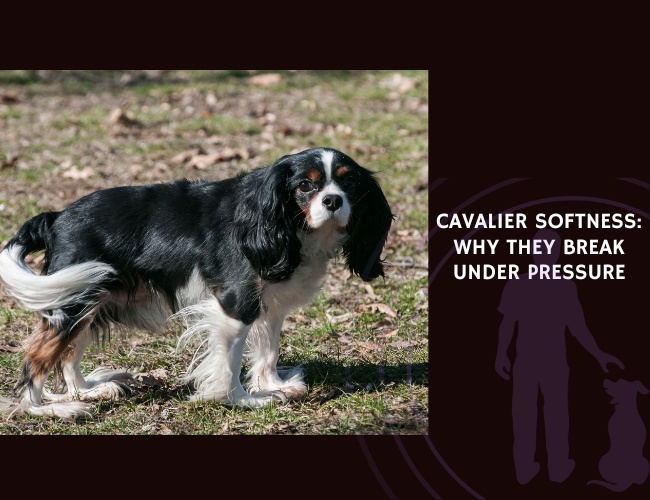
When you look into the warm, soulful eyes of a Cavalier King Charles Spaniel, you’re seeing more than just a beautiful companion—you’re witnessing a breed whose emotional depth runs remarkably deep. These gentle dogs have captured hearts for centuries, but their profound sensitivity often leaves owners wondering: why does my Cavalier seem so emotionally fragile? Why do they cling so intensely? And what makes them respond so differently to stress than other breeds?
Let us guide you through the fascinating neuro-emotional landscape of Cavalier softness—a phenomenon that intertwines genetics, neurological wiring, and centuries of selective breeding to create one of the most emotionally attuned breeds in the canine world.
The Historical Roots of Emotional Dependency
How Royal Companionship Shaped the Cavalier Soul
The story of Cavalier emotional sensitivity begins in the royal courts of England, where these dogs were bred specifically to be comfort companions for nobility. Unlike working breeds developed for independence and resilience, Cavaliers were selected for one primary purpose: to attune themselves completely to human emotional needs.
Selective Pressure for Attachment
- Dogs who sought constant proximity were favored for breeding
- Gentle temperaments and docility became prized traits
- High responsiveness to human emotional states was actively selected
- Independence and self-reliance were bred away, generation after generation
This continuous selection created what we might call an “emotional specialist”—a dog whose entire genetic blueprint prioritizes human connection above all else. When you notice your Cavalier following you from room to room, this isn’t simply learned behavior. It’s the echo of centuries breeding specifically for this affiliative drive.
The Price of Emotional Softness
Did you know that breeding for desirable companion traits may have inadvertently amplified stress sensitivity? When we select for “softness”—that gentle, emotionally responsive temperament—we may simultaneously lower the threshold for emotional arousal and reduce the capacity for independent coping.
Think of it this way: a herding breed must make split-second decisions under pressure, maintaining emotional stability while managing livestock. A Cavalier, by contrast, was bred to sense the slightest shift in their human’s mood and respond with comfort. These are fundamentally different neurological profiles.
Genetic Trade-offs in Selective Breeding
- Lower stress tolerance thresholds
- Reduced capacity for emotional self-regulation
- Heightened sensitivity to separation and interpersonal tension
- Systematic vulnerability under environmental pressure
Through the NeuroBond approach, we understand that this sensitivity isn’t a flaw—it’s a feature that requires informed, compassionate handling. 🧡
The Neuroscience of Cavalier Attachment
Understanding the PANIC and CARE Systems
In the groundbreaking work of affective neuroscience, researcher Jaak Panksepp identified several primary emotional systems in the mammalian brain. For Cavaliers, two systems dominate their emotional landscape: the PANIC system (social distress) and the CARE system (affiliative bonding).
The Overactive PANIC System
Your Cavalier’s PANIC system activates when social bonds feel threatened. This isn’t the same as the FEAR system, which responds to physical danger. Instead, PANIC creates that distinctive distress you see when your dog experiences separation or perceives social isolation.
In Cavaliers, this system appears to have an exceptionally low activation threshold:
- Brief separations trigger intense distress responses
- Changes in routine can feel like abandonment
- Even emotional unavailability from their person registers as social threat
- The system may activate from subtle cues other breeds would ignore
The Amplified CARE System
While the PANIC system makes separation painful, the CARE system drives the intense need to connect. This is the neurological foundation of that “Velcro dog” behavior you might recognize:
- Constant proximity-seeking isn’t clinginess—it’s a biological drive
- Physical contact provides genuine neurological regulation
- The need to give and receive affection is hardwired, not learned
- Emotional attunement to humans happens at an unconscious level
When Systems Collide: Internal Conflict
Here’s where things become complex. Cavaliers also possess a SEEKING system—the drive to explore and engage with the environment independently. But when an overactive CARE system constantly pulls them back toward attachment, and a sensitive PANIC system makes independence feel threatening, internal conflict emerges.
You might notice your Cavalier seeming to want to explore, then quickly returning to your side. This isn’t indecision—it’s neurological systems in tension, creating what researchers call “acquisitive softness.” The dog genuinely desires independence but finds the emotional cost too high.
Anxious Attachment: The Velcro Dog Phenomenon
What Attachment Theory Reveals
Originally developed to explain human infant-caregiver bonds, attachment theory offers profound insights into Cavalier behavior. Secure attachment creates a foundation for confident exploration. Anxious attachment, however, creates a dependency that can feel overwhelming for both dog and owner.
Signs of Anxious Attachment in Cavaliers
- Excessive distress when the primary person leaves the room
- Hypervigilance to the attachment figure’s location and emotional state
- Difficulty settling unless in physical contact
- Heightened reactivity when the bond feels threatened
- Rapid emotional escalation during routine separations
This isn’t a training failure on your part. Research shows that attachment styles form early and reflect both genetic predisposition and early experiences. For a breed selected specifically for intense bonding, anxious attachment patterns emerge more readily.
Limbic Resonance and Emotional Contagion
Have you ever noticed your Cavalier becoming anxious precisely when you feel stressed? This phenomenon connects to limbic resonance—the capacity for deep emotional attunement between individuals.
Cavaliers don’t just observe your emotional state; they experience it. Their limbic system, the emotional processing center of the brain, literally resonates with yours. This creates what researchers call emotional contagion:
How Stress Transfers
- Your increased heart rate triggers physiological changes in your dog
- Subtle tension in your body language activates their stress response
- Changes in your voice tone register as potential threat signals
- Even your hormonal state can influence their emotional regulation
The Invisible Leash extends beyond physical space—it’s an emotional tether that connects your nervous system to theirs. When you’re centered and calm, this connection supports your Cavalier’s regulation. When you’re stressed, they mirror that state, often amplifying it through their sensitive PANIC system. 🧠
Sensory Hypersensitivity and Overwhelm
Processing the World Through Sensitive Systems
Sensory Processing Sensitivity (SPS) describes individuals with heightened awareness and deeper processing of sensory stimuli. While this concept was initially developed for humans, it provides a valuable framework for understanding Cavalier responses to their environment.
What Sensory Hypersensitivity Looks Like
- Startle responses to sounds other dogs ignore
- Withdrawal from busy, chaotic environments
- Aversion to certain textures or touches
- Overwhelm in visually stimulating settings
- Sensitivity to emotional tension in the household
Your Cavalier isn’t being “dramatic” when they react strongly to stimuli you barely notice. Their neurological processing genuinely registers these inputs as more intense, more threatening, and more emotionally significant.
The Threshold for Overwhelm
Think of stress tolerance as a cup. For most dogs, that cup might hold a liter before overflowing into anxious behavior. For Cavaliers with sensory hypersensitivity, that cup might hold only 250 milliliters.
This means:
- Ordinary household activity can feel overwhelming
- Multiple stressors compound rapidly
- Recovery time after stress is longer
- Chronic environmental pressure depletes resilience reserves
Understanding this isn’t about making excuses—it’s about creating realistic expectations and appropriate support systems. Through Soul Recall, we recognize that emotional memory in sensitive dogs can make even neutral situations feel threatening if they resemble past overwhelming experiences.
Why Pressure-Based Training Fails
Neurological Aversion to Coercion
Many traditional training approaches rely on corrections, pressure, and consequences to shape behavior. For Cavaliers, these methods often backfire spectacularly. But why?
When a Cavalier experiences pressure-based training, several neurological processes occur simultaneously:
The Shutdown Cascade
- The FEAR system activates in response to correction
- The already-sensitive PANIC system amplifies the distress
- Sensory hypersensitivity makes the experience overwhelming
- The CARE system seeks reassurance, but the handler is the source of pressure
- Cognitive processing shuts down as emotional overwhelm takes over
You’re not witnessing stubbornness when your Cavalier seems to “shut down” during training. You’re seeing a nervous system entering a protective state where learning becomes neurologically impossible.
The Soft Approach Alternative
Does this mean Cavaliers can’t be trained? Absolutely not. It means they require methods that work with their neurology rather than against it:
- Clear, consistent communication without intimidation
- Positive reinforcement that strengthens the bond
- Breaking tasks into small, achievable steps
- Abundant time for processing and confidence-building
- Recognition that emotional safety must precede learning
The NeuroBond approach emphasizes that effective training for sensitive dogs begins with relationship quality. When your Cavalier trusts you completely and feels emotionally safe, learning happens naturally.

Behavioral Shutdown vs. Genuine Anxiety
Recognizing the Difference
Not all Cavalier stress responses look the same, and distinguishing between types of distress helps you respond appropriately.
Behavioral Shutdown
- Freezing or immobility
- Reduced responsiveness to cues or rewards
- Glazed” expression, lack of eye contact
- Physical stillness with underlying tension
- Occurs in response to overwhelming pressure or confusion
Genuine Anxiety
- Active stress signals (panting, pacing, whining)
- Hypervigilance and scanning behavior
- Displacement activities (excessive licking, yawning)
- Increased proximity-seeking
- Occurs in response to perceived threats or uncertainty
Relational Distress
- Separation-specific behaviors
- Clinginess when attachment feels threatened
- Distress signals directed toward the primary person
- Relief and immediate settling when connection restored
- Occurs in response to social bond disruption
Understanding these distinctions allows you to address the root cause rather than just the symptoms. A Cavalier in shutdown needs reduced pressure and space to recover. A dog experiencing genuine anxiety needs environmental management and calming protocols. A dog in relational distress needs secure attachment reinforcement. 🐾
The Role of Oxytocin in Attachment Intensity
The Bonding Hormone
Oxytocin, often called the “love hormone,” plays a central role in social bonding, trust, and attachment behaviors. In the human-dog relationship, oxytocin levels rise in both species during positive interactions—creating a biochemical bond loop.
For Cavaliers, there’s evidence suggesting their affiliative drive may involve elevated oxytocin-mediated bonding:
The Oxytocin Effect
- Intensifies the pleasure of social connection
- Reduces stress in the presence of attachment figures
- Strengthens memory formation around bonding experiences
- Increases sensitivity to social cues and emotional states
- May create dependency when present in high baseline levels
This biochemical reality means your Cavalier genuinely needs your presence for emotional regulation in ways other breeds might not. The neurochemical reward they experience from connection isn’t just strong—it may be necessary for their baseline wellbeing.
Creating Balance
Understanding oxytocin’s role doesn’t mean encouraging unhealthy dependency. Instead, it informs how we build healthy attachment:
- Provide consistent, predictable connection
- Gradually build tolerance for brief separations
- Create positive associations with independence
- Ensure your presence is reliably available
- Avoid inadvertently punishing attachment needs
Gentle. Devoted. Vulnerable.
Born to bond.
Cavaliers weren’t bred to work—they were bred to feel. Their emotional softness isn’t fragility, but a finely tuned sensitivity shaped by centuries of human companionship.
Softness carries a cost.
When we select for tenderness, we also lower stress tolerance. Cavaliers feel deeply, but they also feel stress more quickly.


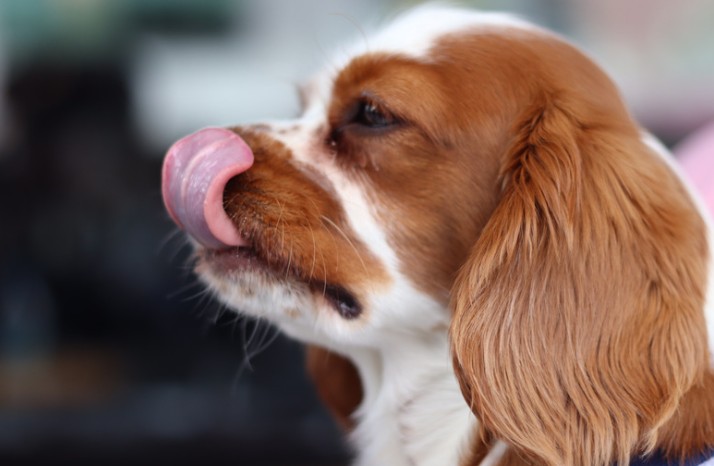
Attachment is their language.
The Cavalier’s brain favors bonding and worry systems, creating a heart-led companion who reads moods, mirrors emotions, and struggles in loneliness.
Inadvertent Reinforcement of Fragility
How Well-Meaning Support Can Backfire
Operant conditioning teaches us that behaviors followed by rewards increase in frequency. When you respond to your Cavalier’s distress with comfort, attention, or reassurance, you’re providing a powerful reward—which can inadvertently strengthen fragile responses.
The Reinforcement Trap
- Cavalier shows discomfort or clinginess
- Owner provides immediate comfort and attention
- Dog experiences relief and positive connection
- Vulnerability behavior becomes a reliable strategy
- Independent coping skills don’t develop
This doesn’t mean you should ignore your dog’s distress. Instead, the goal is to support emotional resilience while preventing learned helplessness.
Building Genuine Resilience
The path forward involves:
Strategic Support
- Respond to genuine distress with calm, grounding presence
- Reward brave, independent behavior even more enthusiastically
- Create opportunities for small challenges followed by success
- Maintain consistency so your dog learns to predict outcomes
- Gradually extend independence in manageable increments
Think of yourself not as a constant comfort source, but as a secure base from which your Cavalier can safely explore. The Invisible Leash reminds us that true guidance doesn’t require constant physical or emotional contact—it comes from your dog’s internalized confidence in your availability.
Environmental and Social Pressure Points
Identifying Stress Triggers
Understanding what activates your Cavalier’s sensitivity allows you to create a more supportive environment:
Common Environmental Stressors
- Loud or unpredictable noises (thunderstorms, fireworks, construction)
- Chaotic household activity (parties, children playing roughly)
- Novel environments without gradual introduction
- Lack of predictable routine and structure
- Overstimulating visual or auditory landscapes
Social Pressure Points
- Multiple dogs competing for attention or resources
- Interpersonal conflict between family members
- New people entering the home without proper introduction
- Loss or absence of a primary attachment figure
- Changes in owner’s emotional state or availability
You might notice your Cavalier handles individual stressors reasonably well but collapses when multiple pressures combine. This cumulative effect reflects their limited stress tolerance capacity.
Creating a Recovery-Friendly Environment
Supportive Environmental Design
- Quiet retreat spaces where your dog can decompress
- Consistent daily routines that provide predictability
- Gradual exposure to new experiences with ample processing time
- Regulation of household activity to prevent chronic overwhelm
- Clear communication about transitions and changes
Remember: your Cavalier isn’t manipulating you with their sensitivity. They’re genuinely experiencing the world as more intense, more threatening, and more emotionally charged than many other dogs. Your understanding and environmental adaptations aren’t “babying” them—they’re providing necessary support for their neurological reality.
Separation Anxiety vs. Hyper-Attachment
Understanding the Spectrum
While related, separation anxiety and hyper-attachment represent different points on the attachment spectrum:
Hyper-Attachment
- Constant proximity-seeking even when owner is present
- Hypervigilance to owner’s location and activities
- Difficulty settling unless in physical contact
- Strong preference for one person over others
- May function adequately when primary person leaves if secondary attachment figure present
Separation Anxiety
- Distress specifically triggered by owner’s departure
- Anxiety-driven behaviors (destruction, vocalization, house soiling)
- Escalation upon departure cues (picking up keys, putting on shoes)
- Inability to eat, rest, or engage in normal activities when alone
- Physiological stress responses (elevated cortisol, rapid heart rate)
Many Cavaliers exist somewhere between these categories, showing elements of both patterns. The underlying mechanisms overlap: an overactive PANIC system, strong affiliative drive, and limited independent coping skills.
Addressing Attachment-Based Distress
Building Independence Tolerance
- Begin with separation from you while remaining in same room
- Use predictable departure routines without lengthy goodbyes
- Create positive associations with your absence (special toys, food puzzles)
- Practice departures at various durations throughout the day
- Return matter-of-factly without over-excitement
- Consider a secondary attachment figure for gradual transition support
The goal isn’t to eliminate your Cavalier’s attachment—that bond is precious and reflects their core nature. Instead, we aim to build their confidence that connection remains stable even through temporary physical separation.
The Acquisitive Softness Phenomenon
What Makes Cavaliers Uniquely Vulnerable
“Acquisitive softness” describes a breed-specific tendency to emotionally collapse under accumulated pressure rather than developing resilience through challenge. It’s the pattern where each pressure point doesn’t strengthen your Cavalier—it depletes them.
Characteristics of Acquisitive Softness
- Stress accumulates rather than building tolerance
- Recovery requires extended time without pressure
- Each challenge sensitizes rather than habituates
- Coping strategies narrow rather than expand under stress
- Breaking point arrives suddenly rather than gradually
This differs from learned helplessness, which results from unpredictable or uncontrollable aversive experiences. Acquisitive softness appears to have a genetic component—it’s not about what you did wrong, but about how your Cavalier’s nervous system processes challenge.
Working With Rather Than Against Softness
Adaptive Approaches
- Accept that your Cavalier’s stress tolerance may always be lower
- Build extensive recovery time into schedules after stressful events
- Prioritize prevention over rehabilitation when possible
- Create success through environmental management, not just training
- Recognize that some activities may never be appropriate for your dog
This isn’t giving up—it’s wisdom. Through Soul Recall, we understand that pushing a soft dog beyond their capacity creates emotional memory that makes future resilience even more challenging to build.
Developing Emotional Resilience
Is Change Possible?
While Cavaliers may never become emotionally hardy in the way a working breed might be, significant improvements in stress tolerance and independent coping are absolutely achievable.
Foundation Building Blocks
- Secure Attachment Base: Paradoxically, resilience begins with secure connection
- Predictable Environment: Reduces background anxiety, freeing resources for coping
- Graduated Exposure: Small challenges with high success rates build confidence
- Emotional Co-Regulation: Your calm leadership provides a template for their responses
- Body Awareness Work: Helping your Cavalier recognize and shift their physiological state
Practical Resilience Training
Daily Micro-Challenges
- Brief separations (stepping into another room for 30 seconds)
- Gentle environmental novelty (new walking routes, safe novel objects)
- Low-stakes problem-solving (simple food puzzles, gentle training games)
- Positive social exposure (calm, predictable interactions with safe people/dogs)
- Physical challenges appropriate to abilities (gentle agility, balance work)
Each of these creates a small opportunity for your Cavalier to experience challenge, cope successfully, and build confidence through experience. The key is keeping each challenge well within their capacity—pushing just enough to grow, never enough to overwhelm.
The Role of Calm Leadership
Your emotional state isn’t just contagious—it’s instructive. When you remain calm and confident in situations your Cavalier finds challenging, you provide a powerful social reference point:
“My trusted human isn’t worried. Perhaps this situation isn’t as threatening as it feels.”
This doesn’t mean ignoring your dog’s distress or forcing them to “get over it.” Instead, you acknowledge their experience while modeling a more regulated response. That balance between science and soul—that’s the essence of Zoeta Dogsoul. 🧡
Health Implications of Chronic Stress
The Physiological Cost
Emotional sensitivity isn’t just a behavioral concern—it has real health consequences:
Stress-Related Health Risks
- Compromised immune function
- Gastrointestinal issues (stress colitis, reduced appetite)
- Cardiovascular strain from chronic elevated heart rate
- Increased susceptibility to anxiety-related conditions
- Potential acceleration of genetic health predispositions
Cavaliers already face breed-specific health challenges. Adding chronic stress to this equation creates compounding risk factors that can shorten both lifespan and healthspan.
Protective Factors
Supporting Physical Health Through Emotional Wellbeing
- Consistent routines that minimize daily stressors
- Adequate rest and recovery time
- Appropriate exercise without over-stimulation
- Nutritional support for stress resilience
- Regular veterinary monitoring of stress-related markers
Remember: managing your Cavalier’s emotional softness isn’t just about behavior—it’s preventive health care.
Nutritional Support for Emotional Balance
Can Diet Influence Stress Resilience?
While nutrition can’t fundamentally change your Cavalier’s neurological wiring, certain nutritional strategies may support healthier stress responses:
Beneficial Nutritional Components
- Omega-3 fatty acids: Support brain health and may modulate inflammatory stress responses
- L-tryptophan: Precursor to serotonin, involved in mood regulation
- B-vitamins: Essential for nervous system function and stress response
- Magnesium: Supports nervous system function and has calming properties
- Quality protein sources: Provide amino acids necessary for neurotransmitter production
Foods and Supplements to Consider
- Fatty fish (salmon, sardines) or fish oil supplements
- Turkey, chicken, eggs (natural tryptophan sources)
- Leafy greens and whole grains (B-vitamins and magnesium)
- Calming supplements designed for anxious dogs (under veterinary guidance)
The Gut-Brain Connection
Emerging research reveals profound connections between digestive health and emotional wellbeing. For sensitive dogs, gastrointestinal stress may amplify emotional reactivity:
- Ensure highly digestible, quality diet appropriate for your Cavalier
- Consider probiotic support for gut health
- Monitor for food sensitivities that may create physiological stress
- Avoid sudden dietary changes that could trigger GI upset
Living Successfully With a Soft Cavalier
Embracing Their Nature
Perhaps the most important shift you can make is accepting your Cavalier’s sensitivity rather than viewing it as a problem to fix. These dogs were created to be emotional specialists—attuned, responsive, and deeply connected. Their softness is inseparable from the qualities that make them such beloved companions.
Reframing Cavalier Sensitivity
- Their emotional attunement creates profound companionship
- Their need for connection fosters deep human-animal bonds
- Their sensitivity to your state makes them intuitive support animals
- Their gentle nature makes them safe around children and elderly
- Their responsiveness to emotional guidance makes relationship-based training deeply effective
Creating an Ideal Life
Key Elements of Cavalier Wellbeing
- Primary caregiver who understands and accepts their sensitivity
- Predictable, calm household environment
- Adequate companionship (they should rarely be alone for extended periods)
- Gentle, positive training approaches
- Realistic expectations about stress tolerance
- Protection from overwhelming situations
- Opportunities for safe, gentle activity and engagement
What Cavaliers Don’t Need
- To be “toughened up” or desensitized through flooding
- To compete or perform in high-pressure environments
- To meet every dog or attend every social event
- To prove their bravery or independence
- To overcome their fundamental nature
When to Seek Professional Support
Recognizing When Help Is Needed
While Cavalier sensitivity is normal for the breed, some dogs experience distress that exceeds typical patterns:
Red Flags
- Complete inability to tolerate any separation without severe distress
- Self-injurious behaviors when stressed (excessive licking, chewing self)
- Aggressive responses when overwhelmed (fear-based snapping)
- Severe physiological symptoms (chronic diarrhea, weight loss from stress)
- Progressive worsening despite environmental support
- Quality of life significantly compromised for dog or owner
Professional Resources
- Veterinary behaviorists (board-certified specialists)
- Certified professional dog trainers with behavior modification experience
- Veterinarians who can assess for medical contributions to anxiety
- Holistic practitioners for integrative approaches
Sometimes medication may be appropriate to support your Cavalier’s quality of life while you work on behavioral strategies. This isn’t failure—it’s compassionate care that addresses neurochemical realities.
The Gift of Emotional Attunement
Why Cavalier Softness Matters
In a world that often values toughness and independence, Cavaliers remind us that sensitivity has profound value. Their ability to perceive subtle emotional shifts, to offer comfort when we’re struggling, to be fully present in connection—these aren’t weaknesses. They’re highly refined skills that many humans spend years in therapy learning to develop.
Your soft Cavalier teaches you about:
- The power of emotional presence
- The importance of creating safe spaces
- How regulation happens through relationship
- The value of gentleness in a harsh world
- What it means to be truly attuned to another being
These lessons extend far beyond dog training. They’re fundamentally about connection, compassion, and recognizing that strength comes in many forms.
Conclusion: Is a Cavalier Right for You?
Honest Self-Assessment
Cavalier King Charles Spaniels are not for everyone. Before bringing one of these emotionally sensitive souls into your life, consider:
Cavaliers Thrive With Owners Who:
- Understand and accept intense attachment needs
- Can provide extensive companionship (work from home or retired individuals)
- Have calm, predictable households
- Value emotional connection over performance or independence
- Have patience for gradual, gentle approaches to challenges
- Can provide consistent, stable presence and leadership
- Accept limitations on activities and social situations
Cavaliers Struggle When:
- Left alone for long work hours regularly
- Living in chaotic, unpredictable environments
- Expected to be emotionally independent
- Subjected to harsh training methods
- Required to participate in high-stress activities
- Lacking a primary attachment figure
- Living with owners who view sensitivity as a flaw to eliminate
The Commitment
Choosing a Cavalier means committing to a relationship of extraordinary emotional depth. You’re not just acquiring a pet—you’re entering a bond that will require your emotional availability, understanding, and consistent presence.
But for those who embrace this commitment, Cavaliers offer something precious: a relationship built on mutual emotional attunement, deep trust, and the kind of connection that reminds us why humans and dogs have shared our lives for thousands of years.
Their softness isn’t something to overcome. It’s their essence, their gift, and the foundation of the profound companionship they offer. When you understand the neuroscience behind their sensitivity, work with their nature rather than against it, and provide the emotional stability they need, you discover that a soft Cavalier isn’t fragile—they’re finely tuned.
Through the principles of NeuroBond—building relationship through understanding and emotional leadership—you create space for your Cavalier to be fully themselves while developing the resilience possible within their nature. The Invisible Leash that connects you isn’t a limitation—it’s a living testament to the power of emotional connection.
That balance between honoring their sensitivity and supporting their growth, between protecting them from overwhelm and building their confidence, between accepting their nature and helping them thrive—that’s where the magic happens. That’s where you discover what it truly means to share your life with a Cavalier King Charles Spaniel. 🐾
Your journey with a soft soul begins with understanding. May this guide help you create the relationship these extraordinary dogs deserve.