
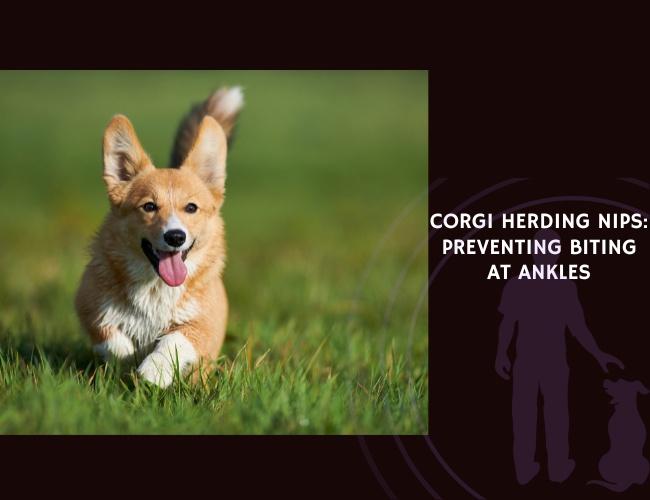
Introduction: When Instinct Meets Modern Life
Picture this: your delightful Corgi, with those adorable short legs and expressive eyes, suddenly darts toward your child’s ankles as they run across the living room. A quick nip follows, and everyone freezes—confused, perhaps a bit upset. You might wonder, “Why does my loving companion do this?”
The answer lies centuries deep in your Corgi’s DNA. Pembroke and Cardigan Welsh Corgis weren’t just bred to be charming companions. They were crafted, generation after generation, to be fearless cattle herders who worked in close quarters with animals many times their size. Their signature move? A quick, precise nip to the heels of livestock to guide them forward.
This ancient instinct doesn’t simply disappear when your Corgi trades pastures for living rooms. Instead, it redirects itself, often toward the moving ankles of family members, joggers, or playing children. Understanding this behavior isn’t about blaming your furry friend or feeling like a failed guardian. It’s about recognizing the powerful heritage living inside that compact body and learning how to honor it while keeping everyone safe.
Let us guide you through the fascinating intersection of instinct, neuroscience, and practical training. By the end of this exploration, you’ll understand not just what your Corgi is doing, but why—and more importantly, how to channel that remarkable herding drive into something beautiful and harmonious. 🧡
The Herding Heritage: Where It All Begins
Understanding Your Corgi’s Original Purpose
Your Corgi’s ancestors didn’t herd from a distance like Border Collies, using intense stares and strategic positioning. No, Corgis were bred for something far more direct and daring. They worked as “heelers”—dogs who darted in close to nip at the hocks and heels of cattle to move them along.
Think about the skill this required. A Corgi had to be:
- Bold enough to approach animals weighing over a thousand pounds
- Quick enough to dodge powerful kicks
- Precise enough to deliver a startling nip without causing serious injury
- Smart enough to read livestock behavior and react instantly
Their low-to-the-ground stature wasn’t just adorable—it was tactical. Those short legs allowed them to duck under cattle kicks while maintaining the agility to dart in, nip, and retreat before danger struck.
This herding ethology represents a functional, movement-control strategy deeply embedded in your dog’s genetic code. In its original context, this wasn’t aggression. It was skilled communication—a way to say, “Move along now” in a language cattle understood.
When Cattle Become Children
In your modern home, there are no cattle to herd. But that powerful instinct? It didn’t get the memo. Your Corgi’s brain still carries the blueprint for heel-nipping, and it’s searching for an outlet.
Humans moving quickly through the house become surrogate livestock. Your Corgi doesn’t consciously think, “I’m going to bite that person.” Instead, their ancient programming whispers, “That’s something moving fast that needs to be controlled.” The response is automatic, instinctive, and—from the dog’s perspective—completely appropriate.
You might notice the behavior intensifies when:
- Children run or play energetically
- Someone jogs past during a walk
- Family members move quickly during busy mornings
- Bicycles or skateboards pass by
Each of these scenarios triggers the same neurological cascade that would have activated when a cow tried to wander from the herd. Through the NeuroBond approach, we recognize that your Corgi isn’t being naughty—they’re being precisely what centuries of breeding designed them to be. 🐾
The Brain Science Behind the Nip
Dopamine, Drive, and the Seeking System
When your Corgi spots fast movement, something remarkable happens in their brain. Dopamine floods specific neural pathways, particularly what neuroscientist Jaak Panksepp called the SEEKING system. This isn’t just a simple reaction—it’s a powerful neurochemical cascade that creates intense motivation, focus, and anticipation.
Imagine the feeling you get when you’re about to accomplish something you’ve been working toward. That excitement, that drive—that’s your SEEKING system at work. For your Corgi, watching someone run activates this same system, but with a twist: the anticipated “reward” is the opportunity to engage in herding behavior.
The dopamine release creates:
- Heightened focus on the moving target
- Increased motivation to engage
- A sense of anticipation and excitement
- Strong reinforcement when the behavior is completed
This is why ankle-nipping can feel so compulsive and difficult to interrupt. Your Corgi isn’t just doing something they learned—they’re responding to an internal reward system that makes the behavior feel incredibly satisfying.
Arousal, Adrenaline, and the Action Response
Working alongside dopamine, noradrenaline (norepinephrine) surges through your Corgi’s system when herding instincts activate. This neurotransmitter governs arousal, vigilance, and the classic “fight or flight” response.
As noradrenaline levels rise, your Corgi experiences:
- Increased heart rate and alertness
- Sharpened sensory processing
- Faster reaction times
- Reduced inhibition of instinctive behaviors
Here’s what’s crucial to understand: when your Corgi is in this heightened state, their prefrontal cortex—the part of the brain responsible for impulse control and decision-making—takes a back seat. The more aroused they become, the more their behavior shifts from thoughtful choice to reflexive action.
This explains why a Corgi who knows “leave it” perfectly in calm moments might nip anyway when arousal peaks. It’s not disobedience. It’s neurobiology. The brain’s inhibitory pathways simply cannot keep pace with the intensity of the instinctive drive when arousal reaches certain thresholds.
Movement as a Trigger: The Visual Chase Sequence
Your Corgi’s visual system is exquisitely tuned to detect motion. Fast, unpredictable movement—a running child, a spinning bicycle wheel—creates an overwhelming visual stimulus that immediately captures their attention.
The sequence unfolds like this:
- Detection: Movement registers in the visual cortex
- Interpretation: The brain recognizes this as a “herding opportunity”
- Motivation: Dopamine surges, creating drive
- Arousal: Noradrenaline increases physical readiness
- Action: The chase and nip sequence initiates
What makes this particularly challenging is that the overlap between herding drive and prey drive blurs the line. The chase itself activates similar neural pathways as predatory behavior, though the goal is different. A predator wants to capture and consume; a herder wants to control and direct.
But to your Corgi’s brain, the intense focus, the rush of the chase, and the satisfaction of the “control bite” all tap into deeply rewarding neurological patterns. This is why the behavior can become self-reinforcing—the act of doing it feels good at a fundamental, chemical level. 🧠

Why Children Are Primary Targets
Size, Speed, and Unpredictability
If you’ve noticed your Corgi focuses herding behavior on children more than adults, you’re observing a pattern with clear neurological and behavioral roots. Children, in many ways, are the perfect storm of herding triggers.
Consider how children move:
- Erratically and unpredictably
- With higher energy and faster pace
- Closer to the ground (more at “ankle level”)
- With sudden direction changes
- Often with exciting, high-pitched vocalizations
From your Corgi’s perspective, children mimic the behavior of young livestock or animals that are trying to break from the herd. The combination of size, speed, and unpredictability creates an irresistible trigger for the herding response.
The Arousal Amplification Effect
Children’s energy is contagious—for both humans and dogs. When kids play, laugh, run, and shriek with joy, they create an environment of elevated arousal. Your Corgi doesn’t just observe this; they absorb it.
As the household energy rises, so does your dog’s:
- Their attention becomes hyper-focused
- Their movement tracking intensifies
- Their impulse control weakens
- Their instinctive responses strengthen
In calm moments, your Corgi might successfully suppress the urge to nip. But when arousal peaks—fueled by children’s excitement—the brain’s inhibitory mechanisms can no longer maintain control. The result? A reflexive, instinct-driven nip that bypasses conscious decision-making entirely.
When Play Becomes Problematic
Here’s where human behavior unintentionally compounds the issue. When a child gets nipped and responds by:
- Running faster
- Laughing or squealing
- Turning it into a chase game
- Flailing their arms and legs
They’re inadvertently teaching the Corgi that nipping “works.” From the dog’s perspective, the nip achieved its goal—the target moved, changed direction, or engaged more intensely. This creates a powerful operant conditioning loop where the behavior is reinforced every time it happens.
Even well-meaning attempts to intervene can backfire. When family members chase the Corgi, scold loudly, or create more chaos, they’re adding fuel to an already overstimulated situation. The Corgi’s arousal climbs higher, making the next nip more likely, not less. 😄
Human Reactions That Accidentally Reinforce Nipping
The Unintentional Reward Cycle
Your response to your Corgi’s nipping matters more than you might realize. Many common human reactions, though natural and understandable, actually strengthen the very behavior you’re trying to eliminate.
Reactions that reinforce nipping include:
- Running away or faster: This signals success to your Corgi—”I made them move!” It validates the herding instinct and encourages repetition.
- Laughing or making excited sounds: Even if you’re nervous-laughing, your dog interprets vocal excitement as engagement and approval.
- Turning it into a game: Playing “catch me if you can” or allowing the nipping to become part of roughhousing tells your Corgi this behavior is fun and appropriate.
- Giving attention immediately after: Whether it’s scolding, pushing away, or even making eye contact, any attention in the moment following a nip can serve as reinforcement.
The challenge is that these reactions are instinctive for us, too. When startled by a nip, we naturally yelp, move quickly, or react emotionally. But from your Corgi’s perspective, they’ve successfully controlled your movement—exactly what their herding instinct compels them to do.
The Punishment Paradox
Some guardians turn to punishment when prevention and redirection don’t work fast enough. They might yell, physically correct, use spray bottles, or employ other aversive methods. While this might seem logical—”Stop bad behavior with consequences”—it typically backfires with herding nips.
Here’s why punishment often fails:
Arousal increases: Harsh corrections don’t calm your Corgi down; they ramp them up. Adrenaline surges, stress hormones flood the system, and the dog becomes even more reactive and less able to control impulses.
Fear without understanding: Your Corgi doesn’t connect the punishment with “I shouldn’t nip.” Instead, they learn “humans are unpredictable and scary,” which can damage trust and increase anxiety-driven behaviors.
Frustration builds: When the herding instinct is repeatedly punished without providing an alternative outlet, frustration accumulates. This can lead to behavior escalation, not elimination.
Inhibition breaks down: In moments of peak arousal, punishment doesn’t stop the behavior because the dog literally cannot access their impulse control. The instinct overrides everything else.
The Invisible Leash reminds us that true control comes not from force, but from awareness and understanding. When you create calm, clear communication rather than confrontation, you work with your dog’s neurology instead of against it. 🐾
Short legs. Fast mind. Ancient code.
Movement is a trigger.
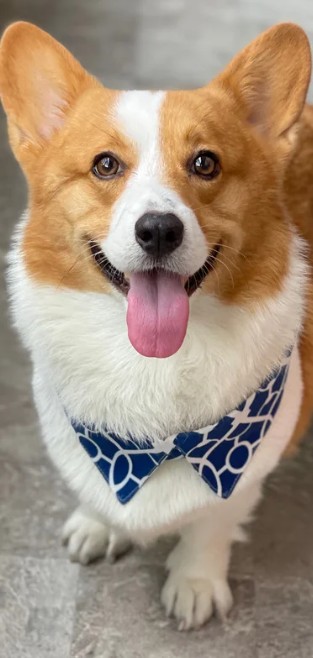
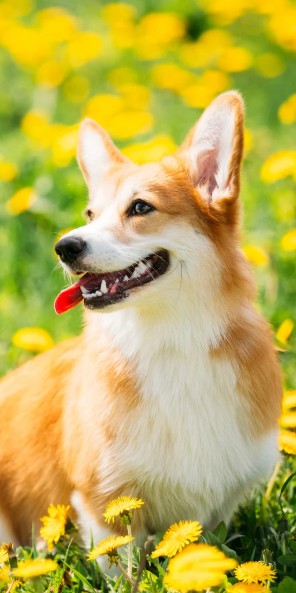
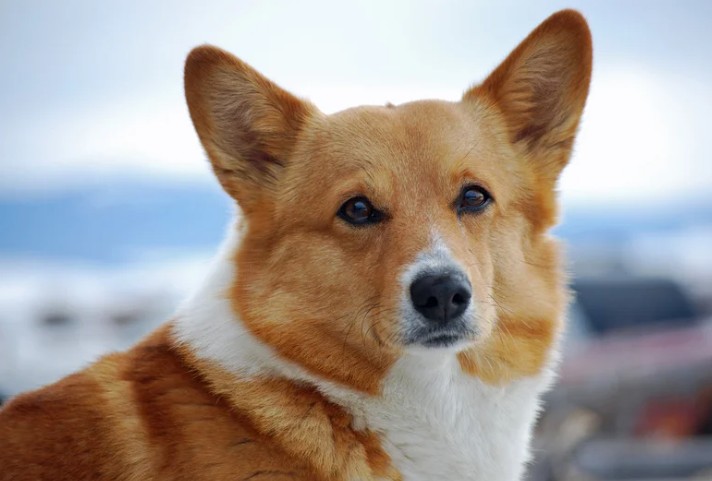
Your Corgi’s heel-nipping isn’t disobedience—it’s a herding algorithm firing the moment fast motion enters their field of view. Running kids, quick footsteps, bicycles: all register as “stray livestock” in need of direction.
Instinct becomes impulse.
As a classic heeler, the Corgi’s brain links motion → control → nip in less than a second. It’s not aggression. It’s precision work misplaced in a modern home.
Redirection is the cure.
Structured motion outlets, pattern games, and pre-planned interception routines teach your Corgi a new job—so their instinct serves your home instead of disrupting it.
The Energy Mirror Effect
Your emotional state directly influences your Corgi’s behavior. Dogs are remarkably skilled at reading human body language, facial expressions, and energy levels. When you feel tense, anxious, or frustrated about potential nipping, your dog senses this.
The result is a feedback loop:
- Your tension → Your Corgi’s arousal increases
- Your anxiety → Your Corgi feels uncertain and reactive
- Your frustration → Your Corgi’s stress hormones rise
- Your fear → Your Corgi’s impulse control weakens
Conversely, when you maintain calm, grounded energy, you create space for your dog to regulate their own arousal. This doesn’t mean you ignore the behavior—it means you approach management and training from a place of confidence rather than stress.
🐕 Understanding & Managing Corgi Herding Nips 🐾
When ancient herding instinct meets modern living—a science-based guide to transforming ankle-nipping behavior into harmonious partnership
🧠 The Neuroscience Behind the Nip
Why Corgis Target Ankles:
• Dopamine-driven SEEKING system activates when movement is detected—creating intense focus and anticipation
• Noradrenaline surge increases arousal and suppresses impulse control pathways
• Centuries of selective breeding created “heelers” designed to control cattle through precise ankle nips
• Modified predatory sequence—chase + control bite feels neurologically rewarding
Primary Triggers:
• Running children (fast, unpredictable movement mimics livestock)
• Bicycles, skateboards, joggers (rapid motion at ankle level)
• High household arousal (excitement is contagious)
• Chaotic, unpredictable environments (constant stimulation)
🎯 What Actually Works: Evidence-Based Strategies
Movement Neutrality Training:
Start at low arousal levels—reward calm observation of slow walking. Gradually increase movement intensity while keeping your Corgi below their reaction threshold. Teach the brain that human movement is boring and doesn’t require intervention.
Arousal Regulation Techniques:
• Calm eye contact activates social engagement system over predatory focus
• Grounded posture and deep breathing co-regulate your dog’s nervous system
• Slow movement pacing reduces visual triggers
• Early interruption—redirect before hyperfocus begins
Alternative Behaviors to Train:
• “Go to mat” when movement starts • “Get your toy” instead of nipping • Target hand touching • Precision heelwork • “Look at me” for attention redirection
✅ Healthy Outlets for Herding Drive
Redirect, Don’t Suppress:
Flirt Poles: Controlled chase of a lure satisfies pursuit drive without human targets—builds impulse control through start/stop cues
Target Work: Channels desire for precision and control into appropriate nose/paw touches
Scent Games: Engages foraging pathways, reducing overall arousal and providing mental balance
Structured Tug: Safe outlet for mouth use and “control struggle” with clear take/release cues
Environmental Design:
Create predictable routines • Establish calm zones for decompression • Use baby gates during high-energy child play • Schedule exercise before stimulating periods • Reduce chaotic household dynamics
⚠️ What Makes the Problem Worse
Human Reactions That Reinforce Nipping:
• Running faster or away—signals “success” to your Corgi’s herding instinct
• Laughing or excited sounds—interpreted as approval and engagement
• Turning it into a game—teaches that nipping equals fun interaction
• Immediate attention—even scolding reinforces the behavior
Why Punishment Fails:
Harsh corrections increase arousal and stress—making impulse control even harder. Your Corgi can’t connect punishment with the specific behavior when they’re in a neurological arousal state. Frustration builds without providing alternative outlets, potentially escalating the behavior rather than eliminating it.
⚡ The Arousal-Impulse Formula
High Arousal + Movement Trigger = Suppressed Impulse Control
The key to prevention: Keep arousal below the threshold where prefrontal cortex control is lost. When dopamine and noradrenaline spike beyond a certain point, instinct overrides training. Your goal isn’t to eliminate the herding drive—it’s to keep your Corgi in a neurological state where they can choose alternative behaviors.
🧡 The Zoeta Dogsoul Approach
Through the NeuroBond approach, we build relationships rooted in emotional connection rather than correction. The Invisible Leash reminds us that true guidance comes from awareness and calm energy—not tension or force. When you honor your Corgi’s herding heritage while channeling it constructively, you create moments of Soul Recall—where instinct and trust intertwine into genuine partnership.
Your Corgi’s ankle-nipping isn’t a flaw to fix—it’s an instinct to redirect. When you work with their neurobiology rather than against it, transformation becomes not just possible, but inevitable.
© Zoeta Dogsoul – Where neuroscience meets soul in dog training
Training Strategies That Actually Work
Movement Neutrality: Rewriting the Response
One of the most effective approaches to reducing ankle-nipping is teaching your Corgi that human movement is boring and doesn’t require intervention. We call this “movement neutrality training.”
How to implement movement neutrality:
Start with very low-arousal movement. Have family members walk slowly and predictably through the house while you practice having your Corgi sit or lie down on a mat. Reward calm observation of movement with treats and praise.
Gradually increase the intensity. Once your dog can remain calm during slow walking, introduce slightly faster movement. Continue rewarding stillness and calm attention.
Add complexity progressively. Introduce direction changes, then mild running, then children’s typical play movements—but always staying just below your Corgi’s threshold for reactivity.
Teach incompatible behaviors. Train your Corgi to run to a specific mat or target when they see movement, or to bring you a toy instead of nipping. These alternative behaviors are incompatible with ankle-biting—your dog can’t do both at once.
The key is patience and incremental progression. Each time your Corgi successfully remains calm during movement, you’re building new neural pathways that compete with the old herding response.
The Power of Arousal Control
Since high arousal is the enemy of impulse control, learning to recognize and manage your Corgi’s arousal levels becomes essential. This is where the NeuroBond approach truly shines—building a relationship where emotional regulation flows between you and your dog.
Arousal reduction techniques include:
Calm eye contact: When you notice your Corgi beginning to fixate on movement, calmly get their attention with your eyes. Soft, steady eye contact from a trusted person can help activate the social engagement system and reduce predatory/herding focus.
Grounded posture: Stand still and breathe deeply when your dog starts to escalate. Your physical groundedness communicates stability and helps co-regulate your dog’s nervous system.
Slow movement pacing: Instead of moving quickly (which triggers chasing), consciously slow your movements. This reduces the visual stimulus that activates the herding drive.
“Settle” protocols: Train a reliable “settle” or “place” command where your Corgi goes to a designated spot and relaxes. Practice this frequently in calm moments so it becomes available during excitement.
Interruption before escalation: Learn to read your Corgi’s body language. When you see the hyperfocus beginning—ears forward, body tensing, eyes locked—interrupt before the behavior starts. Use their name, a toy, or a cue they know well.
Remember, you’re not trying to suppress your dog’s nature. You’re teaching them to access a different neurological state—one where the prefrontal cortex stays online and impulse control remains possible. 🧡
Positive Reinforcement: Building New Patterns
Traditional punishment-based training attempts to eliminate unwanted behavior through aversive consequences. The NeuroBond philosophy takes a different path: we build what we want to see, creating new behavior patterns so compelling that they naturally replace the old ones.
Effective reinforcement strategies include:
Mark and reward calm behavior: Use a clicker or verbal marker (“yes!”) the instant your Corgi makes a good choice around movement—looking at you instead of the moving person, sitting when someone jogs by, staying on their mat during play. Follow immediately with a high-value reward.
Create success through management: Don’t set your dog up to fail by allowing endless opportunities to nip. Use baby gates, leashes, and spatial management to prevent rehearsal of the behavior while you build new skills.
Train alternative behaviors to fluency: Teach “look at me,” “get your toy,” “go to your place,” and “touch” (targeting your hand) until these behaviors are automatic and can compete with the herding impulse.
Reward incompatible positioning: Reinforce your Corgi for being beside you or behind you during movement—positions that make ankle-nipping impossible.
Use life rewards: Not every reward needs to be food. Sometimes the reward for calm behavior around movement is the opportunity to engage appropriately—a play session with a flirt pole, a structured game, or a walk together.
The goal is to make the alternative behaviors so well-practiced and rewarding that your Corgi’s brain begins to default to them instead of nipping. Over time, new neural pathways strengthen while old ones weaken through disuse.
Creating Healthy Outlets for Herding Drive
Activities That Channel Instinct Constructively
Your Corgi’s herding drive is powerful, beautiful, and completely natural. The solution isn’t to eliminate it—that’s neither possible nor desirable. Instead, we redirect this energy into activities that satisfy the instinct without causing problems.
Target work provides an excellent outlet. Teaching your Corgi to touch a target stick, cone, or your hand with their nose channels their desire for precision and control. They’re still “directing” movement and making contact, but in a completely appropriate way. You can create sequences where your dog follows the target through various positions and locations, engaging their mind and satisfying their need for focused work.
Precision heelwork is perhaps the perfect alternative for nippers. This requires your Corgi to stay close at your side, matching your pace and direction with laser focus—but without any mouthing or nipping. It transforms the desire to control human movement into structured cooperation. Your dog gets to engage with your movement intimately while learning that attention and positioning, not nipping, are the appropriate responses.
Scent work and nose games might not seem directly related to herding, but they provide crucial mental stimulation and arousal regulation. When your Corgi’s brain is engaged in searching for hidden treats or learning nose work, they’re using different neural pathways—ones associated with foraging and problem-solving rather than chase and control. This provides balance and reduces overall arousal levels throughout the day.
Herding trials with appropriate livestock can be transformative for some Corgis. Under the guidance of an experienced herding trainer, your dog can learn to express their instinct in the context it was meant for—working with sheep, ducks, or cattle in a controlled environment. This isn’t appropriate for every dog or every guardian, but for those who pursue it, it can provide deep satisfaction and reduce household nipping by giving the instinct its proper outlet. 🐾
Controlled Chase and Redirection Tools
The chase component of herding behavior needs an outlet, too. Fortunately, several tools allow you to engage this drive safely.
Flirt poles are remarkably effective. This simple tool—a long stick with a rope and lure attached—lets you simulate prey movement in a controlled way. Your Corgi can chase, focus intensely, and even “catch” the lure, satisfying the chase and control components of their instinct without any human ankles involved.
The beauty of flirt pole work is that it:
- Provides intense physical exercise in a short time
- Builds impulse control through start and stop cues
- Redirects mouth use onto an appropriate target
- Satisfies the SEEKING system’s need for pursuit
- Teaches your dog what they CAN chase versus what they cannot
Structured tug protocols offer similar benefits. When you teach your Corgi to grab, pull, and release a tug toy on command, you’re channeling their desire to control and “struggle” with something using their mouth. The key is structure—your dog must learn to take and release the toy on cue, building impulse control even in the middle of exciting activity.
Both tools teach your Corgi that toys, not body parts, are appropriate targets for their mouth. They redirect intense drive without suppressing it, satisfying your dog’s needs while keeping everyone safe.
Environmental Design for Success
Your home environment significantly influences your Corgi’s nipping behavior. Creating calm, predictable spaces reduces constant triggering and allows your dog’s nervous system to regulate.
Predictable routines help tremendously. When your Corgi knows that 7 AM is breakfast time, 9 AM is a walk, noon is rest time, and 5 PM is play time, their nervous system can settle into rhythms. Uncertainty and chaos keep arousal elevated; routine allows it to ebb and flow naturally.
Designated calm zones give your dog a place to decompress. This might be a crate, a mat, or a specific room where they know they can retreat when household energy gets high. These spaces should be positive and safe, never used as punishment.
Managing child interactions becomes crucial. During high-energy play times, use baby gates to separate children and dog, allowing your Corgi to observe without the opportunity to engage. When interactions do occur, keep them structured—sitting together for gentle petting, walking calmly together, or participating in training games as a team.
Activity scheduling can prevent problems before they start. If you know your children will be running around after school, make sure your Corgi has had exercise beforehand and has learned to settle with a frozen Kong or chew toy during that time. Don’t allow the dog to be repeatedly stimulated by activity they cannot appropriately engage with.
The moments of Soul Recall happen when your environment supports connection rather than conflict—when your Corgi feels secure, understood, and able to express their nature in ways that strengthen rather than strain your bond. 🧡
Understanding Bite Inhibition in Context
The Herding Bite Is Different
Many people assume that if a Corgi nips, they have “poor bite inhibition.” This misunderstands what’s actually happening. Corgis typically have excellent bite inhibition in social contexts—playing with other dogs, taking treats from hands, engaging in normal interactions.
The herding nip is functionally different. It’s a specific, sharp, startling bite designed to move cattle. It’s not intended to be gentle; it’s intended to be effective. In its original context, a soft, gentle nibble wouldn’t accomplish anything with a thousand-pound cow.
When your Corgi nips an ankle, they’re not using social bite inhibition—they’re using working bite inhibition. The nip is meant to startle and control, not to socialize or play. This is why it can feel more painful than you’d expect from a dog who’s otherwise gentle.
Understanding this distinction is important. You’re not dealing with an aggressive dog who doesn’t care about hurting others. You’re dealing with a dog executing a specific working behavior that’s inappropriate for the current context. The solution isn’t just teaching softer biting—it’s preventing the behavior entirely and redirecting the drive.
Breed-Specific Challenges
Corgis face unique challenges compared to other herding breeds:
Low-to-ground orientation: Their stature means ankles and heels are naturally at eye level, making them the most accessible and obvious targets.
Close-quarters working style: Unlike Border Collies who herd from a distance, Corgis were bred for direct, physical contact. This means they’re more likely to use their mouth as a primary tool.
Intensity and persistence: Corgis are known for their determined, sometimes stubborn nature. When the herding instinct activates, they can be remarkably persistent and difficult to redirect.
Quick reflexes: Their agility and speed, necessary for dodging cattle kicks, means they can nip before anyone realizes it’s coming.
These breed characteristics aren’t flaws—they’re features that made Corgis exceptional at their original job. In a modern home, though, they require specific understanding and management strategies.
When to Seek Professional Help
Recognizing Red Flags
While most Corgi herding nips can be managed with the strategies we’ve discussed, some situations benefit from professional guidance. Consider reaching out to a certified dog trainer or veterinary behaviorist if:
- The nipping is causing injuries that break skin
- Your Corgi shows signs of true aggression (hard stares, rigid body, growling, escalating intensity)
- The behavior is worsening despite consistent training efforts
- Your Corgi seems anxious, stressed, or unable to settle even in calm environments
- Children are becoming fearful of the dog
- You feel overwhelmed and don’t know where to start
There’s no shame in seeking support. Professional trainers who understand herding breeds can observe your specific situation and develop a customized plan. Sometimes having an outside perspective makes all the difference.
Finding the Right Professional
Not all trainers have experience with herding instinct issues. Look for professionals who:
- Use positive reinforcement methods exclusively
- Have specific experience with herding breeds
- Understand canine neuroscience and arousal regulation
- Can assess both dog behavior and family dynamics
- Offer in-home consultations where they can see the behavior in context
Certifications to look for include CPDT-KA, KPA-CTP, IAABC, or similar credentials that indicate evidence-based training approaches. Avoid trainers who rely on dominance theory, punishment, or aversive tools—these approaches will likely make the problem worse, not better. 🐾
Living Successfully With a Herding Breed
Embracing Your Corgi’s True Nature
The most successful Corgi guardians don’t try to suppress their dog’s herding instinct—they learn to direct it. They recognize that this powerful drive is part of what makes their Corgi special, intelligent, and endlessly fascinating.
Your Corgi isn’t broken or bad when they try to herd. They’re being authentic to their heritage. The challenge and opportunity lie in teaching them which outlets are appropriate for modern life and which aren’t.
This mindset shift—from “my dog has a problem” to “my dog has an instinct that needs proper channeling”—changes everything. It moves you from frustration to collaboration, from conflict to partnership.
Building a Herding-Compatible Lifestyle
Some adjustments make living with a herding breed not just manageable, but deeply rewarding:
Daily mental stimulation becomes non-negotiable. A bored Corgi with pent-up herding drive will find outlets, and they won’t always be appropriate ones. Fifteen minutes of training, puzzle toys, or scent work can make the difference between a manageable dog and a frustrated one.
Physical exercise matched to their style matters tremendously. Corgis don’t need marathon runs, but they thrive on activities that engage their mind and body together—hiking with varied terrain, swimming, agility, or structured play.
Clear communication helps your Corgi understand what you want. These are intelligent dogs who excel when given clear information and consistent feedback. The NeuroBond approach emphasizes this clarity—using calm energy, precise timing, and consistent cues to guide behavior.
Patience with the process is essential. Herding instinct doesn’t disappear overnight. You’re building new habits and neural pathways that will gradually replace or manage the old ones. Some dogs transform quickly; others take months of consistent work. Both timelines are normal.
The Rewards of Understanding
When you put in the work to understand and manage herding behavior, something beautiful emerges. You develop a deeper relationship with your Corgi, built on mutual understanding and respect. You learn to read their body language, anticipate their needs, and communicate in ways that honor their nature.
Your Corgi, in turn, learns to trust your guidance. They discover that you provide appropriate outlets for their drives and that cooperating with you leads to satisfaction and fulfillment. The relationship shifts from constant correction to collaborative partnership.
That balance between honoring instinct and creating household harmony—that’s the essence of Zoeta Dogsoul. 🧡
Conclusion: From Instinct to Harmony
The ankle-nipping behavior in Corgis isn’t a character flaw or a training failure—it’s a testament to centuries of careful breeding that created an exceptionally skilled working dog. When you understand that those quick nips at heels once moved cattle across Welsh pastures, you can appreciate the power and purpose behind the behavior.
Everything we’ve explored—the neurobiological drivers, the arousal patterns, the environmental triggers, the training strategies—comes together in a single realization: your Corgi isn’t trying to be difficult. They’re trying to do what their entire genetic history tells them is right and necessary.
Your role as their guardian isn’t to eliminate who they are. It’s to guide them toward appropriate expression of their nature. Through movement neutrality training, you teach them that human movement doesn’t require intervention. Through arousal management and the principles of NeuroBond communication, you help them maintain the calm, connected state where impulse control is possible. Through environmental design, you reduce unnecessary triggers. Through appropriate outlets like target work, precision heelwork, flirt poles, and tug protocols, you give their herding drive somewhere constructive to flow.
The journey from problem behavior to harmonious living isn’t always quick, and it requires consistency, understanding, and patience. There will be setbacks. There will be moments of frustration. But there will also be breakthroughs—that day when your Corgi sees someone running and automatically looks at you instead of their ankles, or when they choose to grab their toy instead of nipping.
These moments are the Invisible Leash made visible—the awareness and connection that guides behavior without force. They’re proof that when you work with your dog’s neurology rather than against it, transformation is possible.
Your Corgi’s herding heritage is something to celebrate, not curse. Those same instincts that make ankle-nipping a challenge also make them intelligent, responsive, and deeply rewarding companions. They notice everything, they learn quickly, and they want to work with you—they just need you to show them how.
By channeling their remarkable drive, respecting their neurobiological needs, and creating an environment where they can thrive, you build something more valuable than a dog who simply doesn’t nip. You build a relationship rooted in mutual understanding, where both of you communicate clearly, regulate each other’s emotions, and face challenges together.
That’s not just about preventing problem behavior. That’s about honoring the complete being your Corgi is—herding instinct and all—while creating a life where their powerful heritage becomes an asset rather than an obstacle. And when you achieve that balance, you don’t just have a well-behaved dog.
You have a true partner. 🐾
Ready to deepen your understanding of your Corgi’s unique needs? Explore our comprehensive guides on Corgi training, exercise requirements, and breed-specific behavior patterns. Your journey toward harmonious living with your herding breed has just begun.










