
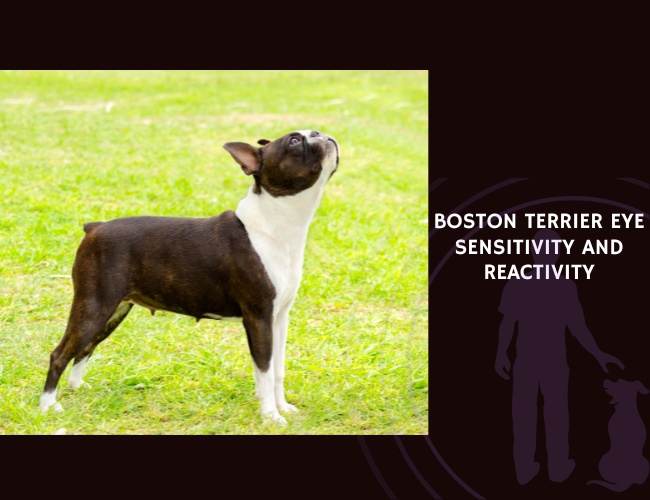
Introduction: When Eyes Tell a Different Story
You’ve noticed something about your Boston Terrier that puzzles you. Maybe it’s the way they suddenly react to a moving shadow, or how they pull away when you reach toward their face. Perhaps you’ve seen them squinting in bright sunlight, pawing at their eyes, or displaying unexpected defensiveness during grooming sessions. These aren’t just quirks of personality—they’re windows into a unique sensory experience shaped by anatomy, neurology, and emotional processing.
Boston Terriers, with their distinctive “tuxedo” markings and expressive, prominent eyes, carry a vulnerability that many owners don’t fully understand until behavioral challenges emerge. Their brachycephalic skull structure—that endearing flat face and shortened snout—creates a cascade of visual and sensory experiences that differ significantly from other breeds. What appears as “reactivity” or “bad behavior” often originates from chronic ocular discomfort, altered visual processing, or the body’s defensive response to unpredictable stimuli.
In this comprehensive guide, we’ll explore the intricate relationship between your Boston Terrier’s eye anatomy, their sensory world, and the behaviors you observe daily. You’ll discover why that seemingly aggressive lunge might actually be a response to impaired vision, how light sensitivity influences mood and trainability, and what science tells us about supporting these remarkable dogs through their unique challenges. 🧡
The Anatomical Reality: Understanding Brachycephalic Eye Structure
What Makes Boston Terrier Eyes Different
The brachycephalic skull configuration that gives Boston Terriers their characteristic appearance also fundamentally alters their ocular health. Unlike breeds with longer snouts and deeper eye sockets, Boston Terriers possess shallow orbital structures that leave their corneas significantly more exposed to environmental elements, injury, and irritation.
This anatomical reality means several things for your dog’s daily experience. First, their corneas—the clear, protective outer layer of the eye—lack the natural shielding that recessed eye sockets provide. Second, the shortened facial structure compromises the mechanics of blinking, reducing the efficiency with which tears spread across the eye surface. Third, tear film stability becomes inherently problematic, creating conditions where the eye surface dries more quickly and remains vulnerable to irritants.
Research examining aqueous tear secretion in Boston Terriers using the Schirmer tear test has revealed diminished nasal sensory input in brachycephalic breeds, directly affecting reflex tear production. This means your Boston Terrier’s eyes may not respond as effectively to irritation with protective tearing, leaving them in a state of chronic low-grade discomfort that most owners never visually detect.
Key Anatomical Vulnerabilities in Boston Terrier Eyes:
- Shallow orbital sockets that fail to provide adequate corneal protection
- Reduced blinking efficiency due to shortened facial structure
- Compromised tear film stability leading to faster eye surface drying
- Diminished reflex tear production in response to irritation
- Increased exposure to environmental irritants (dust, pollen, temperature changes)
- Predisposition to conditions like glaucoma and shallow anterior chambers
The Cascade of Vulnerability
Imagine experiencing constant mild irritation in your eyes—not quite painful enough to alarm you, but persistent enough to color every interaction, every environment, every moment of rest. This is often the reality for Boston Terriers with compromised tear film stability and exposed corneas.
Case studies have documented Boston Terriers presenting with conditions like glaucoma and markedly shallow anterior chambers, indicating breed-specific predispositions to serious ocular conditions. But beyond these clinical diagnoses lies a spectrum of subclinical discomfort that influences behavior in profound ways. The exposed cornea is more susceptible to dust particles, pollen, temperature fluctuations, and light intensity changes—all creating a sensory load that can trigger defensive arousal and hypervigilance.
When we understand this anatomical vulnerability, behavioral patterns begin to make sense. The dog who snaps when you reach toward their face isn’t necessarily “aggressive”—they may be protecting eyes that have learned to associate touch with discomfort. The pup who seems “reactive” to approaching strangers might actually be struggling with impaired depth perception or painful light sensitivity that makes unpredictable movements feel threatening.
Environmental Factors That Challenge Boston Terrier Eyes:
- Dust particles and airborne pollen accumulation on exposed corneas
- Temperature fluctuations causing tear film instability
- Low humidity environments accelerating eye surface drying
- Air conditioning or heating vents directing air toward the face
- Wind exposure during car rides or outdoor activities
- Chemical irritants from cleaning products or air fresheners
Sensory Processing and Visual Reactivity
How Boston Terriers Interpret Their Visual World
Your Boston Terrier’s brain is constantly working to predict and respond to movement in their environment. This predictive capacity—the ability to anticipate where a ball will land, when you’ll reach down to pet them, or how fast a shadow is moving across the floor—relies on sophisticated neural processing that can be compromised when visual information is incomplete or distorted by discomfort.
Research on ocular pursuit demonstrates that prediction of future events is essential for overcoming sensory-motor processing delays. The brain actively anticipates target motion, allowing for rapid and accurate responses to dynamic stimuli. But when this predictive mechanism encounters unpredictable variables—whether from inconsistent visual input due to tear film instability or from pain-induced attention fragmentation—the result can be delayed responses, exaggerated reactions, or defensive behaviors.
Consider how your Boston Terrier responds to fast-moving stimuli like toys being thrown, reflections dancing across walls, or shadows cast by passing cars. If their visual processing is already challenged by chronic irritation or anatomical limitations affecting depth perception, these rapid movements become harder to predict. The brain, unable to accurately anticipate the trajectory, may default to a defensive response—what we interpret as “overreacting” to harmless stimuli.
The Depth Perception Challenge
Dynamic vision—the processing of moving objects in three-dimensional space—requires specific neural mechanisms that differ significantly from static vision. Research on stereoscopic acuity in ocular pursuit reveals relatively little parallelism between still and moving objects regarding three-dimensional vision. This suggests that fast-moving stimuli might be processed differently and potentially more challengingly for individuals with compromised visual systems.
For Boston Terriers, whose prominent eye position may affect binocular vision and depth perception, this creates a unique vulnerability. They may struggle more than other breeds to accurately judge distances when objects approach quickly or when peripheral movement occurs outside their optimal visual field. Through the NeuroBond approach, we recognize that these aren’t cognitive failures but sensory limitations requiring environmental adaptations and patient understanding.
Signs Your Boston Terrier May Be Struggling with Visual Processing:
- Hesitation before jumping onto furniture or into vehicles
- Misjudging distances when catching toys or treats
- Bumping into objects that have been moved to new locations
- Excessive caution on stairs or uneven surfaces
- Overreacting to objects entering their visual field from the side
- Difficulty tracking fast-moving objects like thrown balls
- Confusion during games involving rapid directional changes
Peripheral Vision and Startle Responses
Gaze stabilization plays an important role in maintaining stable vision during active body movements. When peripheral vision accuracy is reduced—whether from anatomical positioning or from the distraction of ocular discomfort—the visual field becomes less coherent. Unpredictable stimuli appearing in this compromised peripheral zone can trigger what appears as an outsized startle response.
You might notice your Boston Terrier reacting dramatically to someone entering the room from the side, or displaying defensive posturing when approached from angles they didn’t anticipate. This isn’t necessarily a temperament flaw. Their peripheral visual processing may be less reliable, and when combined with the sympathetic nervous system arousal that unpredictable stimuli naturally trigger, the result is a heightened defensive response rooted in sensory limitation rather than behavioral choice.
Common Peripheral Vision Triggers That Cause Startle Responses:
- Family members entering rooms through side doorways
- Children running past at dog eye-level
- Other pets moving quickly through peripheral vision zones
- Objects falling or being placed down outside direct line of sight
- Shadows cast by people walking behind the dog
- Ceiling fans or overhead movement
- Shopping carts, strollers, or wheelchairs approaching from the side

Light Sensitivity: The Photophobia Connection
Understanding Light-Induced Discomfort
Photophobia—the exacerbation of discomfort by light—operates through specific neuroanatomical pathways that require an at least partially intact visual system. For Boston Terriers with already irritated, exposed corneas, bright light sources don’t simply reduce visibility; they actively cause pain or significant discomfort that ripples through their entire behavioral state.
Bright sunlight streaming through windows, the flicker of LED lights, or the glare from screens and reflective surfaces can all exacerbate existing ocular irritation. When your Boston Terrier squints, turns away from light sources, or becomes noticeably more reactive in brightly lit environments, they’re communicating a genuine physical discomfort that deserves your attention and accommodation.
The inflammatory responses in corneal epithelial cells suggest that the health of the corneal surface is critical and can be affected by various environmental stimuli. Light exposure in an already compromised eye doesn’t just irritate—it can trigger inflammatory cascades that increase overall sensitivity, creating a feedback loop where light causes inflammation, inflammation increases sensitivity, and increased sensitivity makes future light exposure even more uncomfortable.
Modern Light Sources That Challenge Photophobic Boston Terriers:
- High-frequency LED bulbs creating invisible flicker
- Computer screens and tablet displays emitting concentrated blue light
- Television screens with rapid brightness fluctuations
- Smartphone flashlights used in close proximity
- Car headlights during evening walks
- Fluorescent lighting in veterinary clinics and pet stores
- Camera flashes during photo sessions
- Reflections from car windshields and building windows
Environmental Triggers You Might Miss
Many modern environments contain visual triggers that specifically challenge Boston Terriers’ ocular comfort. High-frequency LED flicker, while invisible to human perception, can create subtle visual disturbances that increase sensory load. Computer screens, tablets, and television displays emit blue light wavelengths that penetrate deeply and can exacerbate photophobic responses.
Reflective surfaces—polished floors, glass tables, mirrors, and even water bowls in direct sunlight—create unpredictable bright spots and moving light patterns that demand constant visual adjustment. For a dog already managing chronic low-grade irritation, these additional challenges compound cognitive load and elevate stress responses.
Outdoor environments present their own challenges. Bright concrete or sand reflects intense light upward. Snow creates a brilliance that can be genuinely painful for photophobic individuals. Even the transition from indoor dimness to outdoor brightness requires visual adaptation that may be more difficult for Boston Terriers with compromised tear film and inflammatory ocular conditions.
Outdoor Environments That Intensify Light Sensitivity:
- Bright concrete sidewalks and parking lots reflecting sunlight upward
- Beach sand creating intense glare from all angles
- Snow-covered surfaces multiplying light intensity
- Water surfaces (lakes, pools, puddles) creating moving reflections
- White or light-colored buildings amplifying ambient brightness
- Open fields without shade during midday hours
- Urban environments with glass buildings and metal surfaces
- Asphalt roads radiating heat and reflecting light
Behavioral Manifestations of Light Sensitivity
When we observe behaviors like avoiding certain rooms during peak sunlight hours, reluctance to go outside on bright days, or increased reactivity in well-lit environments, we’re seeing adaptive responses to genuine discomfort. Your Boston Terrier isn’t being “difficult”—they’re making logical choices to reduce pain.
Adaptive Behaviors That Signal Light Sensitivity:
- Choosing to rest in darkened rooms or under furniture
- Positioning themselves away from windows during sunny hours
- Reluctance to exit the house during midday
- Seeking shade immediately when outdoors
- Turning their head away from bright light sources
- Increased sleeping or appearing lethargic on sunny days
- Preference for evening walks over daytime outings
- Avoiding areas with overhead lighting or skylights
Some dogs develop what appears to be “selective hearing” in bright environments, but this may actually reflect cognitive load. When significant mental resources are dedicated to managing visual discomfort and filtering overwhelming light stimuli, less capacity remains for processing auditory cues or responding to training commands. This isn’t disobedience; it’s neurological reality.
Recognizing Ocular Distress: Reading the Signs
The Subtle Language of Eye Discomfort
Boston Terriers communicate their ocular distress through a constellation of behaviors that owners often misinterpret. Pawing at the face represents a direct, instinctive attempt to alleviate irritation. You might see your dog rubbing their face against furniture, carpets, or even your leg—not as affection, but as a strategy to address uncomfortable sensations around their eyes.
Direct Physical Signs of Ocular Discomfort:
- Pawing at the face or eyes with front paws
- Rubbing face against furniture, carpet, or bedding
- Excessive blinking or rapid eyelid movement
- Squinting in one or both eyes
- Holding one eye partially or fully closed
- Discharge or tearing (clear or colored)
- Redness in the whites of the eyes or around the eyelids
- Cloudiness or changes in eye appearance
- Swelling around the eye area
Squinting is perhaps the most obvious indicator, representing both an attempt to reduce light intake and a protective response to shield irritated tissues. But squinting can be subtle and intermittent, appearing only in specific lighting conditions or after extended periods without blinking effectively.
Avoidance behaviors tell an important story. When your Boston Terrier consistently turns their head away during interactions, positions themselves in shaded areas, or resists coming when called in bright environments, consider ocular comfort as a potential factor. These aren’t signs of stubbornness—they’re sophisticated adaptations to manage sensory challenges.
Behavioral Indicators That May Signal Eye Issues:
- Head-turning away during face-to-face interactions
- Reluctance to make or maintain eye contact
- Positioning body to keep problematic eye away from stimuli
- Resistance to being approached from certain angles
- Avoiding eye contact with other dogs during greetings
- Keeping head lowered when walking in bright conditions
- Backing away when people lean over them
- Increased overall anxiety or irritability without obvious cause

When “Reactivity” Signals Physical Pain
Sudden barking, lunging, or snapping that seems disproportionate to the trigger may originate from impaired or uncomfortable vision. Imagine approaching someone from an angle where they can’t see you clearly, or where the light creates a painful glare that obscures your features. Their defensive response wouldn’t be about aggression—it would be about surprise and self-protection.
The same mechanism operates in Boston Terriers with compromised visual processing. When they cannot accurately perceive approaching people or objects due to discomfort, depth perception challenges, or photophobic pain, those stimuli register as threats. The sympathetic nervous system activates, stress hormones flood the bloodstream, and defensive behaviors emerge not from temperament problems but from a reasonable response to perceived danger.
This understanding transforms how we approach behavior modification. Punishment for “reactive” behavior becomes not only ineffective but actively harmful when the root cause is sensory discomfort. Instead, we need environmental management, medical intervention, and training approaches that accommodate visual limitations.
Reactive Behaviors That May Originate from Visual Discomfort:
- Sudden lunging toward approaching people or dogs
- Snapping or air-snapping when startled by movement
- Barking excessively at visual stimuli (shadows, reflections, movement)
- Growling when people reach toward their head or face
- Defensive posturing when approached in bright environments
- Freezing or refusing to move when visually overwhelmed
- Spinning or jumping at shadows or light patterns
- Aggressive responses during grooming or eye care
- Increased reactivity in specific lighting conditions
The Grooming Sensitivity Connection
Face-touching, eye cleaning, and grooming around the head region often trigger defensive responses in Boston Terriers—and with good reason. Their exposed corneas and history of irritation create learned associations between facial contact and discomfort. Even gentle, well-intentioned grooming can feel threatening when the dog anticipates pain or has experienced it previously during similar interactions.
You might notice increased muscle tension when you reach toward their face, head-turning to avoid contact, or even mouthing and snapping behaviors that escalate with repeated attempts. These responses aren’t manipulative or dominant—they’re fear-based reactions rooted in genuine vulnerability and past negative experiences.
Grooming-Related Behaviors That Indicate Eye Sensitivity:
- Pulling head away when grooming tools approach the face
- Tense body posture throughout facial grooming sessions
- Whining or vocalizing during eye cleaning
- Attempting to escape or hide when grooming supplies appear
- Mouthing or biting at hands during face-region care
- Refusing treats or becoming unable to focus during grooming
- Increased panting or drooling before or during facial grooming
- Prolonged stress behaviors after grooming sessions end
- Negative reactions to specific grooming tools (cotton balls, wipes)
The Invisible Leash reminds us that true control comes not from physical restraint but from emotional safety. When grooming sessions feel unpredictable or have previously caused discomfort, your Boston Terrier cannot relax into trust. Their nervous system remains in a defensive state, ready to protect vulnerable eyes from potential harm.
The Neuroscience of Vision-Based Reactivity
Fear Circuits and Ocular Pain
Affective neuroscience research demonstrates that experiences of pain or irritation activate fundamental FEAR and RAGE circuits in the mammalian brain. These ancient neural pathways don’t distinguish between “serious” and “minor” threats—they respond to the intensity and unpredictability of the stimulus. Chronic ocular irritation, therefore, keeps these circuits in a state of heightened readiness, lowering the threshold for defensive behaviors.
When FEAR circuits are chronically activated, the entire nervous system shifts toward hypervigilance. Environmental scanning increases, startle responses become more pronounced, and the window for calm, regulated responses narrows. Your Boston Terrier isn’t choosing to be “on edge”—their brain is operating in a state of defensive preparedness driven by persistent sensory discomfort.
RAGE circuits, when activated by pain or frustration, can manifest as what appears to be “aggression” but is actually a neurological response to unmanaged distress. The dog who snaps during eye cleaning isn’t being “bad”—their brain is executing a defensive program designed to stop a perceived threat to vulnerable, painful tissues.
Vulnerable. Reactive. Misread.
Discomfort shapes behaviour.
Chronic ocular irritation from brachycephalic eye structure alters how your Boston perceives the world, turning ordinary movements into unpredictable threats their nervous system struggles to interpret calmly.
Vision drives defensiveness.
Shallow sockets, reduced blinking, and unstable tear film disrupt visual clarity and depth perception, making fast or close stimuli feel sudden, intense, or unsafe—fueling reactivity that’s rooted in self-protection.
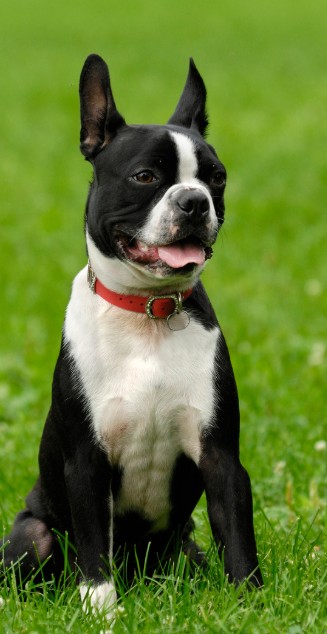
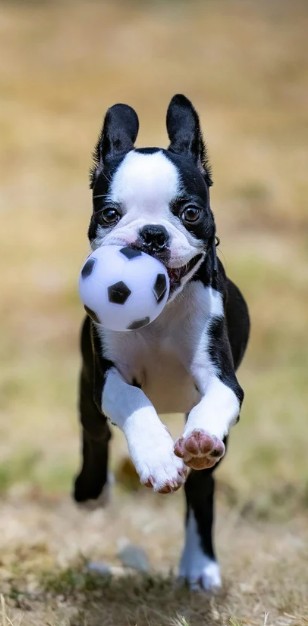

Clarity begins with care.
When eye comfort improves and environments soften, visual processing steadies, allowing your Boston’s true temperament to emerge—proving that support, not correction, unlocks emotional ease.
Autonomic Nervous System Dysregulation
Polyvagal theory provides crucial insights into how visual threats and unpredictable stimuli influence autonomic nervous system tone. The perception of danger—whether from an approaching hand near sensitive eyes or from a movement the dog cannot accurately track—shifts the nervous system from parasympathetic (rest and digest) to sympathetic (fight or flight) dominance.
For Boston Terriers managing chronic ocular discomfort, this shift happens more easily and recovers more slowly. Their baseline nervous system state tilts toward sympathetic activation, meaning less provocation is required to trigger stress responses. This explains why your dog might seem “fine” one moment and suddenly reactive the next—the tipping point into sympathetic dominance sits closer to baseline than in dogs without chronic discomfort.
Understanding this neurological reality changes our intervention strategies. We cannot simply “train away” responses driven by autonomic nervous system activation. Instead, we must address the root causes—reducing ocular irritation, increasing environmental predictability, and supporting parasympathetic engagement through calm, consistent interactions.
The Training Performance Connection
Chronic stress from eye discomfort significantly impairs cognitive function. When mental resources are devoted to managing pain, filtering overwhelming sensory input, and maintaining vigilance against threats, less capacity remains for learning new behaviors, retaining training cues, or exercising impulse control.
You might notice your Boston Terrier performs beautifully in low-stress environments but struggles in bright, stimulating contexts. This isn’t lack of understanding—it’s cognitive load overwhelming available processing capacity. The brain simply cannot attend to training while simultaneously managing significant sensory distress.
Signs That Ocular Discomfort Is Affecting Training Performance:
- Inconsistent response to familiar cues in different lighting conditions
- Difficulty focusing on the handler in bright environments
- Increased distractibility during outdoor training sessions
- Slower response times compared to indoor training
- Inability to hold eye contact during training
- Frequently looking away or scanning the environment
- Reduced food motivation in visually challenging settings
- Signs of stress (panting, yawning, lip licking) during training
- Better performance during early morning or evening sessions
- Apparent “regression” in skills when training location changes
Moreover, classical conditioning creates associations between environmental contexts and internal states. If training sessions frequently occur in environments where your dog experiences photophobic pain or visual confusion, the training context itself becomes a conditioned stressor. This can create training resistance that persists even after ocular issues are addressed, requiring patient reconditioning to rebuild positive associations. 🧠
👁️ Understanding Boston Terrier Eye Sensitivity & Reactivity 👁️
A Complete Journey Through Visual Challenges, Behavioral Impact, and Compassionate Solutions
Phase 1: The Brachycephalic Reality
Understanding the Anatomical Foundation
📚 Skull Structure Impact
The shortened snout and shallow orbital sockets leave corneas significantly exposed. Unlike breeds with deeper eye sockets, Boston Terriers’ eyes protrude, creating constant vulnerability to environmental irritants, injury, and light sensitivity. This isn’t a cosmetic feature—it’s a daily sensory challenge.
⚠️ What This Means for Your Dog
Your Boston Terrier experiences chronic low-grade ocular discomfort that most owners never visually detect. Reduced tear film stability, compromised blink mechanics, and diminished reflex tear production create a constant state of mild irritation that colors every interaction and environment.
✅ Recognition is the First Step
• Observe your dog in different lighting conditions
• Notice which environments they avoid naturally
• Document patterns of squinting or eye rubbing
• Begin seeing behavior through the lens of physical comfort
Phase 2: Visual Processing & Predictive Mechanisms
How the Brain Interprets Compromised Visual Input
🎯 Predictive Processing Breakdown
The brain relies on predicting future events to overcome sensory-motor delays. When visual input is distorted by discomfort or anatomical limitations, predictions fail. Fast-moving shadows, reflections, or toys become unpredictable threats rather than trackable objects, triggering defensive responses instead of playful engagement.
👀 Depth Perception Difficulties
Dynamic stereoscopy—processing moving objects in three dimensions—requires specific neural mechanisms. Boston Terriers’ prominent eye position may affect binocular vision, making rapid movements harder to judge. What appears as “overreacting” is actually reasonable response to incomplete visual data.
🚫 Peripheral Vision Vulnerability
Reduced peripheral vision accuracy means stimuli appearing from the side register as threats. The sympathetic nervous system activates before conscious processing occurs, creating defensive postures that seem disproportionate but are neurologically automatic responses to perceived danger in compromised visual zones.
Phase 3: Photophobia & Environmental Triggers
Understanding Light-Induced Discomfort
💡 The Inflammatory Cascade
Bright light doesn’t just reduce visibility—it actively causes pain in already-irritated eyes. Light triggers inflammatory responses in corneal epithelial cells, creating a feedback loop: light causes inflammation, inflammation increases sensitivity, increased sensitivity makes future light exposure more uncomfortable. This isn’t behavioral—it’s biochemical.
🏙️ Modern Environmental Challenges
• LED flicker (invisible but neurologically taxing)
• Blue light from screens penetrating deeply into eye tissues
• Reflective surfaces creating unpredictable bright spots
• Rapid brightness transitions (indoor to outdoor)
• High-contrast environments demanding constant adaptation
🌳 Environmental Modification Strategy
Replace bright LEDs with warm-toned bulbs, install dimmer switches, use window films to diffuse sunlight, and create multiple shaded retreat zones. Schedule walks during dawn or dusk. Position resting areas away from direct windows. Simple changes create profound comfort improvements.
Phase 4: Reading the Signs of Eye Discomfort
Behavioral Communication of Physical Pain
🐾 Direct Physical Indicators
• Pawing at face or eyes repeatedly
• Rubbing face against furniture or carpet
• Squinting in one or both eyes
• Excessive blinking or holding eyes partially closed
• Visible discharge, tearing, or redness
• Avoidance of eye contact during interactions
🎭 Behavioral Manifestations
When “reactivity” actually signals vision problems: sudden lunging, snapping when startled, excessive barking at visual stimuli, defensive posturing during approach, freezing in bright environments, or training performance that varies dramatically with lighting conditions. These aren’t temperament issues—they’re pain responses.
⚠️ Critical Warning Signs
Sudden personality changes, aggressive responses during grooming, reluctance to be touched near the head, training regression, or increased overall anxiety without obvious cause. If your previously social dog becomes defensive, consider ocular discomfort before labeling it behavioral. Pain changes everything.
Phase 5: Fear Circuits & Autonomic Dysregulation
The Neurological Basis of “Difficult” Behavior
🧬 Affective Neuroscience Perspective
Chronic ocular pain activates fundamental FEAR and RAGE circuits in the mammalian brain. These ancient pathways don’t distinguish between “serious” and “minor” threats—they respond to intensity and unpredictability. Your dog isn’t choosing to be hypervigilant; their nervous system operates in constant defensive preparedness due to persistent sensory distress.
💓 Polyvagal Theory Application
Unpredictable visual stimuli shift the autonomic nervous system from parasympathetic (rest/digest) to sympathetic (fight/flight) dominance. For Boston Terriers with chronic discomfort, this shift happens more easily and recovers more slowly. Their baseline nervous system state tilts toward sympathetic activation, meaning less provocation triggers stress responses.
🎯 Training Performance Impact
Cognitive resources devoted to managing pain cannot simultaneously process training cues. Reduced learning capacity in bright environments isn’t disobedience—it’s neurological reality. Address physical comfort first; behavioral improvements follow naturally when the brain has bandwidth for learning.
Phase 6: Face-Touching & NeuroBond Protocols
Building Trust Through Predictable, Calm Touch
⚠️ Why Face-Touching Triggers Defense
Approaching hands enter the zone of maximum vulnerability. Past experiences—even gentle grooming that inadvertently caused discomfort—create procedural memories predicting pain. The sympathetic nervous system activates before contact occurs, based purely on prediction. This is involuntary neurological protection, not willful defiance.
🧡 The NeuroBond Calm-Touch Approach
Through emotional clarity and predictable movements, we stabilize sensory-driven reactivity. Begin with preferred body areas, use consistent gentle pressure, maintain the same sequence every session. Approach when you are regulated—your dog mirrors your emotional state. Progress gradually toward the face over days or weeks, always below the threshold for defensive responses.
🎬 Movement Pattern Modification
Fast hand motions and sudden gestures are unpredictable stimuli that compromised visual systems cannot track. Slow, deliberate movements from predictable angles (front where visible) allow processing time. Pair approaches with verbal cues that become reliable predictors. The Invisible Leash teaches that awareness guides relationship more effectively than physical control.
Phase 7: Veterinary Support & Medical Management
Professional Assessment and Treatment Options
🔬 Essential Diagnostic Evaluations
Annual ophthalmology assessments are non-negotiable for Boston Terriers. Schirmer tear tests measure tear production objectively, intraocular pressure screenings detect glaucoma early, and fluorescein staining reveals corneal ulcers invisible to the naked eye. Don’t wait for obvious symptoms—by then, significant discomfort has existed for weeks or months.
💧 Tear Film Support & Lubrication
Artificial tears and lubricating ointments aren’t merely palliative—they protect the corneal surface, reduce inflammatory responses, and meaningfully decrease chronic irritation driving behavioral reactivity. Build positive associations with application through gradual desensitization and high-value rewards. Consistency matters more than perfection.
🎯 Anti-Inflammatory Protocols
Immunomodulatory medications (cyclosporine, tacrolimus) address underlying inflammatory processes rather than just symptoms. They interrupt the feedback loop where inflammation increases sensitivity and sensitivity triggers more inflammation. Compliance is crucial—missing doses allows inflammation to resurge, undoing weeks of improvement.
Phase 8: Creating a Lifetime of Comfort
Sustainable Strategies for Daily Wellbeing
🕐 Identifying Optimal Times
Many dogs show predictable patterns in ocular comfort based on time of day, humidity, allergen levels, or cumulative light exposure. Morning hours often provide optimal conditions after nighttime eye recovery. Schedule important activities—training, grooming, socialization—during your dog’s best-functioning windows rather than demanding consistent performance regardless of physical state.
🛡️ Protective Equipment & Accommodations
Dog sunglasses serve legitimate medical purposes for photophobic Boston Terriers, providing UV protection and reducing light intensity during outdoor activities. Introduce through patient desensitization. Create covered outdoor rest areas with umbrellas or shade sails. Choose walking routes with tree cover. Advocacy isn’t limitation—it’s protecting quality of life.
🎯 Training Philosophy Adaptation
Emphasize slow, clear visual cues and predictable spatial patterns. Train in consistent locations with controlled lighting. Use larger hand signals delivered at moderate speed. Recognize that visual learners need more repetitions not due to cognitive slowness but because additional processing is required when visual input is compromised. Adjust expectations to match neurological reality.
⚖️ Comparative Perspective: Boston Terriers vs. Other Breeds ⚖️
Non-Brachycephalic Breeds
Deeper eye sockets provide natural corneal protection. Normal blinking mechanics efficiently spread tear film. Standard tear production responds effectively to irritation. Visual processing typically uncompromised by anatomical limitations. Lower baseline need for ophthalmology intervention.
Boston Terriers
Shallow orbits leave corneas permanently exposed. Compromised blink efficiency and tear film instability create chronic irritation. Diminished reflex tear production. Photophobia common. Depth perception and peripheral vision challenges. Require proactive environmental management and medical monitoring.
Other Brachycephalic Breeds
Pugs, French Bulldogs, and Bulldogs share similar anatomical vulnerabilities but vary in severity. Pugs often show more extreme exophthalmos (eye protrusion). Bulldogs may have additional eyelid conformational issues. All require similar vigilance but individual assessment essential.
Puppies vs. Adults
Young Boston Terriers benefit enormously from early desensitization to face handling and environmental light variations. Adult dogs with established defensive patterns require longer, more patient reconditioning. Senior dogs may develop additional age-related ocular conditions requiring intensified monitoring.
Indoor vs. Outdoor Living
Indoor environments allow controlled lighting and reduced UV exposure, significantly benefiting photophobic dogs. Outdoor living increases exposure to allergens, bright sunlight, and environmental irritants. Climate matters—humid regions support better tear film stability than arid climates.
Treated vs. Untreated Conditions
Boston Terriers receiving consistent tear supplementation and environmental modifications show dramatically improved behavioral stability and training responsiveness. Untreated dogs often develop escalating reactivity patterns, chronic stress, and compromised human-dog relationships. Early intervention changes life trajectory.
⚡ Quick Reference: The Eye Comfort Formula
Daily Comfort = (Tear Film Stability + Environmental Control) × Predictable Interactions – Light Exposure Stress
• Morning Assessment: Check for discharge, squinting, or redness before daily activities
• Light Management: Schedule outdoor time during dawn/dusk; use warm indoor lighting
• Tear Supplementation: Apply artificial tears 2-3x daily, more in dry conditions
• Training Windows: Best performance typically occurs 1-2 hours after waking, in moderate lighting
• Stress Indicators: Pawing, squinting, head-turning, reluctance to make eye contact
• Annual Monitoring: Schirmer tear test, intraocular pressure, corneal examination
• Emergency Signs: Sudden cloudiness, extreme swelling, constant pawing, complete eye closure
🧡 The Zoeta Dogsoul Perspective on Visual Sensitivity 🧡
Understanding Boston Terrier eye sensitivity through the lens of NeuroBond means recognizing that genuine connection emerges when we honor our dogs’ neurological reality rather than imposing unrealistic expectations. Every “reactive” response carries meaning shaped by anatomical vulnerability and sensory experience.
The Invisible Leash reminds us that true partnership flows from awareness and emotional attunement, not from forcing compliance during moments of physical discomfort. When we modify our approach—slowing our movements, adjusting lighting, timing interactions for optimal comfort—we demonstrate respect for the complete being before us.
Through moments of Soul Recall, we transcend technique to reach authentic understanding. Your Boston Terrier’s prominent eyes aren’t just a cosmetic feature—they’re windows into a vulnerable sensory world requiring your informed advocacy. When you see behavior through the lens of physical comfort, reactivity transforms into reasonable response, and the path to partnership becomes clear.
© Zoeta Dogsoul – Where neuroscience meets soul in dog training
Human Interaction: Why Face-Touching Feels Threatening
The Anatomy of Fear-Based Defense
When you reach toward your Boston Terrier’s face, your hand enters a zone of maximum vulnerability for them. Their prominent, exposed eyes are simultaneously their most sensitive feature and their primary source of chronic discomfort. Past experiences—whether remembered consciously or stored as implicit procedural memories—have taught them that contact in this region can bring pain.
This creates a predictable defensive response pattern. As your hand approaches, your dog’s brain begins predictive processing: “Based on past experiences, what will happen next?” If those past experiences include irritation during eye cleaning, accidental pokes, or grooming that pulled sensitive facial hair, the predicted outcome is negative. The sympathetic nervous system activates before contact even occurs.
You’ll observe this in their body language: head turning away, backward weight shift, whites of eyes showing, ears flattening, or muscle tensing throughout the face and neck. These are not willful defiance—they’re involuntary responses orchestrated by neural systems designed to protect the organism from harm.
Early Warning Body Language Before Defensive Face-Touching Reactions:
- Subtle head turn away from approaching hand
- Backward lean or weight shift onto rear legs
- Whale eye (whites of eyes visible)
- Ears pinned back or flattened against head
- Tensed facial muscles or tight mouth
- Rapid tongue flicks or lip licking
- Furrowed brow or worried expression
- Turning entire body to create distance
- Tucked tail or low tail carriage
- Freezing or becoming rigid before movement erupts
Predictability and the Calm-Touch Protocol
Through the NeuroBond approach, we recognize that emotional clarity and predictable movements are essential for stabilizing sensory-driven reactivity. When interactions around the face become predictable—following the same sequence, using the same gentle pressure, occurring in the same calm emotional state—your Boston Terrier’s brain can begin to update its predictions.
Calm-state touch means approaching when you yourself are regulated, not rushed or frustrated. Your dog reads your emotional state through subtle cues—breathing patterns, muscle tension, speed of movement—and mirrors that state in their own nervous system. If you approach face-touching with anxiety about their reaction, that anxiety becomes a self-fulfilling prophecy.
The protocol begins with building positive associations far from the face. Touch areas your dog finds pleasant—chest, shoulders, base of the tail—while offering high-value rewards. Gradually, over multiple sessions, move closer to the head region, always staying below your dog’s threshold for defensive responses. The goal isn’t to “flood” them into tolerance but to genuinely change their emotional response through positive, predictable experiences.
Implementing the NeuroBond Calm-Touch Protocol for Face Handling:
- Begin all sessions when you are emotionally calm and unhurried
- Start touching preferred body areas (chest, shoulders, back) with rewards
- Keep initial sessions extremely brief (30 seconds to 1 minute)
- Use the same gentle pressure and touch style consistently
- Progress toward the head region over multiple sessions (days or weeks)
- Stop immediately if your dog shows any stress signals
- Pair each touch with high-value food rewards
- Practice in low-distraction environments with optimal lighting
- Maintain the same sequence of touches to build predictability
- End sessions before your dog wants to end them
- Keep daily practice short but consistent

Managing Human Movement Patterns
Fast hand motions and sudden gestures represent unpredictable stimuli that are particularly challenging for Boston Terriers with compromised visual processing. Their brain struggles to predict the trajectory and intention of rapid movements, especially in peripheral vision or during moments of visual discomfort.
When you must handle your dog’s face—for medication, cleaning, or examination—slow, deliberate movements from predictable angles allow their visual system and predictive neural mechanisms time to process what’s happening. Approach from the front where they can see your hand clearly, move at a speed that allows tracking, and pair the approach with verbal cues that become reliable predictors of what follows.
This isn’t about “dominance” or “showing them who’s boss”—it’s about respecting neurological limitations and building genuine trust through consistent, safe interactions. The Invisible Leash teaches us that awareness and emotional attunement guide the relationship far more effectively than physical control ever could.
Environmental Management: Creating Visual Comfort
Light Modification Strategies
Simple environmental modifications can dramatically reduce your Boston Terrier’s daily stress load. Indoor lighting adjustments begin with replacing high-frequency LED bulbs with warmer, lower-intensity options. Dimmer switches allow you to customize light levels to your dog’s comfort, particularly during times when ocular irritation is elevated.
Natural light management involves strategic use of curtains, blinds, or window films to diffuse harsh direct sunlight while maintaining adequate illumination. Create shaded areas throughout your home where your dog can retreat when light becomes overwhelming. Notice which rooms they avoid during peak sunlight hours and consider whether light intensity plays a role.
Practical Indoor Lighting Modifications for Photophobic Dogs:
- Replace bright white LED bulbs with warm-toned, lower-intensity options
- Install dimmer switches for flexible light level control
- Use sheer curtains or window films to diffuse direct sunlight
- Position dog beds and resting areas away from direct window light
- Create multiple shaded retreat zones throughout the home
- Use table lamps instead of harsh overhead lighting
- Turn off unnecessary lights during daytime hours
- Cover or eliminate mirrors that reflect bright light
- Choose matte paint finishes over glossy ones for walls
- Position furniture to create natural shade pockets
- Use blackout curtains in rest areas for complete darkness options
For dogs spending time outdoors, providing shaded rest areas is essential. Tree cover, umbrellas, covered porches, or even portable canopies create refuges from bright light. Time outdoor activities during dawn or dusk when light intensity is naturally lower and less likely to trigger photophobic responses.
Outdoor Environmental Strategies to Reduce Light Exposure:
- Schedule walks during early morning hours (before 8 AM)
- Plan evening walks after sunset or during golden hour
- Choose walking routes with tree cover or building shade
- Install patio umbrellas or shade sails in yard areas
- Create covered rest zones on decks or patios
- Use portable pop-up canopies for beach or park visits
- Position outdoor water bowls in shaded locations
- Plant trees or tall shrubs to provide natural shade
- Avoid reflective surfaces like light-colored concrete during peak sun
- Consider indoor exercise alternatives on extremely bright days
The Protective Equipment Question
Dog sunglasses—once considered merely novelty items—serve a legitimate medical purpose for Boston Terriers with significant photophobia. Quality dog goggles provide UV protection, reduce overall light intensity, and can dramatically decrease ocular stress during outdoor activities.
Introducing protective eyewear requires patient desensitization. Begin by rewarding your dog simply for investigating the goggles, then for wearing them for brief moments indoors where distraction is minimal. Gradually increase duration and add outdoor contexts, always pairing the experience with positive outcomes—treats, play, or favorite activities.
Not every Boston Terrier will tolerate eyewear, and that’s acceptable. The goal is always reducing stress, not adding new sources of conflict. If protective equipment creates more anxiety than the light exposure it prevents, focus instead on environmental management and medical interventions.
Creating Predictable Visual Environments
Reducing visual chaos in your home supports your Boston Terrier’s ability to process their environment without overwhelming their already-challenged visual system. Minimize reflective surfaces in areas where your dog spends significant time. Cover or remove mirrors at dog eye-level, choose matte finishes over glossy ones, and position water bowls away from direct light to prevent glare.
Creating a Visually Calmer Home Environment:
- Remove or cover low mirrors that reflect light at dog eye-level
- Choose matte or satin finishes for floors instead of high-gloss
- Position water and food bowls away from windows and bright light
- Reduce clutter that creates visual complexity and shadows
- Maintain consistent furniture arrangements to aid spatial memory
- Use solid-colored, non-reflective food and water bowls
- Minimize decorative items with shiny or metallic surfaces
- Keep floors clear of small objects that create visual obstacles
- Use rugs to reduce floor glare and create visual boundaries
- Avoid frequent rearrangement of furniture and belongings
Maintain consistent furniture placement. While humans easily adapt to rearranged spaces, dogs with compromised depth perception or peripheral vision may struggle to update their spatial maps. Familiar, stable environments allow them to move confidently without constant visual verification of object locations.
Consider the impact of screens and electronic devices. Television placement, screen brightness, and the types of content displayed all create visual stimuli your dog processes whether you intend them to or not. Rapid scene changes, bright flashes, and high-contrast images can contribute to sensory overload, particularly in small living spaces where dogs cannot easily distance themselves from screens.
Managing Electronic Screen Impact on Visually Sensitive Dogs:
- Position televisions away from dog resting areas
- Reduce screen brightness settings on all devices
- Avoid content with rapid scene changes or bright flashes
- Turn off screens when not actively watching
- Angle computer monitors away from common dog pathways
- Use screen protectors that reduce glare and blue light
- Keep phones and tablets face-down when not in use
- Avoid using bright screensavers or moving wallpapers
- Provide alternative resting spaces away from home entertainment areas
- Consider room-darkening options during screen time
Training Approaches for Visually Sensitive Dogs
The Slow Cue Philosophy
Training protocols that emphasize slow, clear visual cues work with your Boston Terrier’s neurological reality rather than against it. Hand signals delivered at moderate speed, from consistent heights and angles, allow their visual system adequate processing time. Rapid or variable hand movements trigger the same predictive difficulties that cause reactivity to environmental stimuli.
Begin each training session with cues your dog knows well, delivered extra slowly to set the expectation for pacing. Reward attention to your hands even before the cue is complete—you’re teaching them that watching your movements predicts good things and that they have time to process visual information.
As you introduce new behaviors, recognize that visual learners may need more repetitions to form reliable associations. This isn’t cognitive slowness—it’s the additional processing required when visual input is less clear or when attention must be divided between managing discomfort and learning new patterns.
Optimizing Training Conditions for Boston Terriers with Eye Sensitivity:
- Train during times of day when your dog shows best visual comfort
- Choose indoor locations with soft, indirect lighting
- Position yourself so your dog doesn’t face bright windows or lights
- Use larger, more visible hand signals delivered slowly
- Wear clothing that contrasts with the background for clearer visual cues
- Keep training sessions shorter (5-10 minutes) but more frequent
- Reduce environmental distractions that increase visual processing load
- Stand at a comfortable distance that allows clear focus
- Avoid training immediately after exposure to bright conditions
- Allow adequate rest time between training sessions for eye recovery
Spatial Predictability in Training
Creating predictable spatial patterns reduces cognitive load and supports learning. Training in the same location, with similar lighting conditions, and following consistent sequences allows your Boston Terrier to focus on the behavior being taught rather than constantly assessing environmental variables.
This doesn’t mean you’ll never generalize behaviors to new environments, but initial learning occurs most effectively when sensory variables are controlled. Once a behavior is fluent in the predictable context, systematic generalization to new locations can begin—starting with minimally different environments and gradually increasing complexity.
Pay attention to how training performance varies with environmental conditions. Keep a simple log noting light levels, time of day, and any visible signs of ocular discomfort alongside training success rates. Patterns will emerge revealing your dog’s optimal learning conditions—information that allows you to set both of you up for success.
When Training Struggles Signal Medical Issues
If your Boston Terrier shows inconsistent training performance, particular difficulty with visual cues, or increased reactivity during sessions, consider ocular comfort as a potential factor before intensifying training pressure. A veterinary ophthalmology examination can identify treatable conditions—from dry eye to corneal ulcers to early glaucoma—that dramatically impact behavior and learning.
Sometimes the kindest training decision is to pause structured sessions and focus instead on medical management and environmental modifications. Training requires cognitive bandwidth that simply isn’t available when pain or discomfort dominates awareness. Pushing through creates frustration, damages the training relationship, and can generate learned helplessness when the dog cannot succeed despite effort.
Through moments of Soul Recall—those instances where genuine connection transcends technique—we recognize when our dog’s struggles stem from limitation rather than choice. This awareness transforms our approach from correction-based to support-based, honoring the challenges they face while still maintaining gentle, consistent expectations.
Medical Interventions and Preventive Care
Veterinary Ophthalmology: When to Seek Expertise
Regular veterinary ophthalmology assessments are essential for Boston Terriers, ideally beginning in puppyhood to establish baseline measurements and identify predispositions early. The Schirmer tear test measures tear production, providing objective data about your dog’s ocular surface health. Intraocular pressure measurements screen for glaucoma, while fluorescein staining reveals corneal ulcers or erosions that may not be visible externally.
Schedule ophthalmology evaluations at least annually, more frequently if your dog shows behavioral signs of ocular distress or has been diagnosed with chronic conditions requiring monitoring. Don’t wait for obvious symptoms like redness or discharge—by the time these appear, significant discomfort has often been present for some time.
When to Schedule Veterinary Ophthalmology Evaluation:
- Annual wellness exams for all Boston Terriers regardless of symptoms
- Puppy’s first examination between 8-12 weeks of age
- Any sudden increase in squinting, pawing, or eye rubbing
- Visible changes in eye appearance (cloudiness, redness, swelling)
- New discharge or excessive tearing from one or both eyes
- Behavioral changes suggesting vision changes (bumping into objects)
- Increased light sensitivity or avoidance of bright areas
- Recent eye trauma or suspected foreign body contact
- Before beginning breeding programs to screen for heritable conditions
- When behavioral reactivity suddenly worsens without obvious cause
- If training performance dramatically declines
- Prior to any anesthesia or surgical procedures
Communicate behavioral observations to your veterinary ophthalmologist. Information about light sensitivity, face-touching aversion, or reactivity patterns helps them understand the functional impact of any ocular pathology they identify. Behavior and medical health are intimately connected—effective treatment requires addressing both dimensions.
Tear Film Support and Lubrication
For Boston Terriers with compromised tear production or unstable tear film, artificial tears and lubricating ointments provide significant relief. These products aren’t merely palliative—they protect the corneal surface, reduce inflammatory responses, and can meaningfully decrease the chronic low-grade irritation driving behavioral reactivity.
Application techniques matter. Approaching your dog’s face with drops or ointment requires the calm-touch protocols discussed earlier. Build positive associations through gradual desensitization, pairing the medication routine with high-value rewards and maintaining predictable sequences that allow your dog to anticipate what’s coming.
Techniques for Successful Eye Medication Application:
- Warm the medication bottle in your hand before application to avoid startling cold sensation
- Approach from the side rather than directly facing your dog
- Use the same verbal cue each time to signal what’s coming (“medicine time”)
- Apply medication in the same location and at the same time daily
- Have a helper gently stabilize your dog’s head if needed
- Offer a high-value treat immediately before and after application
- Keep the medication bottle out of your dog’s direct line of sight during approach
- Use gentle pressure to hold the eyelid open rather than forcing
- Deliver drops or ointment in one smooth motion without multiple attempts
- Immediately reward cooperation with play or favorite activities
- Keep sessions calm without frustration or hurrying
- Consider professional demonstration from veterinary staff for technique refinement
Some dogs benefit from preservative-free formulations if frequent application is required, as preservatives themselves can irritate sensitive ocular tissues. Discuss options with your veterinarian to identify products that balance effectiveness, frequency of application, and tolerability for your individual dog.
Anti-Inflammatory and Medical Management
When examination reveals inflammatory ocular conditions—from dry eye (keratoconjunctivitis sicca) to chronic superficial keratitis—immunomodulatory medications like cyclosporine or tacrolimus may be prescribed. These drugs address underlying inflammatory processes rather than just symptoms, potentially reducing the feedback loop where inflammation increases sensitivity and sensitivity triggers more inflammation.
Compliance with medication schedules is crucial for effectiveness. Missing doses allows inflammation to resurge, potentially undoing weeks of improvement. If application difficulty creates stress that undermines the benefit, work with your veterinarian to identify alternative formulations or frequencies that you can reliably maintain.
Some Boston Terriers develop secondary bacterial or fungal infections in chronically irritated eyes. Antimicrobial medications address these complications, but prevention through good tear film health and environmental cleanliness remains preferable to repeated treatment courses.
Preventive Strategies: Early Life Foundations
Puppy Desensitization to Face Handling
Early-life desensitization to face handling creates neurological pathways that associate facial contact with positive outcomes rather than threat. Beginning in the earliest weeks of life—ideally while still with the breeder—puppies should experience gentle, brief face touches paired with treats, play, or feeding.
The goal is not forced tolerance but genuine comfort. Sessions should be brief, below the threshold for stress responses, and always paired with something the puppy values. Over time, you can gradually extend duration, include different types of touch (rubbing, gentle pressure, touching near the eyes), and involve various family members so the positive association generalizes.
This early foundation doesn’t guarantee an adult dog who loves face grooming, but it significantly increases the likelihood of tolerance and decreases the risk of defensive reactivity. For Boston Terriers specifically, whose ocular anatomy predicts lifelong need for face-region care, this investment in early positive experiences pays dividends throughout their life.
Teaching Cooperative Care Behaviors
Beyond passive tolerance, you can teach active participation in care routines. Cooperative care training involves teaching your dog specific behaviors that facilitate grooming and medical procedures—chin rests, holding still for specified durations, moving into position on cue.
For eye care specifically, a “chin rest” behavior where your Boston Terrier places their chin on your hand or a designated surface creates a predictable, controlled position for examination or cleaning. The dog maintains the behavior voluntarily and can opt out by lifting their head—this element of control reduces stress and builds trust.
Start shaping these behaviors when no actual care is needed, rewarding approximations and building duration gradually. Only once the behavior is reliable and clearly positive for your dog should you begin pairing it with actual eye care, starting with the least invasive procedures and always maintaining the dog’s right to opt out if they become uncomfortable.
Nutrition and Ocular Health
Anti-Inflammatory Dietary Support
While diet cannot correct anatomical vulnerabilities, nutritional support for ocular health can reduce inflammatory burden and support tear film quality. Omega-3 fatty acids from sources like fish oil have documented anti-inflammatory effects and may benefit dogs with chronic ocular surface disease.
Antioxidants including vitamins E and C, lutein, and zeaxanthin support retinal health and may protect against oxidative damage in sensitive ocular tissues. Quality commercial diets formulated for Boston Terriers or small breeds typically include these nutrients at appropriate levels, but supplementation may be warranted in dogs with diagnosed ocular conditions—always under veterinary guidance.
Hydration status affects tear production and overall health. Ensure fresh water is always available and consider moisture content when choosing between dry and canned food options. Some dogs benefit from adding water or low-sodium broth to dry kibble to increase fluid intake.
Avoiding Dietary Triggers
Some Boston Terriers show sensitivity to specific food ingredients that may exacerbate inflammatory conditions, including ocular inflammation. While food allergies more commonly manifest as skin or gastrointestinal issues, systemic inflammation from dietary sources can potentially worsen ocular comfort.
If your dog shows unexplained fluctuations in ocular irritation alongside other signs of food sensitivity, discuss an elimination diet trial with your veterinarian. Systematic removal and reintroduction of potential triggers can identify specific ingredients worth avoiding.
Remember that nutritional changes require time to show effects. Don’t expect immediate improvement in ocular comfort from dietary modifications—give any intervention at least 6-8 weeks before evaluating effectiveness.
Living Well with Visual Sensitivity
Recognizing Your Dog’s Optimal Times
Pay attention to patterns in your Boston Terrier’s comfort and behavior throughout the day. Many dogs show predictable variations in ocular irritation based on environmental allergen levels, humidity, time since last sleep, or cumulative sensory load. Identifying these patterns allows you to schedule important activities—training, grooming, socialization—during times when your dog functions best.
Morning hours often provide optimal conditions after nighttime rest has allowed eyes to recuperate. Conversely, late afternoon might bring increased irritation from dust accumulation, dry air, or cumulative light exposure. Adjust expectations and activities accordingly rather than demanding consistent performance regardless of your dog’s current state.
This attentiveness to your dog’s experience demonstrates the empathy and awareness that defines the NeuroBond approach. You’re not just following a training protocol—you’re reading and responding to your individual dog’s needs in real time, building a relationship based on genuine understanding rather than rigid rules.
Advocating for Your Dog’s Needs
In a world designed for visually typical dogs, your Boston Terrier may need you to advocate for accommodations. This might mean requesting that veterinary staff dim examination room lights, asking visitors to approach slowly from the front rather than reaching directly for the head, or declining participation in activities that occur in conditions likely to trigger photophobic distress.
Advocacy isn’t about limiting your dog’s life—it’s about protecting their quality of life and preventing situations where they must choose between participating despite pain or displaying defensive behaviors that damage their reputation and relationships. A dog who consistently feels safe and comfortable is more confident, more social, and more able to engage with the world on their own terms.
Some situations require creative problem-solving. If your dog loves walks but struggles with bright sun, early morning or evening walks might become your routine. If they enjoy the dog park but become reactive when visually overwhelmed, choosing less crowded times or shadier parks accommodates their needs while maintaining enrichment.
Celebrating Small Victories
Progress with visually sensitive dogs often comes in small increments—a grooming session where they remained relaxed, a bright day where reactivity didn’t escalate, successful administration of eye drops without defensive responses. These moments deserve recognition and celebration, both for your dog’s effort and your own commitment to understanding and supporting their unique needs.
Each positive experience builds resilience and updates the predictions their brain makes about future interactions. Over time, accumulated positive experiences can shift baseline expectations from threat-based to safety-based, gradually expanding your dog’s comfort zone and behavioral flexibility.
The journey isn’t about “fixing” your Boston Terrier or making them tolerate situations they find genuinely difficult. It’s about understanding the intersection of anatomy, neurology, and emotion that shapes their experience, then creating conditions where they can thrive despite inherent vulnerabilities. That balance between science and soul—that’s the essence of Zoeta Dogsoul. 🧡
Conclusion: Seeing Through Their Eyes
Your Boston Terrier’s prominent, expressive eyes that drew you to the breed also represent a vulnerability requiring your informed, compassionate response. The reactivity, defensive behaviors, or training challenges you’ve experienced aren’t character flaws or dominance struggles—they’re logical outcomes of chronic ocular discomfort, compromised visual processing, and defensive nervous system activation.
Understanding the anatomical reality of brachycephalic eye structure transforms how we interpret behavior. Shallow orbital sockets, exposed corneas, compromised tear film stability, and altered blink mechanics create a daily experience of low-grade irritation that colors every interaction. When we add photophobia, depth perception challenges, and difficulties processing rapid or unpredictable visual stimuli, the full picture of your dog’s sensory world emerges.
This knowledge empowers you to make different choices—environmental modifications that reduce light-induced stress, training approaches that accommodate visual processing limitations, medical interventions that address underlying ocular pathology, and handling techniques that build trust rather than triggering defense. You become not just an owner but an informed advocate, creating conditions where your Boston Terrier can experience comfort, safety, and genuine partnership.
The behavioral signs we’ve explored—pawing at the face, squinting, avoidance of bright environments, reactivity to approach, defensive responses during grooming—are communications. Your dog is telling you about their experience, using the language available to them. When we listen with both scientific understanding and emotional attunement, we can respond in ways that genuinely address their needs rather than suppressing symptoms through punishment or force.
Remember that every Boston Terrier’s experience is individual. Some will show dramatic photophobia while others manage light sensitivity with minimal behavioral impact. Some will require extensive medical management while others need primarily environmental accommodations. Your dog’s specific pattern of vulnerability and resilience will emerge as you observe, document, and respond to their signals over time.
The preventive strategies we’ve discussed—early desensitization to face handling, cooperative care training, environmental management, regular ophthalmology care—represent investments in your dog’s lifelong welfare. These aren’t quick fixes but foundational practices that build resilience, positive associations, and physical comfort that accumulate over years.
As you move forward in your relationship with your Boston Terrier, let compassion and curiosity guide your interpretations of behavior. When reactivity emerges, pause to consider whether ocular discomfort, visual processing limitations, or sensory overload might be contributing factors. When training stalls, evaluate whether environmental conditions or physical comfort are limiting your dog’s capacity to learn rather than assuming motivational deficits.
The NeuroBond perspective reminds us that genuine connection emerges from understanding and meeting our dogs where they are—not where we wish they were or where training protocols assume they should be. The Invisible Leash concept teaches that true partnership flows from mutual awareness and emotional attunement rather than physical control. And through moments of Soul Recall, we recognize that our dogs’ behavioral responses carry meaning shaped by their unique anatomical, neurological, and emotional realities.
Your Boston Terrier’s eyes—those windows into their soul that captivated you from the beginning—deserve your protection, your advocacy, and your informed care. When you see the world through their eyes, reactivity transforms into reasonable response, behavioral challenges become communication, and the path forward becomes clear. This is not just about managing a dog with special needs—it’s about honoring the complete being before you, vulnerabilities and strengths alike, and building a relationship grounded in genuine understanding. 🧡










