Introduction: The Silent Observer
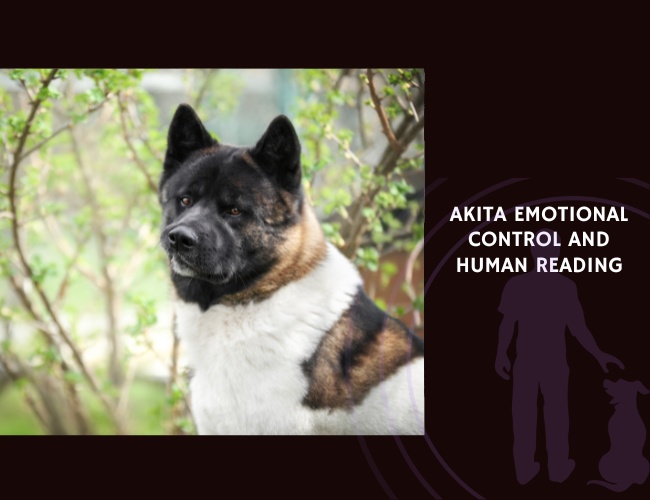
Have you ever watched an Akita in a crowded room? While other dogs bounce from person to person, tails wagging with indiscriminate enthusiasm, the Akita stands apart. Not aloof, not disengaged—but observing. Their eyes track movement with quiet intensity, their body remains still yet ready, and their emotional presence feels both ancient and deeply attuned.
This is not aloofness. This is mastery.
The Akita embodies a form of emotional intelligence that challenges our expectations of what canine connection looks like. Bred for centuries in the mountainous regions of northern Japan, these dignified guardians developed a unique capacity for emotional control and human reading that sets them apart from more socially exuberant breeds. Where some dogs wear their hearts on their sleeves, the Akita holds theirs close—but no less deeply.
Understanding the Akita’s emotional world requires us to look beyond conventional expectations of canine behavior. Their sensitivity isn’t expressed through constant physical contact or vocal enthusiasm. Instead, it manifests in subtle shifts of attention, in the quality of their stillness, in the precise moment they choose to move closer or create distance. This breed processes human emotional signals with remarkable accuracy, regulates internal arousal with exceptional control, and maintains social equilibrium through what can only be described as quiet wisdom.
In this exploration, we’ll journey into the cognitive and affective mechanisms that make the Akita such a compelling study in emotional control. We’ll decode how they read human cues, understand their capacity for self-regulation, and discover what it truly means to earn the trust of a breed that offers loyalty as a gift, not a given. 🧡
Character & Emotional Temperament: Understanding the Akita’s Inner Landscape
The Architecture of Restraint
The Akita’s temperament isn’t built on impulsivity—it’s architected around careful assessment and measured response. This fundamental difference shapes every interaction they have with their environment and the humans they bond with.
You might notice your Akita pausing before entering a new room, taking in the energy of a space before committing to engagement. This isn’t hesitation born of fear; it’s intelligent scanning behavior. Their brains are wired for threat appraisal and environmental assessment, allowing them to code for potentially challenging situations at a sensory level and respond appropriately with minimal delay.
Common Akita Scanning Behaviors You’ll Observe:
- The Doorway Pause: Standing at thresholds to assess the room’s energy, occupants, and potential challenges before entering
- The Head Turn Scan: Rotating their head slowly to take in the full environment, processing visual and auditory information simultaneously
- The Positioning Choice: Selecting a resting spot that allows visual access to entry points and family members
- The Stranger Assessment: Maintaining distance while observing new people, gathering behavioral data before deciding on engagement
- The Situation Monitor: Tracking multiple elements in their environment—children playing, doors opening, phones ringing—without appearing overtly reactive
Emotional Steadiness and Neural Control
What makes the Akita capable of such remarkable composure? The answer lies partly in their neurobiological makeup. While specific research on Akita neural circuitry remains limited, guardian breeds as a category show enhanced prefrontal cortex function—the brain region responsible for impulse control, decision-making, and emotional regulation.
Think of it this way: where some breeds operate with their emotional accelerator always engaged, the Akita possesses both accelerator and brake in equal measure. This allows them to maintain what researchers call “calm-state resilience”—the ability to remain emotionally neutral even when internal arousal begins to rise.
The Guardian’s Watchful Presence
Guardian breeds like the Akita were selectively bred for specific behavioral traits: restraint over reactivity, scanning over rushing, delayed response over immediate action. These aren’t signs of being emotionally distant; they’re evidence of sophisticated emotional processing.
Your Akita is constantly gathering information. They notice the subtle tension in your shoulders when you’re stressed. They register the pitch change in your voice during a phone call. They track the posture of a stranger approaching your home. All of this data gets processed through their remarkable capacity for emotional assessment before they decide how—or if—to respond.
This selective engagement often gets misinterpreted as aloofness, but it’s actually the opposite. It’s deep, focused attention that doesn’t require constant demonstration. 🐾
The Science of Quiet Control: Arousal Modulation in Akitas
Understanding the Freeze-Scan-Assess Response
When faced with social tension, perceived threats, or overstimulation, the Akita displays what we call “quiet control behaviors.” Unlike breeds that default to overt reactions—barking, jumping, spinning—the Akita often chooses stillness.
You’ve probably witnessed this: your Akita suddenly going very still, body tense but controlled, eyes fixed on whatever has captured their attention. This freeze response isn’t paralysis; it’s active data collection. In these moments, they’re running a complex threat assessment algorithm, determining whether the situation requires action or simply continued observation.
The Slow Blink: A Window into Emotional State
One of the most subtle yet telling behaviors in the Akita’s repertoire is the slow blink. When your Akita looks at you and slowly closes their eyes, they’re not showing disinterest—they’re communicating trust and emotional calm.
This behavior serves multiple functions. First, it’s a self-soothing mechanism, helping them maintain parasympathetic nervous system activation (the “rest and digest” state) even in stimulating environments. Second, it’s a social signal to you and other animals that they’re not posing a threat. Third, it’s a way of managing their own arousal levels through controlled sensory input reduction.
Physiological Markers: When Calm Becomes Compression
Here’s where understanding your Akita becomes crucial: outward calm doesn’t always equal inner peace. Some Akitas demonstrate extraordinary skill at suppressing stress signals, making it challenging to distinguish between genuine emotional neutrality and what we might call “compressed stress.”
Signs of True Calm-State Resilience:
- Relaxed Muscle Tone: Particularly visible in jaw, shoulders, and hindquarters—no tension or rigidity
- Steady, Deep Breathing: Consistent respiratory rhythm without shallow or rapid patterns
- Soft Eye Expression: Lower lids slightly raised, gentle gaze, pupils appropriately sized for lighting conditions
- Willingness to Accept Touch: Leaning into gentle petting rather than tolerating or moving away
- Easy Position Changes: Shifting from standing to sitting to lying down fluidly, without stiffness
- Periodic Sighing: Deep exhales that indicate parasympathetic nervous system activation
Indicators of Suppressed Stress:
- Muscle Rigidity: Body appears still but feels tense when touched, particularly along spine and shoulders
- Shallow Breathing: Quick, chest-only breathing rather than deep diaphragmatic breaths
- Hard Eye Expression: What trainers call “whale eye” (showing whites), fixed stare, dilated pupils
- Touch Avoidance: Moving away from contact or tolerating it with visible tension
- Frozen Posture: Maintaining one position for extended periods without natural readjustment
- Lack of Settling Behaviors: Inability to fully relax even in safe, familiar environments
Learning to read these differences becomes essential for supporting your Akita’s emotional wellbeing. The goal isn’t to eliminate their natural restraint—it’s to ensure their stillness comes from genuine emotional equilibrium rather than forced suppression. 🧠
Human Emotion Perception: How Akitas Read Us
The Microsignals They Never Miss
Did you know that dogs—and Akitas in particular—possess remarkable sensitivity to human micro-expressions? These are the fleeting facial movements that flash across our faces in fractions of a second, often before we’re even consciously aware of our own emotional state.
Your Akita notices when your eyebrows tighten with stress. They register the slight downturn of your mouth when you’re disappointed. They track the tension that ripples through your body when you’re anxious, even if you’re trying to hide it. This capacity for reading subtle affective cues is influenced by genetic variability and breed-specific traits, meaning some dogs—particularly those bred for close human partnership—demonstrate enhanced perceptual abilities.
Human Micro-Signals Your Akita Reads Constantly:
- Facial Tension: Tightening around eyes, furrowed brows, jaw clenching, lip pressing—all indicators of stress or frustration
- Postural Shifts: Changes in how you hold your shoulders, whether you stand tall or collapse inward, how you distribute your weight
- Breathing Patterns: Shallow chest breathing versus deep diaphragmatic breaths, holding breath during stressful moments
- Voice Quality: Pitch elevation when anxious, vocal tension, pace of speech, warmth or coldness in tone
- Movement Rhythm: Whether you move with fluid confidence or jerky uncertainty, your walking pace and stride
- Gaze Patterns: Where you look, how long you maintain eye contact, whether your eyes dart nervously or rest calmly
- Energetic Boundaries: The invisible space around your body—whether you project confidence or contraction
Beyond Words: Energy and Spatial Communication
While Akitas can certainly learn verbal commands, their primary language is non-verbal. They’re masters at reading what trainers call “energy-based communication”—the quality of your presence, the rhythm of your movement, the invisible boundary of your personal space.
This is where the Invisible Leash becomes particularly relevant. Your Akita doesn’t need physical restraint to understand your intentions; they’re reading the energetic signals you’re constantly broadcasting. When you’re grounded and clear in your leadership, they feel it. When you’re scattered or uncertain, they register that too.
Spatial communication matters enormously to this breed. An Akita watches how you move through space—whether you navigate your environment with confidence or hesitation, whether you claim space or defer it. These observations inform their understanding of your leadership capacity and emotional stability.
The Impact of Human Inconsistency
Here’s a truth that many Akita owners discover the hard way: this breed cannot thrive with emotional inconsistency from their human. When your outer expression doesn’t match your inner state—what we call “emotional leakage”—your Akita experiences confusion that can erode their confidence and trust.
Imagine telling your Akita everything is fine while your body radiates stress. Your voice says one thing; your energy says another. For a breed that relies so heavily on accurate signal reading, these conflicting cues create cognitive dissonance.
Research on emotional contagion in animals demonstrates that dogs absorb and mirror human emotional states. Your anxiety becomes their anxiety. Your calm becomes their calm. This phenomenon occurs through what’s called behavioral mimicry and emotional contagion—your Akita literally attunes their nervous system to yours.
How Emotional Inconsistency Manifests in Akita Behavior:
- Increased Boundary Testing: Challenging established rules to assess whether your leadership is stable
- Heightened Vigilance: Taking on guardian responsibilities because they sense uncertainty in your leadership
- Selective Deafness: Ignoring commands when your emotional state doesn’t match your verbal direction
- Stress Displacement Behaviors: Excessive grooming, pacing, restlessness despite adequate exercise
- Reduced Eye Contact: Avoiding direct gaze because conflicting signals create confusion
- Space-Seeking: Creating more physical distance to escape the tension of mixed messages
For guardian breeds with such sophisticated reading abilities, human emotional consistency isn’t just helpful; it’s foundational. When you cultivate genuine calm-state presence, you’re not just modeling behavior—you’re creating the neurological conditions for your Akita to access their own emotional steadiness. This is the essence of NeuroBond, where shared emotional states create synchrony between human and canine nervous systems. 🧡
Breed-Specific Temperament: The Guardian’s Genetic Legacy
Wired for Vigilance, Built for Bonding
The Akita’s temperament reflects centuries of selective breeding for specific purposes: guarding precious resources, protecting family units, and maintaining watchful presence through long, isolated winters in mountainous terrain. These historical functions shaped not just their physical structure but their entire psychological framework.
Guardian breeds possess what we might call a “restraint-scan-respond” operational mode. While herding breeds are wired to gather and control movement, and sporting breeds are built for enthusiastic cooperation, guardian breeds like the Akita operate on a different algorithm entirely: observe, assess, determine necessity of action, then respond proportionally.
This programming runs deep. It’s not something you train into or out of an Akita—it’s fundamental to who they are. Understanding this helps us interpret behaviors that might otherwise seem confusing or concerning.
Selective Empathy and Focused Loyalty
One of the most distinctive features of Akita temperament is what researchers call “selective empathy.” Unlike breeds that offer indiscriminate affection to anyone they meet, the Akita’s emotional investment is carefully allocated.
They don’t bond broadly—they bond deeply. Their capacity for emotional alignment focuses on a select few individuals, typically their primary family unit. This creates what we might call “focused loyalty”: strong emotional synchronization with their chosen person rather than broad social openness to all humans.
This trait likely evolved from their historical role as personal guardians and hunting companions. An Akita needed to distinguish clearly between “mine to protect” and “potential threat,” and this distinction required deep familiarity with their person’s emotional signatures, behavioral patterns, and needs.
The Stoic Guardian Paradox
Here’s the paradox at the heart of Akita temperament: they appear stoic yet possess profound sensitivity. They seem independent yet form bonds of remarkable depth. They display emotional restraint yet can read human feelings with stunning accuracy.
This isn’t contradiction—it’s integration. The Akita’s stoicism is what allows them to remain functionally effective as guardians. If they reacted to every stimulus with high arousal, they’d be exhausted and ineffective. Their restraint is what creates space for accurate perception and proportional response.
Think of them as emotional athletes with exceptional discipline. They possess the capacity for intense feeling but also the self-regulation to modulate expression of those feelings based on context and necessity. 🐾
Attachment Style: Understanding Akita Bonding Patterns
The Architecture of Focused Loyalty
The Akita doesn’t love like a Labrador Retriever loves. They don’t bond like a Border Collie bonds. Their attachment style is unique, and understanding it is crucial for anyone who lives with this breed.
Research on dog-owner relationships reveals that attachment quality is influenced by numerous factors: breed group, owner temperament, early socialization experiences, and individual personality. For the Akita, their attachment typically follows what we might call a “primary bond” model—they select one person (sometimes a small family unit) for their deepest emotional alignment.
This doesn’t mean they don’t care about other family members. Rather, it means their most profound emotional attunement, their willingness to be vulnerable, and their strongest protective instinct typically centers on one individual. This person becomes their emotional compass, their security base, and the primary source for emotional co-regulation.
Reading the Signs of Akita Affection
How does an Akita show love when they’re not effusively demonstrative? You have to learn their language:
They choose proximity over contact—standing near you rather than on you. They orient their body to keep you in their peripheral vision. They bring their favorite resting spot closer to where you’re working. They position themselves between you and perceived uncertainties.
When deeply bonded, an Akita might rest their head briefly on your knee—a gesture of vulnerability from a breed that rarely shows vulnerability. They might lean gently against you, offering their weight as a form of connection. These moments are gifts, and recognizing them as such deepens the relationship.
The Cost of Separation and Inconsistent Leadership
Because Akita attachment runs so deep, disruption to that bond carries significant consequences. Extended separation from their primary person doesn’t just cause sadness—it can fundamentally destabilize their emotional equilibrium.
Similarly, inconsistent leadership from their bonded person creates profound internal conflict. The Akita needs to trust that their human will maintain emotional stability and clear decision-making. When leadership becomes erratic—sometimes firm, sometimes permissive, sometimes absent—the Akita may feel compelled to assume leadership themselves, which can manifest as increased boundary control, hypervigilance, or what appears as stubbornness.
Emotional Mirroring and Transferred Anxiety
Here’s where the depth of Akita attachment reveals both its beauty and its challenge: they mirror their primary person’s emotional state with remarkable fidelity. This phenomenon, called emotional contagion, means your internal state becomes their internal state.
If you carry chronic anxiety, your Akita absorbs it. If you maintain defensive postures or hypervigilance, they adopt these patterns. If you operate from fear-based decision-making, they integrate that framework into their own threat assessment processes.
This creates what we call Soul Recall—those moments where your dog’s behavior reflects not just present circumstances but the accumulated emotional memory of your shared history. Your Akita remembers every time you were anxious, every time you were confident, every time you were inconsistent. These memories shape their expectations and responses.
The profound implication: working with an Akita requires working on yourself. Their behavior often serves as a mirror, reflecting patterns you might not consciously recognize in your own emotional landscape. 🧡
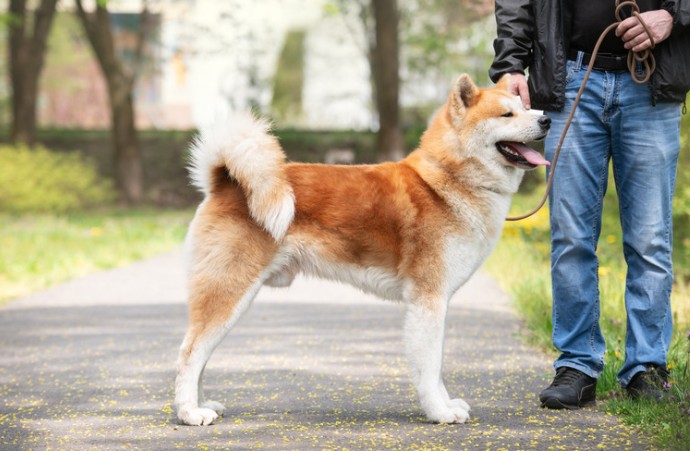
Silent. Perceptive. Composed.
Observation precedes action.
The Akita’s restraint is not distance but discernment—each pause, glance, and measured movement reflects a mind built to assess before reacting, to understand before engaging.
Sensitivity guides response.
Their ability to read human tone, tension, and intention allows them to regulate emotion internally rather than mirror chaos, maintaining calm through environments that unsettle lesser-balanced dogs.


Trust deepens through respect.
When their quiet intelligence is met with patience and emotional clarity, the Akita’s guarded reserve transforms into profound loyalty—connection earned through mutual awareness, not demand.
Training and Leadership: Building Trust Through Clarity
Why Traditional Obedience Falls Short
If you approach Akita training with conventional obedience methods—constant repetition, food-lure motivation, emphasis on immediate compliance—you’ll likely find yourself frustrated. It’s not that Akitas can’t learn these methods; it’s that such approaches often miss what this breed needs most: emotional clarity and authentic leadership.
The Akita’s assessment of you as a leader doesn’t hinge on how many times you can make them sit. It centers on whether you embody calm authority, maintain emotional consistency, and demonstrate clear decision-making in ambiguous situations.
The Role of Emotional Synchronization
Effective Akita training works through emotional synchronization rather than behavioral conditioning alone. This is where understanding NeuroBond becomes transformative. When you establish genuine calm-state communication, you create neural synchrony between your nervous system and your dog’s.
This synchronization happens through: consistent emotional regulation from you, clear energetic boundaries, rhythmic and predictable patterns in daily life, and genuine presence during interactions.
Your Akita doesn’t need you to be perfect. They need you to be authentic and consistent. When your emotional state matches your expressed intentions, when your energy aligns with your words, when your leadership feels genuine rather than performative—that’s when the Akita relaxes into trust.
Reducing Micro-Tensions Through Clear Leadership
Many behavioral challenges in Akitas arise not from defiance but from accumulated micro-tensions in the human-dog relationship. These tiny moments of inconsistency, unclear boundaries, or emotional leakage compound over time, creating what we might call “silent stress.”
You might not see overt signs of distress. Your Akita might not bark excessively or destroy furniture. Instead, the stress manifests as: increased scanning behavior, difficulty settling, heightened reactivity to small environmental changes, or what appears as stubborn non-compliance.
Clear emotional leadership dissolves these micro-tensions. When you consistently communicate through grounded presence rather than anxious energy, when you establish predictable rhythms and reliable boundaries, your Akita can release the vigilance they’ve assumed in the absence of clear guidance.
Training Through Rhythm, Presence, and Clarity
So what does effective Akita training actually look like? It prioritizes quality of connection over quantity of repetitions:
Rhythm: Establish predictable patterns in your daily interactions. Akitas thrive on knowing what to expect. This doesn’t mean rigid scheduling; it means consistent energy and reliable responses from you.
Presence: Full attention during training moments matters more than duration. Five minutes of genuine, focused interaction builds more trust than thirty minutes of distracted practice.
Clarity: Clear boundaries, consistent follow-through, and congruent communication (your energy matching your words) create the foundation for trust. The Akita needs to know that when you say something, you mean it, and you’ll calmly ensure it happens.
Emotional Neutrality: Training shouldn’t be emotionally charged. Maintain calm regardless of whether your Akita complies immediately or tests boundaries. Your emotional steadiness teaches them that cooperation is safe and that you can be trusted to remain stable.
Key Training Principles That Resonate with Akitas:
- Quality Over Quantity: Five minutes of focused, present training builds more trust than thirty minutes of distracted repetition
- Energy Before Words: Your emotional state communicates more than your verbal commands ever will
- Space and Approach: Allow them to choose engagement rather than forcing interaction
- Predictable Consequences: The same boundary receives the same calm enforcement every single time
- Patience with Assessment: Give them time to process and decide—rushing creates pressure that undermines trust
- Recognition of Effort: Acknowledge their choice to cooperate, not just perfect execution
- Environmental Management: Set them up for success rather than creating situations where they’ll fail
This approach preserves what makes the Akita unique—their emotional neutrality and self-possession—while building a cooperative relationship rooted in mutual respect rather than dominance or constant food motivation. 🐾
🐕 Akita Emotional Control: Understanding the Silent Guardian
Decoding the sophisticated emotional intelligence of a breed that speaks through presence, not performance. Learn to read the subtle language of restraint, trust-building, and profound loyalty.
🧠 Understanding Akita Emotional Architecture
The Restraint-Scan-Respond System
Unlike exuberant breeds that react instantly, the Akita operates on a sophisticated algorithm: observe environmental cues, assess threat level and context, determine necessity of response, then act proportionally. This isn’t aloofness—it’s emotional mastery shaped by centuries of guardian breeding.
Key Recognition: Their stillness is active data collection. When your Akita freezes, their prefrontal cortex is processing complex threat assessment while maintaining parasympathetic calm. This “quiet control” represents exceptional self-regulation, not fear or submission.
Reading True Calm vs. Suppressed Stress
Genuine Emotional Equilibrium:
• Relaxed muscle tone (soft jaw, loose shoulders)
• Deep, steady breathing with occasional sighs
• Soft eye expression, willing touch acceptance
• Fluid position changes without rigidity
Compressed Stress Signs:
• Body stillness with muscle rigidity
• Shallow breathing, hard “whale eye”
• Touch avoidance, frozen postures
• Inability to settle in safe spaces
👁️ How Akitas Read Your Emotional Truth
The Micro-Signal Perception System
Your Akita perceives what you’re hiding. They track facial micro-expressions (eyebrow tension, jaw clenching), postural shifts (shoulder collapse, weight distribution), breathing patterns (shallow chest vs. deep diaphragm), voice quality changes (pitch elevation, vocal tension), and the invisible energetic boundary around your body.
This breed processes energy-based and spatial communication more accurately than verbal commands. When your body says one thing and your words another, they trust your body—every time.
Emotional Contagion: Your Anxiety Becomes Theirs
Research confirms that Akitas absorb and mirror their primary person’s emotional state through behavioral mimicry. Your nervous system literally synchronizes with theirs. When you carry chronic anxiety, defensive postures, or emotional inconsistency, your Akita integrates these patterns into their own threat assessment framework.
Critical Insight: Human emotional consistency isn’t optional for this breed—it’s foundational. Clear, congruent leadership allows them to release hypervigilance and access genuine calm.
🎯 Building Trust Through Authentic Leadership
Why Traditional Obedience Fails Akitas
Constant repetition and food-lure motivation miss what this breed actually needs: emotional clarity and authentic leadership. The Akita’s assessment of you doesn’t center on how many times you can make them sit—it centers on whether you embody calm authority, maintain emotional consistency, and demonstrate clear decision-making in ambiguous situations.
They don’t need you to be perfect. They need you to be authentic and consistent. When your emotional state matches your expressed intentions, when your energy aligns with your words—that’s when the Akita relaxes into trust.
The Rhythm-Presence-Clarity Framework
Effective Akita training prioritizes:
• Rhythm: Predictable daily patterns that create security
• Presence: Five minutes of focused interaction > thirty distracted minutes
• Clarity: Clear boundaries with calm, reliable follow-through
• Energy Before Words: Your emotional state communicates louder than commands
• Space & Approach: Allow them to choose engagement, never force connection
• Emotional Neutrality: Maintain calm regardless of compliance or testing
⚠️ When Sensitivity Becomes Hypervigilance
The Burden of Unreliable Leadership
When an Akita cannot trust their human to maintain emotional stability and clear boundaries, they assume guardianship by default. This creates chronic stress that manifests as constant monitoring position, difficulty relaxing even in safe spaces, heightened startle responses, intense focus on your emotional shifts, and sleep disturbances.
Critical Understanding: This isn’t aggression or dominance—it’s a sensitive being trying to maintain equilibrium in an environment where they cannot delegate safety management to you.
The Cost of Emotional Inconsistency
When your energy doesn’t match your words, Akitas experience:
• Increased boundary testing to assess leadership stability
• Selective deafness (ignoring commands from incongruent energy)
• Stress displacement behaviors (pacing, excessive grooming)
• Reduced eye contact and space-seeking to escape confusion
• Assumption of leadership roles that create internal conflict
Working with an Akita requires working on yourself. Their behavior often serves as a mirror, reflecting emotional patterns you might not consciously recognize.
⚡ The Akita Trust Formula
Emotional Consistency + Clear Boundaries + Grounded Presence = Deep Trust
Remember: The Akita doesn’t bond broadly—they bond deeply. Their loyalty isn’t given freely; it’s earned through daily demonstration that you can be trusted to remain emotionally stable, maintain clear leadership, and respect their boundaries. When trust establishes, they finally release hypervigilance and delegate safety to you—one of the most profound gifts this breed can offer.
🧡 The Essence of Understanding
Living with an Akita is a practice in emotional honesty. They reflect our inner states with unsettling accuracy, demanding that we become more aware, more consistent, more genuine. Through the NeuroBond approach, we learn that shared calm-state communication creates synchrony between human and canine nervous systems—transforming not just their behavior, but our own emotional landscape.
The Invisible Leash reminds us that awareness, not tension, guides the path forward. When we cultivate genuine presence and emotional clarity, we offer this sensitive breed what they need most: the space to not always be on guard, the freedom to trust deeply, and the gift of genuine emotional rest.
That balance between ancient instinct and present awareness, between independence and loyalty, between sensitivity and restraint—that’s the essence of Zoeta Dogsoul embodied in a single breed.
© Zoeta Dogsoul – Where neuroscience meets soul in dog training
Interpersonal Sensitivity: The Double-Edged Sword
Exceptional Perception, Exceptional Vulnerability
The very trait that makes Akitas such remarkable companions—their exceptional sensitivity to human emotional states—also becomes their greatest vulnerability. They cannot unsee what they perceive. They cannot unfeel what they sense.
When you live with an Akita, you live with a being who perceives emotional truth beneath surface presentation. They know when you’re pretending to be fine. They recognize when your smile doesn’t reach your emotional core. They sense the micro-tensions in your relationships with other humans, even when you think you’re hiding them well.
The Burden of Hypervigilance
For some Akitas, particularly those with anxious or inconsistent humans, this sensitivity morphs into hypervigilance. They feel responsible for monitoring everything—every sound, every approaching person, every shift in household emotional tone.
This hypervigilance isn’t aggression or dominance. It’s a sensitive being trying to maintain safety and equilibrium in an environment where they cannot trust their human to handle these functions reliably. The Akita essentially assumes emotional and physical guardianship by default, which creates chronic stress even when outwardly they appear calm.
Signs Your Akita May Be Carrying Hypervigilance:
- Constant Monitoring Position: Always positioning themselves to observe doors, windows, and movement
- Difficulty Relaxing: Unable to fully settle even in familiar, safe environments with their trusted person present
- Heightened Startle Responses: Overreacting to normal household sounds like doorbells, phones, or unexpected movements
- Intense Focus on Your State: Watching you constantly, tracking your emotional shifts with visible concern
- Scanning Even at Rest: Eyes moving to track stimuli even when their body appears to be resting
- Sleep Disturbances: Difficulty achieving deep sleep, waking frequently to check environment
- Barrier Frustration: Intense reactions to seeing or hearing things they cannot directly assess (behind fences, outside windows)
- Reduced Appetite: Eating becomes secondary to maintaining vigilance, particularly during stressful periods
Building Genuine Trust: The Foundation of Partnership
Trust with an Akita isn’t given freely—it’s earned through consistency. This breed doesn’t respond to charm or manipulation. They respond to authentic integrity: do your actions match your words? Does your energy reflect your stated intentions? Can you be counted on to remain emotionally stable?
Building this trust requires: showing up emotionally present and consistent every single day, maintaining calm during their reactive moments, establishing boundaries you actually enforce, demonstrating leadership through grounded presence rather than force, and allowing them to approach rather than forcing connection.
Essential Elements for Building Akita Trust:
- Daily Emotional Consistency: Showing up with the same grounded energy regardless of your day’s challenges
- Calm During Their Intensity: Remaining unmoved when they test boundaries or display arousal
- Reliable Follow-Through: Enforcing boundaries you set without anger or frustration
- Spatial Respect: Allowing them to initiate contact rather than demanding affection on your terms
- Authentic Leadership: Leading through presence and clarity rather than force or dominance displays
- Patience with Their Process: Understanding that trust builds slowly and respecting their timeline
- Acknowledging Their Communication: Responding appropriately when they signal discomfort or boundaries
When trust establishes, something remarkable happens. The Akita softens. Their vigilance relaxes. They begin to delegate safety management to you, which allows them to finally rest deeply. This is one of the most profound gifts you can offer this breed—the space to not always be on guard. 🧡
Behavioral Expression and Social Dynamics
The Akita’s Unique Communication Style
Understanding how Akitas express themselves is essential for reading their emotional state and preventing miscommunication. Their communication style is understated compared to more socially demonstrative breeds, which means you need to calibrate your perception.
Subtle Signals of Contentment: Soft eyes (lower lids slightly raised), relaxed mouth (lips may be slightly parted), weight distributed evenly across all four paws, tail in neutral position (not tucked, not flagging), breathing steady and deep, and willingness to be in same room without constant monitoring.
Signs of Rising Arousal: Increased stillness (body becoming rigid), fixed stare with hard eyes, tail position rising slightly, lips pulling back subtly, breathing becoming shallower, ears rotating forward and becoming more mobile.
Discomfort or Stress Signals: Lip licking or yawning when not tired, slow blinking combined with turning head away, moving away or creating distance, lowered body posture, panting when not hot or exercised.
Social Interaction Preferences
The Akita’s social preferences are clear: they value quality over quantity, depth over breadth, and familiarity over novelty. They’re not the dog for busy dog parks or constant social visitors. They’re the dog for quiet evenings, predictable routines, and a small circle of deeply trusted individuals.
Respecting these preferences isn’t limiting your dog—it’s honoring their temperament. Pushing an Akita into constant social situations they find stressful isn’t socialization; it’s sensitization that can lead to defensive behaviors.
Conflict Resolution and Boundary Communication
When an Akita feels their boundaries have been violated, they typically follow an escalating communication ladder: distance creation (moving away), avoidance (turning head, looking away), stiffening (body becomes rigid), low rumble or throat sound (rare in well-adjusted Akitas), and clear vocal warning (growl).
Most Akitas will never escalate beyond the first few steps if their communications are respected. Problems arise when humans ignore early boundary signals, forcing the dog to escalate communication to be heard.
Teaching everyone in your household to respect the Akita’s distance-creating behaviors prevents conflict and builds trust. When your dog moves away from a child who’s been too rough, and you support that choice by giving space, you’re communicating that their boundaries matter. 🐾
Health and Wellness: The Mind-Body Connection
How Emotional State Impacts Physical Health
The Akita’s emotional life directly influences their physical wellbeing. Chronic stress suppression, hypervigilance, and emotional inconsistency from their human all create physiological consequences that can manifest as: compromised immune function, digestive sensitivities, skin conditions, muscular tension and pain, and difficulty recovering from physical illness or injury.
Understanding this mind-body connection means recognizing that behavioral support is health support. When you help your Akita achieve genuine emotional equilibrium, you’re not just improving their quality of life—you’re potentially extending their lifespan.
Exercise and Mental Stimulation Needs
The Akita requires moderate physical exercise—a couple of good walks daily, opportunities to explore safe environments, and occasional vigorous play if they initiate it. However, their mental stimulation needs are significant.
This breed needs purposeful activity that engages their guarding instincts and decision-making capabilities. Simple activities that satisfy these needs: accompanying you through daily tasks, supervised property perimeter walks where they “patrol,” puzzle toys that require problem-solving, and calm, present training sessions that challenge them mentally.
Mentally Enriching Activities That Honor Akita Temperament:
- Supervised Property Patrols: Walking the boundaries of your yard or property, allowing them to fulfill their guarding assessment role
- Accompanying Daily Tasks: Including them in your routine activities—bringing in groceries, checking the mail, working in the yard
- Problem-Solving Food Puzzles: Toys that require strategy and persistence rather than just physical effort
- Scent Work Games: Hiding treats or toys for them to locate using their nose and problem-solving skills
- Calm Exploration Walks: Allowing them to investigate new environments at their own pace without forced social interaction
- Decision-Making Opportunities: Letting them choose which path to take on walks or which toy to play with
- Observational Tasks: Positioning them where they can watch activity (wildlife, traffic, weather) safely
What they don’t need: constant high-energy activity, overstimulating dog sports, or forced social interactions with unfamiliar dogs. These activities often create more stress than satisfaction for this breed.
Nutrition Considerations for Emotional Balance
Diet influences emotional regulation more than many realize. For sensitive breeds like the Akita, nutritional choices can impact: inflammation levels that affect mood, gut health that influences anxiety, energy stability throughout the day, and stress hormone regulation.
Nutritional Elements That Support Akita Emotional Balance:
- High-Quality Protein Sources: Lean meats, fish, and eggs providing amino acids essential for neurotransmitter production
- Omega-3 Fatty Acids: From fish oil or flaxseed, reducing inflammation and supporting brain health
- Probiotics and Prebiotics: Supporting gut health, which directly influences anxiety and mood regulation through the gut-brain axis
- B-Complex Vitamins: Essential for nervous system function and stress response management
- Magnesium-Rich Foods: Supporting muscle relaxation and parasympathetic nervous system activation
- Limited Ingredient Diets: Reducing exposure to common allergens that can create inflammation and behavioral changes
- Consistent Feeding Times: Maintaining stable blood sugar and creating predictable routine rhythms
- Adequate Hydration: Supporting all physiological processes including stress hormone regulation
Some Akitas show remarkable behavioral improvement when dietary sensitivities are addressed.
Senior Akitas: Aging with Dignity
The Evolution of Emotional Needs
As your Akita ages, their emotional landscape shifts. The stoic guardian who maintained vigilant awareness for years may begin to seek more comfort and reassurance. This isn’t weakness—it’s wisdom. They’ve spent a lifetime managing their emotional arousal and maintaining boundaries; in their senior years, they may finally allow themselves to soften.
Honor this evolution. The senior Akita who wants to sleep closer to you, who seeks gentle touch more frequently, who watches you with deep contentment rather than vigilant assessment—they’re offering you their most vulnerable self.
Physical Changes Affecting Emotional State
Aging brings physical challenges that impact emotional wellbeing: declining vision or hearing that increases startle responses, joint pain that makes them less tolerant of touch, cognitive changes that create confusion or anxiety, and reduced mobility that limits their ability to move away when stressed.
Supporting Your Senior Akita’s Changing Needs:
- Maintain Predictable Routines: Consistency becomes even more important when cognitive function begins to decline
- Create Accessible Comfort Zones: Low-entry beds in main living areas so they don’t feel isolated
- Minimize Startling Approaches: Announce your presence before touching them if vision or hearing has declined
- Provide Appropriate Pain Management: Work with your veterinarian to address arthritis and joint discomfort
- Increase Patience and Processing Time: Allow extra time for them to respond to requests or navigate changes
- Offer More Frequent, Shorter Activities: Replace long walks with several brief outings that don’t overtax their energy
- Environmental Modifications: Non-slip flooring, raised food bowls, ramps for furniture access if desired
- Enhanced Emotional Support: Offer gentle presence and reassurance more frequently as vulnerability increases
Maintaining Quality of Life
The senior Akita still possesses their dignified spirit even as their body declines. Quality of life isn’t about preventing aging—it’s about ensuring comfort, maintaining mental engagement appropriate to their energy levels, preserving their sense of purpose when possible, and surrounding them with the emotional stability they’ve always needed.
Your presence matters more than ever. The Akita who spent years observing you now needs you to observe them with equal care—reading their subtle signs of discomfort, anticipating their needs, and offering gentle companionship as they navigate their final chapters. 🧡
Practical Guidance: Living Successfully with an Akita
Is This Breed Right for You?
The Akita isn’t for everyone, and that’s perfectly okay. This breed thrives with humans who possess or can develop: emotional self-awareness and consistency, comfort with a less demonstrative bond style, respect for boundaries and independence, commitment to calm, clear leadership, and appreciation for subtle communication.
They struggle with: chaotic or emotionally volatile households, owners who need constant affection displays, inconsistent or permissive leadership, high-traffic social environments, and humans who lack emotional regulation skills.
Essential Questions Before Committing to an Akita:
- Emotional Self-Work: Are you willing to develop greater emotional self-awareness and consistency in your daily life?
- Affection Style: Can you find fulfillment in a bond that values presence over constant physical affection?
- Leadership Capacity: Do you have the patience and calm authority to provide clear, consistent guidance without force?
- Environment Assessment: Can you provide a relatively calm, predictable home without constant social chaos?
- Independence Comfort: Are you comfortable with a dog that makes independent assessments rather than constantly deferring to you?
- Long-Term Commitment: Do you understand this is a 10-14 year commitment to emotional consistency and leadership?
- Social Expectations: Can you accept and protect a dog that’s selectively social rather than universally friendly?
- Training Philosophy: Are you willing to prioritize relationship and trust over obedience performance?
If you answered yes to these questions, the Akita may offer you one of the most profound relationships you’ll ever experience with a dog.
Building Your Foundation
If you’re already living with an Akita or preparing to welcome one, focus on these foundational elements:
Establish Calm Leadership: Practice emotional regulation in your own life. Your Akita needs you to be their steady anchor, not another source of unpredictable energy.
Honor Their Communication: Learn to read subtle signals. Respect their boundaries. Recognize that their quiet presence is engagement, not dismissal.
Create Predictable Rhythms: Maintain consistent daily patterns. Provide clear, reliably enforced boundaries. Follow through on what you communicate.
Support Their Sensitivity: Recognize that their perception is exceptional. Protect them from overwhelming social demands. Create safe spaces where they can observe without being forced to engage.
Invest in Your Relationship: Quality time matters more than quantity. Five minutes of fully present, calm interaction builds more connection than an hour of distracted coexistence.
Conclusion: The Essence of Understanding
The Akita challenges us to expand our definition of canine companionship. They ask us to value presence over performance, depth over demonstration, and authentic connection over constant interaction.
Living with this breed is a practice in emotional honesty. They reflect our inner states with unsettling accuracy, demanding that we become more aware, more consistent, more genuine. This isn’t always comfortable, but it’s profoundly transformative.
When you earn an Akita’s trust, when you learn to read their subtle languages, when you establish genuine emotional synchrony—you access something rare. Not the enthusiastic, effusive love that greets you at the door with full-body wags, but something quieter and somehow more powerful: the calm, steady knowing that you’re seen, understood, and chosen by a being of remarkable depth and dignity.
That balance between sensitivity and restraint, between independence and loyalty, between ancient instinct and present awareness—that’s the essence of Zoeta Dogsoul embodied in a single breed.
The Akita doesn’t ask you to change who they are. They ask you to become more fully who you are, to show up with clarity and presence, to lead with calm authority, and to honor the profound gift of their carefully given trust.
In return, they offer something increasingly rare in our modern world: unwavering loyalty, honest reflection, and the kind of companionship that doesn’t require constant words or touch—just genuine understanding and shared presence.
Is this breed right for you? Only you can answer that question. But if you’re willing to meet them where they are, to honor their nature rather than trying to reshape it, and to grow in your own emotional awareness through the mirror they provide—the Akita might just change your life. 🐾
Further Exploration
As you continue your journey with your Akita, remember that understanding deepens over time. Watch them. Learn their unique expressions. Respect their boundaries while remaining consistently present. The relationship you build won’t look like any other—and that’s exactly as it should be.