
You throw the ball once, twice, and suddenly your dog won’t stop. The eyes lock onto your hand, the whining begins, and no amount of “enough” seems to register. What started as joyful play has transformed into something more intense, more desperate. You might notice your dog pacing frantically after fetch sessions, unable to settle, or fixating on the toy for hours after you’ve put it away. This isn’t just enthusiasm—this is the moment when healthy play crosses into obsession.
The shift from balanced engagement to compulsive fixation happens more often than many realize, rooted in complex neurobiological mechanisms that hijack your dog’s reward system. Understanding this transformation isn’t just about managing behavior—it’s about protecting your dog’s emotional wellbeing and restoring the joy that play was meant to bring. Let us guide you through the science, the signs, and the solutions that can help you recognize when fetch has become too much.
The Neuroscience Behind the Obsession
How Your Dog’s Brain Processes Reward and Anticipation
When your dog chases a ball, something profound happens in their brain. Dopamine floods the neural pathways, creating an intense feeling of anticipation and desire. This isn’t simply about catching the toy—it’s about the hunt, the chase, the possibility of success. Think of dopamine as the brain’s “seeking” fuel, pushing your dog forward with relentless motivation.
Alongside dopamine, norepinephrine surges through the system, heightening arousal and preparing the body for explosive action. Your dog’s heart rate increases, pupils dilate, and every muscle tenses in readiness. This combination creates the perfect storm for engagement, but also sets the stage for potential dysregulation.
Research into reward systems shows that these mechanisms optimize future behavior by enhancing memory of rewarding events. Each successful catch strengthens the neural pathways, making the behavior more automatic and harder to resist. The hypocretin system further amplifies this process, enhancing signaling in the brain’s reward centers and creating a direct link between arousal and motivation. Through the NeuroBond approach, we begin to understand that these neurochemical cascades aren’t isolated—they’re part of a larger emotional feedback system that requires careful balance.
Key neurochemical changes during repetitive fetch:
- Dopamine surge during anticipation: The highest neurochemical rush occurs before the throw, not during the catch, creating powerful anticipatory drive that can override other behavioral priorities and decision-making processes.
- Norepinephrine-driven hypervigilance: Sustained elevation keeps your dog in a state of heightened alertness, making it difficult to disengage attention from potential throwing cues or toy-related stimuli.
- Reward pathway strengthening: Each successful fetch session reinforces the neural circuits, making the behavior increasingly automatic and reducing the involvement of conscious choice or executive control.
- Memory consolidation bias: The brain prioritizes storing fetch-related information, meaning your dog remembers every location where intense play occurred, every cue that preceded a throw, and every pattern that predicted reward.
- Threshold lowering for activation: Over time, smaller and smaller cues trigger the full neurochemical response—simply picking up your keys might activate the cascade if you once held the ball with keys in hand.
When Excitement Blocks Recovery: The Serotonin Story
Here’s where things become complicated. While dopamine drives the seeking behavior, serotonin plays the opposite role—it helps your dog calm down, regulate impulses, and return to emotional balance. But chronic high arousal during repetitive fetch sessions interferes with serotonin’s regulatory function.
You might notice this in the hours after intense play. Your dog seems wired, unable to rest despite physical exhaustion. They pace, pant, whine, or remain hypervigilant. This happens because sustained sympathetic nervous system activation—the “fight or flight” mode—actively inhibits the parasympathetic “rest and digest” system that should bring recovery.
The brain’s internal regulation mechanisms, which normally help emotions return to baseline through natural forgetting effects, become disrupted. Without proper serotonin regulation, your dog remains stuck in a state of emotional agitation, unable to process the play session as complete. This creates a vicious cycle where the dog seeks more stimulation to manage the discomfort of unresolved arousal, yet each session further depletes their capacity for calm.
Signs your dog’s serotonin regulation is compromised:
- Extended recovery periods: Taking more than 30-60 minutes to settle after play, with continued panting, pacing, or restless movement long after physical exertion has ended.
- Sleep disruption: Difficulty falling asleep after evening play sessions, frequent waking during the night, or restless sleep with twitching and vocalizations indicating incomplete nervous system recovery.
- Increased impulsivity throughout the day: Not just during fetch, but showing poor impulse control in other contexts—snatching food, reacting quickly to stimuli, or struggling with basic waiting behaviors.
- Heightened reactivity to triggers: Overreacting to normal stimuli like doorbells, other dogs, or sudden movements, suggesting a baseline state of hypervigilance rather than calm alertness.
- Seeking repeated stimulation: Constantly bringing toys, nudging for interaction, or creating their own stimulation through repetitive behaviors when external excitement isn’t available.
The Addiction Loop: When Play Mimics Substance Dependence
Perhaps the most striking finding in canine behavioral neuroscience is how obsessive fetch can mirror addiction patterns seen across mammalian species. The mechanism is remarkably similar: chronic dopamine activation without sufficient recovery creates what researchers call “anticipatory addiction.”
Your dog isn’t addicted to the ball itself—they’re addicted to the anticipation. The moment before you throw, when their entire being focuses on your hand, floods their brain with reward chemicals. This anticipation becomes more powerful than the actual catch, driving a compulsive need to repeat the cycle regardless of true satisfaction.
Research on addictive behaviors shows that environmental cues and stress activate cognitive, emotional, and physiological mechanisms that compel individuals to seek rewards even to their detriment. The intense drive isn’t about pleasure anymore—it’s about relieving the discomfort of not engaging. The mu-opioid receptor system, involved in both reward and threat processing, can become dysregulated through chronic overstimulation, altering your dog’s ability to learn from emotional experiences and respond appropriately to rewards 🧠
Recognizing the Warning Signs
Healthy Play vs. Compulsive Fixation
How do you know when enthusiasm crosses into obsession? Healthy play shows flexibility and joy. Your dog engages eagerly but can also disengage when you signal the end. They respond to your cues, show varied body language, and can transition smoothly to other activities. After play, they settle naturally within 15-20 minutes, showing signs of contentment rather than agitation.
Compulsive fixation looks dramatically different. You’ll observe:
Rigid focus on the toy: Your dog’s attention narrows to a single point, unable to notice other stimuli or respond to your voice. Their body becomes tense, movements repetitive and mechanical rather than fluid and playful.
Inability to disengage: Even when you stop throwing, your dog continues the seeking behavior—staring at your hands, pacing the yard, returning to where the ball landed. They may whine, bark, or display frantic behaviors that escalate rather than diminish.
Stress signals during “fun”: Look for excessive panting unrelated to physical exertion, dilated pupils, a stiff tail, repetitive movements like circling, and vocalizations that sound more desperate than joyful.
Difficulty settling afterward: The play session ends, but your dog’s arousal doesn’t. Hours later, they remain restless, unable to relax or sleep properly.
This fixation represents emotional dysregulation—the dog’s internal state has been overwhelmed by the external stimulus, leaving them trapped in a cycle they can’t escape
Environmental and contextual triggers that intensify fixation:
- Specific locations with play history: The backyard, park, or beach where intense fetch sessions occurred become triggering environments—your dog’s arousal spikes simply from entering these spaces.
- Time-based anticipation patterns: If you typically play fetch at certain times (after work, weekend mornings), your dog begins escalating behavior 30-60 minutes before the expected play time.
- Visual cues and preparatory behaviors: Putting on specific shoes, picking up keys, or moving toward the door where toys are stored all become powerful triggers that launch the anticipatory cascade.
- Social triggers: The presence of specific people who’ve played fetch intensely with your dog, or seeing other dogs playing with balls, can activate the obsessive response through associative learning.
- Auditory cues: Words like “outside,” “play,” “ready,” or even subtle sounds like a toy bin opening can trigger immediate fixation and arousal escalation in dogs with established obsession patterns.
The Cost of Over-Arousal
Repeated hyperarousal during fetch creates cascading effects throughout your dog’s emotional and behavioral system. When consistently pushed beyond their regulatory capacity, dogs lose the ability to self-manage their excitement. This manifests in multiple ways that extend far beyond the play session itself.
Impulsivity increases dramatically. Your dog may snatch the ball before you release it, jump on you with frantic energy, or struggle to wait even a moment for your cue. This isn’t disobedience—it’s neurological overwhelm. The prefrontal cortex, responsible for impulse control, becomes overridden by the hyperactive reward system.
Frustration tolerance plummets. Any delay between throws, any obstacle to obtaining the toy, triggers disproportionate responses. You might see whining that escalates to barking, attempts to steal the toy from your hand, or even redirected aggression toward other pets or objects.
Post-play restlessness becomes the new normal. The sustained sympathetic arousal prevents your dog’s nervous system from downshifting into parasympathetic mode. They remain in a state of vigilant agitation, unable to access the calm that should follow exercise. Research confirms that emotional state regulation is crucial for adaptive learning—without it, your dog struggles to develop healthier behavioral patterns.
Physical and behavioral symptoms of chronic over-arousal:
- Excessive panting and drooling: Continuing for hours after play ends, often accompanied by a glazed or unfocused expression that indicates nervous system dysregulation rather than simple physical fatigue.
- Pacing and inability to lie down: Your dog walks repetitive paths through the house, circles their bed multiple times without settling, or lies down only to immediately stand again.
- Hypervigilance to movement and sounds: Startling at minor stimuli, tracking every movement in their peripheral vision, or maintaining rigid alertness when they should be resting.
- Displacement behaviors: Excessive licking (themselves, surfaces, or air), yawning when not tired, scratching without itching, or other behaviors that indicate internal conflict and stress.
- Digestive disruption: Loose stools, decreased appetite, or regurgitation following intense play sessions, as the sympathetic nervous system inhibits normal digestive function during sustained arousal.
The subgenual cingulate cortex, which helps sustain autonomic arousal in anticipation of positive events, can become dysfunctional through repeated overstimulation. This leads to anhedonia—the inability to experience pleasure from activities that should be rewarding—creating a paradox where your dog compulsively seeks play but derives diminishing satisfaction from it.
Why Anticipation Trumps Satisfaction
Here’s a crucial insight: obsessive fetch behaviors reinforce themselves not through genuine enjoyment but through predictable reward anticipation. The dopamine-driven “seeking” system activates most powerfully before the reward, not during its consumption. This means your dog experiences the strongest neurochemical rush in the moment of anticipation—when the ball leaves your hand, when they’re locked onto its trajectory.
The actual catch? Neurologically less exciting than the hunt. This creates a feedback loop where the dog constantly seeks the “hit” of anticipation rather than the fulfillment of completion. The behavior reinforces itself because the brain has learned that engaging in the seeking behavior reliably produces that dopamine surge.
This aligns with research on prediction errors in learning—when anticipated rewards occur as expected, the behavior patterns become increasingly automatic and resistant to change. Your dog isn’t choosing to obsess; their brain has been trained by repeated successful predictions that fetch equals neurochemical reward, making disengagement neurologically challenging 😊
The Human Factor: How We Create the Pattern
Our Role in Building Obsession
If you’re reading this with a sinking feeling of recognition, know that you’re not alone in this pattern. Most handlers unknowingly contribute to fetch obsession through well-intentioned but problematic play habits. Understanding your role isn’t about blame—it’s about empowerment to change the dynamic.
Common handler behaviors that unintentionally reinforce obsession:
- Unpredictable high-intensity play: Throwing rapidly for ten minutes one day, then sporadically for thirty the next, creates a variable reinforcement schedule that makes the behavior more compulsive and harder to extinguish.
- Responding to demanding behaviors: When your dog whines, barks, or brings the ball insistently and you throw it to “satisfy” them, you’re teaching that escalation produces results.
- Using fetch as emotional regulation for yourself: Throwing the ball while distracted, stressed, or multitasking sends inconsistent energy that increases your dog’s anxiety and seeking behavior.
- Continuing past visible stress signals: Ignoring your dog’s hard panting, frantic intensity, or difficulty disengaging because “they love it so much” pushes them beyond their regulatory capacity.
- Lack of structured endings: Simply stopping throws without a clear closure ritual leaves your dog in a state of perpetual anticipation, unable to emotionally process that play has concluded.
- Compensating for limited interaction time: Using intense fetch as a substitute for genuine connection when you’ve been busy, which teaches your dog that hyperarousal equals attention and bonding.
Unpredictable high-intensity play is perhaps the most common contributor. When you throw the ball with varying frequency, sometimes rapid-fire and sometimes with long gaps, you create a variable reinforcement schedule. This is the same mechanism that makes gambling addictive—the unpredictability makes the reward more compelling, not less. Your dog never knows when the next throw will come, so they remain in a state of constant vigilance.
Rewarding fixation behaviors amplifies the problem. When your dog whines or paces and you respond by throwing the ball to “calm them down,” you’re actually teaching them that frantic behavior produces the desired outcome. The neural pathways strengthen with each repetition, making the fixation more automatic.
Continuing play past your dog’s regulatory capacity is another critical mistake. You might think more exercise will tire them out, but exercise during hyperarousal doesn’t produce healthy fatigue—it produces dysregulation. Emotional exhaustion and physical exhaustion are not the same thing.
Using fetch as a primary outlet for energy or anxiety management teaches your dog that high arousal states are the solution to emotional discomfort. This prevents them from developing genuine self-regulation skills and makes them dependent on intense stimulation for emotional management.
Energy Mismatch and Inconsistency
Your emotional state during play matters more than you might realize. The Invisible Leash reminds us that energy flows between handler and dog without the need for physical tension—your internal state shapes your dog’s experience profoundly.
When you’re inconsistent with your energy—excited and engaged one day, distracted and mechanical the next—your dog struggles to predict the emotional tone of play. This unpredictability creates anxiety, which intensifies their seeking behavior as they attempt to secure your attention and engagement. They may escalate their displays to capture your focus, inadvertently training themselves into more extreme behaviors.
If you’re using fetch to manage your own stress or as a convenient “dog parking” solution, your dog senses the emotional hollowness of the interaction. They may compulsively repeat the behavior seeking the connection that’s missing, never achieving the co-regulation that would allow them to settle.
Dogs with insecure attachment patterns or those lacking consistent emotional support are particularly vulnerable to developing fetch obsession. The activity becomes a substitute for the secure relationship they need, a predictable source of dopamine in an otherwise emotionally uncertain world. This is why addressing fetch obsession often requires examining and strengthening the broader human-dog relationship 🧡
The Cognitive Shift: From Choice to Compulsion
How Learning Creates Automatic Behavior
Understanding how voluntary play transforms into automatic compulsion requires examining the cognitive mechanisms underlying habit formation. Initially, fetch is a conscious choice—your dog decides to chase the ball based on immediate motivation. But with repetition, the behavior becomes encoded in different brain structures.
Expectation mechanisms play a central role in this transition. Your dog’s brain builds predictive models: “When handler picks up ball, dopamine surge imminent.” These predictions become self-fulfilling prophecies. The mere sight of the toy or the preparatory movements you make before throwing trigger the full neurochemical cascade.
Research on memory-updating processes shows that prediction errors—when outcomes differ from expectations—drive catecholamine release that broadcasts learning signals throughout the brain. But when fetch becomes highly predictable, these errors disappear. The behavior runs automatically, without requiring conscious decision-making, making it incredibly difficult to interrupt or modify.
The basal ganglia, brain structures that encode habitual behaviors, increasingly dominate over the prefrontal cortex’s executive control. What started as a deliberate action becomes a motor program that launches automatically in response to environmental cues. Your dog isn’t deciding to obsess—the behavior has been transferred to brain regions that operate below conscious awareness.
Distinguishing between healthy enthusiasm and obsessive compulsion:
- Healthy play: Dog shows varied play styles, easily transitions between activities, responds immediately to “all done” cues, and settles within 15-20 minutes with relaxed body language and normal breathing patterns.
- Early-stage obsession: Dog shows preference for fetch over other activities, takes 30-45 minutes to settle afterward, becomes mildly fixated on ball-related cues but can be redirected with effort.
- Moderate obsession: Dog refuses alternative activities when ball is available, shows anticipatory anxiety before expected play times, takes 1-2 hours to fully settle, and displays stress signals during play that they can’t self-regulate.
- Severe obsession: Dog demonstrates aggressive guarding of play opportunities, shows complete inability to disengage even when physically prevented, experiences multi-hour restlessness after play, and exhibits generalized anxiety that worsens without daily fetch sessions.
- Critical dysfunction: Dog self-injures attempting to access play, shows aggression when prevented from playing, cannot settle at all after play, and displays deterioration in other areas of life including eating, sleeping, and social interactions.
The Frustration Threshold Connection
Dogs who develop fetch obsession often show lower frustration tolerance in general, but the relationship is bidirectional. Obsessive fetch both results from and contributes to reduced capacity for managing disappointment or delay.
When the brain becomes accustomed to immediate, predictable rewards, anything that interrupts the expected sequence produces disproportionate emotional responses. The anticipated dopamine surge doesn’t arrive, creating a prediction error that the brain experiences as intensely aversive. This is why dogs with fetch obsession may show such extreme reactions to you putting the toy away—it’s not just disappointment, it’s neurological distress.
Chronic patterns of incomplete satisfaction create feedback loops where expectation never matches satiation. The Compulsive Behavior Framework suggests that repetition without genuine satisfaction signals broken feedback loops between what the brain anticipates, what action it takes, and what fulfillment it receives. Your dog keeps repeating the behavior hoping for the resolution that never comes, trapped in a cycle of perpetual seeking without finding.
Chase. Catch. Crave.
Play becomes pursuit. What begins as joyful engagement can spiral into fixation when reward loops outpace regulation.
Dopamine drives, serotonin forgets. Each throw fuels the hunt, but the brain forgets to rest, leaving arousal echoing long after the game ends.

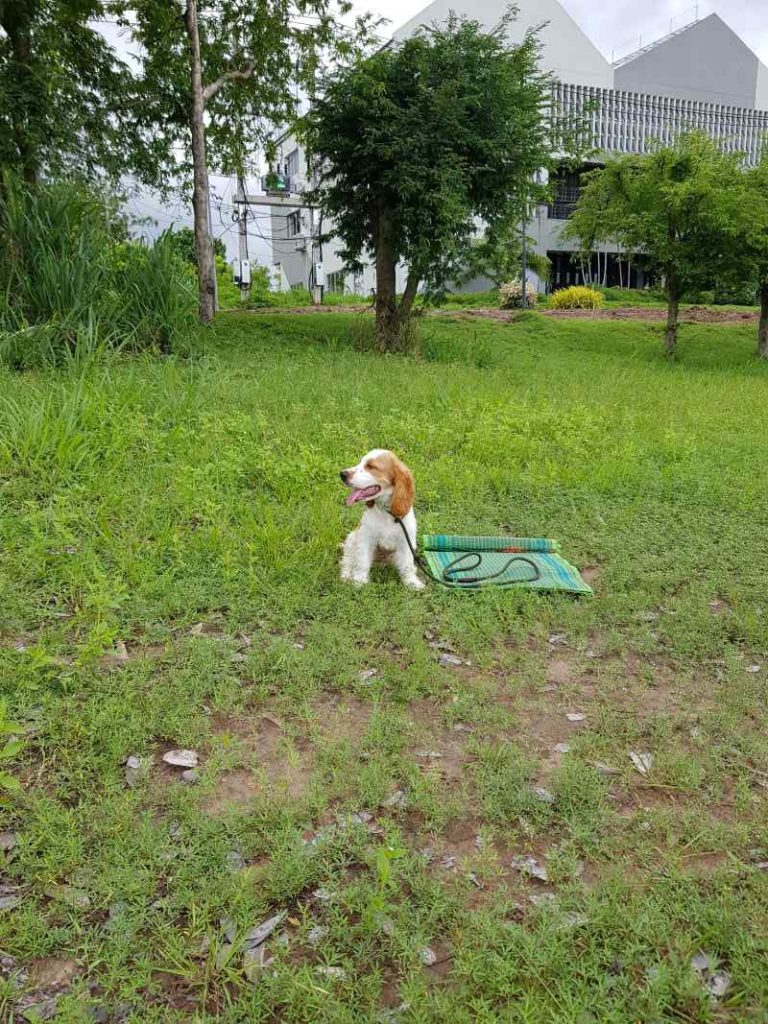
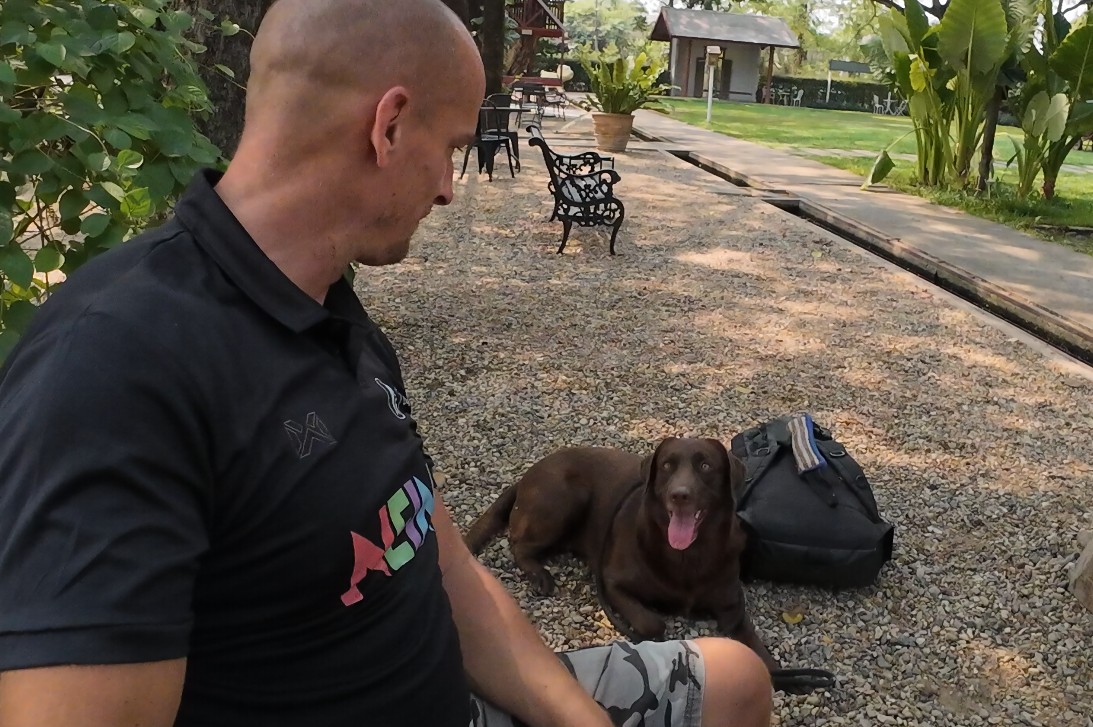
Restore balance through rhythm. End play before obsession peaks—replace endless fetch with pauses, scent work, and calm connection so excitement can find its landing place again.
Restoring Balance: Evidence-Based Intervention Strategies
NeuroBond-Based State Regulation
Transforming fetch from hyperarousal to cooperative engagement requires a fundamental shift in approach. NeuroBond-based state regulation focuses on emotional co-regulation rather than mere behavioral control. This means you become an active partner in managing your dog’s arousal states, not just a ball-throwing machine.
The core principle is teaching your dog to maintain connection with you throughout the activity. Before throwing the ball, establish eye contact and ensure your dog is in a relatively calm state. Use your voice tone, breathing patterns, and body language to model the emotional state you want to cultivate. When your dog checks in with you—makes eye contact, shows awareness of your presence—you mark and reward that behavior.
This approach emphasizes synchronized engagement. You’re not trying to suppress your dog’s excitement but rather help them learn to surf the waves of arousal without being pulled under. Research on emotional regulation confirms that interventions focusing on cognitive reappraisal and emotional modulation can reorganize the brain’s survival-emotional-reward centers, creating lasting changes in how individuals manage their internal states.
Structure your sessions to include frequent emotional check-ins. Between throws, ask for a behavior that requires focus and relative calm—a sit-stay, a nose touch to your hand, or simply standing quietly for a three-count. Reward these moments of regulation as heavily or more heavily than the fetch itself. Your dog learns that calm focus is just as rewarding as the chase.
Use calm vocalizations consistently. Your tone should remain steady and reassuring, never escalating to match your dog’s excitement. This provides an emotional anchor, a reminder that they can remain connected to you rather than lost in the intensity of the seeking drive.
🎾 Over-Excited Fetch: From Play to Obsession 🧠
Understanding the neurological journey from healthy engagement to compulsive fixation
Phase 1: Initial Engagement
The Beginning of the Reward Cycle
💡 Neurological Foundation
Your dog’s brain releases dopamine during the anticipation phase, not just the catch. The seeking system activates, creating intense motivation and focus. Norepinephrine heightens arousal, preparing muscles and senses for explosive action.
👀 What You’ll Notice
• Eager attention and excited body language
• Quick response to the ball appearing
• Joyful retrieval with loose, playful movements
• Easy disengagement when play ends
✅ Healthy Management
Keep sessions brief (5-10 minutes), require eye contact before throws, and end while your dog still wants more. This builds anticipation without overwhelming the nervous system.
Phase 2: Reward Pattern Formation
Neural Pathways Strengthen
💡 Brain Changes Occurring
The hypocretin system enhances reward pathway signaling. Each successful fetch deposits myelin around neural circuits, making the behavior more automatic. Memory consolidation prioritizes fetch-related information over other experiences.
👀 Behavioral Shifts
• Your dog begins seeking the ball independently
• Increased whining or pawing between throws
• Longer recovery time after play (20-30 minutes)
• Preference for fetch over other activities emerges
⚠️ Early Warning Signs
Watch for difficulty settling after play or obsessive toy-seeking when the ball isn’t present. This is the critical intervention window before patterns become deeply encoded.
Phase 3: Variable Reinforcement Effect
Unpredictability Intensifies Drive
💡 The Gambling Effect
Inconsistent throwing patterns create variable reinforcement schedules—the same mechanism behind gambling addiction. Your dog never knows when the next throw comes, so vigilance becomes constant. This makes the behavior more resistant to extinction.
👀 Escalating Behaviors
• Frantic pacing or circling when you hold the ball
• Barking or demanding vocalizations intensify
• Your dog can’t settle even when toy is removed
• Recovery time extends to 1-2 hours post-play
✅ Intervention Strategy
Implement play-pause-settle cycles. Throw 2-3 times, require a calm behavior, then enforce a 2-minute complete rest. This teaches arousal regulation while maintaining the activity.
Phase 4: Serotonin Dysregulation
Recovery System Breakdown
💡 Neurochemical Imbalance
Chronic high arousal interferes with serotonin regulation—the neurotransmitter responsible for calm, impulse control, and wellbeing. Sustained sympathetic activation blocks parasympathetic recovery, leaving your dog neurologically unable to downshift.
🚨 Critical Warning Signs
• Extended panting and restlessness (2+ hours)
• Sleep disruption after evening play
• Generalized anxiety and hypervigilance
• Digestive issues following fetch sessions
• Displacement behaviors like excessive licking
✅ Recovery Protocol
Temporarily pause all fetch (1-2 weeks). Focus on low-arousal enrichment: scent work, slow walks, massage, and calm training. Allow the nervous system to recalibrate before reintroducing structured play.
Phase 5: Habit System Takeover
From Choice to Compulsion
💡 Automaticity Sets In
The basal ganglia encode the behavior as an automatic motor program. The prefrontal cortex’s executive control diminishes. Environmental cues trigger the full response without conscious decision-making—your dog isn’t choosing to obsess anymore.
👀 Compulsive Indicators
• Automatic launching into seeking behavior at minimal cues
• Complete inability to respond to verbal commands during fixation
• Rigid, mechanical movement patterns
• Ignoring pain, thirst, or exhaustion to continue
✅ Rebuilding Conscious Control
Implement NeuroBond-based state regulation: make eye contact mandatory before every throw, vary activities between throws, and reward calm focus as heavily as retrieval. This reengages the prefrontal cortex.
Phase 6: Anticipatory Addiction
The Seeking Without Satisfaction
💡 Addiction Mechanism Active
Your dog experiences the highest dopamine surge during anticipation—not the catch. This creates addiction to the seeking itself. The mu-opioid receptor system dysregulates, making true satisfaction impossible. They’re chasing relief from not-playing rather than genuine enjoyment.
🚨 Severe Obsession Markers
• Aggression when prevented from playing
• Self-injury attempting to access toys
• Complete life disruption affecting eating/sleeping
• Multiple compulsive behaviors emerging
• Your safety feels at risk during management
⚠️ Professional Help Needed
At this stage, consult a veterinary behaviorist. Medication to support serotonin regulation combined with structured behavioral modification offers the most effective path forward.
Phase 7: Structured Reintroduction
Rebuilding Healthy Patterns
✅ Week 1-2: Foundation Building
Complete fetch pause. Establish impulse control skills: sit-stays, mat training, calm leash walking. Document baseline arousal levels and recovery capacity. Build alternative enrichment routines using scent work and low-arousal activities.
✅ Week 3-4: Controlled Reentry
Begin 5-minute structured sessions using play-pause-settle cycles. Require eye contact before each throw. Implement immediate post-play rest periods. Track recovery times—they should gradually decrease from 60+ minutes to 20-30 minutes.
✅ Week 5-8: Sustainable Practice
Extend to 10-minute sessions maintaining structure. Vary activities between throws to prevent automaticity. Establish clear ending rituals. Fetch becomes 2-3x weekly with diverse enrichment filling other days—never the sole outlet.
Phase 8: Long-Term Co-Regulation
Sustainable Joy Without Obsession
💡 Neuroplasticity Achievement
New neural pathways for regulated play have formed. The old obsessive circuits remain but are no longer dominant. Your dog has learned that calm states are rewarding, that you manage arousal together, and that satisfaction comes from cooperation not compulsion.
👀 Healthy Pattern Indicators
• Voluntary disengagement from play
• 15-20 minute recovery to full calm
• Genuine enjoyment of alternative activities
• Maintains responsiveness throughout play
• Can see toy without automatic fixation
✅ Maintenance Forever
Continue structure indefinitely—the vulnerability remains. Monitor for regression during stress. Prioritize quality over quantity. Through the Invisible Leash, your calm energy guides your dog’s arousal without physical tension or verbal commands.
🔍 Understanding Fetch Obsession Across Different Contexts
🐕 Herding Breeds
High Risk: Border Collies, Australian Shepherds, and Heelers have genetically amplified seeking systems. Their predatory motor patterns naturally fixate on moving objects, making obsession develop 2-3x faster than other breeds.
🎾 Retriever Breeds
Moderate Risk: Labs and Goldens are bred for sustained retrieval drive but typically show better natural off-switches. Obsession develops when handlers mistake tireless enthusiasm for limitless capacity.
🐾 Small/Toy Breeds
Variable Risk: Terriers and Jack Russells can develop intense fixation despite size. Toy breeds often receive excessive repetitive play as “cute” entertainment, building obsession through sheer volume of practice.
👶 Puppies (4-12 months)
Critical Window: Neural pathways are maximally plastic. Obsessive patterns encode faster but are also more responsive to intervention. This is the optimal time to establish healthy play structure before habits solidify.
🦴 Adult Dogs (1-7 years)
Peak Intensity: Physical capacity is highest, making hyperarousal more sustainable. Established obsessive patterns require 6-12 weeks of structured intervention. Regression risk remains high under stress or routine disruption.
👴 Senior Dogs (7+ years)
Physical Limits Help: Reduced stamina naturally limits session intensity, often improving obsession. However, cognitive decline can increase anxiety-driven seeking. Modify fetch to accommodate joint health while maintaining structure.
⚡ Quick Reference: The 3-2-1 Rule for Healthy Fetch
3 Throws Maximum per play cycle before requiring a calm behavior and 2-minute rest
2 Sessions Per Day maximum, with at least 4-6 hours between sessions for nervous system recovery
1 Clear Ending Ritual that always signals play is completely finished—never leave your dog in anticipatory limbo
Recovery Time Formula:
Healthy play = 15-20 min to settled breathing
Early obsession = 30-45 min recovery needed
Moderate obsession = 1-2 hours restlessness
Severe obsession = Unable to settle at all
🧡 The Zoeta Dogsoul Perspective
Fetch obsession teaches us that excitement without regulation is not joy—it’s dysregulation masquerading as engagement. Through NeuroBond principles, we learn that true play emerges from emotional co-regulation, where handler and dog surf arousal waves together rather than drowning in them separately. The Invisible Leash reminds us that our calm internal state guides our dog’s experience more powerfully than any verbal command or physical restraint. When we honor their nervous system’s need for recovery, we open space for genuine satisfaction rather than compulsive seeking.
Moments of Soul Recall reveal how past play experiences shape current behavior—each frantic session deposits emotional memory that influences tomorrow’s response. By transforming fetch from motor discharge into cooperative engagement, we don’t diminish joy; we deepen it. We teach that the highest pleasure comes not from uncontrolled intensity but from balanced connection, not from seeking without end but from finding genuine satisfaction in shared presence.
© Zoeta Dogsoul – Where neuroscience meets soul in dog training
Controlled Arousal Cycling: Play-Pause-Settle
Perhaps the most powerful tool for addressing fetch obsession is implementing controlled arousal cycling. This technique systematically teaches your dog to move between different arousal states, building their regulatory capacity like a muscle.
The play-pause-settle pattern works like this:
Play phase (30-60 seconds): Engage in brief, controlled fetch. Throw the ball 2-3 times with clear beginning and ending signals.
Pause phase (15-30 seconds): Immediately after the final throw, cue a calm behavior. This could be a sit, down, or simply standing still. During this phase, your dog should maintain attention on you rather than the toy. Use treats, calm praise, or gentle touch to reinforce the settled state.
Settle phase (1-2 minutes): Complete cessation of play. The toy becomes invisible—put it behind your back or in a pocket. Guide your dog to lie down or engage in a calm alternative activity like sniffing, gentle massage, or a slow walk. You’re teaching them that play has natural endpoints and that calm states are safe and rewarding.
Repeat this cycle 3-4 times per session, gradually increasing the pause and settle durations as your dog’s capacity grows. This directly addresses the problem of sustained sympathetic arousal by intentionally activating the parasympathetic recovery system multiple times within each play session.
Research confirms that emotional regulation arousal is crucial for clinical outcomes and adaptive learning. By building structured opportunities for recovery into play itself, you’re teaching your dog’s nervous system that downshifting is possible, safe, and rewarding. Over time, their baseline arousal level decreases, and their ability to self-regulate improves dramatically.
The settle phase is particularly important for neurological recovery. This is when serotonin systems can re-establish balance, when the ventral vagal complex can engage, and when your dog’s brain can consolidate the learning that just occurred. Without these recovery periods, each play session builds on unresolved arousal from the last, creating a cumulative dysregulation effect 🧠
Restructuring Fetch for Co-Regulation
The goal isn’t to eliminate fetch but to transform it from solo motor discharge into a collaborative, regulated interaction. This requires reimagining the entire structure of the activity.
Make yourself central to the experience rather than just the ball-delivery system. Your dog should be more focused on you than on the toy. Practice having them hold eye contact before each throw, check in with you during retrieval, and return to a specific position near you rather than just dropping the ball.
Incorporate varied behaviors between throws. Instead of continuous repetition, intersperse fetch with different activities: a quick training sequence, a sniffing opportunity, a short walk, or a puzzle-solving moment. This prevents the motor pattern from becoming automated and keeps your dog’s prefrontal cortex engaged in decision-making rather than letting habit systems take over.
Use progressive distance and difficulty. Start with very short throws that don’t trigger maximum arousal, gradually increasing distance only as your dog demonstrates the ability to maintain regulation. If you notice escalation—harder panting, increased fixation, difficulty responding to cues—immediately decrease intensity.
Implement “earn the throw” protocols. Your dog must perform a requested behavior with calm focus before each throw. This could be a sit-stay while you walk ten feet away, a down-stay for a count of five, or any behavior that requires them to manage their arousal and maintain connection with you. The throw becomes a reward for emotional regulation rather than fuel for dysregulation.
Create natural ending rituals. Teach your dog a specific cue that signals “play is completely finished now.” This might be a phrase like “all done” combined with putting the toy in a specific location and transitioning to a completely different activity. Consistency is crucial—this cue must always mean the end of play, allowing your dog to emotionally process closure rather than remaining in anticipatory mode.
The Invisible Leash principle applies here: your dog should feel your intention and guidance without needing physical restraint. Through consistent emotional leadership and clear communication, they learn to trust your management of the play experience, reducing their need to control it through obsessive behavior 😊
Building Long-Term Emotional Resilience
Addressing Underlying Attachment and Security
For many dogs, fetch obsession is a symptom of deeper emotional needs. Dogs who lack secure attachment, experience inconsistent care, or have limited opportunities for genuine connection may use fetch as a substitute for emotional fulfillment. Addressing the obsession requires strengthening the foundational relationship.
Soul Recall teaches us that emotional memory and intuitive response form the basis of deep relational bonding. Your dog remembers not just what you do but how you make them feel. Building security means creating consistent, predictable, emotionally attuned interactions throughout daily life, not just during training.
Increase opportunities for low-arousal connection. Quiet time together, gentle grooming, synchronized walks at your dog’s sniffing pace, or simply sitting together while you read builds relationship capital. These moments activate the social engagement system without triggering the intense seeking drive, helping your dog develop the capacity for contentment in your presence.
Work on basic trust-building exercises that don’t involve toys or high arousal. Practice having your dog follow you around new environments, rest near you in various locations, or simply maintain proximity without specific tasks. This builds confidence in your leadership and reduces the need to seek external stimulation for emotional regulation.
Diversifying Fulfillment Sources
Dogs who find multiple sources of satisfaction are less vulnerable to single-activity obsession. Expanding your dog’s repertoire of rewarding experiences protects against the narrow focus that characterizes compulsive behavior.
Introduce scent work as an alternative outlet. Nosework activates different neural pathways, engaging the dog’s natural hunting and foraging instincts while requiring focus and problem-solving. The satisfaction comes from discovery rather than chase, and the activity naturally includes pauses and cognitive engagement.
Teach complex tricks or task chains that require sequential learning and problem-solving. Activities that challenge the prefrontal cortex help build executive function and impulse control. The pride and satisfaction dogs show when mastering difficult skills provides genuine fulfillment rather than just dopamine hits.
Alternative activities that provide healthy arousal and satisfaction:
- Scent work and nosework: Hide treats or scented objects for your dog to find, starting easy and increasing difficulty—this engages hunting instincts through mental effort rather than physical intensity and naturally includes search pauses.
- Food puzzle toys and slow feeders: Provide meals through interactive feeders, snuffle mats, or frozen Kong toys that deliver rewards gradually, teaching patience and problem-solving while avoiding arousal spikes.
- Trick training and task chains: Teach sequences like “get your leash, bring it here, sit, wait for me to attach it”—this builds cognitive engagement, impulse control, and pride in mastery.
- Calm social walking: Structured walks at a pace that allows sniffing, with frequent stops for environmental exploration, provides sensory enrichment without high arousal and strengthens your bond through cooperative movement.
- Cooperative problem-solving games: Activities like finding hidden toys together, navigating obstacle courses at your pace, or learning to help with simple household tasks create partnership without competition or frantic energy.
- Tactile enrichment: Massage, brushing, or teaching your dog to accept and enjoy gentle handling builds calm connection and activates the parasympathetic nervous system rather than sympathetic arousal.
- Social play with balanced dog friends: Carefully selected playmates who demonstrate natural play pauses and reciprocal engagement teach emotional regulation through observation and interaction that human-directed fetch cannot provide.
Create opportunities for social play with appropriate canine companions. Dogs learn crucial emotional regulation skills through reciprocal play with others. The natural give-and-take, reading social cues, and adjusting behavior to maintain engagement all build regulatory capacity that transfers to other contexts.
Incorporate calm enrichment activities like puzzle feeders, snuffle mats, or food-dispensing toys that provide rewards at a slow, sustainable pace. These activities engage the seeking system without triggering hyperarousal, teaching the brain that satisfaction can come through patience and persistence rather than frantic intensity 🧡
The Science Behind Recovery
Why Change Takes Time
Understanding the neurobiology of habit change helps set realistic expectations. The neural pathways that encode fetch obsession have been strengthened through hundreds or thousands of repetitions. Each occurrence has deposited layers of myelin—the insulation that makes neural signals faster and more automatic—around the relevant circuits.
Changing these patterns requires building competing neural pathways while allowing the obsessive ones to weaken through disuse. Neuroplasticity makes this possible, but it’s a gradual process. Research suggests that significant habit modification requires consistent practice of new patterns over weeks to months, not days.
The reward system’s sensitivity also needs time to recalibrate. A brain accustomed to intense dopamine surges from fetch will initially experience other activities as less rewarding—not because they’re inherently unsatisfying but because the comparison system is skewed. As you consistently pair calm behaviors with rewards and manage fetch in regulated ways, the dopamine response rebalances, allowing your dog to experience pleasure from a wider range of activities.
Serotonin regulation improvements follow a similar timeline. As you reduce chronic hyperarousal and create regular recovery opportunities, your dog’s capacity for calm increases. You might not notice dramatic changes immediately, but watch for subtle signs: slightly shorter recovery times after play, moments of voluntary settling, improved sleep quality, or reduced baseline restlessness.
Monitoring Progress and Adjusting Approach
Recovery from fetch obsession isn’t linear. You’ll see improvements, temporary regressions, and plateaus. Understanding what to monitor helps you stay oriented and adjust your approach effectively.
Track post-play recovery time. How long does it take your dog to settle after a session? As regulation improves, this duration should gradually decrease. What once took two hours might eventually take thirty minutes, then fifteen.
Notice threshold changes. Can your dog see the toy without immediately fixating? Can they hear the word “ball” without launching into seeking behavior? These small shifts indicate that the automatic triggers are loosening their grip.
Positive progress indicators to watch for:
- Shorter recovery windows: Measure the time from end of play to relaxed breathing and settled body posture—you’re looking for consistent week-over-week reduction in this timeframe.
- Reduced anticipatory anxiety: Your dog shows less frantic behavior before expected play times, can remain calm when you handle toys without immediately throwing them, and doesn’t escalate when you delay play.
- Improved responsiveness during arousal: Your dog can respond to verbal cues while excited, maintains periodic eye contact during play, and shows the ability to pause mid-chase when you call their name.
- Voluntary disengagement: Your dog occasionally chooses to stop chasing, walks away from the toy independently, or initiates interaction with you rather than fixating on continued throws.
- Generalized emotional regulation: Improvements in other contexts such as calmer greetings, better impulse control during meal preparation, reduced reactivity to environmental triggers, and easier transitions between activities.
- Interest in alternative activities: Your dog shows genuine engagement with other forms of enrichment, demonstrates enthusiasm for training sessions, and appears satisfied by activities other than fetch.
- Natural settling behaviors: Your dog initiates rest positions without prompting, shows relaxed body language more frequently throughout the day, and achieves deeper, more restorative sleep patterns.
Assess responsiveness during play. Is your dog able to respond to cues while aroused? Can they maintain eye contact for longer periods? These signs show that the prefrontal cortex is regaining control over the hyperactive reward system.
Monitor generalized emotional regulation. How does your dog handle frustration in other contexts? Improved regulation during fetch often correlates with better impulse control, frustration tolerance, and emotional flexibility in daily life.
Be willing to adjust intensity if you notice regression. Sometimes we push too hard too fast, retriggering the old patterns. If you see increased fixation, more difficult recovery, or stronger emotional reactions, decrease the intensity and duration of play sessions until your dog rebuilds their regulatory capacity �
Practical Implementation: Your 4-Week Restructuring Plan
Week 1: Assessment and Foundation
Begin by stopping all unstructured fetch for the entire week. This doesn’t mean your dog can’t exercise, but it means eliminating the trigger that maintains the obsessive pattern. Use this week to observe and build foundation skills.
Document your dog’s baseline behavior. Note resting heart rate, ease of settling, response to frustration, and ability to focus on you. This gives you measurable points of comparison.
Introduce or strengthen basic impulse control skills in low-arousal contexts. Practice sit-stays, down-stays, wait at doorways, and calm leash walking. These skills will become the building blocks of regulated fetch.
Begin implementing structured calm-building activities. Practice mat training where your dog learns to go to a specific location and settle. Use calming massage, slow feeding methods, or scent work to provide low-arousal enrichment.
Work on attention and connection exercises. Teach your dog to make eye contact on cue, follow you closely without pulling, and voluntarily check in with you during walks. These skills establish you as the source of security and guidance.
Foundation skills to establish before reintroducing fetch:
- Voluntary eye contact: Your dog should be able to offer eye contact for 3-5 seconds on a verbal cue or hand signal, indicating they can disengage from environmental stimuli and focus on you even when mildly aroused.
- Impulse control at doorways: Practice wait or stay at doors, gates, and thresholds until released by your cue, building the neural pathways for tolerating frustration and delaying gratification.
- Settled duration on mat or bed: Your dog should be able to go to a designated spot and remain there calmly for at least 5 minutes while you move around, demonstrating basic self-regulation capacity.
- Calm leash walking: Ability to walk on loose leash without pulling for at least 10 minutes, showing they can regulate excitement during movement and maintain connection with your pace and direction.
- Release from high-value items: Practice giving and taking toys or treats calmly, with your dog showing relaxed body language during exchanges rather than guarding, snatching, or refusing to release.
- Response to name during mild distraction: Your dog should orient to you immediately when you call their name, even with mild environmental distractions present, proving they can shift attention on cue.
Week 2: Introducing Controlled Arousal Cycling
Reintroduce fetch in highly structured 5-minute sessions, twice daily. Use the play-pause-settle pattern described earlier, with very brief play phases (2-3 throws), required pause behaviors, and extended settle periods.
Throw the ball only when your dog is in a relatively calm state and has made eye contact with you. If they show intense fixation or frantic behavior, calmly wait until they settle before proceeding.
Immediately after each session, implement a 10-minute complete rest period. Take your dog inside, offer water, and guide them to their resting spot. Do not respond to attempts to reinitiate play.
Track recovery times and behavioral observations. You’re gathering data on what intensity levels your dog can handle while maintaining regulation.
Week 3: Building Duration and Complexity
Extend sessions to 8-10 minutes, maintaining the same play-pause-settle structure. Increase the number of cycles within each session rather than extending continuous play.
Introduce varied behaviors between throws. Ask for different positions (sit, down, stand), direction changes, or brief training sequences. This prevents automaticity and keeps the prefrontal cortex engaged.
Begin practicing “end of play” protocols. After the final throw, use a clear cue phrase and ritual that signals complete cessation. Be absolutely consistent—this cue must always mean play is fully finished.
Notice improvements in your dog’s ability to regulate. They should be showing faster recovery, better responsiveness to cues during play, and reduced fixation between sessions.
Week 4: Maintenance and Generalization
Continue structured sessions but begin testing your dog’s regulation in slightly more challenging contexts. Practice near distractions, with other people present, or in locations associated with previous intense play.
Introduce alternate activities on some days instead of fetch. Your dog should be developing satisfaction from varied sources rather than fixating on one activity.
Establish your long-term sustainable pattern. This might be structured fetch 2-3 times per week with clear protocols, supplemented by other enrichment activities on remaining days.
Celebrate progress while remaining realistic. Your dog has built new neural pathways and regulatory skills, but the tendency toward obsession may remain in the background. Maintaining the structured approach prevents relapse.
That balance between science and soul—between understanding the neurobiology and honoring the emotional experience—that’s the essence of Zoeta Dogsoul 🧠
When Professional Support Is Needed
Recognizing Severe Cases
Some dogs require professional intervention beyond owner-implemented strategies. Recognizing these situations early allows you to seek appropriate help.
Red flags indicating professional support is needed:
- Aggression related to fetch: Growling, snapping, or biting when you attempt to end play, take the toy away, or prevent access to fetch opportunities—this indicates the behavior has escalated beyond obsession into resource guarding of the activity itself.
- Self-injurious behavior: Excessive paw licking leading to lesions, frantic scratching that creates wounds, attempts to break through barriers to access toys, or persistent jumping that risks physical injury.
- Severe anxiety symptoms: Pacing for multiple hours after play, inability to sleep through the night following fetch sessions, complete loss of appetite after play, or visible trembling and distress when prevented from engaging.
- Complete life disruption: The obsession interferes with basic functioning including eating, sleeping, toileting, or other necessary behaviors, and your dog cannot focus on anything else even when the toy is not present.
- Multiple compulsive behaviors: Fetch obsession occurs alongside other stereotypies such as tail chasing, shadow chasing, excessive licking of objects or air, repetitive barking at nothing, or other compulsive patterns indicating broader dysregulation.
- Rapid deterioration: The obsession has intensified quickly over days or weeks rather than gradually, suggesting possible underlying medical, neurological, or severe anxiety components requiring immediate assessment.
- Aggressive behavior toward other animals or people: Redirected aggression during or after play, guarding of play spaces from family members or other pets, or targeting others who interrupt the obsessive behavior.
- Handler safety concerns: You feel unsafe managing your dog during or around fetch, have been injured by your dog’s intensity, or are avoiding normal household activities because they might trigger the obsessive response.
If your dog shows aggressive behavior when prevented from engaging in fetch—growling, snapping, or biting when you attempt to remove the toy or end play—this indicates severe dysregulation requiring professional guidance. The behavior has moved beyond obsession into resource guarding the activity itself.
Self-injury during or after fetch sessions signals that the arousal has exceeded your dog’s capacity to manage physically. This might include frantic scratching, excessive paw licking, or physically harmful persistence in trying to access the toy.
Complete inability to settle for hours after play, especially if it affects sleep or eating, suggests the nervous system dysregulation is severe. The dog cannot access the parasympathetic recovery system without help.
When fetch obsession co-occurs with other compulsive behaviors—tail chasing, shadow chasing, excessive licking, or other stereotypies—the underlying issue is likely more complex and requires assessment by a veterinary behaviorist.
If your dog’s quality of life is significantly impacted—they can’t enjoy other activities, show chronic anxiety, or the behavior is damaging your relationship—professional support will accelerate progress and prevent further deterioration.
Collaborative Treatment Approaches
A comprehensive treatment plan for severe fetch obsession might involve multiple professionals working together. A veterinary behaviorist can assess whether underlying anxiety disorders, obsessive-compulsive disorder, or other medical issues contribute to the behavior and may recommend medication to support behavioral modification.
A certified professional dog trainer or behavior consultant can develop a detailed modification plan tailored to your specific situation and provide hands-on coaching to ensure proper implementation.
In some cases, environmental management, including temporary or permanent removal of triggering stimuli, combined with medication and behavioral therapy provides the most effective path forward.
Remember that seeking professional help isn’t a failure—it’s a commitment to your dog’s wellbeing and an acknowledgment that some behavioral patterns require specialized expertise to unravel 😊
The Deeper Lesson: Play as Communication
Understanding What Your Dog Really Needs
Looking beyond the surface behavior reveals that fetch obsession often communicates unmet needs. Your dog might be seeking:
What fetch obsession is really telling you:
- Need for predictability and structure: When daily routines are inconsistent or your dog lacks clear expectations about what will happen when, the ritual of fetch provides desperately needed structure in an uncertain world.
- Insufficient emotional connection: If primary bonding time is limited, inconsistent, or lacks genuine presence and attention, your dog may intensify fetch behavior as the one reliable way to secure your full focus.
- Chronic stress outlet: Underlying anxiety from separation, environmental changes, social conflicts, or unresolved fears may drive your dog to use fetch as a temporary coping mechanism that provides relief but doesn’t address root causes.
- Limited autonomy and choice: Dogs who have few opportunities to make decisions, control outcomes, or influence their environment may fixate on fetch as the one activity where they can reliably predict and affect what happens next.
- Mental understimulation: Insufficient cognitive enrichment, problem-solving opportunities, or learning challenges in daily life can lead dogs to seek the intense mental engagement that high-arousal fetch provides, even though it’s ultimately dysregulating.
- Physical energy management failure: When exercise routines focus on intensity rather than quality, or when physical outlets are inconsistent, dogs may develop unhealthy relationships with the few high-energy activities available to them.
- Insecure attachment patterns: Dogs who haven’t developed secure base behavior—the ability to explore, engage in activities, and return to their person for emotional refueling—may use fetch obsessively as an attachment behavior substitute.
Predictability in an uncertain world: The ritual of fetch provides structure and reliability when other aspects of life feel inconsistent.
Connection and attention: If primary bonds feel insecure or you’re frequently distracted, your dog may intensify behavior to secure your focus.
Outlet for chronic stress or anxiety: Fetch provides temporary relief from underlying tension, becoming a coping mechanism rather than genuine recreation.
Control over their environment: Dogs who feel they have little agency in daily life may fixate on the one activity where they can reliably influence outcomes.
Dopamine compensation: If baseline mental stimulation or enrichment is insufficient, your dog may seek intense stimulation to achieve neurochemical satisfaction.
Addressing these underlying needs often reduces obsessive behavior more effectively than just managing the fetch itself. A dog who feels secure, mentally enriched, and consistently connected to their human has less need to fixate compulsively on any single activity.
Transforming Your Relationship Through Regulated Play
The journey from fetch obsession to balanced engagement is ultimately a journey of deepening relationship. As you learn to read your dog’s arousal signals, provide co-regulation, and create space for genuine connection, you’re building something more valuable than obedience—you’re building partnership.
You become attuned to subtle shifts in your dog’s emotional state, responding before dysregulation occurs. Your dog learns to trust your guidance, releasing the burden of self-management during exciting activities. The relationship transforms from transactional (you throw, they retrieve) to collaborative (we navigate this experience together).
This transformation extends beyond play into all aspects of your shared life. The skills your dog develops—checking in, tolerating frustration, managing arousal, trusting your leadership—generalize to other challenging situations. The skills you develop—reading emotional cues, providing calm guidance, prioritizing regulation over stimulation—make you a more effective handler in every context.
Through moments of Soul Recall, you’ll recognize how past experiences shape current behavior and how creating new, positive emotional memories can reshape your dog’s relationship with play itself. The goal isn’t perfect behavior—it’s emotional balance, genuine satisfaction, and a relationship built on mutual understanding rather than compulsive patterns 🧡
Final Reflections: From Obsession to Joy
The transformation from obsessive fetch to healthy play doesn’t happen overnight, but each small step matters. Every session where you prioritize regulation over intensity, every moment you respond to your dog’s emotional state rather than just their behavior, every time you choose connection over stimulation—these moments accumulate, building new neural pathways and new relational patterns.
You might still see glimpses of the old intensity occasionally. That’s normal. The neural pathways that encoded the obsession don’t completely disappear; they simply become less dominant as new, healthier patterns grow stronger. Your ongoing commitment to structured, regulated play prevents those old pathways from reactivating and taking control.
Remember that this journey benefits both of you. A dog who can enjoy play without losing themselves in it, who can experience excitement without dysregulation, who trusts you to manage arousing situations—this is a dog who experiences greater wellbeing, less chronic stress, and deeper satisfaction in daily life. And you gain a partner who responds thoughtfully rather than reactively, who can accompany you in varied situations without behavioral concerns, and whose emotional security makes every interaction richer.
The science gives us understanding—dopamine drives, arousal systems, neuroplasticity, and regulation capacity. But the heart of the work is relationship. Through the NeuroBond framework, we recognize that true behavior change emerges from emotional co-regulation, from synchronized engagement that honors both the science of the brain and the soul of the connection.
Your dog’s obsessive fetch was never about the ball. It was about a dysregulated nervous system seeking relief, a reward system hijacked by its own efficiency, and perhaps an emotional need that couldn’t be expressed any other way. By addressing the underlying neurobiology while nurturing the relationship, you restore balance—not by suppressing your dog’s joy but by helping them experience it more fully, more sustainably, and in genuine partnership with you.
Through understanding the complex interplay of neurobiology, behavior, and relationship, we can transform fetch from compulsive obsession into cooperative joy. The journey requires patience, consistency, and a commitment to emotional co-regulation—but the reward is a dog who can experience excitement without losing themselves, and a partnership built on trust, understanding, and shared regulation.










