
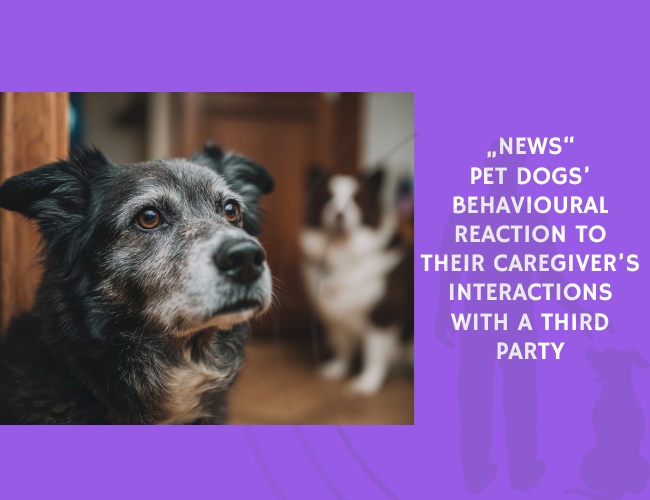
Published in Animals (MDPI), this study examined how dogs react when their caregivers or a stranger interacted with a realistic-looking fake dog. Using two types of interactions—affiliative (greeting) and neutral (examining)—the researchers aimed to clarify whether dogs exhibit emotional or behavioral interference consistent with jealousy when witnessing attention directed toward another potential “social rival.”
Across trials, dogs displayed heightened alertness, approach behavior, and body orientation toward their caregivers during the greeting condition, suggesting emotional engagement rather than mere curiosity. Many dogs attempted to interrupt the interaction by positioning themselves between their caregiver and the fake dog or by initiating contact with the human. These reactions were significantly stronger when the caregiver, rather than the stranger, performed the affiliative behavior.
Interestingly, the data also revealed patterns of social referencing—dogs adjusted their responses based on their caregiver’s tone, gestures, and affective signals. This alignment supports previous research indicating that dogs engage in behavioral synchronization with their humans, reflecting shared emotional states rather than simple imitation.
Karl and colleagues concluded that while these responses may resemble jealousy, they more likely represent an attachment-driven need for reassurance and connection. The findings highlight the cognitive and emotional complexity of the dog–human bond, suggesting that dogs monitor and respond to their caregivers’ social behaviors with a blend of curiosity, vigilance, and affiliative motivation.
Source: Karl, S., Anderle, K., Völter, C., & Virányi, Z. (2022). Pet Dogs’ Behavioural Reaction to Their Caregiver’s Interactions with a Third Party: Join in or Interrupt? Animals, 12. Published June 1, 2022.










