
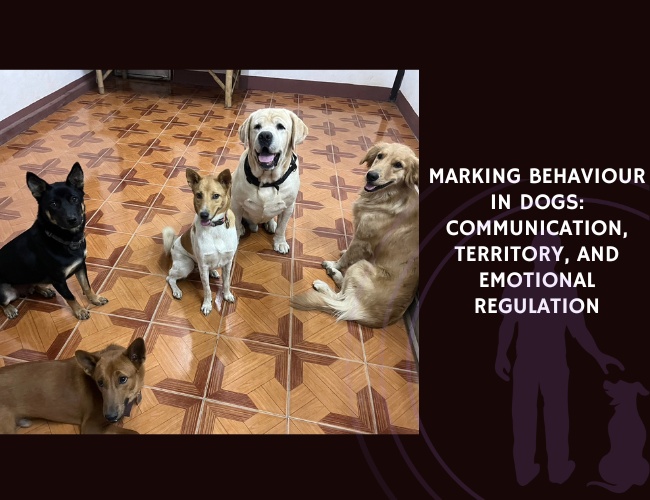
Have you ever wondered why your furry friend lifts their leg at every lamppost during your morning walk? Or perhaps you’ve noticed increased marking when you’ve moved to a new home or welcomed a visitor? Let us guide you through the fascinating world of canine marking behaviour—a complex language that goes far beyond simple territorial claims.
Marking behaviour in dogs is a rich tapestry of communication, emotional expression, and environmental interaction. It’s not just about claiming territory; it’s about how your dog navigates their social world, processes stress, and creates a sense of security in their environment. Understanding this behaviour can deepen the connection between you and your companion, helping you respond to their needs with greater insight and compassion. 🐾
The Science Behind the Scent: Neurobiological Foundations
What drives your dog to mark?
The motivation to mark is intricately woven into your dog’s neurochemistry and hormonal profile. Think of it as an invisible orchestra playing beneath the surface, directing behaviours that might seem simple but are actually remarkably sophisticated.
The Dopamine Connection
When your dog explores a new environment or encounters an interesting scent, their brain releases dopamine—a neurotransmitter associated with the SEEKING system. This is the same chemical that drives exploration, anticipation, and curiosity. You might notice your dog becomes more alert, their tail rises slightly, and they begin investigating with heightened interest. This dopamine surge motivates marking behaviour, especially in novel or socially significant environments, because marking allows them to participate in the ongoing “conversation” happening in that space.
Stress Hormones and Control
Cortisol, your dog’s primary stress hormone, plays a significant role in marking patterns. When dogs experience uncertainty or anxiety, their cortisol levels rise, activating the Hypothalamic-Pituitary-Adrenal (HPA) axis—the body’s central stress response system. Here’s where it gets interesting: marking can actually serve as a coping mechanism. By saturating an environment with their own scent, your dog creates familiarity and predictability, which helps reduce that internal stress response. This means that excessive marking might not be about dominance at all—it could be your dog’s way of saying, “I need to feel more secure here.”
Social Bonding Chemistry
Did you know that oxytocin, often called the “bonding hormone,” influences marking behaviour too? This neurochemical, which strengthens the connection between you and your dog, also affects how they mark in contexts related to social cohesion or mate attraction. Through the NeuroBond approach, we understand that the emotional synchrony between human and dog can actually stabilize marking patterns, reducing the need for excessive territorial assertion when that secure attachment is strong.
Hormonal Influences: The Gender Factor
Gonadal hormones significantly shape how, when, and where dogs mark. Testosterone in males and oestrogen in females create distinctly different marking profiles that you’ve probably observed at the dog park.
Male Marking Patterns
Males with higher testosterone levels typically engage in more frequent and prominent marking behaviours. This isn’t about aggression—it’s about communication and competitive display. You’ll notice intact males often overmark (depositing scent directly over another dog’s mark), particularly when encountering marks from other males or unfamiliar dogs. This behaviour corresponds with research showing that male dogs display more territoriality and are especially responsive to male scent marks from neighbouring groups.
Female Marking Patterns
Female marking patterns tend to be more subtle but no less communicative. Oestrogen influences marking frequency, which often increases during reproductive cycles. Females may use marking to signal availability or to communicate with other dogs in their social network. Their marking is typically less about competitive display and more about maintaining social connections and conveying reproductive status.
Next, we’ll explore how dogs use marking as a sophisticated communication system that rivals any spoken language.
The Language of Scent: Communication and Social Dynamics
How dogs “read” the invisible messages
Imagine if every surface in your neighbourhood carried detailed messages about everyone who’d passed by—their identity, emotional state, health, and social status. For your dog, this is reality. Each scent mark functions as a complex olfactory message, conveying information that creates an entire social landscape invisible to our human senses.
What scent marks communicate:
- Identity and familiarity – Who left this mark? Friend, stranger, or pack member?
- Dominance and social status – Where does this individual rank in the local hierarchy?
- Reproductive availability – Is this dog ready to mate?
- Emotional state – Was the marker confident, anxious, or excited?
- Temporal information – How recently was this dog here?
- Health status – Metabolic changes can alter scent profiles, potentially signaling illness
You might observe your dog engaging in what researchers call the “sniff-mark cycle”—they investigate an existing mark thoroughly before deciding whether to add their own contribution. This isn’t random; it’s a deliberate decision based on the information they’ve gathered from that scent.
Communication versus Control: Two Different Intentions
Not all marking serves the same purpose, and recognizing this distinction helps you understand what your dog is actually trying to achieve.
Communication-Focused Marking
This type of marking involves nuanced social interaction. Your dog investigates existing marks carefully, perhaps circling back multiple times, showing interest but not necessarily anxiety. They might mark in areas frequently traversed by other dogs, creating a kind of “scent bulletin board” where everyone can leave messages. This marking is relaxed, methodical, and part of normal social behaviour. You’ll notice your dog seems calm and engaged, with loose body language and a gently wagging tail.
Control-Focused Marking
Control marking appears more assertive and strategic. Your dog might mark repeatedly in quick succession, target specific resources (like doorways, furniture legs, or new objects), or show tension in their body language. This type of marking often emerges when dogs feel their resources are threatened, when they’re in unfamiliar environments, or when they’re experiencing social competition. It’s less about conversation and more about assertion—a way of saying, “I need to establish predictability here.”
The Invisible Leash reminds us that true guidance comes from understanding these motivations rather than simply correcting the behaviour. When we recognize whether marking stems from communication needs or control needs, we can respond with appropriate support rather than punishment. 🧠
How Other Dogs Respond to Scent Marks
The social dance continues when another dog encounters a scent mark. Their response reveals sophisticated social intelligence and decision-making. You might observe several distinct behaviours:
Countermarking
This is when your dog deposits their own scent directly over another dog’s mark. Research shows that countermarking is predominantly performed by males, especially in response to marks from other males or unfamiliar dogs. It’s a form of social negotiation, but it’s not necessarily aggressive—think of it more as adding their voice to an ongoing conversation.
Investigative Behaviour
Sometimes your dog will spend extended time sniffing a mark, gathering every bit of information they can. This prolonged investigation suggests they’re processing complex social data—determining if this dog is a threat, a potential friend, or someone they already know. The intensity and duration of investigation often correlates with how relevant that information is to your dog’s social world.
Avoidance
Occasionally, after investigating a mark, your dog might choose to avoid that area or move away quickly. This suggests they’ve gathered information indicating it’s best to give that space a wide berth—perhaps the marker is a more dominant dog, or the mark signals territorial aggression.
The specific response depends on multiple factors: the sex and familiarity of the marker, the location, and your dog’s own social status and confidence level. Dogs demonstrate remarkable sophistication in interpreting these olfactory signals, adjusting their behaviour based on nuanced social information that we humans cannot perceive.
Territory and Environment: Where Marking Patterns Emerge
How different spaces shape marking behaviour
Your dog’s marking patterns shift dramatically depending on their environment. Understanding these variations helps you anticipate and manage marking in different contexts.
Confined Domestic Spaces
In your home, marking typically serves different functions than outdoor marking. When dogs mark indoors, it’s often more subtle—perhaps on furniture legs, near doorways, or on new objects. This indoor marking might indicate insecurity about their position within the household, anxiety about changes in routine, or a response to stress. You might notice increased indoor marking when you’ve rearranged furniture, brought home new items, or when there are visitors in the home.
Indoor marking deserves gentle attention because it often signals emotional discomfort rather than territorial assertion. Your dog might be saying, “I need this space to feel more like mine” or “These changes are overwhelming, and I’m trying to create familiar anchors.”
Shared Community Spaces
Dog parks and communal walking areas create fascinating social dynamics. Here, marking becomes more strategic and communicative. Your dog might mark along pathways, near entry points, or around popular gathering spots. This marking contributes to the collective “scent map” of the space, allowing all dogs to understand who uses this area and when.
You’ll notice that dogs often follow established marking routes in familiar parks—they’re not just randomly selecting spots. They’re participating in an established pattern of communication, checking updates from their community, and leaving their own contributions to this shared information system.
Urban and Rural Territories
In expansive outdoor territories, marking patterns become more widespread and boundary-focused. Your dog might mark more frequently along the perimeter of familiar areas or at transition points between different environments. Research on other species, like Australian sleepy lizards, shows that animals repeatedly use the same paths within their territories, suggesting that path reuse itself functions as a marking behaviour—advertising presence along well-traveled routes.
In urban environments, you might notice your dog marks more frequently near intersections, lampposts, and other vertical objects. These serve as natural “signposts” in the landscape, places where scent lingers longer and where information exchange is most efficient.

Unfamiliar Environments: Mapping and Security
Have you noticed your dog marks more frequently in new places? This increased marking in unfamiliar environments serves multiple functions that speak to your dog’s need for security and orientation.
Creating a Scent Map
When entering a new space, your dog uses marking to create a familiar scent landscape. Each mark serves as an anchor point—a recognizable element in an otherwise unknown environment. This process, sometimes called “exploratory marking,” helps your dog build a mental map of the new territory. It’s not unlike how humans might use landmarks to remember a new route; your dog is creating olfactory landmarks that make the space less foreign.
Reducing Anxiety Through Familiarity
The act of marking itself can provide emotional comfort. By depositing their own scent, dogs create islands of familiarity in a sea of uncertainty. This is particularly important for dogs experiencing separation anxiety, moving to a new home, or adapting to shelter environments. The familiar scent provides a form of self-soothing, helping to regulate stress responses.
Environmental Factors That Influence Marking
Several physical factors affect how long marks persist and how often dogs revisit them:
- Substrate texture – Porous surfaces like soil or fabric retain scent longer than non-porous surfaces like concrete or metal
- Airflow and weather – Wind disperses scent molecules, while rain can wash them away entirely
- Temperature and humidity – Heat can intensify scent initially but also speeds degradation; humidity generally preserves scent longer
- Vertical versus horizontal surfaces – Marks on vertical surfaces (trees, posts) remain accessible longer and are more easily detected
You’ll notice your dog often revisits areas where their scent has faded or where new, unfamiliar marks have appeared. This revisitation behaviour helps them maintain their scent presence and stay updated on social changes in their environment.
Next, we’ll explore how marking intersects with your dog’s emotional world—serving as both expression and regulation of their inner states.
The Emotional Landscape: Marking as Emotional Regulation
When marking becomes a coping mechanism
Understanding the emotional dimensions of marking behaviour transforms how we respond to it. Marking isn’t always about territory or communication with other dogs—sometimes it’s about managing internal emotional states.
Stress-Induced Marking
During periods of heightened stress, you might notice your dog marking more frequently or in unusual locations. This stress-induced marking serves as a behavioural coping strategy. By creating a more densely scented environment, your dog attempts to reduce uncertainty and establish predictability. It’s a form of environmental control that helps them feel more secure.
Common triggers for stress-induced marking include:
- Moving to a new home – Everything is unfamiliar, and marking helps create a sense of ownership and safety
- Changes in household composition – New people, pets, or babies can trigger insecurity
- Separation anxiety – Marking when you leave helps maintain your scent’s presence and provides comfort
- Environmental transitions – Seasonal changes, construction noise, or altered daily routines
- Social stress – Encounters with other dogs that create feelings of inadequacy or threat
The key distinction here is that stress-induced marking often occurs indoors or in inappropriate contexts, appears compulsive rather than deliberate, and accompanies other anxiety signals like pacing, whining, or destructive behaviour.
Displacement Behaviour
Sometimes marking functions as displacement behaviour—an activity dogs engage in when experiencing conflicting motivations or when they’re unsure how to respond to a situation. You might notice this when your dog suddenly marks during a tense social interaction with another dog, or when they’re torn between approaching something interesting and maintaining caution. This marking serves to release tension and provides a moment to process the situation.
Anxiety Marking Versus Dominance Marking
This distinction is crucial for developing appropriate responses. Traditional interpretations often attribute all marking to dominance motivation, but contemporary understanding recognizes that excessive marking frequently indicates underlying anxiety rather than social ambition.
Signs of Anxiety-Driven Marking:
- Occurs primarily indoors or in inappropriate locations
- Increases during stressful periods or routine changes
- Accompanies other anxiety behaviours (trembling, panting, avoidance)
- Dog appears tense or uncertain during marking episodes
- Marking provides temporary relief but becomes compulsive
- Targets owner’s belongings or areas strongly associated with the owner
Signs of Communication/Territorial Marking:
- Occurs primarily outdoors during normal walking routines
- Shows methodical, deliberate investigation before marking
- Dog appears relaxed and confident during marking
- Follows typical patterns based on social encounters
- Doesn’t interfere with normal daily activities
- Responds appropriately to other dogs’ marks
When marking stems from anxiety, punishment or correction can actually worsen the behaviour by increasing stress levels. Instead, addressing the underlying emotional needs becomes essential. 🧡
The NeuroBond Perspective: Emotional Co-Regulation
Here’s where the relationship between you and your dog becomes central to understanding and managing marking behaviour. The NeuroBond Model recognizes that emotional synchrony and scent familiarity between human and dog can significantly influence the dog’s need for territorial assertion.
When you provide consistent emotional support, maintain predictable routines, and foster secure attachment, your dog develops greater confidence and reduced anxiety. This secure base means they feel less need to constantly assert control over their environment through marking. Your emotional state actually influences your dog’s emotional regulation—when you’re calm and confident, it helps your dog feel the same way.
Building Emotional Security:
- Consistent daily routines – Predictability reduces the need for environmental control
- Quality bonding time – Strengthens attachment and reduces insecurity
- Calm presence during transitions – Your emotional regulation supports theirs
- Recognition of emotional signals – Acknowledging anxiety before it escalates
- Creating safe spaces – Areas where your dog feels completely secure
Moments of Soul Recall reveal how memory and emotion intertwine in behaviour. When your dog marks in areas associated with past stress, they’re responding to emotional memories encoded in that space. By creating new, positive associations and providing emotional support, you can help rewrite these emotional connections.
The relationship between you and your dog isn’t separate from their marking behaviour—it’s fundamentally interwoven with it. When that bond is strong and secure, many marking issues naturally resolve or diminish.
Age and Life Stages: How Marking Evolves Through Your Dog’s Life
Understanding marking across the lifespan
Just as your dog’s physical and emotional needs change throughout their life, so do their marking patterns. Recognizing what’s typical at each stage helps you distinguish between normal developmental behaviour and patterns that need attention.
Puppy Marking Development: The Foundation Years
Puppies don’t typically engage in deliberate marking behaviour until they approach sexual maturity. During the first few months of life, your puppy’s elimination is simply about relieving themselves—there’s no communicative or territorial intent behind it yet. You might notice they squat to urinate regardless of sex, and they show little interest in investigating other dogs’ scent marks during walks.
The shift toward marking behaviour usually begins between 4-8 months of age, coinciding with early hormonal changes. Male puppies often start showing interest in sniffing where other dogs have urinated, and they may begin attempting to lift their leg, though initially this might be awkward or incomplete. Female puppies may start showing increased interest in scent investigation as well, though their marking patterns typically develop more gradually.
During this developmental stage:
- Keep training consistent – Establish clear rules about where elimination is acceptable before marking patterns solidify
- Socialize appropriately – Positive experiences with other dogs help shape healthy communication patterns
- Don’t over-correct – Remember that learning to mark is a normal part of development, not defiance
- Monitor for anxiety – Excessive marking in young puppies can indicate insecurity that needs attention
- Establish outdoor routines – Create strong associations between outdoor environments and elimination
Adolescent Marking Surge: The Teenage Challenge
Ah, adolescence—when your previously well-behaved companion suddenly becomes a marking enthusiast. Between 6-18 months (varying by breed size), dogs experience significant hormonal surges that profoundly affect marking behaviour. This is often the most challenging period for managing marking, and you’re definitely not alone if you’re struggling during this stage.
Male adolescent dogs experience rising testosterone levels that fuel increased marking frequency, territorial behaviours, and competitive social displays. You might notice your young male suddenly marking multiple times on a single walk, attempting to mark over other dogs’ scents, or showing new interest in marking indoors if given the opportunity.
Female adolescent dogs typically experience their first heat cycle during this period, which brings its own marking challenges. Even spayed females may show increased marking as they mature socially and establish their place within their environment.
During adolescence:
- Increase supervision – Don’t allow unsupervised access to areas where marking could become habitual
- Maintain patience – This phase is temporary, though it requires consistent management
- Provide extra enrichment – Mental and physical stimulation helps channel adolescent energy appropriately
- Consider timing of neutering – Discuss with your veterinarian whether earlier intervention might help
- Reinforce training – Adolescent dogs often “forget” previous training and need refreshers
- Stay calm and consistent – Your emotional stability helps your adolescent dog navigate this turbulent period
Adult Marking Patterns: Stability and Individual Expression
Once dogs reach full maturity (typically 1.5-3 years depending on breed), marking patterns generally stabilize into relatively predictable individual patterns. Adult dogs develop their own “marking personality”—some mark frequently and enthusiastically, others mark selectively and strategically, and some mark minimally except in specific circumstances.
This is when you truly see your dog’s individual temperament expressed through marking behaviour. Confident dogs might mark assertively but without anxiety, while more sensitive dogs might mark reactively in response to stress or social encounters. Understanding your adult dog’s baseline marking pattern helps you recognize when changes signal underlying issues.
Senior Dog Marking Changes: Compassionate Understanding
As dogs age, marking patterns often shift for various reasons—some behavioural, some medical. You might notice your senior companion marking more frequently indoors, seeming confused about appropriate elimination locations, or showing reduced control over when and where they urinate.
These changes can stem from:
- Cognitive decline – Canine cognitive dysfunction can affect house training memory and impulse control
- Medical conditions – Arthritis, kidney disease, diabetes, and urinary tract issues affect elimination patterns
- Anxiety about aging – Some dogs become more insecure as they lose physical capabilities
- Weakened bladder control – Sphincter muscles weaken with age, making control more difficult
- Medication effects – Some medications increase urination frequency or urgency
For senior dogs showing marking changes:
- Veterinary evaluation is essential – Rule out medical causes before assuming it’s purely behavioural
- Increase outdoor opportunities – More frequent bathroom breaks accommodate reduced bladder control
- Modify home environment – Easier access to outdoors, waterproof bedding, and confined spaces at night
- Use supportive products compassionately – Doggy diapers or belly bands can maintain quality of life
- Reduce stress and demands – Senior dogs need extra patience and support
- Celebrate good moments – Focus on successful outdoor elimination rather than dwelling on accidents
Through each life stage, the Soul Recall principle reminds us that our dogs carry emotional memories of past experiences. A senior dog who was harshly punished for marking as a puppy may experience anxiety around elimination that complicates age-related changes. Approaching each stage with compassion and understanding honours the journey you’ve shared together. 🧡

Multi-Dog Household Dynamics: Navigating Marking in Complex Social Systems
When multiple dogs share territory
Living with multiple dogs creates a rich, complex social environment—and marking behaviour becomes part of how your dogs negotiate relationships, establish hierarchy, and communicate with each other. Understanding these dynamics helps you support healthy social structures while managing inappropriate marking.
How Marking Patterns Shift with Multiple Dogs
When you add a second (or third, or fourth) dog to your household, you might notice immediate changes in marking behaviour—even from dogs who previously showed minimal marking tendencies. This isn’t necessarily problematic; it’s your dogs engaging in natural social communication about territory and relationships.
In multi-dog households, you might observe:
- Increased marking frequency during initial integration periods as dogs negotiate space
- Marking “conversations” where dogs take turns investigating and marking the same spots
- Strategic marking near resources like food bowls, favourite resting spots, or doorways
- Overmarking patterns where one dog consistently marks over another’s scent
- Gender-specific dynamics with intact or recently neutered males showing more competitive marking
The key is distinguishing between normal social communication and marking that signals stress, insecurity, or social conflict requiring intervention.
Hierarchy Establishment Through Scent
Dogs establish and maintain social hierarchy through multiple channels—body language, access to resources, play interactions, and yes, marking behaviour. More confident or socially dominant dogs often mark more prominently and in more locations, while subordinate dogs may mark more cautiously or in peripheral areas.
You might notice:
- The “top dog” marks last in a sequence, depositing their scent over others’ marks
- Less confident dogs mark less frequently or in less prominent locations
- Hierarchy reinforcement through repeated marking patterns over time
- Changes during hierarchy shifts when relationships between dogs evolve
It’s important to understand that healthy hierarchy isn’t about aggression or fear—it’s about clear, stable social structure that actually reduces conflict. Marking plays a role in maintaining that clarity. However, if you observe anxiety, resource guarding, or aggression alongside marking behaviour, the hierarchy may need support through training and management.
Competition and Resource Guarding Via Scent
Sometimes marking in multi-dog households escalates beyond communication into competition or resource guarding. This occurs when dogs feel insecure about their access to important resources—your attention, food, comfortable resting spots, or even access to you as their beloved human.
Warning signs of problematic competitive marking:
- Obsessive marking around food bowls or favourite toys
- Anxious body language during marking episodes (tense posture, whale eye, rapid marking)
- Aggressive responses when other dogs approach recently marked areas
- Indoor marking escalation especially near your bedroom or other areas associated with attention
- Blocking behaviours where dogs position themselves to prevent others from accessing certain spaces
If you’re seeing these patterns, your dogs need help establishing a more secure social structure. Consider:
- Feeding separately to reduce food-related competition
- Providing individual attention so each dog feels secure in their relationship with you
- Creating separate resting areas where each dog has their own safe space
- Managing arousal levels through adequate exercise and mental stimulation for each dog
- Professional support from a qualified behaviourist if competition persists or escalates
Managing Marking Conflicts Between Household Dogs
When marking becomes a source of conflict between your dogs, thoughtful management helps restore harmony. Through the NeuroBond approach, we recognize that secure attachments—both between you and each dog, and between the dogs themselves—reduce the need for anxious territorial assertion.
Practical strategies for multi-dog marking management:
- Supervise interactions during integration – Don’t allow unsupervised access until relationships stabilize
- Reinforce positive associations – Reward dogs for calm behaviour in each other’s presence
- Separate when needed – Use baby gates or separate rooms during high-stress periods
- Maintain individual relationships – Each dog needs one-on-one time with you
- Address underlying insecurity – Often the “problem marker” is actually the most insecure dog
- Clean thoroughly – Eliminate indoor marking scents completely to break escalation cycles
- Stay calm and neutral – Your anxiety about conflicts can increase dogs’ stress levels
Integration of New Dogs: Territory Transition
Bringing a new dog into your home triggers territorial reassessment for your resident dog(s). Expect increased marking from all dogs during the first few weeks to months as they negotiate the new social arrangement. This is normal and typically settles as relationships stabilize.
During integration:
- Introduce on neutral territory first – Initial meetings away from home reduce territorial tension
- Allow gradual space access – Let the new dog explore areas incrementally rather than all at once
- Expect regression in house training – Even well-trained dogs may mark during adjustment
- Provide separate resources initially – Reduce competition by offering separate food bowls, water, toys, and resting areas
- Give extra attention to resident dogs – Help them feel secure that their position isn’t threatened
- Be patient with the timeline – Full integration typically takes 3-6 months, sometimes longer
- Watch for stress signals – Increased marking accompanied by other anxiety signs needs support
Remember that every dog has an adjustment period. What seems like problem behaviour might simply be normal social negotiation. Your calm, consistent support helps all your dogs navigate this transition successfully. 🐾
Breed-Specific Tendencies: Understanding Your Dog’s Genetic Blueprint
How breed characteristics influence marking behaviour
Your dog’s breed heritage significantly shapes their marking tendencies, frequency, and motivations. While every dog is an individual, breed-specific traits provide helpful context for understanding why your particular companion marks the way they do.
Terriers: The Enthusiastic Markers
Terriers were bred for independent hunting, often working alone to locate and dispatch prey in underground dens. This heritage created dogs with strong territorial instincts, high confidence, and persistent marking tendencies. If you have a terrier, you’ve probably noticed they mark frequently, thoroughly, and with great enthusiasm.
Terrier marking characteristics:
- High frequency marking – Often marking multiple times on a single walk
- Leg-lifting persistence – Males particularly committed to marking vertical surfaces
- Indoor marking challenges – Stronger tendency to mark inside if given opportunity
- Territorial confidence – Bold, assertive marking patterns reflecting their confident nature
- Object-focused marking – Particularly interested in marking new items in their environment
Managing terrier marking:
Your terrier’s marking isn’t defiance—it’s genetic heritage expressing itself. Provide abundant outdoor marking opportunities, maintain extremely consistent boundaries about indoor elimination, and channel that terrier determination into training rather than fighting against it. Terriers respond well to clear, consistent rules but poorly to punishment, which can increase anxiety-driven marking.
Herding Breeds: Territorial Patrol Patterns
Border Collies, Australian Shepherds, German Shepherds, and other herding breeds were developed to manage and protect livestock across large territories. This created dogs with strong territorial awareness, vigilance toward boundaries, and marking patterns that reflect patrol behaviours.
Herding breed marking characteristics:
- Boundary-focused marking – Concentrated along perceived territorial edges
- Patrol-style marking – Regular routes with consistent marking locations
- Alert-based marking – Increased marking when strangers or other dogs approach their territory
- Strategic placement – Thoughtful selection of marking locations for maximum visibility
- Variable frequency – May mark less on familiar routes, more when territory is challenged
Managing herding breed marking:
These breeds need clear territorial boundaries and consistent routines. Their territorial marking responds well to structured walks with predictable routes, which satisfy their patrol instincts while maintaining control. Provide adequate mental and physical stimulation to reduce hypervigilance that can escalate marking behaviour.
Hounds: Scent-Driven Investigation
Hounds—whether scent hounds like Beagles and Bloodhounds or sight hounds like Greyhounds and Whippets—were bred to follow scent trails or pursue prey. This heritage created dogs whose marking behaviour is deeply interwoven with scent investigation and communication.
Hound marking characteristics:
- Investigation-heavy marking – Extended sniffing before and after marking
- Trail marking – Marking along walking routes to create scent trails
- Responsive marking – Highly reactive to other dogs’ marks, often investigating thoroughly
- Vocalization during marking – Some hounds vocalize while investigating or marking
- Scent-motivated marking – More interested in the olfactory conversation than territorial assertion
Managing hound marking:
Hounds need adequate time for scent investigation during walks—rushing them creates frustration and can increase problematic marking. Their marking is more about communication and investigation than dominance, so approaches focusing on providing appropriate outlets for their scent work are most effective. Nose work activities provide excellent enrichment for hounds.
Small Breeds: Physical and Social Considerations
Small breeds—Chihuahuas, Pomeranians, Yorkshire Terriers, and others—face unique marking challenges related to both their size and their social experiences. Despite their diminutive stature, many small breeds have big personalities and strong marking motivations.
Small breed marking characteristics:
- Leg-lifting challenges – Physically difficult to achieve significant height, may mark creatively
- Frequent, small-volume marking – Multiple small marks rather than fewer large ones
- Indoor marking prevalence – Higher rates of indoor marking across small breeds
- Anxiety-driven marking – More prone to insecurity-based marking due to size vulnerability
- Object marking – Tendency to mark furniture, belongings, and low objects
Managing small breed marking:
Small dogs are often inadvertently trained for indoor elimination through pee pads, which can complicate house training and increase marking. They may also experience more anxiety in environments designed for larger dogs. Ensure they feel secure, maintain absolutely consistent house training standards (resisting the temptation to excuse accidents due to their size), and provide appropriate-height objects for outdoor marking that make them feel successful.
Working Breeds: Confidence and Control
Working breeds—Rottweilers, Dobermans, Mastiffs, and similar breeds—were developed for guarding, protection, or physical work requiring confidence, strength, and territorial awareness. Their marking patterns often reflect this heritage of confidence and control.
Working breed marking characteristics:
- Confident, deliberate marking – Assertive marking without anxiety
- Selective marking – Less frequent but more strategic marking placements
- Resource-focused marking – Marking near valued resources or family members
- Socially aware marking – Responsive to social hierarchies and household dynamics
- Low-anxiety marking – Less likely to mark compulsively unless trained to be insecure
Managing working breed marking:
These breeds typically respond well to clear leadership and structured routines. Their marking is usually less about anxiety and more about confident communication or territorial maintenance. Establishing yourself as a calm, confident leader through the Invisible Leash approach—where guidance comes through awareness and presence rather than force—helps these dogs feel less need for excessive territorial assertion.
Understanding your dog’s breed heritage doesn’t excuse problematic marking, but it helps you approach management with realistic expectations and breed-appropriate strategies. Every dog is an individual, but breed tendencies provide a helpful starting point for understanding their behaviour. 🧠
Scent. Signal. Security.
Marking is conversation. Each drop of scent carries data—identity, mood, and intent. It’s your dog’s way of saying, I’m here, I belong, this feels safe.
Emotion guides the ritual. Dopamine fuels curiosity, cortisol reveals tension, and oxytocin softens the edges. Marking balances chaos by turning uncertainty into familiarity.
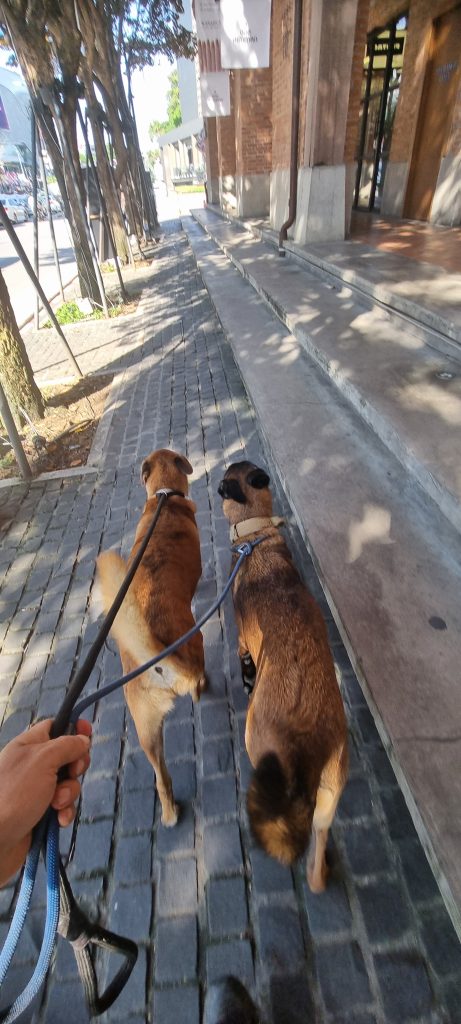
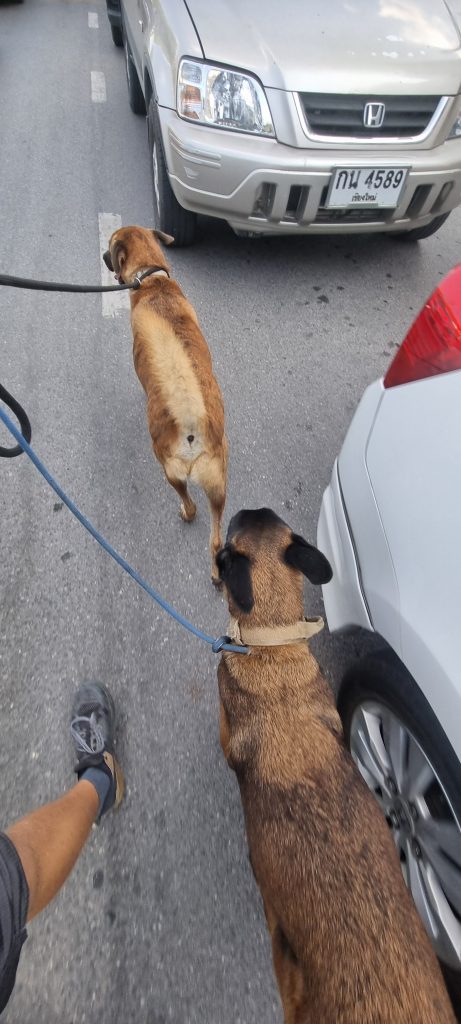
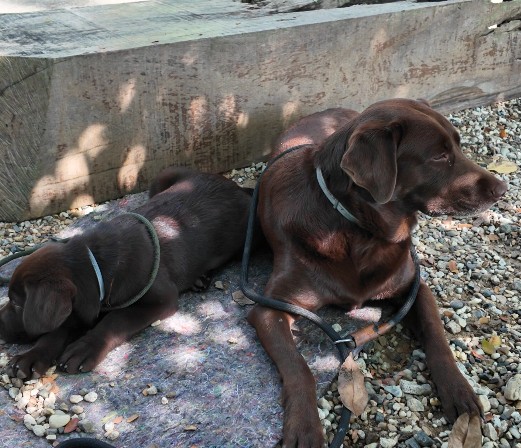
Connection calms the urge. When trust anchors the bond, the need to claim fades. Stability within the relationship makes the world outside feel known again.
Seasonal and Hormonal Cycles: Nature’s Influence on Marking Patterns
Recognizing cyclical changes in marking behaviour
Your dog doesn’t exist in isolation from natural rhythms and hormonal cycles. Throughout the year and across reproductive cycles, marking patterns shift in predictable ways. Understanding these patterns helps you anticipate changes rather than being surprised by them.
Female Heat Cycles and Marking Patterns
If you have an intact female dog, you’ll notice dramatic marking changes associated with her estrous (heat) cycle, which typically occurs every 6-8 months. Even spayed females sometimes show subtle cyclical changes, though much less pronounced.
During the heat cycle:
- Increased marking frequency – Females mark much more frequently to advertise reproductive availability
- Changed marking style – May squat-mark repeatedly, sometimes adopting leg-lifting behaviours
- Indoor marking increases – Even well-trained females may mark inside during heat
- Scent communication intensifies – Marks contain different chemical signals during reproductive receptivity
- Attracts male attention – Other dogs respond intensely to these marks, increasing overall marking activity in the area
The heat cycle phases:
- Proestrus (7-10 days) – Marking begins increasing, though female isn’t yet receptive
- Estrus (5-9 days) – Peak marking frequency when female is receptive to mating
- Diestrus (60-90 days) – Marking gradually decreases back toward baseline
- Anestrus (rest period) – Relatively normal marking patterns resume
During your female’s heat cycle, extra supervision prevents indoor marking from becoming habitual. Some owners use doggy diapers during this period to manage both discharge and marking. Remember that patience and understanding are essential—your dog isn’t being difficult; she’s responding to powerful hormonal drives.
Male Response to Females in Season
If you have a male dog—whether neutered or intact—you’ll notice significant marking changes when females in your neighbourhood are in heat. Even neutered males, who have reduced testosterone levels, still respond to the pheromones intact females produce during estrus.
Male marking during female heat cycles:
- Dramatically increased marking frequency – May mark constantly on walks
- Intense scent investigation – Prolonged sniffing of areas where the female has been
- Overmarking behaviour escalates – Compulsion to mark over the female’s scent
- Indoor marking attempts – May try to mark inside, especially near doors or windows
- Distraction and focus issues – Difficulty concentrating on training or commands
- Potential escape attempts – Motivation to find the source of the scent
This response can last throughout the female’s cycle (3-4 weeks) and potentially beyond if the male continues detecting residual scent markers. During these periods, maintain extra vigilance about indoor marking opportunities and provide additional outdoor marking time to satisfy the intense urge to communicate via scent.
Seasonal Territorial Shifts
You might notice your dog’s marking patterns change with the seasons, even independent of reproductive cycles. These seasonal shifts reflect multiple factors including daylight duration, temperature, wildlife activity, and changing social dynamics in your neighbourhood.
Spring marking increases:
Spring often brings the most dramatic marking changes as multiple factors converge. Wildlife emerges from winter dormancy, leaving new scents in your dog’s environment. Many intact dogs breed in late winter/early spring, increasing reproductive marking in the neighbourhood. Longer days and warming temperatures mean more outdoor time and social encounters. You might notice your dog marks more frequently, investigates more thoroughly, and shows heightened territorial awareness during spring months.
Summer patterns:
Summer typically sees continued active marking, though potentially with different patterns than spring. Heat can intensify scents, making marks more detectable but also accelerating their degradation. More dogs are outdoors, increasing social marking opportunities. However, very hot weather might reduce overall marking frequency as dogs conserve energy and limit outdoor exposure during peak heat.
Autumn territorial reinforcement:
As days shorten and temperatures cool, some dogs show increased territorial marking, possibly related to evolutionary patterns of securing resources before winter scarcity. Wildlife activity changes again, introducing new scents. In multi-dog households, you might notice shifting hierarchy patterns during autumn, reflected in altered marking behaviours.
Winter marking challenges:
Cold weather creates unique marking patterns. Some dogs mark less frequently in winter, preferring to minimize outdoor exposure. However, concentrated scents in frozen conditions can actually preserve marks longer, potentially increasing interest in investigation and countermarking. Snow and ice alter available marking surfaces, changing where and how dogs mark.
Weather Impact on Marking Behaviour
Beyond seasonal patterns, day-to-day weather significantly affects marking behaviour. Understanding these effects helps you anticipate and accommodate your dog’s needs.
Rain and moisture:
Rain disperses and dilutes scent marks rapidly, which can trigger increased marking as dogs attempt to refresh fading scents. After rain, you might notice your dog marks more frequently, working to re-establish their scent presence. Conversely, during heavy rain, many dogs rush through bathroom breaks, potentially leading to indoor marking later.
Temperature extremes:
Very hot or very cold weather can suppress marking frequency simply because dogs want to minimize outdoor exposure. However, this reduction can create indoor marking risks if dogs don’t adequately empty their bladders during rushed outdoor trips.
Wind:
Wind carries scents long distances, potentially exposing your dog to many more olfactory messages than on calm days. This can trigger increased investigative and marking behaviour. Conversely, wind quickly disperses your dog’s own marks, potentially motivating more frequent marking to maintain scent presence.
Humidity:
High humidity preserves scents longer and may intensify their detection. You might notice your dog spends more time investigating marks on humid days and shows more interest in marking themselves.
Daylight Changes and Hormonal Effects
The length of daylight hours influences your dog’s hormonal systems, particularly melatonin production, which affects reproductive hormones and seasonal behaviour patterns. As days lengthen in spring, reproductive hormones increase, influencing marking behaviour even in spayed or neutered dogs (though much less dramatically than in intact animals). As days shorten in autumn and winter, these hormones decrease, potentially reducing marking frequency.
Understanding these natural cycles helps you approach marking behaviour with patience and realistic expectations. Your dog isn’t randomly changing their patterns—they’re responding to natural rhythms that have guided canine behaviour for thousands of years. By working with these patterns rather than against them, you support your dog’s wellbeing while effectively managing their marking behaviour. 🐾
🐾 Understanding Canine Marking Behaviour 🐾
A comprehensive journey through the science, psychology, and practical management of your dog’s scent communication
Phase 1: The Neurobiological Foundation
Understanding what drives marking at the chemical level
Marking behaviour originates from a complex interplay of neurotransmitters and hormones. Dopamine activates the SEEKING system, making novel environments irresistible for marking. Cortisol drives stress-induced marking as a coping mechanism, while oxytocin influences social and bonding-related scent communication.
Your dog’s marking patterns reflect their internal chemistry:
- • Increased marking in new environments (dopamine exploration)
- • Marking during stress or changes (cortisol response)
- • Gender-specific patterns (testosterone/estrogen influence)
- • Seasonal variations in marking intensity
Phase 2: Life Stage Development
How marking evolves from puppyhood to senior years
Marking behaviour emerges between 4-8 months as hormones activate. Adolescent dogs experience a marking surge due to rising testosterone or estrogen. This is the critical window for establishing appropriate marking patterns through consistent training and positive reinforcement.
Adult dogs develop individual “marking personalities” that remain relatively stable. Understanding your dog’s baseline pattern helps you recognize when changes signal underlying stress, medical issues, or environmental concerns requiring attention.
Senior dogs may show increased marking due to cognitive decline, medical conditions, or anxiety about aging. Approach changes with compassion—this isn’t defiance but a need for extra support, more frequent bathroom breaks, and potentially medical intervention.
Phase 3: The Social Communication System
Decoding the invisible chemical conversations
Each mark contains detailed information:
- • Individual identity and familiarity
- • Sex, reproductive status, and availability
- • Social rank and confidence level
- • Emotional state at time of marking
- • Health indicators and dietary information
- • Temporal data (how recently deposited)
Communication marking involves relaxed investigation and social exchange. Control marking appears more urgent, repetitive, and anxiety-driven. Recognizing this distinction guides appropriate responses—supporting healthy communication while addressing anxiety-based control needs.
Through the NeuroBond approach, we understand that emotional synchrony between you and your dog stabilizes their need for territorial assertion. A secure attachment reduces anxiety-driven marking, as your dog feels less compelled to control their environment through scent.
Phase 4: Emotional Regulation & Coping
When marking becomes an emotional management tool
When dogs experience uncertainty or anxiety, marking serves as self-soothing behaviour. By saturating their environment with familiar scent, they create predictability that reduces cortisol levels. This explains increased marking during moves, after boarding, when visitors arrive, or during household changes.
Excessive indoor marking often indicates anxiety rather than dominance. Traditional views misinterpret stress-coping behaviour as social ambition. If marking accompanies trembling, panting, or avoidance, address the underlying emotional distress rather than attempting to “establish dominance.”
Moments of Soul Recall reveal how emotional memory shapes marking behaviour. Dogs may mark locations associated with past stress, responding to emotional imprints rather than current circumstances. Creating new, positive associations helps rewrite these emotional connections.
Phase 5: Environmental & Breed Influences
Context and genetics shape marking patterns
Marking patterns shift dramatically between confined domestic spaces, shared community areas, and expansive territories. Unfamiliar environments trigger exploratory marking as dogs create “scent maps” for orientation and security. Weather, substrate, and airflow affect how long marks persist and influence revisit behaviour.
Your dog’s genetic heritage influences marking behaviour:
- • Terriers: Frequent, enthusiastic marking reflecting independent nature
- • Herding breeds: Boundary-focused patrol patterns
- • Hounds: Investigation-heavy, scent-driven marking
- • Small breeds: More indoor marking challenges, unique physical considerations
- • Working breeds: Confident, selective, resource-focused marking
Phase 6: Multi-Dog Social Dynamics
Navigating complex household hierarchies
In multi-dog households, marking establishes and maintains social structure. More confident dogs often overmark subordinate dogs’ scents, marking last in a sequence. This isn’t aggression—it’s social negotiation through chemical communication. Healthy hierarchies reduce conflict rather than creating it.
Introducing new dogs triggers territorial reassessment. Expect increased marking from all dogs during the first 3-6 months as relationships stabilize. This is normal social negotiation, not problematic behaviour. Supervision, separate resources, and patience support successful integration.
Watch for obsessive marking around resources, anxious body language, aggressive responses, or blocking behaviours. These signal insecurity requiring intervention—separate feeding areas, individual attention, and possibly professional behavioural support.
Phase 7: Step-by-Step Training Protocol
Structured 8-week behaviour modification program
Keep a marking diary documenting all incidents. Supervise constantly, block access to problem areas, clean thoroughly with enzymatic cleaners, increase outdoor opportunities, and reward all outdoor marking. Understanding your dog’s patterns guides your approach forward.
Establish a marking cue (“go mark” or “find it”) paired with immediate high-value rewards. Spend extended periods outside allowing thorough marking. Continue constant supervision. Interrupt indoor attempts calmly and redirect immediately outdoors. Never punish after the fact.
Gradually allow brief unsupervised periods in safe rooms. Reduce treat frequency to intermittent reinforcement while maintaining praise. Test controlled versions of known triggers. If regression occurs, temporarily increase supervision rather than progressing. Long-term maintenance requires ongoing consistency.
The Invisible Leash reminds us that effective guidance emerges from awareness and prevention rather than force. When we anticipate marking triggers and proactively manage situations, we help our dogs succeed rather than setting them up to fail.
Phase 8: Cleaning & Prevention Strategies
Breaking the remarking cycle through proper sanitation
Ammonia-based cleaners smell like urine to dogs, reinforcing marking spots. Scented products mask odours to humans but leave chemical traces dogs detect. Only enzymatic cleaners break down the proteins, pheromones, and uric acid crystals that trigger remarking—they don’t mask, they eliminate.
For complete scent elimination:
- • Use UV blacklight to locate all marked areas (even invisible ones)
- • Saturate thoroughly—extend 6 inches beyond visible stains
- • Allow 24-48 hours contact time for enzymes to work
- • Rehydrate old marks before treating
- • Repeat treatment 3-5 times for established marking locations
- • Let air dry completely (heat deactivates enzymes)
During training, use physical barriers (baby gates, closed doors), waterproof covers, aluminum foil or plastic on edges, motion-activated deterrents, and strategic object elevation. Prevention breaks the marking cycle while training establishes new patterns.
📊 Understanding Marking Variations
Frequency: Very high
Pattern: Enthusiastic, multiple marks per walk
Challenge: Indoor marking tendency
Approach: Channel determination into training, provide abundant outdoor opportunities
Frequency: Moderate to high
Pattern: Boundary-focused patrol marking
Challenge: Hypervigilance increasing marking
Approach: Structured routines, predictable boundaries, adequate mental stimulation
Frequency: High
Pattern: Investigation-heavy, trail marking
Challenge: Extended sniffing sessions
Approach: Allow adequate scent exploration time, nose work activities
Frequency: Frequent, small volume
Pattern: Object-focused, multiple locations
Challenge: Higher indoor marking rates
Approach: Maintain strict standards despite size, ensure security, consistent boundaries
Frequency: Moderate, selective
Pattern: Confident, resource-focused
Challenge: Strategic territorial marking
Approach: Clear leadership, structured routines, calm confidence
Puppy: Minimal, emerging 4-8 months
Adolescent: Peak surge, hormone-driven
Adult: Stable individual patterns
Senior: Increased frequency, medical considerations
Stress Formula: Increased marking = Decreased predictability + Elevated cortisol
Communication Timing: Scent volatiles last 24-48 hours; proteins 7-14 days
Training Timeline: Minimum 8 weeks for pattern establishment; 3-6 months for full reliability
Cleaning Rule: Enzymatic cleaner contact time = 24-48 hours for complete elimination
Multi-Dog Integration: Expect 3-6 months for social structure stabilization
Seasonal Impact: Spring = peak marking (reproduction + wildlife + longer days)
Understanding marking behaviour through the Zoeta Dogsoul lens transforms how we relate to our dogs. Through NeuroBond, we recognize that emotional synchrony between human and dog stabilizes the need for anxious territorial assertion—when the bond is secure, excessive marking diminishes naturally. The Invisible Leash teaches us that effective guidance comes from awareness and prevention rather than correction after the fact—we create success through environmental management and understanding. Soul Recall reveals how emotional memories shape behaviour—dogs mark locations associated with past stress, responding to imprints we cannot see but can heal through patient, compassionate support.
Marking isn’t a problem to eliminate—it’s a sophisticated communication system to understand and appropriately channel. When we approach this behaviour with curiosity, scientific knowledge, and emotional intelligence, we honour both our dog’s biological needs and our shared relationship. This balance between neuroscience and soul connection creates the foundation for lasting behavioural harmony.
© Zoeta Dogsoul – Where neuroscience meets soul in dog training
Practical Applications: Supporting Your Dog’s Natural Behaviour
Recognizing the difference: When to intervene and when to allow
Not all marking requires intervention. Understanding when marking is healthy communication versus when it signals a problem helps you respond appropriately.
Healthy, Normal Marking Patterns:
- Occurs primarily outdoors during walks
- Dog shows relaxed body language and confident demeanor
- Marking is selective rather than compulsive
- Doesn’t interfere with daily activities or quality of life
- Responds appropriately to social context
- Part of normal investigative and communicative behaviour
For healthy marking, your role is simply to allow the behaviour during appropriate contexts. Give your dog adequate time during walks to investigate and mark—this is important mental stimulation and social participation. Rushing through walks without allowing this natural behaviour can actually create frustration and increase marking attempts at other times.
Marking That Needs Attention:
- Excessive indoor marking, especially on furniture or personal belongings
- Compulsive marking (constant attempts with little to no urine)
- Marking that suddenly increases without obvious environmental cause
- Accompanies significant anxiety signals
- Interferes with household harmony or training progress
- Occurs in destructive patterns or inappropriate locations
When marking needs attention, your approach should address underlying causes rather than simply attempting to suppress the behaviour.
The Role of Neutering in Marking Behaviour
Many people wonder whether neutering will resolve marking issues. The answer is nuanced and depends on what drives the behaviour.
What Neutering Changes:
Neutering significantly reduces testosterone in males and alters hormonal profiles in females, which can decrease marking motivated by sexual competition, territorial assertion, or mate-seeking behaviours. You might notice reduced frequency of marking, less aggressive overmarking of other dogs’ scents, and decreased marking intensity overall.
Research indicates that neutering is most effective at reducing marking when:
- The behaviour is primarily hormone-driven (sexual or competitive motivation)
- The dog is neutered relatively young, before patterns become deeply established
- Marking hasn’t yet become a learned habit or anxiety response
- No significant environmental stressors are contributing to the behaviour
What Neutering Doesn’t Always Change:
Neutering may not completely eliminate marking, especially if the behaviour has become habitual, serves as an anxiety coping mechanism, or has been strongly reinforced over time. If your dog has been marking for years, the neural pathways supporting this behaviour are well-established and may persist even after hormonal changes.
Additionally, marking driven by stress, insecurity, or environmental factors responds less to neutering because these motivations don’t depend primarily on gonadal hormones. The HPA axis activation that accompanies stress-induced marking continues regardless of reproductive hormone levels.
The most effective approach combines neutering (when appropriate) with behavioural support, environmental management, and addressing emotional needs.

Olfactory Enrichment and Environmental Management
Rather than simply trying to stop marking, you can channel your dog’s natural scent-oriented behaviours into appropriate outlets. This approach respects their biological needs while managing where and how marking occurs.
Enrichment Activities That Satisfy Scent Needs:
- Scent walks – Allow extended time for sniffing and investigating during walks, even if you don’t cover much distance. The mental stimulation from scent work is more tiring than physical exercise alone
- Nose work games – Hide treats or toys and encourage your dog to find them using scent
- Scent puzzles – Toys and puzzles that involve scent discrimination and problem-solving
- New environments – Regular visits to different parks or walking routes provides novel scent experiences
- Controlled social exposure – Appropriate interactions with other dogs allows for natural scent exchange and communication
These activities provide appropriate outlets for your dog’s innate scent-seeking behaviours, which can reduce the compulsion to mark excessively in other contexts. A mentally satisfied dog who has engaged their olfactory system is less likely to engage in problematic marking.
Creating Predictable Routines:
Environmental uncertainty is a primary driver of stress-induced marking. By establishing consistent daily patterns, you significantly reduce your dog’s need to assert control through marking.
Key routine elements:
- Regular feeding times – Predictability around meals creates security
- Consistent walking schedules – Your dog knows when opportunities for outdoor marking will occur
- Stable sleep arrangements – Familiar sleeping spaces reduce territorial anxiety
- Predictable social interactions – Regular patterns of family activity and attention
- Gradual introduction of changes – When changes are necessary, introduce them slowly with positive associations
For sensitive dogs adapting to new environments—such as shelter dogs, recently adopted dogs, or dogs experiencing household transitions—predictable routines are especially crucial. These routines create the stability that reduces stress-driven marking behaviours.
Training and Management Strategies
Effective management of marking behaviour requires differentiation between its various motivations and appropriate, humane responses.
For Stress-Induced Marking:
- Address underlying anxiety – Work with a veterinary behaviourist if needed to identify and treat anxiety
- Create safe spaces – Designate areas where your dog feels completely secure
- Use calming aids – Pheromone diffusers, calming music, or anxiety wraps can help
- Never punish – Punishment increases stress and typically worsens anxiety-driven marking
- Consider temporary management – Belly bands for males or doggy diapers can prevent damage while addressing root causes
- Environmental enrichment – Mental stimulation reduces overall stress levels
- Gradual desensitization – Slowly help your dog build confidence in triggering situations
For Communication/Territorial Marking:
- Redirect to appropriate locations – Train your dog to mark only in designated outdoor areas
- Reward alternative behaviours – When your dog refrains from marking indoors, provide praise and treats
- Manage access – Limit unsupervised access to areas where inappropriate marking occurs
- Clean thoroughly – Use enzymatic cleaners to completely eliminate scent from previous marks indoors
- Increase outdoor opportunities – More frequent walks with adequate time for marking can reduce indoor attempts
- Supervise during transitions – Watch carefully during environmental changes that might trigger marking
The Invisible Leash approach teaches us that effective guidance emerges from understanding rather than force. When we respond to the underlying need—whether that’s emotional security, social communication, or environmental predictability—we support our dogs in finding healthier expressions of those needs.
The Human-Dog Connection: How Your Relationship Shapes Marking Patterns
The influence of your emotional state
Your dog doesn’t just respond to your commands—they respond to your emotional energy. The quality of your relationship directly influences their stress levels, confidence, and need for environmental control.
When you approach marking behaviour with frustration or anger, your dog perceives your emotional state, which can increase their anxiety and potentially worsen marking. Conversely, when you remain calm and provide consistent, supportive guidance, you create emotional stability that reduces stress-driven marking.
How your relationship quality affects marking:
- Secure attachment reduces territorial anxiety and the need for excessive marking
- Consistent leadership provides confidence that decreases control-seeking behaviours
- Emotional attunement helps you recognize stress signals before marking escalates
- Trust-based training strengthens your bond while addressing behavioural issues
- Calm presence during stressful events helps regulate your dog’s emotional response
Through the NeuroBond approach, we recognize that the emotional connection between you and your dog creates a foundation for behavioural balance. When your dog trusts that you’ll meet their needs, provide security, and respond appropriately to their emotional states, they feel less compelled to manage their environment through marking.
Building a supportive framework
Creating an environment that supports your dog’s emotional wellbeing while managing marking behaviour requires a holistic approach that honours their biological needs and strengthens your relationship.
Essential elements:
- Patient observation – Learn to read your dog’s marking patterns and recognize what triggers changes
- Consistent boundaries – Clear, kind limits about where marking is acceptable
- Adequate enrichment – Mental and physical stimulation that satisfies natural drives
- Stress management – Recognize and address environmental stressors proactively
- Professional support when needed – Don’t hesitate to consult trainers or behaviourists for persistent issues
- Celebration of progress – Acknowledge and reward improvements, however small
Remember that marking behaviour often changes gradually rather than immediately. Patience and consistency in your approach, combined with genuine understanding of your dog’s needs, creates the foundation for lasting change.
Specific Scenario Troubleshooting: Solutions for Common Marking Challenges
When everyday situations trigger marking behaviour
Let’s address the specific marking scenarios that leave many dog owners feeling frustrated and uncertain. These practical, situation-specific strategies help you respond effectively when marking becomes problematic in particular contexts.
Marking When Visitors Arrive: The Greeting Challenge
You’ve probably experienced this: the doorbell rings, your dog becomes excited, and before you can intervene, they’ve marked near the entryway or even on a visitor’s belongings. This common scenario combines excitement, territorial assertion, and sometimes anxiety about strangers entering their space.
Why it happens:
- Excitement-induced arousal – High emotional states reduce impulse control
- Territorial communication – Visitors represent a “intrusion” requiring scent assertion
- Anxiety about strangers – Some dogs mark when feeling insecure about new people
- Attention-seeking – If marking has previously resulted in attention (even negative), it may be reinforced
- Learned pattern – Once established, the doorbell becomes a trigger for the entire behaviour chain
Solutions for visitor-related marking:
- Preemptive bathroom breaks – Take your dog outside immediately before expected visitors arrive
- Manage arousal levels – Keep greetings calm; consider having visitors ignore your dog initially until excitement settles
- Crate or confine initially – Give your dog time to settle before introducing them to visitors
- Interrupt the pattern – Redirect to an incompatible behaviour (sit-stay, go to bed) when doorbell rings
- Reward calm behaviour – Heavily reinforce relaxed responses to visitor arrival
- Desensitize to doorbell – Practice doorbell sounds without actual visitors to reduce the trigger’s intensity
- Block access to tempting targets – Move shoes, bags, and coats out of reach during the critical greeting period
The goal isn’t to suppress your dog’s natural response to visitors but to help them develop a calmer, more appropriate greeting pattern. With consistency, most dogs learn that visitors are routine events that don’t require marking.
Car Marking Problems: The Mobile Territory Challenge
Car marking can be particularly distressing because it damages your vehicle and creates persistent odours in an enclosed space. Dogs mark in cars for several reasons, and understanding the specific motivation helps guide your response.
Why dogs mark in cars:
- Novel environment – Even though it’s “your” car, it’s a complex olfactory environment with many interesting scents
- Anxiety about travel – Some dogs mark in cars due to travel-related stress or motion sickness
- Excitement about destination – Anticipation of the dog park or other exciting locations can trigger marking
- Territorial response – Particularly if other dogs have been in the vehicle
- Confined space stress – Some dogs feel trapped in cars and mark as a coping mechanism
Solutions for car marking:
- Bathroom break before departure – Always provide an opportunity to eliminate fully before car rides
- Limit water intake before travel – For longer trips, manage water consumption timing (but ensure adequate hydration)
- Use waterproof seat covers – Protect your car while addressing the behaviour
- Consider belly bands – Particularly for male dogs with persistent car marking
- Create positive associations – Offer special treats or toys only available in the car
- Gradual desensitization – Start with very short car sessions, gradually increasing duration as your dog becomes comfortable
- Address motion sickness – Consult your veterinarian if nausea contributes to anxiety
- Clean thoroughly – Use enzymatic cleaners to eliminate all scent traces from previous incidents
For some dogs, car marking resolves simply with maturity and positive experiences. For others, ongoing management through belly bands or consistent supervision remains necessary.
Hotel and Travel Marking Issues: Unfamiliar Territory Stress
Travel marking often intensifies because hotels and vacation rentals represent completely unfamiliar territory saturated with scents from numerous previous dogs and people. Your dog may feel compelled to establish familiarity in this strange environment.
Why travel marking occurs:
- Environmental novelty – Everything smells unfamiliar and potentially threatening
- Residual scents – Previous animals’ scents trigger territorial responses
- Disrupted routines – Travel disrupts predictable patterns that normally regulate marking
- Stress and excitement – Travel creates emotional arousal that reduces impulse control
- Inadequate outdoor time – Busy travel schedules may reduce normal bathroom opportunities
Solutions for travel-related marking:
- Bring familiar items – Your dog’s bed, blankets, and toys carry comforting familiar scents
- Establish routine quickly – Create predictable patterns immediately upon arrival
- Supervise constantly – Never allow unsupervised access to hotel rooms initially
- Use belly bands or diapers – Preventive management during high-risk travel periods
- Frequent outdoor breaks – Provide more elimination opportunities than usual during travel
- Exercise thoroughly – Well-exercised dogs are calmer and less likely to mark
- Request pet-friendly rooms – Rooms designated for pets are prepared for accidents and easier to clean
- Clean proactively – Bring enzymatic cleaner to immediately address any accidents
- Consider pheromone sprays – Calming pheromones can reduce travel-related anxiety
Some dogs adjust to travel easily while others remain anxious markers in unfamiliar accommodations. Know your dog’s tendencies and plan accordingly—there’s no shame in using belly bands to prevent damage while continuing to work on the underlying behaviour.
Vet Clinic Marking Anxiety: Medical Setting Stress
Veterinary clinics present a perfect storm of marking triggers: unfamiliar environment, anxiety-inducing associations, numerous other animals’ scents, and often physical discomfort or illness. Many dogs who never mark elsewhere will mark at the vet’s office.
Why vet clinic marking happens:
- High-stress environment – Veterinary visits are inherently stressful for most dogs
- Concentrated animal scents – Many anxious animals have marked there previously
- Fear-based marking – Stress-induced marking as a self-soothing mechanism
- Physical examination stress – Handling by strangers increases anxiety
- Previous negative experiences – Medical procedures create lasting associations with the environment
Solutions for vet clinic marking:
- Empty bladder before entering – Take a thorough walk before your appointment
- Arrive early – Allow time for a pre-visit bathroom break in the clinic’s outdoor area
- Bring cleanup supplies – Be prepared to clean up if marking occurs
- Request first or last appointments – Fewer other animals reduces scent stimulation
- Use calming aids – Consider anxiety wraps, pheromone sprays, or prescribed anti-anxiety medications for particularly stressed dogs
- Practice happy visits – Stop by the clinic just for treats and weigh-ins to create positive associations
- Stay calm yourself – Your dog reads your anxiety; remaining relaxed helps them feel safer
- Consider Fear-Free veterinarians – Practitioners trained in low-stress handling techniques
Most veterinary professionals understand and expect marking behaviour, so don’t feel embarrassed if it happens. Focus on supporting your dog through this stressful experience.
Marking at Friends’ and Family Homes: Social Territory Navigation
When visiting others’ homes, your dog enters established territory with resident pets’ scent marks or simply unfamiliar human scents. This can trigger marking even in dogs who are perfectly house-trained in their own environment.
Why social visit marking occurs:
- Resident pet scents – Other animals’ marks trigger competitive or communicative marking
- Unfamiliar territory – Need to establish some sense of familiarity
- Excitement about visiting – Social arousal reduces impulse control
- Changed supervision – Social interaction distracts from normal monitoring of your dog
- Different household rules – Confusion about expectations in a new environment
Solutions for social visit marking:
- Bathroom break upon arrival – First stop should be outdoors, not immediately inside
- Supervise constantly – Keep your dog leashed or closely monitored during initial visits
- Inform hosts proactively – Let them know you’re actively preventing marking so they understand the supervision
- Restrict access initially – Don’t allow full house access until your dog has proven reliability
- Bring cleanup supplies – Be prepared to address accidents immediately and thoroughly
- Use belly bands for risky dogs – Prevent damage while establishing appropriate patterns
- Reward outdoor elimination – Heavily reinforce appropriate bathroom behaviour during visits
- Frequent outdoor breaks – Provide more opportunities than you would at home
After several successful visits, most dogs learn that friends’ homes have the same expectations as their own home. Until then, prevention through supervision prevents the behaviour from becoming habitual.
Post-Boarding Marking Increases: Reestablishing Home Territory
Many dog owners notice increased marking—particularly indoor marking—after their dog returns from boarding, whether at a kennel, with a pet sitter, or with friends or family. This pattern reflects your dog’s need to reestablish their territory after an absence.
Why post-boarding marking occurs:
- Disrupted routines – Days away from normal patterns require readjustment
- Accumulated stress – Even positive boarding experiences create stress that manifests as marking
- Need to reestablish territory – Home no longer smells strongly of your dog after days away
- Confusion about rules – Different expectations during boarding may carry over temporarily
- Excitement about homecoming – Emotional arousal reduces impulse control
Solutions for post-boarding marking:
- Plan for transition time – Expect and accommodate adjustment period rather than being surprised
- Supervise closely initially – Treat your dog like they’re newly house-trained for the first few days home
- Reestablish routines immediately – Return to normal feeding, walking, and sleeping schedules right away
- Provide decompression time – Allow your dog to relax and settle before resuming busy activities
- Extra outdoor bathroom breaks – Provide abundant appropriate marking opportunities
- Refresh home scents – Wash dog bedding before departure so it needs refreshing rather than complete reestablishment
- Use enzymatic cleaners – If marking occurs, eliminate all traces immediately
- Stay patient – Most dogs settle back into normal patterns within 3-7 days
Post-boarding marking is typically temporary, but how you handle it determines whether it becomes a lasting pattern. Supervision and prevention during the transition period helps your dog readjust without establishing new problematic habits.
Through each of these scenarios, the Invisible Leash reminds us that effective guidance comes from understanding and prevention rather than punishment after the fact. When we anticipate marking triggers and proactively manage situations, we help our dogs succeed rather than setting them up to fail. 🧡
Step-by-Step Training Protocol: Teaching Appropriate Marking Behaviour
A structured approach to managing marking
Many dog owners feel overwhelmed by marking behaviour because they’re not sure where to start or how to create lasting change. This week-by-week training protocol provides a clear roadmap for teaching your dog appropriate marking patterns.
Before You Begin: Foundation Requirements
Successful marking behaviour modification requires:
- Veterinary clearance – Rule out medical issues before assuming marking is purely behavioural
- Consistent household agreement – Everyone must follow the same rules and protocols
- Realistic expectations – Behaviour change takes weeks to months, not days
- Appropriate tools – Enzymatic cleaners, treat pouches, possibly belly bands for prevention
- Time commitment – Initial training requires significant supervision and consistency
Week 1-2: Assessment and Prevention
The first two weeks focus on understanding your dog’s specific marking patterns and preventing new incidents from occurring.
Daily tasks:
- Keep a marking diary – Record when, where, and under what circumstances all marking occurs (indoor and outdoor)
- Supervise constantly – Your dog should be in your sight or confined when you can’t watch them
- Block access – Use baby gates, closed doors, or tethering to prevent access to previous marking locations
- Clean all previous marks thoroughly – Use enzymatic cleaners on every location your dog has marked
- Increase outdoor bathroom opportunities – Take your dog out more frequently than you think necessary
- Reward outdoor marking – Every time your dog marks outside, offer verbal praise and treats
Assessment goals:
By week two, you should understand whether marking is primarily stress-driven, communication-driven, or habitual. This understanding guides your approach moving forward. You might discover that marking correlates with specific triggers (visitors, your departure, certain times of day) or happens more randomly, suggesting anxiety-based patterns.
Week 3-4: Building New Associations
Now you’ll actively teach your dog that outdoor marking brings rewards while indoor marking opportunities simply don’t exist.
Training focus:
- Establish a marking cue – When your dog begins to mark outside, say a specific word like “go mark” or “find it,” then reward immediately after they finish
- Extended outdoor sessions – Spend longer periods outside, allowing thorough marking opportunities
- High-value rewards – Use exceptional treats (real meat, cheese) to make outdoor marking extraordinarily rewarding
- Continue constant supervision – Don’t relax vigilance yet; your dog’s new patterns aren’t established
- Interrupt and redirect – If you catch your dog beginning to mark inside, interrupt calmly (“uh-oh”) and immediately take them outside
Common mistakes to avoid:
- Punishing indoor marking after the fact – This increases anxiety and worsens stress-based marking
- Insufficient outdoor time – Rushing bathroom breaks prevents adequate marking, increasing indoor attempts
- Inconsistent responses – Sometimes allowing marking in certain spots confuses your dog
- Losing patience – Frustration increases stress for both you and your dog
Week 5-6: Establishing Reliability
By weeks five and six, you’re working toward consistent outdoor marking with no indoor incidents. Your dog should be showing clear understanding that marking belongs outside.
Training progression:
- Gradual independence – Begin allowing slightly longer periods out of direct sight in “safe” rooms (those without previous marking history)
- Scheduled bathroom breaks – Establish predictable times for outdoor marking opportunities
- Reduce treat frequency – Begin intermittent reinforcement for outdoor marking while maintaining verbal praise
- Practice the marking cue – Regularly use your cue word when outdoor marking to strengthen the association
- Test in controlled ways – Deliberately create mild versions of known triggers (brief visitor, short absence) while supervising
Troubleshooting week 5-6 challenges:
If marking continues indoors, your dog likely needs more supervision time, more frequent outdoor opportunities, or attention to underlying anxiety. Don’t progress to less supervision if indoor marking persists.
Week 7-8: Generalizing and Reinforcing
The final two weeks of initial training focus on maintaining appropriate marking patterns across different contexts and building long-term reliability.
Training focus:
- Introduce challenging situations gradually – Practice appropriate marking during progressively more difficult scenarios
- Maintain structured outdoor times – Don’t abandon the routine that’s working
- Continue intermittent rewards – Occasional treats for outdoor marking maintain motivation
- Monitor for regression – Watch for stress signals or changes that might trigger marking recurrence
- Build confidence – Ensure your dog feels secure in their environment through emotional support
Long-term maintenance (Weeks 9+):
After the initial eight-week protocol, maintaining appropriate marking requires:
- Continued supervision during high-risk times – Don’t assume the behaviour is permanently resolved
- Consistent response to any indoor marking – Clean thoroughly and temporarily increase supervision
- Regular outdoor marking opportunities – Don’t reduce bathroom breaks below what your dog needs
- Stress management – Address life changes that might trigger marking regression
- Periodic refresher training – Occasionally practice your marking cue and offer rewards
Specific Cue Words and Commands
Effective cue words help your dog understand expectations. Choose words that:
- Aren’t used in other contexts – Don’t use “go potty” if you already use that for general elimination
- Feel comfortable to say – You’ll use this word frequently in public, so choose something you don’t mind saying
- Are consistent – Everyone in the household uses the exact same word
Recommended cue options:
- “Go mark” – Clear and specific
- “Find it” – Works well for scent-motivated dogs
- “Leave your message” – More whimsical but clear
- “Say hello” – Acknowledges the communicative aspect
- “Check the mail” – Playful reference to scent communication
Reward Schedules and Timing
Timing determines training effectiveness. For marking behaviour training:
Weeks 1-4: Continuous reinforcement
- Reward every outdoor marking incident
- Deliver treats within 1-2 seconds of marking completion
- Use high-value rewards consistently
Weeks 5-6: Variable reinforcement begins
- Reward 70-80% of outdoor marking incidents
- Randomize which incidents get treats
- Maintain enthusiastic verbal praise for all outdoor marking
Weeks 7+: Intermittent reinforcement
- Reward unpredictably (30-50% of incidents)
- Focus rewards on particularly appropriate marking (responding to cue, marking in ideal locations)
- Consider occasional “jackpots” (multiple treats) for excellent behaviour
Belly Band Training Protocols
Belly bands serve two functions: preventing damage during training and potentially teaching awareness of the urge to mark.
How to use belly bands effectively:
- Proper fit – Should be snug but not restrictive; you should fit two fingers under the band comfortably
- Absorbent padding – Use proper absorbent pads or liners, changed immediately when soiled
- Supervised wear – Never leave belly bands on unsupervised for extended periods
- Bathroom break timing – Remove before outdoor breaks to allow normal marking
- Gradual phasing out – As reliability improves, test periods without the belly band in controlled situations
Some dogs become aware of the urge to mark while wearing belly bands and will signal for outdoor access. Others simply mark into the band without awareness. Belly bands are management tools, not training tools themselves, though they prevent rehearsal of unwanted behaviour during the training process.
When Training Stalls: Troubleshooting Plateau
Sometimes progress stops despite consistent training. Common reasons and solutions:
If outdoor marking decreases:
- Your dog may not need to mark as frequently as you’re providing opportunities
- Try fewer but longer outdoor sessions
- Add more interesting scent stimulation (different walking routes)
If indoor marking persists:
- Underlying anxiety may need addressing first
- Consider consulting a veterinary behaviourist
- Ensure medical issues have been truly ruled out
- Evaluate whether supervision is truly constant
If progress is inconsistent:
- Review household consistency – is everyone following the protocol?
- Identify specific triggers – are certain situations or times more problematic?
- Check for life stressors affecting your dog
If anxiety seems to increase:
- Your approach may be too pressured; reduce training intensity
- Focus more on building security and less on correcting behaviour
- Consider whether punishment (even mild) is accidentally occurring
Remember that through the NeuroBond approach, lasting behaviour change emerges from emotional security and trust rather than simply controlling specific actions. If training stalls, often the solution is strengthening your relationship and addressing underlying emotional needs rather than intensifying training techniques. 🐾
The Chemistry of Communication: Understanding Scent Marking at the Molecular Level
What’s actually in those marks?
To truly appreciate the sophistication of canine marking behaviour, let’s explore the fascinating chemistry behind those seemingly simple puddles. Understanding what your dog is actually communicating through urine marking reveals just how complex this behaviour really is.
The Chemical Compounds in Canine Urine
Dog urine isn’t just water and waste products—it’s a complex chemical message containing dozens of compounds that convey detailed information. The primary components include:
Volatile organic compounds (VOCs) – These are the chemicals you can smell. They include:
- Phenols and indoles (responsible for that characteristic “dog urine” smell)
- Ketones and aldehydes (vary with diet and health status)
- Fatty acid derivatives (influenced by hormones and individual metabolism)
Pheromones and hormonal metabolites – Chemical signals that convey specific information:
- Testosterone metabolites in male urine
- Estrogen metabolites during female reproductive cycles
- Stress hormone metabolites (cortisol breakdown products)
- Oxytocin-related compounds reflecting emotional state
Proteins and peptides – Larger molecules that persist longer than VOCs:
- Major Urinary Proteins (MUPs) that bind and stabilize VOCs, extending their longevity
- Individual-specific protein patterns that create unique “scent signatures”
- Proteins that indicate age, health status, and immune function
Minerals and ions – Basic chemical components:
- Sodium, potassium, calcium levels
- pH variations reflecting diet and health
- Concentration indicating hydration status
The specific combination and concentration of these compounds creates your dog’s unique scent signature—as individually distinctive as a fingerprint or voice.
How Dogs Detect Individual Signatures
Your dog’s extraordinary olfactory system allows them to process this chemical information in ways we can barely imagine. They possess approximately 300 million olfactory receptors compared to humans’ mere 6 million, and the portion of their brain dedicated to analyzing smells is proportionally 40 times greater than ours.
The detection process:
When your dog investigates a mark, they’re conducting sophisticated chemical analysis. The vomeronasal organ (Jacobson’s organ) on the roof of their mouth specifically detects pheromones and hormonal compounds, while their main olfactory system processes the broader array of VOCs. Together, these systems extract detailed information:
- Individual identity – Who left this mark? Known or unknown?
- Sex and reproductive status – Male or female? Intact or altered? Reproductively available?
- Age estimation – Puppy, adult, or senior dog?
- Health indicators – Metabolic changes suggesting illness or stress
- Emotional state – Was the marker confident, anxious, or excited?
- Temporal information – How long ago was this deposited?
- Social status cues – Hormonal patterns suggesting dominance or submission
- Dietary information – What has this dog been eating?
This chemical detective work happens in seconds, allowing your dog to gather extraordinarily detailed social and environmental information from every mark they encounter. Moments of Soul Recall often occur during these investigative sessions, where current scent information connects with emotional memories of previous encounters with that individual or similar situations.
Why Male and Female Urine Differs
You’ve probably noticed that male and female urine doesn’t smell identical—your dog certainly has. These differences reflect the different hormones and compounds each sex produces.
Male urine characteristics:
- Higher testosterone metabolite concentrations
- More volatile phenolic compounds (stronger, more pungent smell to humans)
- Often more concentrated due to leg-lifting behaviour that deposits smaller volumes
- Chemical composition signals competitive status among males
- Seasonal variation based on breeding season hormonal changes
Female urine characteristics:
- Estrogen metabolite presence, dramatically increasing during heat cycles
- Different volatile compound profile (often described as less pungent to humans)
- More dilute when deposited in squatting position (larger volumes per elimination)
- Cyclical chemical changes throughout reproductive cycle
- Pheromones signaling reproductive receptivity during estrus
These chemical differences explain why dogs respond so differently to male versus female marks, and why intact animals show more intense interest in opposite-sex marks, especially during breeding seasons.
The Role of Anal Gland Secretions
While we’ve focused primarily on urine marking, canine communication includes another important chemical component: anal gland secretions. These specialized glands located on either side of your dog’s anus produce an oily, intensely scented substance that’s expressed during defecation and sometimes during marking behaviour.
What anal gland secretions communicate:
- Individual identity (each dog’s secretion is chemically unique)
- Emotional state (fear or stress causes involuntary expression)
- Health information (infections alter the chemical composition)
- Territorial claims (deliberate expression while marking)
Some dogs deliberately express small amounts of anal gland secretion while urine marking, creating a multi-layered chemical message that combines both types of scent. This is particularly common in confident dogs engaged in territorial marking.
How Long Scent Marks Actually Last
Many factors determine scent mark longevity, which affects how often dogs return to refresh their marks and how useful marks are for communication.
Factors affecting persistence:
Substrate type:
- Porous surfaces (grass, soil, fabric) – retain scent longest (days to weeks)
- Semi-porous surfaces (wood, concrete with texture) – moderate retention (hours to days)
- Non-porous surfaces (smooth metal, glass) – minimal retention (minutes to hours)
- Absorbent materials (mulch, leaf litter) – excellent retention but may disperse the mark deeper
Environmental conditions:
- Temperature – Heat accelerates degradation of volatile compounds; cold preserves them longer
- Humidity – High humidity preserves scents; dry conditions cause faster evaporation
- Precipitation – Rain disperses and dilutes marks rapidly; snow covers but may preserve underneath
- Sunlight – UV radiation breaks down chemical compounds, reducing scent persistence
- Wind – Disperses volatile compounds, reducing mark longevity but spreading scent farther
Mark composition:
- Concentrated urine – higher chemical density persists longer
- Dilute urine – disperses and degrades more quickly
- Combined urine and anal secretions – multiple chemical layers increase persistence
- Fresh marks – contain maximum volatile compounds; older marks retain mainly proteins and less volatile chemicals
General timelines:
Under moderate conditions (mild temperature, average humidity, porous substrate):
- Volatile compounds detectable – 24-48 hours
- Protein-based scent signatures – 7-14 days
- Residual chemical traces – potentially weeks to months
However, your dog can detect scents at concentrations far below what humans can perceive, meaning they might still gather information from marks that seem completely gone to us.
Temperature and Humidity Effects Explored
These environmental factors significantly influence both how long marks last and how actively dogs engage in marking behaviour.
Heat and marking behaviour:
Very hot weather creates interesting dynamics. Heat intensifies scents initially, making fresh marks more detectable. However, it also accelerates evaporation and chemical degradation. You might notice your dog marks more frequently during heat waves, attempting to compensate for rapid scent dissipation. Conversely, they might rush bathroom breaks to minimize heat exposure, potentially leading to indoor marking later.
Cold and marking behaviour:
Cold temperatures preserve scent compounds longer by slowing chemical degradation and evaporation. Frozen conditions can actually “lock in” scents, which release again when temperatures rise—a phenomenon your dog might respond to with renewed interest during warm spells after cold periods. Winter marking often appears more strategic, with dogs selecting specific locations rather than marking broadly.
Humidity’s preservative effect:
High humidity acts as a scent preservative, keeping volatile compounds from evaporating quickly. On humid days, the chemical messages in marks persist longer and remain more detectable. You’ll notice your dog spends more time investigating marks on humid days and may show heightened interest in marking themselves. Low humidity accelerates scent loss, requiring more frequent marking to maintain presence.
Understanding these chemical and environmental factors reveals that what seems like random marking behaviour to us is actually a sophisticated, environmentally-responsive communication system shaped by complex chemistry and physics. Your dog isn’t just eliminating—they’re participating in a rich, chemical conversation that considers message composition, environmental conditions, and temporal factors. 🧠
Cleaning and Prevention: Managing the Practical Realities
Why proper cleaning is essential
If marking behaviour has already occurred in your home, proper cleaning isn’t just about aesthetics or odor control—it’s a crucial part of behaviour modification. Incomplete cleaning leaves chemical traces that continuously trigger remarking, creating a frustrating cycle of repeated incidents in the same locations.
Why Typical Cleaners Don’t Work
Most household cleaning products actually make marking problems worse rather than better. Understanding why helps you avoid this common mistake.
The problem with conventional cleaners:
Ammonia-based products – Many household cleaners contain ammonia, which smells similar to the uric acid in urine. To your dog’s sensitive nose, these cleaners don’t eliminate the scent—they reinforce it, essentially creating a chemical billboard saying “other animals have marked here!” Dogs frequently remark areas cleaned with ammonia-based products.
Scented cleaners and deodorizers – While these may mask urine odor to human noses, they don’t eliminate the underlying chemical compounds dogs detect. Your dog can still smell the original mark underneath floral or citrus scents. Additionally, some scent molecules in these products can actually bind with urine compounds, creating new scents that may still trigger marking.
Simple soap and water – While not actively harmful like ammonia cleaners, soap and water don’t break down the complex protein and chemical structures in urine. They may dilute surface-level molecules but leave deeper chemical traces intact.
Vinegar solutions – Though popular for pet odor removal, vinegar only neutralizes some scent compounds. It doesn’t enzymatically break down the proteins and pheromones that continue signaling to your dog.
The truth is, to canine olfactory systems, inadequately cleaned areas still smell strongly of urine, regardless of what humans can detect. This is why marking often recurs in previously marked locations despite your cleaning efforts.
Enzymatic Cleaners: How They Work
Enzymatic cleaners represent the gold standard for eliminating marking scents because they actually break down the chemical compounds rather than masking or diluting them.
The enzymatic process:
Enzymatic cleaners contain specific bacteria that produce enzymes designed to digest organic compounds. When applied to urine marks:
- Enzymes target uric acid crystals – These crystals trap other odor compounds; breaking them down releases these trapped molecules
- Bacteria consume organic compounds – The bacteria literally eat the proteins, pheromones, and other organic molecules
- Chemical breakdown occurs – Rather than covering scent, the original compounds are chemically transformed into odorless substances
- Complete elimination – After sufficient contact time (often 24-48 hours), the mark is truly gone, even to canine noses
What to look for in enzymatic cleaners:
- Live enzyme cultures – Products with living bacteria are more effective than those with only chemical enzymes
- Appropriate enzyme types – Look for protease (breaks down proteins), lipase (breaks down fats), and amylase (breaks down starches)
- pH neutral formulas – Won’t damage surfaces while still being effective
- No added fragrances – Scent masking is unnecessary when enzymes do their job
- Long shelf life – Enzymes can become inactive; check expiration dates
How to Completely Eliminate Scent Markers
Effective cleaning requires specific techniques that maximize enzymatic contact with all urine compounds.
Step-by-step cleaning protocol:
For fresh marking (caught immediately):
- Blot thoroughly – Use paper towels or clean rags to absorb as much urine as possible before it soaks deeper
- Apply enzymatic cleaner liberally – Saturate the area completely; use more than seems necessary
- Extend cleaning beyond visible mark – Urine spreads beyond what you can see; clean at least 6 inches beyond the visible stain
- Allow full contact time – Don’t wipe up immediately; enzymes need time to work (follow product instructions, typically 10-15 minutes minimum)
- Let air dry – Avoid heating or forced drying which can deactivate enzymes
- Repeat if necessary – Older or heavily saturated areas may need multiple treatments
For old or previously cleaned marking:
- Identify all marked areas – Use a UV blacklight to locate every spot
- Rehydrate dried urine – Lightly dampen old marks before applying enzymatic cleaner so enzymes can penetrate
- Apply enzymatic cleaner heavily – Old marks require more product and longer contact time
- Cover treated areas – Use plastic sheeting to keep enzymatic cleaner moist and active for 24-48 hours
- Extract if possible – For carpets, use a wet vacuum to pull cleaner and dissolved compounds from deep in fibers
- Treat multiple times – Expect to clean old marks 3-5 times for complete elimination
For difficult surfaces:
- Hardwood floors – Urine can seep between boards; apply cleaner and allow penetration time, but monitor to prevent wood damage
- Concrete – Extremely porous; may require removal and replacement of surface layer if marking is long-standing
- Upholstered furniture – Remove cushion covers if possible; foam padding may need enzymatic injection or replacement
- Mattresses – Heavy saturation with enzymatic cleaner required; may need professional cleaning or replacement for old marks
- Drywall – If marking has occurred at base of walls, paint and even drywall may need replacement as urine soaks into porous materials
Black Light Detection Methods
UV blacklights reveal urine stains invisible to the naked eye, allowing you to identify and treat every location your dog has marked.
How UV detection works:
Urine contains phosphorous and other compounds that fluoresce under ultraviolet light. When you shine a UV blacklight in a dark room, old urine stains glow yellow-green or blue-white, revealing their location even after the area appears clean to human eyes.
Using blacklight effectively:
- Choose proper wavelength – 365-385nm UV flashlights or wands work best
- Complete darkness required – Even dim ambient light makes stains difficult to see
- Scan systematically – Check every surface methodically, especially baseboards, furniture legs, and corners
- Mark locations – Use tape or sticky notes to mark spots while lights are back on
- Verify with smell – Not all fluorescence is urine; confirm suspicious spots by smell or texture
Protecting Furniture Proactively
Prevention is easier than cleaning. Strategic furniture protection helps prevent marking while you’re actively training.
Protective strategies:
Physical barriers:
- Closed doors to rooms with marked furniture
- Baby gates limiting access to problem areas
- Furniture moved away from walls temporarily
- Aluminum foil or plastic on furniture edges (dogs often avoid these textures)
Deterrent products:
- Pet-safe deterrent sprays on furniture legs
- Motion-activated air sprays near problem furniture
- Scent deterrents (citrus or bitter apple) on target areas
Temporary coverings:
- Waterproof furniture covers
- Heavy-duty plastic sheeting on high-risk pieces
- Washable slipcovers that can be cleaned easily
Environmental management:
- Remove “target objects” temporarily (stacks of new items, shopping bags, guests’ belongings)
- Elevate tempting objects out of leg-lifting range
- Block access to corners and edges where marking commonly occurs
Supervision enhancement:
- Keep your dog in sight or confined when you can’t actively supervise
- Use tethering (attaching leash to your belt) to maintain proximity
- Crate or pen when you must leave home during training
Outdoor Marking Management
While outdoor marking is natural and appropriate, some situations require management—perhaps your small yard becomes oversaturated with scent, or your dog marks neighbours’ property causing friction.
Managing outdoor marking:
In your yard:
- Designate a marking area – Train your dog to mark primarily in one section
- Rinse high-traffic areas – Regular water rinsing dilutes scent concentration
- Strategic landscaping – Place sturdy marking posts or rocks in acceptable areas
- Protect sensitive plants – Use physical barriers or rinse immediately after marking
- Consider synthetic grass – Can be rinsed clean more easily than natural grass
During walks:
- Control marking frequency – Allow marking but not at every opportunity
- Respect others’ property – Discourage marking on neighbours’ mailboxes, garden decorations, or front steps
- Bring water – Rinse down marking on hard surfaces if necessary
- Use marking cue – Direct your dog to mark in appropriate locations using your trained cue
- Balance social needs with control – Allow adequate marking for communication without letting it dominate the entire walk
Through thoughtful cleaning and prevention, you address both the immediate problem and the underlying triggers that perpetuate marking cycles. This practical foundation supports all other behavioural interventions, creating an environment where your dog can successfully learn new patterns. 🐾
Moving Forward: A Balanced Perspective on Marking Behaviour
Understanding canine marking behaviour invites us into a more nuanced relationship with our dogs. Rather than viewing marking simply as a problem to eliminate, we can recognize it as a sophisticated form of communication, emotional regulation, and environmental interaction—a behaviour deeply rooted in your dog’s biology and social nature.
Throughout this guide, we’ve explored marking from multiple perspectives: the neurochemistry driving the urge, the complex chemical communication happening in every mark, the influence of life stages and breed heritage, the dynamics of multi-dog households, and the practical realities of managing and cleaning. Each perspective reveals that marking is far more sophisticated than we might initially assume.
The journey toward managing marking behaviour begins with curiosity rather than frustration. When you notice your dog marking, ask yourself: What need might they be expressing? What information are they sharing? What emotional state could be driving this behaviour? Is this normal for their age, breed, and circumstances? These questions open pathways to understanding that transform how you respond.
Your dog’s marking patterns tell a story about their inner world—their confidence levels, stress responses, social needs, and sense of security. By learning to read this story through the lens of chemistry, neuroscience, and emotional awareness, you develop deeper insight into your companion’s experience and can provide more responsive, supportive care.
Whether you’re managing the enthusiastic marking of a terrier, supporting a senior dog through cognitive changes, helping a newly adopted dog adjust to your home, or navigating the complexities of a multi-dog household, remember that effective solutions honour your dog’s biological needs while establishing appropriate boundaries. Punishment rarely resolves marking behaviour and often worsens it by increasing anxiety. Instead, prevention, environmental management, emotional support, and proper cleaning create the foundation for lasting change.
The most effective approach integrates biological understanding with emotional awareness, environmental management with relationship strengthening, and scientific knowledge with intuitive connection. That balance between science and soul—that’s the essence of Zoeta Dogsoul. 🐾
Next Steps and Resources
If you’re working with marking challenges, consider these supportive steps:
- Keep a marking journal – Note when, where, and under what circumstances marking occurs to identify patterns and triggers
- Consult your veterinarian – Rule out medical issues including UTIs, kidney disease, cognitive dysfunction, or other health concerns
- Work with a qualified trainer or behaviourist – Professional guidance can provide personalized strategies based on your specific situation
- Invest in proper cleaning supplies – Quality enzymatic cleaners and a UV blacklight are essential tools
- Join supportive communities – Connect with other dog owners who understand these challenges and can offer practical advice
- Practice patience with yourself and your dog – Behavioural change takes time, consistency, and understanding
Remember, you’re not alone in navigating these behaviours, and seeking support is a sign of dedication to your dog’s wellbeing, not a failure. Every dog is unique, and finding the approach that works for your specific companion may require patience, experimentation, and ongoing adjustment.
Your willingness to understand the complexities of marking behaviour reflects the depth of your commitment to your dog’s wellbeing. By approaching this behaviour with knowledge, compassion, and respect for your dog’s biological needs, you strengthen the bond between you while supporting their natural expressions in appropriate ways. Through understanding the chemistry, respecting the developmental stages, managing the environment, and addressing the emotional dimensions, you create a framework where both you and your dog can thrive together.
This journey of understanding deepens your relationship and enhances both your lives together. 🧡










