
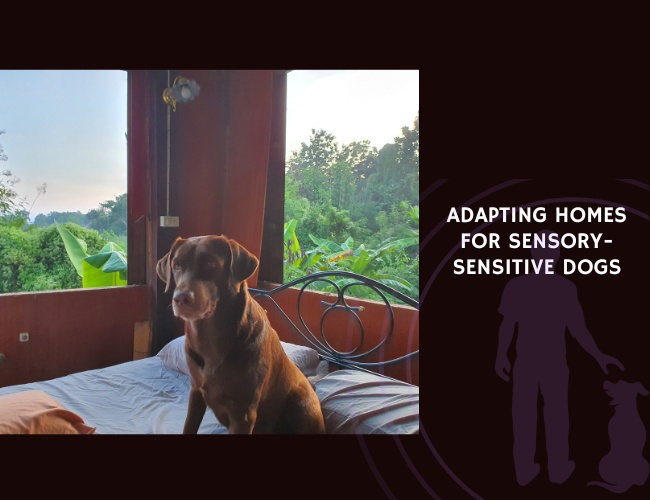
Introduction: Understanding Your Dog’s Hidden Sensitivity
Have you ever noticed your dog retreating to a corner when the vacuum starts, or perhaps refusing to settle even in what seems like a calm environment? You might be living with a sensory-sensitive dog, and you’re certainly not alone in this journey.
Between 15% and 20% of dogs experience what researchers call canine Sensory Processing Sensitivity, a trait that means their nervous systems process the world with extraordinary depth and intensity. These aren’t “problem dogs” or poorly trained companions. They’re individuals whose brains simply work differently, picking up on subtleties that other dogs might miss entirely.
Think of it this way: while most dogs have standard-definition awareness of their surroundings, sensory-sensitive dogs experience the world in ultra-high-definition. Every sound carries more resonance, every scent tells a richer story, every flicker of light registers more intensely. This heightened perception can be a gift, creating deeply intuitive and responsive companions. But without proper environmental support, it can also become overwhelming.
Your home should be more than just a place where your dog sleeps and eats. For a sensory-sensitive companion, your living space becomes the foundation of their emotional regulation, the anchor point from which they navigate a world that often feels too loud, too bright, and too unpredictable. Through thoughtful environmental design and an understanding of how your dog’s nervous system responds to stimuli, you can transform your home into a genuine sanctuary.
This is where the principles of environmental adaptation meet emotional intelligence. When we create spaces that honour a dog’s neurological reality rather than fighting against it, something remarkable happens. Anxiety decreases, trust deepens, and that beautiful NeuroBond between human and canine strengthens naturally.
Let us guide you through understanding not just what makes your dog sensitive, but how to reshape your shared environment into a place of genuine calm and security. 🧡
The Science Behind Sensory Sensitivity: What’s Happening in Your Dog’s Brain
Deep Processing: When Every Detail Matters
Your sensory-sensitive dog doesn’t just notice things; they process information with remarkable depth. While a typical dog might hear the doorbell and simply react, your highly sensitive companion is simultaneously processing the sound frequency, the emotional tone of approaching footsteps, the shift in household energy, and perhaps even subtle scent changes that announce a visitor.
This depth of processing stems from how their nervous system is fundamentally wired. Research suggests that approximately 15% to 30% of individuals across species display this trait, which appears to be genetically influenced and associated with specific variations in the serotonergic system. Their brains don’t filter information the same way; instead, they analyze, cross-reference, and respond to layers of environmental data that other animals might barely register.
What this means for daily life:
- Your dog may pause before entering new spaces, taking time to assess the sensory landscape
- They might react to changes you haven’t consciously noticed, like a new appliance humming or a neighbour’s altered routine
- Decision-making can appear slower because they’re genuinely processing more information before responding
Lower Sensory Thresholds: When Normal Feels Intense
Imagine turning up the volume on every sense simultaneously. That’s the everyday reality for sensory-sensitive dogs. Their threshold for sensory input sits significantly lower than typical responders, meaning stimuli that barely register for most dogs can feel overwhelming to them.
The thalamus, which acts as your dog’s sensory relay station, may gate information differently in sensitive individuals. Rather than filtering out background noise and minor stimuli, their nervous systems allow more sensory data through to conscious processing. This isn’t a malfunction; it’s simply a different operating system, one that evolved to detect threats and opportunities that others might miss.
Common threshold challenges include:
- Household appliances creating constant low-level stress through their hums, beeps, and vibrations
- LED lighting with imperceptible flicker rates that sensitive dogs nonetheless detect
- Synthetic fragrances from cleaning products, air fresheners, or even your laundry detergent
- Textural variations in flooring that feel inconsistent or unpredictable under their paws
The Overstimulation Cascade: When Systems Overwhelm
Here’s where sensory sensitivity moves from quirk to genuine challenge. When too much sensory input arrives too quickly, your dog’s nervous system can become flooded. The amygdala, that ancient alarm center in the brain, begins firing stress signals. The Hypothalamic-Pituitary-Adrenal axis activates, flooding your dog’s body with cortisol and adrenaline.
In this state, your dog isn’t choosing to be reactive or anxious. Their nervous system has genuinely shifted into a survival mode where calm becomes neurologically impossible. The SEEKING system, which normally drives curiosity and engagement, gets suppressed by the activation of FEAR and RAGE circuits. What started as sensitivity becomes genuine distress.
This overstimulation doesn’t always look dramatic. Sometimes it manifests as:
- Persistent panting even in cool environments
- Inability to settle or constant position changes
- Hypervigilance, with ears constantly scanning for sounds
- Avoidance behaviours, like hiding behind furniture or refusing to enter certain rooms
- Repetitive behaviours such as excessive grooming or pacing
Understanding this cascade helps us recognize that environmental modification isn’t luxury; it’s a neurological necessity. Your dog isn’t being difficult. They’re genuinely overwhelmed by sensory input their nervous system can’t effectively filter. 🧠
Environmental Stressors: The Hidden Triggers in Your Home
The Acoustic Landscape: More Than Just Noise
Your home has a sound signature that you’ve likely stopped consciously hearing. But your sensory-sensitive dog? They’re hearing it all, all the time. That refrigerator compressor that cycles every twenty minutes, the high-pitched whine of phone chargers, the rumble of traffic outside, the echo in your hardwood-floored hallway—each contributes to what researchers call “ambient noise load.”
Echoic rooms pose particular challenges. Hard surfaces like tile, hardwood, and bare walls create acoustic environments where sounds bounce and amplify rather than being absorbed. For a dog already processing auditory information more intensely, this turns every sound event into something bigger and more overwhelming.
Common acoustic stressors include:
- Kitchen appliances with motors, beeps, and timers
- HVAC systems with inconsistent on-off cycles
- Electronic devices with high-frequency sounds beyond human hearing range
- Footsteps on hard flooring creating unpredictable percussion
- Outdoor noise pollution from traffic, construction, or neighbours
The challenge isn’t just volume; it’s predictability. Constant, unpredictable sound variations prevent your dog from ever truly relaxing. Their nervous system remains in a state of low-level vigilance, waiting for the next unexpected noise. According to Polyvagal Theory, this prevents the activation of parasympathetic safety responses, keeping your dog in a perpetual state of mild defense even in their own home.
Visual Overwhelm: When Seeing Becomes Stressful
We often underestimate how visual complexity affects dogs, but for sensitive individuals, the visual environment creates constant processing demands. Visual clutter—the accumulation of objects, patterns, and movements in the environment—forces constant scanning and assessment. Your dog’s brain never gets to rest because there’s always something new to visually process.
Reflective surfaces present another challenge. Mirrors, glass tables, polished floors, and even picture frames create sudden flashes of movement or light as sun angles shift throughout the day. For a dog whose visual processing is already heightened, these unexpected visual stimuli can trigger startle responses or prevent relaxation.
Lighting considerations matter profoundly:
- LED bulbs, while energy-efficient, often flicker at rates humans can’t perceive but dogs may detect
- Blue spectrum lighting, common in modern fixtures, can disrupt natural circadian rhythms and affect rest cycles
- Harsh overhead lighting creates shadows and brightness variations that sensitive dogs find unsettling
- Inconsistent lighting between rooms forces constant visual adjustment
Natural light variation throughout the day should be gentle and predictable. Sudden shifts—like bright sunlight suddenly streaming through a window—can feel jarring to a dog whose nervous system processes these changes intensely.

Olfactory Overload: The Scent Dimension
Dogs experience the world primarily through scent, with olfactory capabilities that far exceed our own. For sensory-sensitive dogs, this superpower becomes double-edged. Their noses don’t just detect scents; they analyze them with remarkable precision, picking up chemical information we can barely imagine.
Synthetic fragrances represent one of the most common yet overlooked stressors. Air fresheners, scented candles, cleaning products, fabric softeners, even your personal care products—all release complex chemical compounds into your home’s air. For a sensitive dog, these aren’t pleasant background scents; they’re persistent sensory demands that their brain must continuously process.
Olfactory stressors to consider:
- Chemical cleaners with strong, artificial scents
- Air fresheners and plug-in fragrance dispensers
- Scented laundry products on bedding and furniture
- Cooking odours that linger and concentrate
- Outside smells brought in on shoes and clothing
Natural scents aren’t necessarily problem-free either. Strong spices, heavily scented flowers, even natural oils can overwhelm a sensitive nose. The goal isn’t to create a scent-free environment (impossible and potentially isolating), but rather to manage scent intensity and introduce olfactory predictability.
Tactile Inconsistency: When Flooring Tells a Confusing Story
Every step your dog takes sends tactile information through their paws, up their legs, and into their nervous system. For sensitive dogs, inconsistent flooring types throughout your home create a constantly shifting tactile landscape that prevents true relaxation.
Consider the journey from bedroom to kitchen: carpet to hardwood to tile, each with different temperatures, textures, traction, and acoustic properties. Add in the occasional throw rug that might slip, and you’ve created an environment where your dog must constantly adjust their gait and maintain vigilance about where they’re stepping.
Tactile considerations include:
- Hard, cold surfaces like tile that feel harsh and unforgiving
- Slippery floors where dogs lack confident traction
- Rough textures that might irritate sensitive paw pads
- Temperature variations between flooring types
- Unpredictable elements like loose rugs or floor transitions
The tactile environment also includes resting surfaces. A bed that’s too firm, too soft, or positioned on a surface that vibrates with household activity can prevent genuine rest even when your dog appears to be lying down. 🐾
Behavioural Manifestations: How Sensitivity Expresses Itself
The Spectrum of Avoidance
When sensory input becomes overwhelming, your dog’s first instinct is often to escape. But avoidance in sensory-sensitive dogs operates on a nuanced spectrum that goes far beyond simply hiding under the bed.
You might notice your dog developing specific room preferences that seem puzzling at first. They refuse to enter the living room during certain times of day, or they position themselves in odd corners that don’t seem particularly comfortable. These choices aren’t random; your dog is mapping safe zones based on sensory qualities you might not consciously perceive.
Avoidance patterns can include:
- Refusing to walk on certain flooring types or enter specific rooms
- Positioning themselves away from windows, doors, or high-traffic areas
- Creating “nests” in closets, behind furniture, or under tables
- Reluctance to engage with family activities that were previously enjoyable
- Choosing isolation over social connection, even with trusted people
This withdrawal isn’t rejection; it’s self-preservation. Your dog is attempting to regulate their overwhelmed nervous system by reducing sensory input. Understanding this helps us recognize that forcing interaction or “exposure therapy” without environmental modification can actually deepen the distress rather than resolve it.
Hypervigilance: The Dog Who Never Relaxes
Some sensory-sensitive dogs respond to their heightened awareness not by withdrawing but by ramping up their monitoring. They become canine security systems, constantly scanning for potential threats or changes in their environment.
You’ll recognize hypervigilance in the dog whose ears are perpetually mobile, tracking sounds throughout the house and beyond. Their body never truly softens. Even when lying down, there’s a coiled quality to their muscles, ready to spring into action. Their eyes track movement compulsively, and they startle easily at minor disturbances.
Signs of chronic hypervigilance include:
- Difficulty settling into deep sleep, with frequent position changes
- Exaggerated startle responses to normal household sounds
- Constant scanning behaviour with eyes and ears
- Positioning themselves to monitor multiple entry points
- Inability to relax even in familiar, supposedly safe environments
This state of perpetual monitoring is exhausting. It prevents restorative rest and keeps cortisol levels elevated, creating a physiological stress loop. Over time, hypervigilance can lead to exhaustion-related behavioural problems and can significantly impact your dog’s quality of life.

Repetitive Behaviours: Self-Soothing Gone Awry
When environmental stress becomes chronic, some sensitive dogs develop repetitive behaviours as coping mechanisms. These might begin as normal self-soothing activities—licking, chewing, pacing—but escalate into compulsive patterns that seem beyond the dog’s control.
Excessive grooming often manifests in sensory-sensitive dogs. They might lick their paws raw, create hot spots through obsessive attention to certain body areas, or engage in tail-chasing that goes beyond playfulness into genuine compulsion. These behaviours provide temporary distraction from overwhelming sensory input but ultimately create their own problems.
Common repetitive behaviours include:
- Compulsive licking of paws, flanks, or other body areas
- Repetitive pacing along specific routes through the home
- Shadow or light chasing that becomes obsessive
- Excessive drinking or eating that isn’t driven by actual thirst or hunger
- Repetitive vocalizations like whining or barking patterns
These behaviours serve a neurological function: they create predictable, controllable sensory input in an environment that otherwise feels unpredictable and overwhelming. Understanding this helps us address the root cause—environmental overstimulation—rather than simply trying to stop the behaviour itself.
Reactivity: When Sensitivity Becomes Explosive
Perhaps the most challenging manifestation of sensory sensitivity is when accumulated stress expresses as reactivity. Your normally gentle dog suddenly snaps at a family member who approaches during dinner. They bark frantically at delivery people. They react aggressively to other dogs during walks in ways that seem disproportionate to the trigger.
This reactivity isn’t aggression in the traditional sense; it’s an overwhelmed nervous system responding to sensory input it can no longer process. The dog who reacts aggressively to touch when startled isn’t being mean; their nervous system has shifted so far into defensive mode that normal social filtering has broken down.
Reactivity patterns often include:
- Disproportionate responses to minor triggers
- Lower threshold for aggressive displays (growling, snapping, lunging)
- Difficulty recovering after reactive episodes
- Generalisation of fear or aggression to similar contexts
- Unpredictable “trigger stacking” where cumulative stressors lead to sudden reactions
Understanding reactivity through the lens of sensory sensitivity helps us recognize that punishment or confrontation will only deepen the problem. The solution isn’t discipline; it’s environmental modification and nervous system support. 😰
The Power of Co-Regulation: Becoming Your Dog’s Emotional Anchor
Understanding Shared Nervous Systems
Here’s something remarkable about the relationship between dogs and humans: our nervous systems communicate and influence each other in real time. This phenomenon, called co-regulation, means your emotional state doesn’t just affect your behaviour; it actually influences your dog’s physiological responses.
When you feel anxious or stressed, your dog’s nervous system picks up on subtle cues—changes in your breathing pattern, muscle tension, even chemical signals in your sweat. For a sensory-sensitive dog, these signals are processed intensely. Your stress becomes their stress, amplified through their heightened awareness.
But here’s the beautiful flip side: your calm can become their calm too. When you consciously regulate your own nervous system, maintaining what we call “calm-state projection,” you provide your sensitive dog with an external regulator they can synchronize with. This is the foundation of the NeuroBond approach, where emotional connection becomes a practical tool for nervous system regulation.
Calm-state projection involves:
- Conscious awareness of your own emotional and physical state
- Deliberate regulation through breathing, posture, and movement
- Consistent energy that your dog can predict and trust
- Present-moment focus rather than anxious anticipation
This isn’t about pretending to be calm while feeling stressed. Dogs are too perceptive for that, especially sensitive ones. It’s about genuinely cultivating regulation in yourself so you can authentically offer it to your companion.
The Invisible Leash: Guidance Through Energy
Traditional training often emphasizes physical control—leashes, commands, corrections. But for sensory-sensitive dogs, this approach can increase stress rather than create genuine guidance. The concept of the Invisible Leash offers something more subtle and more powerful: influence through energy and awareness rather than force.
The Invisible Leash represents that intangible connection where your dog follows your lead not because they’re compelled to, but because your calm, confident presence provides them with information their nervous system needs. You become a living barometer of safety, helping them navigate environments that might otherwise feel overwhelming.
Practicing the Invisible Leash means:
- Leading through your own regulated state rather than physical control
- Providing predictability through your consistent energy
- Offering reassurance through your calm presence
- Allowing your dog to check in with you as their reference point
For sensory-sensitive dogs, this approach reduces the compounding stress of both environmental stimulation and forced compliance. They’re already processing so much; adding the pressure of strict obedience to overwhelming sensory input can push them past their threshold. The Invisible Leash acknowledges that awareness, not tension, guides the path.
Soft. Safe. Seen.
Sensitivity is perception amplified. For some dogs, the world arrives in waves too rich, too sharp, too constant. Every sound, scent, and flicker becomes data their nervous system cannot mute.
Environment shapes emotion. A sensory-sensitive dog doesn’t need more control—just fewer collisions. Calm lighting, quiet zones, and consistent scent create the stability their neurons crave.


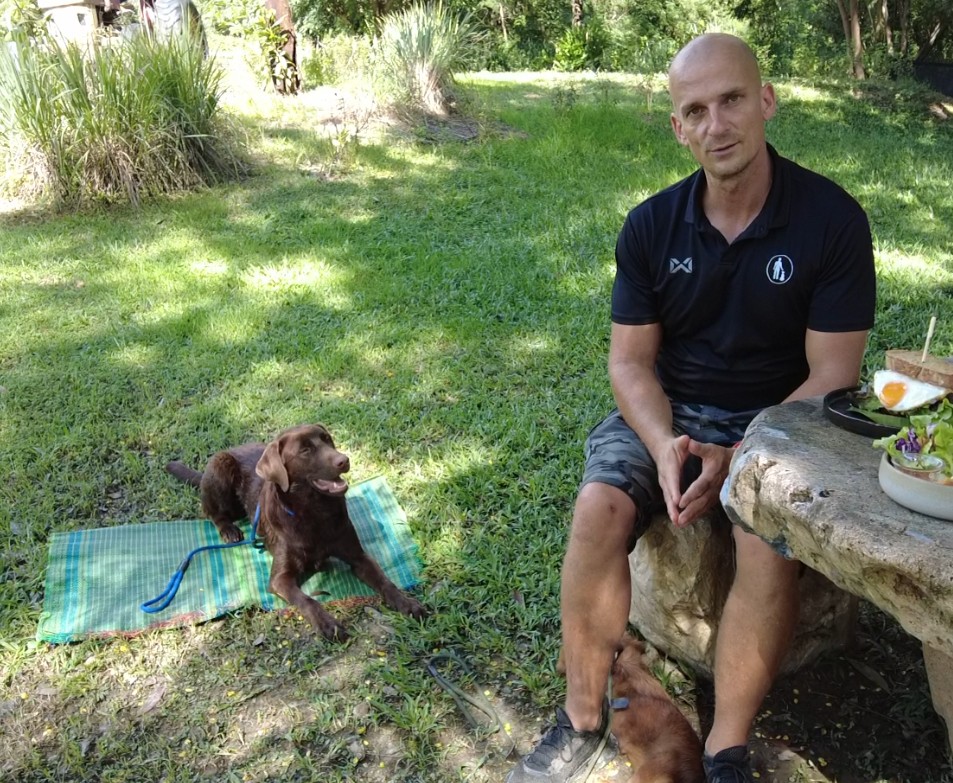
Design becomes empathy. When the home honours how a dog feels, not just where they live, stress dissolves. Sanctuary isn’t silence—it’s safety made tangible through mindful space.
Scent Familiarity: The Comfort of Chemical Connection
Your scent carries powerful information for your dog. It’s not just a way to identify you; it’s a complex chemical message about your health, emotional state, and identity. For sensory-sensitive dogs, consistent exposure to your natural scent can serve as a profound calming tool.
Consider leaving recently worn clothing—unwashed—in your dog’s safe spaces. A t-shirt you slept in carries your scent profile without overwhelming fragrances. This simple act provides constant olfactory reassurance: “My person is here, even when they’re not physically present.”
Scent familiarity strategies include:
- Providing clothing items with your natural scent
- Maintaining consistency in your personal care products
- Creating positive associations with your scent during calm moments
- Avoiding heavy perfumes or colognes that mask your natural scent
This isn’t about forcing your dog to smell you constantly; it’s about making your scent a predictable, comforting element of their sensory landscape. When everything else feels unpredictable and overwhelming, your familiar scent can anchor them.
Synchronized Routines: Predictability as Medicine
For sensory-sensitive dogs, unpredictability itself becomes a stressor. When they can’t predict what’s coming next, their nervous system must maintain vigilance, constantly preparing for potential surprises. Synchronized, consistent routines provide something their brain desperately needs: predictable structure.
This goes beyond basic feeding schedules. It’s about creating rhythms throughout the day that your dog can anticipate and prepare for mentally. Wake times, walk patterns, meal timing, play sessions, quiet periods—when these follow consistent patterns, your dog’s nervous system can relax incrementally, knowing what comes next.
Building synchronized routines involves:
- Consistent timing for key activities (within 15-30 minute windows)
- Predictable sequences (breakfast → walk → quiet time)
- Ritualized transitions between activities
- Respecting natural energy patterns (active periods and rest periods)
These routines activate parasympathetic safety responses, as described in Polyvagal Theory. Your dog’s nervous system learns that their environment is predictable, allowing defensive states to soften. Over time, this consistency builds resilience, creating a foundation from which your sensitive dog can better handle unexpected events when they inevitably occur. 🧡
🏠 Adapting Homes for Sensory-Sensitive Dogs 🐕
Creating Sanctuary Spaces for Heightened Awareness: A Complete Environmental Design Journey
Phase 1: Recognition & Understanding
Identifying Your Dog’s Unique Neurological Profile
🔬 The Science: What is Sensory Processing Sensitivity?
Canine Sensory Processing Sensitivity (cSPS) affects 15-20% of dogs, creating heightened reactivity to sensory and emotional stimuli. These dogs process information deeply, have lower sensory thresholds, and exhibit strong emotional responses to subtle environmental cues. This isn’t a behavioral problem—it’s a neurological trait with genetic influences.
👀 Recognition Signs: How Your Dog Shows Sensitivity
• Retreating during normal household activities (vacuuming, cooking)
• Difficulty settling even in quiet environments
• Exaggerated startle responses to minor stimuli
• Seeking isolated corners or enclosed spaces
• Hypervigilance with constant environmental scanning
✅ First Steps: Immediate Actions to Support Your Dog
Begin observing which environments trigger stress responses. Document patterns: Which rooms does your dog avoid? What times of day seem most challenging? This awareness forms the foundation for effective environmental redesign. Through this observational phase, the NeuroBond between you and your dog deepens as you learn their unique sensory language.
Phase 2: Acoustic Environment Management
Reducing Sound Stress Through Strategic Design
🎵 Understanding Acoustic Stressors
Ambient noise from appliances, traffic, and electronics creates chronic low-level stress that prevents parasympathetic activation. Echoic rooms with hard surfaces amplify sounds, making every noise event more intense. Your sensitive dog experiences these as constant sensory demands their nervous system struggles to filter.
🎯 Primary Sound Sources to Address
• Kitchen appliances: refrigerator cycles, dishwashers, microwaves
• HVAC systems with unpredictable on-off patterns
• Electronic devices emitting high-frequency sounds
• Traffic noise penetrating through windows
• Footsteps and voices echoing on hard flooring
🛠️ Soundproofing Solutions
Install heavy, lined curtains to absorb sound. Add door sweeps and weatherstripping to block noise transmission between rooms. Use soft furnishings strategically: upholstered furniture, throw pillows, and filled bookcases absorb sound reflections. Consider acoustic panels for particularly echoic areas. White noise machines provide predictable acoustic baselines that mask unpredictable environmental sounds.
Phase 3: Lighting & Visual Design
Creating Visual Calm Through Strategic Illumination
💫 The Impact of Light on Nervous Systems
LED flicker (even imperceptible to humans), blue spectrum exposure, and harsh overhead lighting disrupt circadian rhythms and prevent visual relaxation. Reflective surfaces create unexpected flashes that trigger startle responses. Visual clutter forces constant scanning and assessment, preventing genuine rest.
⚠️ Visual Stressors to Minimize
• Harsh overhead lighting creating stark shadows
• Reflective surfaces (mirrors, glass tables, polished floors)
• Visual clutter preventing focal rest
• Rapid light transitions between rooms
• Blue-spectrum LEDs in evening hours
🌟 Lighting Modifications
Install dimmers on all overhead lights for flexible intensity control. Choose warm-spectrum bulbs (2700K-3000K) that support natural circadian rhythms. Use multiple low-level lamps instead of harsh overhead lighting. Manage natural light with sheer curtains to prevent sudden brightness shifts. Implement gentle night lighting using red-spectrum bulbs that preserve night vision.
Phase 4: Scent Landscape Management
Managing Olfactory Input for Sensitive Noses
🌸 The Olfactory Reality
Dogs process scent information at levels beyond human comprehension. For sensitive dogs, synthetic fragrances aren’t pleasant background scents—they’re persistent sensory demands requiring continuous neural processing. Air fresheners, scented candles, cleaning products, and fabric softeners create chemical complexity that overwhelms sensitive olfactory systems.
🚫 Common Olfactory Overload Sources
• Air fresheners and plug-in fragrance dispensers
• Scented cleaning products with artificial chemicals
• Laundry products (detergents, fabric softeners)
• Personal care products (perfumes, lotions)
• Strong cooking odors that linger and concentrate
🌿 Creating Olfactory Zones
Designate scent-neutral safe zones using fragrance-free products. Transition to unscented cleaning solutions and laundry detergents. Ensure proper ventilation to dilute scent concentration. Include items with your natural scent (worn clothing) in your dog’s resting areas—your familiar smell provides olfactory comfort. Avoid heavy perfumes that mask your natural scent profile.
Phase 5: Tactile Safety & Flooring
Building Confidence Through Consistent Footing
🦶 Tactile Information Processing
Every step sends tactile data through paws into your dog’s nervous system. Inconsistent flooring types create constantly shifting tactile landscapes preventing relaxation. Temperature variations, texture changes, and unpredictable traction force ongoing vigilance about movement, adding to cumulative stress load.
⚡ Tactile Challenges
• Multiple flooring transitions (carpet to hardwood to tile)
• Slippery surfaces lacking confident traction
• Cold, harsh surfaces like tile
• Unpredictable elements (loose rugs, floor transitions)
• Temperature extremes in different flooring areas
🎯 Flooring Solutions
Use area rugs with non-slip backing to create predictable pathways across hard surfaces. Install carpet runners in hallways for consistent tactile routes. Place mats at flooring transitions as buffer zones. Consider heated mats for cold tile areas in winter. Provide orthopedic beds with consistent, comfortable textures in resting zones.
Phase 6: Multi-Sensory Safe Zones
Creating Dedicated Decompression Chambers
🛡️ The Sanctuary Concept
Safe zones are specifically designed multi-sensory environments optimized for low arousal and nervous system recovery. These aren’t just quiet corners—they’re thoughtfully constructed spaces addressing acoustic, visual, olfactory, and tactile dimensions simultaneously. When properly designed, they become self-regulation tools your dog can access independently.
🔧 Safe Zone Design Elements
• Location: Away from high-traffic areas and external noise
• Acoustics: Soft materials, white noise, sound-dampening elements
• Lighting: Low, warm-spectrum, dimmable or indirect natural light
• Scent: Neutral zone with your natural scent present
• Tactile: Comfortable, familiar bedding with temperature control
• Features: Water access, appropriate chews, enclosed options if preferred
📚 Teaching Safe Zone Use
Build positive associations gradually by spending calm time with your dog in the safe zone. Practice co-regulation through your regulated presence. Never force entry or use the space for punishment. When your dog voluntarily chooses the safe zone, respect it completely—no interruptions. Over time, they learn to self-regulate by retreating before overstimulation peaks.
Phase 7: NeuroBond & Co-Regulation
Becoming Your Dog’s Emotional Anchor
💞 Understanding Shared Nervous Systems
Your emotional state directly influences your dog’s physiological responses through co-regulation. When you maintain calm-state projection, you provide external regulation their sensitive nervous system can synchronize with. This is the foundation of the NeuroBond approach—where emotional connection becomes a practical nervous system regulation tool.
🎯 The Invisible Leash Practice
The Invisible Leash represents guidance through energy and awareness rather than physical force. Your calm, confident presence provides sensory information their nervous system needs to navigate overwhelming environments. Lead through your regulated state, offering reassurance through consistent energy. Allow your dog to check in with you as their safety reference point—awareness, not tension, guides the path.
🕰️ Synchronized Routines
Consistent, predictable routines activate parasympathetic safety responses in sensitive dogs. Maintain regular timing for key activities (within 15-30 minute windows). Create predictable sequences (breakfast → walk → quiet time). Ritualize transitions between activities. When dogs can anticipate what’s coming, their nervous system relaxes incrementally, knowing what comes next.
Phase 8: Ongoing Integration & Resilience
Building Long-Term Nervous System Capacity
📊 Measuring Progress
Track frequency and duration of safe zone use, sleep quality improvements, reduction in startle responses, faster recovery after stressful events, and increased engagement in positive activities. Take periodic videos to capture improvements that daily observation might miss. Progress isn’t linear—setbacks during stressful periods are normal and don’t negate overall improvement.
🎯 Building Resilience
While fundamental sensitivity won’t change, resilience—the ability to recover from stress—improves substantially with consistent support. Provide abundant recovery opportunities after stimulating experiences. Gradually expand comfort zones without pushing past threshold. Celebrate small victories with realistic expectations. Over time, sensitive dogs become more adaptable and recover more quickly from inevitable life disruptions.
💫 Soul Recall & Understanding
Every sensory-sensitive dog carries history that shapes current responses. Moments of Soul Recall—when past experience surfaces in present behavior—remind us that behavior always has context. Understanding your dog’s individual history helps interpret responses with compassion. That seemingly disproportionate reaction connects to their cumulative experiences, creating the unique individual before you.
🔍 Sensory Sensitivity Across Different Contexts
🏠 Living Environments
Urban Apartments: Higher acoustic challenges from neighbors and traffic. Require intensive soundproofing and white noise management. Safe zones become critical sanctuaries.
Suburban Homes: More control over noise but may have unpredictable external triggers (lawn equipment, delivery trucks). Larger space allows multiple safe zones.
Rural Settings: Generally lower ambient noise but potential for sudden, intense sounds (farm equipment, wildlife). Visual stimuli may be less overwhelming.
🐕 Breed Considerations
Herding Breeds: Already hyperaware due to working heritage. May show intensified environmental scanning and reactivity to movement.
Scent Hounds: Olfactory sensitivity compounds sensory processing. Require especially careful scent management strategies.
Toy Breeds: Often naturally cautious. May benefit from enclosed safe zones that feel more proportionate to their size.
Working Dogs: High intelligence combined with sensitivity creates dogs who analyze everything deeply. Need mental enrichment alongside sensory management.
⏳ Age-Related Patterns
Puppies (0-6 months): Critical socialization period. Careful exposure to various stimuli at low intensity builds resilience. Environmental design prevents early sensitization.
Adolescents (6-18 months): Heightened reactivity during hormonal changes. May temporarily show increased sensitivity even with good foundations.
Adults (2-7 years): Patterns typically stabilize. Consistent environmental support yields best long-term results.
Seniors (7+ years): Sensory decline (hearing, vision) may paradoxically increase startle responses or create different sensitivities. Adapt environment to changing needs.
👥 Household Dynamics
Single-Person Homes: Easier to maintain consistency and predictability. Co-regulation practices more straightforward to implement.
Families with Children: Requires education for all family members. Children must learn to respect safe zones and understand energy management.
Multi-Pet Households: Other animals add sensory complexity. May need separate safe zones for each pet. Consider interspecies dynamics in environmental design.
High-Traffic Homes: Frequent visitors increase unpredictability. Safe zones and co-regulation become even more essential.
🎭 Behavioral Manifestations
Avoiders: Retreat and hide when overwhelmed. Need accessible, well-distributed safe zones throughout home.
Hypervigilant Types: Constant monitoring and scanning. Benefit most from soundproofing and visual clutter reduction.
Reactive Responders: Express stress through outbursts. Require environmental prevention plus intensive co-regulation practices.
Compulsive Self-Soothers: Develop repetitive behaviors. Environmental redesign addresses root causes while behavioral support redirects patterns.
💰 Implementation Approaches
Budget-Friendly: Focus on soft furnishings, DIY soundproofing, fragrance elimination, consistent routines. High impact at low cost.
Moderate Investment: Add dimmers, quality rugs, acoustic panels, white noise machines. Balanced approach addressing multiple sensory dimensions.
Comprehensive Redesign: Professional acoustic treatment, lighting system upgrades, flooring modifications, dedicated safe room construction. Maximum environmental support.
Progressive Strategy: Start with free/low-cost changes, assess impact, gradually add investments based on your dog’s primary sensitivities.
⚡ Quick Reference: Priority Action Formula
Phase 1 (Week 1-2): Identify primary sensory stressors through observation. Begin acoustic management (curtains, soft furnishings). Establish one safe zone. Start co-regulation practices.
Phase 2 (Week 3-4): Implement lighting changes (dimmers, warm bulbs). Transition to fragrance-free products. Add tactile consistency (rugs, pathways). Practice synchronized routines.
Phase 3 (Month 2): Refine safe zones based on usage patterns. Deepen co-regulation through calm-state projection. Monitor and track behavioral improvements.
Ongoing: Continuously adjust environmental elements. Build resilience through gradual exposure. Maintain consistency while allowing flexibility. Remember: Environmental support + Co-regulation + Safe zones = Nervous system capacity
🧡 The Zoeta Dogsoul Philosophy: Where Science Meets Soul
Adapting your home for a sensory-sensitive dog transcends simple modifications—it becomes a practice of honoring your dog’s neurological truth while deepening the NeuroBond between you. Through the Invisible Leash of calm-state projection and synchronized energy, you become the anchor their nervous system needs to navigate an overwhelming world. Every environmental change you make communicates: “I see you. I understand you. This space is safe.”
These moments of Soul Recall—when your dog chooses their safe zone independently, when they seek your regulated presence during stress, when their startle responses soften—reveal the profound impact of environmental design combined with emotional attunement. You’re not just creating a physically comfortable space; you’re building a sanctuary where sensitivity becomes strength, where heightened awareness finds support rather than overwhelm.
This is the essence of Zoeta Dogsoul: recognizing that every nervous system has unique needs, that environmental support is not indulgence but necessity, and that the deepest training happens not through command and control but through understanding, adaptation, and shared regulation. Your sensitive dog isn’t asking you to fix them—they’re asking you to create conditions where they can thrive as the remarkable, deeply perceptive beings they are.
© Zoeta Dogsoul – Where neuroscience meets soul in dog training
Environmental Design Strategies: Building Your Dog’s Sanctuary
Soundproofing: Creating Acoustic Peace
Let’s start with arguably the most impactful modification you can make: addressing your home’s acoustic environment. Soundproofing doesn’t require construction-level renovation; strategic interventions can dramatically reduce the ambient noise load your sensitive dog carries.
Begin by identifying your home’s primary noise sources and transmission paths. Sound travels through air gaps and hard surfaces, so your first targets should be windows, doors, and hard-surfaced rooms where your dog spends time.
Effective soundproofing strategies include:
Window treatments: Heavy, lined curtains or cellular shades don’t just block light; they absorb sound. Look for materials specifically designed for acoustic dampening. These can reduce outside traffic noise by 30-40%, creating a noticeable buffer between your home and external chaos.
Door sweeps and gaskets: The gap under doors is a major sound transmission pathway. Simple weatherstripping and door sweeps block sound from traveling between rooms, creating genuinely quiet zones within your home.
Strategic soft furnishings: Each hard surface in your home reflects sound. Counter this by thoughtfully placing soft materials: upholstered furniture, throw pillows, blankets, even strategically positioned bookcases filled with books (which absorb sound remarkably well).
Acoustic panels: These purpose-built sound absorbers can be mounted on walls in particularly echoic areas. They’re available in various aesthetics, from artistic prints to natural fiber panels that blend into home decor.
White noise machines: Sometimes the solution isn’t eliminating sound but providing consistent, predictable acoustic input. White noise or nature sounds mask unpredictable environmental noises, creating an acoustic baseline your dog’s brain can filter out.
Consider the specific rooms where your dog spends most time. If they’ve claimed a bedroom as their sanctuary, focus acoustic interventions there first. Even partial soundproofing in key zones can significantly reduce overall stress load.
Lighting Design: Respecting Visual Sensitivity
Lighting profoundly affects nervous system regulation, yet it’s often overlooked in discussions of dog stress. For sensory-sensitive dogs, lighting isn’t just about seeing; it’s about how visual input influences their entire physiological state.
The modern home’s lighting often works against natural circadian rhythms. Bright blue-spectrum LED lights in the evening suppress melatonin production, interfering with rest preparation. Harsh overhead lighting creates shadows and intensity variations that prevent visual relaxation. The solution involves layering light sources and creating dimming flexibility.
Lighting modifications for sensitive dogs:
Dimmable everything: Install dimmer switches on overhead lights throughout your home. This allows you to adjust light intensity based on time of day and your dog’s state. Morning can be brighter; evening should gradually dim toward rest preparation.
Warm spectrum bulbs: Choose LED bulbs with warm color temperatures (2700K-3000K) rather than cool, blue-heavy bulbs. This more closely mimics natural light and doesn’t disrupt circadian rhythms as dramatically.
Multiple light sources: Instead of relying on harsh overhead lighting, use multiple lamps at lower heights. This creates gentler, more diffused light that doesn’t force your dog’s eyes to constantly adjust to brightness variations.
Natural light management: While natural light is generally beneficial, sudden bright sunshine streaming through windows can startle sensitive dogs. Use sheer curtains or adjustable blinds to modulate natural light intensity throughout the day.
Night lighting: If your dog moves around at night, gentle night lights prevent sudden transitions from complete darkness to bright light. Red-spectrum night lights preserve night vision while providing navigational assistance.
Eliminate flicker: While most LED flicker is imperceptible to humans, some sensitive dogs detect it. Higher-quality LED bulbs typically have less flicker. If you notice your dog seeming uneasy in rooms with certain lights, flicker might be the culprit.
The goal is creating lighting that feels natural and predictable, supporting rather than disrupting your dog’s biological rhythms.
Olfactory Zoning: Managing Scent Landscapes
Given dogs’ extraordinary olfactory capabilities, strategic scent management in your home becomes essential for sensitive individuals. This doesn’t mean eliminating all scents—that’s impossible and potentially isolating—but rather creating zones with managed scent intensity and predictable olfactory information.
Start by conducting a scent audit of your home. Spend time in each room, noting sources of strong or chemical odors. Your kitchen likely has cooking smells, cleaning product scents, and perhaps garbage odors. Bathrooms concentrate personal care products and cleaning chemicals. Living areas might have fabric fresheners, candles, or pet odors.
Creating olfactory zones:
Scent-neutral safe zones: Designate at least one room as your dog’s low-scent sanctuary. Remove air fresheners, limit cleaning product use, avoid scented candles, and wash fabrics in fragrance-free detergent. This room becomes an olfactory retreat where your dog’s nose can genuinely rest.
Natural scent preferences: If you want to introduce calming scents, choose subtle natural options. Some dogs respond positively to lavender, chamomile, or valerian. Introduce these very gradually, watching your dog’s response. If they avoid an area after scent introduction, respect that signal.
Ventilation management: Fresh air circulation is crucial. Stale, concentrated air allows scents to build intensity. Regular ventilation dilutes scent concentration without requiring artificial fragrances.
Product choices: Transition to fragrance-free cleaning products, laundry detergents, and personal care items. The goal isn’t sterility; it’s reducing the chemical complexity your dog must constantly process.
Cooking scent management: While you can’t avoid cooking smells entirely, using ventilation fans and closing doors to bedrooms during strong-smelling cooking sessions can prevent scent from permeating the entire home.
Your personal scent: Interestingly, your natural scent should remain consistent and present. Avoid heavy perfumes or colognes that mask your familiar smell. Your dog finds comfort in your natural scent profile.
Remember that scent is cumulative. Even individually mild scents can become overwhelming when layered. The home that smells “fresh” to humans might represent olfactory chaos to a sensitive dog’s more capable nose.
Tactile-Safe Flooring: Creating Confident Footing
Your home’s flooring creates the literal foundation of your dog’s physical confidence. For sensory-sensitive dogs, inconsistent or uncomfortable flooring can create persistent low-level stress that accumulates throughout the day.
Ideally, flooring should be consistent, temperature-neutral, provide good traction, and feel comfortable against paw pads. This is challenging when most homes have varied flooring types across different rooms. However, strategic modifications can create pathway consistency and comfort zones.
Flooring solutions for sensitive dogs:
Area rugs with non-slip backing: Use rugs to create predictable pathways across slippery surfaces. Ensure rugs have non-slip backing; a rug that slides is worse than bare floor because it adds unpredictability.
Carpet runners: In hallways with hard flooring, carpet runners provide consistent tactile pathways while defining clear routes through the home.
Mat transitions: Where flooring types change, place mats at transition points. This creates a buffer zone that makes the textural change less abrupt.
Temperature considerations: If you have tile or stone flooring, these surfaces get very cold in winter and can be harsh on paw pads. Heated mats or strategically placed rugs in resting areas address this temperature challenge.
Traction aids: For dogs struggling with slippery floors, pet-safe paw grip products can increase confidence. Some owners also use yoga mats to create defined traction zones in key areas.
Dedicated bed spaces: Your dog’s sleeping and resting surfaces should be comfortably firm with consistent texture. Orthopedic beds with removable, washable covers (in fragrance-free detergent) create predictable rest zones.
The goal is helping your dog move through their home with physical confidence, not constantly adjusting their gait or worrying about slipping. This seemingly simple modification can significantly reduce accumulated stress throughout the day. 🐾
Multi-Sensory Safe Zones: Your Dog’s Decompression Chamber
The Concept of Sanctuary Space
Beyond general home modifications, sensory-sensitive dogs benefit profoundly from having designated safe zones—specific areas optimized for low arousal and sensory recovery. Think of these as decompression chambers where your dog can genuinely restore their nervous system after overstimulation.
These aren’t just quiet corners; they’re thoughtfully designed multi-sensory environments that address every dimension of your dog’s experience. When properly constructed, safe zones become self-regulation tools your dog can access independently, building their sense of agency and control.
The most effective safe zones share several characteristics: they’re consistently available, clearly defined, free from interruption, optimized across all sensory modalities, and associated with positive experiences rather than isolation punishment.
Designing the Optimal Safe Zone
Location considerations:
Choose a location away from high-traffic areas and external noise sources. A bedroom corner, a modified closet, or a quiet guest room often works well. The space should be large enough for your dog to stretch out fully but enclosed enough to feel sheltering rather than exposed.
Avoid locations near windows with street views or where sunlight creates dramatic shifting patterns throughout the day. Consistency matters more than size; a small, consistent space is superior to a large area with variable conditions.
Sensory optimization:
Acoustic: Use soft materials throughout—carpeting or rugs, fabric walls if possible, acoustic panels. Consider white noise machines or quiet music specifically composed for canine relaxation. The goal is creating a sound environment distinctly quieter than the rest of your home.
Visual: Keep lighting low and warm-spectrum. Use dimmable lights or simply rely on indirect natural light. Minimize visual clutter; this isn’t storage space. The visual environment should be simple and predictable.
Olfactory: Maintain this as a scent-neutral zone using fragrance-free products. Include an item with your natural scent (worn clothing). Avoid introducing strong “calming” scents without first determining your individual dog’s preferences.
Tactile: Provide comfortable bedding your dog has already chosen and accepted. Multiple texture options allow them to select what feels right in the moment. Some dogs prefer firm orthopedic support; others want soft, nestable blankets.
Thermal: Maintain comfortable temperature. This might mean a pet-safe heating pad in winter or a cooling mat in summer. Temperature extremes prevent genuine relaxation.
Features to include:
- Comfortable, familiar bedding your dog has already claimed
- Water source within easy reach
- Long-lasting, appropriate chew items for self-soothing
- Elevated bed option if your dog prefers height
- Enclosed option (crate with door left open, under-table space) if your dog seeks enclosed security
Features to avoid:
- Toys that encourage high arousal or play
- Interactive feeders requiring problem-solving
- Bright or attention-grabbing elements
- Anything with sounds, lights, or movement
Teaching Safe Zone Use
Your dog won’t automatically understand this space is their sanctuary. You need to build positive associations gradually without force.
Introduction process:
Begin by spending calm time with your dog in the safe zone. Read, meditate, or simply breathe deeply while sitting nearby. Your regulated presence helps them associate the space with safety. Never force your dog into their safe zone or use it as punishment/time-out space.
Reinforcement: When your dog voluntarily chooses the safe zone, leave them completely undisturbed. No greetings, no interruptions, no well-meaning attention. Their choice to use this space should be consistently respected and rewarded through total peace.
Cueing rest: During calm moments, you can gently encourage safe zone use by settling there yourself or guiding your dog there before they become overstimulated. The goal is preventing overload rather than only using the space for recovery.
Over time, many sensory-sensitive dogs begin self-regulating, retreating to their safe zone when they feel their arousal increasing. This represents significant progress, showing they’ve learned they have agency over their sensory experience. That sense of control itself reduces anxiety.
Multiple Safe Zones
If your home allows, consider creating more than one safe zone in different locations. This provides options based on time of day, household activity patterns, or your dog’s varying needs. A bedroom safe zone for nighttime, a living area option for daytime, perhaps an outdoor sheltered space for warm weather—multiple options increase your dog’s sense of control and accessibility. 🧡
Integrating Behavioural Support with Environmental Design
Why Environment Comes First
There’s a common instinct when facing behavioural challenges to immediately reach for training solutions. For sensory-sensitive dogs, this approach often fails because it addresses symptoms while ignoring the neurological foundation. Your dog can’t learn new coping strategies when their nervous system is overwhelmed by environmental stress.
Think of it this way: attempting behavioural modification without environmental support is like trying to teach someone to meditate during a fire alarm. The immediate sensory crisis must be addressed before higher-level learning becomes possible.
Environmental redesign reduces the baseline stress load your dog carries. When their home becomes genuinely supportive rather than overwhelming, their nervous system can shift out of constant defensive mode. This shift creates the neurological conditions necessary for learning, adaptation, and emotional growth.
The progression should be:
- Environmental modification: Reduce sensory stressors, create safe zones, implement co-regulation practices
- Nervous system stabilization: Allow time for chronic stress patterns to decrease
- Behavioural support: Introduce training, desensitization, or confidence-building activities
- Ongoing integration: Continuously refine environment while building skills
Complementary Approaches
Once environmental foundations are established, behavioural interventions become significantly more effective. But the approach must match the sensitivity profile of your dog.
Counter-conditioning and desensitization: These classic behavioural tools work well for sensitive dogs when properly applied. The key is operating well below threshold. For sensory-sensitive dogs, this means introducing triggering stimuli at much lower intensities and progressing much more gradually than with typical dogs.
For example, if your dog reacts to the vacuum cleaner, traditional desensitization might start with the vacuum in a different room. For a highly sensitive dog, you might begin with a photo of a vacuum, then recorded vacuum sounds at barely audible volumes, progressing over weeks or months rather than days.
Confidence-building through choice: Sensitive dogs benefit enormously from experiences where they control outcomes. Training exercises using choice-based learning (where the dog decides whether to engage) build confidence while respecting their need for agency. This might include:
- Voluntary targeting exercises where the dog chooses to touch your hand
- Platform work where the dog chooses when to step on/off
- Trick training where participation is completely optional
Management vs. modification: For some triggers, management (avoiding or minimizing exposure) is more appropriate than attempting modification. If your dog is deeply distressed by certain stimuli, prevention might be the kindest approach while their overall resilience builds through environmental support.
The Role of Professional Support
Sensory sensitivity in dogs exists on a spectrum. While many dogs respond beautifully to environmental modifications and co-regulation practices, some require professional support. Consider consulting with a veterinary behaviourist or certified behaviour consultant when:
- Your dog’s reactivity poses safety concerns
- Quality of life is significantly impaired despite environmental changes
- You observe compulsive behaviours that seem beyond your dog’s control
- Anxiety appears to be worsening rather than improving
- You need help identifying specific triggers or designing modification protocols
Professionals experienced with sensory sensitivity understand that these dogs require specialized approaches. They can help design graduated exposure protocols, recommend appropriate supplements or medications if needed, and provide coaching on co-regulation techniques specific to your dog’s needs.
Medication and Supplements: Tools, Not Solutions
For some highly sensitive dogs, pharmaceutical or nutraceutical support can create a neurological foundation that makes environmental modifications and behavioural work more effective. This isn’t about sedating your dog or masking the problem; it’s about giving their nervous system support to function more effectively.
Potential support options include:
- Prescription anti-anxiety medications that modulate neurotransmitter systems
- Supplements like L-theanine, magnesium, or omega-3 fatty acids that support nervous system regulation
- Calming pheromone products that provide olfactory comfort signals
- CBD products (where legal and vet-approved) that may reduce anxiety
These tools work best as part of a comprehensive approach, not as standalone solutions. They provide neurological support while you address environmental stressors and build behavioural skills. Always work with a veterinarian familiar with anxiety management to determine appropriate options for your specific dog.
Measuring Progress
Change in sensory-sensitive dogs often happens gradually. It’s easy to miss incremental improvements when you’re with your dog daily. Tracking progress helps you recognize success and adjust your approach when needed.
Metrics to track:
- Frequency and duration of safe zone use
- Sleep quality (are they staying settled longer?)
- Startle responses (are they less frequent or less intense?)
- Recovery time after stressful events (how quickly do they settle?)
- Engagement in positive activities (are they more willing to play or interact?)
- Appetite patterns (stress often affects eating)
Take periodic videos of your dog in various situations. When you compare footage from months apart, improvements become visible that daily observation might miss. Note: progress isn’t always linear. Setbacks during stressful periods (holidays, schedule changes, household disruptions) are normal and don’t negate overall improvement. 😊
Living With a Sensitive Soul: Long-Term Management
Accepting Your Dog’s Neurological Reality
Perhaps the most important shift in living with a sensory-sensitive dog is accepting that their nervous system works differently and will always work differently. This isn’t a problem to fix; it’s a reality to support.
Your dog will likely always be more affected by environmental stimuli than other dogs. They’ll probably always need more decompression time after stimulating activities. They might never be the dog who thrives in bustling cafés or loves dog parks. And that’s completely okay.
This acceptance doesn’t mean resignation or lowered expectations. It means understanding your dog’s genuine needs and building a life that honours rather than fights their neurology. When you stop trying to force your sensitive dog into typical-dog moulds and instead create environments and experiences suited to their actual nervous system, stress decreases for everyone.
Moments of Soul Recall: Reading Your Dog’s History
Every sensory-sensitive dog comes with a history that shapes their current responses. Some were born with this temperament; others may have become sensitized through early experiences of unpredictability, trauma, or chronic stress.
Understanding your dog’s individual history helps you interpret their responses with compassion. That seemingly disproportionate reaction to a dropped pan might connect to previous experiences of sudden, overwhelming noise. The refusal to enter certain rooms might reflect conditioning from previous living situations.
These moments of Soul Recall—when past experience surfaces in present behaviour—remind us that behaviour always has context. Your dog isn’t being difficult; they’re responding to the cumulative information their nervous system has collected about how the world works.
This historical awareness informs our approach. It helps us recognize that some sensitivities might decrease with consistent support while others might require permanent management. It builds patience when progress feels slow. And it deepens that essential NeuroBond, as we learn to read our dog’s unique story written in their responses to the world.
Advocacy: Protecting Your Dog’s Needs
Living with a sensory-sensitive dog requires becoming an advocate, sometimes defending your dog’s needs against well-meaning but uninformed advice from others. You’ll encounter people who suggest your dog “just needs more socialization” or “needs to get over it.” You’ll face pressure to force your dog into situations that you know will overwhelm them.
Advocacy looks like:
- Declining invitations to overstimulating environments without guilt
- Setting boundaries around your dog’s safe zones with household members
- Educating friends and family about your dog’s genuine needs
- Choosing veterinarians and service providers who understand sensitivity
- Creating distance from situations that would compromise your dog’s wellbeing
This advocacy isn’t antisocial or overprotective; it’s recognizing that your dog depends on you to make decisions their nervous system can handle. You become the gatekeeper between your sensitive companion and a world that’s often too intense for them to navigate comfortably.
Building Resilience Over Time
While your dog’s fundamental sensitivity won’t change, their resilience—their ability to recover from stressful experiences—can improve substantially with consistent support.
Resilience develops through the cumulative experience of recovering successfully from manageable challenges. When your dog faces a slightly stressful situation but has the environmental support and co-regulation to return to baseline, their nervous system learns: “I can handle difficulty and return to safety.”
Building resilience involves:
- Providing abundant recovery opportunities after any stimulating experiences
- Gradually expanding comfort zones without pushing past threshold
- Celebrating small victories and maintaining realistic expectations
- Maintaining consistent routines that create predictability
- Continuously refining environmental support as you learn your dog’s needs
Over months and years, many owners of sensory-sensitive dogs report that while their dogs remain sensitive, they become more adaptable and recover more quickly from inevitable life disruptions. This resilience emerges not from forcing exposure but from consistent support that allows the nervous system to develop genuine capacity.
The Gift of Sensitivity
Living with a sensory-sensitive dog isn’t always easy, but it offers remarkable gifts. These dogs often develop extraordinary bonds with their people, built on the mutual regulation and understanding their sensitivity requires. They teach us to be more present, more aware of subtleties in environment and energy, more attuned to non-verbal communication.
That deep processing that makes them vulnerable to overstimulation also makes them remarkably intuitive companions. They read human emotion with uncanny accuracy. They notice everything. They respond to training with unusual thoughtfulness. They develop loyalties that run remarkably deep.
The journey of creating a supportive environment for a sensory-sensitive dog inevitably changes us too. We become more mindful of our own nervous system regulation. We learn to create calm where chaos existed. We develop patience and observational skills that serve us far beyond our relationship with our dog.
That balance between science and soul, between understanding neurology and honouring the relationship, between modification and acceptance—that’s the essence of Zoeta Dogsoul. 🧡
Conclusion: Creating Sanctuary in an Overwhelming World
Your sensory-sensitive dog didn’t choose their heightened awareness any more than they chose their eye colour. It’s simply how their nervous system is wired, a trait that served evolutionary purposes and continues to create dogs of remarkable depth and intuition.
The question isn’t how to make your dog less sensitive—that’s neither possible nor necessary. The question is how to create environments and relationships where their sensitivity becomes an asset rather than a burden, where their heightened awareness can exist without constant overwhelm.
Through thoughtful environmental design, we can transform homes from sources of stress into genuine sanctuaries. By addressing acoustic, visual, olfactory, and tactile dimensions, we reduce the relentless sensory demands that keep sensitive nervous systems in defensive mode.
Through co-regulation practices, we become living anchors of calm our dogs can synchronize with, providing the external regulation their nervous systems need while they build internal capacity. The NeuroBond we develop through this process becomes far more than training; it becomes a language of mutual understanding that transcends words.
Through the creation of multi-sensory safe zones, we give our dogs agency over their experience, providing decompression spaces where recovery becomes possible and self-regulation skills can develop.
And through the integration of environmental support with behavioural guidance, we create conditions where genuine learning and emotional growth become neurologically possible, not just aspirational.
Your journey with a sensory-sensitive dog will teach you to see the world differently. You’ll notice subtleties you previously overlooked. You’ll develop awareness of energy and environment that extends far beyond your dog. You’ll learn that the most powerful interventions often aren’t dramatic training protocols but rather quiet modifications that honour your dog’s genuine needs.
The path forward isn’t about fixing your dog or pushing them to become something they’re not. It’s about meeting them where they are, understanding how their remarkable brain processes the world, and creating the conditions where their sensitivity can exist peacefully rather than painfully.
You’re not alone in this journey. Fifteen to twenty percent of dogs share this trait with your companion. Each of them deserves homes designed with their needs in mind, relationships built on understanding rather than expectation, and the gift of environments where their nervous systems can finally, genuinely rest.
Your sensitive dog is asking for something remarkably simple and yet profoundly important: a sanctuary in an overwhelming world. Through the principles we’ve explored—environmental modification, co-regulation, safe zones, and integrated support—you have the tools to provide exactly that.
The result won’t just be a calmer dog. It will be a deeper relationship, built on mutual trust and understanding, where both of you can exist more peacefully. And in a world that often feels too loud, too fast, and too intense for many of us, creating sanctuary isn’t just a gift to your dog. It’s a gift to yourself as well. 🐾










