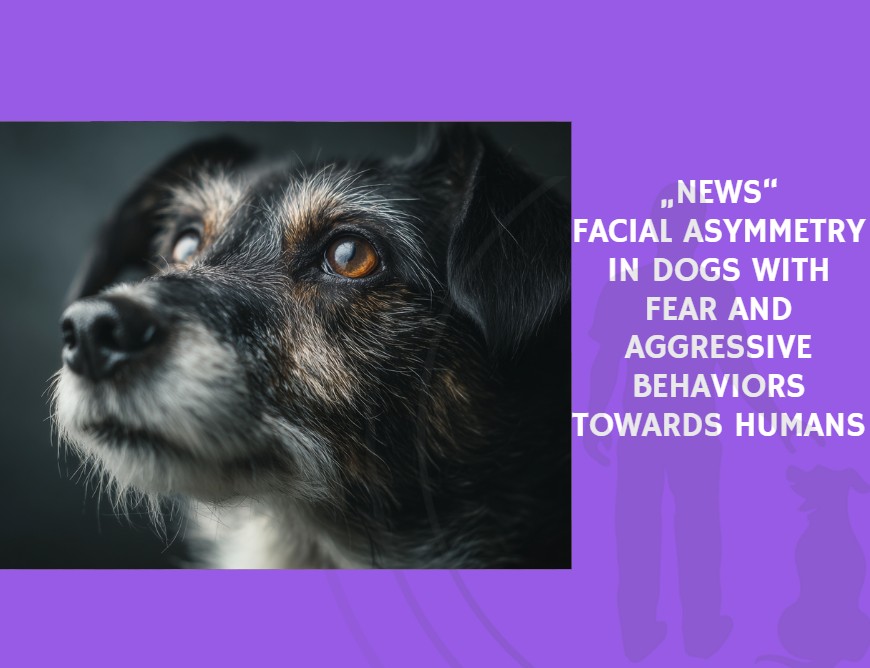
Published in Scientific Reports, this study explored how facial laterality reflects underlying emotional and neurological states in dogs. Prior research had shown that dogs produce distinctive facial movements in response to emotionally arousing stimuli, but this study was the first to connect asymmetrical expressions directly to fear and aggression directed at humans. The researchers analyzed dogs’ facial movements under two emotional contexts: when they were alone with their owners and when confronted by an approaching stranger.
Results revealed consistent and measurable facial asymmetry in dogs displaying fearful or aggressive reactions. These asymmetries were not random but rather reflected a lateralized emotional response, suggesting that brain hemispheric dominance influences visible facial movement. This phenomenon parallels findings in humans, where stress and emotional arousal often lead to uneven muscular activation in the face.
The authors propose that analyzing facial asymmetry could become a valuable diagnostic tool in canine behavioural assessment—especially for identifying underlying emotional disorders without relying on invasive physiological measures. By quantifying subtle facial differences, practitioners may gain insight into the neurophysiological basis of aggression, anxiety, and fear in dogs, improving both prevention and rehabilitation strategies.
Siniscalchi and colleagues conclude that facial asymmetry serves as a visible marker of internal emotional conflict. Their findings bridge the gap between behavioural observation and neurobiological understanding, offering new potential for emotion-based welfare assessment in companion and working dogs alike.
Source: Siniscalchi, M., d’Ingeo, S., Minunno, M., & Quaranta, A. (2022). Facial Asymmetry in Dogs with Fear and Aggressive Behaviors Towards Humans. Scientific Reports, 12. Published November 15, 2022.