
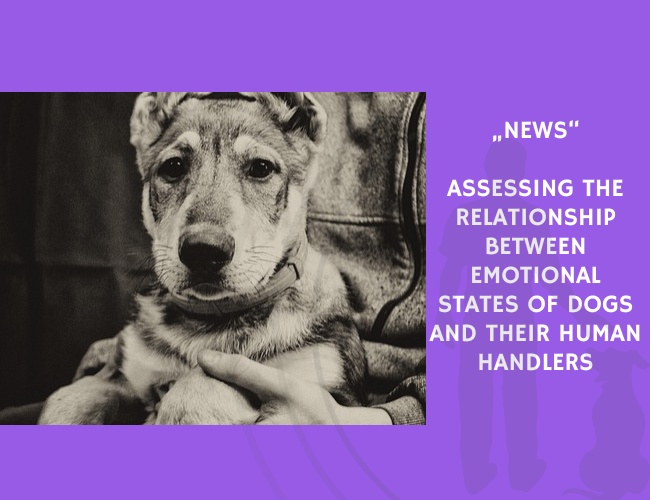
Published in Frontiers in Veterinary Science, this study examined emotional and physiological interactions between dogs and unfamiliar human handlers during routine care sessions. Using Polar H10 cardiac sensors, researchers simultaneously recorded heart rate (HRmean) and heart rate variability (HRV) in both dogs and humans, while also analysing behavioural indicators through digital video footage.
Across two handling sessions comprising three consecutive sets each, the team found that increasing familiarity with the handler and environment had the most significant impact on the dogs’ stress levels. From the first to the third handling set, HRmean and Stress Index (SI) decreased while HRV (RMSSD) increased markedly—showing a clear physiological shift toward relaxation and emotional stability. Although human cardiac data did not display consistent trends, the canine responses revealed a strong adaptation effect linked to comfort and predictability.
Interestingly, the researchers did not find strong evidence for direct emotional contagion between dogs and handlers, likely due to the brief duration of their interactions. However, the findings underscore the importance of handler familiarity and emotional consistency in reducing stress during veterinary procedures and other handling situations. The results suggest that the relationship dynamic itself—even in short-term contexts—can shape the physiological and emotional well-being of dogs.
Grigg et al. recommend that veterinary and shelter staff prioritize calm, repetitive, and empathetic handling to build trust more rapidly and lower stress responses. Their findings bridge the fields of animal physiology, emotional synchrony, and behavioural science, contributing to a more compassionate understanding of how human emotion and environmental predictability influence canine welfare.
Source: Grigg, E., Liu, S., Dempsey, D. G., Wong, K., Bain, M., Sollers, J., Haddock, R., Kogan, L., Barnhard, J. A., Tringali, A. A., Thigpen, A. P., & Hart, L. A. (2022). Assessing the Relationship Between Emotional States of Dogs and Their Human Handlers, Using Simultaneous Behavioral and Cardiac Measures. Frontiers in Veterinary Science, 9. Published July 11, 2022.










