
Introduction: The Silent Shift
You know your dog better than anyone. You’ve memorized the rhythm of their paws on the floor, the tilt of their head when they’re curious, the specific wiggle of their tail when you come home. So when that spark begins to dim—when the playful leap becomes a slow rise, when the eager greeting turns into a distant glance—you notice. 🧡
What if I told you this isn’t just aging? What if your dog’s emotional withdrawal, their sudden lack of curiosity, or their uncharacteristic irritability might be rooted in something medical—something treatable?
Hypothyroidism is one of the most underdiagnosed causes of behavioral changes in dogs. This endocrine disorder doesn’t just affect metabolism and weight—it profoundly impacts mood, motivation, and emotional resilience. The connection between thyroid function and mental health is well-established in human medicine, yet in veterinary care, we’re only beginning to understand how deeply thyroid hormone imbalances can influence our dogs’ emotional worlds.
Let us guide you through the intricate relationship between endocrine health and emotional well-being. You’ll learn to recognize the subtle signs, understand the neurochemical pathways at play, and discover how an integrated approach—combining medical treatment with supportive behavioral strategies—can help restore your dog’s vitality. Through the NeuroBond approach, we’ll explore how trust, patience, and emotional attunement become essential tools in your dog’s journey back to wellness.
What Is Hypothyroidism? The Endocrine Foundation
Understanding the Thyroid’s Role
The thyroid gland sits quietly at the base of your dog’s neck, small but mighty in its influence. This butterfly-shaped organ produces hormones—primarily thyroxine (T₄) and triiodothyronine (T₃)—that regulate nearly every cellular process in your dog’s body. Think of these hormones as the conductor of an orchestra, ensuring each section plays in harmony.
When thyroid hormone levels drop, the music falters. Metabolism slows, energy wanes, and crucially for our discussion, the brain’s neurochemical balance shifts. The hypothalamic-pituitary-thyroid (HPT) axis, which governs this hormonal system, interacts intimately with the hypothalamic-pituitary-adrenal (HPA) axis—your dog’s stress response system. When one axis falls out of tune, the other follows, creating a cascade of physical and emotional changes.
What Thyroid Hormones Regulate in Your Dog:
- Metabolic rate and energy production in every cell
- Brain neurotransmitter synthesis and receptor sensitivity
- Heart rate and cardiovascular function
- Body temperature regulation and cold tolerance
- Digestive system motility and nutrient absorption
- Skin and coat health, including hair growth cycles
- Reproductive function and fertility
- Emotional regulation and stress response capacity
How Hypothyroidism Develops
Primary hypothyroidism in dogs typically results from autoimmune thyroiditis or idiopathic thyroid atrophy. In autoimmune thyroiditis, your dog’s immune system mistakenly attacks the thyroid tissue, gradually destroying the gland’s ability to produce hormones. This process can take months or even years, which explains why behavioral changes often appear so gradually that you might question whether you’re imagining them.
Middle-aged dogs are most commonly affected, with certain breeds showing higher predisposition—Golden Retrievers, Doberman Pinschers, Irish Setters, and Cocker Spaniels among them. But here’s what matters most: hypothyroidism doesn’t discriminate. Any dog can develop this condition, and the earlier we recognize it, the better the outcome.
Breeds at Higher Risk for Hypothyroidism:
- Golden Retrievers
- Doberman Pinschers
- Irish Setters
- Cocker Spaniels
- Dachshunds
- Miniature Schnauzers
- Boxers
- Airedale Terriers
- Great Danes
- Old English Sheepdogs
The Brain-Thyroid Connection
Here’s where the story becomes deeply relevant to behavior. Your dog’s brain is exquisitely sensitive to thyroid hormone levels. These hormones cross the blood-brain barrier and influence neurotransmitter synthesis, receptor sensitivity, and neural connectivity. When T₃ and T₄ levels decline, the brain’s chemical messengers—serotonin, dopamine, and norepinephrine—begin to falter in their duties.
This neurochemical disruption doesn’t happen in isolation. The limbic system—your dog’s emotional processing center—and the prefrontal cortex, which governs decision-making and social behavior, begin communicating less effectively. Theta-band oscillations in the anterior prefrontal cortex, which normally facilitate motivated action and social engagement, become dysregulated. The result? A dog who seems emotionally distant, less motivated, and increasingly withdrawn from the activities and relationships they once cherished.
The Neurochemical Story: How Hormones Shape Mood
The Monoamine Hypothesis in Dogs
In human medicine, we’ve long understood that depression involves disruptions in monoamine neurotransmitters—serotonin, dopamine, and norepinephrine. The same principle applies to our canine companions. These chemical messengers don’t just influence mood; they shape motivation, reward sensitivity, learning capacity, and social engagement.
When thyroid hormones decline, they take the monoamines with them. Serotonin synthesis slows, reducing your dog’s capacity for emotional stability and contentment. Dopamine availability drops, diminishing the joy they find in previously rewarding activities—the game of fetch, the arrival of a favorite person, the anticipation of dinner. Norepinephrine levels shift, affecting alertness and responsiveness to environmental stimuli.
You might notice your dog no longer rushes to the door when you reach for the leash. The toy that once sparked frenzied play now receives a disinterested glance. This isn’t stubbornness or aging alone—it’s a brain struggling to generate the neurochemical enthusiasm it once produced effortlessly.
The SEEKING System and Motivational Decline
Jaak Panksepp’s affective neuroscience framework identifies seven core emotional systems in the mammalian brain, and one of the most relevant to hypothyroid depression is the SEEKING system. This network, involving the nucleus accumbens, ventral tegmental area, and prefrontal cortex, drives exploration, anticipation, and goal-directed behavior. It’s what makes your dog’s eyes light up with curiosity, what propels them to investigate new scents on a walk, what fuels their eagerness to learn and engage.
Hypothyroidism dampens this system profoundly. The reduced dopaminergic activity means your dog’s internal reward calculator essentially malfunctions. Activities that should feel rewarding don’t trigger the same neural response. This manifests as what we call anhedonia—the inability to experience pleasure from normally enjoyable activities. Your dog isn’t being lazy or difficult; their brain literally cannot generate the motivational spark it once did.
Cortisol-Thyroid Interactions and Emotional Blunting
The relationship between the HPT axis and HPA axis creates a complex feedback loop that profoundly influences emotional regulation. Cortisol, the primary stress hormone, normally follows an ultradian rhythm—predictable peaks and troughs throughout the day that help regulate emotional responses, cognitive function, and stress resilience.
When hypothyroidism disrupts this rhythm, several things happen. First, your dog may develop altered cortisol patterns that leave them less able to cope with everyday stressors. A loud noise that would once cause momentary startle now triggers prolonged distress. A minor change in routine that would previously go unnoticed now causes noticeable anxiety or shutdown.
Second, the interaction between low thyroid function and disrupted cortisol rhythms can lead to what researchers call “emotional blunting”—a flattening of emotional responsiveness. Your dog seems less reactive to both positive and negative stimuli. They don’t greet you with the same enthusiasm, but they also don’t show typical fear responses to things that should concern them. This isn’t calmness—it’s disconnection. 🧠
Limbic-Cortical Communication Breakdown
The amygdala processes emotional significance, the hippocampus contextualizes experiences with memory, and the prefrontal cortex integrates this information to guide appropriate responses. This limbic-cortical network requires precise neurochemical balance to function optimally.
Hypothyroidism disrupts the oscillatory patterns—particularly theta and gamma rhythms—that allow these brain regions to communicate effectively. The practical result? Your dog struggles to read social cues accurately, has difficulty switching between emotional states, and shows reduced flexibility in behavior. They might become fixated on anxiety-provoking stimuli or seem unable to shift from a negative emotional state even when the trigger is removed.
Recognizing the Signs: Behavioral Markers of Endocrine-Linked Depression
Physical Symptoms That Often Appear First
Before we discuss behavioral changes, let’s acknowledge that hypothyroidism typically announces itself through physical signs. You might notice unexplained weight gain despite no change in diet or exercise. Your dog’s coat may become dull, dry, or thin, with hair loss particularly noticeable around the tail (creating what’s sometimes called “rat tail”). Skin infections, ear problems, and cold intolerance may develop.
Common Physical Signs of Hypothyroidism:
- Unexplained weight gain with no diet changes
- Dry, dull, brittle coat with excessive shedding
- Symmetrical hair loss, especially on the tail and flanks
- Thickened, dark, or crusty skin (hyperpigmentation)
- Recurrent skin or ear infections
- Cold intolerance, seeking warm spots constantly
- Slow heart rate (bradycardia)
- Facial puffiness or “tragic expression”
- Reproductive issues or irregular heat cycles
- Exercise intolerance and muscle weakness
These physical changes matter because they often precede—or coincide with—the behavioral shifts. When you see both sets of symptoms together, the thyroid connection becomes more evident. However, some dogs show predominantly behavioral symptoms, which is why understanding the emotional manifestations is so critical.
The Core Behavioral Triad: Lethargy, Withdrawal, Anhedonia
The three most consistent behavioral markers of hypothyroid-induced depression form what I call the core triad:
Lethargy and Reduced Energy: This goes beyond normal tiredness. Your dog seems to have lost their baseline vitality. They sleep more, move more slowly, and show reduced endurance for activities they previously enjoyed. The morning greeting is subdued, the evening play session abbreviated or absent. This isn’t the contentment of a well-exercised dog resting—it’s a pervasive lack of energy that doesn’t improve with rest.
Social Withdrawal: You might notice your dog seeking solitude more often, moving away when family members approach, or showing decreased interest in social interaction. They might stop following you from room to room, a behavior change that feels particularly poignant for dogs who were once your constant shadow. This withdrawal isn’t fear-based (though it can be confused with it)—it’s more accurately described as a loss of social motivation.
Anhedonia (Loss of Pleasure): This is perhaps the most heartbreaking sign. The activities that once brought visible joy—a favorite game, a special treat, a car ride—no longer spark enthusiasm. Your dog might engage if prompted, but the voluntary seeking of these experiences diminishes or disappears. Their tail wags are fewer, shorter, and lack the full-body enthusiasm you remember.
Behavioral Depression Indicators You Might Notice:
- Sleeping 14-18+ hours per day instead of the normal 12-14
- No longer greeting you at the door or showing subdued greetings
- Decreased play initiation with toys, other dogs, or family members
- Slow, reluctant movements when called or asked to engage
- Less tail wagging or shortened, low-energy wags
- Reduced vocalization (less barking, whining, or excitement sounds)
- Avoiding eye contact or showing glazed, distant expression
- Not seeking attention, petting, or affection as before
- Reluctance to go on walks or explore during outings
- Disinterest in food or treats that were previously motivating

Cognitive Changes You Might Notice
Hypothyroidism affects not just mood but cognitive function. You might observe reduced attention span where your dog has difficulty maintaining focus during training sessions or seems to “check out” mentally during activities that require sustained attention. Learning difficulties emerge as new behaviors become harder to teach, and previously mastered cues might be performed inconsistently or forgotten.
There’s a noticeable delay between your cue and your dog’s response, or between a stimulus and their reaction. It’s as if they’re processing information through fog. Memory issues may appear where your dog seems confused about routines they’ve known for years, forgets where they placed a toy, or shows disorientation in familiar environments.
These cognitive changes reflect the thyroid hormones’ role in supporting neural efficiency, synaptic plasticity, and overall brain metabolism. When thyroid function declines, the brain literally operates less efficiently.
Emotional Reactivity Changes
The emotional landscape shifts in distinctive ways with hypothyroid depression. Increased irritability emerges where your typically patient dog becomes snappish or shows reduced tolerance for handling, interaction with other pets, or disruptions to their rest. Despite overall emotional blunting, some hypothyroid dogs develop paradoxical anxiety, showing heightened worry about specific situations, particularly separation from their primary person or changes in routine.
Reduced stress recovery becomes evident after a stressful event—a vet visit, a loud noise, an encounter with an unfamiliar dog—when your dog takes much longer to return to baseline. Where they might once have bounced back in minutes, recovery now takes hours or doesn’t seem complete.
The overall flattened emotional range means the highs aren’t as high, the lows might not be as obvious, and your dog seems emotionally muted. This can make them seem “calm” to those who don’t know them well, but you recognize it as dampened responsiveness rather than contentment.
Concurrent Behavioral Issues: The Complex Picture
Aggression and Hypothyroidism: Understanding the Connection
The relationship between hypothyroidism and aggression remains one of the most debated topics in veterinary behavioral medicine. Some dogs with untreated hypothyroidism display increased irritability, reactivity, or even aggression—particularly resource guarding, handling sensitivity, or explosive reactions to minor triggers. The question is whether the thyroid dysfunction directly causes aggressive behavior or whether it lowers the threshold for aggressive responses in dogs already predisposed.
Current research suggests that hypothyroidism doesn’t create aggression from nothing, but it can significantly lower impulse control and frustration tolerance. The neurochemical changes—particularly reduced serotonin availability—affect emotional regulation and behavioral inhibition. A dog who might normally show restraint when annoyed may lack that restraint when hypothyroid.
When to Suspect Thyroid Involvement in Aggression:
- Aggression developed or worsened gradually over months alongside physical signs of hypothyroidism
- Behavior seems “out of character” for the dog’s established temperament
- Reactions seem disproportionate to triggers (explosive responses to minor irritations)
- Dog shows reduced warning signals before aggressive displays (going from 0 to 10 quickly)
- Concurrent presence of other behavioral depression signs (lethargy, withdrawal, cognitive changes)
- Aggression improves noticeably after thyroid supplementation begins
It’s crucial to understand that thyroid supplementation alone rarely resolves aggression completely. Even if hypothyroidism contributed to the behavior, the dog has now learned aggressive responses that require dedicated behavior modification. The medication restores neurochemical balance, creating conditions where behavioral work can be effective, but it doesn’t erase learned patterns.
Anxiety Disorders and Thyroid Dysfunction
Hypothyroidism can trigger or significantly worsen anxiety disorders in dogs. The disrupted cortisol rhythms and altered stress response mean your dog’s internal alarm system becomes dysregulated. Situations that wouldn’t previously cause concern now trigger disproportionate anxiety. Some hypothyroid dogs develop generalized anxiety, showing constant vigilance and inability to settle. Others develop specific phobias—suddenly fearing storms, loud noises, or unfamiliar environments despite no traumatic experience.
The paradox is striking: a dog appears overall emotionally blunted yet simultaneously anxious. This reflects different neural systems being affected. The SEEKING system and dopaminergic reward pathways are suppressed (causing the depression and withdrawal), while the amygdala and HPA axis become hyperreactive (causing the anxiety). Your dog experiences reduced capacity for joy alongside heightened capacity for worry—a particularly distressing combination.
Combined Treatment Approaches for Hypothyroid-Related Anxiety:
- Medical foundation: Levothyroxine to address underlying hormonal imbalance
- Adjunct anxiety medication: Short-term anxiolytics during recovery if anxiety is severe and impairs quality of life
- Environmental management: Reduce exposure to known triggers during the recovery period
- Predictable routines: Consistency reduces cognitive load and provides emotional security
- Calm co-regulation: Your steady presence helps externally regulate their dysregulated nervous system
- Gradual desensitization: Once thyroid levels stabilize, careful, slow exposure to managed stressors
- Professional behavior support: Certified veterinary behaviorist or qualified trainer familiar with medical behavior cases
The timeline for anxiety improvement often lags behind other symptom improvement. Physical changes may resolve within weeks, but anxiety patterns—particularly if they’ve been present for months—may take four to six months or longer to fully improve, even with optimal thyroid levels.
Compulsive Behaviors and OCD-Like Patterns
Some hypothyroid dogs develop repetitive, compulsive behaviors that resemble obsessive-compulsive disorder. These might include excessive licking (particularly of paws, flanks, or surfaces), tail chasing, shadow or light chasing, flank sucking, or repetitive pacing patterns. The behaviors seem self-soothing but become increasingly rigid and difficult to interrupt.
The neurochemical explanation involves serotonin dysregulation affecting the basal ganglia—brain structures involved in habit formation and motor patterns. When serotonin availability drops due to thyroid dysfunction, these neural circuits can become “stuck” in repetitive loops. The behavior initially may have served a stress-relief function, but the compromised neurotransmitter balance prevents normal behavioral flexibility, and the pattern becomes compulsive.
Thyroid supplementation often reduces these behaviors substantially, though rarely eliminates them completely if they’ve been present for an extended period. The neurochemical restoration allows for greater behavioral flexibility, but the learned pattern requires active interruption and replacement with alternative behaviors. Environmental enrichment, adequate physical and mental stimulation, and redirection to appropriate outlets all support resolution.
Separation Anxiety Development: Why It Emerges
It’s not uncommon for hypothyroid dogs to develop separation anxiety or for existing separation issues to worsen significantly. This seems counterintuitive given the overall emotional blunting, but the mechanism makes sense when you understand the neurochemistry. The dog’s compromised emotional regulation system means they’re less able to self-soothe during your absence. Their baseline anxiety is elevated, and their coping capacity is reduced.
Additionally, some hypothyroid dogs become increasingly attached to their primary person during the illness, perhaps because that person represents safety and comfort in a world that now feels confusing and overwhelming. The dog’s reduced engagement with the environment means their person becomes their primary source of security and regulation. When that anchor disappears, even briefly, the dog experiences disproportionate distress.
Supporting Hypothyroid Dogs with Separation Anxiety:
- Begin with very brief absences (seconds to minutes) and build gradually as thyroid levels stabilize
- Provide calming environmental supports (white noise, familiar scents, safe den-like spaces)
- Consider short-term anti-anxiety medication during recovery if distress is severe
- Practice calm departures and arrivals without excessive emotion
- Ensure the dog has adequate mental and physical exercise before separations
- Use food-dispensing toys or long-lasting chews to provide positive associations with alone time
- Monitor with cameras to assess actual distress (versus just normal alertness to your return)
The prognosis for separation anxiety in hypothyroid dogs is generally good once hormone levels normalize, but recovery may take several months of consistent support and gradual desensitization work.
Differential Diagnosis: Distinguishing Hormonal from Environmental Causes
Environmental Stress and Overtraining Syndrome
Here’s where diagnosis becomes nuanced. Many behavioral symptoms of hypothyroidism overlap with those caused by environmental stress, chronic anxiety, or overtraining fatigue. So how do we distinguish them?
Environmental stress typically shows specific triggers. A dog stressed by construction noise shows symptoms that worsen during noisy periods and improve when quiet returns. An anxious dog might show stress markers like lip-licking, yawning, panting, or avoidance behaviors in specific contexts.
Overtraining fatigue occurs in working or sport dogs pushed beyond their physical or mental capacity. These dogs often show enthusiasm at the start of training sessions that deteriorates rapidly. They may show stress behaviors specifically around training contexts but remain relatively normal in other situations.
Hypothyroid depression, by contrast, is pervasive and context-independent. The dog shows reduced motivation across all domains—play, training, social interaction, exploration. The symptoms don’t fluctuate based on environmental factors; they represent a stable, ongoing state.
Key Differences: Hypothyroid Depression vs. Environmental Stress:
- Onset pattern: Hypothyroid changes develop gradually over months; environmental stress causes rapid changes within days to weeks
- Context dependence: Hypothyroid symptoms appear in all contexts; stress symptoms worsen in specific triggering situations
- Physical symptoms: Hypothyroidism includes weight gain, coat changes, skin issues; pure stress typically doesn’t cause these physical changes
- Recovery after rest: Stress-fatigued dogs improve with rest and reduced demands; hypothyroid dogs don’t improve with rest alone
- Trigger identification: Stress has identifiable environmental triggers; hypothyroidism has no external cause
- Response to enrichment: Stressed dogs improve with appropriate enrichment and environmental modification; hypothyroid dogs show minimal improvement
The Time Course Matters
Environmental stressors typically produce relatively rapid behavioral changes—within days to weeks of the stressor’s onset. Recovery, once the stressor is removed or the dog is removed from the stressful environment, happens relatively quickly, often within days to weeks.
Hypothyroid depression develops gradually, over months. Owners often report, “I can’t pinpoint when it started; I just realized one day that they weren’t themselves anymore.” This insidious onset reflects the gradual nature of thyroid tissue destruction in autoimmune thyroiditis.
Contextual Behavior Analysis
Consider these questions: Does your dog show enthusiasm for any activity, even briefly? A dog with environmental stress might still show normal enthusiasm for certain preferred activities or in certain contexts. A hypothyroid dog shows globally reduced enthusiasm.
Does the behavior improve with environmental modification? If removing stressors, providing more rest, or changing training methods produces improvement, you’re likely dealing with environmental causes. If these interventions make no difference, consider medical causes.
Are there physical symptoms accompanying the behavioral changes? Hypothyroidism rarely causes only behavioral symptoms. Look for the physical signs mentioned earlier—weight gain, coat changes, skin issues—occurring alongside the behavioral shifts.
The Diagnostic Process: Confirming Thyroid Dysfunction
Standard Blood Diagnostics
When hypothyroidism is suspected, your veterinarian will typically start with a complete blood panel that includes several key tests. Total T4 (thyroxine) serves as the most basic screening test, where low T4 suggests hypothyroidism, but normal T4 doesn’t rule it out since levels can fluctuate. Free T4 by equilibrium dialysis (FT4ed) provides more accuracy than total T4 because it measures the biologically active hormone fraction and is less affected by other medications or concurrent illnesses.
Thyroid-stimulating hormone (TSH), produced by the pituitary gland to stimulate the thyroid, becomes elevated when the pituitary tries to compensate for low thyroid output. Thyroid antibody tests detect autoimmune thyroiditis by identifying antibodies against thyroglobulin or T3/T4, and positive antibodies confirm autoimmune disease even if current hormone levels appear normal.
Essential Thyroid Panel Components:
- Total T4: Initial screening measure (low suggests hypothyroidism)
- Free T4 by equilibrium dialysis (FT4ed): Most accurate measure of active hormone
- Thyroid-stimulating hormone (TSH): Elevated indicates pituitary compensation
- T3 levels: Sometimes measured to assess full thyroid function
- Thyroglobulin antibodies (TgAA): Detects autoimmune thyroid destruction
- T4 antibodies: Identifies antibodies that can falsely elevate T4 results
- Complete blood count (CBC): May show mild anemia
- Chemistry panel: Rules out other metabolic conditions
The ideal diagnostic approach combines several of these tests rather than relying on a single value. Thyroid function exists on a spectrum, and subclinical hypothyroidism—where values are low-normal but symptoms are present—poses particular diagnostic challenges.
The Challenge of Subclinical Hypothyroidism
This is where behavioral observation becomes crucial. Subclinical hypothyroidism means thyroid values are at the low end of normal or just below the reference range, but not dramatically suppressed. Traditional veterinary wisdom might dismiss these borderline results, but emerging evidence suggests that even subtle thyroid insufficiency can produce significant behavioral effects.
This is where you, the person who knows your dog intimately, become the expert diagnostician. If your dog shows the behavioral profile we’ve discussed and their thyroid values are low-normal, a therapeutic trial of levothyroxine supplementation might be warranted. The proof is in the response—if behavior improves with supplementation, you’ve confirmed the diagnosis retrospectively.
The Role of Behavioral Screening
Could behavioral assessment serve as an early warning system for thyroid dysfunction? The evidence suggests yes. Specific behavioral patterns—particularly the combination of lethargy, social withdrawal, and anhedonia without obvious environmental triggers—should prompt thyroid testing even before physical symptoms appear.
Some progressive veterinary practices are beginning to incorporate behavioral questionnaires into wellness examinations, asking about changes in energy, social engagement, and emotional responsiveness. This approach recognizes that behavioral changes may be the earliest detectable signs of endocrine dysfunction. 🧡
Questions to Ask Before Veterinary Consultation:
- Has your dog’s energy level decreased noticeably over the past 3-6 months?
- Do they seem less interested in activities they previously enjoyed?
- Have greeting behaviors or social interactions diminished?
- Is your dog sleeping more than usual or seeming perpetually tired?
- Have you noticed unexplained weight gain despite consistent diet?
- Has their coat quality changed (dullness, dryness, hair loss)?
- Do they seem mentally slower or less responsive to cues?
- Has their tolerance for handling or interaction decreased?
- Do they recover more slowly from stressful events?
- Have routine veterinary bloodwork values been “low normal” for thyroid markers?
Veterinary Partnership: Advocating for Your Dog
Communicating Your Observations Effectively
When you suspect hypothyroidism based on behavioral changes, effective communication with your veterinarian becomes critical. Veterinarians are trained to recognize classic physical presentations, but behavioral manifestations may be less familiar, particularly in practices that don’t regularly consult with veterinary behaviorists.
Prepare for your appointment by documenting specific behavioral changes with dates and examples. Instead of saying “he’s not himself,” say “Over the past four months, Max has stopped greeting me at the door, sleeps 16+ hours daily instead of his usual 12, and no longer asks to play fetch, which he previously did three times daily.” Specificity transforms subjective impression into objective data that veterinarians can assess.
Bring video documentation if possible. A short video showing your dog’s reduced responsiveness, slow movement, or disinterest in previously rewarding activities provides powerful evidence that descriptions alone cannot convey. Similarly, photos documenting coat changes, weight gain, or other physical signs strengthen your case for thyroid testing.
Questions to Ask Your Veterinarian:
- “Given these behavioral changes alongside [physical symptoms], should we run a complete thyroid panel including Free T4, TSH, and thyroid antibodies?”
- “If the results come back ‘low normal,’ could we consider a therapeutic trial of levothyroxine to see if behavior improves?”
- “What follow-up testing will be needed to monitor treatment effectiveness and ensure optimal dosing?”
- “Should we expect behavioral improvements to follow a different timeline than physical improvements?”
- “At what point should we consider referral to a veterinary internal medicine specialist or veterinary behaviorist?”
- “Are there other conditions that could cause similar symptoms that we should rule out?”
- “How long should we wait to see behavioral improvement before concluding that thyroid isn’t the primary issue?”
When to Request Specialist Referral
Certain situations warrant consultation with specialists beyond your primary veterinarian. Consider requesting referral to a veterinary internal medicine specialist when diagnosis remains unclear despite initial testing, when thyroid values are borderline or inconsistent, when your dog shows poor response to standard levothyroxine therapy, or when concurrent endocrine disorders are suspected.
Veterinary behaviorist consultation becomes valuable when behavioral symptoms are severe or complex, when aggression or significant anxiety accompanies the hypothyroidism, when behavioral issues persist despite normalized thyroid levels, or when you need expert guidance on integrated behavioral-medical rehabilitation protocols.
Indicators for Internal Medicine Specialist:
- Conflicting or borderline thyroid test results
- Suspected concurrent Cushing’s disease, Addison’s disease, or diabetes
- Poor response to standard levothyroxine treatment
- Complex medical history with multiple organ systems involved
- Need for advanced diagnostic testing not available at general practice
Indicators for Veterinary Behaviorist:
- Aggression that poses safety risk to humans or other animals
- Severe anxiety or compulsive behaviors significantly impacting quality of life
- Behavioral issues that persist or worsen despite thyroid treatment
- Need for psychotropic medication in addition to thyroid supplementation
- Desire for comprehensive behavioral modification plan alongside medical treatment
Seeking a Second Opinion: When and How
If your veterinarian dismisses your behavioral concerns or declines thyroid testing despite your documented observations, seeking a second opinion is not only appropriate—it’s responsible advocacy for your dog. This is particularly relevant when test results come back “low normal” but symptoms strongly suggest thyroid involvement.
Frame your request professionally: “I appreciate your evaluation, but given the persistence and pattern of these symptoms, I’d like to get a second opinion from another veterinarian or a specialist. Could you provide copies of all test results and medical records?” Most veterinarians will respect this request and should provide records promptly.
When seeking a second opinion, look for veterinarians with specific interest or advanced training in endocrinology or behavioral medicine. Some questions to ask when calling potential practices include whether they routinely diagnose and treat hypothyroidism with behavioral manifestations, whether they’re comfortable considering therapeutic trials for subclinical cases, and whether they work collaboratively with veterinary behaviorists when needed.
Advocating Without Conflict
Effective advocacy doesn’t require confrontation. Approach conversations with your veterinarian as collaborative problem-solving rather than adversarial debate. Use phrases like “I’m concerned about” rather than “You’re wrong about.” Acknowledge your veterinarian’s expertise while also honoring your intimate knowledge of your dog’s normal behavior.
If you encounter resistance, ask what evidence would be needed to warrant thyroid testing. If the barrier is cost, ask about running just the most essential tests initially. If the concern is that values might be normal, ask about the possibility of subclinical hypothyroidism and whether a trial of medication would be reasonable if symptoms strongly suggest thyroid involvement.
Remember that you are your dog’s voice. Trust your observations. If something feels wrong, it probably is, and continuing to seek answers until you find them is not being difficult—it’s being a responsible guardian.
Dimmed. Distant. Drained.
When energy fades, emotion follows. Hypothyroidism doesn’t just slow the body—it silences joy. The sparkle in your dog’s eyes dims because their neurochemistry can no longer sustain the rhythm of curiosity and connection.
Hormones write behavior’s script. When thyroid levels fall, serotonin and dopamine falter, reshaping mood and motivation. What looks like laziness or age is often the quiet language of imbalance asking to be heard.


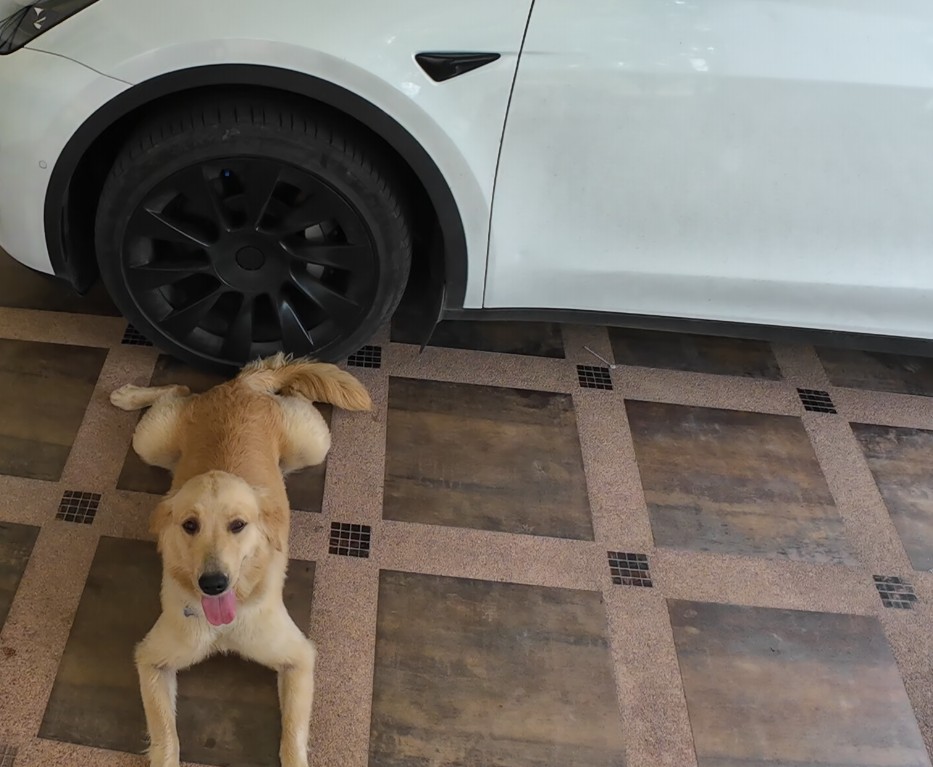
Healing begins with attunement. Restoring thyroid health revives more than energy—it reignites engagement. Through empathy, medical care, and trust, the spark returns, and your dog’s world grows bright again.
Medical Treatment: Thyroid Hormone Replacement
Levothyroxine Therapy: The Cornerstone of Treatment
Once hypothyroidism is confirmed, treatment is remarkably straightforward: synthetic thyroid hormone supplementation with levothyroxine sodium. This medication replaces the T4 your dog’s thyroid can no longer produce adequately. The body then converts T4 to T3 as needed, restoring normal thyroid function.
Levothyroxine is given orally, typically twice daily, though once-daily dosing works for some dogs. The initial dose is calculated based on your dog’s weight, then adjusted through follow-up blood testing to find the optimal level. This process usually takes two to three months of periodic testing and dose adjustments.
Most dogs tolerate levothyroxine exceptionally well. It’s one of the safest long-term medications in veterinary medicine because you’re simply replacing a hormone the body should be making. Side effects are rare and usually indicate over-supplementation (hyperthyroidism symptoms like restlessness, increased appetite, weight loss, or increased thirst).
The Timeline of Physical Recovery
Understanding the recovery timeline helps manage expectations. Physical changes typically follow a predictable pattern. Within two to four weeks, energy levels begin to improve, and you might notice your dog seems slightly more alert or has better endurance on walks. At six to eight weeks, skin and coat changes become apparent as skin infections resolve, hair regrowth begins, and coat texture improves.
By eight to twelve weeks, weight begins to normalize, assuming diet and exercise remain consistent. At three to four months, most physical symptoms show significant improvement or resolution. These timelines assume the correct medication dose. If improvement stalls, dose adjustment may be needed, which is why follow-up blood work is so important during the initial treatment period.
The Timeline of Behavioral and Cognitive Recovery
Here’s what matters most for our discussion: behavioral and cognitive recovery follows a different timeline than physical recovery, and it’s often more variable between individual dogs.
Behavioral Recovery Timeline:
- Weeks 2-4 (Early Phase): Subtle shifts emerge with moments of enthusiasm, slightly better focus, marginally improved social engagement
- Weeks 4-12 (Middle Phase): Behavioral improvements become obvious with stabilized energy, decreased withdrawal, return of play and interaction seeking
- Months 3-6 (Late Phase): Full recovery often takes this long with normalized attention span, restored learning capacity, rich emotional responsiveness returning
- Months 6+ (Consolidation): Continued gradual improvements as neural pathways fully recalibrate and emotional patterns stabilize
Why does behavioral recovery take longer than physical recovery? The brain requires time to restore neurochemical balance, rebuild synaptic connections, and reestablish normal neural communication patterns. It’s not just about restoring hormone levels—it’s about allowing the brain’s complex architecture to recalibrate.
🧠 The Journey from Depression to Vitality: Understanding Canine Hypothyroidism 💙
A comprehensive guide to recognizing, diagnosing, and healing thyroid-related behavioral depression in dogs
Phase 1: Recognition
Noticing the subtle shift in your dog’s spark
What Hypothyroidism Really Is
The thyroid gland produces hormones (T₄ and T₃) that regulate metabolism, energy, and crucially—brain neurochemistry. When thyroid function declines, the brain’s emotional and motivational systems are profoundly affected, creating what looks like behavioral depression but has a medical root.
The Behavioral Triad You’ll Notice
• Lethargy that doesn’t improve with rest
• Social withdrawal and reduced interaction seeking
• Anhedonia—loss of joy in previously rewarding activities
• Cognitive fog with slower processing and reduced attention
⚠️ Don’t Dismiss It
These changes develop gradually over months, making them easy to attribute to “just aging” or personality shifts. Trust your intimate knowledge of your dog—if the spark has dimmed, investigate further.
Phase 2: Understanding the Neuroscience
How hormones shape your dog’s emotional world
The Brain-Thyroid Connection
Low thyroid hormones disrupt serotonin (emotional stability), dopamine (reward and motivation), and norepinephrine (alertness). The SEEKING system—your dog’s drive to explore and engage—becomes suppressed. The limbic-cortical network loses its coordinated communication, resulting in emotional blunting and reduced behavioral flexibility.
Why It Looks Like Depression
The neurochemical changes mirror human depression: reduced reward sensitivity (anhedonia), impaired stress recovery, flattened emotional range, and loss of motivation. Your dog’s brain literally cannot generate the enthusiasm it once produced effortlessly through the NeuroBond you share.
The Cortisol-Thyroid Loop
Disrupted thyroid function affects the stress response system (HPA axis), creating altered cortisol rhythms. This means your dog becomes less able to cope with everyday stressors and takes longer to recover emotionally from challenging events.
Phase 3: Diagnosis and Testing
Confirming thyroid dysfunction through comprehensive testing
Essential Thyroid Panel
• Total T4 (initial screening)
• Free T4 by equilibrium dialysis (most accurate active hormone measure)
• TSH (elevated indicates pituitary compensation)
• Thyroid antibodies (detects autoimmune thyroiditis)
• Complete CBC and chemistry to rule out other conditions
The Subclinical Challenge
When values are “low-normal” but symptoms are present, you become the expert diagnostician. Your documented behavioral observations—dates, examples, videos—provide critical data. A therapeutic trial may be warranted when borderline results meet strong clinical signs.
Advocating for Your Dog
Prepare specific behavioral documentation: “Over the past 4 months, Max stopped greeting me at the door, sleeps 16+ hours daily instead of 12, and no longer initiates fetch.” Specificity transforms subjective impression into objective data veterinarians can assess.
Phase 4: Medical Treatment Begins
Thyroid hormone replacement and what to expect
Levothyroxine: The Foundation
Synthetic T4 supplementation replaces what your dog’s thyroid cannot produce. Given typically twice daily, dosing is weight-based and adjusted through follow-up testing. It’s one of the safest long-term medications—you’re simply replacing a missing hormone.
Physical Recovery Timeline
• Weeks 2-4: Energy begins improving
• Weeks 6-8: Coat and skin changes become apparent
• Weeks 8-12: Weight normalizes
• Months 3-4: Most physical symptoms resolve
Behavioral Recovery: The Longer Journey
• Weeks 2-4: Subtle moments of enthusiasm emerge
• Weeks 4-12: Obvious improvements in energy and social engagement
• Months 3-6: Full cognitive and emotional recovery
• Months 6+: Neural pathways fully recalibrate. The brain needs time to rebuild neurochemical balance and synaptic connections.
Phase 5: Nutritional Support
Foods and supplements that support thyroid health and brain recovery
Thyroid-Supporting Nutrients
Selenium (converts T4 to active T3): Fish, organ meats, eggs
Zinc (supports hormone production): Beef, lamb, pumpkin seeds
Omega-3s (brain health and neurochemistry): Fish oil, cold-water fish
Quality protein: Supports neurotransmitter production
Foods to Limit or Avoid
• Raw cruciferous vegetables (broccoli, cauliflower, kale) contain goitrogens
• Soy products interfere with thyroid synthesis
• Very high-fiber diets reduce medication absorption
• Give levothyroxine 1 hour before or 3 hours after meals for optimal absorption
Weight Management During Recovery
Don’t drastically cut calories before thyroid normalizes. Focus on maintaining weight until metabolism stabilizes, then gradually reduce. Use nutrient-dense, lower-calorie foods with quality protein, moderate healthy fats, and fiber-rich vegetables. Multiple small meals stabilize energy better than one large meal.
Phase 6: Behavioral Rehabilitation
Rebuilding motivation, cognition, and emotional resilience
The NeuroBond Approach to Co-Regulation
Your dog’s emotional regulation system is rebuilding. Your calm, predictable presence serves as external regulation—an anchor while their internal systems recalibrate. Through the NeuroBond framework of emotional synchrony, you help your dog remember what positive emotion feels like.
Rebuilding the SEEKING System
• Start with micro-achievements: a single step toward a toy, a moment of eye contact
• Low-pressure enrichment: one new scent, a gentle puzzle toy
• Follow their interest—let them choose engagement focus
• Apply the Invisible Leash principle: guide with subtle awareness, not force
Cognitive and Emotional Support
• Short training sessions (3-5 minutes)
• Practice familiar behaviors before introducing new ones
• Give processing time: count to 5 after cues
• Stress inoculation: brief, manageable stressors followed by comfort
• Honor moments of Soul Recall when your dog’s true personality flashes through
Phase 7: Managing Concurrent Issues
Addressing anxiety, aggression, and complex behavioral patterns
Anxiety and Thyroid Dysfunction
Disrupted cortisol rhythms mean your dog’s alarm system becomes dysregulated. Some hypothyroid dogs show paradoxical anxiety—overall emotional blunting yet heightened worry. Combined treatment includes levothyroxine, environmental management, predictable routines, and gradual desensitization once thyroid stabilizes.
Aggression Connection
Hypothyroidism doesn’t create aggression but can lower impulse control and frustration tolerance. Reduced serotonin affects behavioral inhibition. Thyroid supplementation alone rarely resolves aggression—behavioral modification remains essential even as neurochemistry normalizes.
Multi-Dog Household Considerations
Companion dogs notice changes and may adjust pack dynamics. Protect your recovering dog from persistent play solicitations. Provide safe retreat spaces, separate feeding if needed, and individual attention for each dog. Other dogs often recognize improvement before humans do—when they reinitiate play, genuine recovery is occurring.
Phase 8: Long-Term Management & Prognosis
Lifelong wellness and quality of life assessment
Lifelong Treatment Protocol
Hypothyroidism requires permanent supplementation—this is management, not cure. Testing every 4-6 weeks initially until optimal dose is found, then every 6-12 months for stable patients. Some dogs need dose adjustments with age, weight changes, or concurrent conditions.
Expected Outcomes
The vast majority of properly treated hypothyroid dogs return to normal or near-normal function. Many owners report “I have my dog back.” Early diagnosis, medication consistency, and behavioral rehabilitation create optimal outcomes. Most show substantial improvement within 3-6 months.
Quality of Life Dimensions
Regularly assess: Physical vitality (appropriate energy, comfortable movement), Emotional responsiveness (range of emotions, connection seeking), Cognitive engagement (alertness, learning, curiosity), Social connection (family engagement, affection, emotional presence). Any decline warrants consultation.
🔄 Understanding Different Presentations
Hypothyroid Depression vs. Environmental Stress
Onset: Gradual (months) vs. Rapid (days-weeks)
Context: All situations vs. Specific triggers
Physical signs: Weight gain, coat changes vs. None
Recovery: Needs medication vs. Improves with rest
Young Dogs vs. Senior Dogs
Young: Rare congenital/juvenile cases, may affect development, better prognosis with early treatment
Senior: Most common, harder to distinguish from aging, trial approach works well, profound quality of life improvements possible
High-Risk Breeds
Most susceptible: Golden Retrievers, Dobermans, Irish Setters, Cocker Spaniels, Dachshunds
Recommendation: Baseline thyroid screening at age 2-3, annual monitoring for at-risk breeds, pre-breeding testing essential
Working/Sport Dogs
Early signs: Decreased drive, reduced stamina, slower response times, learning difficulties
Return-to-work: Wait 4-8 weeks for therapeutic levels, rebuild gradually over 2-3 months, full performance return in 3-6 months
Behavioral Recovery Timeline
Physical: 2-4 months for most symptoms
Behavioral: 3-6 months for full recovery
Reason: Brain needs time to restore neurochemical balance and rebuild synaptic connections—not just hormone restoration
Emergency Situations
Myxedema coma: Extreme lethargy, hypothermia, bradycardia—EMERGENCY
Over-supplementation: Hyperactivity, rapid heart rate, weight loss, anxiety—call vet within 24 hours
New symptoms: May indicate concurrent conditions
⚡ Quick Reference: Key Formulas
Diagnostic Rule: Behavioral triad (lethargy + withdrawal + anhedonia) + physical signs (weight gain + coat changes) + gradual onset over months = Test thyroid
Two-Day Rule for Activity: If your dog seems more tired or withdrawn 2 days after an activity, it was too much—use this to calibrate exercise
Recovery Timeline Formula: Physical improvements = 2-4 months | Behavioral/cognitive full recovery = 3-6 months | Brain recalibration = 6+ months
Medication Timing: Give levothyroxine 1 hour before OR 3 hours after meals for optimal absorption
Omega-3 Dosing: 20-50mg EPA+DHA per pound of body weight daily for brain health support
🧡 The Essence of Healing: Where Science Meets Soul
Your dog’s journey from hypothyroid depression to vitality is not merely about restoring T4 levels—it’s about rekindling the spark that makes them uniquely themselves. Through the NeuroBond you share, your calm presence becomes therapeutic, providing external emotional regulation while their internal systems rebuild. The Invisible Leash guides this recovery—subtle awareness and support rather than force or expectation, allowing your dog to rediscover their own drive at their own pace.
Those precious moments of Soul Recall—when you glimpse your dog’s true personality returning, when the tail wag carries its old enthusiasm, when curiosity reignites in their eyes—these are not random. They are evidence that the emotional core of your dog, temporarily obscured by hormonal dysfunction, remains intact and is finding its way home.
This integrated approach honors both the neuroscience and the emotional bond. We treat the body while supporting the spirit. We understand the biochemistry while tending to the relationship. We provide levothyroxine and behavioral rehabilitation, medical intervention and patient love. That balance between knowledge and connection—that is how we serve our dogs most fully.
© Zoeta Dogsoul – Where neuroscience meets soul in dog training
Nutrition and Supplementation: Supporting Thyroid Health and Recovery
Thyroid-Supporting Nutrition: Foods That Help
While nutrition alone cannot treat hypothyroidism, strategic dietary choices can support thyroid function and enhance recovery outcomes. Certain nutrients are essential cofactors for thyroid hormone synthesis and conversion, and ensuring adequate intake becomes particularly important during treatment.
Selenium plays a crucial role in converting T4 to the more active T3 form. This trace mineral is found in organ meats (liver, kidney), fish (salmon, sardines, tuna), and eggs. Brazil nuts are extraordinarily rich in selenium, though they should be given sparingly due to their high fat content—one or two nuts weekly provides ample selenium for most dogs.
Zinc supports thyroid hormone production and receptor sensitivity. Good canine sources include beef, lamb, pumpkin seeds (ground), and oysters. Many dogs with hypothyroidism show subclinical zinc deficiency, which can impair thyroid function even when supplementation is adequate.
Omega-3 fatty acids don’t directly affect thyroid hormone production, but they’re crucial for brain health and neurochemical balance during recovery. The EPA and DHA forms found in fish oil support serotonin and dopamine function, helping address the neurochemical depression component. Look for high-quality fish oil supplements specifically formulated for dogs, and aim for doses that provide approximately 20-50mg EPA+DHA per pound of body weight daily.
Iodine is necessary for thyroid hormone synthesis, but most commercial dog foods provide adequate iodine. Supplementation is rarely needed and can be counterproductive, as excess iodine may worsen autoimmune thyroiditis.
Foods Rich in Thyroid-Supporting Nutrients:
- Selenium sources: Wild-caught fish (salmon, mackerel, sardines), organ meats, eggs, moderate amounts of poultry
- Zinc sources: Red meat (beef, lamb, bison), oysters, pumpkin seeds (ground), turkey
- Omega-3 sources: Cold-water fatty fish, fish oil supplements, limited amounts of chia or flax seeds
- Quality protein: Supports overall metabolic function and neurotransmitter production (chicken, turkey, beef, fish, eggs)
- Antioxidant-rich foods: Blueberries, cranberries, leafy greens (in moderation) support cellular health
- Coconut oil: Medium-chain triglycerides may support metabolic function (1/4 to 1 teaspoon per 10 pounds body weight)
Foods to Avoid or Limit
Certain foods can interfere with thyroid function or medication absorption, though moderate amounts in the context of a balanced diet rarely cause significant problems.
Goitrogenic foods—particularly raw cruciferous vegetables like broccoli, cauliflower, cabbage, and kale—contain compounds that can interfere with thyroid hormone production. Cooking largely deactivates these compounds, so small amounts of cooked cruciferous vegetables pose minimal risk. However, if you’re supplementing your hypothyroid dog’s diet with vegetables, choose non-goitrogenic options like carrots, sweet potatoes, or squash instead.
Soy products contain isoflavones that can interfere with thyroid hormone synthesis and absorption. While small amounts in commercial dog food are unlikely to cause problems, avoid soy-heavy diets or soy-based treats for hypothyroid dogs.
High-fiber diets can interfere with levothyroxine absorption in the digestive tract. This doesn’t mean avoiding fiber entirely, but extremely high-fiber diets (often used for weight management) may reduce medication effectiveness. If your dog is on a high-fiber diet, work with your veterinarian to ensure thyroid medication timing optimizes absorption.
Weight Management During Recovery
One of the most frustrating aspects of canine hypothyroidism is persistent weight gain despite dietary restriction. Here’s the reality: until thyroid levels normalize, your dog’s metabolism runs slower than normal, meaning they require fewer calories to maintain weight. Once treatment begins, metabolism gradually increases, but weight loss happens slowly.
Practical feeding strategies during recovery:
Don’t drastically cut calories in an attempt to force weight loss before thyroid levels normalize. This can actually slow metabolism further and leave your dog feeling deprived, worsening their emotional state. Instead, focus on maintaining current weight until hormone levels stabilize, then gradually reduce calories as metabolism improves.
Choose nutrient-dense, lower-calorie foods that provide satiety without excessive calories. High-quality protein, moderate healthy fats, and fiber-containing vegetables create filling meals with controlled calorie counts. Avoid “diet” foods with high carbohydrate content, which can cause blood sugar fluctuations that worsen energy and mood problems.
Feed multiple small meals rather than one or two large meals. This helps stabilize blood sugar, supports consistent energy levels, and provides more frequent positive food experiences without increasing total calorie intake.
Use food as environmental enrichment—slow-feeder bowls, snuffle mats, frozen food puzzles—to make meals more mentally engaging and time-consuming. This addresses the reduced mental stimulation hypothyroid dogs experience while making smaller portions feel more satisfying.
Monitor body condition score monthly rather than obsessing over scale weight. As metabolism normalizes, your dog may lose fat while maintaining or even gaining muscle mass, particularly if activity levels increase. Body condition assessment (evaluating rib visibility, waist definition, abdominal tuck) provides better information than weight alone.
Supplement Considerations: What Helps, What Doesn’t
The supplement industry markets numerous products claiming to support thyroid health. Let’s examine what has evidence and what doesn’t.
Omega-3 fatty acid supplements (EPA/DHA) have strong evidence supporting their role in brain health, inflammation reduction, and mood regulation. For hypothyroid dogs experiencing behavioral depression, high-quality fish oil supplementation is one of the most beneficial additions. Look for products with third-party testing for purity (low heavy metals, no rancidity) and appropriate EPA+DHA concentrations.
Probiotics may support overall health and immune function, which is relevant for autoimmune thyroiditis. While they won’t treat hypothyroidism directly, supporting gut health and immune regulation through high-quality multi-strain probiotics may provide modest benefit.
Kelp and other iodine supplements are heavily marketed for “thyroid support,” but they’re inappropriate for most hypothyroid dogs. Primary hypothyroidism in dogs is not typically caused by iodine deficiency, and excess iodine can worsen autoimmune thyroiditis. Avoid kelp supplements unless specifically recommended by a veterinary endocrinologist for a diagnosed iodine deficiency (which is rare).
Thyroid glandular supplements contain actual thyroid tissue from other animals. These are problematic because they provide unpredictable and unregulated amounts of thyroid hormone, can interfere with diagnostic testing, and may cause inconsistent thyroid hormone levels. They are not a substitute for pharmaceutical-grade levothyroxine.
L-tyrosine is an amino acid precursor to thyroid hormones, and some supplement manufacturers claim it “naturally supports thyroid function.” However, in true hypothyroidism where the thyroid gland cannot produce hormones due to tissue destruction, providing more raw materials won’t help. The issue isn’t lack of building blocks—it’s lack of functional thyroid tissue. Tyrosine supplementation is not beneficial for primary hypothyroidism.
Ashwagandha, guggul, and other herbal supplements are sometimes promoted for thyroid support. There is insufficient canine-specific research to support their use, they may interact with levothyroxine, and their quality and purity in commercial supplements is often questionable. Avoid these unless working with a veterinarian trained in integrative medicine who can provide appropriate guidance and monitoring.
Supplements Worth Considering:
- High-quality fish oil (molecularly distilled, third-party tested): 20-50mg EPA+DHA per pound body weight daily
- Multi-strain probiotic formulated for dogs: Follow product-specific dosing
- Vitamin E (if omega-3 supplementation is high): 100-400 IU daily depending on dog size, as an antioxidant to prevent fatty acid oxidation
- SAMe (S-adenosylmethionine): May support liver function and mood regulation; 18-20mg per kilogram body weight daily
- Zinc supplementation: Only if deficiency is confirmed through testing; excess zinc is toxic
Feeding Schedule Coordination with Medication
Levothyroxine absorption is significantly affected by food, which is why timing matters. For optimal absorption, levothyroxine should be given on an empty stomach—ideally one hour before or three hours after meals. Many veterinarians recommend giving medication first thing in the morning, then feeding breakfast an hour later.
However, this creates a practical challenge. Many dogs are strongly food-motivated, and getting them to swallow a pill without food is difficult. Additionally, some dogs experience mild nausea when taking medication on an empty stomach. Here are strategies to balance optimal absorption with practical reality:
If your dog takes pills readily: Give levothyroxine first thing in the morning, 30-60 minutes before breakfast. You can give the pill in a tiny amount of low-fat food (a small piece of low-fat meat, a bit of banana) if needed for administration, as long as it’s minimal.
If your dog is difficult to pill: Consider using a pill pocket or small amount of peanut butter (ensure it doesn’t contain xylitol!) to get the pill down, then wait at least 30 minutes before the full meal. While this isn’t optimal for absorption, consistent administration with slightly reduced absorption is better than inconsistent administration attempting perfect timing.
For twice-daily dosing: Morning dose should be given before breakfast as described above. Evening dose should be given either right before dinner (accepting reduced absorption) or, if possible, late evening (at least 3 hours after dinner), making it the last thing before bed.
Foods that significantly interfere with absorption: Avoid giving levothyroxine with soybean products, high-fiber foods, walnuts, or calcium-rich foods (dairy products). If your dog’s diet includes these regularly, maintain consistent timing so that blood tests reflect your actual at-home absorption patterns, allowing your vet to adjust dose appropriately.
Work with your veterinarian to find a dosing schedule that balances optimal absorption with consistency and quality of life. Some dogs may require slightly higher doses to compensate for less-than-ideal administration timing, which is perfectly acceptable as long as monitoring confirms therapeutic blood levels.
When to Seek Emergency Care: Recognizing Critical Situations
Myxedema Coma: A Rare but Life-Threatening Crisis
While uncommon, myxedema coma represents the most severe manifestation of hypothyroidism and constitutes a true medical emergency. This condition occurs when profoundly low thyroid hormone levels lead to multi-organ system dysfunction and altered consciousness. It’s most likely to occur in severely hypothyroid dogs who are untreated or undertreated, particularly when they experience additional stressors like infection, surgery, or extreme cold exposure.
Myxedema coma doesn’t mean your dog is literally comatose, though some dogs become unresponsive. More commonly, you’ll notice extreme progression of hypothyroid symptoms into a critical state. Your dog becomes profoundly lethargic to the point of being difficult to rouse. They may seem mentally dull or confused, not recognizing familiar people or environments. Body temperature drops significantly below normal (severe hypothermia), and you may notice they feel cold to the touch.
Heart rate slows dramatically, sometimes to dangerous levels (severe bradycardia). Breathing becomes slow and shallow. The dog may show seizure activity or loss of consciousness. These signs indicate that the body’s systems are failing due to insufficient thyroid hormone to maintain basic metabolic functions.
Myxedema Coma Warning Signs—Seek Emergency Care Immediately:
- Extreme lethargy to the point of being unable or barely able to stand or lift head
- Profound mental dullness, confusion, disorientation, or non-responsiveness to stimuli
- Body temperature below 95°F (35°C) or extremities that feel cold to touch
- Very slow heart rate (below 60 beats per minute for most dogs)
- Slow, shallow breathing or respiratory distress
- Seizures or loss of consciousness
- Collapse or inability to maintain normal posture
- Progressive worsening of symptoms over hours despite being hypothyroid dogs can remain stable for months
If you suspect myxedema coma, this is a life-threatening emergency requiring immediate veterinary intervention. Call ahead to the emergency clinic so they can prepare for your arrival. Time is critical—treatment involves intensive supportive care, gradual rewarming, intravenous fluids, and carefully administered thyroid hormone replacement under close monitoring.
Over-Supplementation: Recognizing Iatrogenic Hyperthyroidism
While levothyroxine is very safe at appropriate doses, too much creates the opposite problem—hyperthyroidism, where thyroid hormone levels become excessive. This is called iatrogenic (treatment-caused) hyperthyroidism and, while not immediately life-threatening like myxedema coma, requires prompt dose adjustment.
Over-supplementation can occur if your dog’s dose is too high for their individual needs, if they accidentally ingest extra medication, or sometimes when weight loss occurs during treatment without corresponding dose reduction. The signs of hyperthyroidism are essentially opposite to hypothyroidism: increased rather than decreased metabolism.
You might notice your dog becomes hyperactive, restless, or anxious when they were previously calm. Panting increases, even at rest or in cool temperatures. Heart rate accelerates noticeably (tachycardia), and you may be able to see or feel their heart beating forcefully in the chest. Despite increased appetite—sometimes voracious eating—they lose weight. Some dogs develop diarrhea or increased frequency of defecation.
Behavioral changes can be dramatic: irritability, reduced frustration tolerance, inability to settle or relax, pacing, excessive vocalization, or even aggression. These reflect the overstimulated state their system is experiencing.
Over-Supplementation Warning Signs—Contact Your Vet Within 24 Hours:
- Sudden increase in activity level, restlessness, inability to settle
- Excessive panting at rest or with minimal activity
- Rapid heart rate (over 120-140 beats per minute at rest for medium-large dogs)
- Weight loss despite normal or increased appetite
- Increased thirst and urination
- Diarrhea or increased stool frequency
- Trembling, shaking, or muscle twitching
- Irritability, anxiety, or aggressive behavior that’s out of character
- Decreased sleep or restless sleep
- Heat intolerance, seeking cool surfaces constantly
If you notice these signs, contact your veterinarian promptly. They’ll likely want to check thyroid hormone levels and may temporarily reduce or pause medication until levels return to the therapeutic range. In cases of accidental ingestion of multiple doses, call your veterinarian or pet poison control immediately for guidance.
Concurrent Condition Red Flags
Sometimes behavioral or physical changes in a hypothyroid dog indicate something beyond the thyroid condition itself. While it’s tempting to attribute all symptoms to hypothyroidism, other conditions can coexist or develop independently. Recognizing when something else is happening ensures your dog receives appropriate diagnosis and treatment.
Red flags suggesting conditions beyond hypothyroidism:
Sudden onset of severe symptoms: If your dog deteriorates rapidly over days rather than gradually over weeks-months, consider acute illness like infection, toxin exposure, or other organ dysfunction rather than thyroid worsening.
Symptoms that don’t fit hypothyroidism: Vomiting, diarrhea, increased thirst and urination, changes in urination patterns, difficulty breathing, or coughing are not typical hypothyroid symptoms and should be evaluated independently.
Worsening despite treatment: If symptoms progressively worsen despite appropriate levothyroxine therapy and confirmed therapeutic blood levels, another condition is likely present. This might include Cushing’s disease, Addison’s disease, kidney disease, liver disease, or other endocrine disorders.
Neurological signs: While hypothyroidism can cause mental dullness, true neurological dysfunction—loss of balance, circling, head tilt, facial drooping, weakness localized to specific limbs, or seizures—warrants immediate evaluation for primary neurological disease.
Pain behaviors: Hypothyroidism doesn’t typically cause pain. If your dog shows reluctance to move, yelping when touched, hunched posture, or guarding behaviors, orthopedic or other pain conditions should be investigated.
When to Contact Your Veterinarian for Concurrent Concerns:
- New symptoms that seem unrelated to thyroid dysfunction appear
- Existing symptoms worsen despite appropriate medication and therapeutic blood levels
- Your dog shows signs of pain, neurological dysfunction, or organ system disease
- Behavioral changes seem extreme or different in quality from the initial presentation
- Your intuition says “this is different” or “something else is wrong”
Trust your knowledge of your dog. While hypothyroidism is significant, it doesn’t explain everything. Maintaining open communication with your veterinarian about any new or changing symptoms ensures all health issues receive appropriate attention.

Special Populations: Tailored Approaches for Different Dogs
Hypothyroidism in Puppies and Young Dogs
While hypothyroidism most commonly affects middle-aged dogs, congenital hypothyroidism—present from birth—occurs rarely in puppies. This form results from genetic abnormalities affecting thyroid gland development or hormone synthesis. The condition is devastating if undetected, as thyroid hormones are absolutely critical for normal physical and neurological development.
Affected puppies show disproportionate dwarfism, meaning their body proportions appear off—large head relative to body size, shortened limbs, delayed opening of eyes and ears. Mental dullness is profound; these puppies seem significantly less alert, slower to learn, and less responsive than littermates. Physical development lags dramatically, with delayed tooth eruption, retained puppy coat, and failure to reach normal size milestones.
The neurological impact is particularly concerning. Without adequate thyroid hormone during critical developmental windows, brain development is permanently impaired. Even with early diagnosis and treatment, some degree of cognitive impairment often persists. However, the earlier treatment begins, the better the neurological outcome. This makes thyroid screening essential for any puppy showing developmental delays or disproportionate growth.
Juvenile hypothyroidism, developing in adolescent dogs (6 months to 2 years), has better prognosis because most brain development is complete. These young dogs present similarly to adult-onset hypothyroidism but may additionally show delayed sexual maturity, retained puppy coat, or growth that stops before reaching breed-appropriate size. With prompt treatment, most juvenile cases respond well, and dogs go on to live normal lives.
Congenital and Juvenile Hypothyroidism Considerations:
- Requires immediate aggressive treatment to minimize developmental impacts
- Often needs higher weight-based doses than adult dogs
- Requires more frequent monitoring during growth periods
- May need lifelong developmental support and behavioral accommodations
- Breeding dogs from affected lines should be avoided
- Some breeds have genetic testing available for thyroid dysgenesis
Senior Dogs: Distinguishing Hypothyroidism from Normal Aging
One of the most challenging differential diagnoses involves separating hypothyroidism from expected age-related changes in senior dogs. Many symptoms overlap: reduced activity, increased sleep, decreased interest in play, cognitive decline, weight gain, and altered coat quality can all be “normal” aging changes. So how do we distinguish pathological from physiological aging?
The key lies in the pattern and progression of changes. Normal aging is gradual and relatively global—the 12-year-old dog has slowly become less active over the past two years, mirrors the typical trajectory for their breed and size. Hypothyroidism, even in seniors, tends to cause more pronounced changes over a shorter timeframe—the previously stable senior dog who suddenly shows marked decline over four to six months.
Additionally, consider symptoms that aren’t explained by normal aging. Weight gain without dietary changes, severe coat deterioration, cold intolerance, or profound mental dullness beyond typical senior cognitive changes should prompt thyroid evaluation. Many senior dogs have lived with undiagnosed subclinical hypothyroidism for years, and it finally progresses to clinical disease in their later years.
The “diagnostic trial” approach works particularly well in seniors. If thyroid values are low-normal and symptoms could represent either aging or hypothyroidism, a trial of levothyroxine supplementation provides answers. Significant improvement suggests hypothyroidism was contributing; lack of improvement suggests age-related changes are responsible. Given levothyroxine’s safety profile, this approach poses minimal risk while potentially providing substantial quality-of-life improvement.
Senior-Specific Considerations:
- More likely to have concurrent health conditions affecting thyroid test interpretation
- May show more gradual response to treatment
- Often benefit from senior-appropriate reduced doses due to altered drug metabolism
- Particularly important to address, as improving thyroid function may dramatically enhance quality of life in final years
- Behavioral improvements can be profound, giving owners precious additional quality time with their dog
Pregnant and Nursing Dogs: Reproductive Impacts
Thyroid hormones play critical roles in reproductive function, pregnancy maintenance, and puppy development. Uncontrolled hypothyroidism can cause irregular heat cycles, failure to conceive, spontaneous abortion, weak or stillborn puppies, and inadequate milk production. For these reasons, any dog showing reproductive difficulties should have thyroid function evaluated.
Importantly, levothyroxine is safe during pregnancy and nursing. In fact, maintaining therapeutic thyroid hormone levels is essential for successful pregnancy and healthy puppy development. Hypothyroid bitches should be treated before breeding if possible, with thyroid levels optimized and stabilized. If hypothyroidism is diagnosed during pregnancy, treatment should begin immediately—the benefits of treating far outweigh any theoretical risks.
Puppies born to hypothyroid mothers, even if the mother is treated, may show some developmental impacts depending on thyroid status during critical early pregnancy periods. This is why pre-breeding health screening including thyroid evaluation is so important for breeding dogs. Some breed clubs now require thyroid certification as part of responsible breeding programs.
Pregnancy and Nursing Considerations:
- Thyroid testing should be part of pre-breeding health evaluation for all breeding dogs
- Levothyroxine is safe and necessary during pregnancy and lactation
- Pregnant hypothyroid dogs may require dose adjustments as pregnancy progresses
- Monitoring thyroid levels during pregnancy ensures therapeutic range for both mother and developing puppies
- Nursing hypothyroid dogs need adequate thyroid hormone for sufficient milk production
Working and Sport Dogs: Performance Impacts and Return-to-Work
For dogs engaged in demanding work—service dogs, detection dogs, search and rescue, herding, agility, obedience, field work—hypothyroidism can devastate performance before physical symptoms become obvious. These dogs operate at high cognitive and physical demands, making them exquisitely sensitive to even subtle thyroid insufficiency.
You might notice decreased drive or motivation for work, reduced stamina or earlier fatiguing, slower response times to cues, decreased precision in skilled tasks, or difficulty learning new behaviors. A service dog might begin showing inconsistent alerts or task performance. A detection dog might show reduced search intensity or earlier fatigue. An agility dog might start refusing jumps or contacts despite no apparent physical injury.
The challenge is that these symptoms can be attributed to overtraining, burnout, physical injury, or simple lack of motivation. Many working dog handlers adjust training programs, reduce work demands, or even retire dogs early when the actual issue is untreated hypothyroidism. Thyroid screening should be standard in any working dog showing unexplained performance decline.
Return-to-Work Guidelines After Treatment:
- Wait until thyroid levels reach therapeutic range (usually 4-8 weeks after starting treatment) before beginning performance training
- Start with low-intensity foundation work to assess cognitive and physical capacity
- Gradually rebuild stamina and skill precision over 2-3 months
- Expect full return to pre-illness performance levels within 3-6 months for most dogs
- Some dogs show even better performance than before once treated, particularly if hypothyroidism was subclinical for extended periods
- Maintain regular thyroid monitoring to ensure levels remain optimal for performance demands
Competition and Certification Considerations:
Some canine sport organizations and service dog programs have medication restrictions. Levothyroxine is generally accepted as a necessary medical treatment rather than performance-enhancing drug, but verify specific organizational rules. Maintain documentation of diagnosis and treatment in case certification or competition eligibility questions arise.
For service dogs, the Americans with Disabilities Act protects the handler’s right to use a service dog with medical conditions including hypothyroidism, as long as the dog can safely and reliably perform required tasks. Once treated and stable, most hypothyroid service dogs can continue successful careers.
Multi-Dog Households: Managing Pack Dynamics During Recovery
How Other Dogs Respond to Illness
Dogs are remarkably perceptive about changes in their housemates’ health and behavior. When one dog develops hypothyroidism, the others often respond in ways that reflect the pack’s social structure and individual relationships. Some dogs become more solicitous and protective, staying close to their ill companion and showing gentle, careful interaction. Others may become confused or frustrated by the reduced interaction and play availability.
In some cases, household hierarchy shifts. A previously confident hypothyroid dog may lose social standing as their energy wanes and they become less engaged in social negotiations. More assertive housemates may test boundaries or claim resources they previously shared. This isn’t cruelty—it’s normal canine social adjustment to changed circumstances. However, it can create stress for the recovering dog who already feels compromised.
Young, high-energy housemates may persistently solicit play from a hypothyroid dog who lacks energy or interest to engage. This becomes emotionally exhausting for the ill dog, who cannot clearly communicate their needs in the face of enthusiastic, repeated invitations. The social pressure to engage when incapable of doing so compounds the emotional burden of the illness itself.
Understanding these dynamics helps you manage the household environment to support recovery while maintaining reasonable social bonds between your dogs.
Social Interaction Management: Protecting the Recovering Dog
Active management of dog-to-dog interactions becomes essential during your hypothyroid dog’s recovery period. This doesn’t mean permanent separation, but it does mean thoughtful supervision and intervention to prevent social stress from impeding healing.
Create physical and emotional space: Ensure your recovering dog has a safe area where they can retreat from housemate interaction. This might be a separate room, a gated area, or even just a dog bed in a quieter part of the house that other dogs are trained to respect. Honor this space absolutely—if the hypothyroid dog retreats there, other dogs should not be allowed to follow or disturb them.
Interrupt excessive solicitation: When other dogs persistently attempt to engage the hypothyroid dog in play despite signals of disinterest, calmly interrupt and redirect the soliciting dog. This teaches appropriate social boundaries while protecting your recovering dog from relentless interaction pressure. Use matter-of-fact redirection to alternative activities rather than punishment.
Provide individual attention: Ensure each dog receives one-on-one time with you. This prevents resentment from healthy dogs who may feel neglected if the hypothyroid dog requires extra attention, while giving the recovering dog focused, calm connection without the complexity of multi-dog social demands.
Separate for activities that may overwhelm: During the early recovery period, consider separating dogs for activities that might trigger excessive excitement or competition—mealtimes, treat distribution, arrival/departure routines, or highly stimulating activities. This reduces social stress while your hypothyroid dog’s emotional regulation systems are still rebuilding.
Preventing Social Stress in Other Household Dogs
While focusing on your hypothyroid dog’s needs, remember that changes affect all household members. Healthy dogs may show stress responses to the altered household dynamics—changes in their companion’s behavior, your increased focus on the ill dog, or modifications to routines they’ve relied upon.
Watch for stress signals in your other dogs: increased attention-seeking, destructive behavior, house soiling, changes in appetite, or behavioral regression. These indicate the healthy dogs are struggling with the situation and need additional support and reassurance.
Strategies to support your healthy dogs:
Maintain their normal routines as much as possible. While your hypothyroid dog’s schedule may change, keeping consistent patterns for your other dogs provides security and predictability.
Provide adequate physical and mental stimulation for high-energy dogs, even if the hypothyroid dog cannot participate. Individual walks, play sessions, or training time ensures the healthy dogs’ needs don’t go unmet during the recovery period.
Avoid excessive hovering over the hypothyroid dog, which can create tension. Other dogs perceive this guarding behavior and may respond with either avoidance (creating social division) or increased attention to the protected dog (creating exactly the interaction pressure you’re trying to prevent).
Multi-Dog Household Management Guidelines:
- Supervise all interactions during early recovery; separate when unsupervised
- Provide private rest areas where the hypothyroid dog won’t be disturbed
- Feed dogs separately to prevent competition and allow the hypothyroid dog calm, unhurried meals
- Give individual attention to each dog daily to prevent jealousy or attention competition
- Continue normal exercise and enrichment for healthy dogs, adjusting only the hypothyroid dog’s routine
- Watch for bullying or social hierarchy changes; intervene to maintain stable relationships
- Gradually reintroduce normal multi-dog activities as the hypothyroid dog’s energy and engagement improve
Recognizing Improvement: The Canine Perspective
One of the most heartwarming aspects of multi-dog households during recovery is that companion dogs often recognize improvement before humans do. You might notice your other dogs beginning to reinitiate play invitations with increasing frequency as the hypothyroid dog’s responsiveness improves. They may start bringing toys to their recovering companion or showing anticipatory excitement when the hypothyroid dog begins moving toward play areas.
This canine recognition of returning health serves as an excellent marker of genuine behavioral improvement. Dogs don’t respond to subtle changes in blood work—they respond to authentic shifts in energy, emotional availability, and social engagement. When your healthy dogs start treating their companion more like “their old self,” you can trust that real recovery is occurring at a level that transcends laboratory values. 🧡
Integrated Behavioral-Medical Rehabilitation
Why Medical Treatment Alone May Not Be Enough
Here’s a critical insight: while levothyroxine addresses the underlying hormonal deficiency, your dog has been living in a state of reduced motivation, emotional disconnection, and cognitive fog for months or possibly years. During this time, they’ve formed new behavioral patterns and emotional associations.
They’ve learned that engaging with the environment doesn’t feel rewarding anymore. They’ve adapted to a lower energy state by reducing activity. They may have developed anxiety around situations that stressed them during their compromised emotional state. These learned patterns don’t automatically reverse when thyroid hormone levels normalize—they require active behavioral rehabilitation.
The NeuroBond Framework in Thyroid Recovery
This is where the NeuroBond approach becomes transformative. At its core, NeuroBond emphasizes emotional synchrony, calm engagement, and co-regulation—the process by which you help your dog regulate their emotional state through your own calm, predictable presence.
During thyroid recovery, your dog’s emotional regulation system is rebuilding. They benefit enormously from external regulation—your steady, calm energy serving as an anchor while their internal systems recalibrate. This isn’t anthropomorphism; it’s neuroscience. Dogs are exquisitely sensitive to human emotional states, and research confirms that calm, consistent human behavior helps reduce canine stress and supports emotional resilience.
NeuroBond Practices During Recovery:
- Predictable daily routines: Consistent timing for feeding, walks, rest, and interaction reduces cognitive load and provides emotional security
- Calm presence: Practice grounding yourself before interactions; your dog’s mirror neurons respond to your emotional state
- Patient engagement: Meet your dog where they are emotionally without demanding enthusiasm or pushing for activity
- Non-demanding connection: Replace commands with simple companionship, reducing performance pressure
- Gentle physical contact: Slow, deliberate touch if welcomed provides external regulation and comfort
- Quiet parallel activities: Sit nearby while reading or working, offering presence without interaction demands
- Soft verbal communication: Use calm, soothing tones that provide reassurance without overstimulation
- Respect for withdrawal: Honor your dog’s need for space and solitude as part of their healing process
Rebuilding the SEEKING System: Motivation Work
Remember that the SEEKING system—your dog’s motivation and exploration drive—has been suppressed. As thyroid levels normalize, we need to actively help this system come back online. Start with micro-achievements rather than high-excitement activities. Begin with tiny, easily achievable goals like a single step toward a toy, a moment of eye contact, or a brief sniff exploration. Mark and reward these micro-behaviors to begin rebuilding the neural pathways of reward and motivation.
Offer low-pressure enrichment through novel but non-demanding environmental stimulation. Introduce a new scent on a walk (just one!), a different texture under their paws, or a gentle puzzle toy with easily accessible treats. The goal is to spark curiosity without overwhelming a system that’s still recovering.
Follow their interest by letting your dog choose the focus of engagement. If they show interest in something—a sound, a smell, a toy—support that interest without redirecting or adding your agenda. This autonomy is crucial for rebuilding intrinsic motivation. As motivation improves, gradually increase challenge and complexity, but watch carefully for signs of fatigue or frustration, which indicate you’ve progressed too quickly. The Invisible Leash principle applies here—guide with awareness and subtle influence rather than force, allowing your dog to rediscover their own drive.
Cognitive Rehabilitation Strategies
Cognitive function needs active support during recovery. Work in short training sessions of three to five minutes rather than extended training blocks, respecting reduced attention capacity while preventing mental fatigue. Before introducing new learning, practice familiar behaviors first to build confidence and success experiences, creating positive momentum.
Reduce distractions during training by working in a quiet room with minimal competing stimuli, allowing your dog to focus their limited cognitive resources on the task at hand. Give your dog extra time to process cues and formulate responses—count to five after giving a cue before assuming they haven’t understood. Their brain is still rebuilding processing speed.
Supporting Emotional Resilience
Emotional recovery requires specific attention. Gradually expose your dog to mild, manageable stressors like brief separations or gentle novel experiences, followed immediately by comfort and resolution. This stress inoculation helps rebuild stress recovery capacity without overwhelming their system.
Ensure your dog has a secure, quiet space where they can retreat when overwhelmed, and respect this space absolutely—never force interaction when they’ve chosen to withdraw. Talk to your dog in calm, soothing tones, and if they welcome physical touch, keep it slow and gentle. These inputs provide external regulation while their internal emotional systems stabilize.
Actively seek moments of positive emotion. When you see a tail wag, a soft eye, or a moment of relaxation—acknowledge it verbally and emotionally. You’re helping your dog’s brain remember what positive emotion feels like and reinforcing those neural pathways. This is where Soul Recall becomes relevant—those moments when deep emotional memory surfaces, when you see a flash of your dog’s true personality returning. Honor these moments. They’re not random; they’re evidence that the emotional core of your dog, temporarily obscured by hormonal dysfunction, remains intact and is finding its way back.
The Role of Physical Activity
Exercise needs careful calibration during recovery. Respect reduced endurance by understanding that your dog’s physical capacity is compromised, making shorter, more frequent walks better than long, exhausting outings. Use activity pacing with the “two-day rule”—if your dog seems more tired or withdrawn two days after an activity, it was too much. Use this feedback to find the right activity level.
Incorporate movement variety through walking, gentle swimming, and slow-paced games to rebuild physical and cognitive flexibility. Time in natural environments provides multi-sensory stimulation that supports emotional regulation and cognitive engagement without the overwhelming intensity of urban environments.
Progressive Activity Guidelines During Recovery:
- Weeks 1-4: Multiple short walks (5-10 minutes) rather than one long walk; gentle movement without intensity
- Weeks 4-8: Gradually extend walk duration to 15-20 minutes; introduce calm, slow-paced play if dog shows interest
- Weeks 8-12: Build toward normal activity levels but continue monitoring for fatigue; introduce low-impact activities like swimming
- Months 3-6: Resume normal exercise routine gradually while remaining attentive to energy levels and recovery needs
- Always: Use the two-day rule to assess if activity levels are appropriate for current recovery stage
Long-Term Management and Monitoring
Lifelong Treatment and Monitoring
Hypothyroidism is a lifelong condition requiring permanent thyroid hormone supplementation. This isn’t a cure—it’s management. Your dog will need levothyroxine for the rest of their life.
Periodic blood monitoring ensures the dose remains appropriate. Initially, testing occurs every four to six weeks until the optimal dose is established, then every six to twelve months for stable patients. Some dogs require dose adjustments over time as their needs change with age, weight fluctuations, or concurrent health conditions.
Recognizing Relapse or Inadequate Control
Even with treatment, monitoring for behavioral changes remains important. If gradual return of symptoms occurs where lethargy, withdrawal, or cognitive changes reappear, thyroid levels may have drifted, and blood work can confirm whether dose adjustment is needed.
If incomplete recovery happens where behavioral symptoms improve but don’t fully resolve, consider whether the current dose is sufficient or whether additional factors like concurrent illness, environmental stress, or age-related changes are contributing.
When new behavioral issues emerge, sometimes dogs develop separate behavioral problems during or after thyroid disease. These require independent assessment rather than assuming everything is thyroid-related.
Quality of Life Assessment
Regularly assess your dog’s quality of life across multiple dimensions. Evaluate physical vitality by asking whether your dog has appropriate energy for their age and breed, and whether they’re comfortable and mobile. Consider emotional responsiveness—does your dog show a range of emotions appropriate to various situations, seek connection, and show pleasure in activities?
Assess cognitive engagement by determining if your dog is alert and responsive, able to learn and remember, and showing curiosity about their environment. Finally, examine social connection to see if your dog engages with family members, shows affection, and seems emotionally present in relationships.
If any of these dimensions shows decline, it warrants veterinary consultation and possible testing to ensure thyroid levels remain optimal.
The Prognosis: What to Expect
The Realistic Timeline for Full Recovery
With appropriate treatment and support, most hypothyroid dogs show substantial improvement within three to six months. However, several factors influence recovery. Duration of untreated disease matters significantly—dogs treated early, before severe behavioral changes have become entrenched, typically recover more fully and quickly. Longer duration of untreated hypothyroidism may result in more persistent behavioral changes even after hormone levels normalize.
Individual neurochemical sensitivity varies, as some dogs’ brains seem more sensitive to thyroid hormone fluctuations, showing dramatic symptoms with mild thyroid insufficiency. These same dogs often show rapid, complete recovery with treatment, while other dogs show gradual, incremental improvement.
Age and overall health play important roles. Younger dogs with no concurrent health issues typically recover most fully, while senior dogs or those with other medical conditions may show partial recovery or require additional support.
Behavioral intervention makes a measurable difference. Dogs receiving integrated behavioral-medical rehabilitation consistently show better outcomes than those receiving medication alone. The active support for motivation, cognitive function, and emotional resilience accelerates and enhances recovery.
Factors Affecting Recovery Outcomes:
- Early diagnosis and treatment: Significantly improves prognosis with faster, more complete recovery
- Consistency of medication: Daily administration without missed doses maintains stable hormone levels
- Behavioral rehabilitation: Active support during recovery enhances outcomes substantially
- Owner commitment: Patient, informed caregiving creates optimal healing environment
- Absence of complications: No concurrent illnesses or conditions that could impede recovery
- Appropriate dosing: Finding and maintaining optimal thyroid hormone replacement level
- Age at diagnosis: Younger dogs generally show more complete recovery
- Severity at diagnosis: Mild to moderate cases respond better than severe, long-standing disease
- Individual variation: Some dogs are neurochemically more resilient or responsive to treatment
Long-Term Behavioral Outcomes
The good news: the vast majority of hypothyroid dogs, properly treated, return to normal or near-normal function. Many owners report, “I have my dog back”—that profound relief of recognizing their companion’s true personality re-emerging.
Some dogs show complete resolution of all symptoms. Others show substantial improvement with minor residual changes. A small percentage—particularly those with severe, long-standing hypothyroidism—may retain some degree of reduced energy or altered temperament even with optimal medical management.
The key is setting appropriate expectations, remaining patient during the recovery process, and actively supporting your dog through behavioral rehabilitation alongside medical treatment.
Conclusion: Bridging Medicine and Emotion
The Bigger Picture
Hypothyroidism and behavioral depression in dogs illuminates a truth we sometimes forget: our dogs are not just behavioral beings or just biological beings—they are both, inseparably. Their emotions arise from neurochemistry, their behavior from brain function, their personality from the intricate dance of hormones and neurotransmitters and neural networks.
When we recognize this integration, we become better advocates for our dogs’ wellness. We don’t dismiss behavioral changes as “just personality” or “getting older.” We investigate. We ask whether medical factors might be contributing. We consider the whole dog—body, brain, and emotional being.
Your Role in Recovery
You are not passive in this process. Your observations led to diagnosis. Your commitment to treatment ensures consistency. Your emotional attunement provides the stable foundation your dog needs during recovery. The NeuroBond you share with your dog—that emotional synchrony and mutual trust—becomes a therapeutic force in itself.
Through calm presence, you help regulate your dog’s emotional state. Through patience, you give their brain time to heal. Through understanding, you meet them where they are rather than where you wish they were. This is not enabling or lowering standards—it’s compassionate, informed support that recognizes the medical reality they’re navigating.
The Essence of Zoeta Dogsoul
This integrated approach—honoring the science while tending to the emotional relationship, treating the body while supporting the spirit—embodies the essence of Zoeta Dogsoul. We don’t separate the medical from the emotional, the physical from the behavioral, the treatment protocol from the healing relationship.
Your dog’s journey from hypothyroid depression back to vitality is not just about restoring T4 levels. It’s about rekindling that spark—the curiosity, the joy, the eagerness for life that makes your dog uniquely themselves. It’s about walking beside them through the difficult middle ground where they’re neither fully ill nor fully well, holding space for their healing without rushing the process.
And when that day comes—when you see that familiar light return to their eyes, when the tail wag carries its old enthusiasm, when they bound to the door with renewed energy—you’ll understand that recovery was never just about medicine. It was about the intersection of science and soul, of thyroid hormones and emotional bonds, of pharmaceutical intervention and patient love.
That balance between knowledge and connection, between understanding the neuroscience and honoring the feeling—that’s the path forward. That’s how we serve our dogs most fully. And that is the heart of everything we do. 🧡










