Have you ever watched a three-pound Chihuahua confront a stranger with the fierce determination of a security professional? Perhaps you’ve noticed your Pomeranian positioning herself between you and approaching visitors, or your Yorkshire Terrier announcing every passerby with urgent conviction. These behaviors might seem disproportionate to their diminutive size, yet they reveal something profound about the emotional world of toy breeds.
Let us guide you through the fascinating interplay of genetics, emotion, and relationship that shapes protective behavior in small dogs. This isn’t about dominance or aggression in the traditional sense. What you’re witnessing is often a complex dance between ancestral instinct, attachment anxiety, and learned response. Understanding this behavior means looking beyond the surface reactions to discover what your small companion is truly communicating about their inner sense of security.
Through exploring the neurobiological foundations, emotional drivers, and relationship dynamics at play, we’ll help you recognize when protective behavior reflects confidence versus insecurity. More importantly, you’ll learn how to foster emotional balance and genuine confidence in your toy breed companion. 🐾
The Genetic Echo: Why Size Doesn’t Silence Instinct
Ancestral Roles in Modern Bodies
Did you know that many toy breeds weren’t always companions bred purely for appearance? Your Pomeranian’s ancestors herded livestock in Arctic regions. Yorkshire Terriers were ratters in textile mills, valued for their fearless pursuit of vermin. Even the Chihuahua likely descended from dogs with specific functional roles in ancient civilizations. These weren’t decorative animals—they were workers with jobs demanding alertness, quick reactions, and vocal announcements.
Selective breeding shifted these breeds toward companionship and aesthetic standards, particularly as dog shows and kennel clubs gained prominence in the 19th and 20th centuries. Physical traits became prioritized: smaller size, distinct coat patterns, refined facial features. Yet behavioral predispositions don’t disappear as easily as you might think. The genetic components for vigilance and vocalization persisted, sometimes inadvertently maintained because these traits made appealing companions who “protected” their homes with enthusiastic announcements.
The Neurobiology of Small but Mighty
The neurochemical pathways underlying threat perception function similarly across all dog sizes. When your toy breed perceives danger, their brain activates the same stress response systems as larger guardian breeds. Cortisol levels rise. The amygdala processes threat signals. The “FEAR” and “RAGE” systems described in affective neuroscience engage, preparing the body for defense.
What differs isn’t the mechanism but the context and expression. A Mastiff might display territorial guarding through imposing presence and deep warning barks. Your Pomeranian expresses similar protective impulses through high-pitched alarm vocalizations and positioning behavior. The intensity of their reaction may actually be amplified precisely because they’re small—an evolutionary adaptation where making oneself seem larger and more formidable through sound and movement compensates for physical size.
This means that dismissing your toy breed’s protective displays as “cute” or “harmless” misses the genuine emotional experience behind the behavior. Your small companion experiences real anxiety, real vigilance, and real activation of their defensive systems. 🧠
Behavioral Inheritance Patterns
Research shows strong genetic contributions to anxiety-related traits in dogs, including fearfulness and defensive aggression. If your toy breed comes from lines where reactive, vigilant behavior was never selected against—or was even inadvertently selected for—you’re seeing genetic predisposition at work.
Consider this progression: A breeder notices that puppies who bark readily at novel sounds are easier to sell because buyers perceive them as “protective” or “alert.” Over generations, breeding from these more reactive individuals concentrates genes associated with heightened vigilance. The physical dog becomes smaller and more refined, but the behavioral tendency toward defensive alertness intensifies.
This doesn’t mean your dog is “broken” or overly aggressive by nature. It means their genetic blueprint includes sensitivity to environmental threats and a readiness to respond vocally and physically. Understanding this helps you work with their nature rather than against it.
Signs Your Toy Breed May Have Strong Genetic Predisposition to Guarding:
- Rapid alerting response – Your dog notices and responds to environmental changes (sounds, movements, arrivals) within seconds, often before you’re aware of them
- Persistent vocalization – Once triggered, your dog continues barking or vocalizing even after the stimulus has passed or been addressed
- Multi-generational patterns – If you know your dog’s lineage, similar protective behaviors appear in parents, siblings, or other relatives
- Early onset – Guarding behaviors emerged in puppyhood (8-16 weeks) rather than developing gradually in adolescence or adulthood
- Threshold sensitivity – Your dog reacts to stimuli at greater distances or lower intensities than other dogs in similar situations
- Difficulty disengaging – Once alert and reactive, your dog struggles to refocus attention or calm down even with familiar redirection techniques
The Emotional Landscape: When Protection Becomes Anxiety
Insecurity Versus Confidence
Here’s where understanding shifts dramatically: guarding behavior in toy breeds typically stems from insecurity and attachment anxiety rather than dominance or territorial control. Your Chihuahua isn’t trying to control the household through aggression. Instead, they’re communicating that they feel vulnerable and uncertain about their safety in various situations.
The difference is profound. A confident guard dog assesses threats and responds proportionally, standing down when danger passes. An anxious small dog remains hyper-vigilant, unable to fully relax even when their person is present. They might guard you specifically because you represent safety in an otherwise unpredictable world. This creates a paradox: the more protective your dog seems, the more insecure they likely feel.
Key Differences: Recognizing Insecurity-Based Guarding
You might notice these patterns if your toy breed’s protective behavior stems from anxiety rather than confidence:
- Context dependency – Your dog only guards when in close physical proximity to you, on your lap, or in your arms, but shows less reactivity when independently positioned
- Arousal escalation – Reactions intensify rather than diminish as the “threat” remains present; your dog becomes more agitated, not more calm
- Recovery difficulty – After a guarding episode, your dog remains tense and vigilant for extended periods, unable to settle back into relaxation
- Targeting inconsistency – Your dog reacts to familiar, non-threatening individuals (regular visitors, household members) as intensely as to genuine strangers
- Body language signals – Whale eye (showing whites of eyes), lip licking, yawning, trembling, or tucked tail accompany the defensive displays
- Generalized anxiety – Beyond guarding moments, your dog displays other anxiety indicators: separation distress, noise sensitivity, reluctance to explore new environments
- Attention-seeking patterns – Your dog’s reactivity increases precisely when your attention is divided or directed elsewhere
Understanding these distinctions helps you recognize when your companion needs confidence-building support rather than guard dog encouragement.
Through the NeuroBond approach, we understand that trust becomes the foundation of learning. When your toy breed trusts that you can reliably manage environmental challenges, their need to guard diminishes. They can begin to see you as the problem-solver rather than feeling they must defend both of you against perceived threats.
The Attachment Anxiety Connection
Your relationship with your small dog profoundly affects their attachment behaviors and stress coping mechanisms. When this relationship fosters excessive dependence or provides inconsistent reassurance, anxiety-driven protectiveness intensifies. You might notice this pattern: your dog seems fine when you’re actively engaging with them but becomes reactive the moment your attention shifts elsewhere or when strangers approach.
This aligns with attachment theory principles. Dogs with secure attachment can explore their environment confidently, checking in with their person periodically but not requiring constant reassurance. Dogs with anxious attachment display what researchers call “proximity-seeking behavior”—they need continuous physical or visual contact with their person and react defensively when that connection feels threatened.
The chronic overprotection many toy breed owners provide, though well-intentioned, can actually reinforce this anxious attachment style. When you consistently shield your small dog from perceived threats, carry them past other dogs, or remove them from situations that make them bark, you’re inadvertently communicating that the world is indeed dangerous and they cannot handle it independently.
The Emotional Contagion Effect
Have you noticed that your own anxiety seems to amplify your dog’s reactions? This isn’t coincidental. Dogs are remarkably attuned to human emotional states, and your toy breed is likely even more sensitive given their close physical proximity to you throughout the day.
When you tense up as another dog approaches, your Pomeranian feels that tension through the leash, through your breathing pattern, through subtle changes in your posture. Your emotional state becomes their emotional state through a process called co-regulation. The challenge is that this works in both directions: your anxiety increases their vigilance, which increases your anxiety about their behavior, creating an escalating cycle.
Research on heart rate variability in dogs shows that emotional closeness in the dog-owner relationship can provide a “secure base effect”—but only when the owner’s emotional state is calm and confident. An anxious owner inadvertently communicates danger, amplifying their dog’s defensive responses rather than soothing them. 🧡
The Environmental Influence: How Living Spaces Shape Behavior
Physical Autonomy and Emotional Development
The way you physically handle your toy breed significantly impacts their perception of control and environmental mastery. Being constantly held, carried through doorways, lifted onto furniture, or prevented from ground-level exploration creates what we might call “suspended development” of coping skills.
Think about it from your dog’s perspective: if the ground is something you rarely touch except in familiar, controlled spaces, it becomes alien territory. Other dogs, moving feet, novel surfaces—these become threats because you’ve never learned to navigate them independently. When you are placed down, the vulnerability is overwhelming, triggering defensive reactions to anything approaching.
This restricted physical autonomy doesn’t just limit confidence—it actively cultivates anxiety. Your Yorkshire Terrier needs opportunities to problem-solve, to approach and retreat from stimuli at their own pace, to learn that they possess agency in their environment. Without these experiences, protective vocalization and alertness amplify as compensatory behaviors.
The Perceptual Bubble
Toy breeds often interpret human proximity and body space as extensions of their personal safety zones. When you frequently hold your Chihuahua, they begin to perceive your arms, your lap, even the space immediately around your body as part of their defended territory. This creates an expanded perceptual boundary that’s much larger than their physical body.
Polyvagal theory helps explain this phenomenon. When a perceived threat approaches this extended safety zone, your dog’s nervous system shifts from social engagement (ventral vagal state) to sympathetic mobilization—the fight-or-flight response. Because they’re small and held close to your body, this mobilization often manifests as defensive aggression since flight isn’t an option when you’re being carried.
The solution isn’t to withhold affection or never hold your small dog. Rather, it’s about creating clear distinctions between safe holding time and independent navigation time, so your dog learns that their safety isn’t contingent on being physically merged with you. 🐾
Multi-Dog Household Dynamics
If you have both toy breeds and larger dogs, you’ve likely noticed complex social dynamics. Does your larger, confident dog provide security that reduces your small dog’s guarding tendencies? Or does their presence exacerbate competition and anxiety?
The answer depends largely on individual temperaments and how you manage their interactions. A calm, socially skilled large dog can indeed provide a “secure attachment figure” for a toy breed, essentially modeling that the environment isn’t perpetually threatening. You might observe your Chihuahua checking the larger dog’s reactions before responding to stimuli—social referencing that helps them calibrate their own responses.
Conversely, if your large dog is also reactive or if your toy breed feels constantly overshadowed and unable to access resources, their guarding tendencies may intensify. Competition for your attention, choice sleeping spots, or access to doorways can transform mild protective instincts into heightened resource guarding.
The key is facilitating positive associations and ensuring each dog has agency and secure access to important resources. Your management skills become the foundation for healthy inter-dog relationships that support rather than undermine emotional balance.

The Human-Dog Communication Gap: When Love Creates Anxiety
Anthropomorphic Interactions and Their Consequences
Using “baby talk,” constant petting, indulgent boundaries, and treating your toy breed like a human infant feels natural. After all, they’re small, dependent, and adorable. But this anthropomorphic approach can profoundly hinder emotional development and independent coping skills.
When you consistently respond to every vocalization with immediate attention, interpret every bark as a legitimate threat requiring intervention, or praise your dog for “protecting” you from the mail carrier, you’re reinforcing a worldview where constant vigilance is not only appropriate but celebrated.
The challenge is distinguishing between healthy affection and interactions that foster anxious dependence. Healthy affection builds confidence: “I’m here, you’re safe, and you can handle this.” Anxious dependence communicates: “You’re right to be worried; the world is dangerous, and you need me to survive it.”
Misinterpreting Fear as Bravery
This might be the most significant communication gap affecting toy breed behavior. When your five-pound Pomeranian lunges toward a large dog while barking intensely, the instinct is to praise their “courage” or laugh at their “big dog attitude.” But you’re witnessing fear-based defensiveness, not confidence.
True confidence appears calm. A confident dog might alert to novelty but then assesses, investigates, or simply watches with relaxed body language before returning to their activity. Frantic barking, lunging, inability to disengage—these signal overwhelm and anxiety, not bravery.
Through Soul Recall principles, we recognize how emotional memory shapes these responses. Every time fear-based defensive behavior is praised or rewarded with attention, you’re encoding that memory more deeply. The behavior strengthens not because your dog is becoming more protective but because they’re learning that this anxious state receives positive reinforcement.
The alternative isn’t punishment or suppression. Rather, it’s reframing: acknowledging your dog’s feelings while guiding them toward calmer assessment and providing reassurance that reduces the perceived need for defensive displays.
Emotional Tone and Regulation
Your emotional tone serves as either an anchor or an amplifier for your toy breed’s reactivity. Consider these two scenarios:
Scenario One: A stranger approaches. You tighten the leash, lean forward, and say in a high, tense voice: “Be nice! No barking!” Your Pomeranian explodes into defensive barking.
Scenario Two: A stranger approaches. You maintain loose leash tension, breathe steadily, and calmly say: “We see them. We’re fine.” Your Pomeranian alerts but looks to you, sees your calm confidence, and settles more quickly.
The difference isn’t in the words but in the emotional information you’re transmitting. In the first scenario, every element of your behavior communicates threat: physical tension, vocal pitch changes, and restrictive leash pressure. Your dog reads this as confirmation that danger is present.
In the second scenario, your body and voice communicate safety and competence. You’re acknowledging the stimulus while simultaneously conveying that it doesn’t require a defensive response. This is co-regulation in action—using your calmer nervous system state to help regulate your dog’s heightened state. 🧠
Behavioral Pathways: From Reaction to Regulation
Building Confidence Through Environmental Mastery
For toy breeds displaying guarding behaviors, training should prioritize independence and environmental confidence over strict obedience. Your goal isn’t creating a dog who robotically follows commands while remaining internally anxious. You’re fostering a companion who feels genuinely competent navigating their world.
Environmental mastery means providing structured opportunities for your dog to problem-solve, explore, and successfully interact with novel stimuli. This might look like:
- Allowing your Chihuahua to walk on their own four paws during neighborhood strolls, choosing their pace and investigating smells at their discretion
- Setting up low-pressure exposure situations where your dog can observe other dogs or people from a comfortable distance without forced interaction
- Creating puzzle-solving opportunities using food toys, scent games, or novel object exploration that build self-efficacy
- Teaching your dog to navigate different surfaces, climb small obstacles, or move through tunnel-like structures that develop body confidence
Each successful navigation of a challenge—no matter how small—deposits confidence into your dog’s emotional account. Over time, these deposits accumulate, shifting their baseline from “the world is threatening” to “I can handle what comes my way.”
Gradual Desensitization Without Suppression
Desensitization works by gradually exposing your dog to triggering stimuli at intensities low enough that they can remain below threshold—the point where they become reactive. This isn’t about forcing your toy breed to “face their fears” through overwhelming exposure. That approach typically backfires, increasing sensitization rather than reducing it.
Effective desensitization for guarding behaviors involves:
- Identifying specific triggers (doorbell sounds, approaching strangers, other dogs at certain distances)
- Starting with extremely diluted versions of these triggers (recordings of doorbells at very low volume, people visible at 50 feet away)
- Pairing trigger exposure with genuinely positive experiences, not just treats but calm presence and successful coping
- Proceeding at your dog’s pace, only increasing intensity when they consistently remain calm at the current level
The Invisible Leash concept applies beautifully here: awareness and emotional presence guide the process, not tension or force. Your dog learns through experience that triggers don’t predict danger, and their defensive response becomes unnecessary.
Co-Regulation Techniques
Co-regulation recognizes that you and your toy breed form an emotional dyad—a two-part system where each member influences the other’s nervous system state. When your dog becomes reactive, your calm, grounded presence can help downregulate their arousal.
Practical co-regulation techniques include:
- Deep, slow breathing that your dog can feel if they’re near you, activating your own parasympathetic nervous system and indirectly influencing theirs
- Maintaining soft, relaxed body posture rather than tensing or looming over your dog when they react
- Using calm, low-pitched verbal reassurance that provides emotional information (“We’re okay”) without reinforcing the behavior through excited attention
- Creating physical grounding through gentle, steady touch if your dog finds this soothing rather than activating
- Engaging your dog in familiar, confidence-building activities (simple trained behaviors they know well) to shift their focus and emotional state
The goal is helping your dog move from sympathetic nervous system activation (fight-or-flight) back to ventral vagal state (social engagement and calm alertness). You become the secure base from which they can return to equilibrium. 🧡
Tiny. Fierce. Faithful.
Protection isn’t about power. In toy breeds, it’s about presence—an instinctive devotion that defies their size. Their courage is ancient, not exaggerated; each bark and stance is a heartbeat of loyalty echoing through generations of working ancestors.
Fear often wears confidence’s mask. What looks like boldness may be anxiety in disguise. These dogs defend not out of dominance, but from emotional overinvestment in their humans—a small body carrying the full weight of protection.


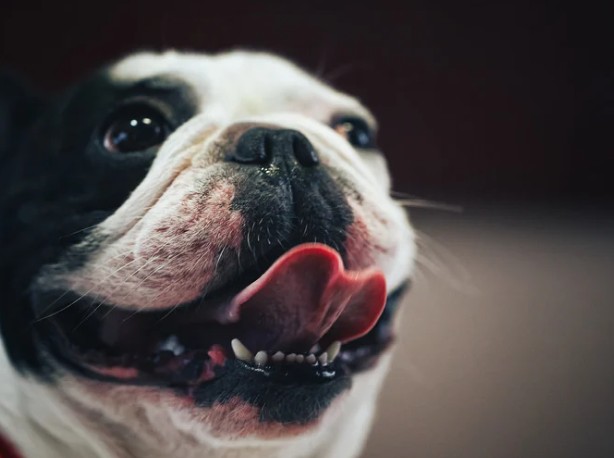
Understanding replaces correction. When you honour the instinct instead of silencing it, trust replaces tension. Connection calms what control cannot, allowing even the smallest guardian to rest without fear.
The Relationship Foundation: Secure Attachment in Small Packages
Moving Beyond Overprotection
Creating secure attachment with your toy breed means finding the balance between providing safety and encouraging independence. This might feel counterintuitive—after all, they’re so small and seemingly vulnerable. But overprotection communicates that you don’t trust your dog’s ability to cope, which undermines the very confidence you’re trying to build.
Secure attachment develops when your dog learns that you are:
- Reliable and consistent in your responses to their emotional needs
- Capable of managing environmental challenges without requiring their defensive intervention
- Supportive of their independent exploration while remaining available as a safe haven
- Calm and grounded even when they become reactive, providing emotional stability rather than matching their arousal
This doesn’t mean withholding comfort or forcing independence before your dog is ready. Rather, it’s about gradually expanding their confidence zone while remaining emotionally available. You’re teaching that safety doesn’t require constant physical contact or defensive displays—it’s an internal state that persists even when circumstances change.
Reframing the Guardian Role
Many toy breed owners unconsciously cast their small dog in the role of guardian or protector, even while recognizing the irony of a three-pound dog defending them. This might manifest through comments like “She thinks she’s protecting me” or “He doesn’t realize how small he is.”
These framings, while affectionate, reinforce problematic dynamics. Your toy breed shouldn’t feel responsible for household security or your safety. That’s a burden no small dog can successfully carry, and attempting to fulfill this role creates chronic stress and hyper-vigilance.
Reframing means actively communicating through your behavior that:
- You handle doorway greetings and arrivals, not your dog
- You decide who enters your home and when
- You remain calm and in control when novel situations arise
- Your dog can defer to your judgment rather than making threat assessments independently
This shift requires consistency. If you sometimes allow or encourage protective displays and sometimes discourage them, you create confusion that increases anxiety. Clear, consistent communication that you’re the competent handler of environmental challenges allows your toy breed to relax into companionship rather than guard duty.
The Practice of Emotional Availability
Emotional availability differs from constant attention or physical contact. You can be emotionally available while reading a book across the room, confident your dog can settle independently knowing you’re present. You can be emotionally unavailable while holding your dog constantly if you’re anxious and distracted.
True emotional availability means:
- Being present and attentive when your dog genuinely needs support
- Remaining calm and grounded during their moments of reactivity rather than becoming anxious yourself
- Noticing and responding to subtle communication before behaviors escalate
- Creating predictable routines and responses that build trust
- Allowing your dog to experience and resolve minor challenges without immediate intervention
This practice builds what researchers call “secure base effect”—your presence provides security not through physical intervention but through reliable emotional stability. Your toy breed learns they can venture forth, investigate, and return to you as an anchor point when needed. 🐾
🐕 Understanding Guarding Instincts in Toy Breeds 🛡️
Why your three-pound Chihuahua acts like a security professional—and what it really means for their emotional wellbeing
🧬 The Genetic Foundation
Why Size Doesn’t Silence Instinct
Your Pomeranian’s ancestors herded livestock in Arctic regions. Yorkshire Terriers were fearless ratters in textile mills. These weren’t decorative animals—they were workers with jobs demanding alertness and vocal announcements.
The neurochemical pathways underlying threat perception function similarly across all dog sizes. When your toy breed perceives danger, their brain activates the same stress response systems as larger guardian breeds—cortisol rises, the amygdala processes threats, and defensive systems engage.
Signs of Strong Genetic Predisposition
- • Rapid alerting response – Notices changes within seconds, often before you do
- • Persistent vocalization – Continues barking even after stimulus has passed
- • Early onset – Guarding behaviors emerged in puppyhood (8-16 weeks)
- • Difficulty disengaging – Struggles to refocus attention once triggered
💭 The Emotional Reality
Insecurity, Not Dominance
Guarding behavior in toy breeds typically stems from insecurity and attachment anxiety rather than territorial control. Your Chihuahua isn’t trying to control the household—they’re communicating that they feel vulnerable.
A confident dog assesses threats and responds proportionally. An anxious small dog remains hyper-vigilant, unable to fully relax. The paradox: the more protective your dog seems, the more insecure they likely feel.
Key Warning Signs of Anxiety-Based Guarding
- • Context dependency – Only guards when in close physical proximity to you
- • Arousal escalation – Reactions intensify rather than diminish as “threat” remains
- • Recovery difficulty – Remains tense and vigilant for extended periods
- • Body language signals – Whale eye, lip licking, trembling, or tucked tail
🎯 Building Confidence, Not Obedience
Environmental Mastery Over Strict Commands
Training should prioritize independence and environmental confidence. Your goal isn’t creating a dog who robotically follows commands while remaining internally anxious. You’re fostering a companion who feels genuinely competent navigating their world.
Through the NeuroBond approach, trust becomes the foundation of learning. When your toy breed trusts that you can reliably manage environmental challenges, their need to guard diminishes naturally.
Practical Confidence-Building Steps
- • Independent navigation – Allow your dog to walk on their own four paws, choosing pace and investigating scents
- • Low-pressure observation – Practice watching triggers from comfortable distances where your dog remains calm
- • Problem-solving opportunities – Provide puzzle toys, scent games, and novel object exploration
- • Co-regulation practice – Use your calm breathing and posture to help regulate your dog’s arousal
⚠️ What NOT to Do
Behaviors That Reinforce Anxiety
Well-intentioned actions can inadvertently strengthen guarding behaviors. Chronic overprotection—constantly shielding your small dog from perceived threats—prevents them from learning to cope independently, leading to heightened anxiety and defensive reactions.
Misinterpreting fear-based defensiveness as “bravery” reinforces maladaptive emotional loops. When you praise your dog for barking aggressively, you’re strengthening their belief that reactive behavior is appropriate and effective.
Avoid These Common Mistakes
- • Constant carrying – Limits independent exploration and creates ground-level anxiety
- • Praising reactive displays – Reinforces defensive behavior as desirable response
- • Tensing during triggers – Your anxiety amplifies your dog’s defensive reactions
- • Inconsistent responses – Sometimes allowing, sometimes discouraging guarding creates confusion and increases anxiety
⚡ Quick Reference: The Confidence Formula
Secure Attachment (reliable emotional presence) + Environmental Mastery (independent success experiences) + Co-Regulation (calm guidance through triggers) = Reduced Guarding Behavior
Remember: Progress measured in months, not weeks. Celebrate small victories: slightly reduced intensity, marginally increased threshold, faster recovery times. Each improvement builds your dog’s confidence foundation.
🧡 The Zoeta Dogsoul Perspective
Your toy breed’s protective displays aren’t character flaws—they’re communication about internal security. The Invisible Leash reminds us that awareness and emotional presence guide the path, not tension or force. Through moments of Soul Recall, your dog learns that safety isn’t contingent on constant vigilance but flows from genuine trust in your shared bond.
Beneath the fierce barks lives a small soul seeking reassurance that they’re understood. When you provide that understanding through patient relationship-building and informed compassion, everything shifts. Your tiny guardian becomes your confident companion.
© Zoeta Dogsoul – Where neuroscience meets soul in dog training
Practical Applications: Daily Life with Your Vigilant Companion
Home Environment Modifications
Creating an environment that supports emotional balance starts with your living space. For toy breeds prone to guarding behaviors, consider these modifications:
Visibility and Vantage Points: Provide low, stable perches where your dog can observe the home without feeling they must patrol constantly. A dog bed near a window with partially obscured sight lines lets them monitor their territory while reducing trigger exposure.
Quiet Retreat Spaces: Designate areas where your dog can disengage from household activity entirely. This might be a covered crate in a quiet room, a bed in your bedroom away from main traffic areas, or a cozy spot under furniture that creates a den-like feeling.
Doorway Management: If doorbell or door-knocking triggers intense reactions, modify your routine. Consider placing visual barriers that prevent your dog from rushing to the door, practice having them settle in a designated spot during arrivals, or use management tools like baby gates that create physical distance from the trigger point.
Sound Buffering: Background noise can mask triggering sounds. White noise machines, calming music designed for dogs, or simply keeping a radio or television on at low volume can reduce your dog’s startle response to outdoor noises.
These environmental modifications don’t solve guarding behaviors alone, but they reduce daily stress and provide your dog with choices about engagement—a key component of emotional security.
Exercise and Mental Stimulation
Physical and mental exercise patterns significantly affect guarding behavior intensity. An understimulated toy breed often channels unused mental energy into hyper-vigilance and reactive displays. However, exercise for toy breeds looks different than for larger, high-energy working dogs.
Appropriate Physical Activity:
- Multiple short walking sessions rather than one long march
- Sniffing walks where your dog sets the pace and investigates scents thoroughly
- Gentle play that engages without creating over-arousal
- Swimming or hydrotherapy if available, which provides exercise without joint stress
Mental Enrichment Focus:
- Puzzle feeders and food-dispensing toys that reward problem-solving
- Scent work activities where your dog searches for hidden treats
- Novel object exploration in controlled settings
- Short training sessions teaching new behaviors or tricks
The goal is creating a balanced daily routine where your dog experiences satisfying activity without exhaustion or overstimulation. A pleasantly tired, mentally engaged dog has less available bandwidth for guarding behaviors.
Socialization Strategies
For adult toy breeds already displaying guarding tendencies, socialization focuses on positive observation and gradual confidence-building rather than forced interaction. This approach differs from puppy socialization, which emphasizes diverse experiences.
Safe Distance Observation: Allow your dog to watch other dogs and people from distances where they remain calm. This might mean 20, 30, or even 50 feet initially. The goal is accumulating positive (or at minimum, neutral) experiences where triggers are present but don’t require defensive responses.
Controlled Positive Interactions: When your dog is ready for closer proximity, structure interactions carefully. Brief, pleasant encounters with calm, dog-savvy individuals or appropriately selected canine playmates create positive associations without overwhelming your dog.
Avoid Forced Greetings: Well-meaning strangers often want to pet small dogs without considering the dog’s emotional state. Advocate for your companion by politely declining interactions when your dog shows hesitation, distance-creating behaviors, or signs of stress.
Consistency Across Contexts: Practice new skills in various environments once mastered at home. Your dog needs to generalize that calm behavior around triggers applies everywhere, not just in familiar settings.
Remember that socialization for toy breeds with guarding tendencies is a gradual, ongoing process measured in months and years, not days or weeks. Patience and consistency create lasting change. 🧠
Health and Wellness Considerations
Physical Health Impacts
Chronic stress and anxiety don’t just affect behavior—they have measurable impacts on physical health. Toy breeds experiencing persistent guarding-related stress may show:
- Compromised immune function, leading to increased susceptibility to illness
- Digestive disturbances including intermittent loose stools or decreased appetite
- Skin conditions that worsen during stressful periods
- Cardiovascular strain from repeated activation of stress response systems
- Sleep disturbances or inability to fully relax even in familiar environments
Addressing guarding behaviors isn’t just about convenience or manners—it’s essential for your dog’s overall wellness. Chronic activation of defensive systems takes a real toll on their body over time.
Nutritional Support
While nutrition alone doesn’t resolve behavioral issues, certain dietary components may support emotional regulation and stress resilience:
Calming Supplements: L-theanine, alpha-casozepine, and certain B-vitamins have research supporting their role in anxiety reduction. Consult your veterinarian about appropriate products and dosing for your dog’s size.
Omega-3 Fatty Acids: EPA and DHA support brain health and may positively influence mood regulation. Quality fish oil supplements formulated for dogs can be beneficial.
Consistent Meal Timing: Regular feeding schedules support stable blood sugar levels, which in turn support stable mood and behavior. Toy breeds’ small body size makes them more susceptible to blood sugar fluctuations that can increase irritability.
Appropriate Caloric Intake: Both underfeeding and overfeeding can affect behavior. Ensure your toy breed maintains healthy body condition, as obesity adds physical stress while undernutrition can increase anxiety and reactivity.
Always work with your veterinarian before adding supplements or making significant dietary changes. What supports one dog’s emotional balance might not be appropriate for another. 🧡
When to Seek Professional Support
Some guarding behaviors benefit from professional intervention beyond what this article can provide. Consider consulting a veterinary behaviorist or certified professional dog trainer specializing in fear and anxiety if:
- Your toy breed’s reactions escalate despite consistent positive training efforts
- Guarding behavior includes actual biting or aggressive contact
- Your dog’s stress level remains constantly elevated with no periods of true relaxation
- Multiple triggers produce intense reactions, making daily life severely restricted
- You feel unsafe or unable to manage your dog’s behavior effectively
- Your own anxiety about your dog’s behavior is significantly impacting your quality of life
Professional support isn’t admission of failure—it’s recognition that complex behavioral issues sometimes require specialized expertise. A qualified professional can assess your specific situation, identify contributing factors you might not recognize, and create a tailored behavior modification plan.
The Long View: Behavioral Change as a Journey
Realistic Expectations and Timeline
Changing deeply ingrained guarding behaviors doesn’t happen quickly. Your toy breed has likely been practicing these responses for months or years, with each repetition strengthening neural pathways associated with defensive arousal. Rewiring these patterns requires patience and consistency measured in months, not weeks.
You might notice initial changes within a few weeks of implementing new approaches—perhaps slightly reduced intensity in reactions or marginally increased threshold before your dog responds. Celebrate these subtle improvements. They indicate your dog is beginning to feel safer and more confident.
Significant behavioral shifts—where your dog consistently responds to formerly triggering situations with calm assessment rather than immediate reactivity—typically emerge over three to six months of dedicated effort. Some dogs with severe anxiety or particularly strong guarding patterns may require a year or more of consistent work.
This timeline isn’t discouraging; it’s realistic. Understanding the journey ahead helps you maintain consistency rather than abandoning approaches because results don’t appear immediately.
Measuring Progress
Progress in behavior modification often appears subtle, especially day-to-day. Tracking specific metrics helps you recognize improvement that might otherwise go unnoticed:
- Duration of reactive episodes (does your dog recover more quickly?)
- Intensity of reactions (are vocalizations less frantic, body language less tense?)
- Distance at which triggers produce reactions (can your dog remain calm at closer proximity than before?)
- Frequency of unprompted guarding displays (are there more calm moments in your daily routine?)
- Your dog’s ability to disengage and refocus when cued
- General relaxation levels throughout the day, including sleep quality
Consider keeping a simple behavior journal noting these factors. Reviewing entries from weeks or months prior often reveals progress that felt invisible in the moment-to-moment experience.
Setbacks and Resilience
Behavioral change rarely proceeds linearly. You’ll experience setbacks where previously improving behaviors suddenly worsen. This is normal and doesn’t indicate failure. Common triggers for temporary regression include:
- Changes in household routine or structure
- Illness or physical discomfort affecting emotional resilience
- Particularly stressful events (construction nearby, holiday visitors, etc.)
- Your own stress or distraction affecting consistency
When setbacks occur, resist the urge to interpret them as permanent backsliding or evidence that your approach isn’t working. Instead, acknowledge them as part of the process, return to basics with your training and management strategies, and trust that your dog’s improved foundational skills remain even when temporarily obscured by stress.
This resilience—the ability to return to calmer baselines after disruption—actually strengthens over time. Each recovery from a setback builds your dog’s capacity to regulate emotions and your own confidence in navigating challenges together. 🐾
Conclusion: From Guardian to Confident Companion
The protective instincts you observe in your Chihuahua, Pomeranian, or Yorkshire Terrier reflect a complex interplay of genetic heritage, emotional experience, and learned behavior. These behaviors aren’t character flaws requiring punishment or suppression. They’re communication—your small companion telling you about their internal sense of security and their perception of their role in your shared life.
Understanding the difference between confidence-based protection and anxiety-driven guarding transforms how you respond to these behaviors. Rather than dismissing reactions as cute quirks or attempting to eliminate them through force, you can address the underlying emotional needs driving them. Through patient relationship-building, environmental modifications, and gradual confidence-development, your toy breed can shift from vigilant guardian to secure, balanced companion.
The NeuroBond approach recognizes that emotional connection and mutual understanding form the foundation for behavioral change. The Invisible Leash reminds us that true guidance flows through calm presence and energetic awareness rather than physical control or coercion. And moments of Soul Recall—when your dog looks to you for reassurance and finds it reliably—gradually rewire their expectations about safety and threat.
This journey requires commitment. There will be challenging moments when progress feels invisible and your small dog’s big reactions test your patience. But you’re not alone in this work, and your efforts genuinely matter for your companion’s wellbeing. Every time you remain calm when your dog becomes reactive, you’re teaching emotional regulation. Every opportunity for independent success you provide builds confidence. Every consistent response you offer strengthens secure attachment.
Your toy breed didn’t choose to feel anxious or hyper-vigilant. They’re doing their best to navigate a world that often feels unpredictable and potentially threatening. By understanding the roots of their protective displays and responding with informed compassion, you offer them something precious: the freedom to simply be a companion rather than a guardian, to explore rather than defend, to relax into trust rather than maintain constant vigilance.
That balance between honoring their nature and fostering their confidence, between providing security and encouraging independence—that’s the essence of Zoeta Dogsoul. It’s recognizing that beneath the fierce barks and determined stances lives a small soul seeking safety, connection, and the reassurance that they’re understood. When you provide that understanding, everything shifts. Your tiny guardian becomes your confident companion, and together you build a relationship rooted not in anxiety but in genuine trust.
Next steps in your journey might include working with a qualified professional, joining a supportive community of toy breed owners navigating similar challenges, or simply committing to daily practices that build your dog’s emotional resilience. Whatever path you choose, know that investing in your small companion’s emotional wellness creates ripples of positive change extending far beyond behavior modification. You’re fostering a deeper bond, supporting their physical health, and offering them the gift of genuine confidence.
The work is worth it. Your toy breed companion deserves to feel safe, secure, and genuinely confident navigating their world. And you deserve the joy of relationship built on mutual trust rather than anxious dependence. Together, you can create that reality—one patient interaction, one calm response, one small victory at a time. 🧡