
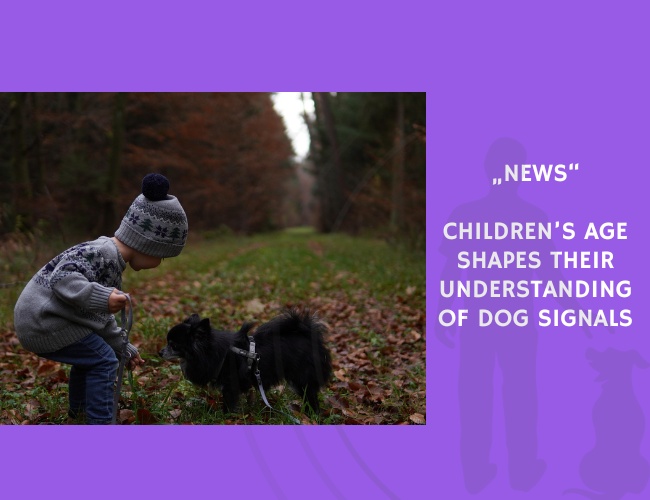
In a study published in the International Journal of Environmental Research and Public Health, Petra Eretová and colleagues explored how children between 4 and 12 years old interpret dog communication cues. The research analyzed whether age influences a child’s ability to recognize the emotional state and context behind dog vocalizations and behaviors—a key factor for preventing misunderstandings and promoting safe human–dog interactions.
The study involved 265 children who were presented with both audio and audiovisual recordings of dogs in various situations, such as play, meeting strangers, or showing distress. Each participant was asked to identify (1) the situation depicted, (2) the dog’s internal emotional state, and (3) how a human might feel in that same context. This multifaceted approach allowed the researchers to assess children’s empathic understanding and situational awareness in relation to canine communication.
The findings revealed that the ability to correctly interpret dog signals increases significantly with age. When assessing audio recordings alone, younger children aged 4–5 years struggled to associate vocal cues with the correct emotional context (p < 0.001), while children aged 6–12 demonstrated strong recognition accuracy, correctly identifying the dog’s emotional state and situation more than 80% of the time. Similar patterns were found in the audiovisual condition, though the results were slightly less pronounced (p = 0.08).
Interestingly, children were best at recognizing the “stranger” context, suggesting that fear- or alert-related signals are easier for them to interpret. In contrast, “play” situations were the most frequently misidentified, indicating that playful cues in dogs—often subtle and fast-paced—may be more difficult for young children to read. The authors also noted that children’s interpretation of the dog’s emotions was significantly associated with their understanding of the overall situation and their inferred human emotional response (p < 0.01).
These results carry important welfare and safety implications. The authors recommend increased supervision for children under six years old when interacting with dogs, as misinterpretation of canine cues could lead to inappropriate handling or accidental provocation. The study emphasizes that educational interventions teaching dog communication could enhance empathy, safety, and understanding in child–dog relationships.
Overall, Eretová et al. highlight that as children mature, they develop stronger perceptual and emotional skills to accurately interpret dog behavior. This developmental trajectory underscores the importance of age-appropriate education in promoting safe and empathetic human–dog interactions.
Source: Eretová, P., et al. (2020). Children’s Understanding of Dog Signals in Audio and Audiovisual Contexts. International Journal of Environmental Research and Public Health, 17. Published January 1, 2020.










