
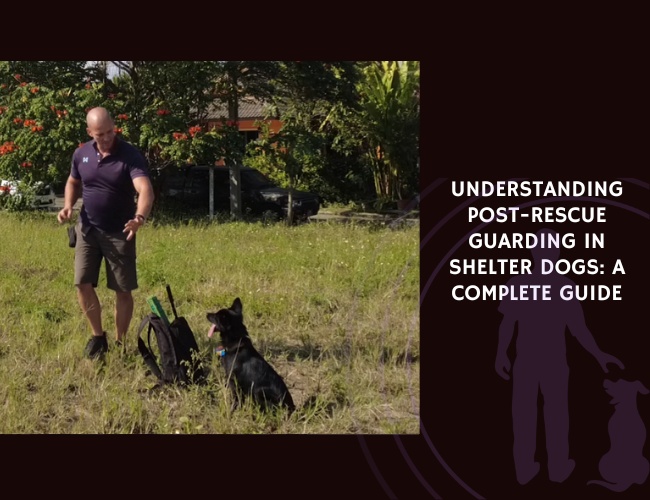
Introduction: When Protection Becomes a Pattern
You’ve opened your heart and home to a rescue dog, and in those first precious weeks, something unexpected happens. Your new companion stiffens over their food bowl, or perhaps a low growl emerges when you approach their favorite toy. This moment can feel confusing, even frightening, but you’re not alone in this experience.
Post-rescue guarding behavior is one of the most misunderstood aspects of shelter dog adoption. It’s not about dominance or defiance. It’s about a dog whose past has taught them that resources might disappear at any moment, and whose nervous system is still learning that safety can be permanent. Understanding the emotional and neurobiological roots of this behavior is the first step toward helping your furry friend heal and trust again.
Let us guide you through the science, the emotion, and the practical wisdom that can transform guarding from a source of stress into an opportunity for deeper connection. Because when we understand what’s happening beneath the surface, we can respond with the patience and insight that true healing requires.
The Emotional Foundations: How Early Life Shapes Resource Security
Early Experiences of Scarcity and Competition
Your rescue dog’s relationship with resources didn’t begin the day you brought them home. It began in their earliest experiences, where scarcity may have been a daily reality. Research shows us that repeated deprivation creates what behaviorists call “resource-based conditioning,” where possession becomes emotionally charged in ways that bypass rational thought.
Think of it this way: if you grew up never knowing when your next meal would come, wouldn’t you hold tightly to food when it finally appeared? For dogs who competed with littermates for limited resources, or who experienced inconsistent feeding in their shelter stay, this emotional imprint runs deep. Their first impression of every new situation involves an automatic calculation of risk and benefit, particularly around resources that matter for survival.
Common early experiences that create resource insecurity include:
- Competition with multiple littermates for limited food, leading to rushed eating and heightened alertness during meals
- Inconsistent feeding schedules in shelter environments where meal times varied based on staff availability
- Frequent resource removal when toys or food were taken away unpredictably during kennel cleaning
- Stray or street dog backgrounds where finding food required constant vigilance and quick consumption
- Previous homes with resource scarcity where multiple pets competed for limited supplies
- Hoarding behaviors learned in survival mode that persist even when abundance becomes available
This isn’t about being “spoiled” or “badly trained.” It’s about a nervous system that learned survival strategies when consistency and abundance weren’t available. Understanding this foundation helps us approach guarding with compassion rather than correction.
The Weight of Prolonged Stress and Unpredictability
Chronic stress doesn’t just make dogs anxious in the moment. It fundamentally alters their threshold for defensive behavior, creating what researchers call “stress-sensitization.” When a dog lives in prolonged uncertainty, whether in a chaotic shelter environment or in previous homes marked by instability, their brain literally rewires to anticipate threat.
The neurobiological research is striking here. Brain structures like the dorsal periaqueductal gray, the paraventricular nucleus of the hypothalamus, and the medial amygdala become hyperactive in chronically stressed animals. These regions orchestrate stress hormone secretion and fear responses, and the medial amygdala specifically plays a crucial role in unconditioned fear behavior and the retrieval of fearful memories.
What this means for your rescue dog is profound: they’re not overreacting to your approach near their food bowl. Their brain is genuinely perceiving a threat level that doesn’t match your intentions, because past experiences have calibrated their alert system to expect danger. This is the stress-sensitization hypothesis in action, and it explains why some dogs who seem fine in most situations suddenly shift into protective mode around specific resources.
You might recognize these stress-sensitization signs in your rescue dog:
- Hypervigilance during meals – constantly looking up, monitoring movement, unable to relax while eating
- Exaggerated startle responses when approached during resource enjoyment, even by familiar people
- Inability to settle near valued items, remaining in a tense, ready-to-defend posture
- Generalized anxiety that spikes dramatically when resources are present in the environment
- Quick escalation from calm to defensive with minimal triggering, showing a compressed response threshold
- Difficulty recovering after a guarding episode, remaining aroused for extended periods
Attachment Insecurity: When Inconsistency Breeds Protection
Attachment theory, originally developed for human relationships, applies beautifully to our canine companions. Dogs who experienced inconsistent care, multiple rehoming events, or unpredictable human behavior develop what we might call “possessive attachment patterns.” They haven’t learned that relationships and resources can be stable and secure.
Building trust with new owners requires time for dogs to learn your behavioral patterns, to understand the comfort limits of their new environment, and to believe that this time, things really will be different. When this trust foundation isn’t established, or when the environment feels inconsistent, defensive possession becomes a coping mechanism. Your dog isn’t being difficult; they’re protecting themselves the only way they know how. 🧡
Through the NeuroBond approach, we recognize that trust becomes the foundation of everything else, including resource security. When dogs feel emotionally safe with their humans, the need to guard diminishes naturally.
The Brain Behind the Behavior: Neurobiological Mechanisms of Guarding
Neural Circuits Activated During Guarding Episodes
When your dog stiffens over a resource, an intricate network of brain regions activates in milliseconds. The amygdala, often called the brain’s fear center, lights up alongside the hypothalamus and prefrontal cortex, creating a cascade of defensive responses that feel automatic and overwhelming to your dog.
The medial amygdala deserves special attention here. Research reveals it’s broadly involved in autonomic stress responses, including the release of stress hormones through the hypothalamic-pituitary-adrenal axis. It’s also central to unconditioned fear behavior, meaning fear responses that don’t require prior learning. The basolateral amygdala and medial prefrontal cortex add additional layers to this response, particularly in processing emotional significance and attempting to regulate fear.
What’s particularly fascinating is that disruptions in these cortical-to-cortical and cortical-to-subcortical circuits, which normally govern emotional control, can create persistent difficulties with regulation. Research on emotion dysregulation in other contexts shows that when the ventromedial and ventrolateral prefrontal cortex can’t effectively communicate with the amygdala and hypothalamus, emotional control becomes compromised.
For your guarding dog, this means their protective response isn’t a choice. It’s a neurological cascade that happens faster than conscious thought. Behavioral disinhibition has even been linked to downregulation of serotonin receptors in the prefrontal cortex and amygdala, highlighting how neurotransmitter balance affects behavioral control. 🧠
Cortisol Rhythms and the Stress Response System
The hypothalamic-pituitary-adrenal axis functions as your dog’s central stress management system, orchestrating the release of cortisol and other stress hormones. In dogs with chronic stress histories, this system often becomes dysregulated, leading to either persistently elevated stress hormones or an exaggerated response to minor triggers.
The paraventricular nucleus of the hypothalamus sits at the hub of this system, receiving signals about potential threats and initiating the hormonal cascade that prepares the body for defense. When this system has been repeatedly activated over months or years, it becomes sensitized, meaning smaller triggers can produce larger responses.
Serotonin, the neurotransmitter often associated with mood regulation, plays a crucial role here too. Downregulation of serotonin receptors in the amygdala and prefrontal cortex has been associated with behavioral disinhibition, meaning reduced ability to inhibit impulsive or defensive responses. This helps explain why some rescue dogs seem to react “too quickly” or “too intensely” to perceived resource threats.
The dopamine reward pathway adds another layer of complexity. This system modulates motivation and the drive to acquire resources through various neuropeptides. When dysregulated, it can affect what researcher Jaak Panksepp called the “SEEKING system,” potentially leading to an exaggerated drive to acquire and protect resources. Your dog isn’t being greedy; their brain’s reward circuitry is sending urgent signals that may not match the actual availability of resources in their new, stable home.
The Healing Power of Oxytocin-Mediated Bonding
Here’s where hope enters the neurobiological picture: oxytocin, often called the “bonding hormone,” has profound implications for reducing guarding behavior. This neuropeptide is central to social bonding, maternal behavior, and the feeling of safety in relationships.
Research shows that oxytocin is transported into the brain through specific receptors on the blood-brain barrier, and this transport is critical for behaviors associated with parenting and social bonding. When this system functions well, it promotes prosocial behavior and modulates social signaling in regions like the nucleus accumbens.
Social experiences, including the formation of a secure bond with you, can actually alter how oxytocin modulates neural signaling to promote prosocial behavior. This means that as your relationship with your rescue dog deepens, their brain chemistry shifts toward trust and away from defensive protection. The consistent, positive interactions you provide aren’t just behaviorally conditioning your dog; they’re literally rewiring their neurochemistry toward security.
Moments of Soul Recall, those instances where your dog looks to you for reassurance and finds it consistently available, strengthen this oxytocin-mediated bonding. Over time, this sense of safety can reduce the perceived need to guard resources, as your dog’s nervous system learns that abundance and security are reliable features of their new life.
Learning and Environmental Influences: The Role of Post-Rescue Context
Environmental Predictability: The Foundation of Security
You might notice that your rescue dog seems calmer and less reactive as weeks turn into months. This isn’t coincidence; it’s the power of environmental predictability taking root. Dogs who’ve experienced chaos, frequent moves, or inconsistent routines need time to learn that patterns can be reliable.
Building trust requires learning your dog’s behavioral comfort limits across different environments and situations. What feels safe in the quiet morning kitchen might feel threatening during a busy dinner preparation. Your dog needs opportunities to experience predictable outcomes repeatedly before their nervous system accepts that this stability is permanent.
Creating environmental predictability involves:
- Consistent daily routines – feeding at the same times, walks at predictable intervals, bedtime rituals that signal safety
- Stable resource locations – food bowls, water stations, and toy storage remain in the same places
- Predictable household patterns – your comings and goings follow recognizable schedules when possible
- Clear spatial boundaries – your dog knows which areas are theirs and which are shared, with these designations remaining constant
- Reliable response patterns from you – your reactions to their behavior remain consistent, never randomly punishing or permitting the same action
- Minimal disruptive changes – when changes must occur, they’re introduced gradually with extra support and reassurance
Adopters’ stories consistently highlight that establishing lasting adoptive relationships requires patience as dogs map the contours of their new world. They need to understand where they sleep, when meals arrive, what handling of their possessions means, and that these patterns remain consistent day after day. This predictability allows the stress-response system to gradually recalibrate.
When you establish clear, consistent routines around resources, you’re not just training behavior. You’re providing the environmental stability that allows your dog’s brain to shift from survival mode to secure attachment. The Invisible Leash reminds us that calm, consistent energy and awareness create the foundation for trust, even before any formal training begins.
How Human Responses Shape Guarding Behavior
Your response to your dog’s guarding behavior matters more than you might realize. Many adopters enter the relationship with unrealistic expectations, then find themselves needing to radically adjust their approach as they understand the complexity of their dog’s needs.
The research on shelter dog behavior assessments reveals something important: while general traits like fearfulness and sociability can be predicted reasonably well, specific problems like aggression and food guarding aren’t reliably forecasted by standardized shelter assessments. This means that how these behaviors manifest, and whether they improve or worsen, depends heavily on the post-adoption environment and human responses.
Inconsistent correction or punishment can dramatically exacerbate insecurity and defensive behaviors. When a dog receives mixed messages about resource access, or when punishment creates additional fear around resources, the guarding behavior often intensifies rather than diminishes. Your dog’s brain interprets punishment during guarding episodes as confirmation that resources are indeed scarce and must be defended more vigorously.
On the other hand, patience, predictability, and positive associations create the psychological safety that allows guarding to fade. Adopters who realize that time and patience are essential ingredients, not optional extras, typically see the most dramatic improvements in their dogs’ security and trust.
Shelter History and Specific Triggers
Did you know that the specific items your dog guards may tell a story about their past experiences? Interestingly, research shows that aggression and food guarding aren’t reliably predicted by standardized shelter assessments, suggesting that the triggers for guarding are more complex and contextual than we might expect.
While shelter history certainly contributes to a predisposition toward guarding, the specific triggers and items guarded often emerge in response to the new environment and social interactions. One dog might guard food bowls but remain relaxed about toys, while another shows the opposite pattern. These variations reflect individual learning histories and the particular scarcities or competitions each dog experienced.
Some dogs who never showed guarding in the shelter environment begin displaying it in a home with multiple pets, or conversely, dogs who guarded intensely in the shelter relax completely in a single-dog household. This variability underscores that guarding isn’t a fixed trait but rather a context-dependent response shaped by environment, past learning, and current social dynamics. 😊
Protect. Recall. Relearn.
Guarding is memory in motion. Each growl tells a story of scarcity and survival. What looks like defiance is the echo of hunger once met with uncertainty.
Stress reshapes perception. When safety was inconsistent, the brain learned to predict loss. Fear sharpens vigilance until even kindness feels like threat.
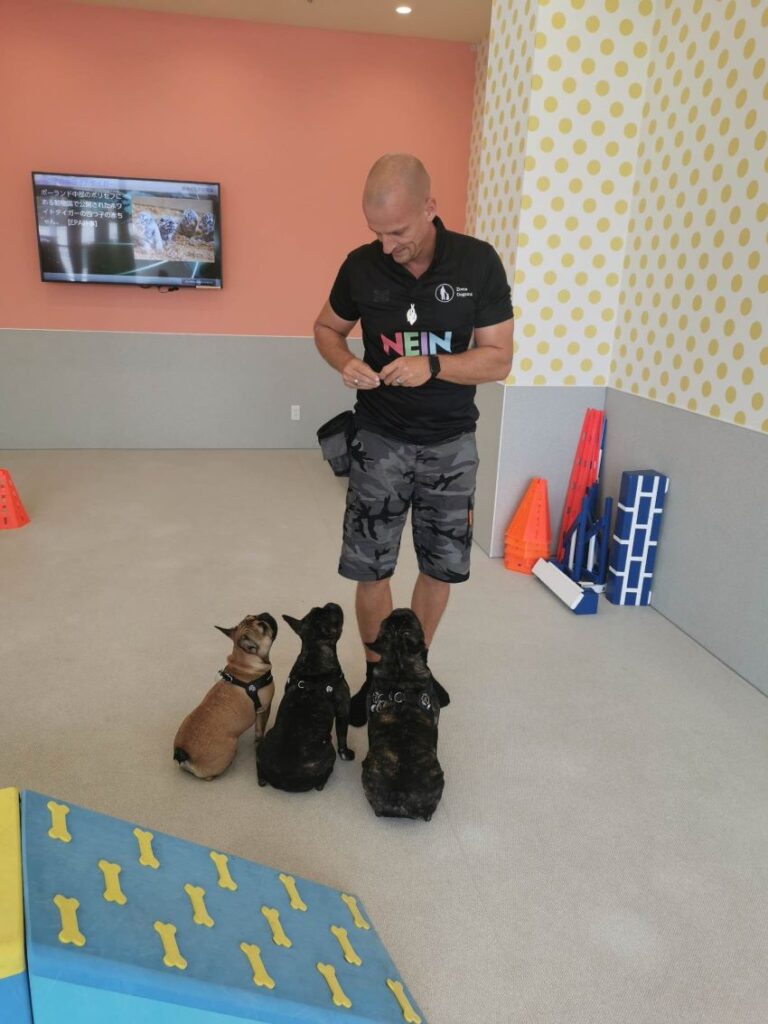
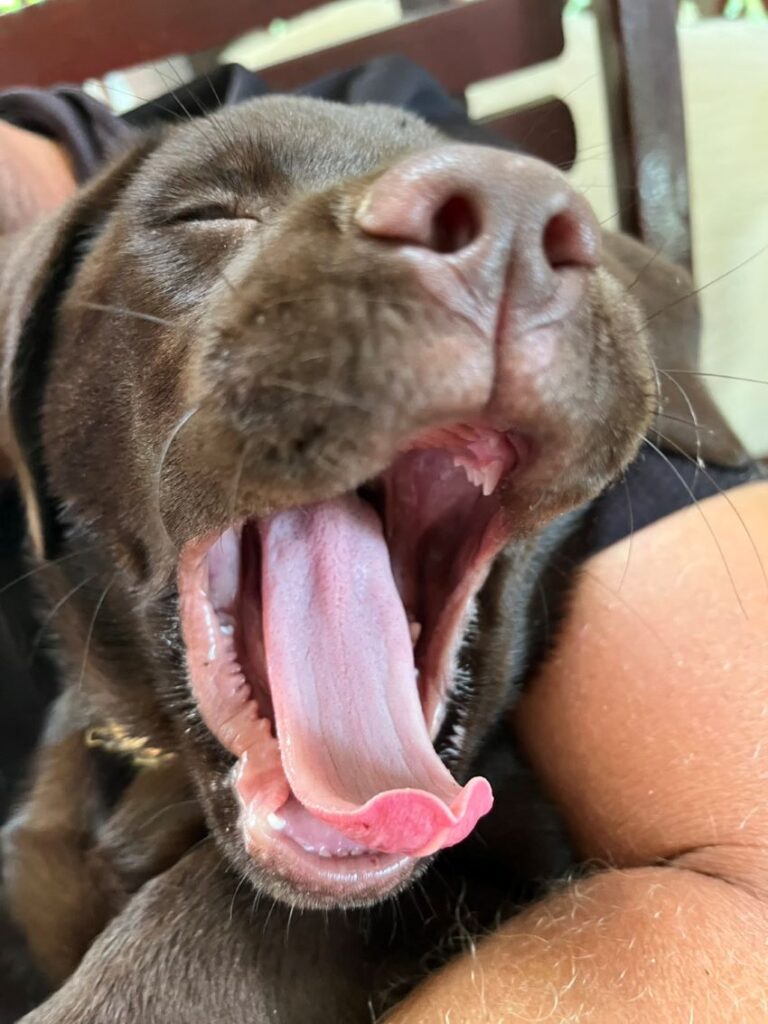
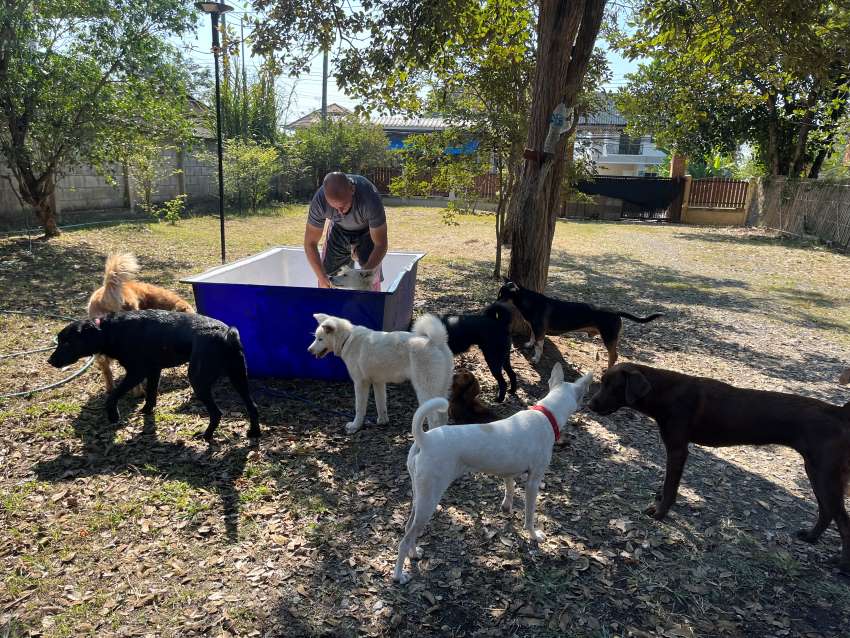
Patience rewrites instinct. Consistent care, gentle presence, and emotional stability teach abundance anew. Over time, trust replaces tension—and possession softens into peace.🐾
Social Dynamics: Multi-Dog Households and Generalizing Trust
Cohabitation with Other Dogs: Support or Competition?
If you’re bringing a rescue dog into a multi-dog household, or adding another dog later, you’re introducing a new layer of social complexity. The dynamics between dogs can either provide social support that reduces anxiety or introduce new sources of competition and stress.
The general principles of social behavior and attachment suggest that whether multi-dog households help or hinder depends largely on individual personalities, resource management strategies, and how you facilitate the relationships. Some rescue dogs relax when they see other dogs eating peacefully, learning through observation that resources are abundant. Others experience heightened competition and increased guarding behavior.
Successful multi-dog households typically involve careful management of high-value resources, at least initially. Feeding in separate spaces, providing individual toys, and ensuring each dog has their own safe zone allows everyone to feel secure. As trust builds and your rescue dog’s nervous system settles, you can gradually introduce more proximity around resources, always watching for stress signals.
The key is recognizing that your rescue dog’s relationship with resources exists within a social context. Other dogs aren’t just companions; they’re potential competitors in the eyes of a dog whose past taught them that scarcity is real and competition is necessary. With thoughtful management, though, multi-dog households can actually accelerate healing by modeling relaxed behavior around resources.
Generalization of Trust: From Owner to Others
You might wonder whether the trust your rescue dog develops with you will naturally extend to other humans and animals. The “first-impression hypothesis” in dog behavior suggests that dogs generally respond positively to strangers to facilitate bonding, then adjust their preferences based on perceived risk and benefit over time.
This means dogs can generalize trust, but the extent depends on consistent positive experiences and the dog’s underlying sense of security. Your rescue dog might be completely relaxed when you approach their food bowl but still guard intensely when visitors are present. This selective guarding reflects that trust is relationship-specific initially and requires many positive experiences to generalize broadly.
Building trust with you as the primary adopter is the critical first step. As this primary bond strengthens and becomes the foundation of your dog’s security, you can then gradually introduce other people into positive interactions around resources. The timeline for this generalization varies dramatically between individuals, from weeks to months or even years for dogs with significant trauma histories.
Patience here is essential. Pushing too quickly for your dog to accept handling from others can actually reinforce the belief that strangers pose a threat to resources. Instead, allow your dog to observe other people providing good things (treats, play, walks) without pressure around guarded items. Over time, this positive association can help trust expand beyond your primary relationship. 🧡
Effective Interventions: Practical Approaches for Rehabilitation
Pre-Adoption Desensitization Programs
While research shows that shelter assessments aren’t reliable predictors of specific problems like food guarding, this doesn’t mean shelters are helpless. Pre-adoption programs focusing on desensitization to resource handling can plant important seeds for success in adoptive homes.
The recommendation for shelters to use behavior assessments in conjunction with ongoing monitoring throughout the entire shelter stay could help identify guarding tendencies earlier. When shelter staff work systematically on positive associations with resource handling, even briefly, they provide adopters with a foundation to build upon.
These programs might involve hand-feeding, teaching “trade” or exchange behaviors, and creating positive associations with human presence near valued resources. While the shelter environment has inherent limitations for this work, establishing even basic comfort with resource handling can make the transition to home smoother and give adopters a head start on building trust.
For prospective adopters, asking shelters about a dog’s comfort level with resource handling provides valuable information, even when formal assessment scores don’t predict outcomes perfectly. Understanding what specific situations trigger guarding allows you to prepare appropriate management strategies from day one.
Post-Rescue Protocols: Co-Regulation and Predictable Access
The stories of successful adopters consistently emphasize one theme: building trust through time, patience, and predictability. Post-rescue protocols that prioritize these elements, creating an environment where dogs feel secure about resource access, form the backbone of effective rehabilitation.
Co-regulation, a concept that recognizes how our emotional states influence our dogs and vice versa, plays a crucial role here. When you remain calm and predictable around your dog’s resources, providing consistent routines and never creating scenarios where your dog feels they must defend their possessions, you’re offering your nervous system as a model for theirs to follow.
The NeuroBond Framework emphasizes this emotional safety and co-regulation as fundamental to healing. This approach recognizes that behavioral change flows from emotional security, not the other way around. Rather than demanding your dog “get over” their guarding through forced exposure, you create conditions where their brain can naturally downregulate the stress response and learn that resources remain available even when shared.
Practical implementation might include:
- Establishing consistent feeding times and locations that feel safe and private
- Never taking items away without trading for something equally or more valuable
- Providing abundance so your dog experiences that resources don’t actually disappear
- Approaching guarded items only to add something wonderful, never to remove
- Respecting your dog’s communication when they signal discomfort
- Building positive associations gradually rather than rushing timeline expectations
This isn’t permissiveness; it’s understanding that sustainable behavioral change requires neurobiological shifts that happen only in the presence of safety and predictability.
Training Adopters to Read Pre-Guarding Cues
Many adopters admit to having unrealistic expectations initially and realizing they were unprepared for the time and patience required to build positive relationships with their rescue dogs. One of the most valuable interventions is education: teaching adopters to recognize the subtle cues that precede guarding behavior.
Pre-guarding signals often appear long before a growl or snap. You might notice your dog’s body stiffening slightly, their eating pace increasing, their eyes tracking your movement with heightened attention, or a subtle lip raise. These early warning signs offer opportunities to change course before your dog feels the need to escalate to more obvious defensive behavior.
When you learn to read these cues, you can:
- Give your dog more space before they need to request it
- Recognize which situations create the most stress and modify them
- Celebrate small signs of relaxation as evidence of progress
- Avoid inadvertently pushing past your dog’s comfort limits
- Build trust by demonstrating that you respect their communication
Providing adopters with real-life adoption stories, detailed education on canine body language, and realistic timelines for behavioral change helps develop reasonable expectations. This knowledge allows adopters to respond constructively to pre-guarding signals rather than feeling surprised or threatened by them, which in turn facilitates increased safety and welfare for both dogs and their new families.
The ability to read your dog’s emotional state and respond appropriately is perhaps the most powerful intervention available. It transforms you from someone your dog must defend against into someone who becomes part of their sense of security. That’s the essence of Zoeta Dogsoul: recognizing that the relationship itself is the intervention, and behavioral change follows naturally when emotional safety is established.
Nutritional Considerations: Feeding Strategies for Guarding Dogs
Creating Positive Mealtime Associations
Mealtime can be the most charged moment of the day for a guarding dog. Rather than viewing this as a problem to solve through force or confrontation, consider it an opportunity to build powerful positive associations that can transform your dog’s relationship with resources.
Hand-feeding portions of meals, at least initially, teaches your dog that your hands bring resources rather than remove them. This simple practice can dramatically shift the emotional charge around your presence near food. Start with low-value foods if your dog shows significant guarding, gradually progressing to more valued items as comfort builds.
Puzzle feeders and slow-feed bowls serve a dual purpose: they extend mealtime, reducing the frantic energy that can accompany food anxiety, and they create positive cognitive engagement that shifts focus from defending to problem-solving. When your dog’s brain is occupied with extracting food from a puzzle, the defensive circuitry has less bandwidth for activation.
Consider feeding in a quiet, low-traffic area where your dog can eat without feeling vulnerable to interruption. This isn’t avoiding the problem; it’s recognizing that security is built incrementally. As your dog relaxes over weeks and months, you can gradually introduce more environmental complexity, always watching to ensure they remain in their comfort zone.
The “Trade-Up” Philosophy: Never Just Taking
One of the most powerful concepts in managing resource guarding is the trade-up or exchange protocol. The principle is beautifully simple: you never just take something away; you always trade for something better.
This approach works with the brain’s reward circuitry rather than against it. When your dog learns that your approach to their resource signals something wonderful is about to appear, the threatening becomes pleasurable. Over time, dogs who once stiffened when humans approached their food bowls begin looking up hopefully, anticipating the upgrade.
Implementation requires consistency and patience:
- Identify resources your dog values highly: special treats, favorite toys, or high-value foods
- When you need to retrieve something your dog possesses, approach calmly with a trade item visible
- Offer the trade before reaching for the original item
- If your dog ignores the trade and guards more intensely, the trade isn’t valuable enough; upgrade and try again
- Celebrate moments when your dog willingly relinquishes items, reinforcing this choice with jackpot rewards
The trade-up philosophy respects your dog’s autonomy while teaching that cooperation leads to better outcomes than defense. It’s not bribery; it’s communication in a language the canine brain understands intrinsically. 😊
Health Considerations: When Guarding Signals More Than Behavior
Pain and Medical Issues Underlying Resource Protection
Sometimes what appears as behavioral guarding has roots in physical discomfort or pain. Dogs experiencing chronic pain, dental issues, gastrointestinal problems, or joint conditions may guard more intensely because they’re already operating with a reduced threshold for stress.
Consider this: if every movement hurts, your dog’s nervous system is already in a heightened state of alert. Adding the stress of potential resource loss on top of physical discomfort can tip them into defensive behavior much more readily. Veterinary examination should be an early step in addressing guarding behavior, particularly if it appears suddenly or intensifies unexpectedly.
Dental pain deserves special attention. A dog with painful teeth or gums may guard food bowls intensely, not because of resource insecurity but because the experience of eating is already uncomfortable, and any interruption requires restarting that difficult process. Addressing the underlying dental issues can sometimes resolve guarding behavior dramatically.
Similarly, gastrointestinal discomfort can create anxiety around food and eating. If your dog experiences nausea, acid reflux, or digestive pain, they may associate these negative sensations with mealtime and become more defensive about the process. A thorough health evaluation helps distinguish behavioral from medical components of guarding.
Thyroid Function and Behavioral Changes
Did you know that thyroid dysfunction can influence aggression and anxiety in dogs? Hypothyroidism, a condition where the thyroid produces insufficient hormones, has been associated with behavioral changes including increased aggression, anxiety, and reactivity.
The thyroid’s hormones influence metabolism, energy levels, and nervous system function. When production is inadequate, dogs may experience mood changes, reduced stress tolerance, and increased irritability. For a rescue dog already predisposed to guarding behavior through past experiences, hypothyroidism can intensify these responses.
Testing thyroid function is relatively straightforward and can be particularly valuable if your dog’s guarding behavior seems disproportionate to their circumstances or if they show other signs of hypothyroidism like weight gain, lethargy, or coat changes. While thyroid supplementation won’t resolve guarding rooted purely in learned behavior, it can significantly improve outcomes when hormonal dysfunction is contributing to reactivity.
This intersection of physiology and behavior reminds us that dogs are integrated organisms. Addressing behavioral challenges sometimes requires medical intervention alongside environmental and training approaches. A holistic perspective considers all these dimensions rather than viewing guarding as purely a training problem. 🧠
Long-Term Management: Living Successfully with a Guarding History
Recognizing That Some Dogs Need Ongoing Management
Here’s an important truth that some adopters find difficult but ultimately liberating: not every rescue dog will fully overcome guarding behavior, and that’s okay. Some dogs, particularly those with significant early trauma or neurobiological sensitivities, may require ongoing management strategies even after substantial improvement.
This doesn’t represent failure, either yours or your dog’s. It reflects realistic understanding of how deeply early experiences can shape neural circuitry and stress responses. A dog who will always prefer to eat undisturbed, who needs their own space with valued toys, or who requires thoughtful introduction protocols with new people isn’t broken. They’re simply a dog whose history requires respectful accommodation.
Long-term management might look like:
- Maintaining separate feeding spaces even years into the relationship
- Providing your dog with a designated safe zone where resources remain untouched
- Implementing consistent protocols when guests visit
- Continuing trade-up practices even after guarding largely resolves
- Respecting your dog’s communication about their comfort limits
Many adopters find that accepting the need for ongoing management actually reduces their stress and improves their relationship with their dog. When you stop pushing for some ideal of complete resource relaxation and instead embrace management as an act of respect, the pressure dissipates for both of you.
Celebrating Progress Over Perfection
In a culture that often values quick fixes and complete solutions, learning to recognize and celebrate incremental progress becomes a radical act of patience. Your rescue dog may never be the dog who allows toddlers to stick hands in their food bowl, but perhaps they progressed from snapping when you walked past their bowl to simply watching you with relaxed body language. That’s profound change deserving of recognition.
Signs of meaningful progress in resource guarding include:
- Longer duration before stress signals appear – your dog can tolerate your presence near resources for increasing periods
- Softer body language – tension decreases, muscles relax, breathing stays even when you approach
- Quicker recovery time – after a guarding episode, your dog returns to baseline calm more rapidly
- Voluntary trade behavior – your dog begins offering items without prompting when you appear with treats
- Expanded trust circle – people beyond you can now approach resources without triggering defense
- Relaxed eating pace – meals are consumed at a normal speed rather than frantically gulped
- Willingness to pause – your dog can look up from a resource without feeling compelled to guard it more intensely
- Reduced pre-guarding signals – fewer stiff postures, hard stares, or freeze responses before escalation
Tracking these changes helps maintain perspective during the sometimes long rehabilitation process. Take videos periodically to document body language changes that might not be obvious day to day. Celebrate the week when your dog left a toy accessible on the floor instead of hiding it. Acknowledge the moment when your dog’s hackles stopped raising when you approached their dinner.
These victories matter because they represent real neurobiological and emotional shifts. Your dog’s brain is literally rewiring, creating new patterns and associations that support security over defense. This process deserves respect for its complexity and celebration for every milestone achieved. 🧡
Lifestyle and Environmental Optimization
Space Design for Security
The physical environment you create profoundly influences your guarding dog’s sense of security. Thoughtful space design isn’t about elaborate setups; it’s about recognizing how environmental factors affect your dog’s perception of vulnerability and resource stability.
Consider establishing a “safe zone” for your dog, a space that’s theirs alone where they can retreat with valued resources without concern about interruption. This might be a crate with the door always open, a dog bed in a quiet corner, or a designated room. The key is consistency: this space remains inviolate, a guaranteed sanctuary.
Feeding areas benefit from similar consideration. High-traffic kitchen areas where family members constantly move past can create ongoing stress for guarding dogs. A quiet corner where your dog can eat without feeling the need to monitor approaching humans allows their nervous system to relax during meals. As comfort builds, you can gradually reintroduce environmental complexity.
For multi-dog households, ensuring adequate space and multiple resource stations prevents competition from escalating. Rather than one water bowl and one toy basket, provide several stations throughout your home. This abundance and distribution reduces the perception that resources are limited and must be defended.
The Invisible Leash principle applies to space design too: creating an environment where calm awareness and security are built into the physical structure, before any behavioral intervention begins. Your home becomes part of the healing process when space itself communicates safety.
Conclusion: The Journey from Protection to Trust
Post-rescue guarding in shelter dogs represents one of the most challenging and rewarding aspects of adoption. It asks us to see beyond behavior to the emotional and neurobiological foundations that drive it, to exercise patience when instinct wants quick solutions, and to trust that healing is possible even when progress feels impossibly slow.
Understanding that guarding emerges from a complex interplay of early life scarcity, chronic stress sensitization, neural circuits governing fear and emotion, and dysregulated stress hormones allows us to respond with compassion rather than punishment. When we recognize that the amygdala, hypothalamus, and prefrontal cortex are orchestrating responses faster than conscious thought, we can release judgment and embrace the patient work of helping our dogs’ brains rewire toward security.
The science of oxytocin-mediated bonding offers profound hope: the relationship you build with your rescue dog isn’t just emotionally meaningful; it’s neurochemically transformative. Every moment of consistent care, every positive association around resources, every instance of predictability strengthens neural pathways that support trust over defense.
Living successfully with a guarding dog requires accepting that some may need ongoing management, celebrating incremental progress, and understanding that your calm, consistent presence is the most powerful intervention available. Through the principles of NeuroBond, recognizing that emotional safety enables all other change, you become not just your dog’s owner but their partner in healing.
Is this journey right for you? It requires time, patience, education, and the willingness to see the world through your dog’s eyes. It asks you to accept that progress isn’t linear, that setbacks will occur, and that some dogs may always need thoughtful management. But for those who embrace this path, the reward is profound: witnessing a traumatized dog learn that resources can be abundant, that humans can be trustworthy, and that security can be permanent.
That balance between understanding the neuroscience and honoring the soul, between structure and compassion, between managing behavior and healing emotion—that’s the essence of Zoeta Dogsoul. Your rescue dog’s guarding behavior isn’t a character flaw to be eliminated; it’s a window into their history and an invitation to participate in their healing. 🧡










