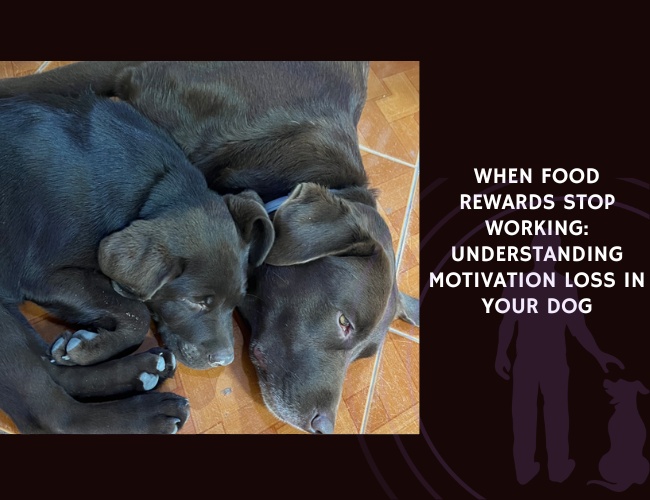
You’ve been working with your dog for weeks, maybe months. The training sessions started brilliantly—every treat sparked enthusiasm, every reward brought focus. But lately, something has shifted. Your dog glances at the treat in your hand with indifference, turns away mid-session, or simply seems… disengaged. You might find yourself wondering: “What changed? Why doesn’t this work anymore?”
Let us guide you through one of the most misunderstood challenges in canine learning: reward devaluation. This phenomenon, where food rewards gradually lose their motivational power, affects countless dogs and their humans. Understanding why it happens—and more importantly, what you can do about it—can transform your relationship with your furry friend and restore the joy in your training journey.
The Hidden Science Behind Motivation Loss
Understanding Your Dog’s Reward System
Your dog’s brain is an intricate network of chemical messengers and neural pathways, all working together to drive behavior, emotion, and learning. When you offer a treat, you’re not just feeding your dog—you’re triggering a complex cascade of neurochemical responses that shape how they perceive that reward.
Dopamine: The “Wanting” Chemical
Contrary to popular belief, dopamine isn’t about pleasure—it’s about anticipation and desire. When your dog sees you reach for the treat pouch, dopamine floods specific brain regions, creating that spark of motivation we call “wanting.” This is incentive salience in action: the brain assigns value to the reward before it’s even received.
However, here’s where things get interesting. When rewards become highly predictable—same treat, same timing, same outcome—the brain’s dopamine response begins to flatten. The neural “surprise” diminishes, and with it, the motivational drive. Your dog’s brain essentially thinks, “I know exactly what’s coming, so why get excited?”
The Reward Prediction Error Effect
Imagine opening a gift you already know contains exactly what you expected. The excitement just isn’t the same, is it? Your dog experiences something similar through what neuroscientists call the reward prediction error (RPE).
The RPE represents the difference between what your dog expects and what actually happens. When there’s a mismatch—an unexpected reward, a higher-value treat, or even no reward when one was expected—the brain pays attention. These prediction errors drive learning and maintain engagement. But when every training session follows an identical pattern, that error signal disappears, taking motivation along with it.
Research shows that subsecond dopamine fluctuations in the striatum encode these error signals, constantly updating the brain’s internal model of reward value. When predictability is high, these crucial signals weaken, and your dog’s enthusiasm wanes. 🧠
The Neurotransmitter Symphony
While dopamine takes center stage, it doesn’t perform solo. Your dog’s motivation emerges from an intricate interplay of multiple neurochemical systems. Dopamine dynamics promote performance in reward-guided behaviors, with distinct striatal subregions processing prediction errors across different time horizons.
Think of it as an orchestra: dopamine provides the rhythm of anticipation, but the full experience requires harmony across multiple systems. When training becomes monotonous, this symphony loses its complexity, and motivation fades into a single, repetitive note.
When Emotions Override Appetite
The Power of Stress and Anxiety
You might notice your dog eagerly accepting treats at home but completely ignoring them during a walk in a busy park. This isn’t stubbornness—it’s biology. Stress and anxiety fundamentally alter your dog’s internal landscape, shifting priorities from appetitive behaviors to survival mechanisms.
Affective Interference in Action
When your dog experiences stress, their cognitive resources redirect toward managing that emotional state. The prefrontal cortex, responsible for decision-making and impulse control, becomes overwhelmed. Even your dog’s favorite treat loses its appeal because the brain is saying, “We have bigger concerns right now.”
Studies demonstrate that dogs display more stress behaviors when their owners are distressed, highlighting emotional contagion between species. If you’re tense during training—perhaps frustrated that the treats aren’t working—your dog absorbs that tension, creating a feedback loop that further diminishes food motivation.
This is where the NeuroBond approach becomes essential. Rather than pushing harder with food rewards, we recognize that emotional safety must come first. A dog who feels secure, understood, and emotionally regulated can engage with learning. A stressed dog cannot, regardless of how enticing the treat. 🧡
Emotional Dissonance and Classical Devaluation
Here’s a scenario many trainers encounter: you’re working on reactivity training with your dog. Every time they see another dog and show stress signals, you offer a treat to “create a positive association.” But over time, your dog becomes less interested in those treats, even seeming to avoid them.
What’s happening? Emotional dissonance. When a reward consistently appears in the context of stress, confusion, or fear, the brain can begin associating that reward with the negative emotional state rather than viewing it as a positive reinforcement. The treat becomes a predictor of discomfort, not pleasure.
This classical devaluation process means the reward itself acquires different associative properties. Instead of “treat equals good,” your dog’s brain learns “treat equals something stressful is about to happen.” The motivational value plummets, not because your dog is full or bored, but because the emotional context has fundamentally changed the meaning of the reward.
The Handler Tension Factor
Your emotional state matters more than you might realize. Dogs are remarkably attuned to human emotions, reading microexpressions, body language, and even chemical signals we’re not consciously aware of. When you enter a training session feeling frustrated, anxious, or impatient, your dog picks up on those cues immediately.
Handler tension creates what researchers call an “emotional contagion effect.” Your stress becomes your dog’s stress, triggering the same affective interference mechanisms that make food rewards ineffective. You might notice your dog avoiding eye contact, moving more slowly, or displaying displacement behaviors like sniffing the ground—all signals that emotional discomfort is overriding their food motivation.
The solution isn’t just to “relax” (though that helps). It’s about cultivating genuine emotional co-regulation, where both you and your dog can find a state of calm presence together. This foundation of social safety makes learning possible again. 🐾
Context, Hunger, and Habituation
The Satiety Factor
This one seems obvious, but it’s worth emphasizing: a full dog won’t be motivated by food. Yet many training protocols recommend multiple short sessions throughout the day, often with generous treat portions. By the third or fourth session, your dog simply isn’t hungry anymore.
The timing of training sessions relative to meals significantly impacts reward effectiveness. Training just before mealtime, when your dog’s ghrelin levels (the “hunger hormone”) are naturally elevated, can dramatically improve food motivation. Conversely, training after a meal, when satiety signals dominate, often leads to frustrating sessions where even high-value treats fall flat.
Strategic Feeding for Optimal Training
Consider adjusting your approach: reserve a portion of your dog’s daily food allowance specifically for training. Use their regular meals as training opportunities, making them “work” for their breakfast or dinner through short, positive training interactions. This maintains appropriate hunger levels while preventing overfeeding and ensures food rewards retain their value.
Novelty and the Habituation Trap
Imagine eating your favorite food—let’s say, pizza—for every meal, every day, for months. Even the most delicious pizza would eventually lose its appeal. Your dog experiences the same habituation effect with treats.
When a single type of reward appears predictably and repeatedly, its novelty diminishes. The brain’s response to that familiar stimulus weakens, a process neuroscientists call “sensory-specific satiety.” The treat isn’t less tasty; it’s less interesting, less surprising, less motivating.
This reinforcement fatigue becomes particularly problematic when trainers rely exclusively on one or two “high-value” treats. What was once incredibly motivating becomes mundane through overexposure. The solution isn’t necessarily to find ever-more-enticing treats (though variety helps), but to understand that predictability itself is the enemy of sustained motivation.
Context: The Invisible Training Partner
Your dog doesn’t experience treats in a vacuum. Every reward comes wrapped in a context: the environment, the distractions, the emotional atmosphere, the sensory landscape. A treat that’s irresistible in your quiet living room might be completely ignored in a crowded training class.
Research on canine search vigilance reveals that context profoundly influences reward responsiveness. Dogs working in high-distraction or novel environments require different reinforcement strategies than those in familiar settings. The competing stimuli—interesting smells, movement, other dogs, environmental stressors—can completely overwhelm food motivation.
Environmental Arousal and Reward Processing
Your dog’s arousal level significantly impacts their ability to process and respond to rewards. Too much arousal (excitement, stress, fear) narrows cognitive focus and can trigger what’s called “cognitive narrowing,” where the dog literally cannot perceive or value the food reward you’re offering.
Too little arousal leads to boredom and disengagement. The sweet spot—what trainers sometimes call the “zone of optimal learning”—requires moderate arousal where your dog is alert, engaged, but not overwhelmed. In this state, food rewards work as intended. Outside this zone, motivation crumbles regardless of treat quality. 😊
Training Variables That Make or Break Motivation
Timing: The Millisecond Window
You’ve probably heard that timing matters in dog training, but the precision required might surprise you. Research consistently shows that reinforcement delivered within one second of the desired behavior creates the clearest learning contingency. Beyond three seconds, the connection weakens significantly.
But timing isn’t just about speed—it’s about clarity. When you deliver a reward, are you marking the exact behavior you want, or are you accidentally reinforcing whatever your dog is doing in that moment? Poor timing creates confusion, and confusion erodes motivation faster than almost anything else.
Your dog begins to wonder: “What exactly are we doing here? What’s the relationship between my actions and these treats?” When that question remains unanswered due to imprecise timing, engagement naturally declines. The reward loses meaning because the contingency isn’t clear.
The Power of Clear Communication
This is where marker training—using a click, word, or other signal to precisely identify the desired behavior—becomes invaluable. The marker bridges the timing gap, telling your dog “Yes, that exact thing you just did is what earned this reward.” This clarity maintains motivation even when food is delivered a second or two after the marker.
Without clear timing and marking, training becomes a guessing game. And dogs, like humans, tend to disengage from games they can’t figure out.
Precision in Reward Delivery
How you deliver a treat matters as much as when. Consider these questions:
- Are you rewarding at your dog’s nose level or making them jump and snap for it?
- Does treat delivery interrupt the behavior you’re trying to reinforce?
- Are you creating accidental arousal spikes through frantic treat dispensing?
- Is your treat delivery smooth and predictable, or rushed and chaotic?
Each of these variables influences how your dog perceives the reward and processes the learning moment. Smooth, precise delivery maintains focus and flow. Chaotic delivery creates confusion and stress, triggering the affective interference mechanisms we discussed earlier.
Some trainers develop almost ritualistic precision in their reward delivery—same position, same motion, same calm energy. This consistency isn’t about being robotic; it’s about creating a reliable structure within which learning can flourish.
Arousal Management: The Forgotten Variable
Perhaps the most overlooked factor in reward devaluation is arousal management. Your dog’s internal state—their level of excitement, alertness, and energy—profoundly affects how they respond to reinforcement.
Over-Arousal and Motivation Loss
High arousal might seem like enthusiasm, but it often interferes with learning. An over-excited dog struggles with impulse control, has difficulty processing information, and may grab treats frantically without actually connecting them to specific behaviors. Over time, this can lead to frustration and eventual disengagement when treats become associated with that frantic, unsatisfying emotional state.
Conversely, under-arousal (boredom, fatigue, disinterest) means your dog simply isn’t engaged enough for food to be motivating. They’re going through the motions without genuine participation.
The Invisible Leash concept reminds us that true connection happens in a space of calm awareness, not frantic excitement or dull compliance. When you can guide your dog to that middle ground—alert, interested, but not overwhelmed—food rewards regain their effectiveness because your dog can actually process and learn from them. 🧠
Individual Differences: Why Your Dog Is Unique
Breed Tendencies and Reward Responsiveness
While every dog is an individual, breed characteristics can influence how dogs respond to food rewards over time. Working breeds, selected for sustained focus and drive, may habituate differently than companion breeds selected primarily for social interaction.
The Working Dog Consideration
Border Collies, Belgian Malinois, German Shepherds, and similar working breeds often show intense initial food motivation but can also desensitize more quickly to repetitive reward schedules. Their brains are wired for complex problem-solving and environmental engagement, which means pure food-based training may not tap into their full motivational potential.
These breeds often benefit from mixed reinforcement models where food is combined with opportunities to engage in breed-specific behaviors—herding, retrieving, searching—as part of the reward structure. The activity itself becomes reinforcing, preventing the devaluation that comes from relying solely on edible treats.
Conversely, some breeds selected for companionship (Cavalier King Charles Spaniels, Havanese, certain toy breeds) may maintain food motivation longer but also show stronger responses to social and tactile rewards. Understanding your dog’s genetic heritage helps you anticipate their motivational needs.
Personality and Individual Variation
Beyond breed, individual personality traits significantly influence reward persistence. Research on pet dogs rescuing distressed owners found that individual variation, success in food tasks, and previous experience were strong predictors of performance—highlighting how personality shapes motivation.
Sociality and Reward Effectiveness
Highly social dogs—those who seek frequent eye contact, enjoy proximity to humans, and show strong attachment behaviors—often respond particularly well to mixed reinforcement that includes praise and social interaction. For these dogs, food rewards work best when embedded in a context of social connection.
Dogs scoring lower on sociality measures may maintain food motivation longer precisely because they’re less affected by the social-emotional context of training. They’re more purely transactional in their approach, which has both advantages and limitations.
Impulsivity, Curiosity, and Learning Styles
Impulsive dogs may grab treats eagerly but struggle to maintain focus for delayed rewards or complex behavior chains. They’re prone to frustration when food doesn’t appear immediately, which can accelerate devaluation.
Curious, exploratory dogs often benefit from environmental rewards alongside food—opportunities to investigate, explore, or engage with novel objects. For these individuals, food might lose value simply because it’s less interesting than everything else happening around them.
Neophobic dogs (those wary of new experiences) may struggle with novel treat types, preferring familiar foods even when they’ve somewhat habituated to them. These dogs often respond better to gradual introduction of reward variety rather than sudden changes in reinforcement strategy.
Early Life Influence on Reward Resilience
While the research doesn’t provide extensive detail on this topic, it’s widely recognized among behavioral scientists that early life experiences shape adult learning patterns. Puppies raised in enriched environments with varied food experiences, positive human interaction, and diverse sensory stimulation often show greater flexibility in their reward responsiveness as adults.
Dogs with restricted early feeding experiences—perhaps from resource scarcity, competition, or stress—may show different patterns. Some become hyper-focused on food to the point where over-arousal interferes with learning. Others develop food anxiety that makes training with edible rewards challenging regardless of the training methodology employed.
Understanding your dog’s history, when possible, helps you anticipate and work with their individual motivational profile. 🧡
Medical and Health Considerations
When Appetite Loss Signals Health Issues
Before assuming your dog’s disinterest in food rewards is purely behavioral or training-related, it’s essential to rule out underlying health conditions that can significantly impact appetite and motivation. Sometimes what appears as reward devaluation is actually your dog communicating that something isn’t right physically.
Physical Health Factors to Consider
Dental problems are among the most common culprits affecting food motivation. Painful teeth, gum disease, oral infections, or broken teeth can make chewing uncomfortable or even agonizing. You might notice your dog approaching treats with interest but then dropping them, chewing carefully on one side, or showing reluctance to take harder treats they previously loved.
Gastrointestinal issues create another layer of complexity. Dogs experiencing nausea, acid reflux, inflammatory bowel disease, or food sensitivities may associate treats with subsequent discomfort. Even if the treat itself isn’t the cause, the timing of digestive distress can create negative associations that override food motivation during training sessions.
Chronic pain from conditions like arthritis, hip dysplasia, or back problems shifts your dog’s internal priorities. When your body hurts, appetite naturally decreases, and the motivation to perform physical behaviors for food rewards diminishes. You might notice your dog seems less interested in treats specifically during or after movement-based training.
Medication side effects frequently impact appetite and food motivation. Antibiotics, pain medications, steroids, and many other common prescriptions can cause nausea, taste changes, or reduced appetite. If your dog’s motivation loss coincided with starting a new medication, this connection deserves investigation.
Age-Related Changes in Food Motivation
Your dog’s relationship with food rewards naturally evolves across their lifespan, and understanding these developmental stages helps you adjust expectations and training approaches accordingly.
Puppies (8 weeks – 6 months): Young puppies typically show intense food motivation driven by rapid growth, high metabolic demands, and limited impulse control. This “easy mode” for training can mask poor technique—puppies will work enthusiastically despite imprecise timing, confusing sessions, or inappropriate arousal levels. Don’t mistake this developmental phase for permanent food obsession or assume your current training approach will work indefinitely.
Adolescents (6 months – 2 years): This challenging period often brings the first noticeable decline in food motivation. Hormonal changes, increased environmental awareness, and developing independence mean treats compete with countless other interesting stimuli. What worked beautifully at 4 months may suddenly feel ineffective at 8 months—this is developmentally normal, not training failure.
Adults (2 – 7 years): Mature dogs typically stabilize in their food motivation patterns, though individual variation is significant. Some maintain puppy-like enthusiasm; others become more selective. This life stage reveals your dog’s true motivational profile, unmasked by developmental extremes.
Seniors (7+ years): Older dogs commonly show reduced food motivation due to decreased metabolic rate, diminished sense of smell and taste, dental deterioration, and various age-related health conditions. They may also develop specific food preferences or aversions as their bodies change. Adjusting to gentler, more palatable treats and incorporating more social and comfort-based rewards becomes increasingly important.
Differentiating Behavioral from Medical Causes
How do you know whether motivation loss stems from training issues or health problems? Watch for these distinguishing patterns:
Indicators Suggesting Medical Issues
- Sudden, dramatic change in food interest (not gradual decline)
- Reduced appetite for meals, not just training treats
- Selective acceptance (only soft treats, only certain flavors)
- Physical signs: drooling, pawing at mouth, difficulty chewing, dropping food
- Changes in elimination, energy level, or behavior beyond training
- Age-appropriate conditions (dental disease in older dogs, for example)
- Timing correlation with medication changes or illness
Indicators Suggesting Behavioral/Training Issues
- Gradual decrease over weeks or months
- Normal appetite for meals but disinterest during training
- Context-dependent (motivated at home, not in class)
- Correlation with training schedule changes or methodology shifts
- Stress signals present during training sessions
- Normal physical examination and bloodwork
When in doubt, your veterinarian should always be your first consultation. A simple physical examination can identify obvious issues like dental disease, and basic bloodwork can reveal metabolic conditions affecting appetite.
When to Consult a Veterinarian Before Continuing Training
Seek veterinary guidance before resuming or continuing training if you notice:
- Sudden, complete food refusal (both meals and treats)
- Weight loss or obvious body condition changes
- Vomiting, diarrhea, or other gastrointestinal symptoms
- Behavioral changes beyond training context (lethargy, hiding, aggression)
- Pain indicators: limping, stiffness, reluctance to move, vocalization
- Changes in drinking, urination, or elimination patterns
- Bad breath, drooling, or obvious oral discomfort
Your dog’s physical health provides the foundation for all training. No technique, however brilliant, can overcome the motivational impact of pain, nausea, or metabolic dysfunction. Taking care of your dog’s body takes care of their ability to learn. 🧡
Practical Implementation Guide
Your First Variable Reinforcement Session: Step-by-Step
Ready to implement variable reinforcement but not sure where to start? Let’s walk through your first session together, transforming theory into practice.
Before You Begin
- Choose a behavior your dog knows reliably (80%+ success rate)
- Select 3 different treat types: low-value, medium-value, high-value
- Set a timer for just 5 minutes (seriously, keep it short)
- Ensure your dog is mildly hungry (2-3 hours after their last meal)
- Choose a familiar, low-distraction environment
- Have a notepad nearby to track what happens
The Session Structure
Minutes 1-2: Establish the Pattern Ask for the known behavior 5-6 times, rewarding every single response with medium-value treats. This reminds your dog of the game and creates initial engagement. Keep your energy warm but calm—enthusiasm without frenzy.
Minutes 3-4: Introduce Variability Now the magic begins. Ask for the behavior, but this time:
- Response 1: Medium treat, delivered normally
- Response 2: Wait 2 seconds, then mark and reward with low-value treat
- Response 3: No reward, just verbal praise, immediately ask again
- Response 4: JACKPOT! Three high-value treats delivered one after another with genuine celebration
- Response 5: Medium treat
- Response 6: Low-value treat after a 3-second delay
Notice what you’re varying: timing, value, and quantity. Your dog cannot predict what’s coming when, reintroducing that crucial reward prediction error.
Minute 5: End Strong Ask for one final response and deliver a small jackpot (2 high-value treats) with warm praise. End while your dog still wants more—never train to fatigue or frustration.
Post-Session Reflection
Take 2 minutes to note:
- Did your dog’s enthusiasm increase, decrease, or stay steady?
- Which reward variations produced the strongest responses?
- Were there any signs of confusion or stress?
- How did YOU feel during the session?
Repeat this session structure 2-3 times over the next week, gradually increasing the unpredictability. You’re building a new pattern where “not knowing” becomes exciting rather than frustrating.
Sample Training Schedules for Different Dog Types
Training frequency and structure should match your dog’s individual needs, not generic recommendations. Here are evidence-based templates for different profiles:
The High-Energy Working Breed Best for: Border Collies, Malinois, Australian Shepherds, Jack Russells
- Frequency: 4-6 short sessions daily (3-5 minutes each)
- Timing: Before exercise when mildly aroused, or after exercise when slightly tired but not exhausted
- Structure: Fast-paced with varied activities; mix obedience with problem-solving and breed-specific outlets
- Rewards: Heavily emphasize play and activity rewards over pure food
- Rest: Mandatory 1-2 training-free days per week for mental recovery
The Sensitive, Thoughtful Learner Best for: Shetland Sheepdogs, Papillons, some Herding breeds, anxious individuals
- Frequency: 2-3 sessions daily (5-7 minutes each)
- Timing: When calm and settled, avoiding high-distraction periods
- Structure: Slower-paced with clear communication; prioritize success over challenge
- Rewards: Mix food with calm social interaction and environmental access
- Rest: Frequent breaks within sessions; end before any stress signals appear
The Food-Motivated Social Butterfly Best for: Labradors, Golden Retrievers, Beagles, many companion breeds
- Frequency: 3-4 sessions daily (5-8 minutes each)
- Timing: Variable to prevent predictability
- Structure: Incorporate social rewards and interactions; train in varied locations
- Rewards: Food with variable schedules from early on; mix with play
- Rest: Focus on preventing satiation—train before meals, reserve portion for training
The Independent, Easily Bored Type Best for: Hounds, Northern breeds, Terriers, cat-like personalities
- Frequency: 2-3 sessions daily (3-5 minutes maximum)
- Timing: When your dog initiates interaction or shows interest
- Structure: Make it their idea; heavily emphasize choice and environmental rewards
- Rewards: Novel treats constantly rotated; incorporate “real life” rewards heavily
- Rest: Respect disengagement signals; never push for compliance
The Adolescent in Flux Best for: Dogs 6-18 months old regardless of breed
- Frequency: 2-4 sessions daily (3-6 minutes each)
- Timing: Extremely flexible—train whenever you catch good focus
- Structure: Lower expectations; reinforce basics rather than progressing
- Rewards: Whatever works that day (they’ll change weekly!)
- Rest: Patience with regression; this phase passes
Treat Value Hierarchy Exercise
Understanding what truly motivates YOUR specific dog prevents wasted effort with ineffective rewards. This 20-minute exercise creates your personalized reward hierarchy.
What You’ll Need
- 8-10 different treats/rewards (variety of textures, flavors, proteins)
- Your dog, mildly hungry
- Quiet space without distractions
- Notebook and pen
The Testing Process
Present each treat individually at nose level. Observe and rate your dog’s response on this scale:
- 5 points: Intense focus, eagerly takes it, wants more immediately, arousal increases
- 4 points: Takes it readily with enthusiasm, shows clear interest
- 3 points: Takes it but without excitement, neutral body language
- 2 points: Takes it slowly or hesitantly, may hold without eating
- 1 point: Sniffs and turns away, or refuses completely
Test each treat twice at different times to confirm consistency. Record the scores.
Creating Your Hierarchy
Organize treats into categories:
- Emergency/Jackpot (5 points): Reserve for breakthroughs, high-distraction environments, special celebrations
- High-Value (4 points): Variable reinforcement surprises, building new behaviors
- Medium-Value (3 points): Everyday training, maintaining known behaviors
- Low-Value (2-3 points): Filler rewards in variable schedules, rapid-fire repetitions
Anything scoring 1 point isn’t a reward for your dog—remove it from training entirely.
Non-Food Reward Testing
Repeat the process with:
- Different types of praise (enthusiastic, calm, high-pitched)
- Various toy interactions (tug, fetch, squeaky toys)
- Environmental access (sniffing, exploration, greeting people)
- Physical affection (petting locations, scratching, gentle massage)
You’re building a complete motivational profile, revealing what truly drives your unique dog. Update this hierarchy every 3-6 months as preferences evolve. 🐾
Weekly Training Plan Template
Sustainable training requires structure that prevents burnout while building skills. This template balances intensity with recovery:
Monday: Foundation Practice
- Session 1 (morning): Basic obedience, continuous reinforcement
- Session 2 (evening): Relationship building, calm interaction, no formal training
Tuesday: Variable Challenge
- Session 1: Known behaviors on variable reinforcement schedule
- Session 2: New environment, easy behaviors, high reinforcement
Wednesday: Recovery Day
- No formal training sessions
- Enrichment activities: puzzle toys, sniff walks, free play
- Focus on relationship and rest
Thursday: Mixed Rewards Day
- Session 1: Predominantly social and play rewards
- Session 2: Environmental reward training (real-life reinforcement)
Friday: Progressive Challenge
- Session 1: Slightly harder criteria or new behavior introduction
- Session 2: Return to easy, confidence-building practice
Saturday: Application Training
- Session 1: Practice in novel location or with mild distractions
- Session 2: Fun integration—games that incorporate learned behaviors
Sunday: Complete Rest
- Absolutely no training
- Passive enrichment only: chewing, sniffing, lounging
- Relationship maintenance through quality time
This rhythm creates sustainable progress while respecting your dog’s need for mental recovery. Adjust intensity based on your dog’s responses—if they show stress or disengagement, increase rest and decrease challenge. 😊
Emergency Motivation Toolkit
You’re mid-session and your dog suddenly checks out. Treats aren’t working. Here’s your real-time troubleshooting protocol:
Immediate Actions (Within the Session)
- Stop asking for behaviors: Immediately cease all demands
- Assess arousal: Is your dog over-aroused (frantic, unfocused) or under-aroused (sluggish, disengaged)?
- If over-aroused: Pause, take deep breaths yourself, wait for calm, reward any settling
- If under-aroused: Change environment, add movement, switch to play rewards
- Simplify drastically: Ask for the easiest behavior your dog knows
- Change reward type: Switch from food to play, or praise, or environmental access
- Make it their idea: Wait for your dog to offer any engagement, then celebrate it
- End positively: Don’t push through—stop on any small success
Prevention for Next Time
After the session, reflect on what preceded the motivation loss:
- Time since last meal (hunger level)
- Environmental stress factors
- Your emotional state
- Session length before disengagement
- Training intensity or difficulty
Predictable. Flat. Forgotten.
Familiarity dulls desire. When every treat feels expected, anticipation fades. The brain stops lighting up for what it already knows, and excitement gives way to apathy.
Stress silences appetite. In tension, survival overrides seeking. The mind trades curiosity for caution, and food loses meaning in the shadow of uncertainty.
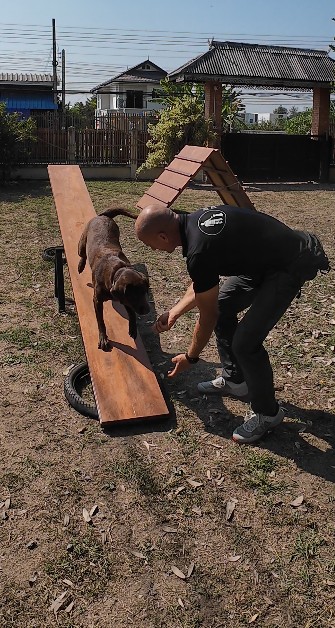
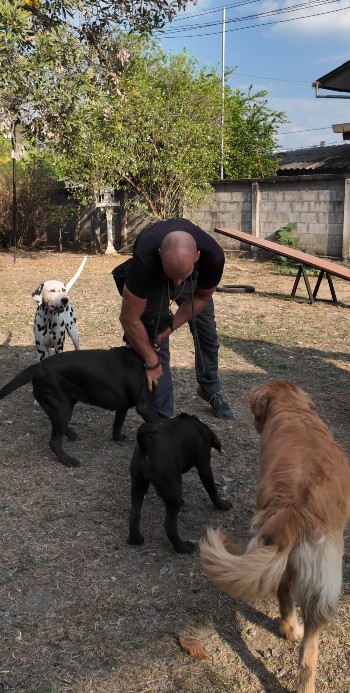
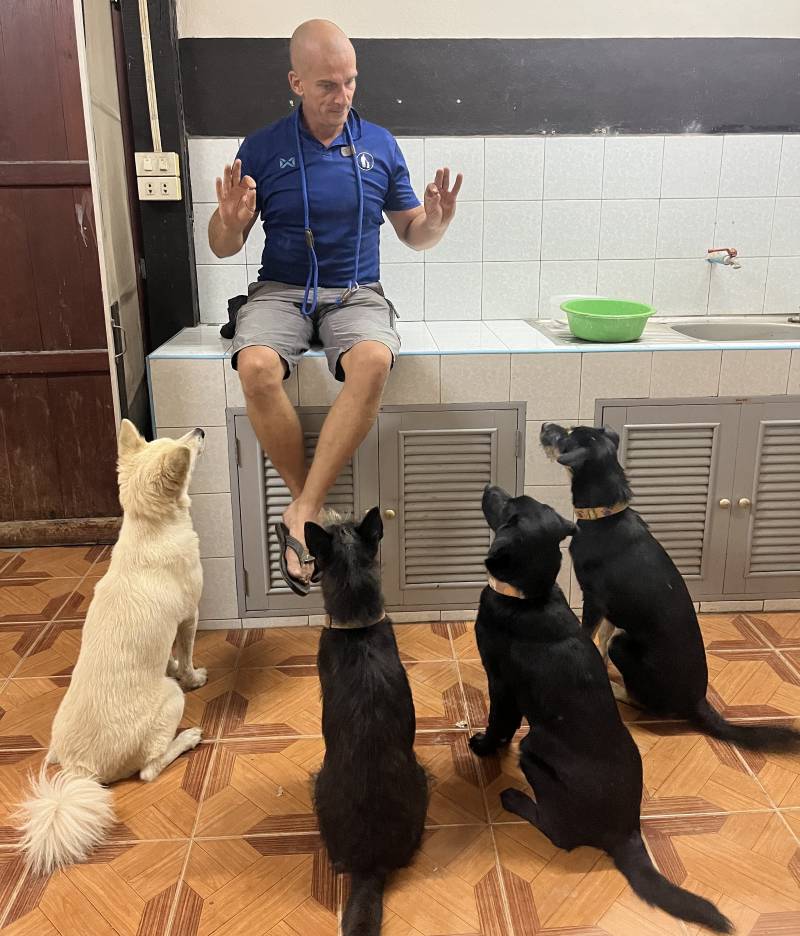
Emotion reignites reward. Safety restores curiosity, and variety revives drive. When trust replaces pressure, motivation returns—not through hunger, but through harmony.
Treat Selection and Management
Choosing Appropriate Treats
The physical characteristics of treats significantly impact their effectiveness and your dog’s training experience.
Size Matters Training treats should be tiny—pea-sized or smaller for most dogs. Large treats cause multiple problems: they increase satiation, slow down training pace, add unnecessary calories, and shift focus to eating rather than learning. Your dog should consume each reward in under 2 seconds.
Texture Considerations
- Soft treats: Fastest consumption, ideal for rapid-fire training, less dental work
- Semi-moist: Balance of palatability and handling ease, good general choice
- Crunchy treats: Slower consumption (can disrupt flow), but satisfying for some dogs
- Sticky/chewy: Avoid for training—too slow, too distracting
Match texture to training style: rapid repetition demands soft treats, while calmer sessions can accommodate slightly firmer options.
Arousal Management Through Treat Choice
High-value, aromatic treats (cheese, hot dogs, liver) increase arousal—beneficial when you need energy and drive, problematic when working on impulse control or calmness. Lower-value, less aromatic treats (plain biscuits, vegetables) maintain lower arousal, helpful for precision work and self-control training.
Strategically match treat intensity to behavioral goals. Teaching “stay” benefits from boring treats that don’t create excitement. Building a recall benefits from thrilling treats that generate enthusiasm.
Treat Storage and Freshness
Stale treats lose palatability and motivational impact. Protect your training investment:
Storage Guidelines
- Soft treats: Refrigerate after opening, use within 1 week
- Dehydrated meats: Airtight container, cool dry place, use within 2 weeks
- Commercial biscuits: Original packaging, reseal carefully, check expiration dates
- Fresh options (cheese, hot dogs): Prepare immediately before use
Travel Considerations Use small, sealed containers or treat pouches with closures. Replace contents daily—treat pouches become bacterial incubators in warm weather. Wash pouches weekly.
The Freshness Test Smell your treats. If you wouldn’t want it near your nose, your dog (with their superior olfaction) finds it even less appealing. Rancid fats and stale proteins lose motivational power dramatically.
DIY Treat Recipes for Variety
Creating homemade treats introduces novel rewards while controlling ingredients and quality.
Simple Liver Treats
- 1 lb chicken or beef liver
- Blend until smooth, spread thin on parchment paper
- Bake at 200°F (95°C) for 2-3 hours until dried
- Cut into pea-sized pieces, store in refrigerator
Sweet Potato Chews
- Slice sweet potatoes thin (¼ inch)
- Bake at 250°F (120°C) for 3 hours, flipping once
- Low-calorie, novel texture, mild arousal
Cheese and Veggie Bites
- Mix 1 cup flour, ½ cup grated cheese, ¼ cup pureed vegetables
- Form small balls, flatten slightly
- Bake at 350°F (175°C) for 12-15 minutes
Training Meatballs
- Mix ground meat (any type), egg, small amount of oats
- Form tiny balls
- Boil for 8-10 minutes or bake at 375°F (190°C) for 15 minutes
Rotate homemade options with commercial treats to maintain novelty and prevent habituation.
Budget-Friendly Reward Options
Effective training doesn’t require expensive specialty treats. Consider these economical alternatives:
Kitchen Staples
- Plain cooked chicken (boil, cube small)
- String cheese torn into tiny pieces
- Hot dogs sliced thin (rinse to reduce sodium)
- Plain cheerios or similar cereal
- Carrot pieces (for dogs who like them)
- Small pieces of apple or blueberries
Meal Integration Reserve a portion of your dog’s regular kibble for training. This costs nothing extra and prevents overfeeding. Works best for food-motivated dogs in low-distraction environments.
Natural Chews as Jackpots Rather than constant treats, use access to a valued chew item as a variable, high-value jackpot. “Do five great recalls, earn 2 minutes with your bully stick.”
Treat-Free Training Alternatives
Building independence from food rewards creates resilience and versatility.
Life Rewards (Premack Principle)
- Want to sniff that spot? First, heel for 10 steps
- Want to greet that person? First, sit calmly
- Want to go through the door? First, wait for release
Environmental access becomes the reinforcement, naturally variable and sustainable.
Social Rewards
- Enthusiastic verbal praise (but genuine, not forced)
- Brief play sessions (tug for 10 seconds)
- Eye contact and smiling
- Physical affection (petting, scratching)
Activity Rewards
- Fetch one throw after three good sits
- Frisbee toss for excellent recall
- Chase game for loose-leash walking
- Search/find games after obedience work
The goal isn’t eliminating food rewards but ensuring they’re not the only motivation in your toolkit. 🧠
🧠 When Food Rewards Stop Working 🐾
A comprehensive journey through motivation loss and restoration in canine learning
Phase 1: Recognition
Identifying when motivation loss occurs
🧪 The Science
Your dog’s dopamine system mediates “wanting” rather than pleasure. When rewards become predictable, the brain’s reward prediction error signal diminishes, reducing motivational drive. This isn’t stubbornness—it’s neurobiology.
👀 Warning Signs
• Turning away from treats during training
• Taking treats reluctantly or dropping them
• Increased sniffing, looking away, displacement behaviors
• Decreased speed in performing known behaviors
⚠️ Critical Check
Before assuming behavioral issues, rule out medical causes: dental problems, gastrointestinal issues, medication side effects, or chronic pain. When in doubt, consult your veterinarian first.
Phase 2: Emotional Assessment
When stress overrides appetite
🧠 Affective Interference
Stress, anxiety, and handler tension redirect cognitive resources away from appetitive motivation. When your dog experiences emotional discomfort, the brain prioritizes coping over food rewards—no matter how delicious the treat.
🔗 Emotional Contagion
Your emotional state matters profoundly. Dogs read your microexpressions, breathing patterns, and body tension. When you’re frustrated or anxious during training, your dog absorbs that stress, creating a feedback loop that further diminishes food motivation.
🧡 NeuroBond Solution
Prioritize emotional safety before reinforcement. Practice co-regulation: take deep breaths, soften your body language, and create a calm presence. Through the NeuroBond approach, social safety becomes the foundation that makes learning—and food rewards—effective again.
Phase 3: Environmental Analysis
Context, hunger, and the habituation trap
📍 The Context Factor
A treat that’s irresistible at home might be completely ignored in a crowded park. Your dog’s arousal level—influenced by environmental distractions, competing stimuli, and novelty—determines whether they can even perceive the food reward you’re offering.
🔄 Reinforcement Fatigue
Using the same treat repeatedly leads to sensory-specific satiety. The reward loses novelty, surprise, and motivational impact. Predictability itself—not treat quality—becomes the enemy of sustained engagement.
✅ Strategic Solutions
• Train 2-3 hours after meals when mildly hungry
• Rotate 3-5 different treat types unpredictably
• Match environment difficulty to your dog’s skill level
• Reserve portion of daily food for training sessions
Phase 4: Self-Reflection
Examining your role in motivation loss
⏱️ Timing and Precision
Rewards delivered within 1 second of desired behavior create clear learning contingencies. Beyond 3 seconds, the connection weakens dramatically. Poor timing creates confusion, and confusion erodes motivation faster than anything else.
😤 Handler Tension Checklist
• Are you breathing shallowly (stress) or deeply (calm)?
• Is your face tense or relaxed?
• Are sessions too long (over 10 minutes)?
• Do you bring work stress into training?
• Would you want to learn from someone with your current energy?
🎥 Video Analysis Tip
Record yourself training. Most handlers discover they look far more tense than they feel, their timing is less precise than believed, and their dog communicated stress signals they completely missed in the moment.
Phase 5: Variable Reinforcement
Reintroducing unpredictability and surprise
🧪 The Mechanism
Variable reinforcement restores the reward prediction error signal. When your dog can’t predict which response earns which reward, dopamine activity increases, engagement returns, and motivation flourishes. Research on mine detection dogs proves this principle.
📋 Implementation Protocol
• Vary frequency: reward 80%, then 60%, then 50% unpredictably
• Vary timing: sometimes immediate, sometimes 2-3 second delay
• Vary value: mix low, medium, high-value treats randomly
• Vary type: alternate food, praise, play, environmental access
• Add jackpots: occasionally deliver 3-4 treats with celebration
🎯 First Session Guide
Choose a known behavior. Minutes 1-2: reward every response. Minutes 3-4: introduce variability—medium treat, then delay + low treat, then just praise, then JACKPOT, then medium, then delayed low. Minute 5: end with celebration. Keep it short!
Phase 6: Beyond Food
Building a diverse reinforcement menu
🎪 Social Rewards
Genuine praise, eye contact, smiling, and tactile stimulation activate reward pathways independently. Research confirms that physical touch plays a crucial role in forming the human-dog bond and supporting learning—especially for highly social dogs.
🎾 Play and Environmental Rewards
• Brief tug sessions for high-drive dogs
• Fetch one throw after three good responses
• Permission to sniff after loose-leash walking
• Access to greet people after calm waiting
• Release to explore after recall practice
💡 The Invisible Leash Principle
True connection happens in calm awareness, not frantic treat-chasing. When you guide your dog through energy and understanding rather than constant food bribes, motivation becomes intrinsic. The Invisible Leash reminds us that awareness, not treats, guides the path.
Phase 7: Enrichment and Rest
Preventing burnout through balanced living
🧩 The 80/20 Principle
Aim for 80% of your dog’s time involving no formal training—just living, playing, resting, being. Only 20% should involve structured learning. This prevents training from becoming the defining feature of your relationship and normalizes food motivation.
🌿 Daily Enrichment Activities
• Sniff walks (15-30 minutes of pure exploration)
• Food puzzle toys for some meals
• Scatter feeding in yard or room
• Novel object exploration weekly
• Environmental variety (new locations regularly)
💤 Mandatory Rest
Adult dogs need 12-16 hours of sleep daily. Schedule at least one training-free day weekly and one full week off every 3-4 months. Rest isn’t lazy—it’s when consolidation and learning integration occur. A tired dog needs sleep, not more drills.
Phase 8: Soul Recall
When connection transcends treats
🧡 The Power of Social Safety
Dogs demonstrate empathetically-motivated prosocial behavior—rescuing distressed owners, seeking connection during stress. Emotional bond itself activates reward pathways independent of food. When your dog feels truly seen and understood, learning becomes inherently rewarding.
🌊 Co-Regulation Practice
You’re not just commanding and rewarding—you’re managing emotional atmosphere. When stress arises, pause for regulation rather than pushing through. When confusion appears, simplify rather than increase pressure. When breakthroughs happen, celebrate with genuine shared joy.
✨ Soul Recall Moments
Those moments of genuine recognition between species—when your dog truly understands what you’re communicating, when connection clicks—create intrinsic motivation far more resilient than any food reward system. This is the essence of Soul Recall: memory and emotion intertwining in profound understanding.
🔄 Different Dogs, Different Approaches
🐕 High-Energy Working Breeds
Challenge: Desensitize quickly to food rewards
Solution: 4-6 short sessions daily, heavy emphasis on play rewards, breed-specific activities, mandatory rest days
🌸 Sensitive, Thoughtful Learners
Challenge: Easily stressed, shut down under pressure
Solution: 2-3 calm sessions daily, slower pace, mix food with social rewards, prioritize success over challenge
🐶 Food-Motivated Social Butterflies
Challenge: Over-reliance on food can create dependency
Solution: Variable schedules from early on, mix food with play, train before meals, prevent satiation
🦊 Independent, Easily Bored Types
Challenge: Disengage quickly from repetition
Solution: 2-3 very short sessions, make it their idea, constantly rotate novel treats, heavy environmental rewards
🐕🦺 Senior Dogs (7+ years)
Challenge: Reduced appetite, dental issues, slower metabolism
Solution: Softer treats, more social/comfort rewards, gentler pace, honor physical limitations
🌟 Adolescent Dogs (6-18 months)
Challenge: Developmental regression, environmental distractions
Solution: Lower expectations temporarily, flexible timing, whatever works that day, extreme patience
⚡ Quick Reference Formula
Motivation Loss = (Predictability × Habituation) + (Stress – Social Safety) + Handler Tension
Motivation Restoration = Variable Reinforcement + Mixed Rewards + Emotional Connection + Adequate Rest
Session Length = 3-8 minutes maximum (end while they want more!)
Training Ratio = 80% living + 20% formal training
Rest Days = Minimum 1 per week, 1 week every 3-4 months
Reward Timing = Within 1 second for clear learning (use marker training!)
🧡 The Zoeta Dogsoul Perspective
When food rewards stop working, your dog isn’t being stubborn—they’re communicating. Through the NeuroBond framework, we understand that emotional synchrony and social safety must precede reinforcement. The Invisible Leash teaches us that true guidance flows from calm awareness and connection, not constant treats. And in those moments of Soul Recall—when genuine understanding passes between species—we discover that the most powerful motivation isn’t external at all. It lives in the space between you and your dog, in the trust you’ve built, in the emotional attunement that makes learning a shared joy rather than a transaction. That balance between neuroscience and soul, between structure and connection, between food rewards and genuine relationship—that’s where sustainable motivation flourishes. That’s the essence of training that honors both brain and heart.
© Zoeta Dogsoul – Where neuroscience meets soul in dog training
Handler Self-Assessment
Self-Reflection Checklist: “Am I the Problem?”
Honest self-evaluation often reveals that motivation issues stem from handler behavior rather than dog deficiency. Work through these questions thoughtfully:
Your Emotional State □ Do I feel frustrated or impatient during training sessions? □ Am I worried about my dog’s progress compared to others? □ Do I bring work stress or life tension into training? □ Am I truly relaxed and present, or mentally elsewhere? □ Would I want to learn from someone with my energy right now?
Your Technical Skills □ Is my timing precise (within 1 second of desired behavior)? □ Do I vary my rewards, or use the same treat repeatedly? □ Can I articulate what I’m reinforcing for each reward? □ Do I accidentally reward behaviors I don’t want? □ Am I asking for too much too soon?
Your Training Structure □ Are sessions too long (over 10 minutes)? □ Do I train when my dog is tired or over-aroused? □ Is the environment too distracting for my dog’s skill level? □ Do I practice the same exercises in the same order? □ Do I end sessions before my dog wants to stop?
Your Relationship Quality □ Does my dog eagerly approach me when I have no treats? □ Do I spend quality time with my dog outside training? □ Can I read my dog’s subtle stress signals? □ Do I respect when my dog communicates “not now”? □ Is our interaction primarily transactional or genuinely connected?
Scoring Your Responses For any question you answered “no” or hesitated on, that’s an area for growth. The most common handler-created motivation problems:
- Training when emotionally dysregulated (top issue)
- Poor timing creating confusion
- Excessive session length causing fatigue
- Environmental difficulty mismatch
The good news? These are all within your control to change.
Body Language Awareness Exercises
Your nonverbal communication speaks louder than any verbal cue. Developing awareness of your own body language transforms training effectiveness.
Mirror Exercise (5 minutes) Stand before a mirror with treats. Practice your training stance and movements:
- Notice your face: Is it tense or relaxed? Furrowed brow or soft expression?
- Watch your shoulders: Hunched forward or comfortably back?
- Check your hands: Clenched or loose and fluid?
- Observe your overall posture: Looming over or giving space?
Most handlers discover they look far more tense and intimidating than they feel. Your dog sees this version of you.
The Breath Check During training, pause every 2 minutes:
- Notice your breathing pattern
- Is it shallow and chest-based (stress) or deep and belly-based (calm)?
- Take three intentional deep breaths
- Notice how your dog’s behavior shifts when you regulate your breathing
Dogs read respiratory rate as an emotional signal. Your calm breathing helps create their calm state.
Spatial Awareness Practice
- Notice how close you stand to your dog during training
- Experiment: take one step back and observe their response
- Many dogs relax and engage more when given slightly more space
- Looming over creates subtle pressure; stepping back offers invitation
Energy Matching Exercise
- Before training, observe your dog’s energy level (scale 1-10)
- Rate your own energy level (scale 1-10)
- Aim to match or be slightly below your dog’s energy
- Notice how this alignment affects engagement
When your energy significantly exceeds your dog’s, they often shut down. When you match their state, connection flows naturally through the NeuroBond principle of emotional attunement.
Emotional State Journaling for Trainers
Creating awareness of your emotional patterns prevents them from sabotaging training. Commit to one week of brief journaling:
Simple Daily Template
Before Training:
- My emotional state right now (1-10 scale, 1=stressed, 10=peaceful):
- Physical sensations I notice in my body:
- Thoughts I’m bringing into this session:
After Training:
- My dog’s engagement level (1-10):
- Moments of connection or disconnection:
- What I did well:
- What I’d adjust next time:
- My emotional state now:
Pattern Recognition
After 7 days, review your entries:
- Do low pre-training emotional states correlate with low dog engagement?
- Which physical sensations (jaw tension, shoulder tightness) predict harder sessions?
- What thoughts interfere most with presence?
- When are you most effective emotionally?
This awareness alone creates change. You might discover you should never train after checking work email, or that morning sessions consistently work better than evening ones.
Video Analysis Tips
Recording training sessions reveals truths invisible in the moment. Even smartphone video provides valuable insights.
What to Record
- Set phone on a stable surface 10-15 feet away
- Capture full body of both you and your dog
- Record 3-5 minute segments
- Focus on sessions where motivation seemed low
What to Watch For
Your Body Language:
- Facial expressions (do you look stern when you think you’re neutral?)
- Body tension (shoulders, hands, overall posture)
- Movement patterns (are you smooth or jerky?)
- Spatial pressure (do you lean toward your dog?)
Your Dog’s Communication:
- Stress signals you missed in the moment
- Engagement indicators (tail, ears, eye contact)
- Moment-by-moment arousal changes
- When exactly they checked out
Timing Analysis:
- How fast is your mark-to-reward delivery?
- Are you rewarding what you think you’re rewarding?
- What happens in the seconds before disengagement?
The Humbling Truth
Most handlers are shocked by what video reveals. You’ll likely discover:
- Your timing is less precise than you believed
- You display more tension than you feel
- Your dog communicated clearly before you noticed
- Small adjustments could have huge impacts
This information is gold. Watch without judgment—with curiosity and commitment to growth. 🧡
Environmental Enrichment and Lifestyle Balance
How Environmental Enrichment Impacts Reward Sensitivity
Your dog’s life outside training profoundly influences their training motivation. A dog living in sensory deprivation approaches training differently than one receiving adequate mental stimulation and enrichment.
The Enrichment-Motivation Connection
Dogs receiving insufficient environmental enrichment often show either extreme food obsession (because training is their only stimulation) or complete disinterest (because they’re understimulated and depressed). Both extremes create training challenges.
Adequate enrichment normalizes food motivation, placing it in proper context: one pleasant experience among many, not the only bright spot in an otherwise barren existence. This creates healthier, more sustainable training engagement.
Types of Enrichment
Sensory Enrichment:
- Novel smells (new walking routes, scent work games)
- Varied textures underfoot (grass, gravel, sand, water)
- Auditory experiences (different environments, nature sounds)
- Visual stimulation (window watching, car rides to new places)
Cognitive Enrichment:
- Puzzle toys and food-dispensing toys
- Hide-and-seek games (find toys, find treats, find people)
- Novel object exploration
- Training new, non-essential tricks
Social Enrichment:
- Appropriate dog-dog interaction (if your dog enjoys it)
- Varied human interaction (meeting new people)
- Observing the world together
- Calm co-existence and relaxation together
Physical Enrichment:
- Varied exercise (not just the same walk daily)
- Breed-appropriate activities (swimming, hiking, retrieving)
- Free play and natural movement
- Safe exploration of varied terrain
Mental Stimulation Outside Training Sessions
Training isn’t the only—or even primary—source of mental exercise. Creating a stimulating life reduces pressure on training to provide all engagement.
Daily Enrichment Activities
Sniff Walks (Not Exercise Walks): Allow your dog to sniff freely for 15-30 minutes daily. No training, no heeling, just exploration. This provides profound mental satisfaction while reducing the intensity of food motivation (they’re using their nose for its evolved purpose, not just following treat scents).
Food Puzzle Toys: Deliver some meals through puzzle toys rather than bowls. This satisfies foraging instincts, provides mental challenge, and normalizes working for food outside formal training contexts.
Scatter Feeding: Toss your dog’s kibble across the yard or room, creating a search activity. This combines physical movement, olfactory work, and food reward naturally.
Novel Object Exploration: Regularly introduce safe new items for investigation—cardboard boxes, plastic bottles with treats inside, new textures, different shaped toys. Novelty itself stimulates cognitive engagement.
Environmental Variety: Visit different locations weekly. New environments provide mental stimulation that enriches your dog’s cognitive life without training pressure.
Preventing Training Burnout Through Lifestyle Balance
Training burnout doesn’t just happen in sessions—it accumulates from lifestyle imbalance. Your dog needs a life rich with non-training experiences.
The 80/20 Principle
Aim for 80% of your dog’s time involving no formal training whatsoever—just living, playing, resting, and being. Only 20% or less should involve structured learning. This ratio prevents training from becoming the defining feature of your relationship.
Mandatory Rest Days
Schedule complete training breaks:
- At least one day per week with zero formal training
- One week every 3-4 months with only casual lifestyle maintenance
- Multi-day breaks after intensive training periods (workshops, trials)
Rest isn’t lazy—it’s when consolidation and integration occur. Learning happens during recovery, not just during active practice.
Relationship Activities Beyond Training
Regularly engage in activities that build connection without performance requirements:
- Grooming and massage sessions
- Quiet time cuddling or reading together
- Car rides to nowhere special
- Gentle walks with no agenda
- Play without rules or structure
These relationship investments make training easier because they’ve deepened your bond beyond transactional interactions, supporting the Invisible Leash concept where connection guides behavior naturally. 😊
The Role of Adequate Exercise and Rest
Physical state drives mental state. Inadequate exercise or insufficient rest both compromise training motivation through different mechanisms.
Exercise Considerations
Under-Exercised Dogs: Show either hyperactivity (too aroused for learning) or frustration-based disengagement. Physical energy seeks outlet, interfering with focus. These dogs benefit from exercise before training—tired enough to focus, but not exhausted.
Over-Exercised Dogs: Show fatigue-based disinterest. They’re too physically depleted to engage mentally. These dogs need lighter exercise days and training sessions scheduled during their alert periods.
Appropriate Exercise Balance: Provides physical outlet without depletion. Your dog appears calm but alert, relaxed but engaged. This optimal state comes from consistent, breed-appropriate physical activity matched to individual needs.
Rest and Recovery
Adult dogs need 12-16 hours of sleep per day. Puppies and seniors need even more. Insufficient rest creates:
- Increased stress hormone levels
- Reduced cognitive function
- Lower frustration tolerance
- Decreased appetite and food motivation
Creating Optimal Rest
- Provide quiet, comfortable rest spaces
- Protect sleep from interruption
- Enforce nap times for puppies and adolescents
- Reduce activity on days following intensive training or exercise
- Recognize that mental exhaustion requires recovery like physical exhaustion
When training motivation suddenly drops, examine your dog’s exercise and rest balance before assuming training technique problems. A tired dog needs sleep, not more training sessions. A restless dog needs movement, not more drilling. 🐾
Special Populations and Unique Challenges
Training Food-Allergic Dogs with Limited Treat Options
Food allergies or sensitivities significantly restrict treat choices, requiring creative solutions to maintain motivation.
Working Within Dietary Restrictions
If your dog can only eat novel protein or limited ingredients:
- Use their regular food as training treats (reserve portion from meals)
- Create variety through preparation methods (raw, cooked, dehydrated, frozen)
- Vary size and delivery method rather than type
- Rely more heavily on non-food rewards from the beginning
Single-Protein Training Strategies
When restricted to one protein source:
- Create different textures (ground, chunked, dried, moist)
- Add safe vegetables for variety (if tolerated)
- Use temperature variation (room temperature, chilled, slightly warmed)
- Focus on making the reward experience novel rather than the food itself
Building Strong Non-Food Motivation
Food limitations necessitate developing alternative rewards early:
- Invest significant time in building play drive
- Develop social reward responsiveness through relationship work
- Utilize environmental rewards systematically
- Create reward variety through delivery methods and context
The limitation becomes an advantage: you’re forced to build well-rounded motivation resilient to food reward devaluation.
Working with Overweight Dogs
Managing weight while maintaining training motivation requires careful calorie accounting and strategic reward selection.
Calorie Management Strategies
Use Meals as Training: Rather than feeding from a bowl, use your dog’s entire meal allowance for training throughout the day. This maintains food motivation while preventing weight gain.
Reduce Meal Portions: Calculate treats used daily and reduce meal calories accordingly. Every training treat must be accounted for in total daily intake.
Choose Low-Calorie Rewards:
- Vegetables (carrots, green beans, cucumber)
- Air-popped popcorn (plain, small pieces)
- Ice chips for some dogs
- Extremely tiny portions of regular treats
Emphasizing Non-Food Rewards
Overweight dogs benefit significantly from shifting toward non-food reinforcement:
- Play rewards provide exercise alongside motivation
- Social rewards create connection without calories
- Environmental access rewards cost nothing metabolically
The Weight-Loss Training Plan
Coordinate with your veterinarian to establish:
- Target daily calorie intake
- Percentage of calories available for training (typically 10-15%)
- Rate of healthy weight loss (1-2% body weight per week)
- Exercise progression that’s joint-safe
As your dog loses weight, energy typically increases, which can actually improve training motivation. The process becomes self-reinforcing: training supports weight loss, weight loss improves physical comfort, comfort enhances training engagement.
Multi-Dog Household Considerations
Training in multi-dog homes presents unique challenges around food motivation, competition, and individual attention.
Resource Competition Effects
Dogs in multi-dog households often develop heightened food drive due to competition, or conversely, learned helplessness around food if they’re consistently out-competed. Both patterns affect training motivation.
The Highly Competitive Dog: Shows intense food motivation initially but may struggle with impulse control, over-arousal, and frustration when rewards don’t appear instantly. These dogs benefit from:
- Calm-state reinforcement before treat delivery
- Lower-value treats to reduce arousal
- Impulse control work integrated into all training
- Separate training spaces away from other dogs
The Subordinate Dog: May show decreased food motivation in group settings but respond well individually. These dogs need:
- Solo training sessions initially
- Building confidence through success
- Higher-value rewards to outweigh social stress
- Gradual reintroduction to group contexts
Training Protocols for Multiple Dogs
Individual Training Time: Each dog deserves solo training sessions where they’re the exclusive focus. This prevents:
- Comparison and competition
- Attention-splitting by the handler
- One dog monopolizing rewards
- Subordinate dogs shutting down
Rotating Rest Spaces: While training one dog, others should be in separate areas (crates, other rooms, outside). Visual access to training often creates frustration, barrier reactivity, or anxiety in watching dogs.
Group Training Considerations: When training multiple dogs simultaneously:
- Use lower-value treats to minimize competition
- Maintain significant physical distance between dogs
- Reward calm waiting while others work
- Watch for stress signals indicating the situation overwhelms someone
Fair Distribution Concerns
Dogs absolutely notice if siblings receive better treats or more attention. Maintain equity:
- Use similar treat values for all dogs in shared sessions
- Provide equal training time over the week
- Celebrate each dog’s individual strengths
- Avoid comparisons or frustration when one learns faster
The goal isn’t identical treatment (their needs differ) but rather each dog feeling valued and fairly treated within your family structure. 🧡
Sport and Competition Dogs
High-performance dogs face unique motivation challenges from intensive training schedules and pressure-filled contexts.
Preventing Burnout in Performance Dogs
Sport dogs often train multiple times daily across various disciplines—obedience, agility, field work, protection, or others. This volume accelerates reward devaluation if not carefully managed.
Volume Management:
- Count total weekly training minutes across all activities
- Include mandatory rest days with zero performance work
- Vary intensity (hard sessions require more recovery)
- Monitor for enthusiasm decrease as early burnout warning
Variety Within Discipline: Even within one sport, create variation:
- Train different elements rather than full routines
- Practice in different locations
- Vary reward schedules session-to-session
- Mix fun “play” training with serious preparation
Competition Context Challenges
The trial or competition environment often differs dramatically from training contexts: higher stress, more distractions, different surfaces, judge pressure, handler anxiety. Food motivation frequently disappears in this setting.
Preparing for Competition Reality:
- Practice in trial-like environments regularly
- Proof behaviors under realistic distractions
- Build strong non-food reward responsiveness
- Develop emotional regulation skills for high-pressure moments
- Train yourself to maintain calm energy under pressure
Post-Competition Recovery: After trials, many dogs need recovery time:
- Light week following intensive competition
- Fun activities without performance pressure
- Relationship focus rather than drilling
- Physical rest for body and mental rest for mind
When Performance Pressure Damages Motivation
Some sport dogs develop negative associations with training venues, specific exercises, or even their handler’s “competition energy.” Warning signs:
- Stress signals appearing during warm-up
- Avoidance of training areas
- Reduced food interest specifically at trials
- Displacement behaviors during performance
If this occurs, step back from competition temporarily and rebuild positive associations through the NeuroBond approach—reconnecting emotionally before demanding performance. 😊
Service Dog Training Considerations
Service dogs face perhaps the most demanding training requirements: extensive skill repertoires, public access work, and the need for absolute reliability.
Unique Motivation Demands
Service dogs must:
- Work for extended periods without reinforcement
- Maintain focus in extremely distracting environments
- Perform complex behavior chains reliably
- Generalize across countless contexts
- Remain motivated across years of work
Building Sustainable Motivation
Early Foundation: Service dog training must establish intrinsic motivation and strong handler connection from the beginning, not relying solely on food rewards.
- Deep bond development before task training
- Play and social rewards integrated throughout
- Variable reinforcement introduced early in training
- Real-life rewards emphasized from puppy stages
Task-Specific Considerations:
Medical alert dogs often work during their handler’s distress—a context where food motivation naturally decreases. These dogs need:
- Rewarding after the alert (not during the medical event)
- Strong play reward systems
- Handler recovery as a natural reinforcer
- Regular maintenance training in low-stress contexts
Mobility assistance dogs perform physical work that’s self-reinforcing for many dogs—they enjoy tugging, pulling, and retrieving. Leverage this natural reinforcement.
Psychiatric service dogs work in emotionally charged environments where their handler may be dysregulated. These dogs need:
- Co-regulation training (not just task performance)
- Calm social rewards they can access during work
- Strong generalization so handler state doesn’t interfere with performance
Preventing Service Dog Burnout
Professional working dogs need structured rest:
- Regular “off duty” time with no expectations
- Play and enrichment separate from work
- Retirement planning (gradual transition, not sudden)
- Monitoring for stress accumulation over years
The service dog community increasingly recognizes that even these highly trained professionals experience reward devaluation and motivation loss. The solution isn’t more training—it’s better training that honors the dog’s emotional needs alongside task requirements, embodying the Soul Recall principle where deep understanding guides the work. 🐾
Applications to Behavioral Science and Training
Variable Reinforcement Schedules: Restoring Reward Potency
The single most effective strategy for preventing and reversing reward devaluation is variable reinforcement—making rewards unpredictable in timing, value, or type.
How Variable Schedules Work
Instead of rewarding every correct response (continuous reinforcement), variable schedules reward some responses unpredictably. The dog never knows which response will earn a reward, maintaining engagement through that crucial element of surprise that drives dopamine signaling and reward prediction errors.
Research on training mine detection dogs explicitly demonstrates this principle: building extended search behavior requires “progressively reducing the frequency of occurrence of positive filters using variable interval reinforcement.” This approach maintains motivation over extended periods while preventing the habituation that comes from predictable reward schedules.
Implementing Variable Reinforcement
Start by establishing the behavior with continuous reinforcement—reward every correct response initially. Once the behavior is reliable, begin varying:
- Frequency: Reward approximately 80% of responses, then 60%, then 50%, keeping the pattern unpredictable
- Timing: Sometimes reward immediately, sometimes wait a few seconds before marking and rewarding
- Value: Mix low, medium, and high-value treats randomly, with occasional “jackpots” of multiple treats
- Type: Alternate between food, praise, play, and other reinforcers your dog values
This variability maintains the reward prediction error signal, keeping your dog’s brain engaged and motivated. Studies show that alternating response-outcome contingencies under lean reinforcement conditions consistently sustains goal-directed control even after extensive training.
The key is unpredictability. If your dog can predict the pattern, you’ve defeated the purpose.
Mixed Reinforcement Models: Beyond Food
Relying exclusively on food treats is perhaps the most common mistake in modern positive reinforcement training. Dogs are complex social beings with multiple motivational systems, and the most effective training taps into that complexity.
Social Rewards and Connection
Praise, eye contact, smiles, and enthusiastic verbal acknowledgment function as powerful reinforcers for many dogs, particularly those with high sociality scores. The trick is genuine expression—dogs readily distinguish between authentic enthusiasm and mechanical praise.
Research confirms that tactile stimulation plays an important role in social reward and in forming the bond between dog and human, contributing to learning different tasks. A well-timed pat, scratch behind the ears, or moment of calm physical contact can be as motivating as food for many dogs, particularly when combined with emotional co-regulation.
Play as Reinforcement
For many dogs, especially working breeds, a brief play session with a favorite toy rivals or exceeds food motivation. This is particularly effective for behaviors requiring high energy or drive—retrieving, searching, or high-speed performance activities.
The advantage of play rewards is they actually increase arousal and engagement rather than the mild sedating effect of food. They also build the human-dog relationship through interactive connection, strengthening that bond that makes all training more effective.
Environmental Rewards
Sometimes the best reward is simply access to what your dog wants in that moment: permission to sniff, freedom to explore, opportunity to greet another dog, or release to go play. These Premack-principle rewards (using a high-probability behavior to reinforce a low-probability one) are inherently variable and naturally motivating.
Creating a Balanced Reinforcement Menu
The most resilient training programs use all available reinforcers strategically:
- Food for precision training requiring repeated trials
- Play for building drive and enthusiasm
- Social interaction for strengthening the relationship
- Environmental access for real-world behavior chains
- Calm touch for emotional regulation moments
This diversity prevents habituation to any single reward type and creates a richer, more engaging training experience for your dog. 🧠
Emotional Connection Through NeuroBond Principles
Perhaps the most profound solution to reward devaluation lies not in what you offer but in how you relate to your dog during the training process. Through the NeuroBond approach, emotional synchrony becomes the foundation that makes all other reinforcement more effective.
The Power of Social Safety
Dogs demonstrate empathetically-motivated prosocial behavior, such as rescuing distressed owners, indicating that emotional connection itself can be highly rewarding. When your dog feels emotionally safe with you—confident that you understand them, responsive to their signals, attuned to their needs—learning happens naturally.
This sense of social safety activates neural reward pathways independent of food. Your presence, your attention, and your calm, confident energy become inherently reinforcing. In this state, even simple treats regain their effectiveness because they’re embedded in a context of positive connection rather than transactional exchange.
Co-Regulation and Stress Reduction
Co-regulation refers to the dyadic process where two beings help each other maintain optimal emotional states. In training, this means you’re not just commanding and rewarding; you’re actively managing the emotional atmosphere, helping your dog stay in that zone of optimal learning.
When stress arises, you pause to allow regulation rather than pushing through. When your dog shows confusion, you simplify rather than increase pressure. When breakthrough moments happen, you celebrate them together with genuine shared joy.
This emotional attunement counteracts the affective interference that makes food rewards ineffective. By addressing the emotional state first, you create conditions where appetitive motivation can flourish.
Intrinsic Motivation and Meaningful Engagement
Brief, single-session interactions with dogs, whether training or playing, confer short-term psychological benefits for owners—reduced anxiety, improved mood, increased relaxation. This reciprocal positive emotional impact creates a feedback loop: training becomes enjoyable for both participants, which naturally sustains engagement.
The NeuroBond Framework emphasizes moving beyond purely transactional relationships toward mutual understanding and connection. When training becomes an opportunity for that Soul Recall—those moments of genuine recognition and understanding between species—motivation transcends the need for constant food reinforcement.
Your dog begins to engage not just for treats, but for the inherent satisfaction of learning with you, of understanding what you’re communicating, of experiencing that moment of connection when everything clicks. That intrinsic motivation is far more resilient than any external reward system. 🧡
Troubleshooting Quick Reference
Common Scenarios and Solutions
Scenario 1: “My dog was great with training treats for months, now suddenly won’t eat them.”
Check First:
- Health issues (vet visit recommended)
- Medication changes
- Dental problems
- Time since last meal
If Health is Clear:
- Implement variable reinforcement immediately
- Rotate treat types
- Reduce training frequency (may be oversaturated)
- Add non-food rewards
Scenario 2: “Treats work at home but not in class/outside.”
Understanding: This is arousal and context mismatch, not food quality.
Solutions:
- Train in gradually more challenging environments
- Use higher-value treats for difficult contexts
- Work on emotional regulation before training
- Reduce environmental difficulty until successful
- Practice co-regulation in challenging spaces
Scenario 3: “My dog seems stressed during training but I’m using positive methods.”
Recognition: Positive reinforcement can still create stress through:
- Confusion (unclear communication)
- Frustration (criteria too hard)
- Overstimulation (too much arousal)
- Pressure (handler tension)
Solutions:
- Simplify criteria dramatically
- Slow pace significantly
- Check your body language and breathing
- End sessions much earlier
- Focus on relationship over performance
Scenario 4: “My dog is obsessed with treats but won’t actually learn.”
Understanding: Hyper-focus on food prevents cognitive processing.
Solutions:
- Use lower-value treats to reduce arousal
- Require brief stillness before treat delivery
- Work on impulse control separately
- Make learning the game, not just treat acquisition
- Introduce non-food rewards to balance motivation
Scenario 5: “Training worked before adolescence, now nothing works.”
Recognition: Adolescence is developmentally normal regression.
Solutions:
- Lower expectations temporarily
- Increase reward frequency for known behaviors
- Focus on relationship over progression
- Be patient—this phase passes (usually by 18-24 months)
- Prevent frustration damage to your bond
Scenario 6: “My dog stops training after 2-3 repetitions.”
Possible Causes:
- Sessions too long or intense
- Boring repetition
- Physical discomfort
- Over-satiation
Solutions:
- Cut session length in half
- Introduce more variety
- Check for pain or discomfort
- Train before meals when hungry
- Make every session end positively and early
Red Flags Requiring Professional Help
Some motivation issues indicate deeper problems requiring consultation with veterinary behaviorists or certified behavior consultants:
Veterinary Behaviorist Indicated:
- Sudden, complete food refusal across all contexts
- Training motivation loss accompanied by other behavioral changes
- Suspected anxiety disorder or compulsive behaviors
- Aggression emerging during or around training
- Signs of cognitive dysfunction (older dogs)
- Medication may be needed alongside training
Certified Behavior Consultant Indicated:
- Persistent stress signals despite proper technique
- Training history involving punishment or aversive methods
- Complex reactivity or fear-based behaviors
- Multi-dog household aggression around resources
- Your own frustration reaching levels that affect your dog
- Plateaus despite consistent effort and technique adjustments
There’s no shame in seeking expert guidance. Professional support often prevents months of struggle and strengthens your relationship faster than trial-and-error alone. 🧠
The Future of Your Training Journey
Understanding reward devaluation isn’t just about troubleshooting a training problem—it’s about fundamentally rethinking how we approach canine learning. When food rewards stop working, it’s often because we’ve been asking them to do too much, to carry the entire weight of our training program without support from the other motivational systems our dogs possess.
Your dog is a sentient being with complex emotional needs, sophisticated cognitive abilities, and deep social drives. They learn best not through endless bribery, but through genuine communication, emotional security, and meaningful connection. Food can support that learning, enhance it, and celebrate it—but food cannot replace it.
As you move forward, remember that those moments when treats lose their power are actually invitations: invitations to deepen your relationship, to understand your dog more fully, to become a more skilled communicator, and to build training practices that honor your dog’s full emotional and cognitive complexity.
That balance between science and soul, between structure and connection, between reinforcement and relationship—that’s the essence of Zoeta Dogsoul. When you find that balance, motivation becomes natural, sustainable, and deeply rewarding for both of you.
Your furry friend isn’t just working for treats. They’re learning with you, communicating with you, building trust with you. And that connection, that NeuroBond of mutual understanding and emotional attunement—that’s the most powerful motivator of all. 🧡
Key Takeaways
Understanding the Science
- Dopamine mediates “wanting,” not just pleasure
- Predictable rewards reduce neural reward anticipation through the reward prediction error effect
- Stress and anxiety override food motivation through affective interference
- Context profoundly influences reward effectiveness
- Hunger level, novelty, and habituation significantly impact food motivation
Recognizing the Problem
- Habituation to single reward types causes reinforcement fatigue
- Emotional dissonance can devalue rewards through negative associations
- Poor timing and precision reduce reward meaningfulness
- Individual and breed differences affect motivation patterns
- Handler tension and emotional state directly impact dog engagement
- Medical issues must be ruled out before assuming behavioral causes
Implementing Solutions
- Use variable reinforcement schedules to maintain engagement and surprise
- Incorporate mixed reinforcement models beyond food (social, play, environmental)
- Prioritize emotional connection and co-regulation as foundation
- Build training on social safety and genuine communication
- Allow for individual agency and autonomous choice
- Match training schedules to individual dog types and needs
- Manage treats strategically (size, freshness, variety, calorie accounting)
Handler Development
- Self-assess emotional state and body language regularly
- Use video analysis to identify blind spots
- Practice breath work and energy matching
- Maintain clear timing and precise reward delivery
- Balance training with enrichment and rest
Special Considerations
- Adapt approaches for food-allergic, overweight, multi-dog households
- Prevent burnout in sport and service dogs through structured rest
- Recognize age-related changes in motivation across lifespan
- Address each dog as an individual with unique needs
Creating Lasting Change
- Prevention is easier than restoration—build good habits early
- Relationship quality determines long-term training success
- Intrinsic motivation outlasts extrinsic rewards
- Training should evolve as your dog matures and changes
- The 80/20 principle: 80% living, 20% training
- Mandatory rest days are essential, not optional
The Bigger Picture
- Move beyond binary reward systems toward dynamic communication
- Honor your dog’s emotional complexity and agency
- Build training on mutual understanding, not just compliance
- The strongest motivation comes from genuine connection
- When food rewards stop working, it’s an opportunity to deepen your bond
Your training journey is unique, and understanding why food rewards sometimes fail empowers you to build something better: a relationship where learning happens naturally, motivation flows from connection, and both you and your dog genuinely enjoy the process of growing together. 🐾
Final Thoughts
The moment your dog turns away from that treat in your hand isn’t failure—it’s feedback. It’s your dog communicating something important: maybe they need a break, maybe they’re stressed, maybe the training has become too predictable, or maybe they’re asking for a different kind of connection.
Listen to that communication. Honor it. Use it as an opportunity to step back, reassess, and build something more resilient and meaningful than a simple transactional relationship based on food.
Because at the end of the day, the strongest bond between you and your furry friend isn’t built on treats at all. It’s built on trust, understanding, emotional attunement, and those precious moments of genuine connection when you truly see each other—when that Invisible Leash of awareness guides you both, when Soul Recall reminds you why you started this journey together in the first place.
That’s the essence of Zoeta Dogsoul: training that honors the whole dog, the whole relationship, and the profound connection possible between two different species choosing to learn, grow, and communicate together.
Your dog is waiting to show you what’s possible beyond the treat pouch. Are you ready to discover it together? 🧡