
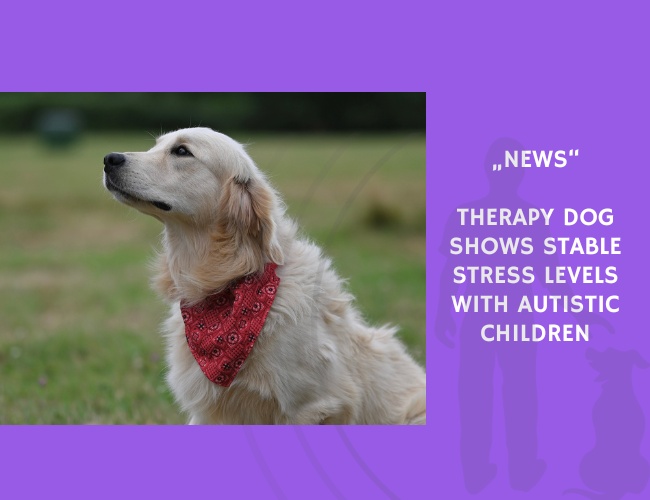
Published in Animals, this case study by J. Hill, C. Driscoll, J. Cawdell-Smith, S. T. Anderson, and J. Ziviani investigated the welfare of a therapy dog during canine-assisted occupational therapy sessions with autistic children. The research aimed to address a key ethical question in the field of animal-assisted therapy: whether dogs experience stress when participating in therapeutic sessions with children on the autism spectrum.
The study measured physiological stress indicators, including salivary cortisol, alpha amylase, and oxytocin levels, alongside behavioral observations across both workdays and rest days. Over the course of several sessions, researchers collected 21 saliva samples and analyzed six hours of video footage to detect stress-related behaviors such as yawning, panting, or avoidance.
Results revealed no significant differences in any physiological or behavioral markers between therapy and home environments. The dog’s cortisol and alpha amylase concentrations remained stable, while oxytocin levels were consistent, suggesting sustained well-being. Furthermore, the absence of stress-related behaviors reinforced the conclusion that the therapy sessions did not induce distress.
These findings provide important reassurance regarding the welfare of therapy dogs involved in interventions with autistic children. The study emphasizes the importance of continuous welfare assessment and balanced consideration of both human and canine participants in therapy contexts. Future research should include larger sample sizes and varied therapy environments to better understand long-term effects and individual differences among therapy dogs.
Source: Hill, J., Driscoll, C., Cawdell-Smith, J., Anderson, S. T., & Ziviani, J. (2023). Investigating Dog Welfare When Interacting with Autistic Children within Canine-Assisted Occupational Therapy Sessions: A Single Case Study. Animals, 13. Published June 1, 2023.










