
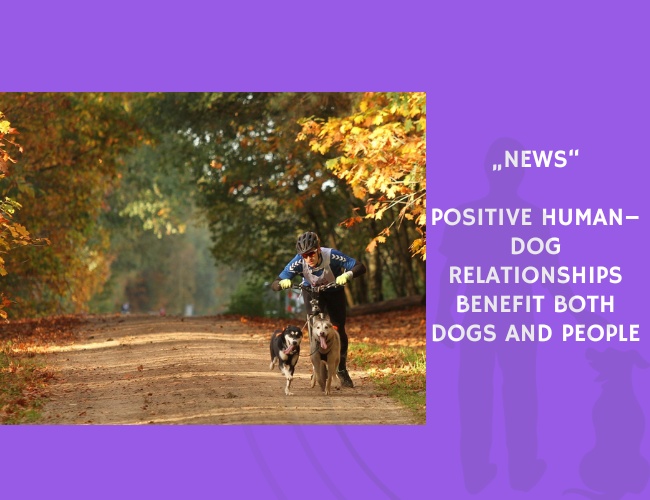
Published in the Journal of Animal Behaviour and Biometeorology, this comprehensive review by David Menor-Campos and colleagues examined the human–dog relationship (HDR) as a dynamic interaction that supports emotional, physical, and social wellbeing for both species. The authors emphasized that dogs derive pleasure from human interaction and that positive, stress-free engagement fosters better welfare outcomes.
The paper focused particularly on service and assistance dogs working with people who have special needs, including blindness, deafness, physical disabilities, and chronic conditions such as cardiovascular disease, epilepsy, diabetes, depression, and autism. These relationships extend beyond companionship—dogs become therapeutic and functional partners, providing essential daily support while experiencing emotional enrichment themselves.
The review concluded that the human–dog bond creates a reciprocal benefit: humans experience reduced stress, greater emotional stability, and increased social integration, while dogs gain comfort, routine, and engagement through meaningful cooperation. Importantly, the authors highlighted that welfare-oriented training and care practices are key to maintaining the balance of this relationship, ensuring that dogs assisting humans are not overburdened but supported through positive reinforcement and emotional care.
Ultimately, Menor-Campos et al. underscored that a positive HDR is built upon empathy, respect, and understanding of canine needs. Such relationships enrich both lives, positioning dogs not only as helpers but as partners in shared wellbeing—a perspective that continues to influence fields from animal therapy to modern assistance-dog programs.
Source: Menor-Campos, D., Gazzano, A., Lezama-García, K., Domínguez-Oliva, A., Ogi, A., & Mota-Rojas, D. (2023). Human–Dog Relationship and Its Positive Effects on Dogs and Their Humans with Special Needs. Journal of Animal Behaviour and Biometeorology. Published December 4, 2023.










