
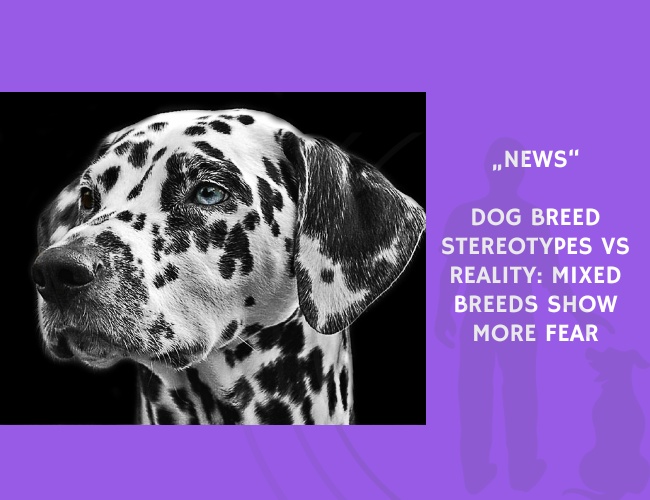
Published in Animals, this study by Barbara Peťková and colleagues investigated whether common public stereotypes about dog breeds align with actual behavioral evidence. Using the Dog Personality Questionnaire (DPQ), researchers analyzed five behavioral traits—aggression toward people, aggression toward animals, fearfulness, responsiveness to training, and excitability—across six conventional breed clusters: herding, hunting, guarding, companion, potentially aggressive breeds, and mixed-breeds.
Data were collected from 1,309 dog owners via online surveys. Contrary to widespread public opinion and media portrayals, dogs labeled as “potentially aggressive”—such as pit bulls or Rottweilers—displayed lower aggression levels than both guarding breeds and mixed-breeds. Interestingly, mixed-breed dogs demonstrated the highest levels of fearfulness and also scored higher for aggression toward humans and other animals. Male dogs were found to be generally more aggressive than females, independent of breed category.
The authors emphasize that these findings challenge breed-based generalizations and highlight the influence of context, upbringing, and owner behavior on canine temperament. The research calls for a shift away from stereotyping entire breeds as “dangerous” and advocates for more evidence-based assessments when forming behavior expectations or legal restrictions regarding specific breeds.
Peťková et al. conclude that education, responsible ownership, selective breeding, and proper socialization are far more effective in preventing aggression-related incidents than breed-based judgments. This approach promotes better understanding between humans and dogs and supports policies grounded in science rather than perception.
Source: Peťková, B., Skurková, L., Florián, M., Slivková, M., Kasičová, Z. D., & Kottferová, J. (2024). Variations in Canine Behavioural Characteristics across Conventional Breed Clusters and Most Common Breed-Based Public Stereotypes. Animals, 14. Published September 1, 2024.










