
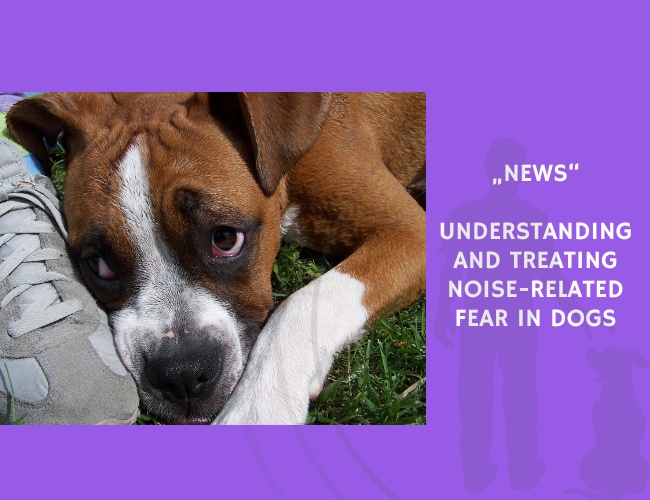
Noise-related fear is among the most common behavioral issues affecting domestic dogs, often compromising their welfare and the human–animal bond. In a comprehensive review published in Companion Animal, Annika Bremhorst and colleagues analyzed the origins, expression, and management of canine noise-related fear, emphasizing its distinction from anxiety and phobias.
The authors describe noise fear as a complex emotional response influenced by genetic predispositions, breed-specific sensitivities, and prior traumatic experiences. Dogs may exhibit trembling, panting, hiding, or destructive behavior when exposed to sounds such as thunder, fireworks, or household appliances. Differentiating between fear, anxiety, and phobia is essential, as each condition requires different diagnostic and therapeutic strategies.
The study underscores the importance of early detection and intervention. Preventive socialization, positive reinforcement training, and controlled desensitization to common noises can help reduce sensitivity in young dogs. For affected dogs, management often involves a combination of behavioral therapy, environmental modification, and pharmacological support when necessary.
Veterinary professionals play a crucial role in guiding owners toward evidence-based treatments. The authors advocate for a holistic approach that integrates behavioral consultation, medical evaluation, and collaboration between owners and clinicians. This comprehensive framework aims not only to treat existing fears but also to prevent the development of chronic noise-related distress in dogs, thereby improving their quality of life.
Source: Bremhorst, A., Loftus, L., & McPeake, K. (2024). Noise-related fear in dogs. Companion Animal. Published May 2, 2024.










