Fear is one of the most misunderstood emotions in our canine companions. While we often notice the obvious signs—a tucked tail, cowering posture, or frantic barking—the subtle language of canine fear speaks volumes before these dramatic displays ever occur. Learning to read this language transforms not only how we care for our dogs but deepens the trust between you and your furry friend in ways that science is only beginning to fully appreciate.
Whether you’re a new dog owner puzzled by your pup’s sudden reluctance to enter the veterinary clinic, or an experienced guardian noticing changes in your senior dog’s confidence, understanding fear is essential. This guide will walk you through the intricate world of canine fear responses, from the neurological underpinnings to the practical applications that can transform your dog’s daily life.
The Science Behind Canine Fear
Understanding the Fear Response System
When your dog encounters something frightening, their brain activates an ancient survival mechanism that has protected canines for millennia. The amygdala, a small almond-shaped structure deep within the brain, acts as the emotional command center. The moment your dog perceives a threat—whether it’s a thunderstorm, a stranger’s approach, or the sight of the veterinary clinic—this region springs into action.
Research using fMRI technology has revealed fascinating insights into how dogs process fear. Studies show that even when dogs are physically restrained and unable to display typical fear behaviors, their amygdala shows significant activation in response to perceived threats. This means your dog might be experiencing intense fear even when their body language doesn’t fully express it. The disconnect between internal emotional states and external expressions is something we must always keep in mind.
The physiological cascade that follows amygdala activation is profound. Your dog’s heart rate increases, cortisol floods their system, and their body prepares for the classic fight-or-flight response. Through the NeuroBond approach, we understand that these responses aren’t just mechanical reactions—they’re deeply emotional experiences that shape your dog’s future behavior and their relationship with you.
The Role of Evolution and Breeding
Not all dogs respond to fear in the same way, and this variation has roots in both evolution and selective breeding. Different breeds were developed for specific purposes, and these historical roles influence their fear thresholds and coping styles today. A herding breed might have a heightened startle response to unexpected movements, while a guardian breed might show more territorial fear responses.
Your dog’s individual experiences layer on top of these genetic predispositions. Early socialization, traumatic events, and even positive learning experiences continuously reshape their emotional landscape. This interplay between nature and nurture means that two dogs of the same breed can have vastly different fear responses to identical situations.
Behavioral Markers of Fear
Recognizing the Subtle Signs
Before your dog shows obvious fear—the flattened ears, tucked tail, or trembling body—they communicate discomfort through subtle displacement behaviors. You might notice your dog suddenly sniffing the ground when approached by a stranger, yawning in the waiting room, or licking their lips when nothing food-related is happening. These seemingly random behaviors are actually your dog’s way of self-soothing and signaling discomfort.
Key subtle fear indicators include:
- Ground sniffing – When your dog suddenly becomes “distracted” by scents during stressful moments, they’re often using this behavior to cope with anxiety
- Lip licking – Rapid tongue flicks across the nose or lips when no food is present signal rising stress
- Yawning – Stress yawning looks different from tired yawning; it’s often more exaggerated and occurs in tense situations
- Freezing – Brief moments of complete stillness, where your dog stops all movement to assess a situation
- Whale eye – When you can see the whites of your dog’s eyes as they track something without turning their head
Research has confirmed that dogs show increased inactivity duration during fear-inducing situations, such as fireworks displays. This freezing behavior represents an attempt to become less noticeable to perceived threats. Understanding this helps you recognize fear even when your dog isn’t actively fleeing or showing obvious distress.
Progressive Fear Signals
As fear intensifies, your dog’s communication becomes more obvious. Their body language shifts from subtle displacement behaviors to clear distress signals. You might observe your dog’s ears pulling backward and flattening against their head—automated facial recognition studies have identified backward-drawn ears as one of the most reliable indicators of fear, particularly in response to loud noises like fireworks.
Progressive fear behaviors include:
- Lowered body posture – Your dog makes themselves smaller, lowering their center of gravity
- Tucked tail – The tail curves down and between the hind legs, protecting vulnerable areas
- Panting and increased mouth-opening – Even in cool environments, fear can trigger rapid, shallow breathing
- Trembling or shaking – Visible muscle tension and shaking throughout the body
- Avoidance behaviors – Actively trying to move away from the fear-inducing stimulus
- Scanning – Rapid head movements as your dog searches for escape routes
The Invisible Leash reminds us that true guidance comes from awareness, not tension. When we learn to read these progressive signals, we can intervene before fear escalates into panic, creating a calmer path forward for both dog and handler.
Vocalization Patterns
Not all fearful dogs are silent. Vocalization patterns provide another window into your dog’s emotional state. Some dogs bark frantically when scared, while others whine, whimper, or howl. The pitch, duration, and intensity of these vocalizations carry meaning.
High-pitched, repetitive barking often indicates anxiety and a desire for the threat to move away. Whining and whimpering signal distress and can be a plea for comfort or escape. Howling, though less common, can occur during separation anxiety or intense fear experiences. Pay attention not just to whether your dog vocalizes, but how they sound when they do.
Physiological Indicators You Can Monitor
Heart Rate and Heart Rate Variability
Your dog’s cardiovascular system provides objective data about their emotional state. Studies consistently show that heart rate increases during fear responses, and this metric can be monitored with modern pet wearables or veterinary equipment. Even more telling is heart rate variability (HRV)—the variation in time between consecutive heartbeats.
High HRV generally indicates a relaxed, adaptable state, while reduced HRV suggests stress and reduced capacity to cope with challenges. Research on cannabidiol (CBD) administration in dogs showed that certain interventions can affect both heart rate and the frequency bands of HRV, demonstrating how physiological metrics respond to emotional states and interventions.
When you visit your veterinarian, they may use these measurements to assess your dog’s stress levels objectively. This is particularly helpful because it reveals internal states that your dog might be suppressing behaviorally, especially under restraint or in controlled environments.
Cortisol: The Stress Hormone
Cortisol levels provide a biochemical window into your dog’s stress response. This hormone, released by the adrenal glands during stressful situations, can be measured through blood samples, saliva, or even fur analysis for long-term stress assessment. Elevated cortisol doesn’t just indicate momentary fear—chronically high levels can compromise your dog’s immune system, affect their behavior, and impact their overall health.
Research on anxiety medications in dogs, such as trazodone, demonstrates that effective interventions lower plasma cortisol levels. This biological marker helps veterinarians and behavioral specialists assess whether treatment approaches are actually reducing your dog’s internal stress, not just masking external symptoms. When you’re working with a professional to address your dog’s fear, cortisol monitoring can provide objective feedback about progress that behavior alone might not reveal.
Pupil Dilation and Other Physical Changes
Your dog’s eyes offer immediate insight into their arousal level. Pupil dilation occurs during fear as part of the sympathetic nervous system activation. While some dilation happens naturally in lower light, fear-induced dilation is often more pronounced and occurs even in bright conditions.
Other physical changes accompany fear responses: increased sweating from paw pads (leaving damp footprints on exam tables), changes in body temperature, and even differences in scent as stress hormones are released through the skin. You might notice your dog sheds more during stressful situations—this is a real phenomenon, not your imagination.
The Challenge of Observer Bias
How We Misread Our Dogs
One of the greatest challenges in fear identification is our own human interpretation. Research reveals that even clinical animal behaviorists sometimes struggle with consensus on emotional states in dogs. A study found that while professionals generally agreed on the nature of fear, they had little consensus on emotions like frustration, and many relied heavily on personal judgment and intuition rather than purely scientific assessment.
If trained professionals face these challenges, imagine how much more variable owner interpretations can be. We bring our own emotional projections, our hopes for who we want our dog to be, and our past experiences with other animals to every interaction. This isn’t a failing—it’s simply human nature.
The Anthropomorphism Trap
Early studies of animal emotions were criticized for “unscientific anthropomorphism”—projecting human mental states onto animals. While modern science recognizes that dogs do experience genuine emotions, we must be careful not to interpret their emotional experiences through an exclusively human lens. When your dog refuses to greet a visitor, they might not be “rude” or “antisocial” in the human sense—they may be genuinely fearful and trying to maintain safe distance.
This bias works both ways. Sometimes owners dismiss genuine fear because the dog isn’t showing Hollywood-style terror. Your dog doesn’t need to be cowering in a corner to be experiencing significant fear. Those subtle signals we discussed earlier are real communications, even if they don’t match our dramatic expectations of what fear “should” look like.
Habituation Blindness
Perhaps the most insidious form of bias is habituation. When you live with a chronically anxious or fearful dog, their baseline behavior becomes your normal. You might not recognize that your dog’s constant vigilance at home, their reluctance to settle, or their startle responses to ordinary sounds are actually signs of persistent fear or anxiety. This normalization of stress signals can delay intervention and allow fear-based behaviors to become more deeply ingrained.
Moments of Soul Recall reveal how memory and emotion intertwine in behavior. What seems like quirky personality traits might actually be learned fear responses from past experiences. Taking a step back to view your dog’s behavior objectively—or asking a professional for an outside perspective—can be illuminating.

Environmental and Contextual Factors
How Settings Shape Fear Expression
The environment profoundly influences how your dog expresses fear. Research using a fireworks model successfully demonstrated that specific environmental triggers—in this case, loud noises—reliably produce fear responses in dogs. But the context matters enormously. A dog who shows little fear of vacuum cleaners at home might become terrified of similar sounds in an unfamiliar veterinary clinic.
Environmental factors that modulate fear include:
- Noise levels and types – Sudden, unpredictable sounds trigger stronger fear than consistent background noise
- Space and confinement – Restricted environments can amplify fear by limiting escape options
- Social setting – The presence of familiar people or other animals can either soothe or intensify fear
- Novelty – New environments carry inherent uncertainty that heightens vigilance and fear responses
- Lighting and visibility – Dogs often feel more secure when they can clearly see their surroundings
Studies analyzing dog behavior during real-life firework situations compared to control evenings confirm that contextual factors dramatically impact fear expression. Your dog might be confident and relaxed on an ordinary evening, then show significant fear responses when loud, unpredictable noises shatter their sense of safety.
The Restraint Paradox
One of the most important findings in canine fear research involves restraint. Studies using fMRI scanners revealed that dogs under physical restraint showed significant amygdala activation—indicating fear—but did not display aggressive behaviors that might typically accompany such fear responses in unrestricted settings. This restraint suppresses overt behavioral displays of fear.
What does this mean for you? When your dog is on a tight leash, in a crate, or being held during a veterinary examination, they may be experiencing intense fear that isn’t fully visible in their body language. The physical restriction doesn’t reduce the internal emotional experience; it only limits their ability to express or escape it. This is why gentle handling techniques, giving dogs choice and control when possible, and reading subtle signs become so crucial in restrained situations.
Breed, Age, and Individual History
Your dog’s breed heritage influences their fear thresholds and coping styles. Studies on dog facial expressions specifically note the importance of testing across “morphologically diverse samples of pet dogs,” acknowledging that breed variations affect how expressions manifest and are interpreted. A sight hound’s fear signals might look quite different from a brachycephalic breed’s signals, simply due to anatomical differences.
Age plays a significant role as well. Puppies in their critical socialization period (roughly 3-14 weeks) are building their understanding of what’s safe and what’s threatening. Fearful experiences during this window can have outsized impacts. Senior dogs may develop new fears as their sensory capabilities decline—a dog with hearing loss might startle more easily, or a dog with vision problems might become fearful of navigation.
Perhaps most importantly, your dog’s individual learning history shapes their fear responses. Canine personality factors and past experiences are identified as major contributors to behavioral issues in human-dog relationships. A dog who was punished during training might develop fear of training situations. A dog who had a traumatic veterinary experience might generalize that fear to all people in white coats or to the car ride that leads to the clinic.
Modern Technology in Fear Detection
AI and Automated Analysis
Technology is revolutionizing how we identify and measure fear in dogs. Recent research has developed AI-powered systems for fully automated analysis of dog facial expressions, even in “noisy” real-life environments like New Year’s Eve fireworks situations. These systems use a 36-landmark facial mapping approach to quantify emotional states with unprecedented objectivity.
What makes this particularly exciting is the potential to remove human bias from fear assessment. While you bring invaluable context and relationship knowledge to understanding your dog, AI can detect subtle changes in facial musculature, ear position, and eye appearance that human observers might miss or misinterpret. The technology doesn’t get emotionally attached, doesn’t have expectations about how a dog “should” behave, and can process visual information faster than human perception allows.
Computer vision and deep learning technologies, already used in fields like sports analysis to track human movement and positioning, are being adapted to track dog movements and postures indicative of fear. These systems can identify patterns across thousands of observations, providing insights into which combinations of behavioral signals most reliably indicate fear across different breeds and contexts.
The Promise of Objective Measurement
Motion tracking and frame differencing techniques allow researchers to capture subtle behavioral changes that unfold over milliseconds—changes that would be imperceptible to human observers watching in real-time. For shelter environments, veterinary clinics, and training facilities, this technology could provide continuous, objective fear monitoring that ensures immediate intervention when a dog’s stress levels rise.
AI-based visual detection is also being developed to automate dataset labeling from raw video footage, significantly reducing the manual labor required to analyze canine behavior over extended periods. This means that researchers and behaviorists can study fear responses across much larger samples and longer timeframes, leading to more robust understanding of what works in fear intervention.
However, technology is a tool, not a replacement for the human-canine bond. These systems work best when combined with your knowledge of your individual dog, their history, and the subtle contextual factors that only living with a dog reveals. That balance between science and soul—that’s the essence of Zoeta Dogsoul.
Observe. Soften. Support.
Fear whispers before it shouts. A glance, a lick, a pause—each moment is communication, not defiance.
Connection rewrites instinct. When you guide through awareness, the amygdala learns safety instead of survival.
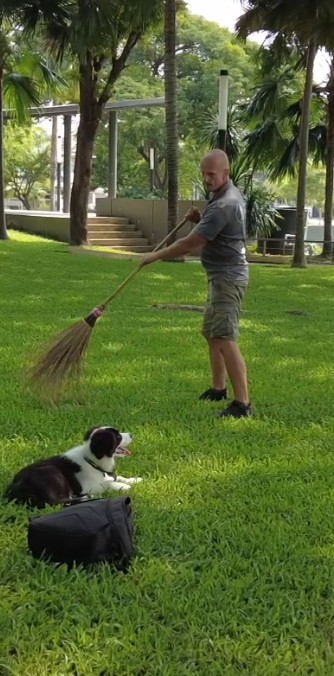
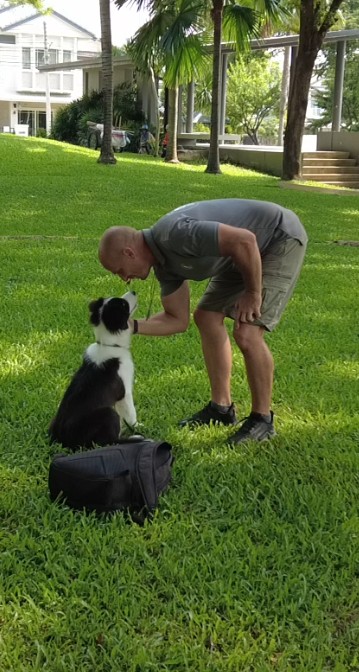
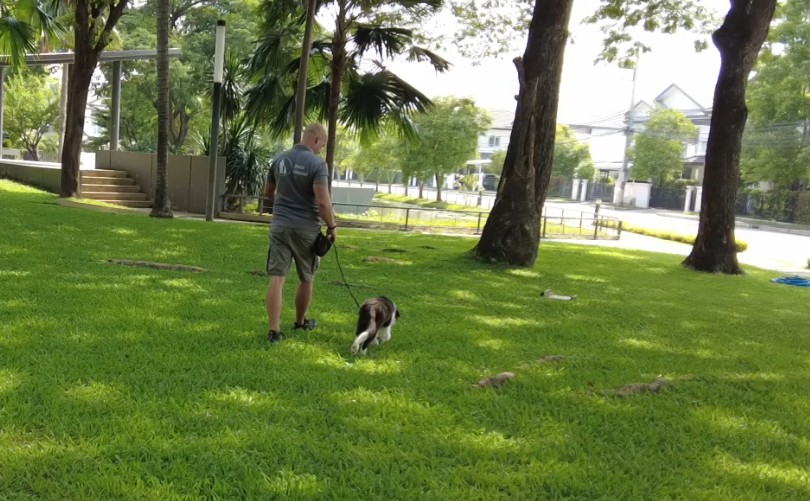
Calm is co-regulated. Your steadiness becomes their signal: the world is safe, and they can breathe again. 🧡
Training and Improving Recognition Skills
Structured Learning Programs
Can training improve how accurately we read canine fear? Absolutely. Research emphasizes the critical need for “consensus definitions and a consistent framework for the assessment of emotions in clinical behavior practice.” When owners, trainers, and veterinary professionals all learn the same evidence-based system for identifying fear signals, communication improves and dogs receive more consistent, appropriate responses to their emotional needs.
Structured training programs in canine body language should include several components: video analysis of dogs showing progressive fear responses, hands-on practice with feedback from experts, education about breed-specific variations in expression, and calibration exercises where participants assess the same dog and compare interpretations. This systematic approach moves assessment away from intuition and toward objective observation.
For you as a dog owner, even informal education—reading articles like this one, watching educational videos, attending seminars—improves your ability to recognize fear earlier and more accurately. Speed matters here. The faster you identify that your dog is becoming uncomfortable, the sooner you can remove them from the situation or provide support, preventing fear from escalating into panic or aggression.
Moving Beyond Intuition
Many assessments of canine emotion rely heavily on personal judgment, which can be influenced by tautology, circular reasoning, and confirmation bias. You might believe your dog “loves” the groomer because they’re wagging their tail, when careful observation would reveal that the tail wag is low and stiff—actually a stress signal rather than joy. Training helps us notice these contradictions between our expectations and reality.
Professional behaviorists and veterinarians benefit from continuing education that updates their understanding as new research emerges. The field of canine emotional assessment is evolving rapidly, particularly with insights from neuroscience and objective physiological measurement. What we thought we knew about dog emotions even a decade ago has been refined and, in some cases, corrected by recent evidence.
Practical Exercises for Owners
You can improve your fear-recognition skills through deliberate practice. Start by observing your own dog during neutral, comfortable situations. Document their relaxed body language, ear position, tail carriage, and facial expression. This becomes your baseline for comparison.
Next, watch your dog in mildly challenging situations—meeting a new person, encountering a novel object, hearing an unexpected sound. Note the subtle shifts from relaxed baseline. Does their tail drop slightly? Do their ears pull back just a bit? Does their mouth close or their tongue flick across their nose? These small changes are your early warning system.
Finally, study video footage of dogs showing fear responses across different breeds and contexts. Freeze-frame analysis helps you notice details that blur past in real-time observation. The more diverse examples you study, the better you become at recognizing patterns across individual variation.
Clinical and Practical Applications
Reducing Stress in Veterinary Settings
Fear identification protocols can dramatically improve the veterinary experience for dogs. By recognizing early signs of fear, veterinary staff can implement low-stress handling techniques, take breaks, or use calming aids before a dog’s fear escalates. This not only makes the appointment more pleasant but also prevents the development of veterinary fear that can make future care difficult or dangerous.
Many modern veterinary practices now employ “Fear Free” certification programs that train staff in fear recognition and stress-reduction techniques. These approaches might include allowing dogs to move freely rather than being restrained, using treats and positive associations, providing textured mats so dogs don’t slip on metal tables, and minimizing exposure to triggers like the scent of other anxious animals.
Early identification of fear allows for timely use of calming interventions. Research shows that medications like trazodone can lower plasma cortisol levels in anxious dogs. When veterinarians can identify which patients are genuinely fearful—rather than just “difficult”—they can make informed decisions about pre-visit anxiolytics, sedation protocols, or recommending at-home care when appropriate.
Shelter and Rescue Applications
In shelter environments, accurate fear assessment is critical for both welfare and adoption outcomes. Canine behavioral assessments are routinely used to recognize behavioral problems and determine adoption suitability. However, these assessments must account for the fact that shelter environments are inherently stressful, and a dog’s behavior there may not reflect their true personality or capabilities.
Dogs who show fear in shelter assessments need special consideration. Are they showing fear due to the overwhelming shelter environment, or do they have deep-seated fear issues that will require extensive intervention? This distinction matters enormously for appropriate placement and setting realistic expectations for adopters. Well-designed fear assessments help match fearful dogs with experienced adopters who understand the commitment required for rehabilitation.
Recommendations for refining dog husbandry in shelters emphasize addressing handling techniques and environmental enrichment to minimize stress. When staff can identify fear early, they can provide individual dogs with quieter housing, predictable routines, positive human interactions, and other modifications that prevent chronic stress from developing.
Training Facility Protocols
Training environments should be safe spaces where dogs learn and grow in confidence, not places where fear develops. Trainers skilled in fear recognition can adjust their methods in real-time, ensuring that training remains within each dog’s comfort zone while gently expanding it through positive experiences.
The progression from fear to aggression is well-documented. Problem behaviors, including aggression, frequently stem from underlying fear or anxiety. When trainers miss early fear signals and continue to apply pressure, they risk creating aggressive responses. A dog who feels trapped, overwhelmed, and unable to use distance-increasing signals like looking away or moving back may eventually resort to snapping, lunging, or biting to create space.
Through the NeuroBond approach, trust becomes the foundation of learning. When trainers and owners prioritize recognizing and respecting fear signals, they build relationships where dogs feel safe enough to try new things, make mistakes, and learn. This isn’t about avoiding all stress—some arousal is necessary for learning—but about ensuring that dogs never cross the threshold from productive challenge into genuine fear.
The Role of Owner Input in Assessment
Why Your Observations Matter
You spend more time with your dog than any professional ever will. You witness your dog’s behavior across countless contexts—at home, on walks, with family, with strangers, during storms, on car rides, at mealtimes. This longitudinal, contextual data is invaluable for comprehensive fear assessment. Research has successfully utilized owner questionnaires to gather data on dog characteristics, personality factors, and behavior patterns to predict relationship issues.
When behaviorists conduct assessments, they’re seeing a snapshot of your dog in a particular moment and place. Your input fills in the larger picture. You might notice that your dog’s fear is worse at certain times of day, in specific locations, or following particular events. You understand your dog’s individual history—their rescue background, previous training experiences, medical issues, and the subtle improvements or deteriorations that unfold gradually over weeks and months.
Structured Frameworks for Owner Input
However, unstructured owner input has limitations. Bias, habituation, and lack of technical knowledge can affect the accuracy of owner reports. This is why structured assessment tools are so valuable. Well-designed questionnaires with specific, behaviorally-defined questions help owners provide more objective data.
For example, instead of asking “Is your dog anxious?” (which requires owners to interpret their dog’s internal state), effective questionnaires ask specific behavioral questions: “How often does your dog pant when no physical exertion has occurred?” or “Describe what your dog does when a stranger approaches your front door.” These concrete behavioral questions are easier for owners to answer accurately and provide more useful data for professionals.
Fear-assessment scales should incorporate owner input as a formal diagnostic component, but within a consistent framework that amalgamates various information sources. Your observations, combined with professional behavioral assessment, physiological measurements, and perhaps video analysis, create the most complete picture of your dog’s emotional state and needs.
Empowering Owners as Partners
When you learn to recognize fear accurately, you become a true partner in your dog’s behavioral health rather than just an observer or information source. You can implement management strategies at home, recognize when professional help is needed, and provide detailed information that helps veterinarians and behaviorists design effective intervention plans.
This partnership is essential because most behavioral intervention happens outside the professional’s office. Desensitization and counter-conditioning programs require consistent, careful implementation in daily life. Medication management requires you to observe and report effects. Environmental modifications happen in your home. The professional provides the roadmap, but you navigate the journey together with your dog.

Prevention and Early Intervention
The Critical Importance of Early Recognition
Early identification of fear is perhaps the single most important factor in preventing behavioral problems. Fear that goes unaddressed doesn’t simply persist at the same level—it often worsens through sensitization and can generalize to new situations. A dog who initially feared only thunderstorms might, over time, begin showing fear during light rain, at dark clouds, or even just when the barometric pressure changes.
More seriously, unaddressed fear frequently progresses to aggression. Fear-based aggression is defensive—your dog is trying to create distance from something they perceive as threatening. When earlier, more subtle distance-increasing behaviors (looking away, moving back, freezing) don’t work, dogs may escalate to growling, snapping, or biting. This progression is preventable when fear is identified and addressed early.
Research confirms that early intervention through desensitization, counter-conditioning, and when appropriate, psychoactive medications, dietary supplements, or pheromonotherapy can reduce fearful, anxious, and aggressive behaviors, thereby improving canine welfare. The key word here is “early.” Waiting until fear-based behaviors become severe makes intervention more difficult, time-consuming, and sometimes less successful.
Desensitization and Counter-Conditioning
Desensitization involves gradually exposing your dog to fear-inducing stimuli at intensities low enough that fear isn’t triggered, slowly building tolerance. Counter-conditioning pairs these exposures with positive experiences, changing your dog’s emotional response from fearful to positive or neutral.
These techniques require careful implementation. If you move too fast or expose your dog to stimulus levels that trigger fear, you risk sensitizing them further rather than desensitizing them. This is where accurate fear recognition becomes crucial—you must be able to identify the earliest signs that your dog is approaching their fear threshold so you can adjust the training before they cross it.
Professional guidance is valuable here, particularly for dogs with significant fear issues. Certified animal behaviorists and veterinary behaviorists can design systematic desensitization programs tailored to your dog’s specific fears, monitor progress, and adjust approaches when needed. They can also recognize when additional interventions—environmental changes, medication, or alternative approaches—might be helpful.
Building Confidence and Resilience
Prevention isn’t just about avoiding bad experiences—it’s also about creating good ones. Dogs who have diverse, positive experiences during their critical socialization period and throughout life tend to be more resilient and adaptable. You’re building a emotional bank account for your dog, where positive experiences provide a buffer against the inevitable stressors they’ll encounter.
Confidence-building activities might include training new skills (which provides mental stimulation and a sense of accomplishment), controlled exposure to novel but non-threatening situations, interactive play, and providing choices that allow your dog to exercise agency and control over their environment. Dogs who feel they have some control over their lives show lower stress levels than dogs who are simply managed with no input into decisions affecting them.
The Invisible Leash reminds us that awareness, not tension, guides the path forward. When we’re attuned to our dog’s emotional state, we can provide support that builds confidence rather than accidentally reinforcing fear through overly protective behavior or, conversely, pushing too hard too fast.
Creating a Fear-Aware Home Environment
Environmental Management Strategies
Your home should be your dog’s safe haven. For fearful dogs, environmental management is often the first step in any intervention plan. This might mean creating a “safe space”—a quiet area where your dog can retreat when overwhelmed, equipped with comfortable bedding, familiar scents, and perhaps calming music or white noise to muffle startling sounds.
Predictable routines reduce stress for fearful dogs. When mealtimes, walks, and bedtimes happen consistently, your dog knows what to expect, reducing the ambient anxiety that comes from unpredictability. Structure doesn’t mean rigidity—you can still have spontaneous fun—but establishing a reliable framework helps fearful dogs feel more secure.
Consider your home’s sensory environment. What sounds might be triggering? Can you use white noise machines or music to soften sudden noises from outside? What visual stimuli does your dog encounter? Dogs who are fearful of people passing by windows might benefit from window film that obscures the view while still allowing light. These adjustments aren’t about creating a sterile environment, but about reducing unnecessary triggers while your dog works on building confidence.
Social Support and Relationships
Your relationship with your dog forms the foundation of their emotional security. Dogs with strong, trusting bonds to their humans show greater resilience when facing fear-inducing situations. This bond isn’t built through any single action but through countless small interactions—responsive communication, reliable support during difficult moments, and shared positive experiences.
Other household members and pets also influence your fearful dog’s emotional state. A confident, calm dog in the household can sometimes help a fearful dog learn that certain situations are safe (though this must be approached carefully, as it can also create additional stress if the fearful dog feels socially pressured). Calm, consistent handling by all family members ensures your dog receives consistent messages and support.
Social enrichment—positive interactions with appropriate humans and dogs—is important for most dogs, but must be carefully managed for fearful individuals. Forced interaction can worsen fear, while carefully structured, positive social experiences at your dog’s pace can build confidence. The key is reading your dog’s signals and never pushing beyond their comfort zone before they’re ready.
When to Seek Professional Help
Recognizing Your Limits
While this guide provides comprehensive information about canine fear, some situations require professional intervention. If your dog’s fear is severe, rapidly worsening, or has progressed to aggression, consulting with a certified professional dog trainer, certified animal behaviorist, or veterinary behaviorist is essential. These professionals have advanced training in behavioral assessment and modification that goes beyond what most owners can provide on their own.
Red flags that suggest professional help is needed include: fear responses that interfere with your dog’s quality of life (they can’t enjoy walks, are constantly vigilant at home, have difficulty settling), fear-based aggression toward people or animals, panic-level responses to common stimuli, or fear that doesn’t improve despite your attempts at management and training.
Veterinary behaviorists can also assess whether medication might be helpful. While behavioral modification is always part of the treatment plan, some dogs benefit from medication that reduces their baseline anxiety enough that they can engage in learning. This isn’t about drugging dogs into compliance—it’s about reducing suffering and creating the emotional state where learning is possible.
What to Expect from Professional Assessment
A comprehensive behavioral assessment typically includes detailed history-taking (your input about your dog’s behavior, history, and environment), direct observation of your dog in various contexts when possible, and sometimes physiological assessment or video analysis. The professional will help you understand your dog’s specific triggers, the function of their fear behaviors, and the factors maintaining the problem.
From this assessment, a behavior modification plan emerges. Good plans are detailed, specific, and tailored to your individual dog and your capabilities as an owner. They include clear criteria for progress, troubleshooting strategies for common challenges, and follow-up to monitor effectiveness and make adjustments.
Working with professionals doesn’t mean you’ve failed—it means you’re taking your dog’s emotional needs seriously enough to seek expert guidance. The most successful behavior modification happens through collaboration between owners and professionals, each bringing their unique knowledge and skills to support the dog’s welfare.
Looking Toward the Future
Advances in Understanding and Treatment
The field of canine behavior is evolving rapidly. Neuroscience research continues to reveal the sophisticated emotional lives of dogs, validating what many owners have always sensed—that their dogs experience genuine fear, anxiety, joy, and other emotions. This scientific validation drives improvements in how we recognize and respond to canine fear.
Emerging technologies—from wearable physiological monitors to AI-assisted behavioral analysis—promise more objective, continuous assessment of canine emotional states. Imagine a future where your dog’s collar monitors physiological stress markers in real-time, alerting you when fear levels rise before you might notice behavioral changes. This technology could be particularly valuable in veterinary hospitals, shelters, and training facilities.
Treatment approaches continue to advance as well. Research on nutritional interventions, pheromone therapy, novel medications, and refined behavioral protocols provides an expanding toolkit for helping fearful dogs. The emphasis is increasingly on evidence-based approaches—interventions supported by rigorous research rather than tradition or anecdote.
The Human-Canine Partnership
Ultimately, fear recognition and intervention strengthen the bond between humans and dogs. When you understand your dog’s emotional communication and respond with support rather than frustration or punishment, trust deepens. Your dog learns that you’re a reliable source of safety, and you learn to read the subtle language that allows your dog to share their internal experience with you.
This relationship isn’t one-directional. Yes, you’re responsible for your dog’s welfare, but your dog also teaches you—about patience, about observation, about unconditional connection. The journey of helping a fearful dog build confidence can be challenging, but it’s also profoundly rewarding. Every small victory—the first time your dog voluntarily approaches something they once feared, the moment they seek you out for comfort instead of hiding alone, the gradual expansion of their world—becomes a shared triumph.
Conclusion: Is Fear Recognition Right for You?
Understanding canine fear isn’t just for behavior professionals or owners of fearful dogs—it’s essential knowledge for anyone sharing their life with a dog. Even confident dogs experience fear sometimes, and recognizing these moments allows you to provide appropriate support, prevent bad experiences from developing into lasting issues, and deepen your communication with your canine companion.
This knowledge does require investment—time to observe, willingness to question your assumptions, and commitment to ongoing learning as new research emerges. It means being present with your dog, watching not just what they do but how they do it, and tuning into the subtle signals that reveal emotional states.
But the rewards far exceed the effort. Dogs whose fear is recognized and respected are safer—for themselves, for their families, and for the people and animals they encounter. They’re healthier, as chronic fear and stress take a toll on physical wellbeing. Most importantly, they’re happier. A dog who feels understood and supported can relax into the joy of being a dog rather than living in constant vigilance.
Whether you’re just bringing home a new puppy, working with a rescue dog who carries fear from past experiences, or simply wanting to understand your longtime companion more deeply, the skills of fear recognition serve you both. Start with observation, approach the learning with patience and compassion (for your dog and for yourself), and remember that every dog is an individual. What works for one may not work for another, and that’s okay.
Your journey with your dog is unique, built on shared experiences and growing understanding. Let fear recognition be one tool in the broader work of building a relationship based on trust, communication, and genuine connection. That balance between science and soul, between objective observation and heartfelt bond—that’s where the deepest understanding lives, and where both you and your dog can truly thrive.
Next steps on your journey:
- Practice observing your dog’s relaxed baseline behavior
- Begin noting subtle changes during mildly challenging situations
- Consider structured training in canine body language
- Consult with professionals if your dog shows significant fear
- Remember: understanding takes time, patience, and lots of observation
Through awareness, compassion, and commitment to learning your dog’s unique language, you’re not just identifying fear—you’re building a foundation of trust that will support your relationship for years to come. Every moment spent understanding your dog’s emotional world is an investment in their wellbeing and in the depth of connection you share together.