Introduction: The Remarkable World of Search and Rescue Dogs
Imagine a world where your four-legged partner can detect a single drop of scent dispersed across a football field, maintain unwavering focus through environmental chaos, and work tirelessly alongside you to save lives. This is the reality of search and rescue detection dogs—canine athletes whose olfactory prowess and cognitive abilities represent one of the most extraordinary partnerships between humans and animals.
Search and rescue dogs are not simply pets with training. They are highly specialized working animals whose success depends on an intricate interplay of biology, psychology, environmental awareness, and the profound bond they share with their handlers. With up to 300 million olfactory receptors compared to our modest 5 million, these remarkable dogs navigate a sensory landscape we can barely comprehend. Their olfactory bulb—the brain region processing scent information—is proportionally 40 times larger than ours, enabling them to differentiate sophisticated scent patterns that would be impossible for human detection.
But physical capability alone does not create an effective SAR dog. The journey from promising puppy to reliable field operative requires understanding cognitive development, stress resilience, nutritional optimization, and most importantly, the emotional synchrony between handler and dog. Through the NeuroBond approach, we recognize that trust and mutual understanding form the foundation upon which all technical skills are built.
This comprehensive guide will take you through every dimension of training and managing detection dogs for search and rescue operations. Whether you are an aspiring handler, an experienced professional seeking to refine your methods, or simply fascinated by the science behind these incredible working dogs, you will discover evidence-based strategies that honor both the dog’s welfare and operational excellence. 🧡
Understanding the Olfactory Foundation: How Scent Detection Really Works
The Biological Advantage
Your SAR dog experiences reality through a sensory dimension that humans can only approximate through metaphor. Those 300 million olfactory receptors are not randomly distributed—they are organized in a highly sophisticated detection system that allows dogs to process multiple scent layers simultaneously. While we smell a pot of stew as a single entity, your dog detects each individual ingredient, its concentration, and even the sequence in which components were added.
The olfactory bulb in a dog’s brain does not merely receive information. It actively processes and categorizes scent molecules, creating a detailed map of the chemical landscape. This neurological architecture enables pattern differentiation that would require technological equipment worth hundreds of thousands of dollars to replicate, and even then, machines lack the adaptability and decision-making capacity of a living, thinking dog.
What makes this system truly extraordinary is its integration with other cognitive functions. Scent detection in working dogs is not a passive process but an active cognitive task requiring working memory, executive function, and emotional regulation. Your dog must remember target scents, ignore distractors, navigate complex environmental variables, and maintain motivation across extended search periods.
Environmental Factors That Shape Detection Success
The invisible world of scent dispersion follows rules that every SAR handler must understand. Environmental factors significantly influence whether your dog will successfully locate a target or pass within meters without detection. Humidity affects how scent molecules travel and persist in the environment. High humidity can enhance scent retention on surfaces but may also cause scent pools to settle in low-lying areas rather than disperse widely.
Wind patterns create scent corridors and dead zones that shift moment by moment. You might notice your dog suddenly change direction during a search—this is not random behavior but a calculated response to encountering a scent cone. Terrain features like valleys, buildings, and vegetation create turbulence that fractures scent plumes into unpredictable patterns. A skilled handler learns to read environmental cues and position their dog to maximize scent interception.
Temperature inversions, time of day, and even barometric pressure shifts influence scent behavior. Morning searches operate under different conditions than afternoon operations. Understanding these variables allows you to adjust search strategies, recognize when your dog is working through challenging conditions rather than losing focus, and make informed decisions about search patterns and timing. 🧠
Cognitive Training for Enhanced Search Efficiency
Building Working Memory and Problem-Solving Skills
Research from human cognitive training provides fascinating insights applicable to canine scent work. Studies on working memory improvement through targeted tasks show that cognitive abilities are not fixed but can be enhanced through systematic training. For your detection dog, this translates into exercises that challenge their mental processing, not just their nose.
Working memory training for SAR dogs involves creating scenarios where they must hold target scent information while navigating distractors. Start with simple discrimination tasks where your dog must remember a target scent among two or three alternatives, then progressively increase complexity. This might involve scent lineups where multiple scent sources are presented, requiring your dog to compare incoming information against their memory of the target scent.
Problem-solving tasks prepare your dog for the real-world complexity of search environments. Create scent puzzles where the most direct path to the source is blocked, requiring your dog to think strategically about navigation. Use elevated hides, underground sources, or scent trails that double back on themselves. Each successful solution strengthens the neural pathways supporting executive function and cognitive flexibility.
The correlation between working memory capacity and search efficiency is supported by research showing that even young children with strong working memory perform visual search tasks more effectively. Your dog’s ability to process scent information while maintaining focus, remembering previous search areas, and making accurate decisions depends on this cognitive foundation.
Attention and Executive Function Development
Attention functions training produces robust cognitive benefits that directly translate to search performance. Your dog must sustain attention across extended search periods, often in environments filled with competing stimuli. Selective spatial attention allows them to focus on relevant scent information while filtering out background odors.
Begin attention training with short, focused sessions that gradually extend in duration. Use variable reinforcement schedules to build resilience—your dog learns that persistence leads to reward even when success is not immediate. Introduce controlled distractions that mirror field conditions: other animals, human activity, novel sounds and visual stimuli. Your goal is building a dog who maintains task focus regardless of environmental chaos.
Executive function encompasses the ability to inhibit impulsive responses, switch between different task demands, and update working memory with new information. For SAR dogs, this means resisting the urge to investigate interesting but irrelevant scents, adapting search strategy when initial patterns prove unsuccessful, and accurately signaling detection without false alerts. Through the Invisible Leash philosophy, we understand that true control emerges not from restraint but from developed self-regulation and intrinsic motivation. 🐾
Training Methodology: Building Reliable Detection Behavior
Foundations of Operant Conditioning and Scent Association
At its core, detection dog training relies on operant conditioning—the scientific principle that behavior followed by reinforcement increases in frequency. For scent detection work, this means creating a powerful association between target scent and reward through consistent cue-reward pairing. The elegance of this approach lies in its simplicity, but mastery requires attention to timing, consistency, and understanding your individual dog’s motivational profile.
Begin with a primary reinforcer that holds extraordinary value for your dog. This might be a specific toy, food reward, or play session—something your dog would work diligently to obtain. In early training, the target scent is paired with this reinforcer repeatedly until the scent itself predicts reward. Your dog learns that locating and indicating the target scent leads to the thing they desire most.
Timing is absolutely critical. The reinforcement must occur within seconds of the desired behavior to create clear association. Many handlers make the mistake of delaying reward while they confirm the alert, inadvertently weakening the behavior they want to strengthen. Structure your training so that indication behavior is immediately followed by reinforcement, even if confirmation of the find occurs afterward.
As training progresses, introduce variable ratio reinforcement schedules. Your dog does not receive reward for every successful alert but rather on an unpredictable pattern. Research on behavioral psychology demonstrates that variable ratio schedules create the most persistent, extinction-resistant behaviors. This is crucial for operational dogs who may conduct extended searches with infrequent success.
Progressive Complexity and Generalization
Your training environment should mirror a gradual increase in difficulty that challenges but does not overwhelm. Start with single scent sources in controlled environments with minimal distractors. As your dog demonstrates reliable detection and indication, systematically introduce complexity: multiple scent sources, environmental challenges, increased search areas, and realistic operational conditions.
Generalization—the ability to recognize target scent across different contexts—requires deliberate training. Your dog must learn that the target scent is the target scent whether encountered indoors or outdoors, in hot or cold conditions, presented in different containers or on different surfaces. Vary training locations, times of day, weather conditions, and scent presentation methods. Each variation strengthens the core scent association while teaching flexibility.
Complex scent puzzles challenge your dog to think strategically about scent detection. Create scenarios where scent travels along unexpected pathways—through ventilation systems, along water courses, or dispersed by unusual wind patterns. These puzzles develop problem-solving skills and prepare your dog for the unpredictable nature of real search operations. You might notice your dog developing individual search strategies, preferred working patterns, or innovative approaches to difficult scenarios. Honor these individual differences rather than enforcing rigid methodologies.
Reinforcement Strategies for Long-Term Motivation
Maintaining motivation across a working dog’s career requires understanding that reinforcement is not merely about reward delivery but about sustaining intrinsic drive and preventing burnout. Play-based reinforcement, where the reward is interactive engagement with you, builds social motivation and strengthens the handler-dog bond. Food-based rewards provide clear, immediate gratification but may be less effective for dogs with lower food drive.
Secondary reward cues—verbal markers or clicker signals—bridge the gap between behavior and primary reinforcement. They tell your dog instantly that they have performed correctly, even if the actual reward delivery takes a moment. This precision improves learning efficiency and allows you to mark behavior at a distance.
Consider your dog’s emotional state during training. Are they working with enthusiasm and confidence, or showing signs of stress or avoidance? Motivation stems not just from reinforcement but from the dog’s enjoyment of the work itself. If your dog begins showing reluctance, reduced enthusiasm, or accuracy decline, evaluate whether you have progressed too quickly, whether reinforcement has become predictable and boring, or whether stress factors are interfering with performance. That balance between challenge and success—that is where the essence of Zoeta Dogsoul emerges. 🧡
Stress Management and Emotional Regulation for Operational Reliability
Understanding the Performance-Stress Relationship
Moderate arousal enhances search focus and performance—your dog in a state of engaged alertness demonstrates optimal cognitive function and physical capability. However, chronic stress or excessive acute stress impairs olfactory discrimination, reduces motivation, and compromises decision-making. Understanding this relationship is fundamental to maintaining operational reliability.
Research on military personnel demonstrates that mindfulness training positively impacts stress resilience by mitigating anxiety and attention deficits induced by extreme stressors. This is facilitated through modulation of the frontal cortex and autonomic nervous system. While we cannot teach dogs formal mindfulness meditation, we can apply these principles through training protocols that build resilience and emotional regulation.
Stress manifests in detection dogs through various behavioral indicators: displacement behaviors like excessive yawning or scratching, avoidance of work, reduced search intensity, increased false alerts, or difficulty disengaging from distractions. Physical signs include changes in body tension, tail carriage, ear position, and facial expression. As a handler, you must become an expert observer of your individual dog’s stress signals.
Common stress indicators in working SAR dogs:
- Behavioral signals – Excessive yawning unrelated to tiredness, lip licking, avoidance of eye contact, slow or reluctant response to cues, seeking escape routes
- Physical manifestations – Lowered tail carriage, flattened ears, tense body posture, dilated pupils, excessive shedding, sweaty paw pads
- Work-related changes – Reduced search intensity or enthusiasm, shorter working duration before fatigue, increased false alerts or refusal to indicate, difficulty concentrating despite adequate rest
- Displacement activities – Sudden scratching, sniffing ground without purpose, shaking off as if wet when dry, increased vocalization or whining
- Physiological responses – Elevated heart rate beyond work demands, rapid shallow breathing unrelated to exertion, digestive upset, changes in appetite
Building Stress Resilience Through Systematic Exposure
Stress inoculation training involves controlled exposure to stressful stimuli in manageable doses that build resilience without overwhelming. Begin with low-level stressors—unfamiliar environments, mild distractions, brief separation from the handler. As your dog demonstrates confident coping, gradually increase intensity and duration.
Create positive associations with potentially stressful elements of SAR work. If your dog shows anxiety around helicopters, start with distant helicopter sounds paired with play or food rewards. Progressively decrease distance and increase volume as your dog remains comfortable. This systematic desensitization prevents stress responses from interfering with operational performance.
Recovery protocols are equally important as exposure training. After intense training sessions or operational deployments, your dog needs both physical and psychological restoration. This includes adequate rest, low-stress activities, and opportunities for normal dog behavior—running, playing, social interaction with trusted companions. Studies on emotional regulation emphasize that emotional expression strategies contribute to improved mental well-being.
Recognizing and Managing Operational Stress
During operations, monitor your dog continuously for signs of stress accumulation. Decreased search intensity, reduced responsiveness to cues, or behavioral changes signal that your dog is reaching their stress threshold. Implementing structured work-rest cycles prevents stress accumulation and maintains cognitive function across extended operations.
Research reveals that difficulties in emotional regulation affect professional performance, emphasizing the need for interventions to improve self-efficacy, resilience, and emotion regulation. For SAR dogs, this translates into training that builds confidence, provides clear communication, and ensures consistent, positive experiences. When your dog encounters failure or confusion during searches, your response shapes their emotional resilience. Patient redirection, simplified tasks, and celebration of effort build a dog who persists through challenges.
Moments of Soul Recall reveal how memory and emotion intertwine in behavior. A dog who has experienced chronic stress during search operations may develop anxiety responses that persist even after stressors are removed. Prevention through proactive stress management is far more effective than rehabilitation after emotional damage has occurred. Your role as handler extends beyond technical training to serving as your dog’s emotional anchor and advocate. 🐾

Handler-Dog Communication and Team Dynamics
The Foundation of Effective Teamwork
Your relationship with your SAR dog transcends simple command-response interactions. Effective teams operate with intuitive communication where subtle cues replace overt signals, where mutual understanding allows adaptation to rapidly changing conditions, and where trust enables both partners to perform at their peak capability. This level of coordination emerges through intentional development of communication skills and emotional attunement.
Handler emotion, tone, and body language influence your dog’s search persistence and decision confidence, though specific research on this dynamic in SAR contexts remains limited. Practical experience consistently demonstrates that dogs are remarkably sensitive to human emotional states. A handler broadcasting anxiety or frustration may inadvertently communicate uncertainty to their dog, potentially leading to reduced confidence, hesitation, or increased false alerts as the dog seeks to please rather than accurately detect.
Conversely, a handler who maintains calm confidence, even in challenging circumstances, provides emotional stability that allows the dog to focus entirely on scent work. Your breathing patterns, muscle tension, movement quality, and vocal tone all transmit information to your dog. Developing awareness of your own physiological and emotional state becomes as important as refining your dog’s technical skills.
Building Communication Clarity and Signal Precision
Clear communication prevents confusion and builds confidence. Your cues should be distinct, consistent, and paired with specific behaviors. Avoid using similar-sounding verbal commands for different behaviors. Ensure your physical cues are precise and distinguishable—a common mistake is allowing hand signals to blur together or using the same physical motion for multiple commands.
Consider the context in which communication occurs. In quiet training environments, subtle cues suffice. In operational settings with environmental noise, physical distance between handler and dog, or challenging terrain, communication must be amplified and simplified. Train for both scenarios, teaching your dog to respond to clear, exaggerated cues suitable for field conditions.
Reading your dog’s communication is equally vital. SAR dogs communicate constantly through body language, vocalization, changes in search pattern, and subtle behavioral shifts. A dog who has detected scent often shows characteristic changes: increased intensity, focused directionality, quickened pace, or specific alerting behaviors. Learning to read these signals allows you to provide appropriate support, adjust search strategy, or prepare for indication.
Emotional Synchrony and the Flow State
The concept of affective synchrony—handler-dog emotional attunement—suggests that teams operating in harmony achieve enhanced cooperative precision and effectiveness. While direct research on this phenomenon in SAR contexts is limited, the principle aligns with broader understanding of team dynamics and interspecies bonding. When both partners are calm, focused, and mutually responsive, they enter a flow state where communication becomes intuitive and performance reaches peak levels.
Through the NeuroBond approach, we recognize that emotional connection forms the substrate upon which technical performance is built. A dog working in sync with their handler demonstrates increased confidence, persistence through challenges, and accuracy in decision-making. This synchrony cannot be commanded or forced—it emerges through shared positive experiences, consistent communication, and mutual trust developed over time.
Breathing alignment exercises, where you consciously regulate your breathing to maintain calm during training or operations, may influence your dog’s arousal state through shared physiological regulation. While specific research on these techniques in SAR contexts is lacking, principles from human team dynamics and attachment theory support the value of physiological co-regulation between bonded partners. 🧠
Wearable Technology and Biofeedback for Performance Optimization
Monitoring Physiological Parameters in Real-Time
Advances in wearable technology offer unprecedented opportunities to objectively monitor both handler and dog physiological states during training and operations. Research in industrial settings demonstrates the effectiveness of wearable biosensors in continuously monitoring vital parameters like heart rate, respiration rate, and skin temperature. This real-time data allows for early detection of stress, fatigue, or heat stress, enabling proactive interventions.
For SAR dogs, wearable monitors could track heart rate variability—an indicator of stress and arousal states. A dog demonstrating decreased heart rate variability may be experiencing stress accumulation that could impair cognitive function and olfactory discrimination. Similarly, elevated core temperature signals developing heat stress before physical symptoms become obvious, allowing handlers to implement cooling protocols and rest periods before performance degrades.
Heart rate patterns during search activities provide insights into work intensity and fatigue development. A dog maintaining appropriate working heart rate demonstrates sustainable effort, while patterns showing progressive elevation or erratic fluctuations may indicate overexertion or stress. Pairing physiological data with performance metrics allows handlers to identify optimal arousal zones for individual dogs and recognize when physiological changes correlate with performance decline.
Assessing Handler-Dog Emotional Synchrony
The potential to use wearable technology for assessing handler-dog emotional synchrony represents an exciting frontier in SAR team optimization. By monitoring physiological indicators in both team members simultaneously, researchers could identify patterns of synchronous or dysregulated states. Periods where both handler and dog show elevated stress markers might indicate training scenarios that require adjustment, while sessions where both maintain optimal arousal could be analyzed to identify effective practices.
Research on workers using wearable biosensors shows that post-implementation surveys indicated enhanced comfort, safety, and job satisfaction. The awareness created by monitoring can itself influence behavior—handlers who see objective data on their stress responses may develop better self-regulation strategies. This biofeedback approach could accelerate the development of emotional control skills essential for effective SAR work.
Imagine a training scenario where handlers receive real-time feedback on their physiological state through a discreet device. As stress markers elevate, the handler implements calming techniques—controlled breathing, muscle relaxation, mental refocusing. Over time, this biofeedback training builds automatic stress regulation that persists even without device feedback, enhancing operational performance.
Practical Implementation and Limitations
Implementing wearable technology in SAR operations requires consideration of practical factors. Devices must be durable, weather-resistant, and non-restrictive for the dog. Data collection should not interfere with work performance or become an additional stressor. Start with training environment implementation to validate device utility before introducing to operational settings.
Interpretation of physiological data requires understanding normal baseline parameters for individual dogs and recognizing that context matters. Elevated heart rate during an exciting find is different from elevated heart rate indicating distress. Building comprehensive physiological profiles across various conditions allows for informed data interpretation.
While technology offers valuable insights, it cannot replace handler expertise and intuition. Wearable data supplements but does not substitute for skilled observation, relationship knowledge, and professional judgment. The goal is augmenting human decision-making with objective information that might not be apparent through observation alone. 🐾

Nutritional and Metabolic Optimization for Sustained Performance
Understanding Energy Demands of Detection Work
Your SAR dog engaged in prolonged olfactory work faces significant metabolic demands that extend beyond typical pet dog energy requirements. Scent detection involves not just physical activity but intensive cognitive processing, stress management, and often work in challenging environmental conditions. Meeting these demands requires evidence-based nutritional strategies that optimize energy availability and support physiological processes.
Research on endurance athletes provides valuable guidance. Studies emphasize that for activities lasting up to three hours, carbohydrate-based fuels are predominant and their availability is rate-limiting for performance. This finding directly applies to SAR dogs conducting extended search operations where sustained cognitive function and physical endurance determine success.
The brain, including the sophisticated olfactory processing centers, relies heavily on glucose metabolism. Maintaining adequate carbohydrate availability ensures consistent cognitive performance across search duration. Depletion of carbohydrate stores correlates with fatigue onset, decreased motivation, and impaired decision-making—all critical factors in detection accuracy.
Key nutritional considerations for working SAR dogs:
- Carbohydrate emphasis – Maintain 40-50% of calories from quality carbohydrate sources to support sustained cognitive function and physical endurance during searches lasting multiple hours
- Protein adequacy – Ensure 25-30% protein for tissue maintenance, immune function, and recovery from intense physical demands
- Healthy fats – Include 20-30% fat for concentrated energy, though not at the expense of carbohydrate availability for high-intensity work
- Feeding timing – Provide main meals 3-4 hours before anticipated work to allow digestion while maintaining energy availability
- Post-work nutrition – Offer easily digestible carbohydrate and protein within 30-60 minutes after intense sessions to support recovery
Optimal Macronutrient Balance for Working Dogs
Research on low-carbohydrate, high-fat diets in endurance athletes reveals that while such approaches can increase fat oxidation, they often lead to impaired carbohydrate metabolism and reduced performance, even with acute carbohydrate restoration before events. This suggests that SAR dogs should not be adapted to predominantly fat-based energy systems if optimal performance across varying intensity demands is the goal.
A balanced approach emphasizes carbohydrate availability while maintaining adequate fat and protein. Carbohydrates should form a substantial portion of the diet to support both aerobic metabolism during sustained work and the capacity for high-intensity efforts when required. Fat provides concentrated energy and supports fat-soluble vitamin absorption. Protein is essential for tissue maintenance, immune function, and recovery.
Studies suggest that ingesting medium-chain triacylglycerols with carbohydrates can spare muscle carbohydrate stores and improve performance during submaximal exercise. This principle could be applied to SAR dog nutrition, potentially extending endurance and delaying fatigue onset during prolonged searches. However, implementation should be gradual with individual tolerance assessment.
For dogs engaged in prolonged exposure to demanding environments, research recommends high-energy-density diets with macronutrient composition that supports physiological processes and maintains body composition. Monitor your dog’s body condition, energy levels, and performance indicators to fine-tune nutritional strategies for individual needs.
Hydration and Electrolyte Management
Hydration status profoundly impacts both physical and cognitive performance. Research using wearable biosensors revealed higher-than-expected dehydration levels in workers, emphasizing the importance of personalized hydration plans and electrolyte-enriched fluids. This led to significant decreases in heat stress incidents and improved well-being.
SAR dogs have additional challenges with thermoregulation since they cannot sweat efficiently and rely primarily on panting for cooling. During search operations, particularly in warm conditions or during intense physical activity, water loss through respiration can be substantial. Dehydration as minimal as 2% of body weight can impair cognitive function and physical performance.
Implement proactive hydration strategies rather than waiting for obvious thirst signals. Offer water at regular intervals during training and operations. In extended deployments or hot conditions, consider electrolyte supplementation to replace minerals lost through panting and urination. Monitor urine color and concentration as indicators of hydration status—pale yellow indicates good hydration, while dark yellow or amber signals inadequate fluid intake.
Pre-hydration before anticipated work periods and post-work rehydration support optimal performance and recovery. Some handlers use moisture-rich foods or add water to dry food to increase total fluid intake. Individual dogs vary in drinking behavior, so develop strategies that ensure your specific dog maintains adequate hydration. 🧡
Heat Stress Management and Welfare Optimization
Recognizing and Preventing Heat-Related Performance Decline
Heat stress represents one of the most significant welfare and performance concerns for working SAR dogs. Research demonstrates that heat stress negatively impacts physiological parameters and performance, with different individuals showing varying coping mechanisms. Unlike humans, dogs have limited thermoregulatory capacity, making them particularly vulnerable during intense work in warm conditions.
Early signs of heat stress include excessive panting, increased salivation, reddened gums and tongue, and reduced work intensity. As heat stress progresses, dogs may show weakness, disorientation, vomiting, or collapse. Handlers must recognize that by the time obvious signs appear, significant physiological stress has already occurred. Proactive prevention through monitoring and intervention is essential.
Recognizing heat stress progression in working dogs:
- Early indicators – Increased panting rate, seeking shade, reduced enthusiasm for work, slightly elevated gum color
- Moderate stress – Heavy panting with tongue fully extended, thick ropy saliva, bright red gums, slowed movement, difficulty focusing on tasks
- Severe stress – Excessive drooling, pale or brick-red gums, stumbling or weakness, glazed eyes, vomiting or diarrhea
- Critical emergency – Collapse, seizures, blue-tinged gums or tongue, loss of consciousness, requires immediate veterinary intervention
Core temperature monitoring using wearable technology provides objective assessment of thermal load. Research showed that advanced heat stress management strategies, including specialized equipment and structured work-rest cycles, resulted in lower core temperatures, reduced heart rate spikes, and noticeable reduction in fatigue and discomfort. No heat-related incidents occurred among workers using cooling equipment—a powerful testament to proactive management effectiveness.
Implementing Cooling Protocols and Work-Rest Cycles
Structured work-rest cycles prevent heat accumulation by allowing physiological recovery before reaching critical thresholds. Duration of work periods should reflect environmental conditions, work intensity, and individual dog heat tolerance. In moderate conditions, dogs might work for 20-30 minutes followed by rest. In hot conditions or intense work, cycles may need reduction to 10-15 minute work periods.
During rest periods, provide access to shade, water, and active cooling measures. Cooling vests that use evaporative cooling or cooling gel inserts can significantly reduce thermal load. Focus cooling efforts on areas with high blood flow—neck, chest, and groin regions—where heat transfer is most efficient. Avoid using ice or extremely cold water, which can cause peripheral vasoconstriction and actually reduce heat dissipation.
Acclimatization protocols prepare dogs for work in hot conditions through gradual exposure that allows physiological adaptations. Begin heat exposure training in cooler periods with short durations, progressively increasing exposure as your dog demonstrates improved heat tolerance. Acclimatized dogs show enhanced cardiovascular efficiency, improved sweating from paw pads, and better behavioral thermoregulation.
Long-Term Welfare and Operational Sustainability
Continuous monitoring with wearable biosensors revealed patterns that were not apparent through observation alone. This objective data enabled personalized interventions that significantly improved well-being and reduced heat stress incidents. Applying these principles to SAR dogs means viewing welfare monitoring not as an additional task but as integral to operational effectiveness.
Adequate recovery time between training sessions and operational deployments allows physiological restoration and prevents cumulative stress. Recovery encompasses physical rest, psychological relaxation, normal social behavior, and restoration of metabolic reserves. Dogs pushed beyond their recovery capacity show progressive performance decline, increased injury risk, and shortened operational careers.
Individual dogs vary in heat tolerance, recovery needs, and stress resilience. Older dogs, those with thick coats, brachycephalic breeds, or individuals with prior heat stress history require particular attention. Tailor management strategies to your specific dog rather than applying generic protocols. The goal is sustaining a long, healthy career rather than maximizing short-term output at the expense of welfare.
That commitment to your dog’s long-term wellbeing, that recognition that their needs come before operational demands—that is where the essence of Zoeta Dogsoul emerges. Your dog is not merely a tool but a sentient partner whose welfare is your primary responsibility. 🐾
Focus. Trust. Precision.
The nose leads the mind. Every molecule tells a story, and your dog reads it with devotion shaped by calm connection.
Training builds cognition, not compliance. True detection work thrives where memory, problem-solving, and intuition align with trust.

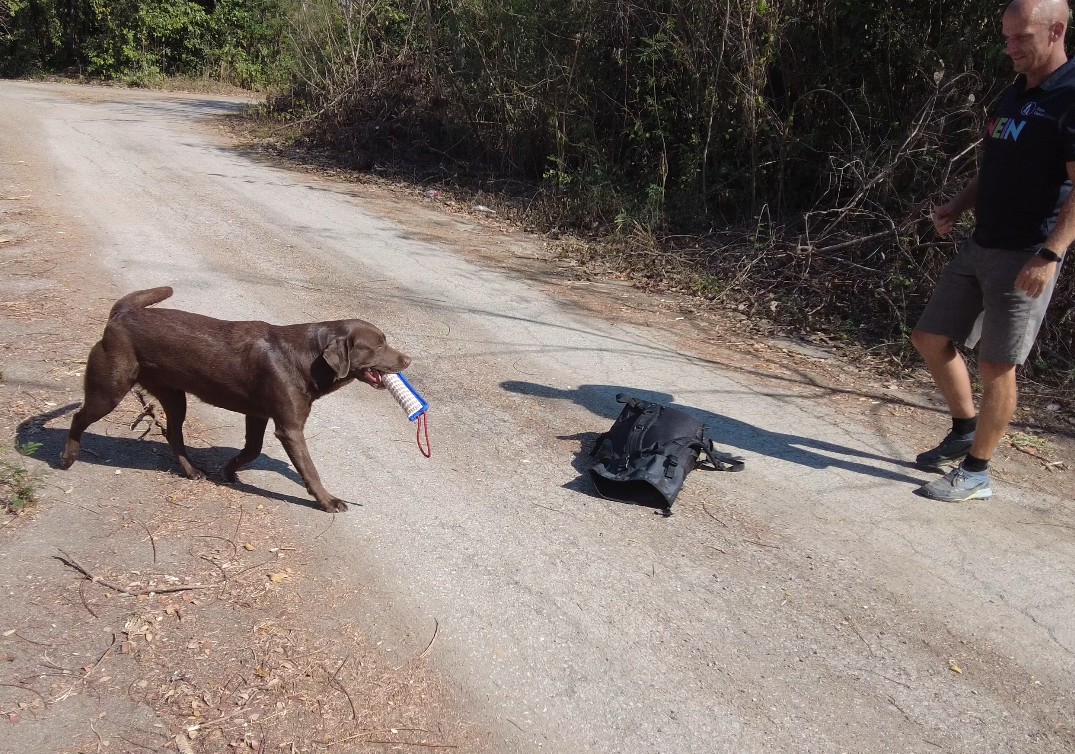
Partnership is the compass. When handler and dog move as one mind, scent becomes signal, focus becomes flow, and lives are found. 🧡
Performance Assessment and Continuous Improvement
Establishing Baseline Performance Metrics
Objective performance assessment requires establishing clear metrics that reflect detection accuracy, search efficiency, and reliability. Common metrics include detection rate (percentage of target finds), false alert rate, search time to detection, and coverage efficiency. Track these metrics across varying conditions to build comprehensive understanding of your dog’s capabilities and limitations.
Detection rate alone is insufficient—a dog with high detection but also high false alerts may be less operationally valuable than a dog with moderate detection and minimal false alerts. Context matters: missing a target in training is different from missing a target in an operational scenario. False alerts waste resources and potentially endanger searchers diverted to incorrect locations.
Individual baselines vary based on the dog, training history, and operational context. Compare your dog’s performance against their own baseline rather than other dogs. Progressive improvement in individual metrics indicates effective training. Plateaus or decline signal the need for training modification, health assessment, or management adjustments.
Analyzing Performance Patterns and Influencing Factors
Systematic performance analysis reveals patterns that inform training decisions. Does your dog show reduced accuracy in specific environmental conditions? Are false alerts more common during certain search patterns or after extended work duration? Does performance decline correlate with identifiable stress indicators?
Maintain detailed training records that capture not just outcomes but contextual variables: environmental conditions, time of day, work duration before assessment, handler emotional state, recent diet changes, or recovery time since previous work. Over time, these records reveal correlations that might not be apparent in moment-to-moment observations.
Research indicates that fatigue influences cognitive function and decision-making, though specific studies on olfactory threshold and accuracy changes in fatigued detection dogs are limited. Practical experience suggests that fatigue manifests as reduced search intensity, increased distractibility, and potentially altered alert thresholds—dogs may become more or less sensitive depending on individual response patterns.
Adaptive Training and Skill Maintenance
Training is never truly complete—it requires ongoing maintenance and refinement. Regular proofing sessions where your dog works under realistic operational conditions prevent skill degradation. Introduce novel challenges that require application of trained skills in new contexts, promoting generalization and adaptability.
When performance issues emerge, implement systematic troubleshooting. Break complex behaviors into component skills and assess each individually. Is the problem detection ability, indication behavior, motivation, stress response, or communication breakdown? Targeted training addresses specific deficits more effectively than general repetition.
Cross-training in related skills maintains mental engagement and prevents burnout. A dog trained exclusively in one scent type might benefit from exposure to related scents or different detection modalities. Vary training locations, times, and scenarios to maintain novelty and challenge. Balance skill-building sessions with maintenance work and opportunities for confident success.
Celebrate progress and honor effort, not just perfect outcomes. Your dog’s willingness to persist through challenges, their enthusiasm for work, and their trust in your partnership are as important as technical accuracy. When training becomes purely performance-driven without joy or relationship focus, both partners suffer. 🧠
Breed Selection and Individual Assessment for SAR Work
Physical and Temperamental Considerations
Not every dog possesses the physical capabilities, temperamental characteristics, and drive profile suitable for SAR detection work. While various breeds successfully perform this work, common traits emerge across successful working dogs: moderate to high energy levels, strong work ethic and motivation, resilience to stress and novel stimuli, and appropriate physical structure for the operational environment.
Traditional SAR breeds include German Shepherds, Belgian Malinois, Labrador Retrievers, and Border Collies, though many other breeds and mixed breeds excel in detection work. Physical requirements include good overall health, appropriate size for the operational context (smaller dogs for confined space searches, larger dogs for wilderness areas), adequate stamina for extended work, and sound structure without orthopedic issues.
Essential traits for successful SAR detection dogs:
- Drive and motivation – Strong intrinsic desire to search, persistence when facing challenges, sustained focus on tasks without constant handler encouragement
- Environmental resilience – Confidence in novel settings, quick recovery from startling stimuli, willingness to work across varied terrain and weather conditions
- Social stability – Appropriate interaction with people and animals, neutral or friendly temperament, absence of fear-based or aggressive responses
- Handler focus – Natural orientation toward working with humans, responsiveness to cues and communication, ability to balance independence with teamwork
- Physical soundness – Structural integrity for athletic demands, appropriate energy levels for extended work, absence of hereditary health issues that limit career longevity
- Stress resilience – Ability to regulate emotional responses, recovery capacity after intense experiences, maintenance of work quality under pressure
Temperament assessment should evaluate drive levels, environmental resilience, social confidence, handler focus, and stress recovery patterns. A dog with extreme toy drive might excel with play-based reinforcement. Food-motivated dogs work well with edible rewards. Some dogs demonstrate balanced motivation for multiple reward types, providing training flexibility.
Early Assessment and Socialization
Early behavioral assessment, ideally during the juvenile period, helps identify promising SAR candidates. Evaluate response to novel objects, environments, and situations. Does the puppy investigate confidently or show excessive fear? How quickly do they recover from startling stimuli? Do they persist with challenging tasks or give up easily?
Socialization during the critical developmental period shapes lifelong behavioral responses. Exposure to diverse environments, surfaces, sounds, people, and animals builds confidence and adaptability. However, exposure must be positive and appropriately paced—overwhelming experiences can create sensitization rather than confidence.
Early scent work introduction, even through simple games, builds foundation skills and assesses natural aptitude. Some puppies demonstrate intuitive scent orientation and problem-solving that predicts later success. Others require more extensive training to develop reliable detection behavior. Neither pattern predicts ultimate capability—individual development varies considerably.
Ongoing Assessment and Career Development
Regular behavioral and physical assessments throughout the dog’s career ensure continued suitability for SAR work. Physical examinations should include orthopedic evaluation, dental health, weight management, and age-appropriate health screening. Early detection of developing issues allows intervention before they impact performance or welfare.
Behavioral assessment monitors for signs of chronic stress, burnout, reduced motivation, or developing anxiety responses. These changes may indicate training problems, health issues, or accumulated stress requiring management adjustment. Some dogs thrive throughout long careers, while others peak earlier or show reduced enthusiasm over time.
Career transition planning honors the dog’s contributions and ensures quality of life. A dog showing reduced drive, physical limitations, or stress responses may benefit from retirement to pet life or transition to less demanding work. This decision reflects respect for your partner’s service and commitment to their wellbeing beyond their utility as a working dog. 🧡
The Senior SAR Dog: Transitioning and Retirement Considerations
Recognizing the Aging Process
Your SAR dog will eventually show signs of aging that impact their operational capacity. Physical changes include reduced stamina and recovery speed, joint stiffness or arthritis development, sensory decline (vision, hearing, or yes, even olfactory capability), and increased vulnerability to heat stress and injury. Cognitive changes may include reduced learning flexibility, increased anxiety about novel situations, or changes in working style.
These changes typically emerge gradually rather than suddenly. Monitor your dog for subtle indicators: requiring more rest between work sessions, showing less enthusiasm for training, taking longer to locate scent sources, or demonstrating physical discomfort during or after work. Early recognition allows proactive management and appropriate workload adjustment.
The aging timeline varies dramatically between individuals and breeds. Large breed dogs often show senior changes earlier than smaller breeds. Dogs with histories of intense work, prior injuries, or certain health conditions may age faster. Regular veterinary assessment with senior wellness panels helps identify developing issues before they become obvious.
Adapting Training and Operational Deployment
Senior dogs can often continue contributing at reduced intensity rather than immediate full retirement. Adjust work duration, frequency, and difficulty to match current capabilities. A dog who previously worked 45-minute search periods might transition to 20-minute sessions with extended rest intervals. Operational deployment might shift from active field work to training assistance or mentoring younger dogs.
Physical support measures include joint supplements, anti-inflammatory medications if appropriate, modified exercise routines emphasizing low-impact activities, and environmental adaptations like ramps or orthopedic bedding. Pain management is crucial—chronic pain impacts behavior, motivation, and quality of life beyond work considerations.
Cognitive enrichment remains important for senior dogs. Mental stimulation through modified scent games, problem-solving activities, and continued training at appropriate levels supports cognitive health and prevents rapid decline. However, avoid introducing significant stress or demanding novel learning that may overwhelm aging cognitive systems.
Retirement Planning and Quality of Life
Retirement decisions should prioritize your dog’s welfare over operational needs. A dog showing clear discomfort, reduced motivation, or stress responses deserves retirement even if still technically capable of work. Continuing to work a dog beyond their comfortable capability damages the relationship you have built and disrespects their years of service.
Transition to retirement gradually when possible. Abrupt cessation of activity can be psychologically difficult for dogs whose identity has been shaped by work. Continue modified activity, play, and enrichment that provides purpose without operational pressure. Some retired SAR dogs enjoy demonstration work or visit programs where they can interact with people without intense physical demands.
Quality of life assessment should be ongoing and honest. Consider your dog’s physical comfort, appetite and enjoyment of food, ability to engage in preferred activities, social interaction comfort, and overall apparent happiness. When medical management cannot adequately control pain or when your dog shows sustained behavioral indicators of poor quality of life, end-of-life planning becomes an act of love and respect.
The bond you have developed through years of training and operational partnership is the NeuroBond in its purest form—built through shared challenge, mutual trust, and countless moments of understanding. Honoring that bond means prioritizing your dog’s needs even when decisions are emotionally difficult. Your retired partner deserves dignity, comfort, and the knowledge that their service is remembered and valued. 🐾
Building Your SAR Team: From Foundation to Field Deployment
Initial Selection and Assessment Phase
Beginning your journey as a SAR handler starts with realistic assessment of your own capabilities, commitment, and resources. SAR work demands significant time investment, financial resources for training and equipment, emotional resilience to handle stressful situations, and physical capability for challenging operational environments. Consider whether you can commit to years of training before operational deployment and ongoing training throughout the dog’s career.
Selecting your canine partner requires careful consideration beyond simple breed preference. Work with experienced SAR organizations who can guide selection decisions and provide mentorship. Consider obtaining a puppy from working lines with documented SAR success, adopting a young adult with appropriate temperament, or occasionally, assessing shelter dogs who demonstrate suitable characteristics.
Initial assessment should evaluate the fundamental traits we have discussed: drive and motivation, environmental confidence, social stability, handler focus, and stress resilience. Spend time with potential candidates in various settings. How do they respond to novel objects, surfaces, and sounds? Do they recover quickly from startling experiences? Can they focus on interaction with you despite environmental distractions?
Foundation Training Period
Foundation training establishes the core behaviors and relationship quality upon which all specialized skills are built. This period typically spans six months to a year and includes basic obedience and handler responsiveness, environmental socialization and confidence building, play and toy motivation development, introduction to scent work through games, and building work ethic and persistence.
Foundation training timeline and milestones:
- Months 1-2: Basic relationship and obedience – Establish clear communication patterns, teach recall and positional commands, build play and reward value, begin environmental exposure to common surfaces and sounds
- Months 3-4: Environmental confidence building – Systematic exposure to varied terrain, unstable surfaces, heights and confined spaces, practice in different weather conditions, introduction to operational equipment
- Months 5-6: Scent work introduction – Simple find-the-toy games, progressive hiding difficulty, early scent discrimination exercises, building search persistence and problem-solving
- Months 7-9: Structured scent training – Target scent association, indication behavior development, increasing search area size, introducing environmental complexity
- Months 10-12: Integration and proofing – Combining skills in realistic scenarios, working with distractions present, building working distance from handler, initial certification preparation
Basic obedience is not about rigid control but developing clear communication and voluntary cooperation. Your dog should respond reliably to recalls, positional commands, and stay behaviors. These skills ensure safety during training and operations and demonstrate that your dog understands the concept of working with you rather than independently.
Environmental socialization continues throughout the foundation period. Expose your dog to various surfaces, heights, unstable footing, confined spaces, water, darkness, and environmental sounds. Each positive experience builds confidence that will support later operational work. Balance exposure with your dog’s comfort level—push boundaries gently without creating fear or overwhelm.
Scent work introduction should be playful and highly reinforcing. Simple games where you hide a toy or food reward and encourage your dog to find it begin building search patterns and scent orientation. Gradually increase difficulty while maintaining high success rates. The goal is developing love for the search game itself, not just the reward.
Specialized Detection Training
Once foundation behaviors are solid, begin specialized detection training focused on your operational goals. This phase typically requires one to two years before operational readiness. Target scent introduction and association must be methodical and clear. Present the target scent paired with primary reinforcement repeatedly until the scent reliably predicts reward.
Indication training teaches your dog how to communicate detection. Common indication behaviors include sitting at the source, lying down, scratching, or passive staring. Choose an indication behavior that is distinct, easily observable at a distance, and appropriate for your operational context. Reinforce the indication behavior independently before combining it with scent detection.
Progressive complexity builds from controlled training environments to realistic operational scenarios. Increase search areas gradually, introduce environmental challenges systematically, and add distractors that mirror field conditions. Train across various weather conditions, times of day, and terrain types. Your dog must generalize that target scent is target scent regardless of context.
Proofing scenarios test reliability under challenging conditions. Can your dog maintain focus with other animals present? Do they persist through difficult scent puzzles? Can they indicate correctly despite handler pressure or expectations? Proofing reveals weaknesses in training and builds confidence through successful problem-solving.
Certification and Operational Deployment
Most SAR organizations require formal certification before operational deployment. Certification standards vary but typically assess detection reliability, false alert rate, search area coverage, working distance from handler, and performance across environmental conditions. View certification not as an endpoint but as validation that you and your dog meet minimum standards for safe, effective operations.
Initial operational deployments should be carefully selected to provide appropriate challenge without overwhelming. Work alongside experienced teams who can provide guidance and support. After operations, conduct thorough debriefings analyzing what worked well, what challenges arose, and what training adjustments might be beneficial.
Maintain rigorous training standards even after certification. Regular training sessions prevent skill degradation, introduce new challenges, and maintain motivation. Participate in multi-team training exercises that simulate realistic operational conditions and allow learning from other handlers’ experiences and approaches. 🧠
The Handler’s Journey: Personal Development and Self-Awareness
Developing Technical Expertise
Your effectiveness as a SAR handler extends beyond dog training skills to encompass scent theory and environmental awareness, search strategy and area management, communication and teamwork skills, and stress management and decision-making under pressure. Continuous learning through workshops, conferences, and literature keeps your knowledge current as research advances and best practices evolve.
Core competencies for effective SAR handlers:
- Scent behavior knowledge – Understanding wind patterns and scent dispersion, recognizing how terrain affects scent flow, awareness of temperature and humidity impacts, ability to position dog strategically for maximum detection probability
- Search strategy skills – Systematic area coverage techniques, probability-based resource allocation, tactical deployment decisions, efficient sector division and assignment
- Communication excellence – Clear radio protocols and terminology, effective team coordination, accurate documentation and reporting, ability to convey technical information to non-handlers
- Physical conditioning – Stamina for extended operations in challenging terrain, ability to navigate safely while managing dog, maintenance of personal health and fitness standards
- Stress management – Self-regulation techniques for high-pressure situations, emotional awareness and control, decision-making under uncertainty, resilience through difficult operations
- Continuous learning – Staying current with research and best practices, seeking mentorship and skill development, analytical reflection on successes and challenges
Understanding scent behavior transforms how you deploy your dog tactically. Knowledge of wind patterns, terrain effects, and environmental variables allows strategic positioning that maximizes detection probability. You learn to read subtle environmental cues that indicate where scent likely travels and pools.
Search strategy encompasses systematic area coverage, resource allocation, and probability-based decision making. Effective strategies balance thorough coverage with time efficiency, adapt to evolving information, and coordinate multiple resources when working with teams. Study both successful operations and those with challenges to extract lessons applicable to future deployments.
Emotional Intelligence and Stress Management
Your emotional state directly influences your dog’s performance and wellbeing. Developing self-awareness around your stress responses, emotional triggers, and communication patterns is as important as developing training skills. Dogs read human emotion with remarkable accuracy—the anxiety you think you are hiding is likely obvious to your canine partner.
Practice stress management techniques that you can implement during operations. Controlled breathing, progressive muscle relaxation, and mental reframing help maintain calm focus during challenging situations. Some handlers find that pre-operation routines—specific music, visualization, or physical warm-ups—create psychological readiness.
Emotional regulation also involves managing the psychological impact of SAR work. Operations may involve traumatic scenarios, unsuccessful searches, or emotionally difficult outcomes. Develop support systems through peer relationships, professional counseling when needed, and healthy coping mechanisms. Your long-term effectiveness requires protecting your psychological wellbeing.
The Handler-Dog Relationship as Foundation
Everything we have discussed ultimately rests on the relationship between you and your dog. Technical skills, environmental knowledge, and sophisticated training methodologies matter little if fundamental trust and communication are absent. The Invisible Leash reminds us that true partnership emerges not from control but from mutual understanding and respect.
Invest time in your dog beyond formal training. Play together, explore together, and simply be together without performance pressure. These experiences build relationship depth that cannot be achieved through training alone. Your dog should experience you as a source of safety, joy, and partnership, not merely as a task director.
Recognize your dog as an individual with preferences, limitations, and emotional needs that extend beyond their utility as a working animal. Some dogs thrive on intense work schedules while others need more downtime. Some recover quickly from stress while others require extended recovery. Honor these individual differences rather than forcing conformity to idealized standards.
When challenges arise—and they will—return to relationship as your foundation. A dog working in trust with their handler persists through difficulties that would cause a less bonded dog to quit. That relationship, built through thousands of small moments of connection and understanding, becomes the invisible thread that guides your partnership through the most demanding scenarios. That is the essence of Zoeta Dogsoul. 🧡
Common Challenges and Troubleshooting Strategies
Motivation and Drive Issues
Reduced motivation manifests as decreased search intensity, reluctant responses to work cues, shortened work duration before fatigue, or general lack of enthusiasm. Multiple factors can contribute: inadequate reinforcement value or predictability, accumulated stress or burnout, physical discomfort or developing health issues, training progression that exceeds capability, or simple boredom with repetitive scenarios.
Troubleshooting begins with systematic assessment. Evaluate your reinforcement strategy—is the reward truly valuable to your dog right now? Try novel rewards or increase reinforcement rate temporarily. Assess for physical issues through veterinary examination. Review recent training history for patterns indicating stress accumulation or excessive repetition.
Rebuilding motivation often requires stepping back to simpler, highly successful exercises that allow your dog to experience confident success. Make training sessions shorter but more reinforcing. Introduce novel scenarios that spark curiosity and engagement. Sometimes the solution is rest—several days away from formal training allows psychological reset and renewed enthusiasm.
False Alert Patterns
False alerts—indications where no target scent is present—undermine operational reliability and waste resources. Common causes include handler cuing (dogs indicating based on handler expectations rather than scent), insufficient proofing against distracting odors, reward-seeking behavior without genuine detection, or stress responses manifesting as increased alert behavior.
Handler cuing often occurs unconsciously. You develop predictable search patterns, change your body language near target locations, or inadvertently reinforce false alerts through how you respond to indications. Video analysis reveals these patterns that are invisible in the moment. Work with a knowledgeable observer who can identify when your behavior predicts indications.
Strengthen discrimination training using lineups where target and distractor scents are presented together. Reward only correct discrimination while withholding reinforcement for false indications. This teaches your dog that accuracy, not simply indicating, produces reward. Ensure distractors include scents your dog finds interesting—if training uses only neutral distractors, generalization to field conditions fails.
Environmental or Situational Anxiety
Some dogs develop anxiety responses to specific environmental features, situations, or work contexts. This might manifest as avoidance behaviors, reduced search intensity in particular environments, stress indicators during certain training scenarios, or inability to work despite demonstrated capability in other contexts. These responses often develop through negative experiences, insufficient socialization, or pushy training that overwhelms the dog.
Rehabilitation requires patient, systematic desensitization. Identify the specific triggers causing anxiety and develop a gradual exposure hierarchy. Begin with very mild versions of the trigger at levels your dog can tolerate without stress, paired with strongly positive experiences. Progress only as your dog demonstrates comfort at each level.
Some anxiety responses require acknowledging that certain work is not appropriate for specific dogs. A dog with profound anxiety about helicopters may not be suitable for operations involving helicopter deployment, regardless of rehabilitation efforts. Accepting limitations protects your dog’s welfare and allows focusing on work they can perform confidently.
Search Pattern and Coverage Issues
Inefficient search patterns, poor area coverage, or handler dependence prevent effective detection. Your dog should demonstrate systematic coverage appropriate to the search type, working independently at appropriate distances, maintaining motivation across the search area, and returning to check areas when scent cues indicate targets.
Training should specifically develop independent working skills. Begin with visible rewards hidden in small areas, gradually increasing area size as your dog develops search patterns. Vary hide locations to prevent pattern memorization. Use multiple hides in single search areas to encourage thorough coverage rather than stopping after the first find.
Distance work requires building your dog’s confidence working away from you. Use gradually increasing distances with high-value rewards placed at distance to encourage ranging. Some dogs naturally work close to handlers and require patient encouragement to expand their working distance. Others range too widely and need training on maintaining appropriate awareness of handler location. 🐾
Integration with Broader SAR Operations and Team Coordination
Understanding Multi-Resource Search Management
SAR operations typically involve coordination of multiple resources: dog teams, ground searchers, air support, technical rescue specialists, and medical personnel. Understanding how your dog team fits within this broader operational context is essential for effective integration. Incident Command Systems provide organizational frameworks that clarify roles, communication channels, and operational authority.
Your deployment as a dog team will be directed by search managers who develop overall search strategy. This strategy considers probability mapping, resource allocation, and tactical priorities. Your role is executing assigned search tasks effectively while communicating findings, limitations, and recommendations based on your field assessment.
Effective dog teams operate with appropriate autonomy within assigned areas while maintaining communication with management. Report search progress, environmental observations, and any detected targets promptly. If you encounter conditions that prevent effective searching—severe weather, hazardous terrain, or factors compromising your dog’s capability—communicate these limitations rather than proceeding unsafely.
Communication Protocols and Documentation
Clear communication during operations prevents duplication of effort, ensures thorough coverage, and allows rapid response to positive findings. Standard terminology and reporting formats facilitate understanding across teams with different backgrounds. Document search areas covered, conditions encountered, and results using maps, GPS tracking, or operational logs.
Radio communication should be concise and clear. Develop familiarity with radio protocols, proper terminology, and communication discipline. Practice radio use during training so it becomes automatic during operations. Remember that operational radio traffic is monitored by multiple parties—maintain professional communication always.
Post-operation documentation serves multiple purposes: operational records for incident files, data for analyzing effectiveness and identifying improvements, and legal documentation if operations have law enforcement implications. Detailed, accurate documentation reflects professionalism and provides valuable learning material for future operations.
Interagency Cooperation and Professional Relationships
SAR work often involves cooperation with law enforcement, fire departments, emergency management agencies, and other organizations with different operational cultures and priorities. Building professional relationships based on mutual respect, demonstrating competence and reliability, and understanding different organizational perspectives facilitates effective cooperation.
Your reputation as a handler and team develops through consistent performance, professional conduct, and honest communication about capabilities and limitations. Teams that consistently deliver reliable results, communicate clearly, and operate safely earn trust that opens opportunities for operational deployment and collaborative partnerships.
Professional development includes understanding legal and ethical considerations relevant to SAR operations. This encompasses privacy considerations, evidence handling if working in law enforcement contexts, liability awareness, and ethical standards around truthful reporting of findings and capabilities. Maintaining high professional standards protects you, your organization, and those you serve. 🧠
Conclusion: The Path Forward in SAR Detection Work
Synthesizing Science and Partnership
Throughout this comprehensive exploration of detection dogs for search and rescue, we have integrated insights from olfactory neuroscience, cognitive psychology, stress physiology, nutrition science, and wearable technology. The scientific foundation supporting SAR work continues expanding as researchers investigate specific questions about canine capabilities, training optimization, and welfare parameters.
Yet science alone does not create effective SAR teams. The intangible elements—trust, communication, emotional attunement, and mutual dedication—transform biological capability and learned skills into reliable operational performance. The most sophisticated training methodologies fail without relationship foundation. The most extensive knowledge base means little without the wisdom to apply it appropriately for individual dogs and situations.
This integration of science and partnership, of empirical evidence and intuitive understanding, represents the complete approach necessary for excellence in SAR work. You must understand the neurological basis of scent detection while also reading your individual dog’s subtle communication. You must implement evidence-based nutritional strategies while honoring your dog’s food preferences and digestive sensitivities. You must apply stress management principles while developing personalized approaches that work for your unique partner.
Commitment to Continuous Learning and Adaptation
The field of detection dog training and deployment continues evolving. New research reveals insights about canine cognition, olfaction, and learning. Technological advances offer tools for monitoring, training, and operational support. Best practices are refined through collective experience and systematic analysis of what works and what does not.
Your commitment to continuous learning ensures that your approaches remain current and evidence-based. Attend workshops and conferences where researchers present findings and experienced handlers share innovations. Read current literature from peer-reviewed journals, professional publications, and reputable training resources. Engage in reflective practice where you systematically analyze your training sessions and operations to extract lessons.
Adaptation requires humility—the willingness to acknowledge when approaches are not working and openness to trying different methods. The training strategy that succeeded with your previous dog may not suit your current partner. The techniques that worked beautifully in one operational context may require modification for different environments. Rigid adherence to single methodologies limits effectiveness.
Honoring the Working Dog’s Contribution
SAR detection dogs perform extraordinary work that saves lives and brings closure to families in crisis. Their contributions deserve recognition not just as tools that accomplish tasks but as sentient partners whose dedication, courage, and capability inspire awe. These dogs willingly enter dangerous environments, work through physical discomfort and fatigue, persist through challenges that would cause most to quit, and maintain trust in their handlers even when situations are frightening.
Your responsibility as a handler extends beyond training effectiveness to serving as your dog’s advocate, protector, and partner. This means prioritizing their welfare even when operational demands pressure otherwise. It means recognizing when they have given enough and protecting them from being pushed beyond appropriate limits. It means ensuring their life includes joy, play, rest, and normal dog experiences beyond work identity.
When your working dog’s career ends—whether through retirement or end of life—honor their service with gratitude and respect. Share their story so others understand the remarkable capabilities and dedication these animals demonstrate. Support them through transition with patience and love. The memories of partnership, the lessons learned together, and the lives touched through your work together form a legacy that extends beyond individual operations.
Your Journey as a SAR Handler
Becoming an effective SAR handler is a journey of years, not months. You will experience moments of profound connection when everything flows perfectly and you and your dog work as a unified team. You will face frustrating setbacks that test your patience and commitment. You will question your decisions, second-guess your training approaches, and wonder if you have chosen the right path.
These challenges are normal parts of the journey. Every experienced handler has faced similar doubts and difficulties. Persistence, supported by knowledge, mentorship, and genuine love for the work and your dog, carries you through challenges toward competence and eventually mastery.
Remember that the goal is not perfection but continuous improvement. Each training session, each operation, each challenge overcome builds your capabilities. Celebrate progress rather than fixating on deficiencies. Honor effort alongside outcomes. The dog who tries their best despite difficult conditions demonstrates qualities as valuable as technical precision.
Surround yourself with supportive community—fellow handlers who understand the unique joys and challenges of SAR work. These relationships provide practical knowledge, emotional support during difficult operations, celebration of successes, and camaraderie that sustains motivation through demanding periods. SAR work is fundamentally cooperative, and your growth as a handler is accelerated through learning from others’ experiences.
The Essence of the Human-Canine Partnership
At its core, SAR detection work celebrates the extraordinary partnership possible between humans and dogs. This relationship, refined over thousands of years of co-evolution, finds one of its highest expressions in the SAR team working together toward a common purpose. Your dog brings capabilities you can never possess—olfactory power that seems almost supernatural, sensory awareness of environmental subtleties invisible to human perception, and physical abilities that access areas beyond human reach.
You bring complementary strengths—reasoning and strategic thinking, knowledge of search theory and probability, ability to interpret information and make complex decisions, and capacity to communicate with broader response systems. Together, you form something greater than the sum of individual capabilities.
Through the NeuroBond approach, we understand that this partnership is built on emotional connection and mutual trust as much as technical training. Through moments of Soul Recall, you recognize how shared experiences create intuitive understanding that transcends verbal communication. Through the Invisible Leash philosophy, you appreciate that true coordination emerges not from control but from willing cooperation.
This is the essence of Zoeta Dogsoul—the recognition that effective working partnerships honor both the scientific foundations of training and the intangible bonds of relationship. It is the balance between systematic training protocols and intuitive understanding of your individual partner. It is the integration of performance focus with commitment to welfare. It is the acknowledgment that your dog is not merely a tool for accomplishing operational goals but a sentient being deserving of respect, care, and love.
Moving Forward with Purpose and Dedication
As you move forward in your SAR journey, whether as a new handler just beginning or an experienced professional refining your craft, carry with you these core principles:
Commit to your dog’s welfare as your highest priority. Performance goals, operational pressures, and even life-saving potential never justify compromising your dog’s physical or psychological wellbeing. The dogs who enjoy long, healthy careers do so because their handlers protect them from overwork, recognize signs of stress or fatigue early, and prioritize long-term sustainability over short-term gains.
Embrace evidence-based training while honoring individual differences. Apply scientific principles and proven methodologies, but adapt them to your specific dog’s learning style, motivational profile, and temperamental characteristics. The perfect training approach is the one that works for your unique partner, not the one that theoretically should work.
Maintain humility and openness to learning. You will never know everything about dogs, training, or SAR operations. Each dog teaches new lessons. Each operation presents unique challenges. Experienced handlers who claim to have all the answers have stopped growing. True expertise acknowledges the vastness of what remains to be learned.
Build and maintain supportive relationships with fellow handlers, mentors, and the broader SAR community. Share knowledge generously, seek help when needed, and celebrate both your successes and those of others. The collaborative culture of SAR is one of its greatest strengths.
Find joy in the journey, not just the destination. Yes, the ultimate goal is effective operational performance that helps people in crisis. But the daily training sessions, the small breakthroughs, the moments of connection with your dog—these experiences form the substance of your life in SAR work. Embrace them fully.
Your work as a SAR handler matters. Lives are saved, families find closure, and communities are served through your dedication and your dog’s remarkable capabilities. But perhaps most importantly, you participate in one of humanity’s oldest and most meaningful relationships—the partnership between human and dog working together toward common purpose.
That partnership, built through patience and trust, refined through training and experience, tested through operational challenges, and sustained through mutual dedication—that is where the true magic of SAR work resides. That is where science meets soul, where capability transforms into impact, and where the bond between handler and dog achieves its highest expression.
Welcome to this extraordinary journey. Honor your dog, pursue excellence, maintain perspective, and embrace the profound privilege of working alongside one of nature’s most remarkable sensory specialists. The path ahead holds challenges and rewards beyond what you can currently imagine. Walk it with dedication, humility, and deep appreciation for your canine partner.
That journey, together with your dog, toward shared purpose and mutual understanding—that is the essence of Zoeta Dogsoul. 🧡🐾