
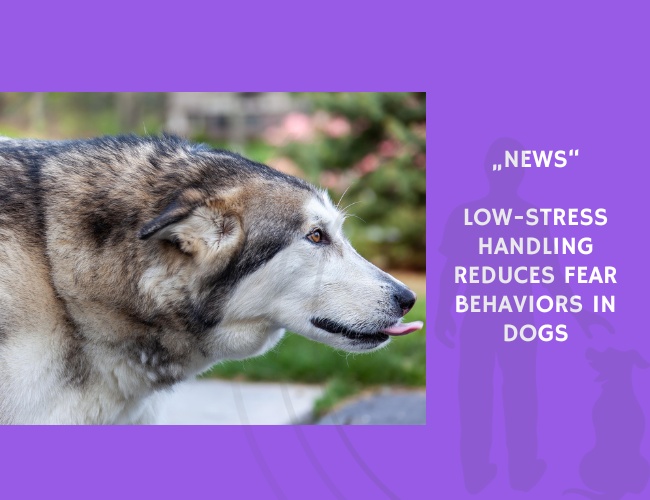
Veterinary visits can be a major source of stress and fear for dogs, often marked by anxious body language and physiological signs of distress. To improve animal welfare in clinical settings, low-stress handling (LSH)—sometimes called “Fear Free” practice—emphasizes gentle restraint, environmental comfort, and positive reinforcement. In this preliminary study, Scalia and colleagues (2017) compared the effects of LSH with traditional techniques (TT) to assess their impact on both behavioral and physiological indicators in adult dogs.
Eight dogs underwent both handling methods during separate clinical examinations spaced seven weeks apart. In the low-stress handling condition, dogs were allowed to explore and play freely for several minutes before and after the visit, while veterinarians maintained calm, supportive contact and provided food rewards. The same examination sequence was used in both sessions, including muzzle placement and cardiac auscultation, ensuring that differences in response could be attributed to handling style.
The findings revealed that while heart rate and respiration remained within normal limits, fear-related behaviors—such as lip licking, low head posture, and “whale eye”—were significantly higher during traditional handling. Conversely, dogs in the low-stress handling sessions showed reduced signs of anxiety and increased calm engagement. Although rectal temperature was slightly higher during LSH visits, this was attributed to increased physical movement and not stress.
These results underscore that even simple adjustments—like allowing dogs time to acclimate to the environment and providing positive reinforcement—can substantially improve the quality of veterinary interactions. The study highlights the potential for Fear Free principles to enhance welfare and cooperation, and encourages broader implementation across veterinary practices to reduce anxiety in canine patients.
Source: Scalia, B., Alberghina, D., & Panzera, M. (2017). Influence of low stress handling during clinical visit on physiological and behavioural indicators in adult dogs: a preliminary study, published December 20, 2017.










