
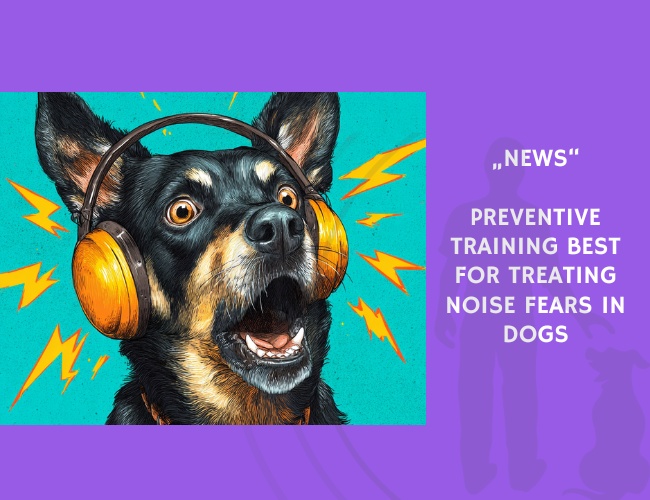
Fear of loud noises is the most common behavioral issue affecting pet dogs, often triggered by fireworks, thunderstorms, or sudden sounds. These fears can severely impact welfare, leading to anxiety, escape attempts, or even physical harm. Stefanie Riemer (2023) reviewed the current evidence on therapies and preventive strategies for canine noise fears, offering practical insights for veterinarians and dog guardians.
The review emphasizes a multifaceted approach combining management, behavioral therapy, and pharmacological support. During unavoidable noise events, owners can safeguard dogs’ welfare by creating safe spaces, providing food or play rewards to form positive associations, and using proven anxiolytic medications when necessary. Among various interventions, counterconditioning—pairing noises with pleasant experiences—emerged as one of the most effective methods for modifying emotional responses.
Riemer also found strong evidence supporting preventive training, both for puppies and adult dogs. Gradually introducing noise recordings at controlled intensities, combined with rewards and relaxation exercises, helps prevent the development of severe fear responses later in life. Conversely, most “alternative” remedies—such as herbal supplements, pheromones, Bach flowers, or essential oils—showed limited or inconsistent efficacy as standalone treatments for serious fears.
Overall, this review underscores that proactive, evidence-based behavioral training is key to long-term emotional stability. By integrating desensitization, counterconditioning, and appropriate medical support, caregivers can greatly improve dogs’ quality of life and resilience to environmental stressors.
Source: Riemer, S. (2023). Therapy and Prevention of Noise Fears in Dogs—A Review of the Current Evidence for Practitioners. Animals, 13, published November 27, 2023.










