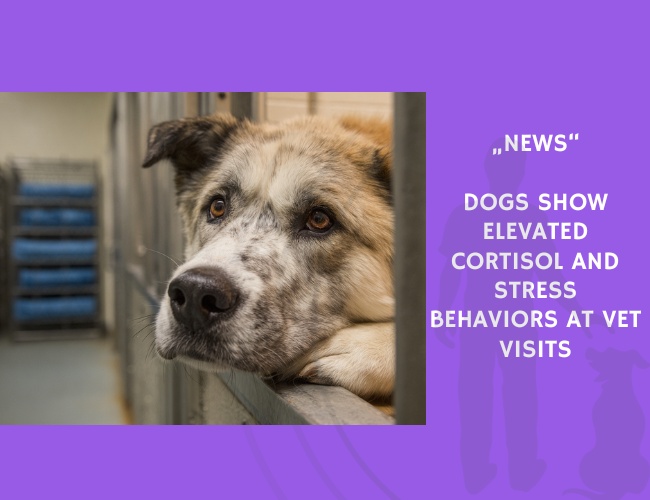
Veterinary visits can be a significant source of stress for dogs, influencing both behavior and physiology. Turcanu & Papuc (2016) compared the endocrine and behavioral responses of six dogs during veterinary clinic visits with their responses in non-stressful environments such as parks or workplaces.
Using urinary cortisol as a biomarker and detailed behavioral observations, the study found that five of six dogs exhibited elevated cortisol levels following veterinary visits. Behaviorally, all dogs hesitated at the clinic entrance and in the examination room, though the intensity of stress varied individually.
The Clinic Dog Stress Scale categorized the dogs’ responses: one dog remained calm (score 1), two showed moderate stress (score 3), two were highly tense (score 4), and one was in severe distress (score 5). These findings reveal a clear correlation between behavioral distress and cortisol elevation, emphasizing the importance of stress management during veterinary care.
The study highlights that stress can alter physiological responses, potentially masking clinical symptoms or leading to aggressive behaviors. For veterinarians, owners, and dogs, recognizing and mitigating stress is essential for accurate diagnosis, effective treatment, and overall animal welfare.
Source: Turcanu, N., & Papuc, I. (2016). Endocrine and behavioural response of dog in stress situations. Bulletin of University of Agricultural Sciences and Veterinary Medicine Cluj-Napoca: Horticulture, 73, 238–242. Published November 29, 2016.