
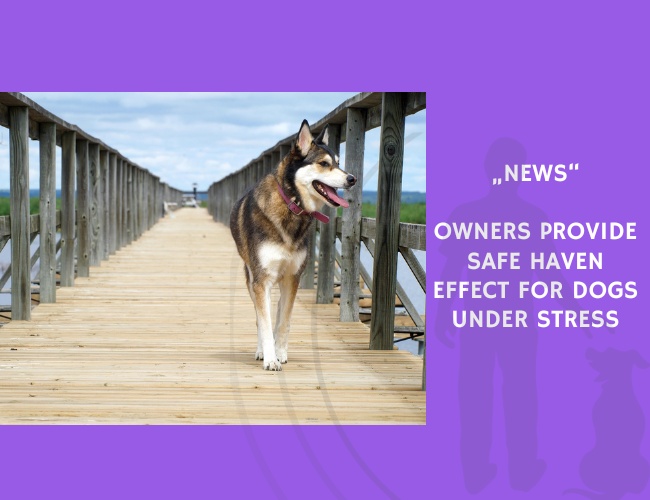
Attachment theory highlights the secure base and safe haven roles of caregivers in human relationships. Extending this framework to dogs, Gácsi et al. (2013) investigated how owners influence their pets’ emotional and physiological reactions to stress.
The study involved 30 dogs exposed to a threatening stranger in two contexts: with their owner present and when separated. Researchers collected heart rate (HR) and heart rate variability (HRV) data using non-invasive telemetry and observed behavioral responses such as barking, growling, and distress vocalizations.
Results revealed that dogs showed elevated HR and reduced HRV when confronted by the stranger, particularly among behaviorally reactive individuals. Crucially, the stress response was significantly less pronounced in the presence of the owner. Furthermore, dogs that first encountered the stranger with their owner present exhibited attenuated stress responses during later separations, suggesting a lasting protective effect.
The findings provide robust evidence that owners serve as a safe haven for their dogs, similar to the role parents play for children. By buffering stress responses, owners not only ease immediate distress but may also reduce the impact of future stressful encounters.
Source: Gácsi, M., Maros, K., Sernkvist, S., Faragó, T., & Miklósi, Á. (2013). Human Analogue Safe Haven Effect of the Owner: Behavioural and Heart Rate Response to Stressful Social Stimuli in Dogs. PLoS ONE, 8. Published March 4, 2013.










