
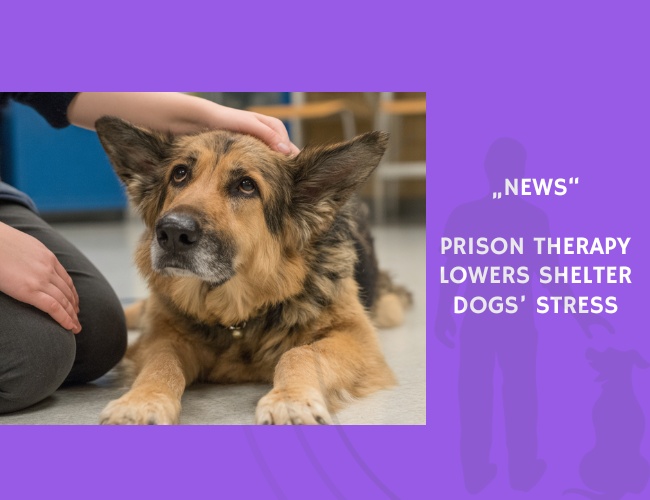
Animal Assisted Interventions (AAI) are widely recognized for their benefits to humans, but the welfare of the animals involved is equally important. d’Angelo and colleagues (2021) conducted an exploratory study to examine how participation in a prison-based AAI program influenced the stress levels of shelter dogs.
Five dogs from kennels in southern Italy were paired with prison inmates for weekly therapy sessions over a two-month period. Researchers monitored the dogs’ stress by collecting salivary cortisol samples every two weeks in three conditions: at the kennel baseline, after transportation, and following the intervention sessions.
The results showed a significant decrease in baseline cortisol levels by the end of the program when measured in the dogs’ living environment. This indicates that regular, structured interaction with humans outside of the kennel contributed to improved welfare. However, transportation from kennel to prison elevated cortisol, suggesting this phase can be stressful and requires careful management to protect the dogs’ well-being.
The study highlights the dual role of AAI: while enriching human lives, it can also benefit dogs, especially those in shelters, by providing social engagement and environmental variation. Yet, it emphasizes that every stage of participation, including logistics, must be thoughtfully managed to safeguard the dogs’ health and emotional state.
Source: d’Angelo, D., d’Ingeo, S., Ciani, F., Visone, M., Sacchettino, L., Avallone, L., & Quaranta, A. (2021). Cortisol Levels of Shelter Dogs in Animal Assisted Interventions in a Prison: An Exploratory Study. Animals, 11. Published January 29, 2021.










