
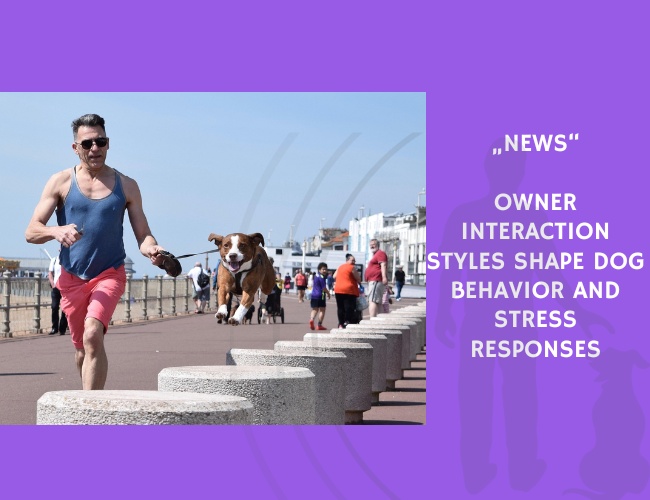
While it is widely believed that the way people interact with their dogs affects the dog–owner relationship, few studies have provided objective tools to measure these patterns. Cimarelli and colleagues (2017) designed an experimental procedure to observe and code owner interaction styles across eight controlled scenarios.
These scenarios included both positive experiences (such as play, teaching a new task, greeting after separation) and mildly stressful tasks (such as putting on a T-shirt, DNA sampling, or giving commands while the dog was distracted). Owner behavior was analyzed for variables like warmth, communication, social support, play style, and use of commands.
An exploratory factor analysis revealed three consistent patterns: Owner Warmth, Owner Social Support, and Owner Control. These categories mirror dimensions used in human parenting research, suggesting that just as parenting styles influence child development, owner styles shape canine stress resilience and behavioral outcomes.
The introduction of this standardized test marks an important step in dog research. By quantifying owner–dog interaction patterns, it allows for systematic comparisons across individuals and studies. Ultimately, it highlights how human behavior profoundly influences dogs’ coping strategies and the quality of the dog–human bond.
Source: Cimarelli, G., Turcsán, B., Range, F., & Virányi, Z. (2017). The Other End of the Leash: An Experimental Test to Analyze How Owners Interact with Their Pet Dogs. Journal of Visualized Experiments. Published October 13, 2017.










