
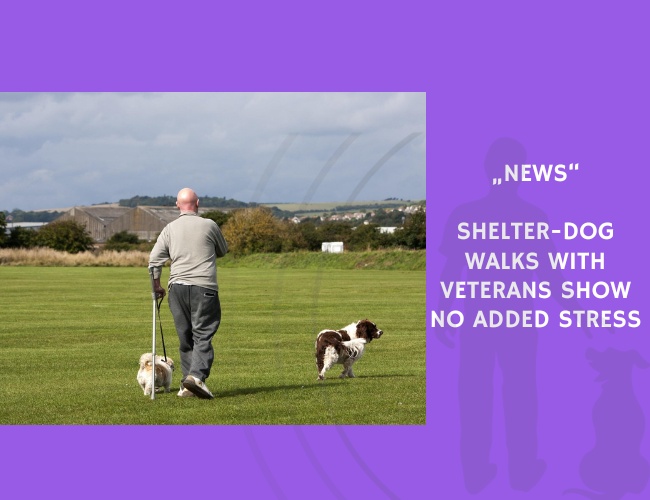
Human–animal interaction (HAI) interventions, such as dog walking, are increasingly being explored as therapeutic strategies for people with Post-traumatic Stress Disorder (PTSD). However, concerns exist about whether such activities might stress the animals involved, particularly shelter dogs unfamiliar with the walkers.
Friedmann and colleagues (2021) conducted an exploratory study involving 25 shelter dogs and 28 veteran participants, 45% of whom reported PTSD. Dogs were walked during an 8-week program, and their stress levels were assessed through heart rate variability (HRV) measured before, during, and after walks.
The results revealed that dog stress levels did not increase during the walks compared to baseline periods. Notably, post-walk HRV indicated that dogs walked by veterans with PTSD showed lower stress levels than those walked by veterans without PTSD. These findings suggest that not only are such programs non-stressful for dogs, but they may also enhance well-being for both dogs and handlers.
The authors emphasize that larger-scale studies across multiple shelters are needed, but the current findings support the development of shelter-based walking programs as mutually beneficial interventions that safeguard canine welfare while offering therapeutic benefits for veterans.
Source: Friedmann, E., Krause-Parello, C., Payton, M., Blanchard, K., Storm, A., Barr, E., & Gee, N. (2021). A Leash on Life: An Exploratory Study on the Effects of a Shelter-Dog Walking Program for Veterans on Dogs’ Stress. Anthrozoös, 35, 23–36. Published July 13, 2021.










