Introduction
Your adorable puppy who once hung on your every word suddenly seems to have developed selective hearing. Commands they mastered months ago now appear to be suggestions they’d rather ignore. Welcome to canine adolescence—a developmental stage that catches many dog owners off guard and leaves them wondering what happened to their well-behaved puppy.
Just like human teenagers, adolescent dogs undergo profound neurological, hormonal, and behavioral changes that can temporarily disrupt their training and reliability. This period, typically occurring between 6 months and 2 years of age (varying by breed), represents one of the most challenging yet crucial phases in your dog’s development. Understanding what’s happening inside your furry friend’s changing brain and body can transform frustration into patience, helping you navigate this turbulent time with confidence and compassion.
Let’s explore the fascinating science behind adolescent dog behavior and discover practical strategies to support your four-legged teenager through this transformative stage. 🧠
Character & Behavior: The Adolescent Transformation
Understanding Your Dog’s Changing Personality
During adolescence, you might notice your once-predictable puppy displaying seemingly contradictory behaviors—bold one moment, anxious the next. This isn’t defiance; it’s neurodevelopment in action. The prefrontal cortex, your dog’s executive control center responsible for impulse control and decision-making, undergoes rapid maturation during this period, creating temporary instability in behavioral responses.
The Science of Synaptic Pruning Your adolescent dog’s brain is literally rewiring itself through a process called synaptic pruning. Unused neural connections are eliminated while frequently used pathways are strengthened and myelinated for faster transmission. This biological renovation means that behaviors your puppy performed reliably may temporarily become inconsistent as their brain reorganizes for adult functioning. Think of it as renovating a house while still living in it—things get messy before they get better.
Heightened Sensitivity and Reactivity The adolescent brain experiences heightened neuroplasticity, making your dog extraordinarily sensitive to environmental influences. This increased sensitivity can manifest as sudden fearfulness toward previously neutral stimuli, overexcitement in familiar situations, or unpredictable responses to routine events. Your steady, confident companion might suddenly bark at the neighbor they’ve known since puppyhood or become overwhelmed at the dog park they’ve visited dozens of times.
Risk-Taking and Boundary Testing Much like human teenagers, adolescent dogs display increased risk-taking behaviors. This isn’t simple disobedience—it’s a developmentally normal exploration of boundaries driven by an imbalanced brain where emotional centers mature faster than inhibitory control regions. You might find your adolescent dog investigating dangerous items, attempting to escape the yard, or engaging with other dogs more boldly (or foolishly) than before. 🐾
Vocalization & Communication: When Your Dog’s “Voice” Changes
Decoding Adolescent Communication Patterns
Your adolescent dog’s communication style undergoes significant changes during this developmental period. Understanding these shifts helps you maintain connection during this challenging phase.
The Emergence of Adult Vocalizations Adolescent dogs often develop new vocalizations as their adult voice emerges. That puppy whine might transform into a deeper, more insistent demand bark. You might notice increased vocalization overall—frustrated barking when unable to immediately access desired resources, alert barking at previously ignored stimuli, or even the development of breed-specific vocalizations like howling or baying that weren’t present in puppyhood.
Body Language Becomes More Complex The simple, obvious body language of puppyhood evolves into more nuanced adult communication. Your adolescent dog might display conflicting signals—a wagging tail paired with tense body posture, or play bows followed by overly intense engagement. This communication complexity reflects their internal struggle between juvenile playfulness and emerging adult social awareness.
Testing Social Boundaries Through Communication Adolescent dogs frequently test social hierarchies through communication. This might manifest as:
- Ignoring recall commands while maintaining eye contact (testing independence)
- Selective deafness to familiar cues while responding to novel sounds
- Increased vocalization during training sessions (frustration or negotiation)
- More assertive body language with familiar dogs or humans
Remember, these changes aren’t personal—they’re biological. Your adolescent dog is learning to navigate the adult world with a brain that’s still under construction. 😄
Training & Education: Navigating the “Teenage” Brain
Why Training Falls Apart (And How to Rebuild It)
The training regression you’re experiencing isn’t imagination—previously reliable commands like recall, heel, and stay often deteriorate during adolescence. This breakdown occurs because the developing prefrontal cortex temporarily struggles with impulse inhibition and sustained attention.
Working With, Not Against, Neurodevelopment Instead of increasing pressure when commands fail, consider this approach:
- Reduce criteria temporarily: Ask for a 3-second stay instead of 30 seconds
- Increase reinforcement rate: Reward more frequently for partial success
- Environment management: Train in less distracting locations initially
- Session duration: Keep training sessions shorter but more frequent
The Power of Predictability Adolescent dogs, despite their apparent rebelliousness, desperately need structure. Their changing brains crave predictability to anchor themselves during this turbulent period. Establish and maintain:
- Consistent daily routines for meals, walks, and rest
- Clear household rules that don’t fluctuate with your frustration level
- Predictable consequences for both desired and undesired behaviors
- Regular training sessions at the same times each day
Building Resilience Through Choice Controlled choice-making opportunities help adolescent dogs develop decision-making skills while maintaining safety. Offer structured choices like:
- Which toy to play with during training breaks
- Which direction to turn on walks (within safe parameters)
- Which mat to settle on during quiet time
- Which treat to work for during training sessions
This approach builds confidence while maintaining necessary boundaries during this vulnerable developmental stage.
Performance & Activities: Channeling Adolescent Energy
Structured Outlets for Teenage Intensity
Your adolescent dog’s energy might seem infinite and chaotic, but channeling it appropriately is crucial for their development and your sanity.
Physical Exercise Needs Careful Balance While adolescent dogs have significant energy, their growing bodies require thoughtful exercise planning. Over-exercise can damage developing joints and growth plates, while under-exercise leads to destructive behaviors. The general guideline of 5 minutes of exercise per month of age, twice daily, still applies but can be adjusted based on your dog’s individual needs and breed characteristics.
Mental Stimulation Becomes Critical The adolescent brain craves novel challenges. Puzzle feeders, scent work, and training new tricks provide essential mental exercise that physical activity alone cannot satisfy. Consider introducing:
- Nose work games hiding treats or toys around the house
- Food-dispensing puzzles of increasing complexity
- New training challenges like trick training or basic agility
- Rotation of toys to maintain novelty
Social Learning Opportunities Carefully managed social interactions during adolescence shape adult social skills. However, the heightened sensitivity of this period means negative experiences can have lasting impacts. Prioritize:
- Controlled playdates with known, well-adjusted adult dogs
- Supervised interactions with patient, dog-savvy humans
- Positive experiences in various environments (without overwhelming)
- Group training classes specifically designed for adolescent dogs
The goal isn’t exhaustion—it’s appropriate stimulation that supports healthy development while preventing problematic behaviors from taking root. 🧡
Nutritional Recommendations: Fueling the Developing Brain
Supporting Neurodevelopment Through Diet
The rapid brain development occurring during adolescence requires specific nutritional support. Your dog’s dietary needs shift significantly during this phase.
Omega-3 Fatty Acids for Brain Health DHA and EPA, found in fish oil, support healthy brain development and may help moderate some adolescent behavioral challenges. These essential fatty acids contribute to:
- Optimal neurotransmitter function
- Reduced inflammation in developing neural tissue
- Improved learning and memory consolidation
- Better emotional regulation
Consider supplementing with high-quality fish oil or choosing foods enriched with omega-3s, following your veterinarian’s dosage recommendations based on your dog’s size and breed.
Protein Requirements During Growth Adolescent dogs need higher protein levels than adult dogs but lower than young puppies. Quality matters more than quantity—look for:
- Named meat sources as primary ingredients
- Appropriate protein levels for your dog’s size and breed (typically 22-32% dry matter)
- Complete amino acid profiles supporting muscle and brain development
- Digestible protein sources that don’t stress the developing digestive system
Managing Meal Times and Hunger The adolescent metabolism can be unpredictable. Some dogs experience increased appetite while others become pickier eaters. Strategies for success include:
- Maintaining consistent meal times despite changing appetite
- Using meals as training opportunities (work for food)
- Avoiding free-feeding which can lead to resource guarding
- Monitoring body condition score weekly and adjusting portions accordingly
Remember that nutritional needs vary significantly between breeds and individuals—work with your veterinarian to optimize your adolescent dog’s diet.
Defiant. Fragile. Transforming.
Adolescence rewrites the rules of behavior. Neural rewiring disrupts once-reliable responses, making well-trained dogs seem suddenly unpredictable. What looks like defiance is simply a brain under renovation.
Instability reflects growth, not failure. Synaptic pruning and heightened sensitivity create swings between boldness and fear, leaving owners confused. These contradictions mark a temporary phase of developmental recalibration.


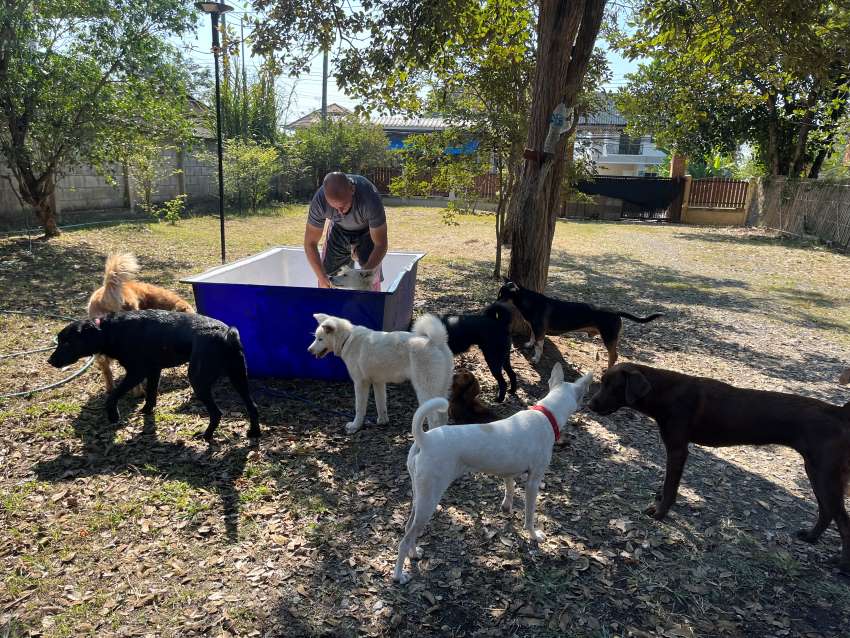
Risk-taking becomes exploration of limits. Emotional centers outpace impulse control, pushing adolescent dogs to test boundaries. Guiding them with patience and structure turns chaos into lasting maturity.🐾
Health Concerns: Adolescent-Specific Challenges
Medical Considerations During the Teenage Phase
Adolescence brings unique health considerations that can impact behavior and training success.
Hormonal Influences on Health and Behavior The surge of sex hormones—testosterone, estrogen, and progesterone—doesn’t just influence behavior; it affects overall health. These hormones can contribute to:
- Increased risk of certain cancers if not spayed/neutered at appropriate times
- Development of sex-specific behaviors like marking or roaming
- Changes in coat quality and skin health
- Fluctuations in appetite and weight
Growth-Related Orthopedic Concerns Rapid growth during adolescence can lead to developmental orthopedic conditions, particularly in large breeds. Watch for signs of:
- Lameness or reluctance to exercise (could indicate growing pains or panosteitis)
- Unusual gait patterns suggesting hip or elbow dysplasia
- Sensitivity when touched on legs or joints
- Decreased activity levels that might be mistaken for laziness
Early detection and management of these conditions can prevent long-term complications and behavioral issues stemming from pain or discomfort.
Stress-Related Health Issues The heightened stress sensitivity during adolescence can manifest physically. Adolescent dogs may experience:
- Gastrointestinal upset during stressful periods
- Skin conditions exacerbated by stress hormones
- Suppressed immune function leading to increased susceptibility to illness
- Changes in appetite or elimination patterns
Supporting your dog’s stress management through predictable routines, appropriate exercise, and calming strategies helps maintain both physical and mental health during this vulnerable period. 🐾
Lifestyle & Environment: Creating Adolescent-Friendly Spaces
Optimizing Your Home for a Teenage Dog
Your living environment plays a crucial role in helping your adolescent dog navigate this challenging developmental stage successfully.
Safe Spaces for Decompression Every adolescent dog needs a retreat where they can process the overwhelming stimuli of their changing world. Create designated quiet zones with:
- Comfortable bedding away from household traffic
- Visual barriers like crates with covers or corner placements
- Consistent availability (never use these spaces for punishment)
- Personal items like favorite toys or blankets with familiar scents
Environmental Management for Success Adolescent dogs often regress in house training and chew inappropriate items. Proactive management prevents these behaviors from becoming habits:
- Remove temptations like shoes, remote controls, and accessible garbage
- Use baby gates to limit access to unsupervised areas
- Provide appropriate chew toys rotated regularly for novelty
- Maintain clear pathways to elimination areas
Enrichment Without Overwhelm While adolescent dogs need stimulation, too much environmental complexity can increase stress and reactive behaviors. Balance enrichment by:
- Introducing new experiences gradually
- Pairing novel stimuli with positive associations
- Allowing recovery time between challenging experiences
- Observing your dog’s stress signals and adjusting accordingly
The goal is an environment that supports exploration and learning while providing security and predictability during this uncertain developmental period.
Senior Care Preparation: Building Foundations for the Future
How Adolescent Experiences Shape Senior Years
The way you navigate adolescence with your dog profoundly impacts their senior years. Patterns established now often persist throughout adulthood into old age.
Building Stress Resilience Dogs who successfully navigate adolescent challenges with support develop better coping mechanisms for senior stressors. This resilience building involves:
- Positive exposure to various experiences (without flooding)
- Learning that temporary discomfort leads to positive outcomes
- Developing confidence through successful problem-solving
- Establishing trust that their human provides safety and guidance
Preventing Behavioral Problems from Cementing Behaviors practiced during adolescence often become default patterns. Addressing issues now prevents:
- Entrenched anxiety or fear responses
- Chronic reactivity toward other dogs or people
- Resource guarding that worsens with age
- Destructive coping mechanisms for stress or boredom
Investing patience and training during adolescence pays dividends in having a well-adjusted adult and senior dog.
Creating Positive Associations with Handling Senior dogs often require increased medical care and grooming. Adolescence is the perfect time to reinforce:
- Comfortable restraint for veterinary procedures
- Tolerance for body handling and examination
- Positive associations with grooming tools and processes
- Acceptance of medications and supplements
These foundations make senior care significantly less stressful for both you and your aging companion.
Breed-Specific Considerations: Not All Adolescents Are Equal
How Genetics Influence Adolescent Challenges
Your dog’s breed significantly impacts how adolescence manifests and what support strategies work best.
High-Drive and Working Breeds Breeds developed for intense work—Border Collies, German Shepherds, Belgian Malinois—often experience particularly challenging adolescences. Their genetic programming for sustained focus and drive conflicts with adolescent brain instability, potentially resulting in:
- Extreme frustration when unable to work or problem-solve
- Redirected herding or hunting behaviors toward inappropriate targets
- Heightened sensitivity to environmental changes
- More pronounced training regression
These breeds benefit from structured activities that engage their working instincts while accommodating adolescent limitations.
Giant Breeds and Extended Adolescence Large and giant breeds like Great Danes, Mastiffs, and Saint Bernards experience prolonged adolescence, sometimes lasting until 3 years of age. This extended development means:
- Longer periods of behavioral inconsistency
- Greater risk of orthopedic issues from rapid growth
- Need for extended patience with training regression
- More careful exercise management to protect developing joints
Terriers and Independent Breeds Breeds selected for independent decision-making—most terriers, sighthounds, and primitive breeds—may seem particularly “rebellious” during adolescence. Their genetic tendency toward independence amplifies adolescent boundary-testing, requiring:
- Creative motivation strategies beyond food rewards
- Respect for their need for choice within boundaries
- Extra attention to recall training and management
- Understanding that compliance may always be somewhat negotiable
Recognizing your dog’s genetic predispositions helps set realistic expectations and tailor support strategies. 🧡
Supporting Your Dog Through Adolescent Regression
Practical Strategies for the Teenage Months
When your previously well-behaved dog suddenly seems to forget everything they’ve learned, remember: this is biology, not rebellion.
The Power of Patience and Consistency Your adolescent dog’s brain is literally under construction. Expecting adult-level performance from a developing brain sets everyone up for failure. Instead:
- Maintain training but adjust expectations downward temporarily
- Celebrate small successes rather than focusing on regression
- Keep rules consistent even when behavior fluctuates
- Remember that this phase is temporary (though it may not feel like it)
Strengthening Your Bond During Challenges The human-dog relationship often strains during adolescence. Strengthening your connection during this difficult period involves:
- Engaging in activities your dog enjoys (not just training)
- Using positive reinforcement liberally
- Avoiding punishment-based methods that damage trust
- Finding moments of joy amid the challenges
When to Seek Professional Help Some adolescent challenges benefit from professional intervention. Consider consulting a certified trainer or veterinary behaviorist if:
- Aggression toward people or other dogs emerges or escalates
- Anxiety or fear responses seem extreme or worsening
- Training regression persists beyond expected timelines
- You feel overwhelmed or notice your relationship deteriorating
Early intervention prevents adolescent issues from becoming permanent adult problems.
Understanding the Timeline: When Does It End?
The Light at the End of the Tunnel
While adolescence feels eternal when you’re living through it, this phase does end. Most dogs show significant improvement by 18-24 months, though some breeds continue developing until 3 years.
Signs of Emerging Maturity Watch for these indicators that your dog is transitioning to adulthood:
- Increased ability to focus during training sessions
- Better impulse control around distractions
- More consistent responses to known commands
- Decreased reactivity to environmental stimuli
- Stabilized energy levels and sleep patterns
The Gradual Nature of Improvement Adolescent regression doesn’t resolve overnight. Expect:
- Good days interspersed with challenging ones
- Gradual lengthening of good periods
- Occasional regression during stress (moving, new pets, schedule changes)
- Skills returning in the order they were originally learned
Long-Term Benefits of Adolescent Support Dogs who receive patient, structured support through adolescence typically become:
- More resilient adults who handle stress better
- Confident companions with stable temperaments
- Reliable partners with strong human bonds
- Better equipped for senior challenges
Your investment during these challenging months shapes your dog’s entire adult life. The patience you practice now, the boundaries you maintain, and the support you provide create the foundation for years of companionship ahead.
Conclusion: Is Adolescent Support Worth the Effort?
After exploring the complex neurodevelopmental, hormonal, and behavioral changes of canine adolescence, one truth emerges clearly: this challenging phase is both temporary and transformative. Your adolescent dog isn’t giving you a hard time—they’re having a hard time as their brain undergoes massive reconstruction.
The regression in training, the sudden fearfulness, the selective hearing—these aren’t signs of a “bad dog” or failed training. They’re evidence of a developing brain struggling to integrate adult capabilities while maintaining juvenile needs. By understanding the biology behind these changes, you can respond with informed patience rather than frustrated confusion.
Supporting your dog through adolescence requires adjusting expectations, maintaining consistency, and remembering that beneath the challenging behaviors is the same dog who trusted you as a puppy and will trust you as an adult. The structured patience you provide now, the boundaries you maintain with compassion, and the bond you protect despite the challenges—these investments yield a lifetime of returns.
Did you know that dogs who successfully navigate adolescence with supportive owners show better problem-solving abilities and stress resilience throughout their adult lives? Your teenage dog may test your patience daily, but remember: you’re not just surviving adolescence together—you’re building the foundation for a remarkable partnership that will enrich both your lives for years to come.
Next time your adolescent dog “forgets” their recall training or destroys something they haven’t touched in months, take a deep breath. Look at them not as a frustrating teenager, but as a developing individual navigating one of life’s most challenging transitions. With understanding, patience, and appropriate support, you’ll both emerge from adolescence stronger, more connected, and ready for the adventures ahead.
After all, the most challenging dogs to raise often become the most remarkable companions—because overcoming challenges together forges unbreakable bonds. Your adolescent dog is writing their adult story right now, and with your patient guidance, it’s going to be a beautiful one. 🐾