
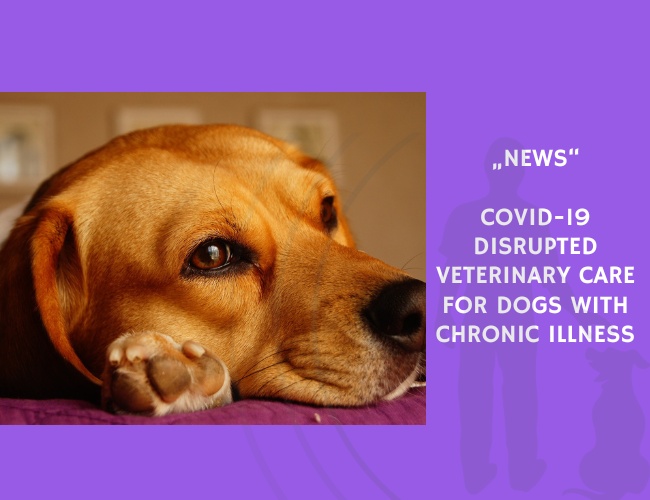
The COVID-19 pandemic forced widespread changes in how veterinary care was delivered, significantly impacting owners of dogs with chronic conditions. Owczarczak-Garstecka and colleagues (2022) conducted an exploratory mixed-methods study to examine these effects, surveying 719 dog owners in the UK between December 2020 and January 2021. The study focused on veterinary healthcare-seeking behaviors across acute, preventative, chronic, and end-of-life care contexts.
Results showed that structural barriers were a major factor influencing care-seeking. Limited access to veterinarians (30%) and the requirement for dogs to attend clinics unaccompanied (20%) were among the most frequently cited reasons owners delayed or avoided care. Owners of chronically ill dogs, in particular, were less likely to seek non-urgent care, citing delays in consultations, postponed test results, and restricted access to complementary treatments as causes of concern.
Qualitative analysis revealed that some owners perceived a deterioration in their dog’s welfare during the pandemic, attributing it to reduced veterinary access. While certain pandemic-era consultation practices, such as remote or modified visits, were sometimes viewed positively, owners strongly opposed dog–owner separation during clinic visits, especially for sensitive cases such as euthanasia decisions.
The findings suggest that future veterinary healthcare planning should prioritize maintaining owner–dog presence during consultations and reducing barriers to access, particularly for dogs with chronic illnesses. Interventions that strengthen owner confidence, highlight the benefits of veterinary care, and leverage the dog–owner bond could improve care-seeking behaviors, even in times of disruption.
Source: Owczarczak-Garstecka, S. C., Furtado, T., Graham, T. M., Lloyd, I., Singleton, D., Wallis, L. J., & Westgarth, C. (2022). Impacts of COVID-19 on Owner’s Veterinary Healthcare Seeking Behavior for Dogs With Chronic Conditions: An Exploratory Mixed-Methods Study With a Convenience Sample. Frontiers in Veterinary Science, 9. Published May 26, 2022.










