
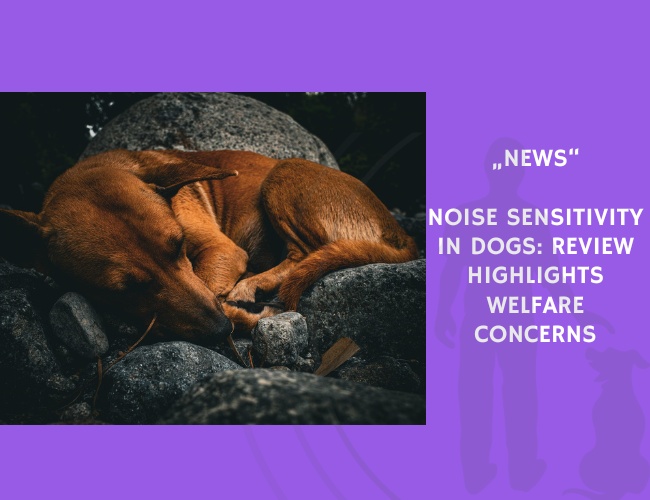
Noise-related stress is a significant welfare concern for many companion dogs. Raghy, Jacob, and Tamizhkumaran (2023) reviewed existing literature on canine responses to noise, covering the physiology of the ear, breed differences in sensitivity, and behavioral manifestations of fear.
The review emphasizes that one-third of dogs display noise aversion, with reactions ranging from mild fear behaviors like panting, pacing, and hiding, to severe phobic responses involving panic, acute agitation, or destructive behavior. Traumatic experiences and repeated exposure to frightening sounds can intensify these reactions. Older dogs are more prone to noise-related stress, while some breeds appear less susceptible to noise phobias.
The authors also highlight the role of music and sound therapy in supporting canine welfare. By understanding how different frequencies affect dogs and implementing noise abatement strategies, owners can reduce stress and improve well-being. Effective interventions may prevent the escalation of noise sensitivity into chronic anxiety-related behavioral disorders.
Ultimately, this review stresses the importance of interpreting dogs’ physiological and behavioral responses to noise in order to safeguard their welfare and quality of life.
Source: Raghy, R., Jacob, N., & Tamizhkumaran, J. (2023). A Review on the Influence of Noise on the Welfare of Dogs. International Journal of Bio-Resource and Stress Management. Published May 27, 2023.










