The bond between dogs and their owners is central to dog–human coexistence, often serving as a secure base for exploration and comfort. However, not all dogs show attachment in the same way. Recent findings suggest that a dog’s household rank plays a role in how it behaves under stress.
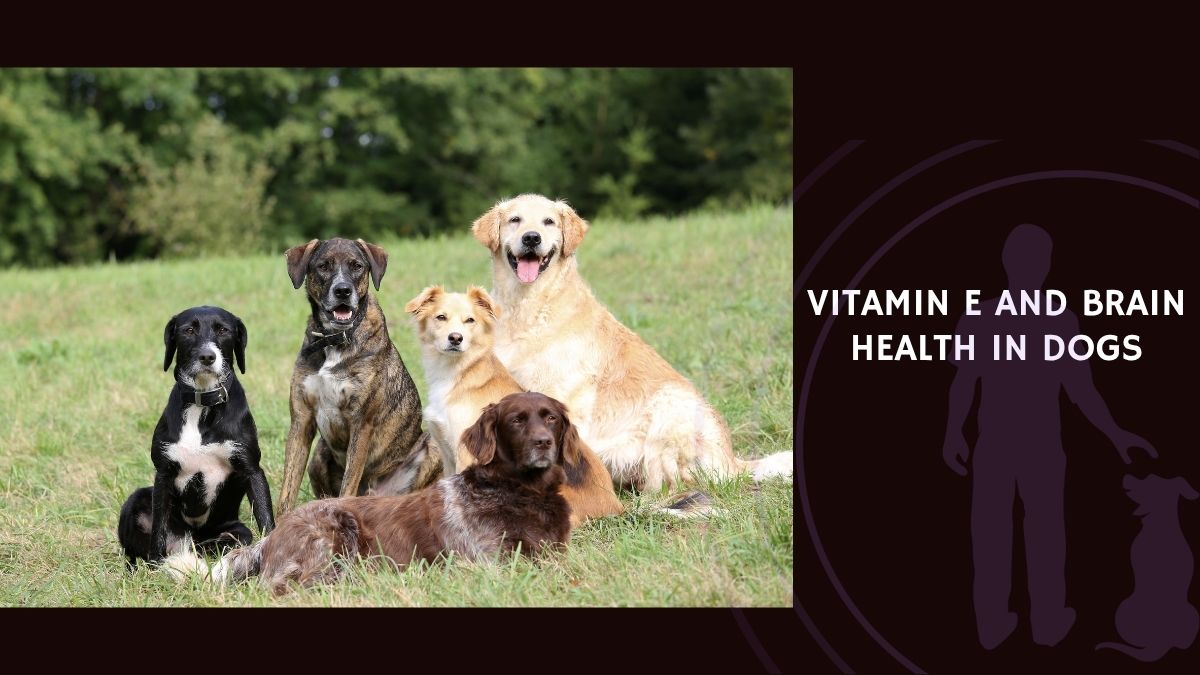
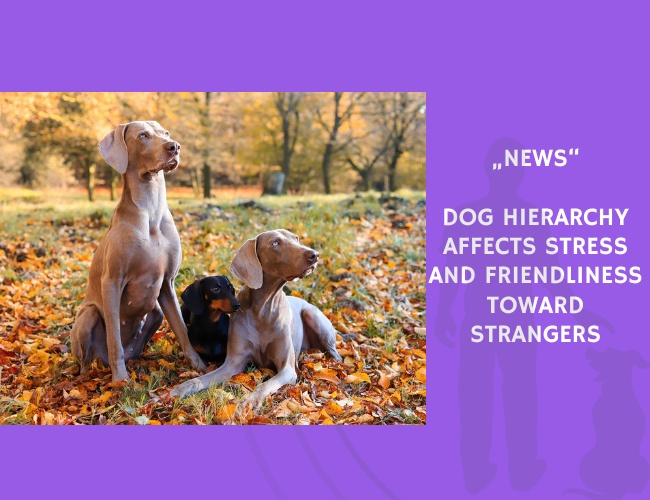
Bakos, Vékony, and Pongrácz (2025) used the Strange Situation Test to explore how rank influences behavior in multi-dog homes. They found that dogs with higher rank scores were less likely to display stress-related behaviors when their owner was present. However, these high-ranking dogs were also less friendly toward the stranger in the test compared to their lower-ranking counterparts.
Interestingly, older dogs showed fewer signs of stress but were more inclined to interact positively with the unfamiliar experimenter. These results suggest that both social hierarchy and age shape how dogs balance attachment to their owner with openness toward strangers.
The study provides the first evidence that rank among cohabiting dogs can affect attachment bonds with humans, potentially reflecting competition for the owner as an undividable resource. This highlights how multi-dog household dynamics influence emotional and social behavior in companion dogs.
Source: Bakos, V., Vékony, K., & Pongrácz, P. (2025). Hierarchy-Dependent Behaviour of Dogs in the Strange Situation Test: High-Ranking Dogs Show Less Stress and Behave Less Friendly with a Stranger in the Presence of Their Owner. Animals, 15. Published June 28, 2025.