
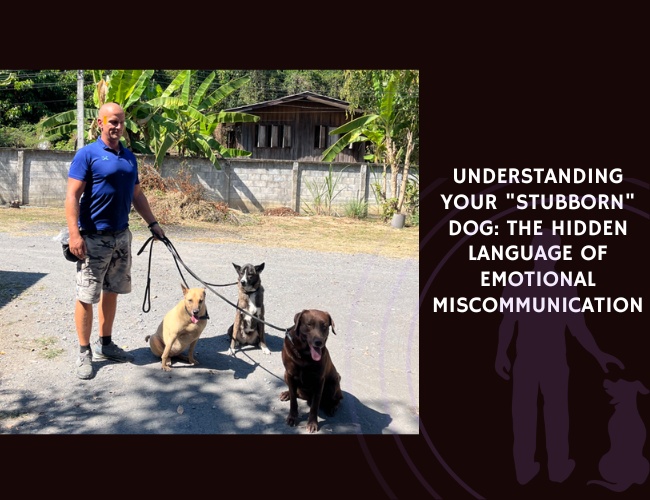
Introduction: When Your Furry Friend Seems to Say “No”
Have you ever looked at your dog during training and wondered why they’re simply refusing to listen? That moment when you call their name and they look away, or when you ask for a simple “sit” and they stand there like a statue—it’s enough to make any dog parent feel frustrated. But here’s something that might change everything: what we often label as “stubbornness” in our canine companions is rarely about defiance at all. Instead, it’s usually a complex symphony of emotions, miscommunication, and unmet needs playing out in ways we humans often misinterpret.
Let us guide you through a revolutionary understanding of what’s really happening when your dog seems “stubborn.” This journey will transform not just how you train your four-legged friend, but how you connect with them on a deeper, more meaningful level. By the end of this exploration, you’ll discover that your “stubborn” dog might actually be one of the most sensitive, intelligent communicators you’ve ever met—they’ve just been speaking a language you haven’t fully learned to understand yet. 🐾
Character & Behavior: The Real Story Behind “Stubborn” Dogs
Understanding the Emotional Dog Behind the Label
When we dig deeper into what makes a dog appear stubborn, we uncover something fascinating: these behaviors are actually sophisticated emotional responses. Your dog isn’t plotting to frustrate you during that training session. Instead, they’re experiencing a complex internal world that affects their ability to respond to your cues.
The stress response system plays a massive role here. When cortisol and adrenaline flood your dog’s system—perhaps triggered by something as simple as a loud truck passing by or the presence of an unfamiliar dog—their brain literally changes how it processes information. The amygdala, that ancient alarm system in the brain, takes over from the prefrontal cortex where learning happens. This means your “stubborn” dog might actually be a stressed dog whose brain has temporarily gone into survival mode.
Individual temperament traits shape how each dog responds to training situations. Some dogs are naturally more sensitive to environmental changes, while others possess what we call “environmental resilience.”
Key temperament factors that influence training response:
- Sensitivity threshold: How quickly your dog reacts to environmental changes—highly sensitive dogs need quieter, calmer training environments to prevent overwhelm
- Recovery speed: The time it takes your dog to bounce back from stress—slow recovery dogs need longer breaks between challenging exercises
- Environmental resilience: Your dog’s ability to maintain focus despite distractions—less resilient dogs require gradual exposure to increasing stimulation levels
- Social confidence: How comfortable your dog feels around other dogs and people—socially anxious dogs may shut down in group classes
- Frustration tolerance: How well your dog handles not getting immediate rewards—low tolerance dogs need higher reinforcement rates initially
A highly sensitive dog might shut down in a busy park, appearing stubborn when they’re actually overwhelmed by sensory input. Meanwhile, a resilient dog might seem stubborn because they’re so focused on environmental stimuli that your voice becomes background noise.
Breed-specific tendencies add another layer to this behavioral puzzle. Independent breeds like Shiba Inus or Afghan Hounds weren’t bred to constantly check in with humans for direction—they were designed to make autonomous decisions. When we label these dogs as stubborn, we’re actually encountering thousands of years of selective breeding for independent thinking. High-drive breeds like Border Collies might seem stubborn when they’re actually frustrated by unclear communication or insufficient mental stimulation.
The Hidden Emotional States That Block Learning
Three primary emotional states frequently masquerade as stubbornness, and recognizing them changes everything about how we approach training:
Anxiety and fear responses can make a dog appear completely unresponsive. You might notice subtle signs like lip licking, yawning when not tired, or a slightly lowered body posture. These aren’t signs of defiance—they’re your dog saying “I’m not emotionally available for learning right now.” A dog experiencing anxiety has a nervous system in protective mode, making it nearly impossible to process new information or respond to familiar cues.
Over-arousal and frustration create a different kind of block. Picture a dog who’s bouncing, whining, or spinning when you’re trying to get them to focus. This isn’t stubbornness—it’s an emotional system that’s revved too high to engage the thinking brain. Frustration often builds when dogs don’t understand what we want, especially when we accidentally reward the wrong behaviors or change our criteria without clear communication.
Confusion from mixed signals might be the most common cause of apparent stubbornness. Dogs are masters at reading our body language, tone, and energy. When these elements don’t match—like when we say “come” with frustrated body language that actually signals “stay away”—our dogs receive conflicting information. They’re not being stubborn; they’re trying to navigate contradictory messages.
Vocalization & Communication: Decoding Your Dog’s True Messages
What Your Dog Is Really Trying to Tell You
Every behavior your dog displays during those “stubborn” moments is actually communication. Understanding this transforms frustration into curiosity and opens doors to genuine connection.
Displacement behaviors are fascinating windows into your dog’s emotional state. These behaviors are emotional pressure valves, helping your dog cope with stress or confusion.
Common displacement behaviors and their meanings:
- Sudden scratching during training: “I’m feeling conflicted about what you’re asking”
- Intense ground sniffing when called: “I need a moment to process this overwhelming situation”
- Excessive yawning when not tired: “This is stressful and I’m trying to calm myself”
- Lip licking without food present: “I’m anxious about what’s happening right now”
- Sudden grooming mid-exercise: “I need to self-soothe because this is too much”
- “Shake off” without being wet: “I’m releasing tension from that interaction”
Body language speaks volumes when we learn to listen. A dog who turns their head away when you approach with a leash isn’t being stubborn about walks—they might be communicating discomfort with how you typically leash them. Freezing in place instead of coming when called often signals fear or uncertainty rather than disobedience. Even something as subtle as a tense mouth or dilated pupils tells us about internal states that affect compliance.
The absence of response is communication too. When your dog “ignores” a well-known command, they’re not giving you the silent treatment. They might be telling you that something in the environment is too distracting, that they’re not feeling well, or that past associations with that command have created negative emotions. This non-response is valuable information about what your dog needs from you in that moment.
Building a Common Language Together
Creating effective communication with your dog requires us to become bilingual—fluent in both human and canine forms of expression.
Consistency in our signals forms the foundation of clear communication. This means matching our verbal cues with consistent body language and emotional energy every single time. If “sit” sometimes comes with pointing, sometimes with a hand raise, and sometimes with no gesture at all, we’re essentially speaking three different languages to our dog. Your supposed “stubborn” dog might simply be confused by linguistic inconsistency.
Emotional congruence matters more than most people realize. Dogs are emotional barometers, constantly reading our internal states. When we’re frustrated but trying to sound happy, or anxious while attempting to project calm, our dogs receive mixed messages. They often respond to our true emotional state rather than our words, appearing stubborn when they’re actually responding accurately to what we’re really communicating.
Timing and reinforcement clarity can make or break understanding. If we’re even a second late with our marker word or reward, we might be reinforcing something entirely different than intended. A dog who seems stubborn about lying down might have learned that the reward comes for the moment of hesitation before lying down, not the actual behavior. This isn’t stubbornness—it’s precise learning based on imprecise teaching.
Training & Education: Shifting from Obedience to Partnership
The Relational Revolution in Dog Training
The old model of dog training focused on obedience—getting dogs to comply with our commands regardless of their emotional state. But modern understanding reveals something beautiful: when we shift our focus from obedience to connection, those “stubborn” behaviors often dissolve naturally.
Building emotional safety becomes our first priority. Before asking anything of our dogs, we need to ensure they feel secure in the learning environment. This might mean spending the first five minutes of a training session just being present together, letting your dog acclimate to the space, or doing calming activities like gentle massage or slow, rhythmic breathing together. When dogs feel emotionally safe, their learning brain comes online, and suddenly that “stubborn” dog becomes eager to engage.
Co-regulation techniques tap into the mammalian bonding system. By regulating our own nervous system—breathing deeply, relaxing our shoulders, speaking in warm tones—we actually help our dogs regulate theirs. This isn’t just feel-good training; it’s neuroscience in action. Mirror neurons in your dog’s brain respond to your calm state, creating a physiological shift that makes learning possible.
Choice and agency in training might seem counterintuitive when dealing with a “stubborn” dog, but it’s transformative. Offering choices—”Would you like to practice sit or down first?”—and respecting when a dog communicates “not right now” builds trust and paradoxically increases compliance over time. A dog who knows they can say no safely is more likely to say yes enthusiastically.
Practical Protocols for the Misunderstood Dog
These specific techniques address the root causes of what appears as stubbornness:
The Foundation Protocol Checklist – Before any training session:
- Environmental scan: Remove or minimize obvious distractions and stressors
- Emotional check-in: Observe your dog’s baseline arousal level and adjust accordingly
- Your state assessment: Take three deep breaths and release any frustration you’re carrying
- Connection moment: Spend 30 seconds just being present with your dog—no demands
- Warm-up activity: Start with something your dog loves and does easily
- Success setup: Have high-value rewards ready and easily accessible
- Exit strategy: Know when to end on a positive note if things aren’t working
Patience protocols and waiting games build frustration tolerance and focus. Start with micro-waits—asking your dog to pause for just one second before eating, then gradually building duration. This isn’t about making them wait for waiting’s sake; it’s about teaching emotional regulation. Practice “ready, steady” games where excitement builds but release only comes with calm focus. These exercises transform over-aroused “stubborn” dogs into masters of self-control.
Calm focus exercises create new neural pathways. Try the “watch me” game in increasingly distracting environments, starting in a quiet room and gradually adding challenges. Reward not just eye contact but calm body language too. Practice “meditation walks” where you move incredibly slowly, rewarding your dog for matching your pace. These aren’t just training exercises—they’re teaching your dog how to find calm in chaos.
Environmental management strategies set everyone up for success. If your dog seems stubborn about recall at the dog park, start practicing in your hallway, then your backyard, then an empty tennis court. Each environment is a different level of difficulty for your dog’s brain. By managing the environment thoughtfully, we can build success gradually rather than setting up our dogs to appear stubborn in situations they’re not ready for.

Performance & Activities: Channeling Energy Productively
Matching Activities to Emotional Needs
What looks like stubbornness often stems from mismatched energy and activity levels. Understanding your dog’s unique needs transforms resistance into enthusiasm.
High-drive dogs need purposeful work, not just physical exercise. A Border Collie who seems stubborn during basic obedience might transform into a focused partner when given herding games or complex puzzle-solving tasks. These dogs aren’t being difficult—their brains are Formula One engines being asked to putt around a parking lot. Scent work, agility sequences, and advanced trick training channel their drive productively.
Sensitive dogs thrive with gentle challenges. That seemingly stubborn soft-tempered Golden Retriever might blossom with therapy dog training or calm confidence-building exercises. These dogs need activities that build self-assurance without overwhelming their sensitive nervous systems. Slow, successful repetitions trump pushing through resistance.
Independent thinkers need creative outlets. Your “stubborn” terrier or hound might engage brilliantly when given problems to solve independently. Hide-and-seek games, puzzle feeders, and “find it” exercises respect their autonomous nature while building cooperation. These activities say “I respect your intelligence” rather than demanding blind obedience.
Signs of Engagement vs. Shutdown
Learning to read the difference between true disengagement and emotional overwhelm changes how we respond to “stubborn” moments:
True engagement signs include soft eye contact, relaxed body posture leaning slightly forward, tail at neutral or gently wagging, and responsive ears that flick between you and the environment. A truly engaged dog might take breaks but returns attention naturally. This is your collaborative partner, ready to work with you.
Shutdown indicators tell a different story:
Critical shutdown warning signs to watch for:
- Eyes: Glazed, unfocused, or actively avoiding contact—the “lights are on but nobody’s home” look
- Body posture: Pulling away, freezing in place, or becoming very small—trying to disappear
- Stress signals: Excessive lip licking, yawning, panting when not hot, or trembling
- Ears: Pinned flat back or scanning frantically—hypervigilant for threats
- Tail: Tucked under or completely rigid—extreme discomfort
- Breathing: Shallow, rapid breaths or holding breath—stress response activated
- Movement: Slow motion responses or complete immobility—system overwhelm
This isn’t stubbornness—it’s a nervous system saying “I’ve hit my limit.” Pushing through these signals damages trust and creates more resistance in future sessions. 🧠
Confused. Sensitive. Misread.
Stubbornness is often stress in disguise. When the amygdala takes over under pressure, learning shuts down and survival instincts rule. What looks like refusal is usually a nervous system overwhelmed by noise, fear, or uncertainty.
Temperament and history shape responses. Sensitive dogs, independent thinkers, and high-drive breeds all show different patterns that can be mistaken for defiance. Their reactions reflect genetics and environment, not a lack of willingness.
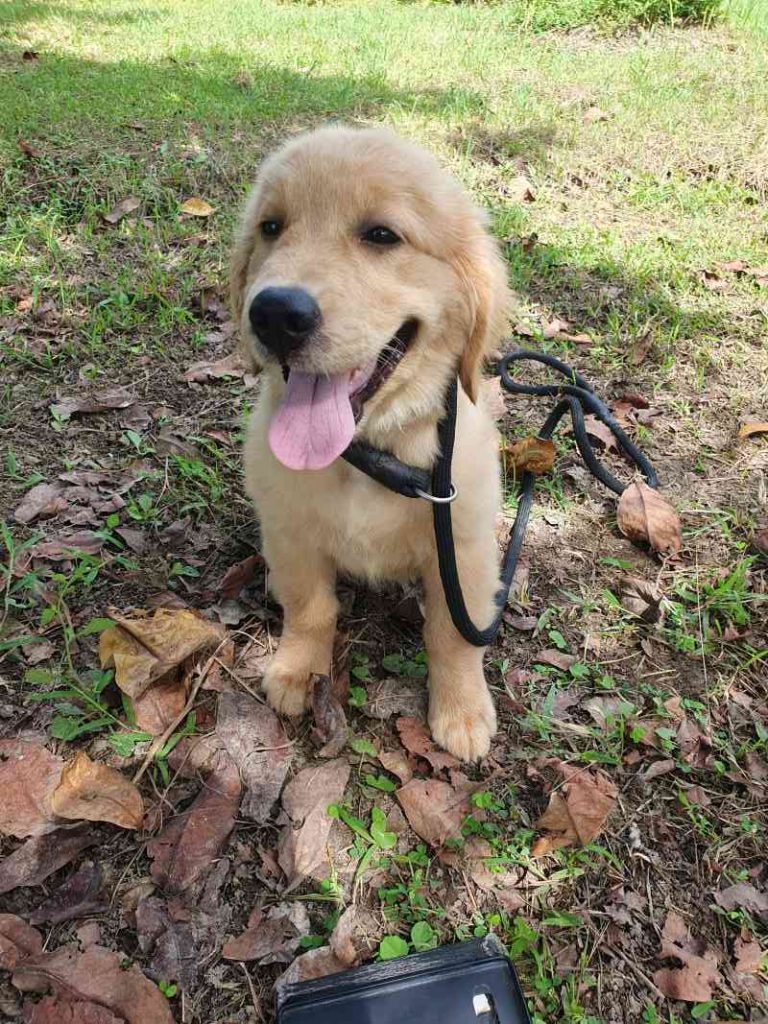

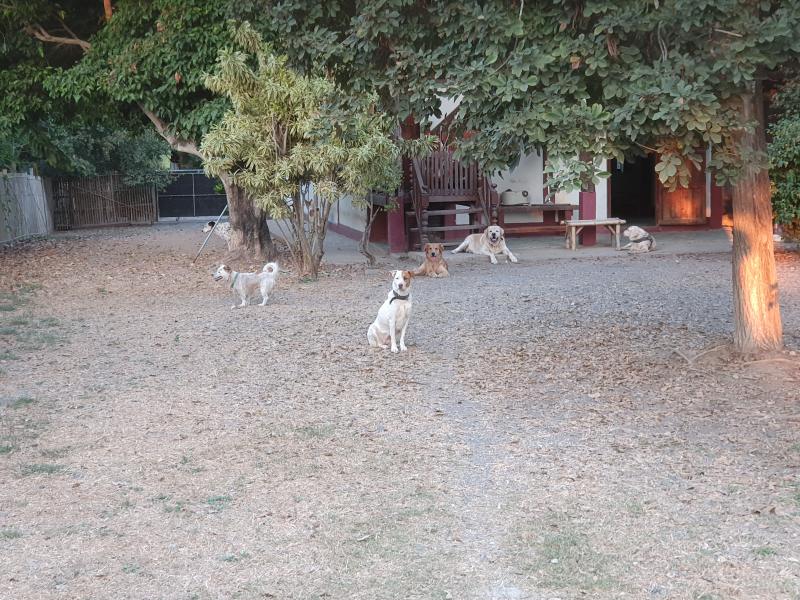
Emotions speak louder than commands. Anxiety, over-arousal, or mixed signals cloud connection, leaving cues unheard. Recognising these states transforms training from conflict into communication built on trust and clarity.
Nutritional Foundations: The Surprising Food-Behavior Connection
How Diet Affects Emotional Regulation
You might not expect nutrition in an article about stubborn behavior, but what your dog eats dramatically impacts their ability to focus and learn.
Blood sugar stability affects attention and impulse control. Dogs fed high-carbohydrate diets might experience energy spikes and crashes that manifest as hyperactivity followed by apparent stubbornness. Switching to balanced proteins and complex carbohydrates can create more stable energy, improving focus and reducing frustration-based resistance.
Inflammatory foods and behavioral changes represent a cutting-edge understanding in veterinary behavior. Some dogs show increased anxiety or reactivity when eating foods that cause low-grade inflammation. Common culprits include certain grains, artificial additives, and even some proteins. An elimination diet might reveal that your “stubborn” dog was actually uncomfortable, with behavioral improvements following dietary changes.
Meal timing and training success go hand-in-hand. A dog trained immediately after a large meal might seem stubborn when they’re actually lethargic. Conversely, a hungry dog might be too food-focused to engage with non-food rewards. Finding your dog’s optimal training window—often 30-60 minutes after a small snack—can dramatically improve apparent cooperation.
Supplements and Behavioral Support
While not a magic fix, certain nutritional supplements can support the anxious or over-aroused dog who appears stubborn:
L-theanine and anxious dogs: This amino acid found in green tea can help promote calm focus without sedation. Dogs who seem stubborn due to anxiety might show improved learning capacity with appropriate supplementation under veterinary guidance.
Omega-3 fatty acids for cognitive function: These essential fats support brain health and have been shown to improve learning and reduce anxiety-related behaviors. A dog whose “stubbornness” stems from cognitive processing challenges might benefit from fish oil supplementation.
Probiotics and the gut-brain axis: Emerging research reveals connections between gut health and behavior. Some dogs labeled stubborn show improvements when digestive issues are addressed through probiotic supplementation and dietary changes.
Health Concerns: When “Stubborn” Signals Something More
Medical Issues Masquerading as Behavioral Problems
Before addressing any “stubborn” behavior through training, we must consider potential medical causes that might make compliance difficult or impossible.
The Hidden Pain Checklist – Subtle signs your dog might be hurting:
- Reluctance to perform previously easy behaviors (won’t sit, won’t lie down, won’t jump up)
- Changes in movement patterns (bunny hopping, favoring one side, stiff gait)
- Behavioral changes around touch (flinching, moving away from petting, growling when approached)
- Sleep pattern disruptions (restlessness, difficulty settling, frequent position changes)
- Appetite or elimination changes (eating differently, house training regression)
- Subtle vocalizations (quiet whimpering, sighing, groaning when moving)
- Temperature seeking (always finding warm spots or cool surfaces)
Pain and discomfort are often invisible but profoundly impact behavior. A dog who suddenly becomes “stubborn” about jumping into the car might have early hip dysplasia. Reluctance to lie down could signal abdominal discomfort. Resistance to collar pressure might indicate neck pain. Our dogs can’t tell us “that hurts,” so they communicate through behavioral changes we might misinterpret as stubbornness.
Sensory changes particularly affect senior dogs. Declining hearing might make a previously responsive dog seem stubborn about recall. Vision loss could explain reluctance to navigate previously familiar spaces. These aren’t training issues—they’re accessibility needs requiring our adaptation and understanding.
Neurological conditions can manifest as apparent stubbornness. Canine cognitive dysfunction (dog dementia) might cause a dog to forget previously learned behaviors. Seizure disorders can cause brief absence episodes that look like ignoring commands. Even subtle neurological issues can affect motor planning, making previously simple behaviors challenging.
Working with Your Veterinary Team
Creating a comprehensive health picture helps distinguish medical from behavioral causes:
Behavioral health assessments should include detailed history of when “stubborn” behaviors occur, environmental triggers, and any patterns you’ve noticed. Video recordings of concerning behaviors help veterinarians see what you’re experiencing at home.
Diagnostic considerations might include bloodwork to rule out thyroid issues or other metabolic conditions, x-rays or other imaging for suspected pain sources, and potentially referral to veterinary behaviorists for complex cases. What seems like a training problem might have a medical solution.
Integrative approaches combine medical and behavioral interventions. Pain management might be needed alongside behavior modification. Anti-anxiety medications might provide the emotional stability needed for successful training. These aren’t failures or shortcuts—they’re compassionate responses to genuine medical needs.
Lifestyle & Environment: Creating Success Conditions
Environmental Factors That Influence Cooperation
Your dog’s living environment profoundly impacts their ability to engage cooperatively, and what seems like stubbornness might actually be environmental overwhelm.
Sensory considerations in the home matter more than most people realize. Dogs have hearing ranges far beyond ours—that “stubborn” behavior might coincide with ultrasonic frequencies from electronics you can’t even hear. Fluorescent lighting can create visual stress for some dogs. Strong cleaning product scents might create anxiety that manifests as resistance to training in certain areas of your home.
Safe spaces and decompression zones provide essential emotional regulation opportunities. A dog who has a quiet retreat where they’re never asked to perform can better engage when they do participate in training. This might be a crate with a blanket over it, a dog bed in a quiet corner, or even a separate room where your dog can decompress. Dogs who seem stubborn might actually be dogs who never get true downtime.
Routine and predictability create emotional stability that supports learning. While we might enjoy spontaneity, dogs labeled as stubborn often thrive with predictable patterns. Knowing that morning walks happen at 7 AM, training happens at 5 PM, and bedtime is consistent helps dogs regulate their energy and attention for optimal engagement during training times.
Social Dynamics and Their Impact
The social environment shapes behavior as much as the physical space:
Multi-dog household challenges can create apparent stubbornness that’s actually about social dynamics.
Managing multi-dog training dynamics:
- Individual training sessions first: Build each dog’s skills separately before combining
- Resource awareness: Ensure adequate space and rewards to prevent competition
- Rotation schedules: Give each dog dedicated one-on-one time to reduce jealousy
- Parallel training: Work dogs side by side but focused on their own tasks
- Hierarchy respect: Understand but don’t reinforce unhealthy pack dynamics
- Safe zones: Ensure each dog has a retreat space away from others
- Group release cues: Teach individual release words to prevent chaos
A dog might refuse to perform behaviors when another dog is present due to resource concerns or social anxiety. Training separately before combining sessions often reveals that “stubborn” dogs are actually stressed about peer pressure.
Human family consistency makes or breaks training success. If one family member uses different cues, rewards different behaviors, or has different expectations, your dog isn’t stubborn—they’re navigating conflicting cultural norms. Family training meetings where everyone agrees on cues, rewards, and boundaries transform “stubborn” dogs into consistent responders.
Visitor and stranger factors influence behavior more than we might expect. Some dogs appear stubborn only when guests are present, which actually indicates social anxiety or overarousal rather than defiance. Creating protocols for visitor interactions—perhaps having guests ignore the dog initially—can reduce social pressure and improve apparent cooperation.
Senior Care: When Age Changes the Game
Understanding the Aging “Stubborn” Dog
Senior dogs often develop behaviors that seem stubborn but actually reflect the aging process and changing needs.
Cognitive changes and confusion can make previously reliable dogs seem resistant to commands. Canine cognitive dysfunction affects memory, learning, and spatial awareness. Your senior dog isn’t being stubborn about finding their bed—they might genuinely be confused about where it is. Patience and environmental modifications like night lights and consistent furniture placement help these dogs navigate their world.
Physical limitations affecting compliance become increasingly common with age. Arthritis might make sitting painful, so your dog stands instead—not from stubbornness but from self-preservation. Muscle weakness might make previously easy behaviors challenging. Adapting our expectations and modifying cues (asking for a “stand-stay” instead of “sit-stay”) respects these physical changes.
Sensory decline and apparent non-compliance often go unrecognized. A dog who doesn’t come when called might not hear you. One who seems stubborn about hand signals might have declining vision. Using multiple sensory channels—combining visual, auditory, and tactile cues—helps senior dogs understand what we’re asking.
Adapting Training for the Senior Dog
Modifications that respect aging while maintaining engagement:
Shorter, gentler sessions prevent fatigue and frustration. What might have been a 20-minute training session becomes three 5-minute sessions throughout the day. This isn’t lowering standards—it’s adapting to physiological changes that affect stamina and attention.
Environmental modifications for success include non-slip surfaces for dogs with mobility issues, raised food bowls to reduce neck strain, and clear pathways free from obstacles. These changes reduce the physical challenges that might make a dog appear stubborn about daily activities.
Cognitive enrichment without pressure keeps senior minds active without creating stress. Snuffle mats, gentle puzzle feeders, and “find the treat” games provide mental stimulation that doesn’t demand physical performance. This enrichment can actually improve apparent stubbornness by maintaining cognitive function and providing successful experiences. 😄
The Behavioral Breakthrough: Practical Solutions
Reframing Exercises for Everyday Situations
Let’s transform common “stubborn” scenarios into opportunities for connection and understanding:
The “Selective Hearing” Recall: Instead of repeatedly calling a dog who seems to ignore you, try this: Get down to their level, use a happy voice, and move away from them rather than toward them. Running away triggers the chase instinct, making coming to you a game rather than a command. If they still don’t respond, they’re communicating that something in the environment is too compelling or concerning. Honor this communication by either removing the distraction or trying again later.
The “Won’t Lie Down” Resistance: A dog who knows “down” but won’t do it might be telling you the surface is uncomfortable, they feel vulnerable in that position, or they’re too aroused to settle. Try asking for down on a mat or carpet first, practice in areas where your dog feels secure, and ensure they’re calm before requesting the behavior. This isn’t giving in to stubbornness—it’s addressing the underlying cause.
The “Leash Walking Standoff”: When your dog plants themselves and refuses to walk, resist the urge to drag them forward. Instead, take a deep breath, check for environmental stressors (scary sounds, unfamiliar dogs), and try changing direction or taking a play break. Often, what seems like stubborn leash resistance is actually fear or overstimulation that needs addressing before forward movement is possible.
Building New Pathways to Success
Creating lasting change requires systematic approaches that address root causes:
The Trust Account Method: Think of your relationship as a bank account where positive interactions are deposits and stressful ones are withdrawals. Every forced compliance is a withdrawal; every choice respected is a deposit. Aim for a 5:1 ratio of deposits to withdrawals. Watch how your “stubborn” dog becomes increasingly cooperative as the trust account grows.
The Emotional Thermostat Technique: Learn to read and adjust your dog’s emotional temperature. Too cold (shut down) needs gentle warming through play and connection. Too hot (over-aroused) needs cooling through calming exercises. The “just right” zone is where learning happens. Stubborn behavior often signals we’re outside this zone.
The Success Spiral Strategy: Start with behaviors your dog enjoys and performs readily. Build complexity gradually, always ensuring more successes than failures. Each success makes the next behavior more likely. This creates an upward spiral where your previously “stubborn” dog becomes eager to participate because they’ve learned that training predicts good things.
Conclusion: Is This Approach Right for You and Your Dog?
The Journey from Frustration to Understanding
If you’ve made it this far, you’ve discovered something profound: your “stubborn” dog isn’t defiant, difficult, or deliberately frustrating you. They’re communicating in the only way they know how, expressing needs we haven’t fully understood until now. This shift in perspective—from seeing stubbornness to recognizing communication—transforms everything about how we interact with our four-legged companions.
The journey from frustration to understanding requires patience with both yourself and your dog. You’ll need to become a detective, observing subtle signs of stress, confusion, or discomfort that you might have previously overlooked. You’ll learn to question your assumptions: “Is my dog being stubborn, or am I missing something they’re trying to tell me?” This curiosity replacing frustration becomes the foundation of a revolutionary new relationship.
What Success Really Looks Like
Success in this approach doesn’t mean perfect obedience—it means genuine partnership. Your dog might still have moments of non-compliance, but now you’ll understand why and know how to address the root cause rather than the surface behavior. Success looks like a dog who trusts you enough to communicate their needs honestly and a human who respects those communications while gently guiding toward cooperative solutions.
You’ll know you’re succeeding when training sessions become conversations rather than lectures, when your dog offers behaviors enthusiastically rather than reluctantly, and when those “stubborn” moments become opportunities for deeper understanding rather than sources of frustration. The transformation might not happen overnight, but each small shift builds toward a relationship you might never have thought possible.
Your Next Steps Forward
Start by observing your dog with fresh eyes over the next week. Notice when “stubborn” behaviors occur and look for patterns.
Your 7-Day Observation Journal – Track these elements daily:
- Time of day when stubborn behaviors occur most (morning, afternoon, evening)
- Environmental factors present (noise level, other animals, weather, location)
- Your emotional state before and during the interaction (stressed, rushed, calm, frustrated)
- Your dog’s energy level (just woke up, post-exercise, before meals, bedtime)
- Specific triggers that preceded the behavior (doorbell, specific commands, certain people)
- Duration of the “stubborn” episode (seconds, minutes, entire session)
- Recovery time needed before your dog re-engages (immediate, minutes, hours)
This observation phase gives you crucial data about what your dog is really experiencing.
Choose one “stubborn” behavior to reframe. Apply what you’ve learned about emotional states, communication, and environmental factors. Approach this behavior with curiosity rather than frustration. What is your dog trying to tell you? What need isn’t being met? How can you address the root cause rather than demanding compliance?
Consider enlisting professional support from a force-free trainer or veterinary behaviorist who understands this perspective. They can help you identify subtle stress signals you might miss and develop customized strategies for your unique situation. Remember, seeking help isn’t admitting failure—it’s investing in the deepest possible relationship with your dog.
The Promise of Partnership
What awaits on the other side of this transformation is nothing short of magical. When you stop seeing stubbornness and start seeing communication, your relationship with your dog deepens in ways you might never have imagined. Training becomes a dance of mutual understanding rather than a battle of wills. Daily interactions transform from frustration to fascination as you learn to read and respond to your dog’s emotional states with compassion and clarity.
Your dog, finally understood, becomes more willing to engage, more eager to cooperate, and more trusting in your guidance. They learn that you’re not just someone who gives commands but a partner who listens, understands, and responds to their needs. This mutual respect creates a bond that transcends traditional obedience, forming instead a true partnership built on trust, understanding, and genuine connection.
The “stubborn” dog you started with becomes your greatest teacher, showing you that behavior is always communication, that resistance often signals unmet needs, and that the path to cooperation runs through connection, not control. In learning to understand your dog’s emotional language, you don’t just solve behavioral challenges—you discover a depth of interspecies communication that enriches both your lives immeasurably.
This journey from seeing stubbornness to recognizing communication isn’t just about better training outcomes—it’s about honoring the emotional complexity of our canine companions and creating relationships based on mutual understanding rather than mere compliance. Your “stubborn” dog is waiting to show you just how cooperative they can be when truly understood. The question isn’t whether your dog can change, but whether you’re ready to see them—really see them—for the complex, communicative, emotional being they’ve always been. 🧡
Welcome to a new way of understanding your dog. Welcome to partnership. Welcome to the profound realization that there never was a stubborn dog—just a misunderstood friend trying their best to navigate a human world with patience, grace, and endless attempts to communicate their truth. Listen closely, respond with compassion, and watch the transformation unfold.










