Introduction
Travel should be an adventure you share with your furry companion, yet for many dogs, the journey becomes a source of profound stress that disrupts their most basic needs. When your normally food-motivated pup refuses meals or your sleepy friend paces through the night in a hotel room, you’re witnessing travel anxiety at its most challenging. This isn’t simply nervousness—it’s a complex emotional and physiological response that can transform even short trips into welfare concerns for our beloved companions.
Did you know that research shows car journeys alone can trigger significant increases in cortisol levels, fundamentally altering your dog’s stress response system? Let us guide you through understanding these profound reactions and, more importantly, how to help your four-legged friend find peace on the road. Whether you’re planning a cross-country move or a weekend getaway, recognizing and addressing travel anxiety isn’t just about comfort—it’s about preserving the trusting relationship you’ve built together 🐾
Character & Behavior: Understanding Your Dog’s Travel Personality
The Anxious Traveler Profile
Not all dogs experience travel the same way, and understanding your dog’s unique response pattern forms the foundation of effective support. You might notice your typically confident companion transforming into a worried shadow of themselves the moment the suitcases appear. This behavioral shift isn’t defiance or stubbornness—it’s a genuine emotional response rooted in their neurological makeup.
Behavioral indicators speak volumes about your dog’s internal state. While some dogs internalize their stress, others express it through observable actions. Whining becomes their vocabulary of distress, lip licking signals their attempt at self-soothing, and that repetitive yawning isn’t tiredness—it’s their body’s way of managing overwhelming sensations. These behaviors collectively paint a picture of a stressed emotional state that goes far beyond simple nervousness.
Individual temperament plays a crucial role in how deeply travel affects your companion. Just as some humans are natural adventurers while others prefer familiar comforts, dogs exhibit varying degrees of resilience to environmental changes. Your dog’s baseline personality—whether naturally confident or cautiously observant—will significantly influence their travel response, though even the bravest souls can develop anxiety after negative experiences.
The Physiology Behind the Behavior
When your dog refuses that favorite treat during a road trip, their body is orchestrating a complex stress response that prioritizes survival over sustenance. The hypothalamic-pituitary-adrenal (HPA) axis becomes hyperactive, flooding their system with cortisol and adrenaline. These stress hormones don’t just make them feel anxious—they fundamentally alter bodily functions, suppressing appetite as an adaptive mechanism inherited from their wild ancestors who needed to stay alert in potentially dangerous situations.
Sleep disruption follows a similar pattern where persistent HPA axis activity prevents the natural downregulation that occurs during restorative rest. Your dog’s brain remains in a state of vigilance, unable to achieve the slow-wave sleep necessary for physical and emotional recovery. This creates what researchers recognize as a vicious cycle—stress disrupts sleep, and poor sleep amplifies stress responses, leaving your companion exhausted yet unable to rest.
The amygdala, that ancient brain structure governing fear and anxiety, becomes hypersensitive during travel stress. This heightened state means your dog processes every unfamiliar sound, smell, or movement as a potential threat, maintaining a level of arousal incompatible with normal eating and sleeping patterns. Understanding this helps explain why even the most food-motivated dogs might turn away from their bowls 🧠
Vocalization & Communication: How Your Dog “Talks” About Travel Stress
The Language of Distress
Your dog’s communication during travel extends far beyond barking or whining—it’s a rich tapestry of sounds and signals that reveal their emotional state. Whining takes on different qualities depending on the intensity of their anxiety. A low, continuous whine might indicate mild discomfort, while high-pitched, intermittent whining suggests acute distress requiring immediate attention. Learning to differentiate these vocalizations helps you respond appropriately to their needs.
Silent communication often speaks loudest during travel anxiety. That excessive panting when the temperature is comfortable, the drooling despite no food present, or the trembling that seems to come from nowhere—these are your dog’s ways of expressing overwhelm when words fail them. Observing these subtle cues allows you to intervene before anxiety escalates to complete shutdown.
Some dogs become unusually quiet during travel, a response that’s easily misinterpreted as calmness. This “learned helplessness” represents a state where your companion has given up trying to communicate their distress, believing nothing will change their situation. Recognizing this withdrawal as a serious sign of anxiety, rather than acceptance, is crucial for their welfare.
Body Language Tells the Story
Postural changes reveal internal turmoil that accompanies travel anxiety. You might notice your normally proud companion adopting a lowered stance, tail tucked firmly between legs, ears pinned back against their head. This isn’t submission—it’s their body’s attempt to make itself smaller, less noticeable in what feels like a threatening environment.
Displacement behaviors emerge as your dog struggles to cope with conflicting emotions. Excessive grooming, sudden scratching when not itchy, or obsessive licking of surfaces become outlets for nervous energy. These repetitive actions serve as self-soothing mechanisms, similar to how humans might bite their nails or tap their feet when anxious. Recognizing these as stress indicators rather than behavioral problems helps you address the root cause.
The eyes truly are windows to your dog’s soul during travel stress. Dilated pupils in normal lighting conditions, whale eye (showing the whites), or that distant, unfocused gaze all signal a dog processing overwhelming sensory input. When combined with other stress signals, these ocular changes confirm your companion needs support navigating their travel anxiety 😄
Training & Education: Building Travel Resilience
Foundation Work Before the Journey
Creating positive travel associations begins long before your actual trip. Desensitization forms the cornerstone of this preparation, gradually exposing your dog to travel-related stimuli in controlled, positive contexts. Start by simply sitting in the stationary car with your companion, offering treats and praise. This might seem overly simple, but you’re rewiring neural pathways that currently associate vehicles with stress.
Progressive exposure follows a careful timeline that respects your dog’s emotional capacity. Once comfortable in the stationary vehicle, progress to short engine-running sessions, then brief drives around the block. Each successful experience builds confidence, creating new positive associations that compete with anxious responses. This isn’t about rushing—it’s about sustainable emotional learning that creates lasting change.
Counterconditioning transforms the emotional response to travel triggers. Pairing previously stressful stimuli with highly valued rewards changes the underlying emotional association. That suitcase that once predicted abandonment becomes a signal for special treats. The car door opening transforms from a threat to an opportunity. This emotional reconditioning requires consistency but yields profound results.
Relational Calmness Techniques
Your emotional state directly influences your dog’s anxiety levels through a phenomenon researchers call emotional contagion. Dogs are remarkably attuned to human stress signals, interpreting your tension as confirmation that danger exists. Practicing calm, confident energy during travel preparation and execution provides the emotional scaffolding your companion needs to feel secure.
The “secure base effect” becomes your training foundation, leveraging the profound bond between you and your dog. Research confirms dogs explore more confidently and show reduced stress when their trusted human remains present and calm. This doesn’t mean hovering anxiously—it means being a steady, predictable presence that signals safety regardless of environmental changes.
Structured bonding exercises before travel strengthen this secure base. Practice relaxation protocols where you breathe deeply while gently massaging your dog, teaching them to match your calm state. These sessions create a portable emotional regulation tool you can employ during actual travel, helping your companion find their equilibrium even in unfamiliar settings.
Creating Predictable Travel Routines
Portable rituals provide emotional anchoring in the chaos of travel. Establishing consistent routines that transcend location gives your dog predictable touchpoints throughout their journey. This might include a special “travel mat” that becomes their safe space, maintaining regular feeding times despite time zone changes, or specific calming activities performed at each rest stop.
Scent anchoring leverages your dog’s primary sensory system to maintain emotional stability. Bringing items that smell like home—unwashed bedding, a worn t-shirt of yours, or their favorite toy—provides olfactory continuity that grounds them in familiarity. These scent anchors work below conscious awareness, activating comfort responses in the limbic system that verbal reassurance cannot reach.
The power of routine extends to your own behavior. Maintaining consistent interaction patterns, command usage, and reward systems during travel reinforces that while the environment changes, your relationship remains stable. This predictability becomes the framework within which your dog can begin to relax and eventually enjoy travel experiences 🧡

Performance & Activities: Maintaining Physical and Mental Balance
Exercise Adaptation During Travel
Physical activity serves dual purposes during travel—it provides necessary exercise while offering stress relief through endorphin release. Modified exercise routines accommodate travel constraints while meeting your dog’s physical needs. A vigorous game of fetch in a rest stop field can substitute for their usual neighborhood walk, burning energy that might otherwise fuel anxiety.
Mental stimulation becomes even more critical when physical space is limited. Puzzle feeders transform mealtime into an engaging activity that redirects anxious energy toward problem-solving. Scent work games in hotel rooms provide species-appropriate enrichment that tired both body and mind. These activities don’t just pass time—they actively counter the stress response by engaging different neural pathways.
Swimming, where available, offers particular benefits for travel-anxious dogs. The rhythmic nature of swimming induces a meditative state while providing full-body exercise. Many dogs who refuse to eat after car travel will eagerly consume meals following a swim session, as the physical activity naturally stimulates appetite while reducing cortisol levels.
Strategic Rest Stop Planning
Frequent breaks serve physiological and psychological needs beyond simple bathroom requirements. Every two hours, your dog needs opportunity to move, sniff, and process the journey. These breaks aren’t interruptions—they’re essential components of humane travel that prevent stress accumulation from reaching critical levels.
Quality over quantity defines effective rest stops. A five-minute leashed walk in a parking lot provides minimal benefit compared to fifteen minutes of off-leash exploration in a secure area. Seeking out dog parks, rest areas with designated pet zones, or even quiet fields allows your companion to engage in natural behaviors that restore emotional equilibrium.
The timing of breaks should align with your dog’s natural rhythms rather than arbitrary schedules. You might notice increased restlessness, whining, or pacing that signals the need for a break before your planned stop. Responding to these communications reinforces that their needs matter, building trust that reduces overall travel anxiety.
Nutritional Recommendations: Feeding the Anxious Traveler
Understanding Stress-Induced Anorexia
When your normally food-motivated companion turns away from their bowl during travel, they’re experiencing a physiologically-driven suppression of appetite. Stress hormones directly interfere with hunger signals, while simultaneously slowing gastric motility and reducing digestive enzyme production. This isn’t willful refusal—it’s their body prioritizing perceived survival over nutritional intake.
Gradual reintroduction often succeeds where forcing fails. Rather than presenting full meals that overwhelm an anxious dog, offer small amounts of highly palatable foods. A tablespoon of plain boiled chicken, a few pieces of their absolute favorite treat, or even just licking peanut butter from a spoon can restart the eating process. Once they begin accepting these small offerings, gradually increase quantity and return to normal food.
The timing of meals requires careful consideration during travel. Feeding immediately before car travel can increase nausea risk, while waiting too long risks hypoglycemia that amplifies anxiety. A light meal 3-4 hours before departure, followed by small snacks during breaks, often maintains blood sugar stability without overwhelming a stressed digestive system.
Hydration Strategies
Dehydration compounds travel stress yet many anxious dogs also refuse water. The same stress response suppressing appetite affects thirst mechanisms, creating a dangerous cycle where dehydration worsens anxiety symptoms. Creative hydration approaches become essential for maintaining physiological balance during travel.
Flavoring water encourages consumption when plain water is refused. A small amount of low-sodium chicken broth, a splash of goat milk, or even just ice cubes can make water more appealing. Some dogs who won’t drink from bowls during travel will readily lick ice cubes or drink from your cupped hands, the familiar interaction overriding their anxiety response.
Moisture-rich foods serve double duty, providing both nutrition and hydration. Canned food, rehydrated freeze-dried meals, or even frozen fruit treats deliver water in a more appealing format. These alternatives become particularly valuable during multi-day trips where consistent water refusal poses serious health risks.
Supplements and Support
Evidence-based interventions can significantly reduce travel anxiety’s impact on appetite. Cannabidiol (CBD) has shown promise in research, with studies demonstrating reduced cortisol levels and stress behaviors in dogs during car travel. While not directly proven to restore appetite, CBD’s anxiety-reducing effects create conditions more conducive to normal eating patterns.
Digestive support supplements may help sensitive stomachs cope with travel stress. Probiotics maintain gut health despite stress-induced changes, while ginger naturally addresses nausea without sedation. These interventions work best when started several days before travel, allowing the digestive system to stabilize before facing additional stressors.
L-theanine, an amino acid found in green tea, promotes relaxation without sedation. Combined with other calming supplements like melatonin for sleep support or chamomile for general anxiety, these natural interventions can help maintain more normal eating and sleeping patterns. Always consult your veterinarian before combining supplements, as interactions can occur even with natural products 🐾
Restless. Hungry. Unsettled.
Travel reshapes the body’s priorities. Elevated cortisol and adrenaline push survival ahead of appetite and rest, leaving even food-driven dogs refusing meals and restless through the night. What looks like stubbornness is biology in overdrive.
Stress steals rhythm from resilience. Disrupted sleep and suppressed eating create a cycle where exhaustion amplifies anxiety. Without restorative rest, your dog’s system cannot reset, locking them into vigilance instead of recovery.

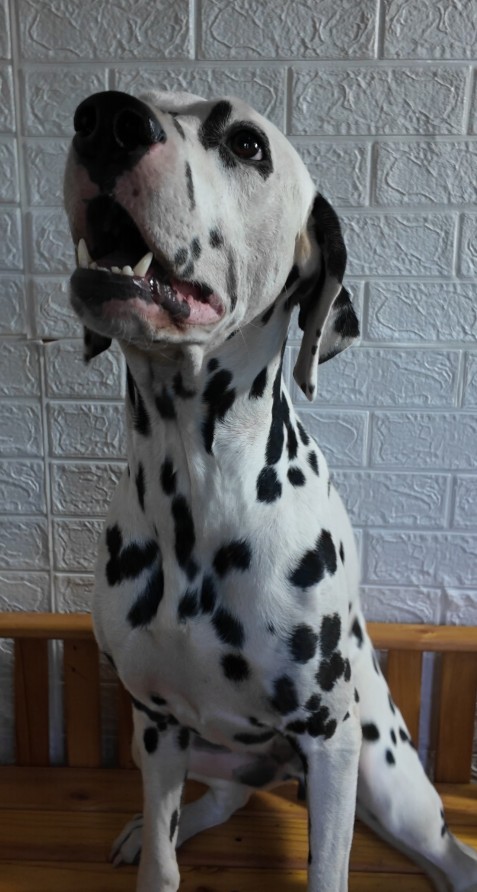
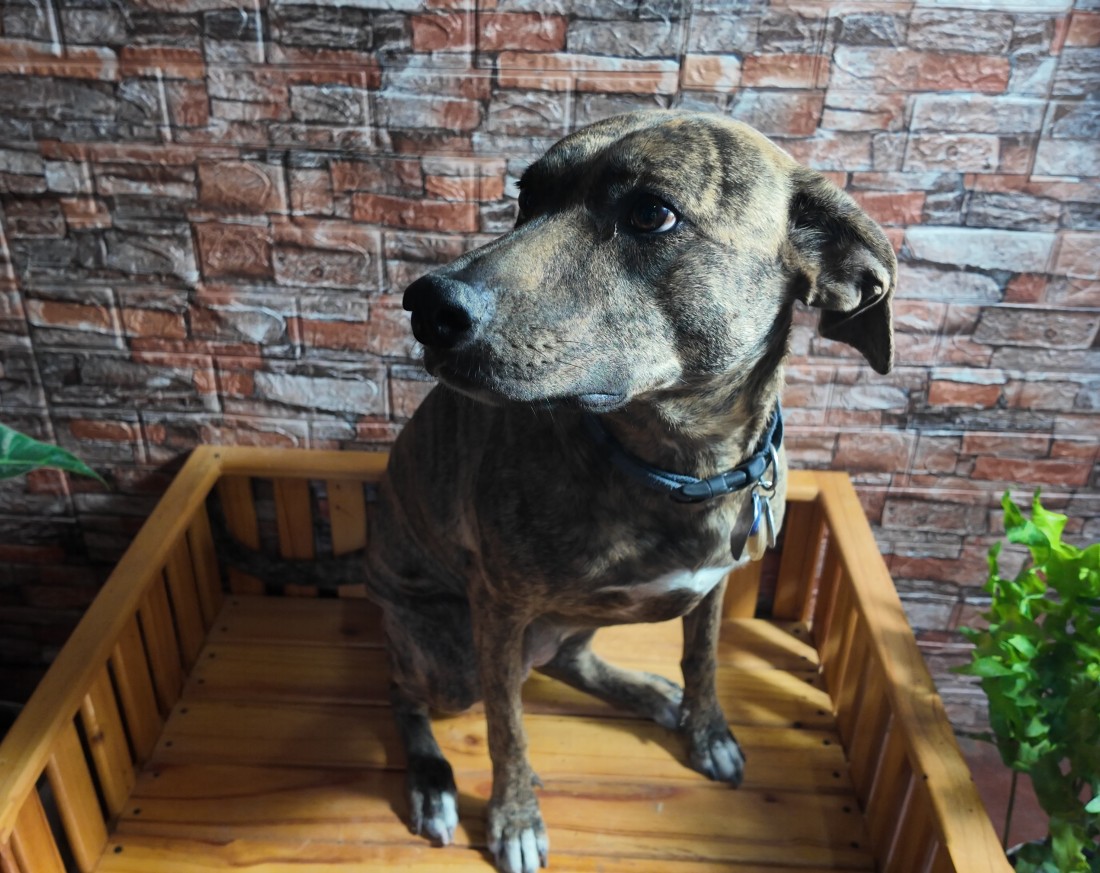
Personality dictates response but not vulnerability. Confident explorers and cautious souls alike can unravel under travel stress. Recognising your dog’s signals and adapting support turns fearful journeys into steps toward trust and stability.
Health Concerns: When Travel Anxiety Becomes Medical
Recognizing Dangerous Thresholds
While some travel stress is normal, certain signs indicate your dog needs immediate veterinary intervention. Prolonged refusal to eat or drink exceeding 24 hours, especially in small breeds or puppies, risks dangerous hypoglycemia and dehydration. Persistent vomiting, bloody diarrhea, or extreme lethargy suggest stress has triggered more serious physiological consequences requiring medical support.
Behavioral emergencies also warrant immediate attention. Self-injurious behaviors like excessive licking leading to wounds, panic so severe your dog attempts to escape moving vehicles, or complete catatonic shutdown represent psychiatric emergencies. These extreme responses indicate suffering that transcends normal travel anxiety, requiring pharmaceutical intervention to ensure safety.
Certain medical conditions amplify travel stress impacts. Brachycephalic breeds face additional respiratory challenges when anxious, diabetic dogs risk dangerous blood sugar fluctuations when not eating, and senior dogs with cognitive dysfunction may experience severe disorientation. Understanding your dog’s specific vulnerabilities helps you recognize when professional help becomes necessary.
Pharmaceutical Interventions
Medication isn’t failure—it’s compassionate care when behavioral interventions prove insufficient. Modern veterinary medicine offers various options for managing severe travel anxiety, from situational anti-anxiety medications to longer-term interventions for dogs who travel frequently. These pharmaceuticals don’t just mask symptoms—they create neurological conditions that allow behavioral training to succeed.
Trazodone and gabapentin represent first-line interventions for many veterinarians treating travel anxiety. These medications reduce anxiety without heavy sedation, allowing dogs to remain aware and responsive while feeling calmer. Started before travel and continued throughout the journey, they can mean the difference between traumatic experiences and manageable trips.
For dogs with severe travel anxiety, longer-term medications like fluoxetine or clomipramine might be recommended. These selective serotonin reuptake inhibitors (SSRIs) and tricyclic antidepressants work by gradually rebalancing neurotransmitter levels, reducing overall anxiety that makes travel particularly challenging. While requiring several weeks to reach full effect, they can transform quality of life for chronically anxious travelers.
Integrative Approaches
Combining conventional and complementary therapies often yields superior results to either approach alone. Acupuncture has shown promise in reducing anxiety and supporting digestive function, addressing both the emotional and physical components of travel stress. Regular sessions before planned trips can build resilience that makes travel more manageable.
Pheromone therapy provides non-invasive support that complements other interventions. Dog-appeasing pheromones (DAP) mimic the calming chemicals mother dogs produce, triggering subconscious comfort responses. Available as sprays, diffusers, or collars, these tools provide continuous support throughout travel without side effects or interactions with other treatments.
Thunder shirts and anxiety wraps apply gentle, constant pressure that can calm nervous systems through deep touch pressure stimulation. While not universally effective, many dogs show marked improvement when wearing these garments during travel. The key lies in proper introduction before travel, allowing positive associations to develop without the added stress of journey pressures.
Lifestyle & Environment: Creating Travel-Friendly Dogs
Early Socialization and Prevention
Puppy experiences profoundly shape adult travel responses. Early, positive exposure to various travel modes during the critical socialization period (3-14 weeks) creates resilient adult dogs who view travel as routine rather than threatening. This doesn’t mean overwhelming young puppies—it means thoughtful, graduated exposure that builds confidence rather than triggering fear.
Carrier training begins in puppyhood, transforming crates from confinement to comfort. Fed meals in open carriers, puppies develop positive associations that persist into adulthood. Gradually closing doors, adding movement, and eventually incorporating short car rides creates dogs who view carriers as portable safe spaces rather than prisons.
Prevention extends beyond direct travel exposure. Puppies who experience various environments, sounds, and surfaces develop general resilience that serves them during travel. A puppy comfortable with elevator rides, different flooring textures, and novel sounds possesses the adaptive capacity to handle travel’s sensory challenges more successfully.
Home Environment Preparation
Your daily routine influences travel readiness more than you might realize. Dogs accustomed to predictable, never-changing routines struggle more with travel disruption than those experiencing regular variety. Intentionally varying walk routes, feeding locations, and even sleeping arrangements builds flexibility that translates to travel resilience.
Crate comfort at home predicts travel success. Dogs who voluntarily rest in crates, viewing them as chosen retreat spaces, travel more confidently than those only crated during stressful events. Making crates appealing through comfortable bedding, special crate-only treats, and positive associations creates portable security that travels anywhere.
Environmental enrichment builds cognitive flexibility that serves dogs during travel challenges. Puzzle feeders, scent work, and novel toy rotations exercise problem-solving abilities that help dogs adapt to new situations. These mental muscles, strengthened through daily enrichment, provide tools for processing travel’s novel stimuli without becoming overwhelmed.
Building a Travel-Positive Lifestyle
Regular mini-adventures prepare dogs for major journeys. Weekly car rides to enjoyable destinations—parks, pet stores, or friends’ homes—maintain positive vehicle associations between major trips. These experiences prevent travel skills from atrophying while reinforcing that car rides predict good things, not just vet visits or abandonment.
Destination training makes arrival rewarding. Practice settling in new environments by visiting pet-friendly cafes, outdoor markets, or friends’ homes. Teaching your dog to relax on their portable mat regardless of location creates a skill that transforms travel from constant vigilance to manageable adventure. This “portable calm” becomes invaluable during actual trips.
Social experiences with other dogs during travel-like situations build confidence through observational learning. Watching calm, experienced travel companions navigate rest stops, hotels, or vehicles provides behavioral templates anxious dogs can follow. These controlled social experiences, whether in training classes or informal gatherings, create positive peer pressure that encourages brave behavior 🧠
Senior Care: Special Considerations for Aging Travelers
Age-Related Vulnerability Factors
Senior dogs face unique challenges that can amplify travel anxiety beyond what they experienced in younger years. Cognitive dysfunction syndrome (canine dementia) affects spatial processing and memory, making unfamiliar environments particularly distressing. Your previously confident traveler might now experience profound disorientation in new spaces, unable to remember where they are or why they’re there.
Sensory decline compounds travel stress as diminished hearing and vision make environmental assessment difficult. Unable to fully perceive their surroundings, senior dogs might maintain heightened vigilance that prevents relaxation. This sensory uncertainty transforms previously manageable trips into anxiety-inducing ordeals requiring additional support.
Physical discomfort from arthritis, dental disease, or other age-related conditions makes travel physically challenging beyond mere anxiety. The vehicle vibrations that once went unnoticed now trigger joint pain, while decreased bladder control adds urgency stress to journey timing. Addressing these physical components becomes essential for managing overall travel experience.
Adapted Management Strategies
Modified travel schedules respect senior limitations. Shorter travel days with extended rest periods acknowledge reduced stamina while preventing stress accumulation. What once was a single-day journey might now require an overnight stop, prioritizing comfort over efficiency. These accommodations aren’t indulgences—they’re necessary adaptations for humane senior travel.
Enhanced comfort measures address physical needs. Orthopedic travel beds provide joint support during long drives, while non-slip surfaces prevent anxiety-inducing instability. Ramps replace jumping requirements, preserving dignity while preventing injury. These modifications communicate respect for your senior companion’s changing needs while maintaining their travel participation.
Medication timing requires careful consideration in senior dogs. Many older dogs take multiple medications that could interact with travel anxiety interventions. Coordinating with your veterinarian to adjust medication schedules around travel, ensuring optimal effectiveness without dangerous interactions, becomes crucial for safe, comfortable journeys.
Quality of Life Decisions
Honest assessment determines when travel becomes unkind. Sometimes the most loving decision involves leaving senior dogs with trusted caregivers rather than subjecting them to travel stress. This isn’t abandonment—it’s prioritizing their welfare over your desire for their company. Recognizing when travel shifts from enriching to distressing requires wisdom and selflessness.
Alternative connection methods maintain bonds without travel stress. Video calls allowing visual and auditory connection, bringing home scent articles from your travels, or having caregivers send regular updates can maintain emotional connection without physical presence. These adaptations acknowledge that love sometimes means protecting our senior companions from experiences they can no longer enjoy.
When travel remains necessary, palliative approaches prioritize comfort over convention. This might mean accepting some dietary indiscretion if it encourages eating, permitting co-sleeping despite usual rules, or using stronger anxiety medications than you’d prefer. Senior dogs have earned the right to travel on their terms, with their comfort taking precedence over training ideals.
Conclusion: Is Travel Right for Your Dog?
Travel anxiety that disrupts eating and sleeping represents more than mere inconvenience—it’s a welfare concern that demands thoughtful consideration. Through understanding the complex interplay of neurological, physiological, and environmental factors driving these responses, you’re equipped to make informed decisions about your companion’s travel participation. Some dogs, with proper support, can overcome their travel anxiety to become confident adventurers. Others might always find travel stressful despite your best efforts.
The journey toward travel comfort is rarely linear. Setbacks occur, progress stalls, and sometimes anxiety returns despite previous success. This doesn’t represent failure but rather the complex nature of emotional learning in our canine companions. Each small improvement—accepting a treat during a car ride, sleeping for an hour in a hotel, drinking water at a rest stop—represents meaningful progress worth celebrating.
Your role as advocate means honestly assessing whether travel enriches or diminishes your dog’s quality of life. For some dogs, being included in family adventures, even with some stress, provides valuable bonding and stimulation. For others, the anxiety overwhelms any potential benefits, making alternative care arrangements the kindest choice. There’s no universal answer—only what’s right for your unique companion.
Remember that addressing travel anxiety is an investment in your relationship’s future. Whether you’re working toward cross-country adventures or simply making vet visits manageable, every effort to reduce travel stress strengthens the trust between you. Your commitment to understanding and addressing their anxiety communicates that their emotional well-being matters as much as their physical health.
The research continues to evolve, bringing new understanding and interventions for travel-anxious dogs. CBD shows promise, behavioral techniques grow more sophisticated, and our understanding of the canine stress response deepens. Stay curious, remain patient, and remember that your dog’s travel anxiety isn’t defiance or weakness—it’s a genuine emotional experience deserving of compassion and support.
As you plan future journeys, whether near or far, let your dog’s wellbeing guide your decisions. Some of the best adventures happen close to home, and sometimes the bravest choice is recognizing when your beloved companion is happiest in familiar surroundings. Whatever path you choose, your thoughtful approach to their travel anxiety reflects the depth of your bond and your commitment to their happiness. After all, the best journeys are those we can enjoy together, with tails wagging and hearts at ease 🧡