
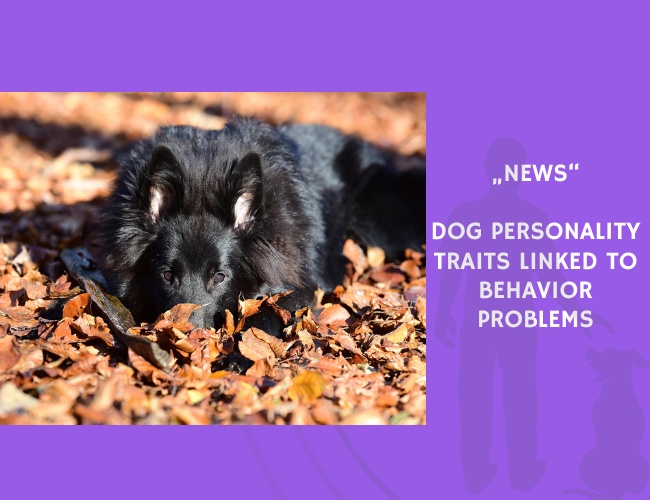
Dogs are increasingly recognized as valuable models for understanding human mental health due to their shared environments and similar behavioral complexities. In this large-scale survey of over 11,000 dogs, Salonen et al. (2022) examined the connection between seven personality traits and ten forms of unwanted behavior, ranging from fear-related reactions to aggression and hyperactivity.
The analysis revealed that insecurity, closely resembling the human personality trait of neuroticism, was the strongest predictor of a broad range of behavioral problems. Dogs with higher insecurity scores showed greater risks of fear-related behaviors, separation anxiety, and aggression. Conversely, training focus, similar to human conscientiousness, was associated with fewer impulsivity and inattention problems. Traits linked to aggressiveness/dominance correlated with higher risks of aggression, while sociability with humans and dogs was linked to lower behavioral challenges.
The study highlights striking parallels between dog and human personality, suggesting shared neurological and genetic underpinnings. Just as neuroticism predicts psychopathology in humans, insecurity in dogs is closely tied to emotional and behavioral dysregulation. These findings not only deepen our understanding of canine psychology but also position dogs as valuable models for studying the genetic and environmental roots of human psychiatric disorders.
Source: Salonen, M., Mikkola, S., Hakanen, E., Sulkama, S., Puurunen, J., & Lohi, H. (2022). Personality traits associate with behavioral problems in pet dogs. Translational Psychiatry, 12. Published February 23, 2022.










