

Introduction
Have you ever noticed your furry friend jumping the gun before you’ve even finished giving a command? That eager tail wag that turns into a premature leap, or the paw that reaches out before you’ve said “shake”? You’re witnessing a fascinating aspect of canine cognition – anticipatory behavior. This natural tendency, while demonstrating your dog’s intelligence and eagerness to please, can sometimes create challenges in training and daily life.
Let us guide you through understanding why dogs anticipate cues and, more importantly, how to channel this enthusiasm into patient, controlled responses. Whether you’re working with a high-drive Border Collie who breaks heel position before release or a lovable Labrador who can’t wait for the “okay” at dinner time, this comprehensive guide will transform anticipatory behaviors into opportunities for deeper bonding and enhanced communication with your four-legged companion.
The journey from impulsive anticipation to patient waiting isn’t just about obedience – it’s about nurturing your dog’s emotional regulation, building trust, and creating a harmonious relationship where both you and your pup understand the beautiful dance of cues and responses. 🐾
Character & Behavior: Understanding Your Dog’s Anticipatory Mind
The Cognitive Marvel Behind Pattern Recognition
Your dog’s brain is remarkably sophisticated when it comes to recognizing patterns in your daily routines. This ability stems from associative learning – a fundamental cognitive process where dogs connect environmental cues with outcomes. When your pup sees you reach for the leash, their brain immediately fires up neural pathways predicting “walk time,” often before you’ve even decided to head out.
Common Patterns Dogs Recognize:
- The sound of your alarm clock = morning routine beginning
- Keys jingling = possible car ride or departure
- Putting on specific shoes = walk time
- Opening certain cabinets = treat or meal preparation
- Picking up your phone = potential for less attention
- Specific times of day = regular activities like meals or walks
- Your work-from-home posture shifts = break time approaching
This pattern recognition involves multiple brain regions working in concert. The medial prefrontal cortex processes anticipatory information, while the amygdala assigns emotional value to these predictions. It’s like having an internal prediction machine that’s constantly calculating “what happens next” based on previous experiences. Did you know that dogs can detect patterns in sequences as subtle as the way you shift your weight before standing up?
The beautiful complexity here is that anticipation represents both advanced learning and a momentary lapse in impulse control. Your clever companion has mastered the sequence of events but struggles with the “wait for it” part – much like a child who knows dessert comes after dinner but can’t help asking “is it time yet?” every few minutes.
Neurological Orchestra: The Brain’s Impulse Control Symphony
Understanding the neurobiology behind anticipatory behavior reveals why some dogs struggle more than others with waiting. The Ventral Tegmental Area (VTA) acts as the conductor of this neural orchestra, releasing dopamine that creates what scientists call an “impulse vector” – essentially the force pushing your dog toward action.
When your dog anticipates a reward, their nucleus accumbens lights up with activity, creating those characteristic 1-4 Hz oscillations that researchers link directly to impulsive behaviors. Meanwhile, serotonin works as the brake system, helping to modulate these impulses. Dogs with naturally lower serotonin activity might find it particularly challenging to resist that urge to break their stay when they smell treats coming.
Stress hormones like cortisol and adrenaline add another layer to this complex picture. High arousal states flood your dog’s system with these chemicals, making patient waiting feel nearly impossible. Think of it as trying to sit still when every fiber of your being is shouting “go!” – that’s your dog’s reality when overwhelmed by anticipatory excitement.
Vocalization & Communication: When Anticipation Finds Its Voice
The Language of Eagerness
Anticipatory behaviors often manifest through vocalizations that tell a rich story of your dog’s internal state. That pre-command bark isn’t simple impatience – it’s your dog’s attempt to participate in the communication process, albeit a bit prematurely. Some dogs develop elaborate vocal patterns, from soft whines that escalate to demanding barks, each representing different levels of anticipatory arousal.
You might notice your furry friend developing a specific “anticipation whine” – a unique vocalization reserved for moments when they predict something wonderful is about to happen. This specialized communication demonstrates how sophisticated your dog’s emotional expression has become through their relationship with you. The pitch, duration, and intensity of these vocalizations provide valuable insights into their arousal level and ability to maintain self-control.
Understanding these vocal cues helps you gauge when your dog is approaching their threshold – that tipping point where anticipation overwhelms patience. By recognizing these early warning signals, you can intervene with calming cues or adjust your training approach before your pup loses their composure entirely. 😄
Body Language: The Silent Symphony of Anticipation
Physical Signs of Building Anticipation:
- Early Stage: Increased alertness, ear positioning forward, slight muscle tension
- Building Stage: Weight shifting to front paws, tail wagging intensifies, breathing quickens
- Peak Stage: Full body trembling, whining or vocalizing, feet dancing, inability to maintain position
- Overflow Stage: Jumping, spinning, barking, complete break of commanded position
Beyond vocalizations, your dog’s body broadcasts anticipatory signals through every muscle and movement. Watch for the telltale signs: muscles tensing like coiled springs, weight shifting forward onto the front paws, eyes locked with laser focus on the anticipated reward or direction of movement. These physical manifestations reveal the internal struggle between “I know I should wait” and “but I want it NOW!”
The tail becomes particularly expressive during anticipatory moments – starting with slow, controlled wags that gradually accelerate into helicopter spins as excitement builds. Ears might twitch forward and back, processing every subtle cue while the dog debates whether that slight hand movement means “go” or “not yet.” Some dogs develop unique anticipatory behaviors like foot dancing, where they rapidly lift and place their paws without actually moving forward.
Breathing patterns also change during anticipation, often becoming shallow and rapid. This physiological response directly impacts your dog’s ability to maintain calm focus. Teaching conscious relaxation through deep breathing exercises (yes, dogs can learn this!) becomes a powerful tool in managing anticipatory behaviors.
Training & Education: Building the Foundation of Patience
The “Wait” and “Stay” Revolution
Transforming anticipatory behaviors starts with mastering the fundamental building blocks of impulse control. The “wait” and “stay” commands aren’t just obedience exercises – they’re neurological workouts that literally reshape your dog’s brain. Research shows that consistent practice with response inhibition tasks actually decreases the excitability of prelimbic neurons in the brain, creating lasting changes in how your dog processes the urge to act.
Progressive Wait Training Protocol:
- Week 1-2: 1-3 second waits before meals, treats, and doors
- Week 3-4: 5-10 second waits with mild distractions
- Week 5-6: 15-30 second waits with moderate distractions
- Week 7-8: 30-60 second waits in various locations
- Week 9-10: Variable duration waits (5-90 seconds randomly)
- Week 11-12: Waits with high-value distractions nearby
- Ongoing: Generalization to all life situations
Begin with micro-moments of success. Ask for a one-second wait before meals, gradually extending to 30 seconds, then a minute. Each successful wait strengthens those inhibitory neural pathways, like building muscle through repetition. The key is making these exercises feel like games rather than tests. Celebrate those tiny victories with enthusiasm that matches your dog’s natural exuberance.
Variable reinforcement becomes your secret weapon against anticipation. Instead of rewarding immediately after every successful wait, introduce unpredictability. Sometimes reward after three seconds, sometimes after ten, sometimes with treats, sometimes with play. This variability keeps your dog engaged in the process rather than simply enduring the wait for a predictable outcome. Your furry friend learns that patience itself is valuable, not just a hurdle to overcome for rewards.
The Invisible Leash Method: Connection Beyond Commands
Creating an invisible leash of trust and communication transcends traditional training methods. This approach focuses on developing such a strong emotional bond that your dog naturally checks in with you before acting on impulses. It’s about becoming so attuned to each other that a slight shift in your breathing can communicate “not yet” as clearly as any verbal command.
Building the Invisible Leash Connection:
- Start with 5-minute daily synchronized breathing sessions
- Practice “check-ins” where your dog voluntarily looks at you every 30 seconds during walks
- Reward unprompted patience (catching your dog waiting without being asked)
- Use subtle body language cues before verbal commands
- Celebrate moments of voluntary impulse control
- Create “conversation pauses” where you both simply exist together quietly
Start by practicing synchronized breathing exercises. Sit quietly with your dog, consciously slowing your breath. Most dogs naturally begin to match your respiratory rhythm, creating a physiological state of co-regulation. From this calm baseline, introduce mild distractions while maintaining that breathing connection. You’re teaching your dog that your calm presence is more rewarding than reacting to environmental triggers.
This relational approach works because it addresses the emotional component of anticipatory behavior. Rather than simply suppressing impulses, you’re helping your dog develop genuine emotional regulation skills. They learn to find comfort in stillness, to enjoy the space between stimulus and response. This transforms waiting from a frustrating restraint into a peaceful, connected experience. 🧠
Progressive Challenges: From Living Room to Real World
Building patience requires systematic progression through increasingly challenging scenarios. Start in your most boring room – minimal distractions, familiar environment. Master the basics here before adding complexity. Once your dog can hold a stay while you prepare their dinner in the kitchen, try the same exercise with the doorbell as background noise.
Create a training ladder with clear steps. Level one might be holding a wait while you take one step backward. Level ten could be maintaining that wait while another dog plays nearby. Each rung of this ladder strengthens your dog’s impulse control muscles. Document these progressions – you’ll be amazed looking back at how far you’ve traveled together.
The three Ds of dog training – distance, duration, and distractions – become your framework for systematic improvement. Increase only one variable at a time. If you’re adding distance, keep duration short and distractions minimal. This methodical approach prevents overwhelming your dog and maintains their confidence throughout the learning process.

Performance & Activities: Channeling Anticipation into Excellence
Working Dogs: When Precision Matters Most
For service dogs, military working dogs, and other professional canines, managing anticipatory behavior can literally be a matter of life and death. A service dog that retrieves medication before being asked might seem helpful, but it could interfere with their handler’s independence or even cause dangerous situations. These elite performers must balance their natural eagerness to work with absolute precision in their responses.
Critical Skills for Working Dogs:
- Response Differentiation: Distinguishing between similar but distinct cues
- Threshold Recognition: Identifying genuine emergencies versus false alarms
- Selective Attention: Focusing on handler cues while ignoring environmental triggers
- Duration Work: Maintaining positions for extended periods despite distractions
- Cue Discrimination: Waiting for complete commands rather than partial cues
- Environmental Generalization: Performing consistently across all settings
The training protocols for these exceptional dogs involve thousands of repetitions where patience is rewarded more highly than speed. Military dogs learn to hold positions despite explosions and gunfire – the ultimate test of impulse control. They achieve this through progressive desensitization combined with incredibly strong reward histories for waiting. Every successful wait in training builds toward real-world reliability when stakes are highest.
Service dogs face unique challenges with anticipatory behavior because they must read subtle cues from their handlers while ignoring false alarms. They learn to differentiate between their handler reaching for something casually versus the specific movement that precedes a seizure. This nuanced discrimination requires not just training but a deep emotional attunement that develops over months of consistent work.
Agility Athletes: Speed Meets Control
In the lightning-fast world of dog agility, anticipation can mean the difference between a clean run and a fault. Dogs must navigate complex courses at high speed while maintaining enough impulse control to wait for directional cues at critical moments. That enthusiastic Border Collie who anticipates the next obstacle might save milliseconds but could miss crucial handling information.
Successful agility training incorporates specific exercises to combat anticipation. Handlers practice “fake outs” – setting up body language that suggests one direction, then rewarding the dog for waiting for the actual verbal or gestural cue. This teaches dogs to remain responsive despite their predictions about the course ahead. The mental discipline required often proves more challenging than the physical demands.
Advanced agility teams develop an almost telepathic connection where the dog reads subtle preparatory cues while still waiting for the definitive signal. This sophisticated communication allows for smooth, fast runs without the errors that anticipation creates. Handlers describe it as a dance where both partners know the steps but still listen for the music’s cues.
Everyday Champions: Household Harmony
Your family dog might not be competing at Westminster, but managing anticipatory behavior remains crucial for household harmony. That exuberant greeting that knocks over grandma, the dinner dance that starts an hour before mealtime, or the door-darting attempts all stem from anticipation overwhelming good manners.
Daily Opportunities for Patience Training:
- Morning: Wait before exiting crate, pause before breakfast
- Walks: Sit calmly for leash attachment, wait at every door/gate
- Playtime: Hold position before toy throws, wait for release to chase
- Training: Pause between tricks, maintain focus during treat preparation
- Guests: Stay on mat during doorbell, wait for release to greet
- Evening: Settle during dinner prep, wait for invitation onto furniture
- Bedtime: Calm before final potty break, quiet settling in sleeping area
Transform daily routines into training opportunities. Meal preparation becomes an extended stay exercise. Door opening transforms into a patience game where calm behavior opens the portal to adventure. These real-life applications prove more valuable than formal training sessions because they occur in the actual contexts where control matters most. Your dog learns that patience integrates into life’s rhythm rather than being a special performance.
Create “patience stations” throughout your home – specific spots where your dog practices waiting during triggering moments. Maybe it’s a mat by the front door where they wait while you greet visitors, or a bed in the kitchen where they relax during cooking. These designated spaces become cues for calm behavior, helping your dog understand expectations without constant commands.
Nutritional Recommendations: Feeding the Patient Brain
Nutrients for Neural Balance
The connection between diet and behavior extends far beyond simple energy levels. Specific nutrients directly impact your dog’s ability to maintain impulse control and emotional regulation.
Key Nutrients for Impulse Control:
- Omega-3 Fatty Acids (DHA/EPA): Support neural membrane health and neurotransmitter function
- B-Complex Vitamins: Essential for serotonin synthesis and nervous system function
- L-Theanine: Promotes relaxation without sedation
- Magnesium: Helps regulate nervous system excitability
- Tryptophan: Precursor to calming serotonin
- Complex Carbohydrates: Provide steady energy without blood sugar spikes
- Antioxidants: Protect neural tissue from oxidative stress
Omega-3 fatty acids, particularly DHA and EPA, support the health of neural membranes and facilitate better neurotransmitter function. Dogs receiving adequate omega-3s often show improved focus and reduced impulsivity.
B-vitamins play crucial roles in synthesizing serotonin – that calming neurotransmitter we discussed earlier. A diet deficient in B6, B12, or folate can literally make it harder for your dog to maintain patience. Consider incorporating natural sources like salmon, eggs, and leafy greens (yes, many dogs enjoy them!) into their diet. These whole-food sources provide bioavailable nutrients that synthetic supplements might not match.
L-theanine, an amino acid found in green tea, has shown promising results in promoting relaxation without sedation. Some premium dog foods now include this ingredient, or it’s available as a supplement. Combined with training, nutritional support can give your eager pup the biochemical foundation for better self-control. Remember, though, that supplements support but never replace consistent training.
Meal Timing and Impulse Control
When and how you feed significantly impacts your dog’s ability to manage anticipatory behaviors. Dogs fed on irregular schedules often develop heightened food anticipation, leading to demanding behaviors around perceived meal times. Establishing consistent feeding times helps regulate both physical and emotional responses to food.
Consider implementing “working for food” strategies that channel anticipatory energy constructively. Puzzle feeders, snuffle mats, and hide-and-seek games with kibble transform mealtime anticipation into focused problem-solving. This mental engagement naturally promotes impulse control while satisfying your dog’s need for stimulation. The process of working for food actually releases dopamine in a more regulated manner than simply receiving it.
The pre-meal ritual becomes a powerful training opportunity. Requiring a calm sit-stay while you prepare food, followed by a release command to eat, reinforces patience in a highly motivating context. This daily practice, repeated hundreds of times yearly, creates lasting behavioral change that extends beyond mealtime. 🧡
Eager. Impulsive. Unrestrained.
Anticipation reflects intelligence but challenges control. Your dog reads patterns in your movements and routines with remarkable precision, predicting outcomes before you even speak. This cleverness, while endearing, can spill into premature actions that disrupt harmony.
Impulse pushes while patience lags behind. Dopamine fuels the drive to act, but serotonin must hold the brakes. When excitement floods the system faster than control can respond, anticipation turns into restless movement rather than calm focus.
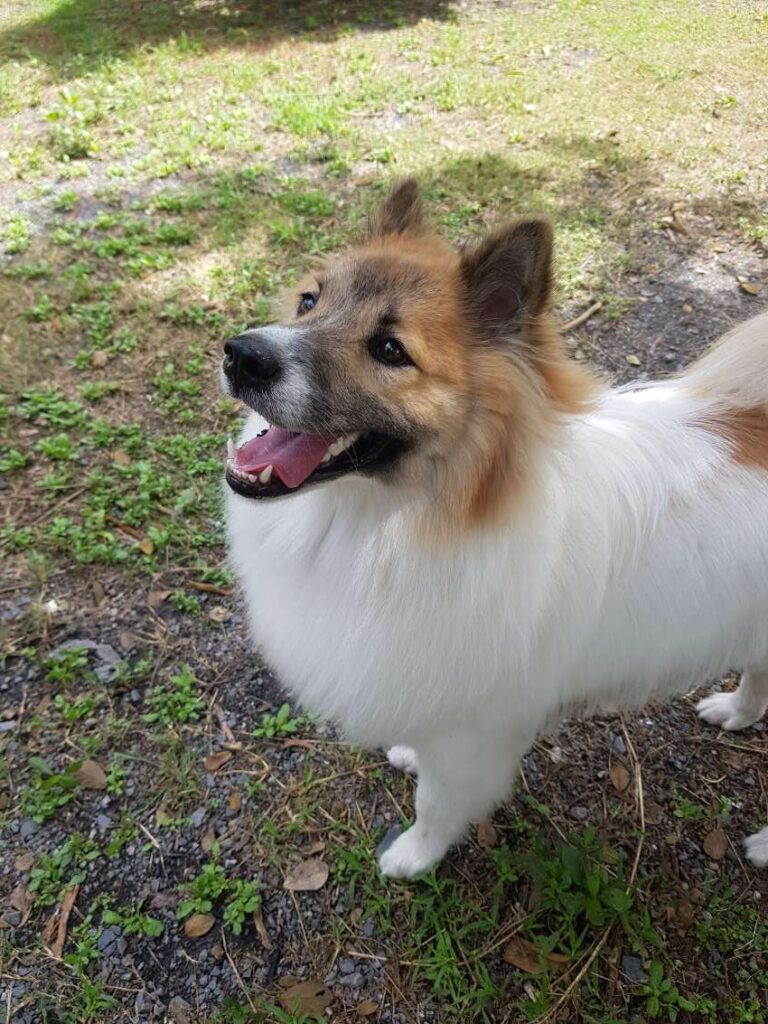
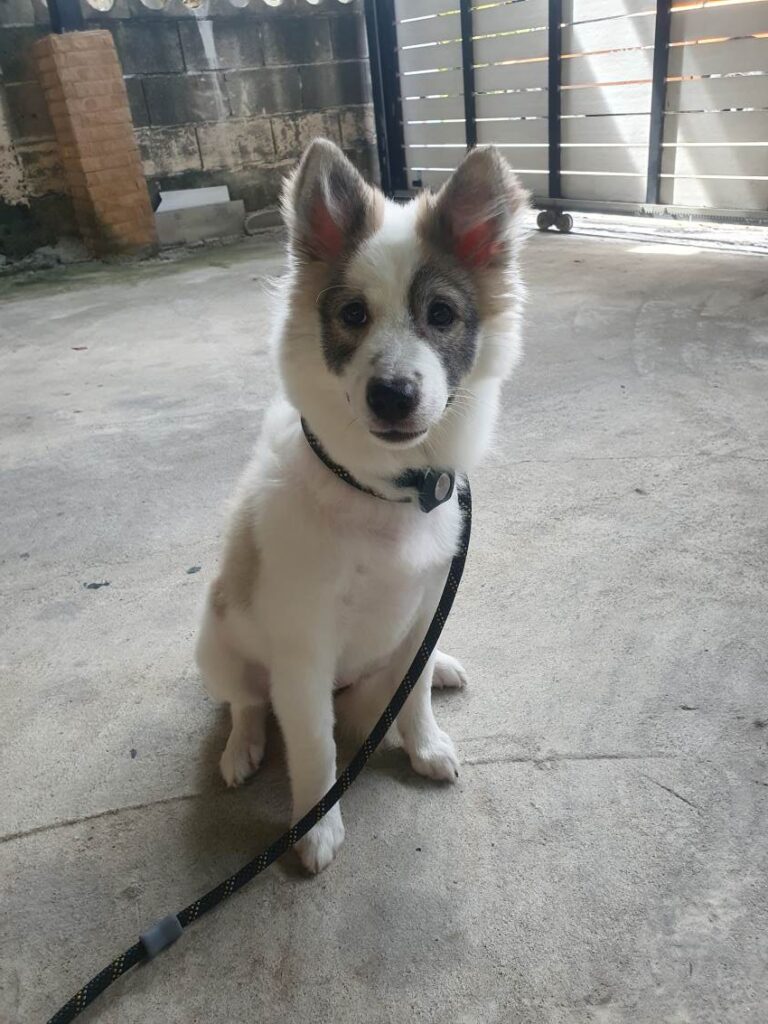
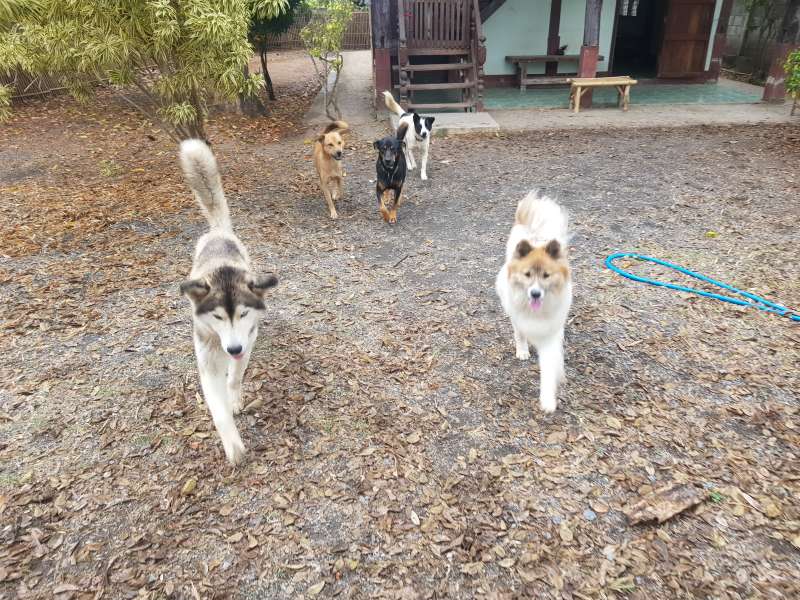
Waiting transforms enthusiasm into trust. Teaching patience before action is not about suppressing joy, but about guiding it into steady connection. When anticipation is met with calm leadership, your dog learns that stillness carries the same reward as action.
Health Concerns: When Anticipation Signals Deeper Issues
Anxiety and Hyperarousal Disorders
Sometimes excessive anticipatory behavior signals underlying anxiety or hyperarousal disorders requiring professional intervention. Dogs with generalized anxiety might anticipate negative events, leading to chronic stress that manifests as inability to settle or constant vigilance. These pups need comprehensive behavior modification potentially combined with medical support.
Red Flags Requiring Professional Help:
- Inability to settle even in calm environments
- Anticipatory behaviors worsening despite consistent training
- Physical symptoms (excessive panting, drooling, trembling) during waiting
- Destructive behaviors when anticipating owner’s departure
- Sleep disturbances related to anticipatory anxiety
- Aggression triggered by anticipatory frustration
- Self-injurious behaviors during high anticipation states
Certain breeds show genetic predispositions to hyperactivity and impulse control challenges. Weimaraners, for instance, often exhibit excessive anticipatory behaviors linked to their high-drive genetics. Understanding your dog’s breed tendencies helps set realistic training expectations while identifying when behaviors exceed normal breed characteristics.
Watch for escalating patterns where anticipatory behaviors worsen despite training, or where your dog seems unable to calm down even in quiet environments. These might indicate thyroid imbalances, pain conditions causing restlessness, or neurological issues affecting impulse control. A veterinary behaviorist can help differentiate between training challenges and medical conditions requiring treatment.
The Stress-Anticipation Cycle
Chronic anticipation creates a self-perpetuating stress cycle that impacts your dog’s overall health. Constant elevation of stress hormones leads to suppressed immune function, digestive issues, and even cognitive decline over time. Breaking this cycle requires addressing both the behavioral and physiological components.
Signs your dog might be stuck in this cycle include difficulty sleeping, excessive panting without physical exertion, destructive behaviors when alone, and inability to relax even in familiar environments. These dogs often seem “wired” constantly, as if waiting for something to happen. Their anticipatory state never fully resolves into either action or genuine rest.
Intervention involves creating predictable routines that reduce uncertainty, incorporating regular decompression activities like sniff walks or gentle massage, and potentially working with a veterinary behaviorist for comprehensive treatment. Some dogs benefit from anti-anxiety medications that provide the neurochemical support needed to engage with behavior modification effectively.
Lifestyle & Environment: Creating a Patience-Promoting Home
Environmental Design for Impulse Control
Your home’s layout and design significantly impact your dog’s ability to maintain calm patience. Create clear zones that communicate different behavioral expectations – active play areas versus quiet relaxation spaces. Use visual barriers like baby gates to help your dog practice waiting without the frustration of closed doors.
Patience-Promoting Environmental Modifications:
- Visual Barriers: Baby gates, exercise pens, or furniture placement to create waiting zones
- Calming Stations: Designated beds or mats in high-traffic areas
- Sensory Elements: Calming scents, soft lighting, white noise or calming music
- Activity Zones: Clear boundaries between play areas and rest spaces
- Observation Posts: Elevated beds near windows for calm environmental watching
- Training Tools: Easily accessible treats and toys for spontaneous practice
- Predictability Cues: Consistent placement of leashes, food bowls, and routine items
Introduce “patience furniture” – specific items that cue calm behavior. A raised cot by the window becomes the “watching spot” where your dog observes outdoor activity without barking. A special mat near your workspace signals “settle time” during your video calls. These environmental cues reduce the need for constant verbal commands while reinforcing patient behavior throughout the day.
Consider sensory enrichment that promotes calm focus rather than excitement. Lavender or chamomile diffusers (used safely and sparingly) can support relaxation during training sessions. Soft classical music or specialized dog relaxation audio can help maintain a patience-promoting atmosphere. Your environment becomes a training partner, consistently supporting the behaviors you’re cultivating.
Social Dynamics and Anticipatory Behavior
Multi-dog households face unique challenges with anticipatory behaviors, as excitement spreads contagiously between pack members. One dog’s anticipation triggers others, creating an escalating cycle of arousal. Address this by training dogs separately initially, then gradually introducing group exercises where patience is rewarded collectively.
Establish “taking turns” protocols where dogs learn that patient waiting leads to individual attention or rewards. This might mean one dog holding a down-stay while another practices tricks, with roles reversing regularly. These exercises build both individual impulse control and social awareness. Dogs learn that their packmate’s activity doesn’t automatically signal their own participation.
Human family members need consistency in their interactions to prevent mixed signals that increase anticipatory confusion. Everyone should use the same release words, reward patience similarly, and avoid inadvertently reinforcing jumping, demand barking, or other anticipatory behaviors. Create a family communication board tracking training progress and ensuring everyone stays aligned with patience-building goals.
Senior Care: Adapting Patience Training for Aging Dogs
Cognitive Changes and Anticipation in Senior Dogs
As dogs age, cognitive changes can affect their ability to manage anticipatory behaviors in complex ways. Some seniors develop increased anxiety that manifests as heightened anticipation, while others might show delayed processing that looks like improved patience but actually represents cognitive slowing. Understanding your senior dog’s changing needs helps adapt training appropriately.
Senior-Specific Considerations:
- Shorter training sessions (2-5 minutes maximum)
- More frequent rewards for smaller achievements
- Environmental modifications for physical comfort
- Simplified cues and reduced complexity
- Focus on functional skills over performance
- Regular cognitive enrichment at appropriate levels
- Patience with processing delays
Canine cognitive dysfunction (similar to dementia) can cause confusion about previously learned cues, leading to increased anticipatory behaviors as dogs try to predict what’s expected. These seniors benefit from simplified, highly consistent routines that reduce cognitive load. Instead of complex training sequences, focus on basic patience exercises that build confidence rather than challenge declining abilities.
Pain and sensory changes also impact anticipatory behaviors in seniors. A dog with arthritis might break stays not from impatience but from physical discomfort. Hearing loss might cause apparent anticipation when they’re actually responding to visual cues they’ve learned to associate with commands they can no longer hear. Regular veterinary assessment helps distinguish physical from behavioral causes.
Modified Training Approaches for Golden Years
Senior dogs require gentler, more frequent training sessions that accommodate reduced stamina and processing speed. Five two-minute sessions prove more effective than one ten-minute session. Build in more rewards for smaller accomplishments – if your senior previously held a five-minute stay, celebrate one-minute successes now.
Incorporate cognitive enrichment that maintains mental flexibility without overwhelming. Simple puzzle feeders, new (but easy) tricks, and gentle environmental changes keep the aging brain engaged. This mental stimulation helps preserve impulse control abilities while providing appropriate challenges for the senior dog’s capabilities.
Focus on functional patience skills that enhance quality of life rather than pursuing advanced training goals. A senior who waits calmly for medication, remains patient during longer veterinary exams, or holds position while you help them with mobility aids benefits more from these practical skills than complex obedience routines. Training becomes about maintaining dignity and cooperation rather than performance.
Troubleshooting: Navigating Common Challenges
Common Training Mistakes and How to Fix Them
Even experienced dog owners encounter obstacles when teaching patience. Understanding these common pitfalls – and more importantly, how to correct them – can mean the difference between frustration and breakthrough moments in your training journey.
Moving Too Fast Through Progressions
The Mistake: You’ve seen your dog hold a beautiful 30-second stay in your living room, so you immediately try the same duration at the dog park. Your previously patient pup breaks position instantly, leaving you both frustrated. This rushed progression is one of the most common reasons patience training fails.
Why It Happens: Success creates excitement and optimism. When your dog nails a training goal, it’s natural to want to push forward quickly. However, dogs don’t generalize behaviors the way humans do. That perfect living room stay doesn’t automatically transfer to new environments or situations. Each context requires its own learning curve.
The Fix: Adopt the “Rule of Three” – your dog should successfully complete an exercise three separate times over three different days before advancing. When changing locations, drop your expectations by 75%. If your dog holds a one-minute stay indoors, expect only 15 seconds in a new environment initially. Build back up gradually, celebrating small wins. Keep a training journal documenting successful repetitions. This prevents the temptation to advance prematurely and helps you recognize patterns in your dog’s learning style.
Recovery Strategy: If you’ve pushed too hard and your dog is now failing consistently, go back two steps in your progression. Spend a full week at this easier level, rebuilding confidence and success. It’s not moving backward – it’s strengthening the foundation for future progress.
Inconsistent Release Cues
The Mistake: Sometimes you say “okay,” other times “free,” occasionally “go ahead,” and sometimes you just start walking without any verbal release. Your dog starts anticipating and self-releasing, trying to guess when patience ends. The wait behavior deteriorates as your dog realizes the rules aren’t clear.
Why It Happens: Human language is naturally variable, and we often don’t realize how many different ways we communicate the same concept. Family members might use different release words, or you might unconsciously change your cue based on mood or situation. Dogs, however, thrive on consistency and become confused when the same behavior has multiple signals.
The Fix: Choose one release word and stick to it religiously. Write it on sticky notes around your house if needed. Inform all family members, visitors, and dog walkers about this specific word. Practice saying it the same way each time – tone, volume, and inflection matter to your dog. Create a “release ritual” that includes the verbal cue plus a consistent physical gesture (like a hand sweep or step backward).
Recovery Strategy: If multiple release words have already been trained, spend two weeks using only your chosen word while completely avoiding the others. Pair the correct release word with extra valuable rewards initially, helping your dog understand this is now the only valid release cue. Practice short-duration stays with clear releases multiple times daily to reinforce the pattern.
Accidentally Reinforcing Anticipatory Behaviors
The Mistake: Your dog whines during a stay, and you quickly release them to prevent escalation. Or they break position slightly, and you give the treat anyway because “they were trying.” These seemingly kind responses actually train your dog that anticipatory behaviors work to get what they want.
Why It Happens: We naturally want to avoid conflict and reward effort. When a dog shows signs of struggle, our instinct is to help them succeed by lowering criteria. Additionally, we might not notice subtle anticipatory behaviors like weight shifts or muscle tension that precede more obvious breaks in position.
The Fix: Develop a “reset protocol” for broken positions. If your dog anticipates or breaks position, calmly say “oops” (not as punishment, just as a marker), guide them back to the original position, and wait three seconds before releasing and rewarding. This teaches that anticipation delays rewards rather than hastening them. Video record training sessions occasionally – you’ll be surprised at the subtle anticipatory behaviors you might be unknowingly reinforcing.
Recovery Strategy: Implement a “clean criteria week” where you only reward absolutely perfect responses. This might mean fewer successful repetitions initially, but it clearly communicates expectations. Gradually, you can soften criteria slightly once the clean behavior is established, but this reset period helps eliminate confusion.
Training When the Dog Is Over-Threshold
The Mistake: Your dog just saw a squirrel, is panting heavily with dilated pupils, and you’re trying to practice impulse control exercises. They can’t focus, keep breaking position, and seem to have forgotten everything they know. You interpret this as defiance rather than recognizing they’re neurologically incapable of learning in this aroused state.
Why It Happens: Excitement, stress, or fear triggers the sympathetic nervous system, flooding your dog’s body with adrenaline and cortisol. In this state, the prefrontal cortex – responsible for impulse control and learning – essentially goes offline. It’s like trying to solve math problems while riding a roller coaster. Many owners don’t recognize the signs of over-threshold behavior or understand its impact on learning.
The Fix: Learn your dog’s threshold indicators: panting with a curved tongue, inability to take treats gently, jumping repeatedly, or “selective deafness.” When you see these signs, stop training immediately. Implement a “decompression protocol” – move to a quieter environment, practice slow breathing together, or engage in calming activities like sniffing or gentle massage. Only resume training after seeing “green light signals” like soft eyes, loose body posture, and ability to take treats gently.
Recovery Strategy: Create a pre-training ritual that ensures your dog starts from a calm baseline. This might include a five-minute sniff walk, gentle brushing, or synchronized breathing exercises. Track patterns in when your dog is most receptive to training (often after meals or moderate exercise, not immediately after exciting events). Schedule sessions during these optimal windows for better success.
Breed-Specific Challenges
Different breeds bring unique genetic predispositions to patience training. Understanding your dog’s breed-specific challenges helps set realistic expectations and tailor approaches for better success.
High-Drive Breeds (Border Collies, Belgian Malinois, German Shepherds, Australian Shepherds)
The Challenge: These breeds were developed for intense, sustained work requiring quick responses to handler cues. Their brains are wired for action, with heightened sensitivity to environmental stimuli and movement. A Border Collie’s anticipation isn’t disobedience – it’s centuries of selective breeding for hair-trigger responsiveness to shepherd commands. They often struggle with static exercises like stays, as their genetics scream “do something!”
Why It’s Difficult: High-drive breeds typically have elevated baseline arousal and process environmental information at lightning speed. Their working heritage means they’re constantly scanning for the next task, making patient waiting feel unnatural. These dogs often develop superstitious behaviors – creating their own patterns when asked to simply wait.
Tailored Solutions:
- Channel the drive first: Begin training sessions with 5-10 minutes of intense mental or physical work to take the edge off their energy
- Make waiting a job: Frame patience as an active task rather than passive waiting. Use commands like “watch” or “guard” during stays
- Micro-sessions: Train in 2-3 minute bursts throughout the day rather than longer sessions
- Incorporate movement: Teach moving waits (heeling with pauses) before static stays
- Mental challenges during waits: Ask for position changes (sit to down to stand) while maintaining the stay location
- Use their intelligence: Create complex patience chains where waiting leads to engaging work, satisfying their need for mental stimulation
Success Tip: High-drive breeds often excel when patience training is integrated into their “work.” A Border Collie holding a stay while you hide sheep toy reinforcements combines impulse control with their natural seeking behaviors.
Independent Breeds (Huskies, Shiba Inus, Akitas, Afghan Hounds, Basenji)
The Challenge: These breeds were developed to work independently, making decisions without constant human guidance. A Husky pulling sleds across tundra or a Shiba hunting in Japanese mountains needed to think for themselves. This independence manifests as selective hearing and a “what’s in it for me?” attitude toward patience exercises. They’re not being stubborn – they’re genetically programmed to evaluate whether compliance serves their interests.
Why It’s Difficult: Independent breeds have lower inherent desire to please compared to breeds developed for close human cooperation. They’re more likely to weigh the cost-benefit of compliance, and waiting patiently often doesn’t compute as beneficial from their perspective. These dogs may understand what you want but choose not to comply if the motivation isn’t sufficient.
Tailored Solutions:
- Make it worthwhile: Use incredibly high-value rewards that change frequently to maintain interest
- Short and sweet: Keep initial patience exercises extremely brief (1-3 seconds) but with jackpot rewards
- Choice-based training: Offer options like “wait here for chicken or come here for kibble” – giving control increases compliance
- Environmental rewards: Use access to desired activities (sniffing, exploring) as rewards for patience
- Respect their intelligence: Avoid repetitive drilling – these breeds get bored and tune out quickly
- Build relationship first: Spend time on bonding activities before expecting patience compliance
Success Tip: Independent breeds respond better to patience training when it feels like their idea. Set up situations where waiting naturally leads to what they want (door opens when they sit calmly), rather than commanding patience directly.
Anxious Breeds (Cavalier King Charles Spaniels, Italian Greyhounds, Maltese, Toy Poodles)
The Challenge: These breeds often struggle with patience due to underlying anxiety rather than excess drive or independence. Waiting can trigger worry about separation, uncertainty about expectations, or fear of doing something wrong. An Italian Greyhound’s trembling during a stay isn’t cold – it’s anxiety about the situation. Their anticipatory behaviors often stem from emotional dysregulation rather than excitement.
Why It’s Difficult: Anxious breeds may have lower baseline serotonin levels, making emotional regulation challenging. The stress of waiting can trigger a cascade of anxiety that makes learning impossible. These dogs often develop anticipatory anxiety – becoming stressed about potentially stressful situations before they even occur. Their sensitive nature means traditional correction-based methods can worsen the problem.
Tailored Solutions:
- Build confidence first: Focus on easy wins and success before addressing patience challenges
- Comfort items: Allow a special mat or toy during patience exercises for emotional support
- Gradual desensitization: Start with micro-waits (literally one second) and build extremely slowly
- Calming supplements: Consider L-theanine, chamomile, or CBD (with vet guidance) during training
- Predictable patterns: Use the same location, time, and sequence for initial training to reduce anxiety
- Pair with relaxation: Combine patience training with calming massage or TTouch techniques
- Safe space stays: Practice stays in their favorite resting spots before generalizing
Success Tip: For anxious breeds, patience training should feel like a calming ritual rather than a performance test. Focus on emotional regulation over precise compliance.
Giant Breeds with Slow Maturation (Great Danes, Mastiffs, Saint Bernards, Newfoundlands)
The Challenge: Giant breeds remain puppies mentally long after they’re physically enormous. A 120-pound Saint Bernard might have the impulse control of a typical 4-month-old puppy despite being a year old. Their size makes anticipatory behaviors particularly problematic – a gentle lean from an excited Mastiff can knock someone over. They often struggle with body awareness, not realizing they’ve broken position because their rear end is still where it started while their front has crept forward.
Why It’s Difficult: Giant breeds can take 2-3 years to fully mature mentally, meaning patience training requires extra time and repetition. Their rapid physical growth can cause proprioception issues – they literally don’t know where their body parts are in space. Joint discomfort during growth spurts may make holding positions uncomfortable. Their size means small anticipatory movements have major consequences.
Tailored Solutions:
- Adjust expectations: Accept that mental maturity lags behind physical size by 12-18 months
- Comfort considerations: Use padded surfaces for stays and limit duration to prevent joint stress
- Body awareness exercises: Incorporate platform training and rear-end awareness work alongside patience training
- Visual markers: Use mats or platforms to give clear physical boundaries for position
- Frequent position resets: Allow position adjustments every 30 seconds during longer stays to prevent discomfort
- Size-appropriate rewards: Use larger, longer-lasting rewards that match their size and slower eating pace
- Prevention focus: Emphasize preventing anticipatory behaviors rather than correcting them after they occur
Success Tip: Giant breeds benefit from patience training that incorporates physical comfort. A Great Dane practicing stays on an elevated bed experiences less joint stress and maintains position longer than on hard floors.
Conclusion: Is Patience Training Right for Your Dog?
Teaching patience before action represents one of the most valuable investments you can make in your dog’s behavioral and emotional development. Whether you’re dealing with an exuberant puppy who can’t wait for anything or a mature dog struggling with established anticipatory patterns, the journey toward better impulse control transforms both of your lives.
Key Takeaways for Success:
- Start with micro-successes and build gradually
- Celebrate progress, not perfection
- Address underlying anxiety or medical issues
- Create environmental support for patience
- Maintain consistency across all family members
- Adapt training to your dog’s age and abilities
- Focus on functional life skills over performance
- Remember that patience is a learnable skill
The science is clear: patient dogs are happier dogs. By reducing the stress of constant anticipation and building genuine impulse control, you’re giving your furry friend the gift of emotional regulation. This extends beyond training sessions into every aspect of their life – from calmer veterinary visits to safer interactions with children, from reduced household chaos to enhanced performance in whatever activities you enjoy together.
Remember that every dog’s journey toward patience is unique. Your herding breed’s intense focus might require different approaches than your hound’s scent-driven distractibility. Some dogs master impulse control quickly while others need months of consistent work. What matters isn’t the speed of progress but the commitment to helping your dog develop these crucial life skills. Trust the process, celebrate small victories, and remember that each patient moment builds toward a lifetime of better communication and deeper bonding.
The path from anticipation to patience is really a journey of mutual understanding. As you teach your dog to wait for cues, you’re also learning to read their subtle signals, to recognize their thresholds, and to communicate with increasing clarity. This dance of patience and action, restraint and release, creates a partnership built on trust, respect, and genuine connection. Your patient dog isn’t just better behaved – they’re a more confident, emotionally balanced companion ready to navigate life’s adventures by your side.
Next, we encourage you to start small. Choose one anticipatory behavior to address this week. Maybe it’s waiting patiently at doors or holding position during meal prep. Apply the principles we’ve explored – start with tiny successes, build gradually, celebrate progress. Notice how your dog’s confidence grows with each patient moment. Share your successes with other dog owners, because every story of transformation inspires someone else to begin their own journey toward patience.
Your dog is capable of remarkable self-control, waiting within them to be unlocked through your patient guidance. The anticipatory behaviors that might frustrate you today can become tomorrow’s demonstration of incredible impulse control. Every moment you invest in teaching patience pays dividends in safety, harmony, and the deep satisfaction of sharing your life with a truly well-adjusted canine companion. 🐾










