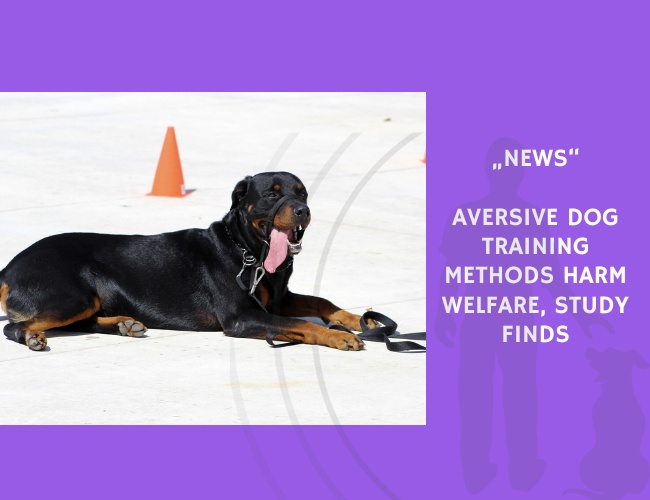
Dog training methods vary widely, from aversive techniques relying on punishment and negative reinforcement to positive, reward-based approaches. Castro et al. (2020) provided one of the most comprehensive analyses of how these training choices affect companion dog welfare.
The researchers studied 92 dogs enrolled in training schools. Dogs were grouped into Reward-based (n = 42), Mixed with low aversive use (n = 22), and Aversive with high aversive use (n = 28). During training, stress indicators such as lip licking, yawning, panting, and tense body states were carefully recorded. Salivary cortisol levels were also measured before and after sessions to evaluate physiological stress.
The results were striking. Dogs in the Aversive group showed significantly more stress-related behaviors, spent more time in tense postures, and had higher cortisol spikes after training compared to dogs in the Reward group. Furthermore, when tested outside of training, aversively trained dogs performed more pessimistically in a cognitive bias task, suggesting a lasting negative mood state.
Dogs in the Mixed group also displayed more stress-related behaviors and tense body states than reward-trained dogs, though their cortisol and pessimism levels were less affected than those of the Aversive group. Still, their welfare outcomes were inferior compared to reward-only training.
The study concludes that aversive training methods compromise companion dog welfare both during and after training. By contrast, reward-based training supports emotional stability, strengthens the dog–human bond, and avoids unnecessary stress.
Source: Castro, A. C. V., Fuchs, D., Morello, G. M., Pastur, S., Sousa, L., & Olsson, I. A. S. (2020). Does training method matter? Evidence for the negative impact of aversive-based methods on companion dog welfare. PLoS ONE, 15. Published December 16, 2020.