
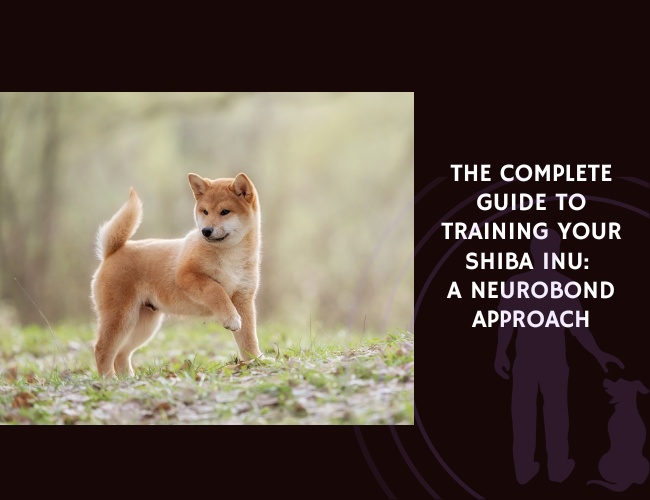
Introduction: Understanding Your Ancient Companion
The Shiba Inu carries within its DNA the echoes of ancient Japan—a heritage that shapes every interaction you’ll have with your four-legged companion. As one of the world’s basal breeds, your Shiba retains behavioral patterns that predate thousands of years of selective breeding. This isn’t just a dog; it’s a window into canine prehistory, wrapped in a fox-like package with an unmistakable personality.
Research comparing behavioral profiles across multiple countries reveals something fascinating: Japanese breeds, particularly the Shiba Inu, consistently demonstrate what scientists call “primitive breed characteristics.” These aren’t flaws—they’re features. Your Shiba’s independent decision-making, selective hearing, and thoughtful disobedience aren’t signs of a broken dog, but rather intact survival instincts from millennia of evolution.
This guide will show you how to work with these ancient patterns, not against them. Through the NeuroBond approach—a philosophy that prioritizes connection over control—you’ll discover how to build a partnership with a dog who was never meant to be a servant, but rather a companion who chooses to walk beside you. 🐾
Character & Behavior: The Mind Behind the Mask
Understanding Your Shiba’s Operating System
Think of your Shiba Inu as a sophisticated operating system running on four legs—one that was programmed thousands of years ago and hasn’t received many updates since. Unlike breeds developed for biddability, your Shiba processes commands through an independent evaluation matrix. They don’t ask “what does my human want?” but rather “what’s in it for me, and does this make sense?”
Studies examining the c.471T>C polymorphism in the SLC1A2 gene found significant associations with behavioral traits in Shiba Inus, particularly regarding stranger interaction. This genetic component means some of your Shiba’s responses are literally written into their DNA—you’re not failing as a trainer when you encounter these deeply ingrained patterns.
The Three Pillars of Shiba Temperament
Independence as Intelligence Your Shiba’s refusal to blindly follow commands isn’t stubbornness—it’s intelligence manifesting as autonomous decision-making. Research shows Shiba Inus can learn numerous commands quickly, but they make conscious choices about when to comply. This selective obedience served them well hunting in Japan’s mountainous terrain, where split-second independent decisions meant survival.
Sensitivity Behind the Stoic Face Despite their aloof reputation, Shiba Inus demonstrate remarkable emotional sensitivity. They don’t respond well to harsh corrections or negative reactions—not because they’re “soft,” but because their ancient programming tells them that aggressive pack members are unpredictable and should be avoided. This sensitivity becomes your greatest training tool when channeled through the NeuroBond approach.
Contextual Logic Your Shiba operates on what we call “contextual logic”—every behavior makes perfect sense within their worldview, even when it seems irrational to us. That dramatic Shiba scream? It’s not manipulation; it’s an ancient alarm system. The refusal to come when called? They’re evaluating whether returning serves their interests better than investigating that fascinating smell.
Reading Your Shiba’s Behavioral Language
Watch your Shiba’s tail—it tells stories your furry friend can’t speak aloud. A high, curled tail signals confidence and alertness, while a lowered tail suggests uncertainty. But here’s what most guides won’t tell you: Shibas use micro-expressions. That slight ear twitch when you call their name? They heard you perfectly. The barely perceptible weight shift when you reach for the leash? They’re already three steps ahead in the decision-making process.
Vocalization & Communication: Decoding the Shiba Dictionary
The Famous Shiba Scream
Let’s address the elephant—or rather, the screaming fox—in the room. The Shiba scream isn’t drama; it’s communication amplified by thousands of years of evolution. This piercing vocalization served to alert hunting partners across mountain valleys. In your home, it signals overwhelm, excitement, or protest against perceived injustice.
Understanding this changes everything about how you respond. Instead of seeing it as defiance, recognize it as feedback about your dog’s emotional state. Through the NeuroBond approach, we don’t suppress this communication—we acknowledge it and guide your Shiba toward calmer expressions of their needs.
The Silent Conversation
More important than what your Shiba says is what they don’t say. These dogs are masters of silent communication:
- The Side-Eye: Not sass, but evaluation. Your Shiba is processing whether your request aligns with their current priorities
- The Pause: That moment before (maybe) obeying? They’re running a cost-benefit analysis
- The Selective Deafness: They hear you—they’re choosing whether to acknowledge you’ve spoken
This isn’t disrespect; it’s the manifestation of an ancient decision tree that kept their ancestors alive. 🧠
Training & Education: The NeuroBond Method in Action
Foundation: Let Your Shiba Be
The first principle of NeuroBond training acknowledges a profound truth: we allow the dog to be himself. For your Shiba, this means accepting that you’re not training a Golden Retriever in a Shiba suit. You’re partnering with an independent thinker who needs reasons, not just commands.
Research confirms what Shiba owners know intuitively: these dogs respond poorly to repetitive training methods that bore them within minutes. Instead, they thrive on novelty, mental challenges, and training that feels less like school and more like solving puzzles together.
Building the Invisible Leash
Step 1: Establish the NeuroBond Before any formal training begins, focus on connection. This isn’t about dominance or being the “alpha”—modern research thoroughly debunks dominance theory. Instead, become the most interesting thing in your Shiba’s environment:
- Carry high-value treats they can’t resist (think freeze-dried liver, not boring kibble)
- Engage in activities they choose, not just ones you impose
- Respond to their check-ins with enthusiasm—every glance your way is a choice to connect
Step 2: The Standing Leash Technique Here’s where NeuroBond philosophy shines. Instead of forcing a sit, stand on the leash with just enough slack that your Shiba can stand but not jump or pull. Now wait. Don’t command, don’t correct—just wait.
What happens next is magical: your Shiba will try various solutions—pulling, protesting, maybe even that famous scream. But eventually, they’ll choose to sit or lie down. The moment they do, mark it with enthusiasm and reward generously. You’ve just let your Shiba discover the solution themselves, making it their idea, not your demand.
Step 3: From Bond to Task Once your Shiba regularly checks in with you (usually after 2-3 weeks of consistent bonding work), begin adding structure:
- Recall becomes a game: Call them only when you’re 90% sure they’ll come, gradually building success
- Leash walking: Let them choose to walk beside you by making yourself more interesting than the environment
- Word associations: Pair actions they’re already doing with words, rather than teaching commands from scratch
The Critical Socialization Window
Research identifies 3-14 weeks as the critical socialization period, and for Shiba Inus, this window is make-or-break. Miss it, and you might spend years undoing fearfulness or reactivity. But here’s what the research also tells us: between 8 and 9 weeks, puppies become more cautious. One bad experience during this sensitive phase can take weeks to overcome.
Your socialization strategy should be systematic yet gentle:
- Weeks 3-7: Exposure to different textures, sounds, and gentle handling
- Weeks 7-10: Positive interactions with various people (different ages, appearances, energy levels)
- Weeks 10-14: Controlled meetings with well-socialized dogs, exposure to different environments
- Beyond 14 weeks: Continue socialization but expect slower adaptation to new experiences
Remember: for a breed genetically predisposed to aloofness, every positive early experience is an investment in future trainability. 🐾
Addressing Breed-Specific Challenges
The Resource Guarding Response Shiba Inus often display resource guarding—an ancient survival mechanism. Traditional confrontational approaches escalate the problem. Instead, use the NeuroBond principle of offering better solutions:
- Never forcibly take items away (this confirms their need to guard)
- Trade up—offer something better in exchange
- Practice “drop it” when they’re already willing to release
- Build trust through games where giving things to you results in getting them back plus a bonus
Same-Sex Aggression Management Research shows male Shibas particularly struggle with same-sex aggression. This isn’t a training failure—it’s primitive breed heritage. Manage it through:
- Early, positive same-sex socialization during the critical period
- Parallel walking with other dogs rather than face-to-face meetings
- Rewarding calm observation of other dogs from a distance
- Never forcing interactions—let your Shiba choose their social circle
The Frustration Factor Studies indicate primitive breeds have lower frustration tolerance. Your Shiba might redirect frustration into destructive behaviors or shut down entirely. Build tolerance gradually:
- Start with 2-second waits before meals, building to 30 seconds over weeks
- Practice impulse control games: treat under a cup, wait for release
- End training before frustration peaks—5 productive minutes beats 15 frustrated ones
- Always provide an acceptable outlet for frustration (puzzle toys, sniff games, controlled tug)
Performance & Activities: Channeling Ancient Instincts
Mental Stimulation Over Physical Exhaustion
Your Shiba’s brain needs more exercise than their body. While they enjoy physical activity, mental challenges tire them more effectively and satisfy their problem-solving nature. A tired Shiba is a good Shiba, but a mentally satisfied Shiba is a great one.
Enrichment Activities That Work:
- Nosework and Scent Games: Hide treats or toys, progressively increasing difficulty. This taps into their hunting heritage
- Puzzle Feeders: Every meal becomes a problem to solve
- Novel Experiences: New walking routes, different textures underfoot, varied environments
- Training Challenges: Teach tricks they’ve never seen before—the novelty keeps them engaged
The Art of Structured Freedom
Shiba Inus need autonomy within boundaries. Think of it as creating a sandbox where they can make choices, all of which lead to positive outcomes:
- Sniffari Walks: Designate portions of walks where they choose the direction and pace
- Choice Training: Offer two toys, two treats, or two activities—let them pick
- Controlled Off-Leash Time: In secure areas, practice recall with long lines before attempting true off-leash work
- Independent Play: Encourage self-directed play with rotating toy selections
Remember: forcing activities on a Shiba creates resistance. Offering choices creates engagement. 😄
Nutritional Recommendations: Feeding the Independent Thinker
Food as Currency in Training
For a breed that asks “what’s in it for me?” food becomes your most valuable training currency. But not just any food—Shiba Inus are notoriously particular eaters with sophisticated palates.
High-Value Training Treats:
- Freeze-dried single proteins (liver, heart, fish)
- Small pieces of cooked chicken or turkey
- Tiny cheese cubes (for special occasions)
- Novel proteins they don’t get regularly
The Meal Training Method: Use a portion of their daily food for training throughout the day. This prevents overfeeding while maximizing training opportunities. Your Shiba learns that cooperation leads to meals, creating natural motivation without deprivation.
Managing the Picky Eater
Many Shibas develop selective eating habits—another manifestation of their independent nature. This isn’t necessarily problematic unless it affects their health. Work with their preferences:
- Rotate proteins every few weeks to maintain interest
- Add warm water or low-sodium broth to enhance aroma
- Use puzzle feeders to make meals more engaging
- Avoid leaving food down all day—scheduled meals create value through scarcity
Health Concerns: The Wellness-Behavior Connection
Stress and the Sensitive Shiba
Research reveals that dogs trained with aversive methods show 15 times more stress symptoms than those trained with positive reinforcement. For the already-sensitive Shiba Inu, this stress manifests in various ways:
- Physical symptoms: Excessive shedding, digestive issues, skin problems
- Behavioral changes: Increased reactivity, withdrawal, resource guarding escalation
- Cognitive impacts: Reduced learning ability, poor impulse control, decision-making struggles
The NeuroBond approach minimizes stress by working with your Shiba’s natural inclinations rather than against them. A relaxed Shiba is a healthy Shiba, both mentally and physically.
Exercise Needs and Joint Health
Shiba Inus are athletic but not hyperactive. Their exercise needs are moderate but must be met consistently:
- Daily requirement: 30-60 minutes of engaged activity
- Mental exercise: Counts toward their daily needs
- Varied intensity: Mix leisurely sniff walks with brief spurts of running or play
- Age considerations: Puppies need controlled exercise to protect developing joints; seniors need gentler, shorter sessions
Monitor for signs of overexertion—a Shiba will often push through discomfort rather than show weakness, another primitive trait that requires your vigilant observation.
Ancient. Independent. Sensitive.
Your Shiba thinks first. Selective obedience isn’t defiance—it’s intelligence rooted in survival instincts. Every pause or refusal reflects millennia of independent decision-making.
Emotion hides beneath stoicism. Harsh methods shut them down, but calm guidance unlocks their sensitivity. Connection, not correction, turns aloofness into trust.
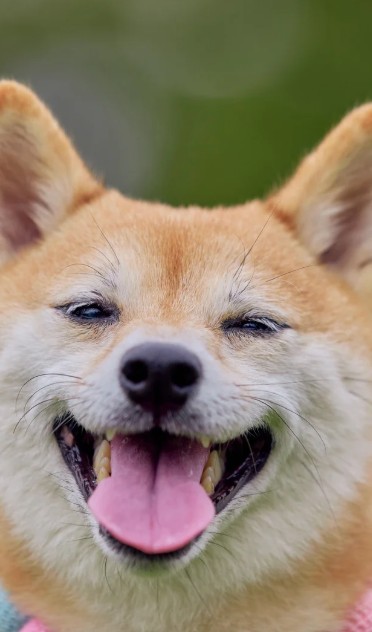
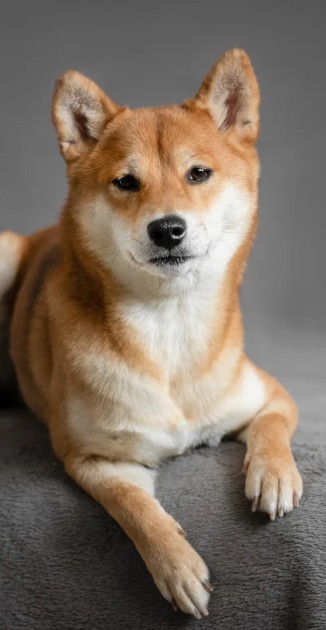
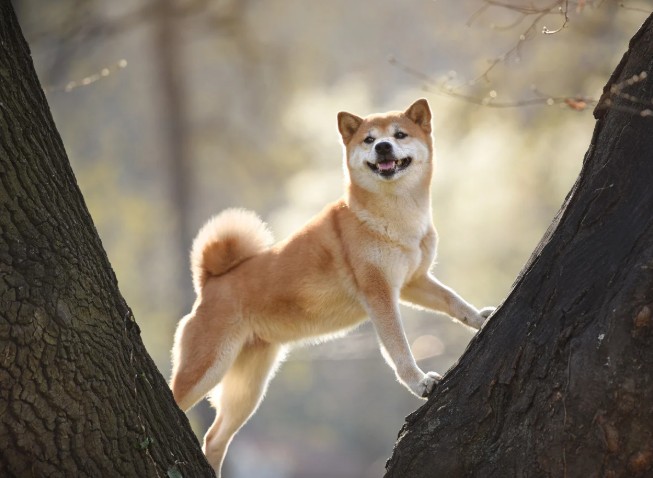
Communication is complex. Screams, pauses, and micro-signals aren’t defiance—they’re feedback. Reading this silent language transforms training into partnership built on respect.
Lifestyle & Environment: Creating the Optimal Shiba Space
The Territory Question
Your Shiba views your home as their territory, and they take this responsibility seriously. This territorial nature isn’t aggression—it’s an ancient job description. Channel it productively:
- Designated watch posts: Window perches or specific spots where they can survey their domain
- Predictable boundaries: Clear, consistent rules about which areas are theirs
- Respect their space: A crate or bed that’s exclusively theirs, never violated
- Visitor protocols: Teach a “place” command for when guests arrive, giving them a job instead of leaving them to create their own solution
Multi-Pet Households
Introducing a Shiba to other pets requires strategy and patience. They often prefer being the only dog but can coexist peacefully with proper introduction:
- Gradual integration: Start with scent swapping, progress to visual contact through barriers, then supervised interactions
- Resource management: Separate feeding areas, individual toys, multiple water stations
- Respect preferences: Some Shibas will never be dog-social, and that’s okay
- Cat considerations: Many Shibas coexist well with cats when raised together, though prey drive varies individually
Environmental Enrichment
Your home environment should offer choices and challenges:
- Vertical space: Shibas enjoy elevated positions—cat trees aren’t just for cats
- Hiding spots: Covered beds or crates where they can retreat
- Rotation system: Change toys, puzzles, and even furniture arrangement periodically
- Outdoor access: Secure yards are ideal, but always supervise—Shibas are escape artists when motivated
Senior Care: Adapting the Bond As They Age
The Dignified Senior Shiba
As your Shiba ages, their independence may intensify. They’ve spent years perfecting their decision-making process, and they’re not about to change now. Respect this while adapting to their changing needs:
- Modified training: Shorter sessions, easier tasks, more rewards for effort
- Cognitive enrichment: Gentle puzzle games, sniff mats, slow-feeder bowls
- Routine becomes religion: Seniors struggle with change—maintain predictable patterns
- Health monitoring: Watch for subtle changes—Shibas hide discomfort expertly
Maintaining the NeuroBond
The connection you’ve built doesn’t diminish with age—it deepens. Your senior Shiba may not be as physically capable, but their emotional bond with you becomes their primary source of security:
- Continue daily check-ins and bonding moments
- Adjust expectations but maintain engagement
- Celebrate small victories—a senior Shiba choosing to come when called is still choosing you
- Provide comfort without pity—they’re still the same proud, independent soul
Did you know that senior Shibas often become more affectionate? As their world shrinks, you become an even more central figure. This isn’t dependence—it’s a deepening of the trust you’ve cultivated through years of respecting their nature. 🧡
Common Misconceptions: Myths vs. Reality
“Shiba Inus Are Untrainable”
This persistent myth stems from comparing Shibas to traditionally biddable breeds. Reality: Shiba Inus are highly trainable when you understand their currency. They’re not untrainable; they’re differently trainable. Research shows they can master complex behaviors—they just need compelling reasons to demonstrate them.
The truth: Your Shiba can learn anything a Border Collie can learn. The difference? A Border Collie performs to please you. A Shiba performs when the reward matrix makes sense to them.
“They’re Aggressive Dogs”
Studies do show higher aggression scores in Japanese breeds, but context matters. What researchers call “aggression” often translates to:
- Assertive communication: Clear boundaries about personal space
- Resource value: Understanding that resources are finite and worth protecting
- Selective sociability: Not every dog needs to love every person or dog they meet
Through proper socialization and the NeuroBond approach, these traits become manageable quirks rather than behavioral problems. An unsocialized Shiba might be reactive; a well-socialized Shiba is simply selective.
“Dominance Training Works Best”
This dangerous misconception can destroy your relationship with a Shiba. Modern science has thoroughly debunked dominance theory, and for Shibas specifically, dominance-based methods create:
- Increased aggression and fear
- Breakdown of trust
- Passive resistance or complete shutdown
- Escalation of unwanted behaviors
Remember: your Shiba doesn’t need a boss—they need a trusted partner who makes cooperation worthwhile.
Troubleshooting Guide: When Things Go Wrong
The Recall Refusal
When your Shiba won’t come when called, they’re not being defiant—they’re making a calculated decision. Fix it by:
- Never call when you know they won’t come—each ignored recall weakens the cue
- Practice “proximity games”—reward them for choosing to be near you without calling
- Use “environmental recall”—call them when they’re already moving toward you
- Make yourself the best option—be more interesting than whatever they’re investigating
The Leash Wrestling Match
Pulling isn’t rebellion; it’s your Shiba’s natural pace conflicting with yours. Traditional corrections often make it worse. Instead:
- Stop moving when they pull—movement is the reward
- Change direction frequently—keeps them focused on you
- Reward position, not just loose leash—catch them being good
- Use the “penalty yards” method—take steps backward when they pull forward
The Selective Listening
When your Shiba “ignores” commands they know:
- Check your reward value—is it worth their effort?
- Assess the environment—too many distractions?
- Consider timing—are they stressed, tired, or overwhelmed?
- Evaluate your relationship—has trust been damaged?
Fix it by going back to basics: rebuild the behavior with higher rewards in easier environments, then gradually increase difficulty.
The Social Struggles
If your Shiba struggles with other dogs or people:
- Don’t force interactions—this confirms their concerns
- Create positive associations from a distance
- Use parallel walking with calm dogs
- Reward calm observation, not interaction
- Accept their social preferences—not every Shiba needs dog friends
Advanced Training: Beyond the Basics
The Thinking Dog’s Games
Once you’ve established the NeuroBond foundation, challenge your Shiba’s intelligence:
Cognitive Challenges:
- Multi-step commands: “Go to your bed, wait, then bring me the ball”
- Discrimination tasks: Teaching them to identify objects by name
- Problem-solving setups: Puzzles they must figure out independently
- Delayed gratification: Building up to longer waits and self-control
Creative Applications:
- Useful tasks: Teach them to bring you specific items, close doors, or turn off lights
- Trick chains: Combine known behaviors into impressive sequences
- Scent work: Hide and seek games that tap into their hunting heritage
- Parkour basics: Navigate obstacles, building confidence and body awareness
The Partnership Principle
Advanced training with a Shiba isn’t about perfect obedience—it’s about sophisticated cooperation. You’re teaching them to be a thinking partner who:
- Evaluates situations and makes good choices
- Offers behaviors without being asked
- Communicates needs clearly and appropriately
- Solves problems collaboratively with you
This is the ultimate expression of the NeuroBond philosophy: two intelligent beings choosing to work together, each respecting the other’s nature.
The Daily Routine: Living with Your Shiba
Morning Rituals
Start each day by reinforcing your bond:
- The morning check-in: Let them approach you first—their choice to connect
- Breakfast training: Use mealtime for quick training sessions
- Structured freedom: A morning walk where they choose the first half’s direction
- Settle time: Teach them that mornings include quiet time too
Throughout the Day
Living with a Shiba means constant micro-negotiations:
- Random reinforcement: Catch them being good and reward unexpectedly
- Choice points: Offer options throughout the day
- Mental breaks: Puzzle toys or sniff mats while you work
- Connection moments: Brief training or play sessions between activities
Evening Wind-Down
Help your Shiba transition to rest:
- Predictable routine: Same sequence of events each night
- Calm activities: Gentle grooming or massage
- Last call: Final bathroom break without excitement
- Respect their space: Let them choose where to sleep (within your boundaries)
Success Metrics: How to Know It’s Working
The Invisible Progress
Success with a Shiba Inu looks different than with other breeds. Instead of perfect heel position or instant recalls, look for:
- Increased check-ins: They look at you more often for information
- Voluntary proximity: They choose to be near you more frequently
- Softer responses: Less resistance to requests, even if compliance isn’t immediate
- Communication improvements: They “tell” you what they need instead of just taking it
- Stress reduction: Calmer overall demeanor, better sleep, healthier coat
The Trust Indicators
You’ll know the NeuroBond is strong when:
- Your Shiba shows you their belly (ultimate vulnerability)
- They bring you their treasures (toys, found objects)
- They seek comfort from you during stress
- They mirror your energy levels naturally
- They offer behaviors without being asked
These subtle signs matter more than any obedience title ever could. 🐾
Conclusion: Is the Shiba Inu Right for You?
The Honest Assessment
Living with a Shiba Inu means accepting that you’re not getting a dog who lives to please you. You’re getting a partner who will:
- Challenge your assumptions about dog training
- Teach you patience you didn’t know you had
- Make you earn their respect daily
- Reward your efforts with selective but genuine affection
- Keep you laughing with their quirky, fox-like antics
The Right Match
A Shiba Inu thrives with someone who:
- Values intelligence over blind obedience
- Enjoys solving puzzles and meeting challenges
- Respects independence while building connection
- Has patience for the long game of relationship building
- Appreciates subtle communication over grand gestures
- Can laugh when their dog outsmarts them (it will happen)
The Reward
When you work with your Shiba’s nature through the NeuroBond approach, you don’t get a robot who obeys every command. You get something far more valuable: a thinking partner who chooses to cooperate because they trust and respect you. Every recalled Shiba, every successful walk, every moment they choose you over their own agenda—these aren’t just training victories. They’re declarations of partnership from a dog who didn’t have to choose you, but did anyway.
The ancient hunters of Japan didn’t need servants—they needed partners who could think independently while working toward shared goals. Today’s Shiba Inu still carries this legacy. Through patience, understanding, and the NeuroBond philosophy of connection over control, you’re not training a dog—you’re building a bridge across thousands of years of evolution, creating a partnership that honors both your humanity and their primitive wisdom.
Welcome to life with a Shiba Inu. It won’t be easy, but for those who understand the assignment, it will be extraordinary. 🧡
Further Resources: Continuing Your Journey
Recommended Next Steps
Your journey with your Shiba doesn’t end with training basics. Consider:
- Advanced scent work classes: Perfect for the independent learner
- Canine fitness and conditioning: Maintains physical and mental health
- Trick training groups: Keeps their mind engaged with novelty
- Online Shiba communities: Connect with others who understand the unique joys and challenges
When to Seek Professional Help
Don’t hesitate to consult a professional if:
- Aggression escalates despite management
- Fear or anxiety interferes with daily life
- Resource guarding becomes dangerous
- You feel overwhelmed or frustrated consistently
Look for trainers who understand primitive breeds and use force-free, relationship-based methods aligned with the NeuroBond philosophy.
Remember: seeking help isn’t failure—it’s investing in your partnership’s success. Every Shiba is unique, and sometimes an outside perspective reveals solutions you couldn’t see from inside the relationship.
Your Shiba Inu is waiting to show you a different way of being with dogs. Are you ready to listen?










